


Description
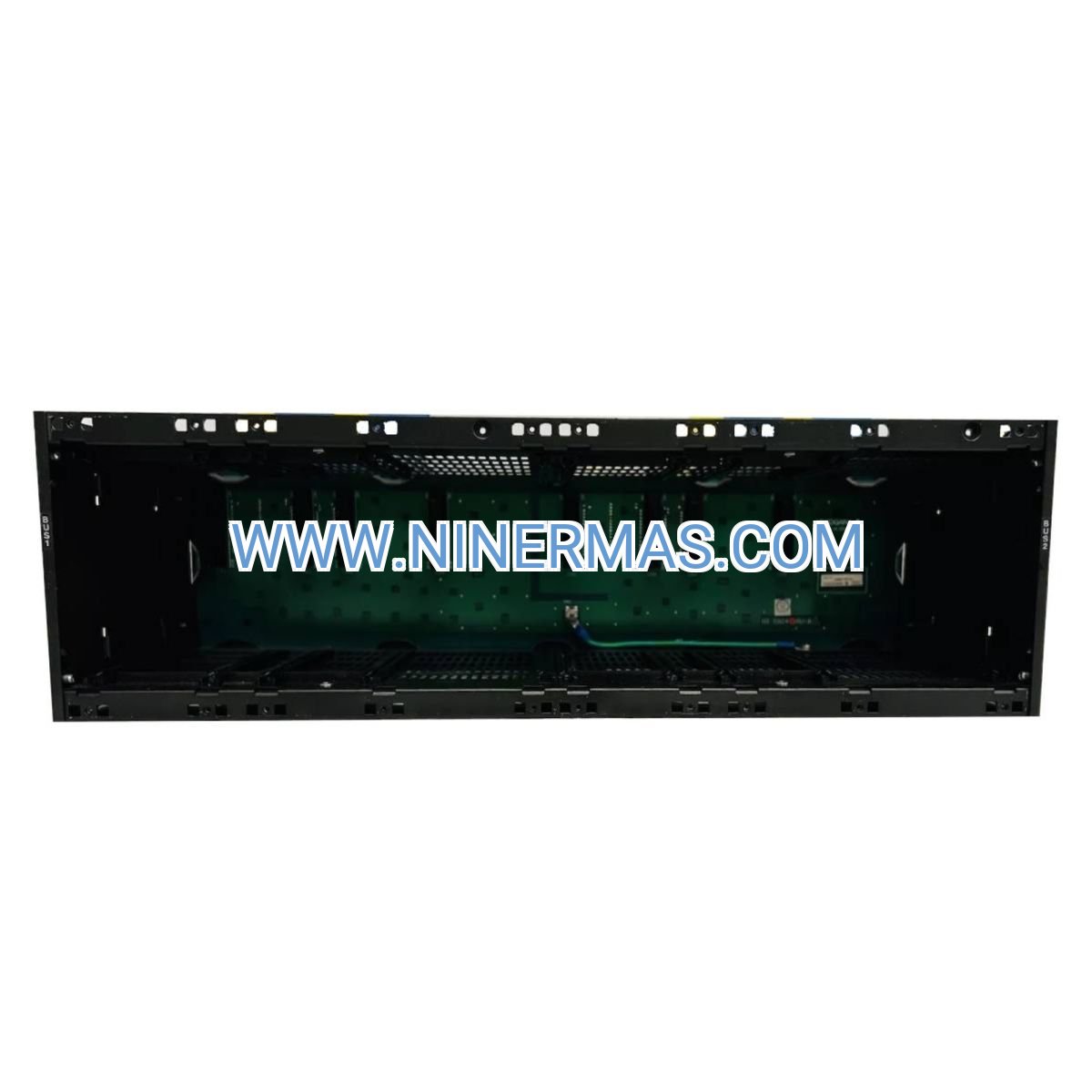
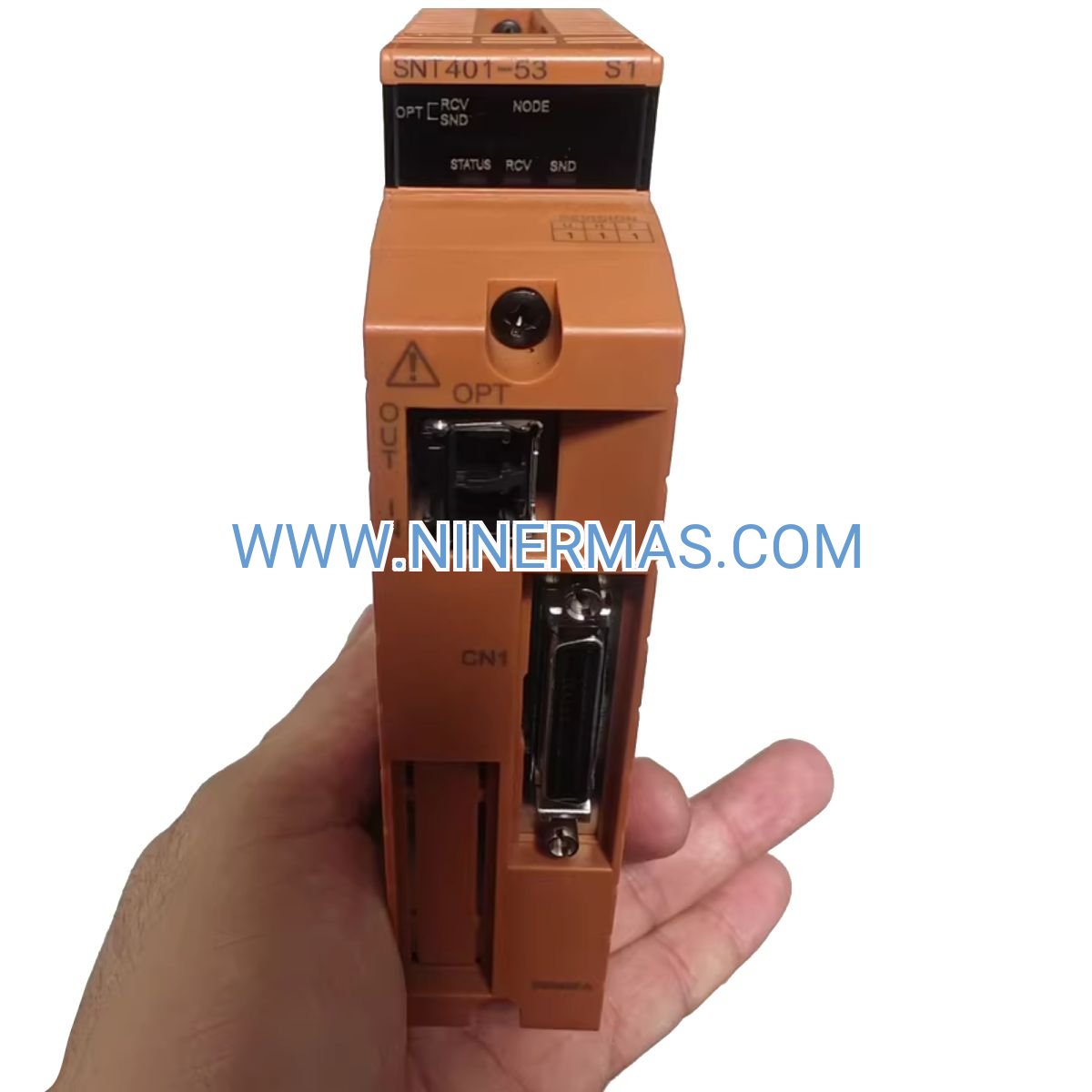
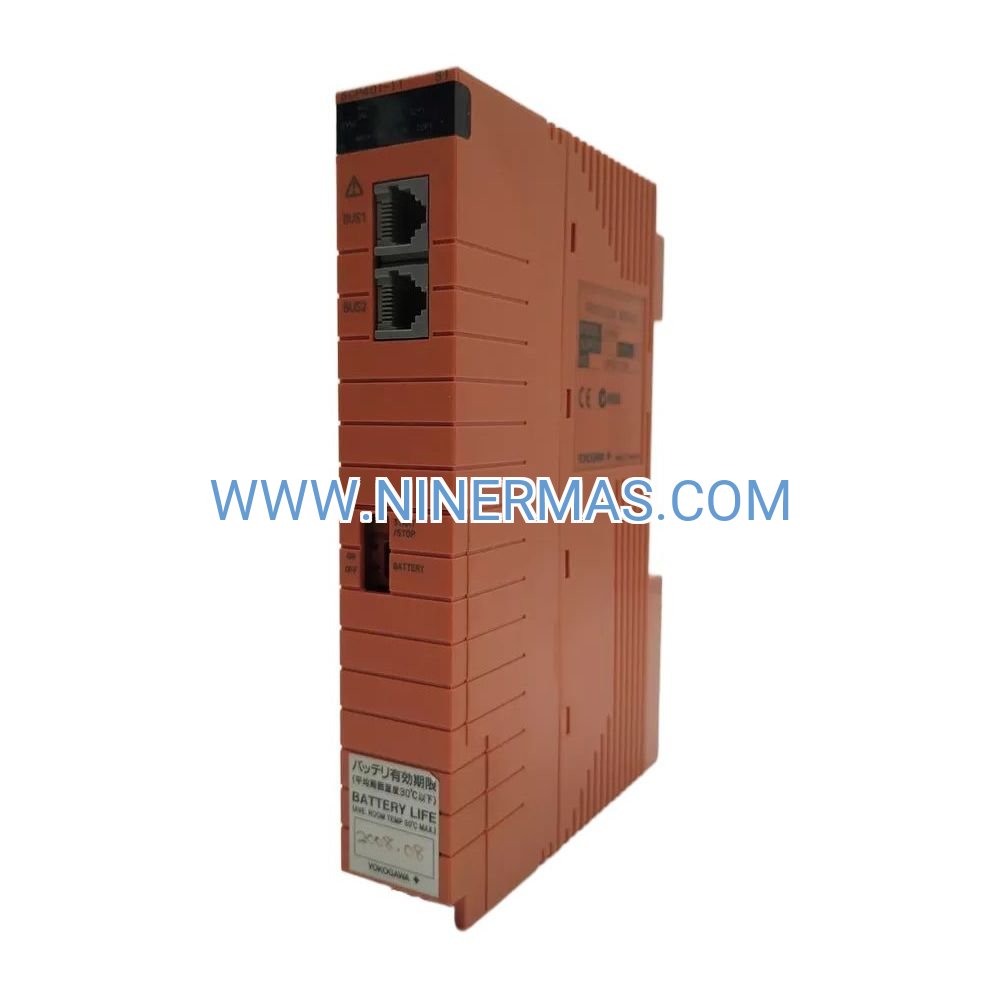
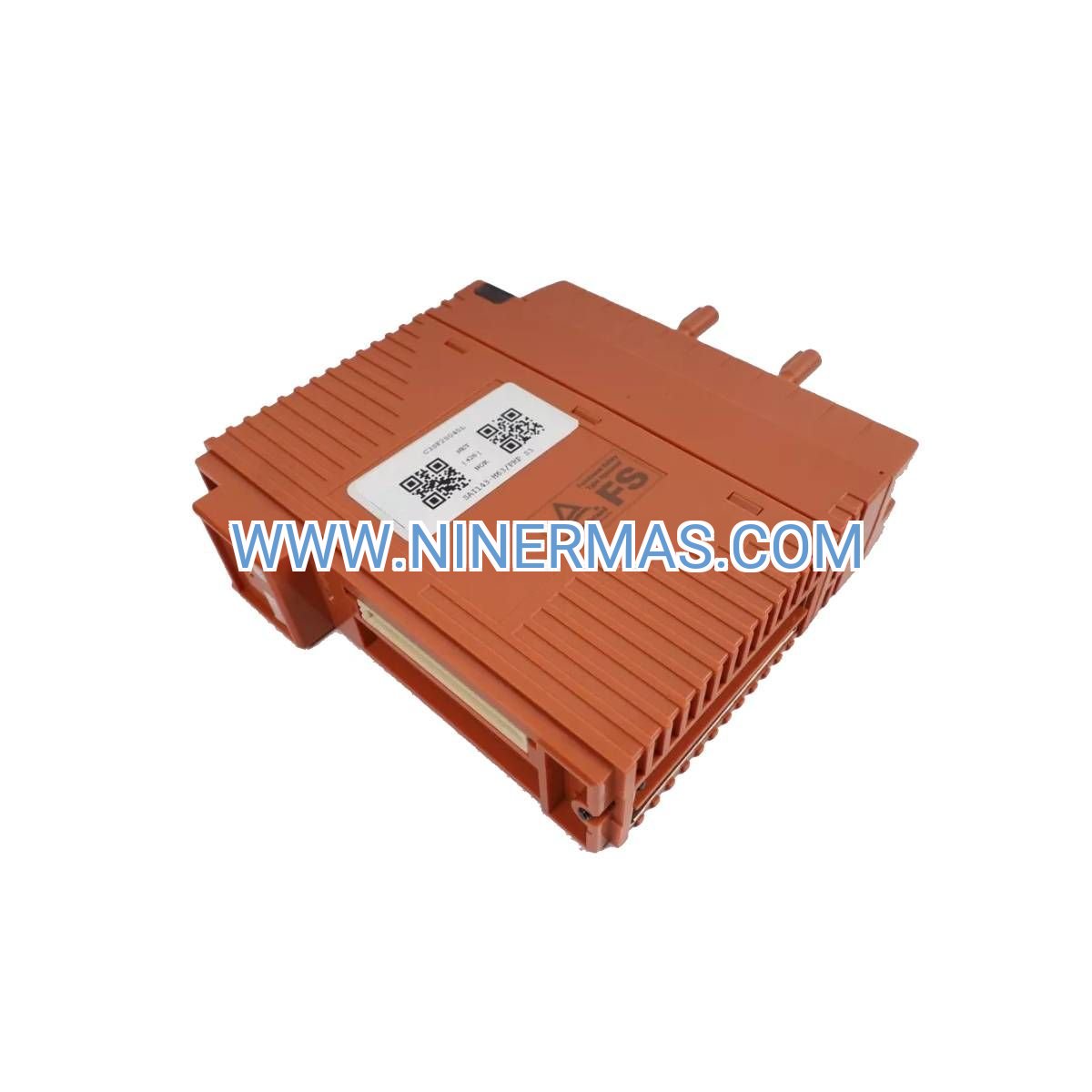
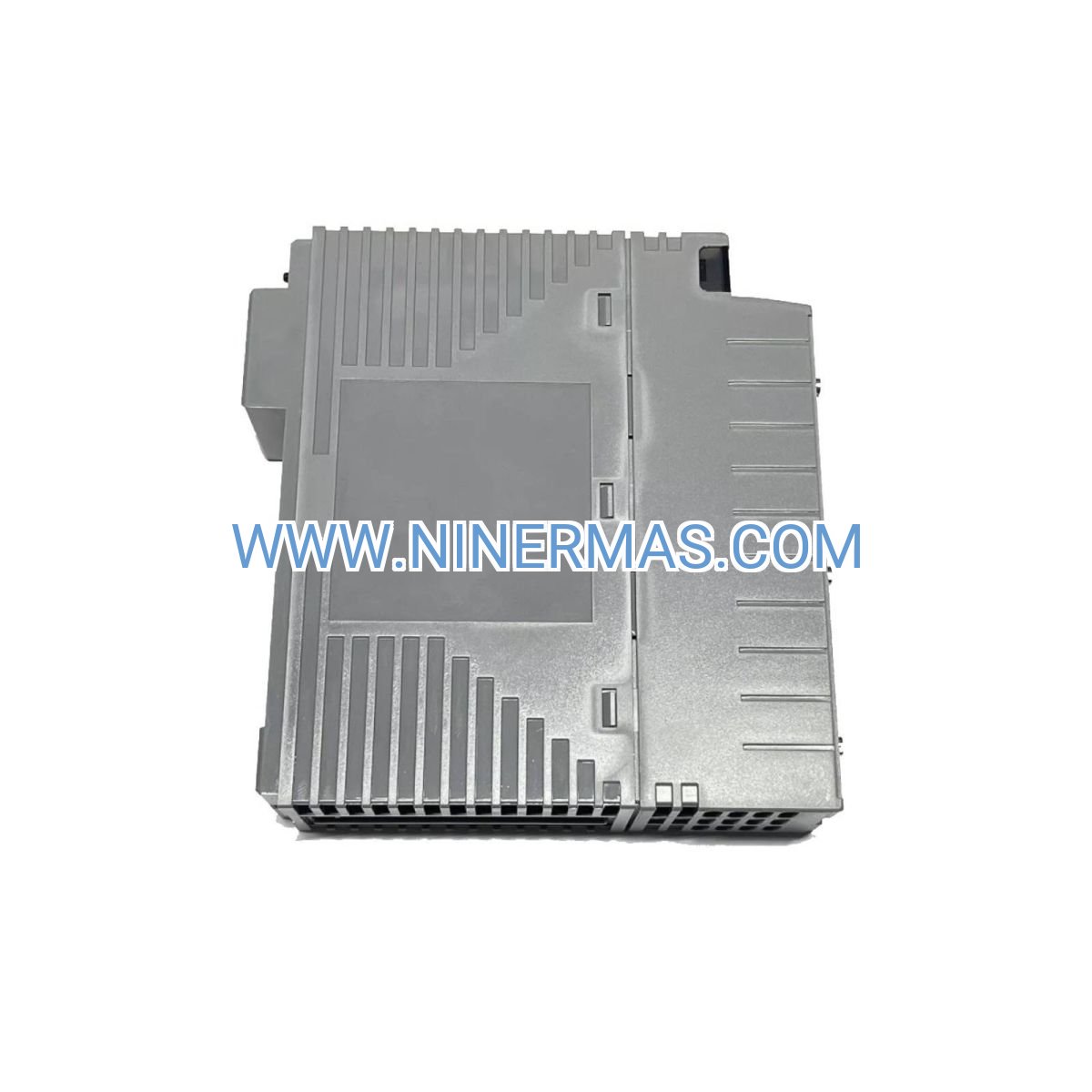
Yokogawa SSB401-53 Safety Bus Interface Module (Industrial-Grade ESB Slave Communication)
The Yokogawa SSB401-53 (model S9343FA) represents a critical communication backbone for safety instrumented systems requiring SIL 3 integrity levels. This Enhanced Safety Bus (ESB) slave interface module establishes deterministic, fault-tolerant data pathways between ProSafe-RS safety controllers and distributed field I/O networks in hazardous industrial environments.
Designed for process industries where equipment failure can result in catastrophic consequences, this module addresses the fundamental challenge of maintaining reliable safety communication under extreme conditions. Target users include safety system integrators, instrumentation engineers, and plant automation teams managing emergency shutdown systems, fire and gas detection networks, and high-integrity pressure protection installations.
Key differentiators include TÜV-certified SIL 3 compliance, hot-swappable architecture enabling maintenance without system downtime, and galvanic isolation protecting against electrical interference. The module's compact DIN-rail form factor optimizes cabinet space while delivering enterprise-grade reliability for mission-critical safety applications.
Core Capabilities & Business Value
✓ SIL 3 Certified Safety Integrity
TÜV-approved compliance with IEC 61508 standards ensures regulatory acceptance across global jurisdictions, reducing certification costs and accelerating project commissioning timelines by 30-40%.
✓ Deterministic 12 Mbps Communication
High-speed ESB protocol delivers sub-10ms response times, enabling faster emergency response cycles that can prevent equipment damage and reduce incident severity in critical process upsets.
✓ Redundant Fault-Tolerant Architecture
Dual communication paths maintain system availability during single-point failures, achieving 99.99% uptime targets required for continuous process operations and minimizing unplanned shutdowns.
→ Hot-Swappable Maintenance Design
Field-replaceable without system interruption eliminates costly production stops during module servicing, saving $50,000-$200,000 per maintenance event in high-value manufacturing environments.
→ Advanced Diagnostic Monitoring
Real-time health status reporting enables predictive maintenance strategies, reducing mean time to repair (MTTR) by 60% through early fault detection and automated alarm generation.
→ Wide Operating Temperature Range
-40°C to +70°C capability supports deployment in extreme climates from Arctic facilities to desert refineries without additional environmental conditioning equipment.
Industry Application Scenarios
Oil & Gas Refineries – Emergency Shutdown Systems
In hydrocarbon processing facilities, the SSB401-53 connects safety PLCs to field-mounted shutdown valves and pressure transmitters. When hazardous conditions are detected, the module's deterministic communication ensures valve closure commands execute within safety-rated time windows, preventing runaway reactions and protecting personnel from toxic releases.
Chemical Manufacturing – Fire & Gas Detection Networks
Chemical plants deploy this interface to link distributed flame detectors and toxic gas sensors to central safety controllers. The module's galvanic isolation prevents ground loop interference that could cause false alarms, while redundant paths ensure detection signals reach safety systems even during electrical faults.
Power Generation – Burner Management Systems
Boiler control applications utilize the SSB401-53 to coordinate fuel valve sequencing and flame monitoring. Sub-10ms response times enable precise ignition timing control, improving combustion efficiency by 8-12% while maintaining safety interlock integrity during startup and shutdown cycles.
Offshore Platforms – High-Integrity Pressure Protection
Marine environments subject equipment to salt spray, vibration, and temperature extremes. This module's rugged construction and wide operating range maintain reliable communication between subsea pressure sensors and topside safety systems, preventing well blowouts and structural overpressure failures.
Pharmaceutical Production – Sterile Process Isolation
Cleanroom manufacturing requires safety systems that don't compromise environmental controls. The module's compact footprint and low 5W power consumption minimize heat generation, while DIN-rail mounting simplifies integration into space-constrained control panels adjacent to sterile production zones.
Technical Parameters & Selection Guide
| Parameter | Specification |
|---|---|
| Model Number | SSB401-53 (S9343FA) |
| Safety Certification | SIL 3 per IEC 61508, TÜV approved |
| Communication Protocol | ESB (Enhanced Safety Bus) |
| Data Transfer Rate | 12 Mbps maximum |
| Typical Response Time | <10 milliseconds |
| Operating Temperature | -40°C to +70°C (-40°F to +158°F) |
| Power Consumption | 5 Watts maximum |
| Mounting Method | 35mm DIN rail (IEC 60715) |
| Isolation Voltage | 1500 VDC (bus to logic) |
| Dimensions (H×W×D) | 120mm × 35mm × 110mm |
| Weight | 0.4 kg (0.88 lbs) |
| Humidity Range | 5% to 95% RH (non-condensing) |
Selection Criteria: Choose the SSB401-53 when your application requires SIL 3 safety integrity, deterministic communication timing, or integration with existing Yokogawa ProSafe-RS infrastructure. For non-safety applications or lower SIL requirements, consider standard I/O modules. Verify compatibility with your ProSafe-RS controller firmware version before ordering.
Extended Functionality & Integration
ProSafe-RS Ecosystem Compatibility: Seamlessly integrates with Yokogawa S2CP471 processor modules, SNB safety node units, and distributed I/O racks. Supports mixed I/O configurations combining digital inputs, analog sensors, and relay outputs on a single ESB network.
SCADA & HMI Connectivity: Module status and diagnostic data accessible via OPC UA and Modbus TCP protocols, enabling integration with Wonderware, Siemens WinCC, and other supervisory control platforms for centralized monitoring.
Cybersecurity Features: Implements secure boot verification and encrypted configuration files to prevent unauthorized modifications. Supports network segmentation strategies compliant with IEC 62443 industrial cybersecurity standards.
Customization Options: Available with conformal coating for corrosive atmosphere protection (specify -CC suffix). Extended temperature variants (-ET) rated to +85°C for extreme desert or tropical installations. Consult factory for high-vibration offshore specifications.
Delivery Timeline & Service Assurance
Standard Lead Time: 3-5 business days for in-stock units shipping from our Shanghai distribution center. Express 24-hour delivery available for emergency replacement requirements (additional fees apply).
Custom Configuration: Factory-programmed modules with pre-loaded I/O mapping and network addresses ship within 7-10 business days. Includes configuration documentation and as-built drawings.
Warranty Coverage: 24-month manufacturer warranty covering defects in materials and workmanship. Extended 5-year service contracts available including advance replacement and annual calibration verification.
Technical Support: Lifetime access to application engineering team via email (sale@ninermas.com) and phone (+0086 187 5021 5667). Remote diagnostic assistance and firmware update guidance included. On-site commissioning support available (quoted separately).
Documentation Package: Each module ships with installation manual, ESB network configuration guide, SIL 3 certification documents, and CAD drawings (DXF/PDF formats). Software utilities for network diagnostics downloadable from support portal.
Frequently Asked Questions
How does the SSB401-53 interface with existing DCS systems?
The module operates as a slave device on the ESB network, communicating exclusively with ProSafe-RS safety controllers. For DCS integration, the safety controller provides gateway functionality via Ethernet/IP or Modbus TCP to transfer non-safety data to your distributed control system while maintaining SIL 3 separation.
What is the maximum ESB network capacity when using this slave module?
A single ESB segment supports up to 32 slave modules with aggregate I/O capacity of 2048 digital points or 512 analog channels. Network performance remains deterministic up to 80% loading; consult Yokogawa's network planning tools for configurations exceeding 25 modules per segment.
Can this module reduce energy consumption in safety system installations?
Yes—the 5W maximum power draw represents 60-70% lower consumption versus legacy relay-based safety systems. In a typical 50-module installation, this translates to 1,200 kWh annual savings ($180-$240 at industrial electricity rates), with reduced cooling requirements further lowering HVAC costs.
What are the physical installation requirements for DIN rail mounting?
Requires standard 35mm DIN rail per IEC 60715 with minimum 120mm vertical clearance. Allow 10mm spacing between adjacent modules for airflow. Panel ambient temperature must not exceed +55°C; install cooling fans if cabinet internal temperature approaches this limit during peak loads.
Does the SSB401-53 support remote monitoring and diagnostics?
Comprehensive diagnostic data including communication errors, power supply voltage, and module temperature are accessible via the ProSafe-RS engineering workstation. SNMP traps and email alerts can be configured for fault conditions. Web-based dashboard requires optional Yokogawa Plant Resource Manager (PRM) software license.
How do I verify SIL 3 compliance during installation and commissioning?
Yokogawa provides a Safety Validation Tool (SVT) software package that performs automated integrity checks including communication timing verification, redundancy path testing, and diagnostic coverage validation. The tool generates compliance reports required for TÜV inspection and regulatory submissions.
Ready to Enhance Your Safety System Reliability?
Contact our industrial automation specialists today for application-specific guidance, network architecture planning, and volume pricing. Request a detailed quotation including recommended spare parts, configuration services, and training options tailored to your facility requirements.
Email: sale@ninermas.com | Phone: +0086 187 5021 5667
© 2026 NINERMAS COMPANY LIMITED. All rights reserved.
Original Source: https://ninermas.com
Contact: sale@ninermas.com | +0086 187 5021 5667
Related products


Contact Info
-
Address:22 / F, South Wo Hang building, 148 Wing Lok Street, Sheung Wan, Western District, Hong Kong
-
Phone:+8618750215667
-
Email:
