Description
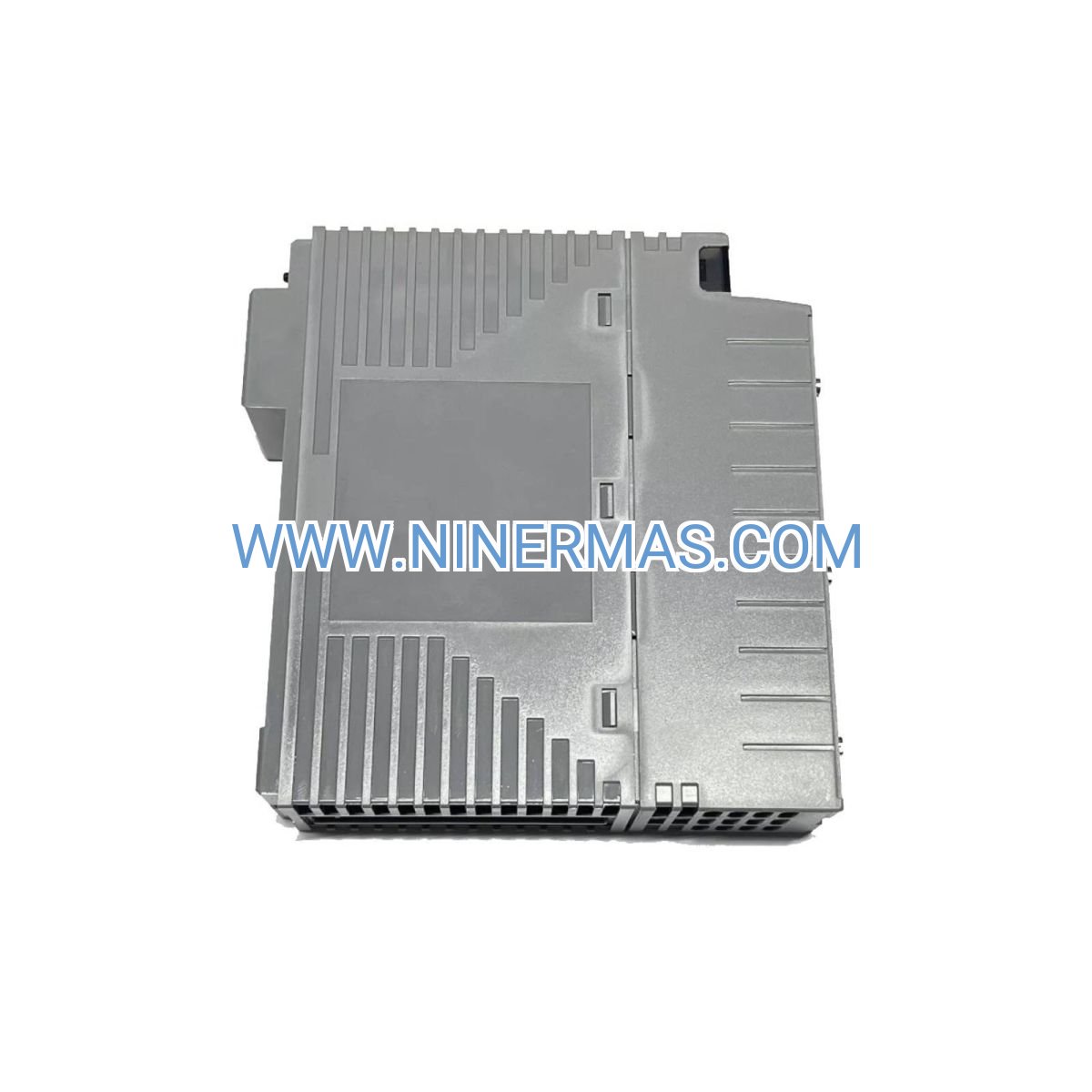
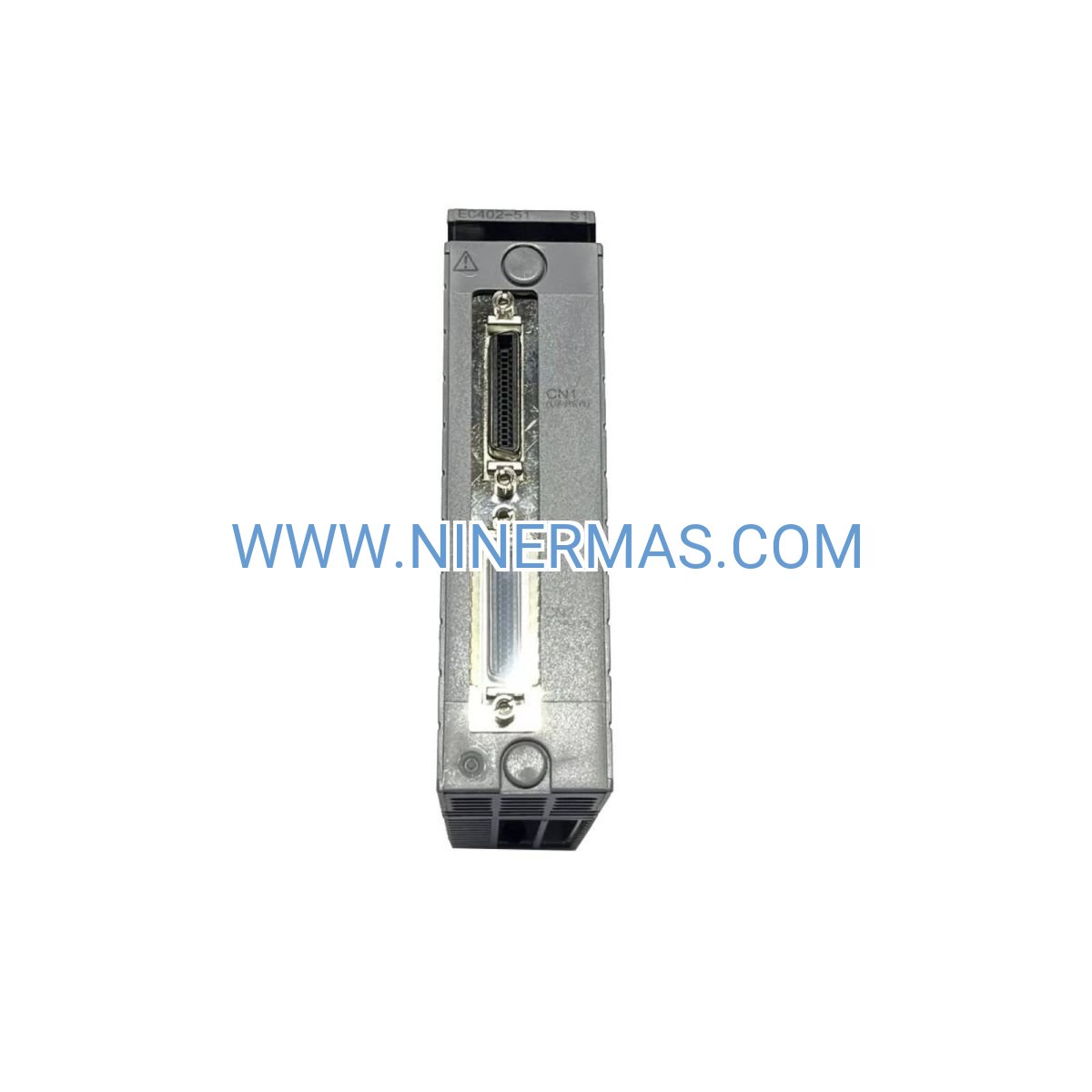
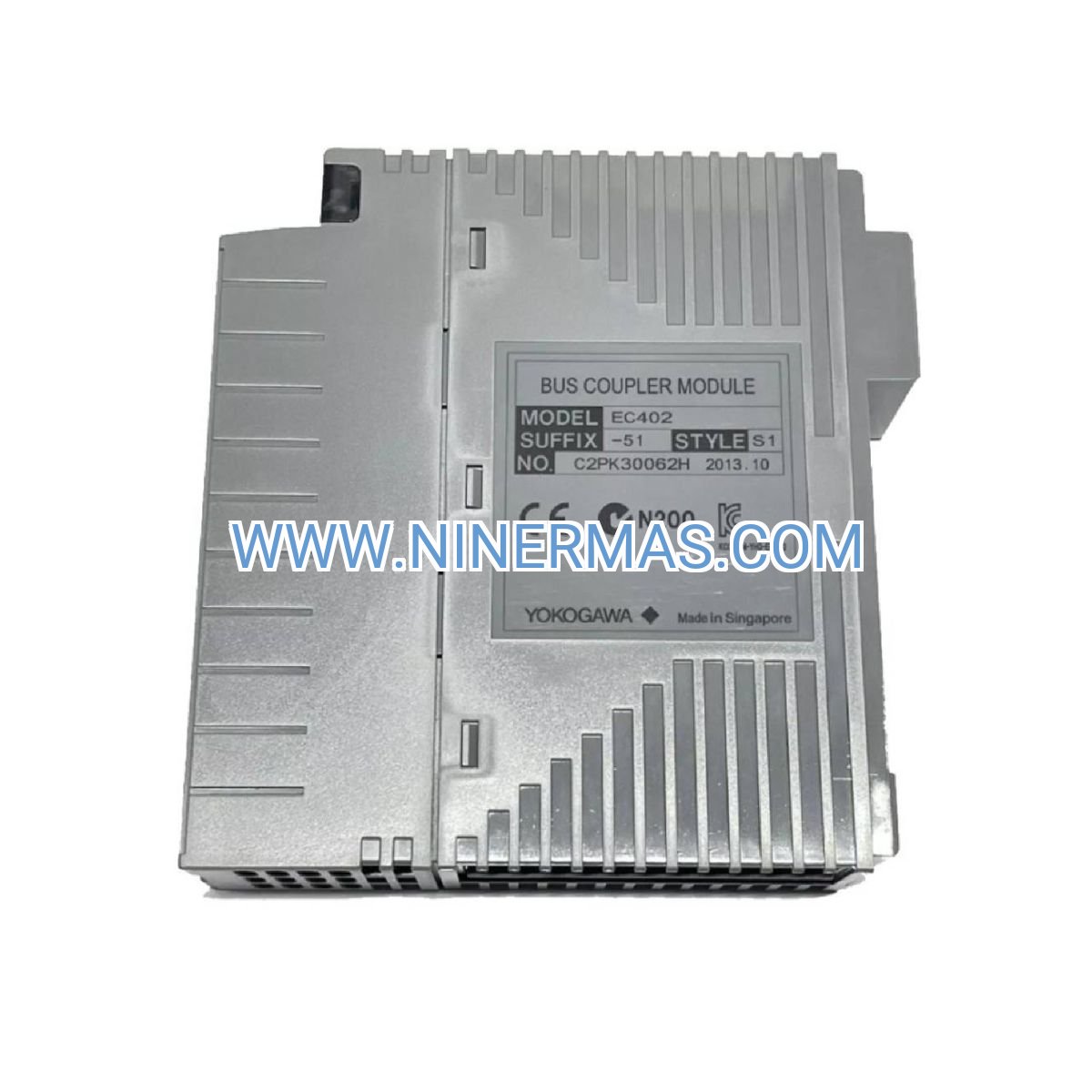
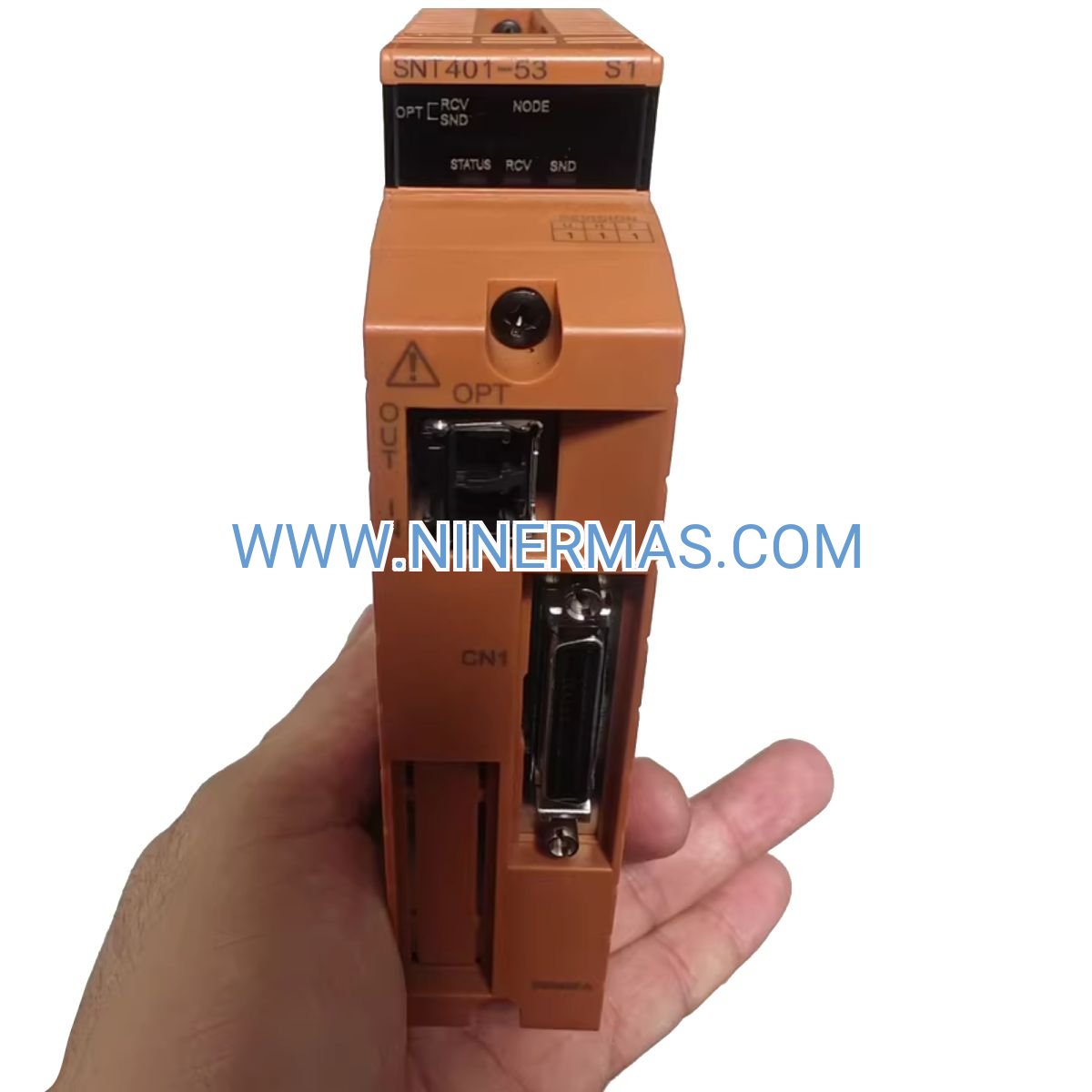
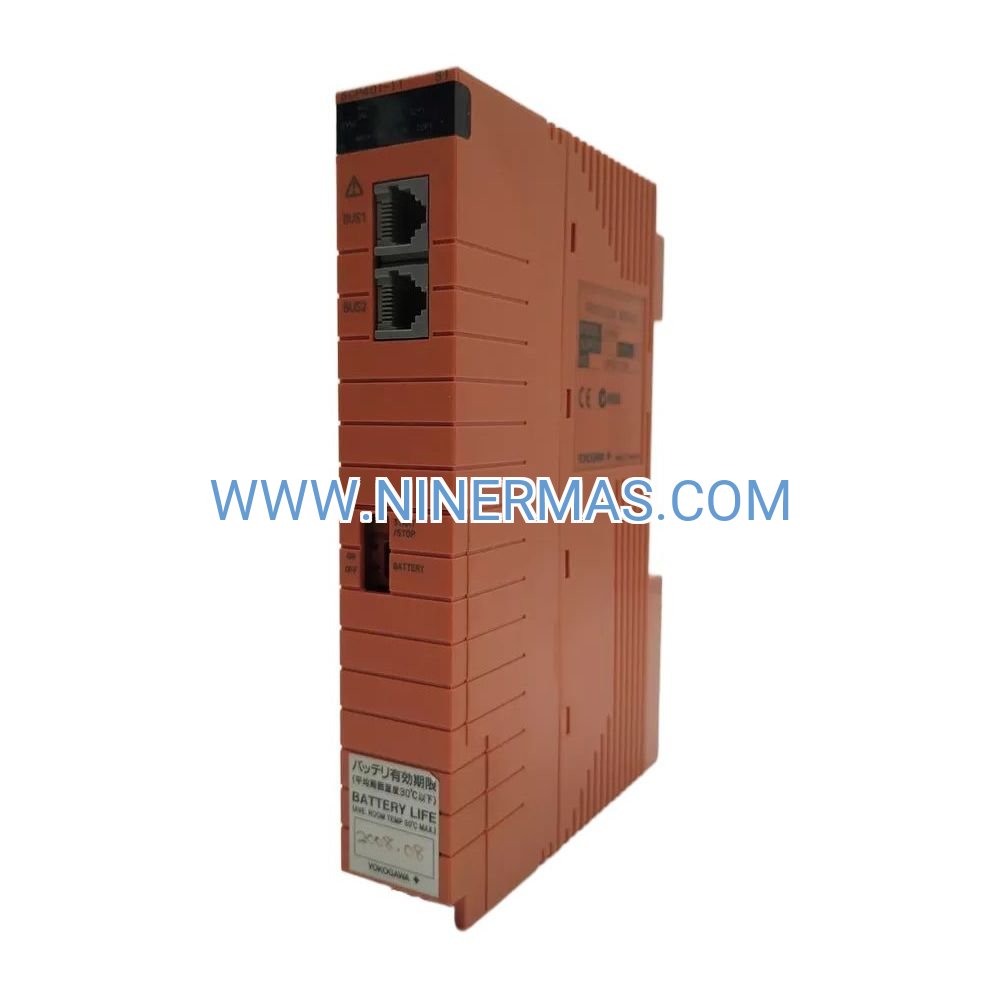
EC402-51 ESB Bus Coupler Module (Industrial-Grade DCS Communication Interface)
The EC402-51 represents a proven solution for establishing reliable ESB (Enhanced Serial Bus) connectivity in distributed control architectures. This industrial-grade coupler module bridges Field Control Units with Node Units, delivering deterministic data exchange at speeds up to 2 Mbps with minimal latency overhead.
Designed for process industries where communication integrity directly impacts operational safety and efficiency, the EC402-51 addresses the challenge of coordinating distributed I/O across extended physical distances. Plant engineers and system integrators rely on this module to build resilient control networks that maintain performance under harsh environmental conditions.
With built-in redundancy support, hot-swap capability, and comprehensive diagnostics, the EC402-51 minimizes unplanned downtime while simplifying maintenance workflows. Its compact DIN-rail form factor optimizes cabinet space utilization, making it ideal for retrofit projects and new installations alike.
Core Features & Benefits
→ High-Speed ESB Protocol Implementation
Achieves 2 Mbps communication throughput for real-time control loop execution, ensuring sub-millisecond response times critical for process stability and safety interlocks.
→ Electrical Isolation Protection
1500V DC galvanic isolation between bus circuits and logic components prevents ground loop interference and protects sensitive electronics from voltage transients in industrial power environments.
→ Hot-Swappable Architecture
Enables module replacement during live operation without system shutdown, reducing maintenance windows from hours to minutes and preserving production continuity.
→ Extended Temperature Range
Operates reliably from -20°C to +60°C, accommodating outdoor enclosures, non-climate-controlled facilities, and extreme ambient conditions without performance degradation.
→ Integrated Diagnostic Capabilities
Provides real-time bus health monitoring, error counters, and signal quality indicators that accelerate troubleshooting and enable predictive maintenance strategies.
→ Redundancy-Ready Design
Supports dual-bus configurations for fault-tolerant architectures, automatically switching to backup communication paths during primary bus failures to maintain continuous control.
Typical Application Scenarios
✓ Oil & Gas Production Facilities
Remote wellhead monitoring systems utilize the EC402-51 to aggregate sensor data from distributed field instruments across multi-acre sites. The module's extended temperature rating and isolation protection ensure reliable operation in outdoor enclosures exposed to temperature extremes and electrical noise from motor drives.
✓ Chemical Process Plants
Batch control systems deploy this coupler to coordinate recipe execution across multiple reactor zones. Hot-swap capability allows technicians to replace modules during scheduled maintenance windows without halting production, while redundancy support protects against communication failures that could compromise batch quality.
✓ Power Generation Stations
SCADA networks integrate the EC402-51 to connect distributed I/O racks monitoring turbine parameters, boiler conditions, and emissions systems. High-speed communication ensures operators receive real-time plant status updates, while diagnostic features simplify compliance reporting and fault analysis.
✓ Water Treatment Infrastructure
Municipal treatment facilities use this module to link remote pump stations and filtration units to central control rooms. The module's low power consumption (≤5W) and compact footprint enable deployment in space-constrained lift station panels and outdoor kiosks.
✓ Manufacturing Automation Lines
Assembly line control systems leverage the EC402-51 to synchronize conveyor systems, robotic cells, and quality inspection stations. Deterministic communication timing ensures precise coordination of sequential operations, reducing cycle times and improving throughput.
Technical Parameters & Selection Guide
| Parameter | Specification |
|---|---|
| Model Number | EC402-51 |
| Bus Protocol | ESB (Enhanced Serial Bus) |
| Communication Speed | Up to 2 Mbps |
| Operating Temperature | -20°C to +60°C |
| Storage Temperature | -40°C to +85°C |
| Power Consumption | ≤5W typical |
| Isolation Voltage | 1500V DC (bus to logic) |
| MTBF | >100,000 hours |
| Mounting Method | 35mm DIN rail (IEC 60715) |
| Dimensions (H×W×D) | 90mm × 25mm × 120mm |
| Weight | 0.24 kg |
| Humidity Range | 5% to 95% RH (non-condensing) |
| Certifications | CE, UL, FM, ATEX (Zone 2) |
Selection Criteria: Choose the EC402-51 when your distributed control architecture requires ESB bus connectivity with standard (non-redundant) configuration. For applications demanding fault-tolerant communication, consider pairing with redundant node units. Verify compatibility with existing Yokogawa FCU and Node Unit firmware versions before ordering. Consult factory documentation for maximum bus length and node count limitations based on your specific topology.
Extended Functions
Advanced Diagnostics Integration: The module exposes detailed diagnostic parameters via the ESB bus, enabling integration with plant-wide asset management systems. Maintenance teams can track communication error rates, signal strength trends, and module health metrics to implement condition-based maintenance schedules.
Protocol Bridging Capability: When deployed alongside appropriate gateway modules, the EC402-51 facilitates data exchange between legacy ESB networks and modern Ethernet-based control systems, protecting existing infrastructure investments during phased modernization projects.
Customization Options: Factory configuration services are available for applications requiring non-standard communication parameters, specialized firmware builds, or extended environmental ratings. Contact technical sales for feasibility assessment and lead time estimates.
Delivery & Service Assurance
Lead Time: Standard configuration units ship within 3-5 business days from stock. Custom-configured modules require 4-6 weeks manufacturing lead time plus shipping duration.
Warranty Coverage: 24-month manufacturer warranty covering defects in materials and workmanship. Extended warranty programs available for critical infrastructure applications.
Technical Support: Access to application engineers for pre-sales consultation, integration guidance, and post-installation troubleshooting. Support available via email, phone, and remote diagnostic sessions.
Documentation Package: Each module ships with installation manual, wiring diagrams, configuration software, and compliance certificates. Downloadable resources include CAD drawings, 3D models, and sample ladder logic code.
Frequently Asked Questions
Q: How does the EC402-51 integrate with existing Yokogawa DCS infrastructure?
A: The module connects directly to ESB bus terminals on compatible Node Units and FCUs using standard twisted-pair cabling. Configuration is performed via Yokogawa engineering software (Resource Configurator or equivalent), which automatically detects the module and assigns bus addresses. No custom programming is required for basic connectivity.
Q: What maximum distance can the ESB bus span when using this coupler?
A: ESB bus segments support up to 500 meters between nodes when using recommended shielded twisted-pair cable (Belden 9841 or equivalent). For longer distances, deploy additional repeater modules or consider fiber-optic ESB extenders to maintain signal integrity.
Q: Can the EC402-51 reduce energy consumption in distributed control systems?
A: The module's ≤5W power draw represents a 30-40% reduction compared to previous-generation couplers, contributing to lower cabinet cooling requirements and reduced HVAC loads in control rooms. When deployed across large installations with dozens of I/O racks, cumulative energy savings can exceed 2,000 kWh annually.
Q: What installation requirements must be met for reliable operation?
A: Mount the module on 35mm DIN rail with adequate ventilation clearance (minimum 50mm above and below). Maintain separation from high-voltage power wiring and variable frequency drives to minimize EMI exposure. Use shielded cable with 360-degree shield termination at both ends. Verify supply voltage stability (±10% tolerance) and provide surge protection on incoming power feeds.
Q: Does this module support remote monitoring and diagnostics?
A: Yes, diagnostic data is accessible via the ESB bus and can be mapped to DCS operator displays or exported to SCADA/MES systems. Parameters include bus utilization percentage, error frame counts, signal quality metrics, and module temperature. Integration with Yokogawa Exaquantum or third-party historians enables long-term trending and predictive analytics.
Q: How quickly can replacement modules be installed during unplanned failures?
A: Hot-swap capability allows technicians to replace failed modules in under 5 minutes without system shutdown. Simply remove the module from DIN rail, disconnect bus terminals, install replacement unit, and reconnect wiring. The system automatically re-establishes communication without manual configuration changes, minimizing production impact.
Take the Next Step
Ready to enhance your distributed control system reliability? Contact our application engineers to discuss your specific ESB bus architecture requirements, receive compatibility verification for your existing Yokogawa infrastructure, and obtain detailed pricing for your project scope. Request a technical datasheet or schedule a consultation today.
© 2026 NINERMAS COMPANY LIMITED. All rights reserved.
Original Source: https://ninermas.com
Contact: sale@ninermas.com | +0086 187 5021 5667
PDF Specification
Download PDF file here:
Click to Download PDFRelated products


Contact Info
-
Address:22 / F, South Wo Hang building, 148 Wing Lok Street, Sheung Wan, Western District, Hong Kong
-
Phone:+8618750215667
-
Email: