Description
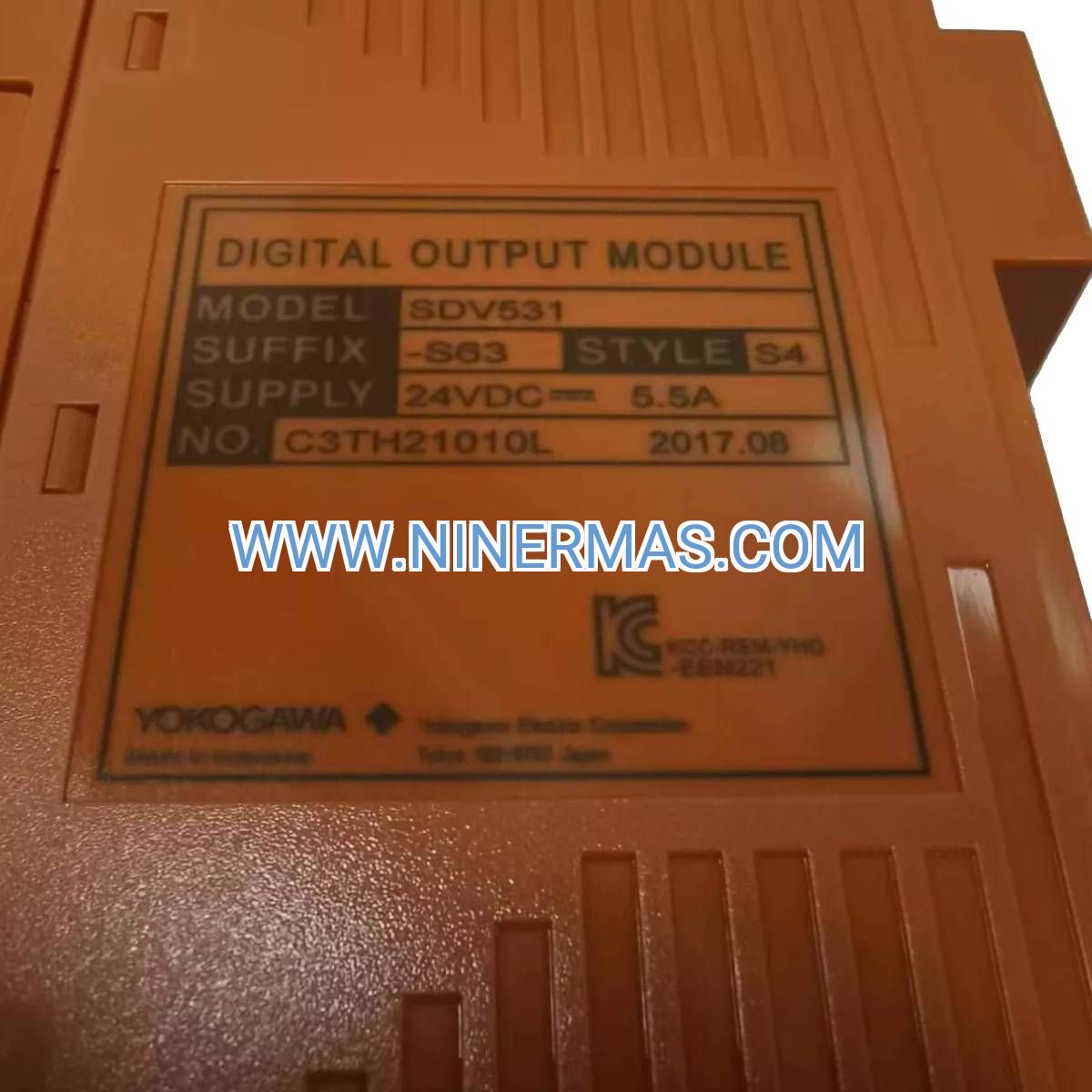
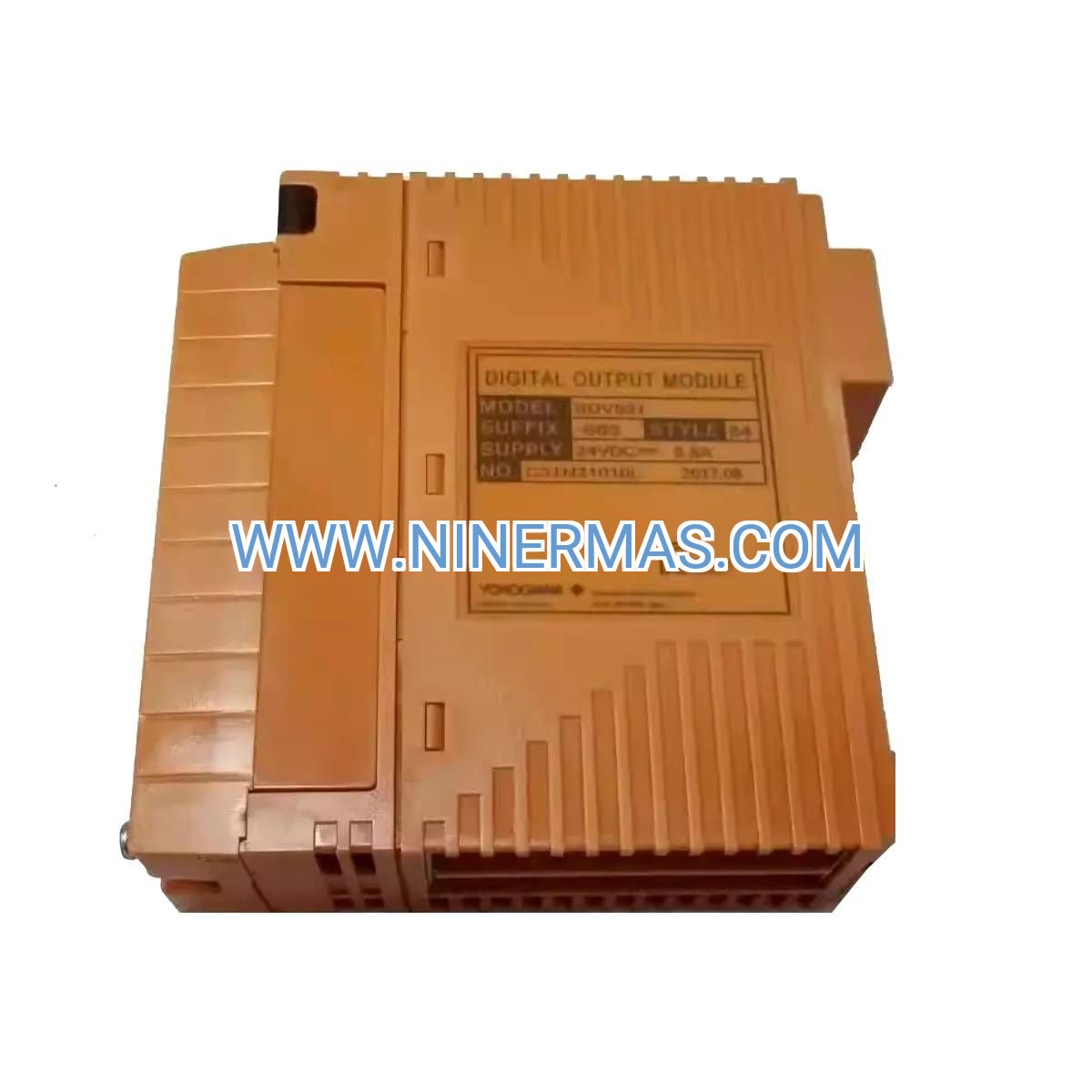
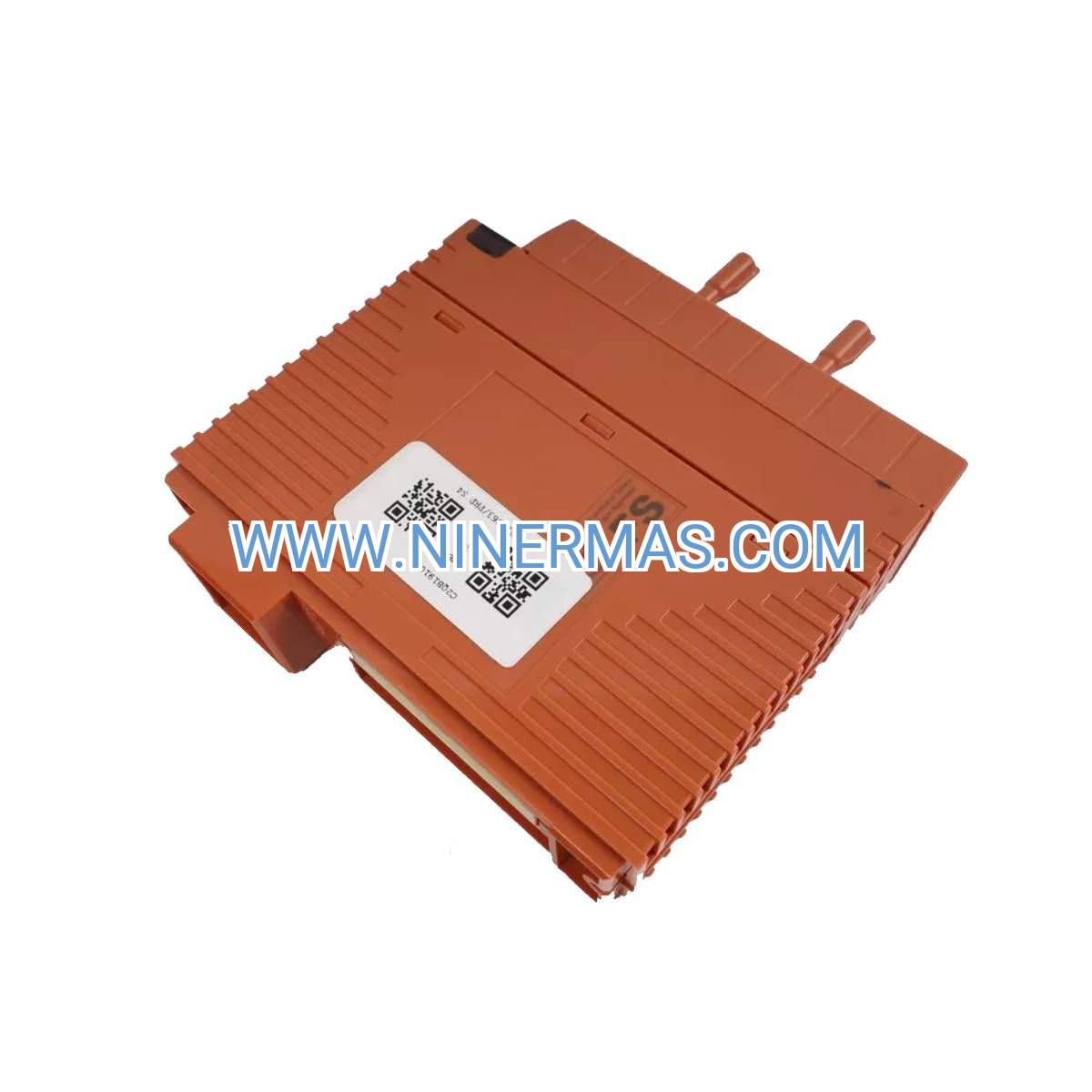
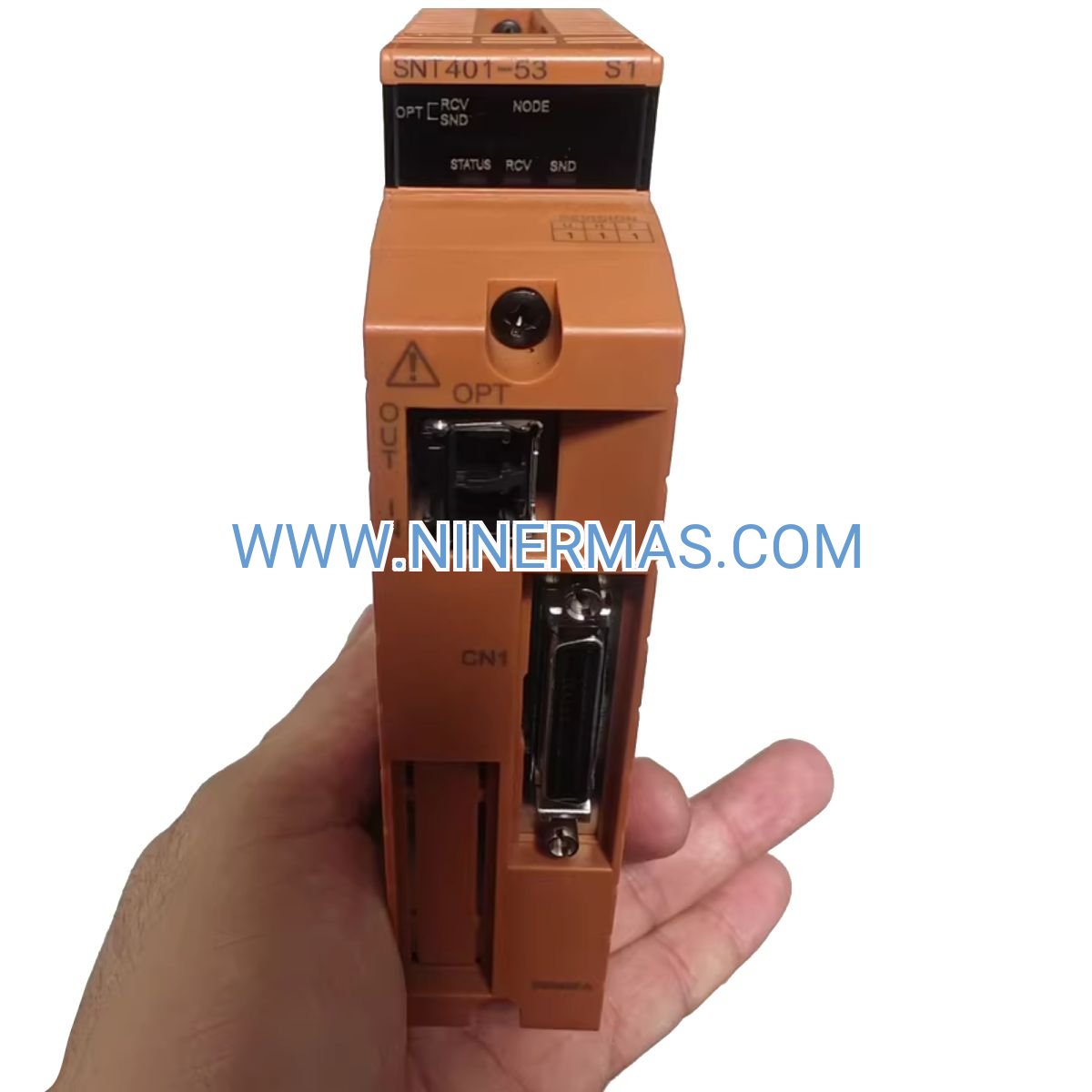
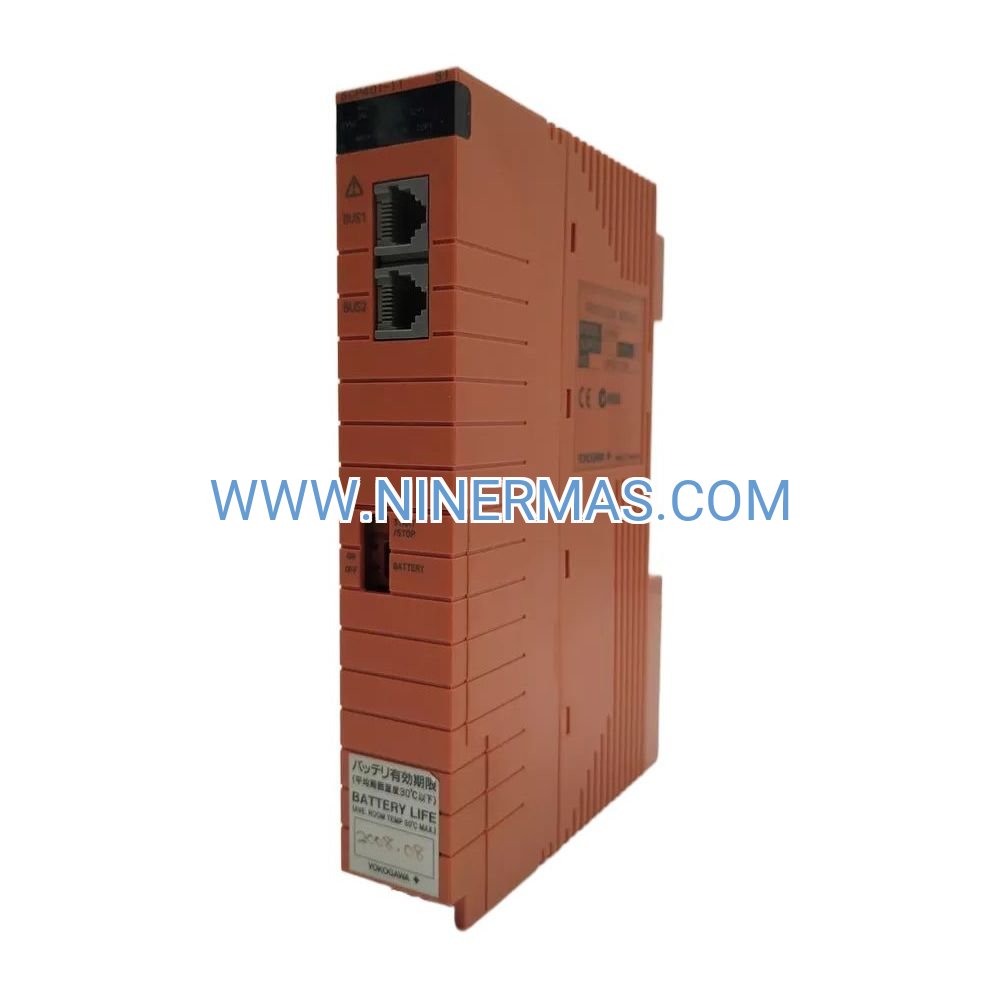
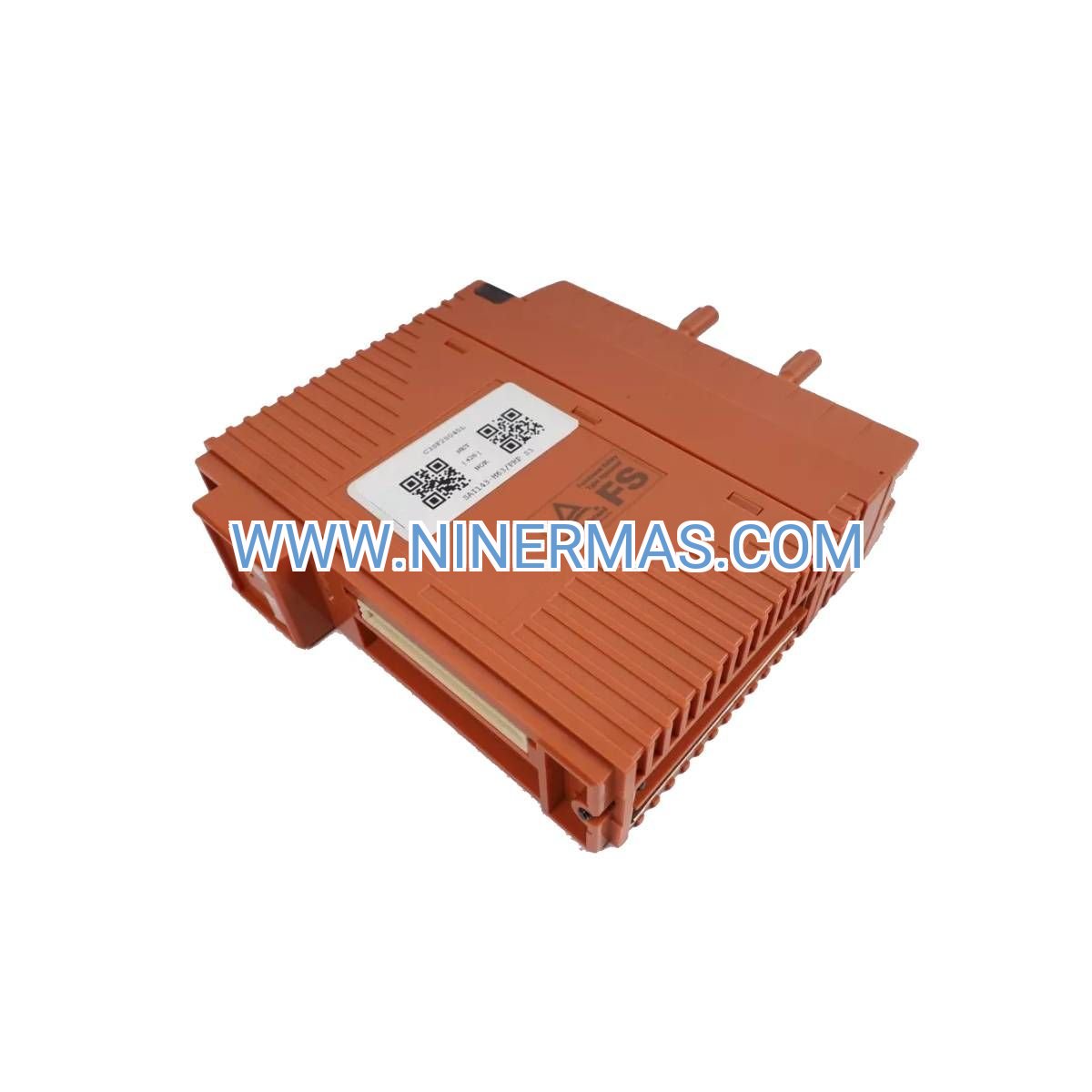
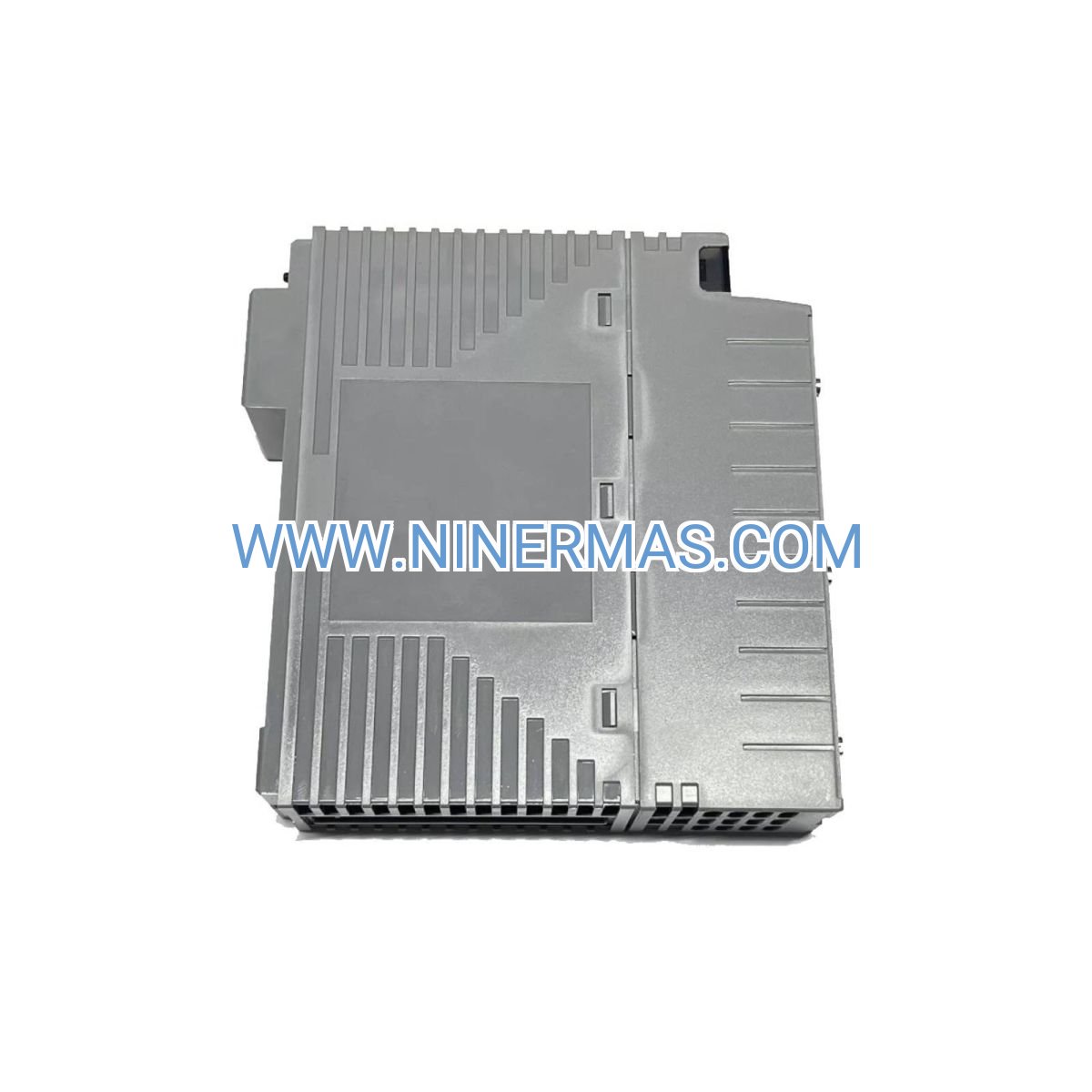
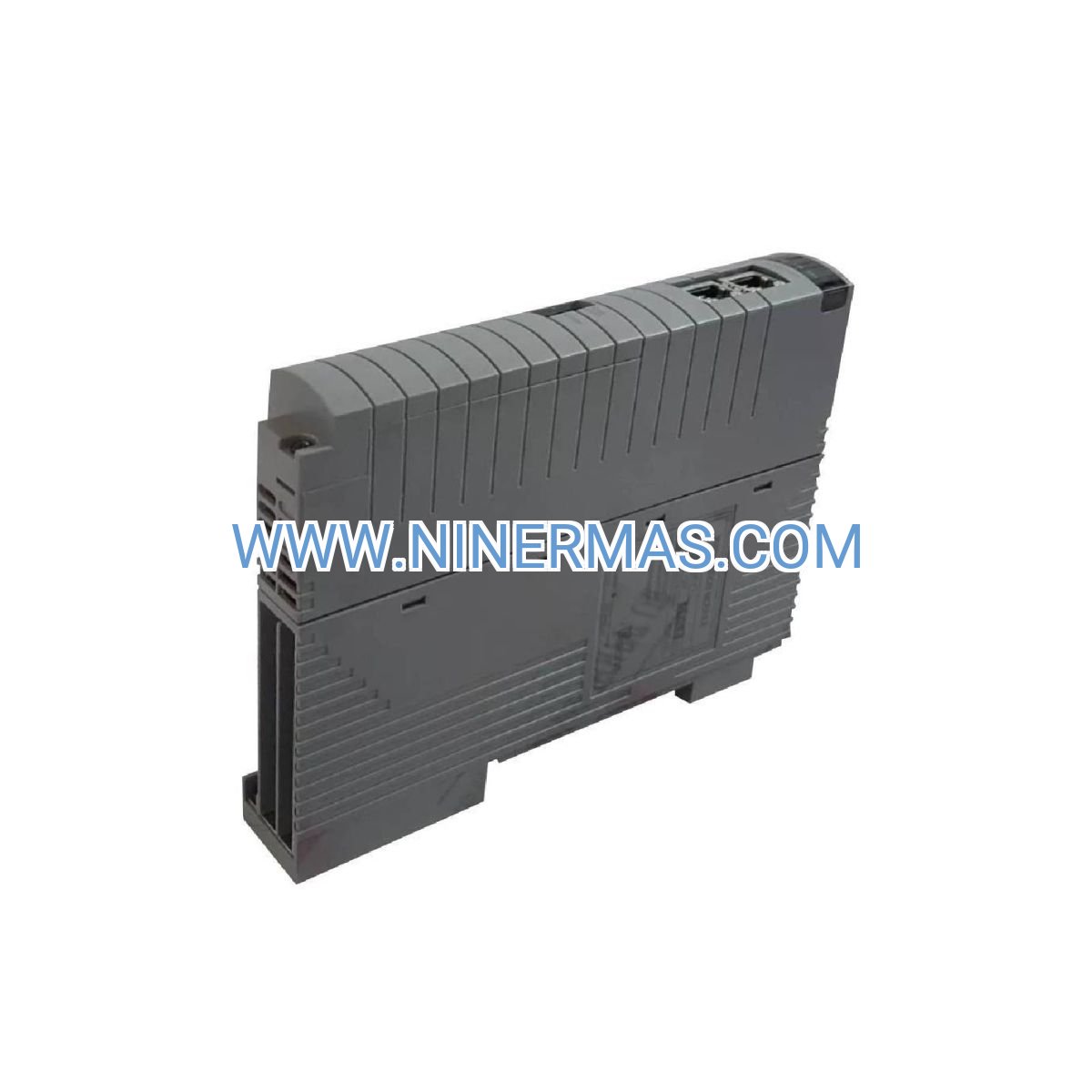
S2CP471-01 S1 Safety Processor Module (Industrial-Grade SIL 3 Controller)
The S2CP471-01 S1 represents Yokogawa's flagship safety processor engineered for mission-critical process control environments. Built on a 32-bit RISC architecture, this SIL 3-certified module delivers deterministic logic execution with configurable scan cycles from 10 to 100 milliseconds, ensuring rapid response to hazardous conditions in oil refineries, chemical plants, and power generation facilities.
Designed for industries where equipment failure can result in catastrophic consequences, this processor integrates seamlessly into ProSafe-RS safety instrumented systems. It addresses the fundamental challenge of maintaining continuous protection while enabling online maintenance through hot-swappable redundancy configurations. Process engineers and safety managers rely on this module to meet IEC 61508/61511 compliance requirements while minimizing spurious trip rates that disrupt production.
With 2 MB program memory and advanced diagnostic coverage exceeding 99%, the S2CP471-01 S1 provides the computational foundation for complex safety logic involving hundreds of I/O points, multi-zone fire detection, and coordinated shutdown sequences across distributed facilities.
Core Capabilities & Technical Advantages
→ Certified Safety Integrity: Achieves SIL 3 rating per IEC 61508 standards with systematic capability SC3, enabling deployment in the most demanding safety applications where risk reduction factors of 1000:1 or greater are required.
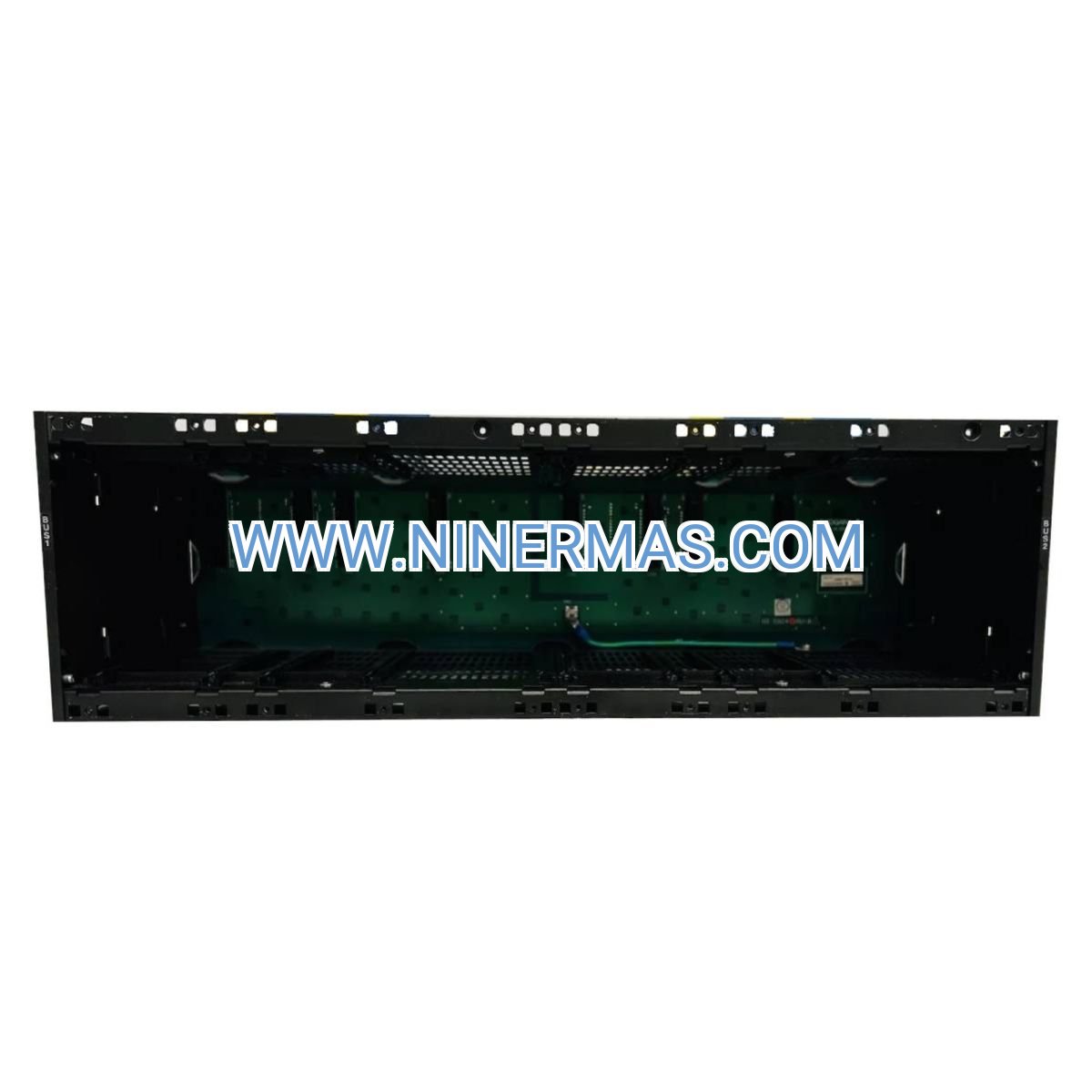
→ Dual-Redundant Architecture Support: Operates in simplex or duplexed configurations (SSC10D/SSC50D chassis), automatically synchronizing logic execution between primary and backup processors with bumpless switchover during component failures.
→ Multi-Protocol Communication: Features ESB backplane bus for high-speed I/O scanning plus Ethernet interface supporting Modbus TCP/IP for integration with DCS systems, SCADA platforms, and asset management tools.
→ IEC 61131-3 Programming Flexibility: Supports Function Block Diagram (FBD), Ladder Diagram (LD), and Structured Text (ST) languages through ProSafe-RS engineering suite, accelerating application development and reducing commissioning time.
✓ Extended Temperature Range: Operates reliably from -20°C to +60°C without derating, suitable for outdoor installations, offshore platforms, and non-climate-controlled equipment rooms.
✓ Comprehensive Self-Diagnostics: Continuously monitors processor health, memory integrity, watchdog timers, and communication pathways, triggering fail-safe outputs when anomalies exceed predefined thresholds.
Industry-Specific Application Scenarios
Refinery Emergency Shutdown Systems: Manages coordinated isolation of process units during overpressure, high-temperature, or toxic release events. The processor executes multi-stage shutdown logic that sequences valve closures, pump trips, and flare system activation while maintaining safe depressurization rates. Typical installations protect crude distillation units, catalytic crackers, and alkylation plants where uncontrolled reactions pose explosion risks.
Offshore Platform Fire & Gas Protection: Processes inputs from 200+ flame detectors, combustible gas sensors, and toxic gas monitors across drilling rigs and production platforms. When detection thresholds are exceeded, the S2CP471-01 S1 activates deluge systems, closes fire dampers, and initiates mustering protocols within 2 seconds—critical for personnel evacuation in confined offshore environments.
Power Plant Burner Management: Controls safe light-off sequences for coal-fired boilers, combined-cycle gas turbines, and waste-to-energy incinerators. The processor monitors flame scanners, fuel valve positions, and air damper feedback to prevent explosive atmospheres during startup, load changes, and emergency shutdowns. Prevents costly tube failures and unplanned outages.
Chemical Reactor Interlock Systems: Implements permissive logic for batch reactors handling exothermic reactions, polymerization processes, and pressure-sensitive chemistries. The module enforces safe operating envelopes by monitoring temperature, pressure, agitator speed, and reagent flow rates—automatically initiating quench systems or emergency venting when parameters deviate from setpoints.
Pipeline High Integrity Pressure Protection: Prevents pipeline ruptures by processing real-time pressure transmitter data and commanding rapid-closure valves before mechanical relief devices activate. Typical response times under 500 milliseconds protect against hydraulic surge events, pump deadheading, and thermal expansion scenarios in crude oil, natural gas, and refined product pipelines.
Technical Specifications & Selection Criteria
| Parameter | Specification |
|---|---|
| Model Designation | S2CP471-01 S1 |
| Safety Certification | SIL 3 (IEC 61508), SIL 3 capable (IEC 61511) |
| Processor Type | 32-bit RISC with floating-point unit |
| Scan Cycle Range | 10 ms to 100 ms (user-configurable) |
| Program Memory | 2 MB Flash (non-volatile) |
| Data Memory | 1 MB SRAM with battery backup |
| I/O Capacity | Up to 2048 points per processor |
| Redundancy Mode | Simplex or 1oo2D (dual-redundant) |
| Diagnostic Coverage | >99% (systematic failures) |
| MTBF | >100 years (per IEC 61508 calculations) |
| Operating Temp | -20°C to +60°C (-4°F to +140°F) |
| Storage Temp | -40°C to +85°C (-40°F to +185°F) |
| Humidity Range | 5% to 95% RH (non-condensing) |
| Power Supply | 24 VDC ±20% (12W typical, 15W max) |
| Communication | ESB bus, Ethernet 10/100 Mbps |
| Mounting | DIN rail or panel mount (SSC chassis) |
| Dimensions | 120 mm × 180 mm × 65 mm (H×W×D) |
| Weight | 0.7 kg (1.54 lbs) |
Selection Guidelines: Choose the S2CP471-01 S1 when your safety application requires SIL 3 certification, deterministic scan times under 100 ms, or integration with existing Yokogawa ProSafe-RS infrastructure. For applications with less than 512 I/O points and SIL 2 requirements, consider the S2CP451 series. For ultra-high availability (99.99%+), deploy in duplexed SSC50D chassis with dual power supplies and redundant communication links.
Advanced Integration & Customization Options
SCADA/DCS Connectivity: Native Modbus TCP/IP support enables real-time data exchange with Yokogawa CENTUM VP, Honeywell Experion, Emerson DeltaV, and Siemens PCS 7 systems. OPC UA server functionality (via gateway modules) provides secure, encrypted communication for remote monitoring and predictive maintenance analytics.
Cybersecurity Hardening: Implements role-based access control (RBAC), encrypted configuration downloads, and audit logging compliant with IEC 62443 industrial cybersecurity standards. Supports network segmentation via VLAN tagging and firewall integration for defense-in-depth architectures.
Custom Logic Libraries: Pre-validated function blocks for common safety functions (2oo3 voting, partial stroke testing, flame scanner diagnostics) reduce engineering time by 40-60%. User-defined function blocks enable standardization across multi-site deployments.
Proof Test Automation: Built-in partial stroke test (PST) sequencing for final control elements, automatic valve signature diagnostics, and trip solenoid monitoring reduce proof test intervals from 12 months to 24+ months while maintaining SIL 3 integrity.
Delivery Timelines & Service Commitments
Standard Lead Time: 3-5 business days for in-stock units (North America/Europe), 7-10 business days for Asia-Pacific regions. Expedited 24-hour shipping available for critical outage scenarios.
Custom Configuration: Factory-programmed modules with pre-loaded application logic ship within 10-15 business days. Includes FAT documentation and configuration backup files.
Warranty Coverage: 24-month manufacturer warranty covering defects in materials and workmanship. Extended 60-month warranty available with annual calibration service contracts.
Technical Support: 24/7/365 hotline staffed by certified safety engineers. Remote diagnostics via secure VPN, on-site commissioning assistance, and annual health check inspections included with support agreements.
Documentation Package: Includes installation manual, IEC 61508 safety manual, programming reference guide, Modbus register map, and AutoCAD dimensional drawings. Compliance certificates (SIL 3, ATEX, UL) provided in PDF format.
Frequently Asked Questions
Q: How does the S2CP471-01 S1 integrate with existing DCS systems for alarm annunciation?
A: The processor supports hardwired discrete outputs for critical alarms plus Modbus TCP/IP for non-critical status points. Map safety system states to DCS alarm tags using standard Modbus function codes (FC03/FC04). For Yokogawa CENTUM systems, use the ProSafe-RS gateway (ANB10S) for native Vnet/IP integration with sub-100ms update rates.
Q: What is the maximum I/O expansion capacity for a single S2CP471-01 S1 processor?
A: Each processor supports up to 2048 I/O points distributed across 32 remote I/O nodes (SNB units) via ESB bus. Typical configurations use 512-1024 points to maintain scan cycles under 50 ms. For larger systems, deploy multiple processors in a distributed architecture with peer-to-peer communication.
Q: Can this processor achieve SIL 3 in simplex configuration or is redundancy mandatory?
A: The S2CP471-01 S1 achieves SIL 3 in simplex mode for low-demand applications (≤1 demand/year) with proof test intervals of 12 months. For high-demand or continuous mode applications, 1oo2D redundancy is required per IEC 61511 guidelines to meet SIL 3 availability targets (PFDavg <10⁻⁴).
Q: What energy efficiency improvements does this processor offer compared to legacy relay-based systems?
A: At 12W typical power consumption, the S2CP471-01 S1 uses 85% less energy than equivalent relay logic panels (80-100W). Solid-state design eliminates contact wear, reducing maintenance costs by $3,000-5,000 annually. Diagnostic capabilities prevent spurious trips that cost $50,000-500,000 per incident in lost production.
Q: Are there specific installation requirements for hazardous area deployments (Class I Div 2)?
A: For Division 2 installations, mount the processor in a NEMA 4X/IP66 enclosure with purge system (Type Z pressurization per NFPA 496). Alternatively, use intrinsically safe barriers on all field wiring. ATEX-certified versions (S2CP471-01-Ex) are available for Zone 2 installations without additional enclosures.
Q: How do I perform online processor replacement without shutting down the safety system?
A: In duplexed configurations, use the ProSafe-RS engineering tool to transfer control to the backup processor, remove the faulty module, install the replacement, and initiate automatic synchronization. Total switchover time: 2-3 seconds with zero process interruption. Simplex systems require a planned shutdown unless bypass procedures are implemented per site safety protocols.
Request Technical Consultation
Our safety system specialists provide complimentary SIL verification calculations, architecture reviews, and ROI analysis for ProSafe-RS deployments. Contact our engineering team to discuss your specific application requirements, obtain certified drawings, or schedule a factory acceptance test.
© 2026 NINERMAS COMPANY LIMITED. All rights reserved.
Original Source: https://ninermas.com
Contact: sale@ninermas.com | +0086 187 5021 5667
PDF Specification
Download PDF file here:
Click to Download PDFRelated products

Contact Info
-
Address:22 / F, South Wo Hang building, 148 Wing Lok Street, Sheung Wan, Western District, Hong Kong
-
Phone:+8618750215667
-
Email: