Description
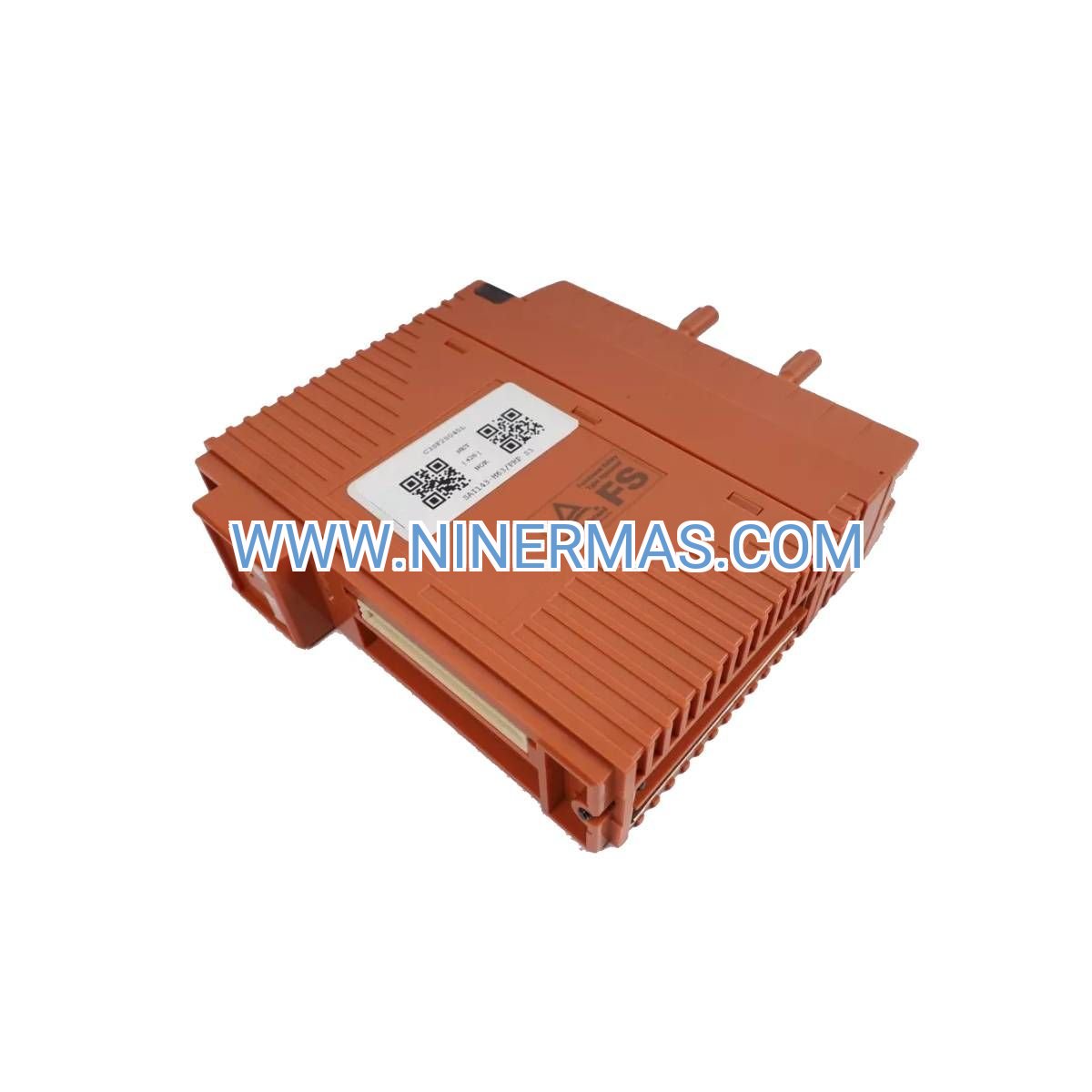
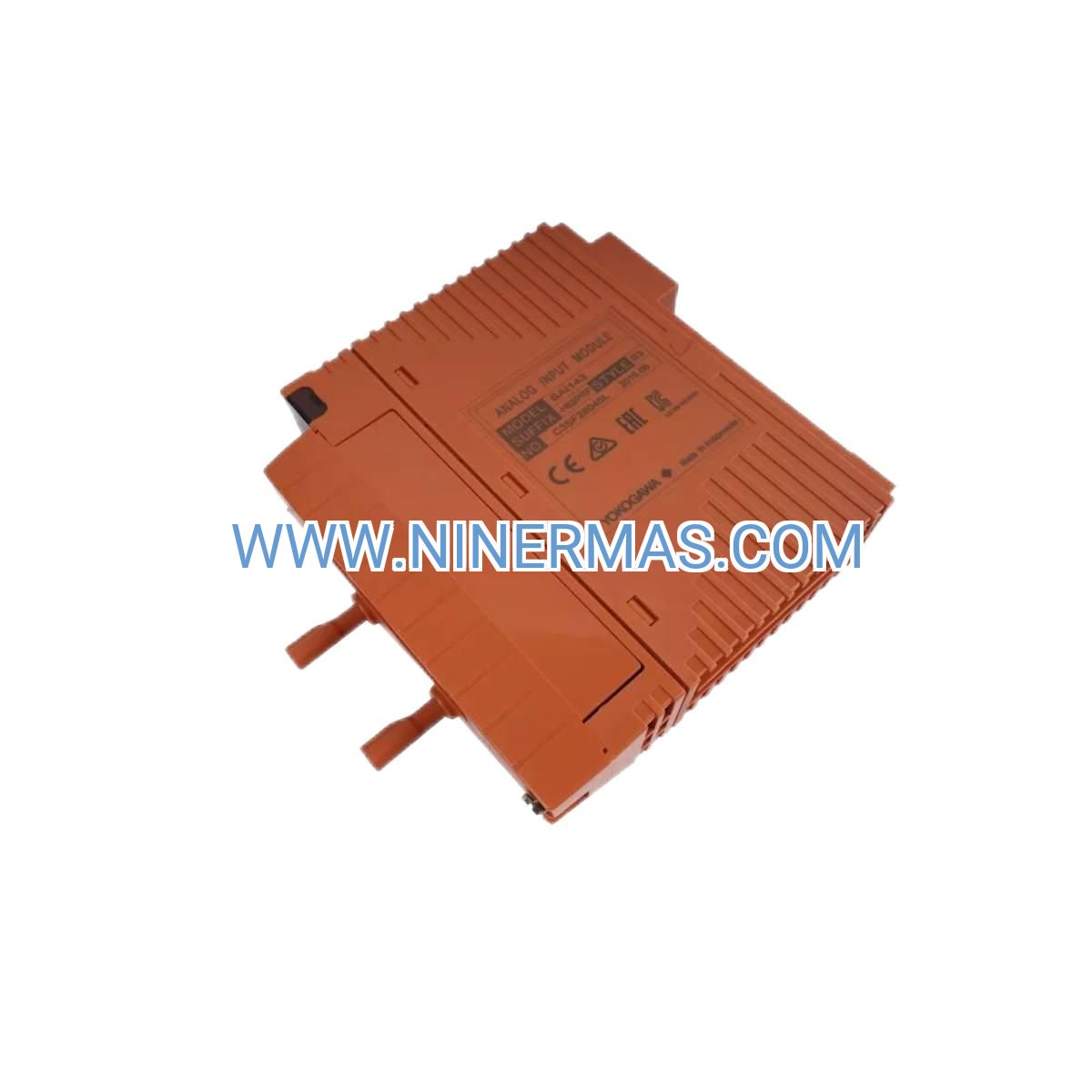
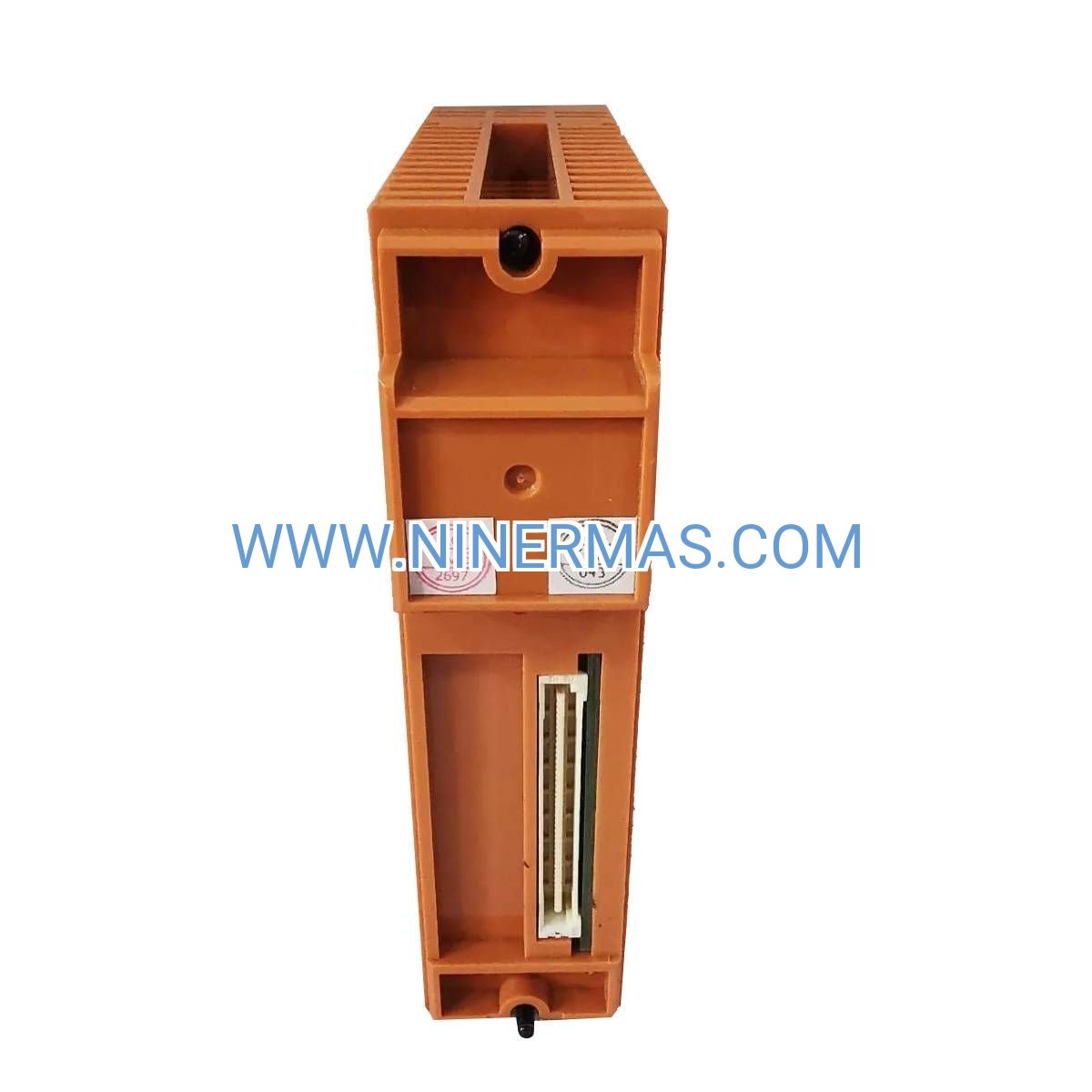
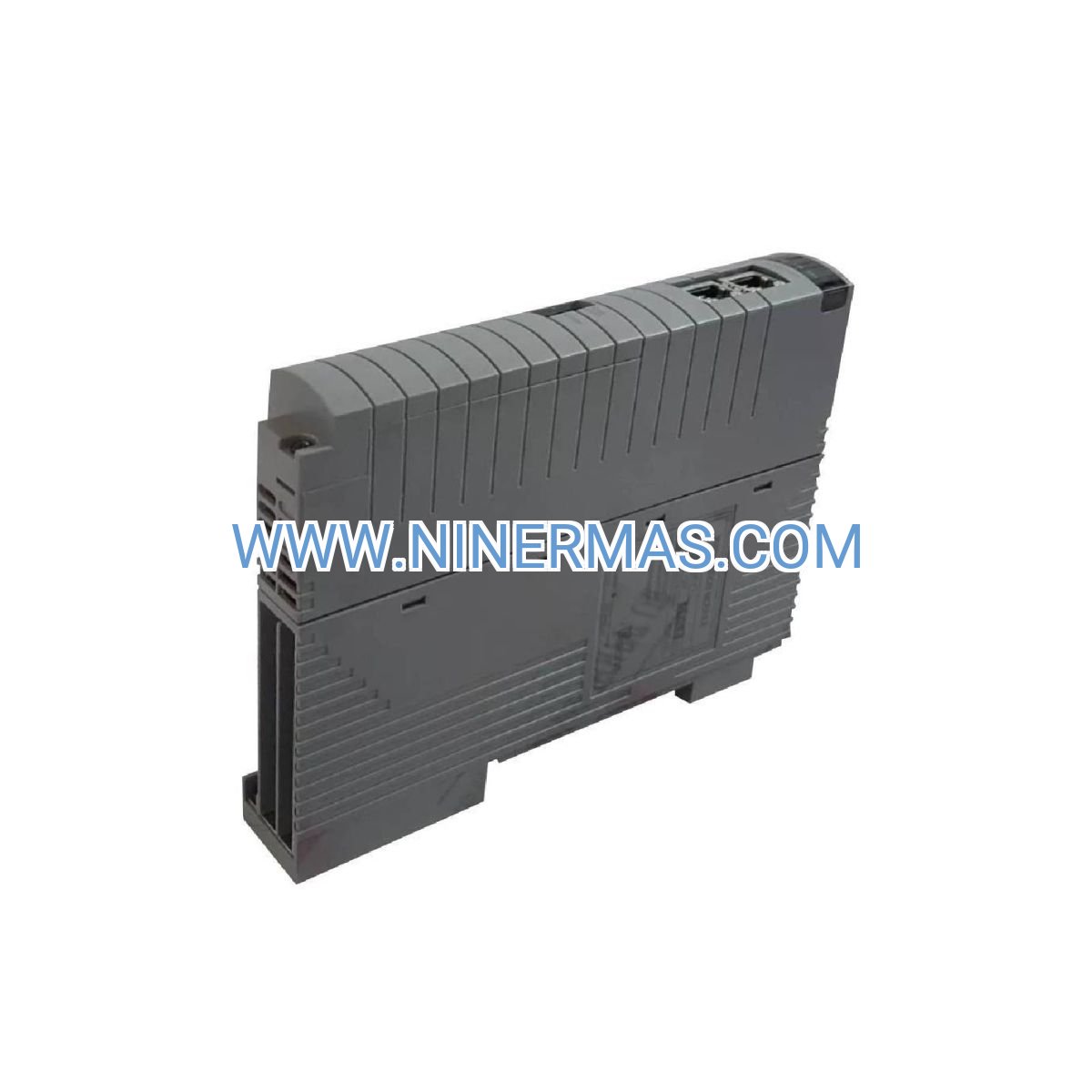
SAI143-H63 Analog Current Input Module (Industrial-Grade 16-Channel Acquisition)
The SAI143-H63 represents Yokogawa's commitment to precision analog signal acquisition in mission-critical distributed control environments. Engineered for applications where sensor data integrity determines product quality, operational safety, and regulatory compliance, this 16-channel current input module converts industry-standard 4-20mA transmitter signals into high-fidelity digital values with electrical isolation that safeguards your control infrastructure from field disturbances.
Designed for process engineers and automation specialists managing complex manufacturing operations, the SAI143-H63 eliminates the traditional tradeoff between channel density and measurement accuracy. Whether you're monitoring reactor temperatures in pharmaceutical synthesis, tracking flow rates across multi-stage water treatment, or acquiring vibration data from rotating equipment, this module delivers consistent ±0.1% accuracy across all 16 channels while occupying a single slot in your I/O rack.
What sets the SAI143-H63 apart is its module-level isolation architecture combined with per-channel configurability. Unlike basic I/O cards that force uniform signal ranges, this module allows mixed 0-20mA and 4-20mA configurations within the same hardware—reducing spare parts inventory and simplifying system design when interfacing diverse transmitter types.
Core Features & Benefits
✓ 16 Independent Current Inputs
Consolidate multiple 4-20mA transmitters into a single I/O point, reducing panel wiring complexity by up to 60% compared to individual terminal blocks. Each channel operates autonomously with software-selectable 0-20mA or 4-20mA ranges.
✓ 16-Bit A/D Resolution (65,536 Counts)
Capture subtle process variations that 12-bit systems miss. The enhanced resolution translates to 0.0015% per count, enabling early detection of drift in critical parameters like reactor pressure or distillation column temperature before they impact product specifications.
✓ Module-to-Bus Isolation (1500V AC)
Eliminate ground loop currents between geographically separated sensors without external isolators. The isolation barrier withstands lightning-induced transients and motor starter switching noise, protecting your DCS CPU from field-side electrical events that cause nuisance trips.
✓ ±0.1% Full-Scale Accuracy at 25°C
Meet pharmaceutical GMP documentation requirements and ISO 9001 quality standards with measurement uncertainty well within ±0.25% total loop accuracy budgets. Temperature drift remains below ±0.02%/°C across the 0-55°C operating range.
✓ Built-In Diagnostics & Health Monitoring
Automatic detection of open circuits, over-range conditions, and module faults reduces troubleshooting time by 40%. Diagnostic status integrates with DCS alarm systems to alert operators before sensor failures cause process upsets or unplanned shutdowns.
✓ Hot-Swappable Design with Auto-Configuration
Replace modules during scheduled maintenance windows without powering down the entire I/O rack. The SAI143-H63 automatically retrieves configuration from the DCS controller upon insertion, eliminating manual parameter entry and reducing commissioning errors.
Application Scenarios
→ Chemical Manufacturing & Batch Processing
Monitor reactor temperature, pressure, and flow transmitters simultaneously during multi-stage synthesis operations. The 16-bit resolution captures subtle exothermic reaction profiles that indicate completion or deviation from setpoint, enabling tighter batch-to-batch consistency and reducing off-spec product by 15-25%.
→ Municipal Water & Wastewater Treatment
Acquire data from pH sensors, turbidity meters, chlorine analyzers, and flow transmitters across clarification, filtration, and disinfection stages. Module isolation prevents ground loop currents between tank-mounted and pipe-mounted instruments separated by hundreds of meters, eliminating the ±0.5 pH measurement noise that triggers false chemical dosing alarms.
→ Power Generation & Turbine Monitoring
Interface with vibration sensors, bearing temperature RTDs (via 4-20mA transmitters), and lube oil pressure transducers on turbine-generator sets. The ±0.1% accuracy ensures compliance with API 670 machinery protection standards while diagnostic features provide early warning of sensor degradation before they cause protective relay trips.
→ Oil & Gas Pipeline SCADA
Collect pressure, temperature, and flow data from remote pump stations and metering skids. The module's wide operating temperature range (0-55°C) and FM Class I Div 2 certification support installation in climate-controlled enclosures near hazardous area boundaries, reducing fiber optic runs to central control rooms.
→ Food & Beverage Processing
Track pasteurization temperatures, CIP (clean-in-place) flow rates, and fermentation vessel pressures with the accuracy and traceability required for HACCP compliance. The module's 100ms scan cycle captures rapid temperature changes during thermal processing that slower I/O systems miss.
Technical Parameters & Selection Guide
| Parameter | Specification |
|---|---|
| Input Channels | 16 independent current inputs |
| Signal Range | 0-20mA or 4-20mA (configurable per channel) |
| A/D Resolution | 16-bit (65,536 counts) |
| Accuracy | ±0.1% of full scale @ 25°C |
| Temperature Drift | ±0.02%/°C maximum |
| Input Impedance | ~250Ω (typical for 4-20mA loops) |
| Isolation Voltage | 1500V AC for 1 minute (module-to-bus) |
| Conversion Speed | 100ms per channel (typical scan cycle) |
| Operating Temperature | 0°C to +55°C (32°F to 131°F) |
| Storage Temperature | -40°C to +85°C (-40°F to 185°F) |
| Humidity | 5% to 95% RH (non-condensing) |
| Power Consumption | 2.5W maximum from DCS backplane |
| Mounting | Standard Yokogawa I/O rack (hot-swappable) |
| Certifications | CE, UL508, FM Class I Div 2, ATEX Zone 2 |
| MTBF | >200,000 hours @ 40°C |
Selection Criteria: Choose the SAI143-H63 when you need to consolidate 16 or fewer 4-20mA transmitters into a single I/O module with isolation. For applications requiring HART communication overlay on 4-20mA signals, consider the SAI143-H53/A4S00 variant. If your system includes both voltage (0-10V, 1-5V) and current inputs, the AAM11 multi-range module offers greater flexibility at the cost of reduced channel density (8 channels vs. 16).
Extended Functions
IoT Integration & Remote Monitoring: When paired with Yokogawa's Exaquantum PIMS (Plant Information Management System), the SAI143-H63 enables cloud-based analytics and mobile dashboard access. Stream process data to AWS IoT Core or Azure IoT Hub for predictive maintenance algorithms that forecast transmitter calibration drift based on historical trends.
Advanced Diagnostics: The module continuously monitors loop current integrity and flags anomalies such as intermittent connections or transmitter power supply degradation. Diagnostic counters track the number of over-range events per channel, helping maintenance teams identify sensors operating near their calibrated limits.
Customization Options: Factory configuration services are available for high-volume projects requiring pre-programmed channel ranges, alarm setpoints, and tag names. Custom labeling and serialization support asset tracking in multi-site deployments with hundreds of I/O modules.
Delivery & Service Assurance
Lead Time: Standard stock items ship within 3-5 business days. Custom-configured modules require 2-3 weeks for factory programming and testing. Expedited processing available for emergency replacements (24-48 hour turnaround with premium freight).
Warranty: 24-month manufacturer's warranty covering defects in materials and workmanship. Extended warranty plans available for up to 5 years, including advance replacement and on-site sparing programs for critical applications.
Technical Support: Access to Yokogawa-certified application engineers for configuration assistance, troubleshooting, and system integration guidance. Support available via email, phone, and remote desktop sessions during business hours (8 AM - 6 PM CST, Monday-Friday).
Documentation Package: Each module ships with installation manual, wiring diagrams, configuration software utilities, and calibration certificates traceable to NIST standards. CAD drawings (DWG/DXF) and 3D STEP models available for panel design integration.
Frequently Asked Questions
Q: How do I connect this analog input module to my existing CENTUM VP DCS?
A: The SAI143-H63 installs in any available slot within a Yokogawa I/O rack connected to your CENTUM VP controller via Vnet/IP or Vnet backplane network. Use the System View Builder software to assign I/O tags and configure channel parameters. Wiring terminates on removable screw-terminal blocks—no special tools required beyond a standard screwdriver.
Q: What is the maximum cable length between transmitters and the SAI143-H63 input module?
A: For 4-20mA current loops, cable length depends on loop resistance budget. With typical 24V DC transmitter power supplies and 250Ω module input impedance, you can run up to 1000 meters (3280 feet) using 18 AWG shielded twisted-pair cable. Longer distances require higher supply voltages or transmitters with lower voltage drop specifications.
Q: Can this module reduce energy consumption compared to older I/O systems?
A: Yes. The SAI143-H63 consumes only 2.5W maximum—approximately 40% less than legacy analog input cards with similar channel counts. When multiplied across a 500-point I/O system, the power savings reduce cooling loads in control room enclosures and lower annual operating costs by $200-400 per cabinet (based on $0.12/kWh electricity rates).
Q: What are the installation requirements for mounting this I/O card in a control panel?
A: The module requires a Yokogawa-compatible I/O rack with available backplane slots. Ensure adequate ventilation (minimum 50mm clearance above and below the rack) and ambient temperature within 0-55°C. Grounding must follow NEC Article 250 or IEC 61010 standards. No special environmental controls needed beyond standard industrial control room conditions (non-condensing humidity, minimal dust).
Q: Does the SAI143-H63 support remote monitoring and diagnostics over Ethernet networks?
A: The module itself communicates via the DCS backplane network (Vnet/IP). Remote access to I/O diagnostics and process values is achieved through the CENTUM VP HIS (Human Interface Station) web server or Exaquantum PIMS software, both of which support secure Ethernet/IP connectivity for off-site monitoring via VPN or dedicated WAN links.
Q: How often does this current input module require calibration to maintain ±0.1% accuracy?
A: Yokogawa recommends annual calibration verification for applications requiring documented accuracy compliance (pharmaceutical, aerospace). For general industrial use, the module typically maintains specification for 24-36 months. Built-in diagnostics flag drift conditions before they exceed ±0.2% thresholds, allowing condition-based calibration scheduling rather than fixed intervals.
Take the Next Step
Ready to upgrade your analog signal acquisition infrastructure? Contact our application engineering team for a free system assessment. We'll review your current I/O architecture, identify opportunities for consolidation, and provide a detailed migration plan with ROI projections based on reduced wiring costs and improved measurement accuracy.
Request a quote today: Email your transmitter list and DCS platform details to sale@ninermas.com or call +0086 187 5021 5667 to speak with a Yokogawa-certified specialist. Volume discounts available for orders of 10+ modules.
© 2026 NINERMAS COMPANY LIMITED. All rights reserved.
Original Source: https://ninermas.com
Contact: sale@ninermas.com | +0086 187 5021 5667
PDF Specification
Download PDF file here:
Click to Download PDFRelated products

Contact Info
-
Address:22 / F, South Wo Hang building, 148 Wing Lok Street, Sheung Wan, Western District, Hong Kong
-
Phone:+8618750215667
-
Email: