
Description
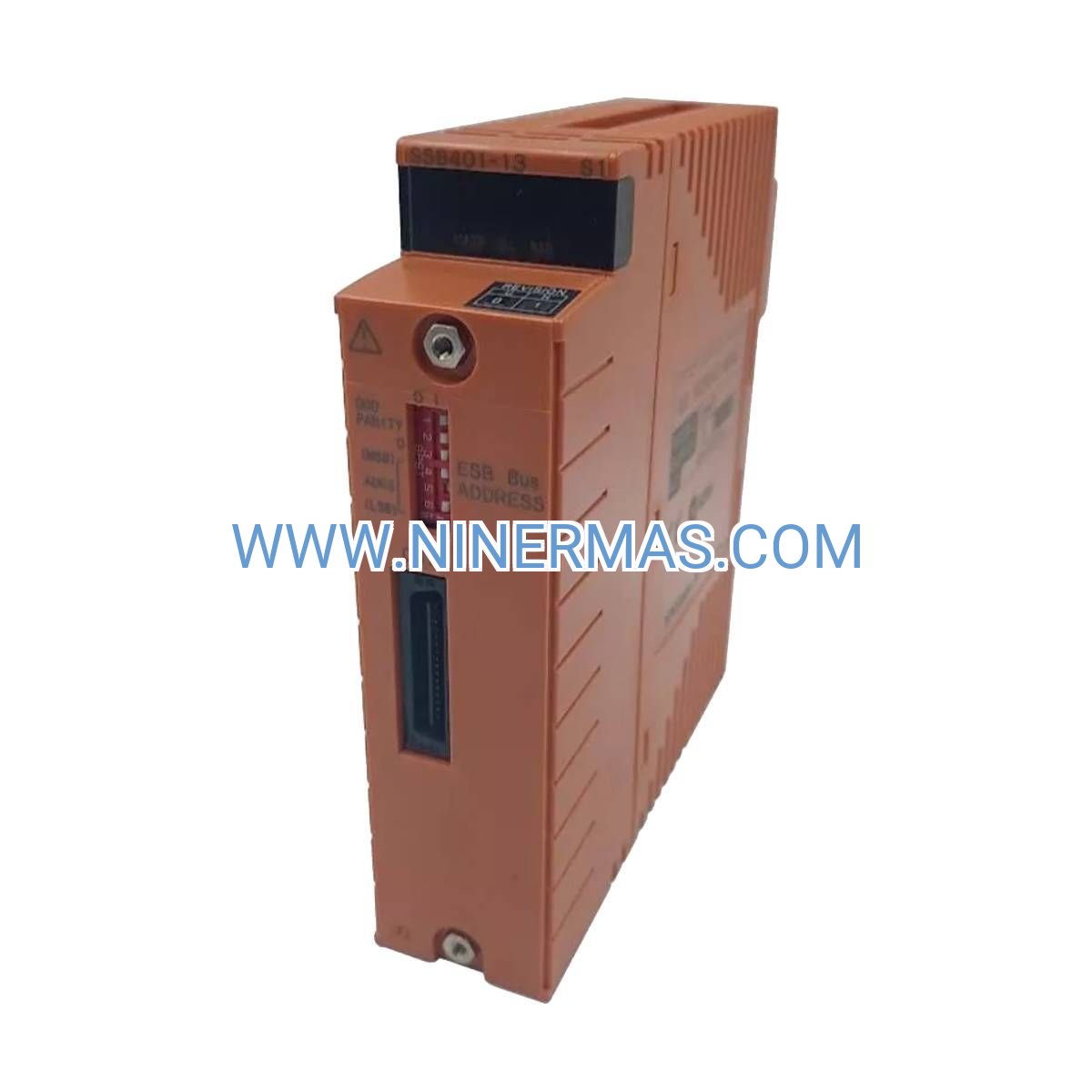
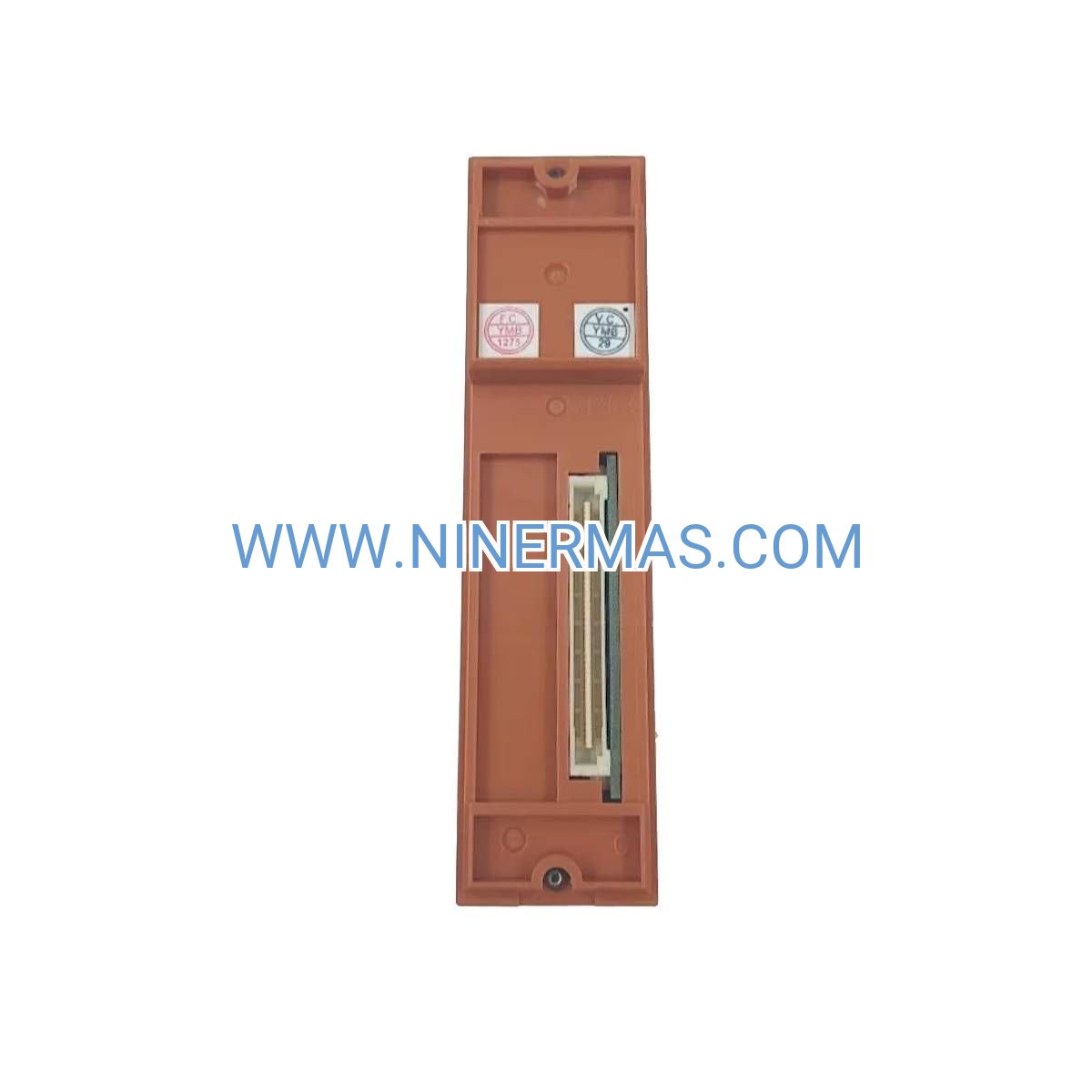
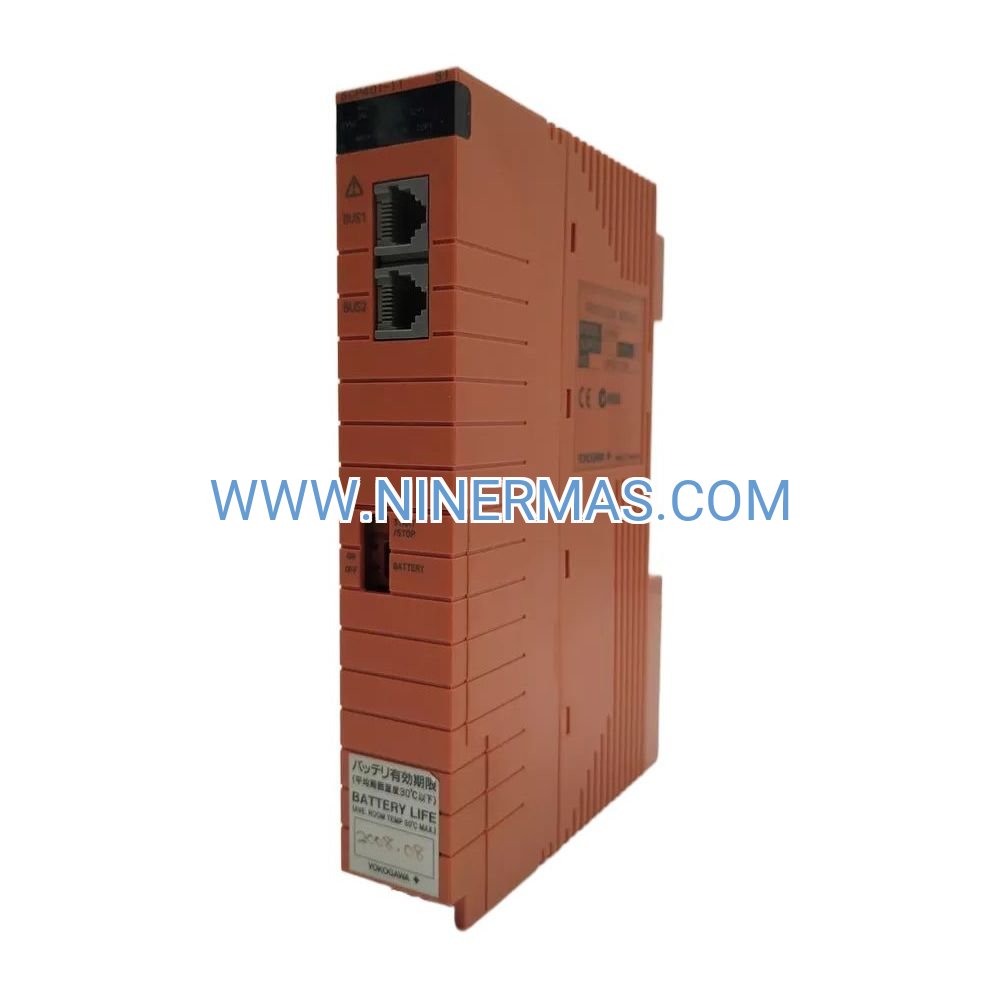
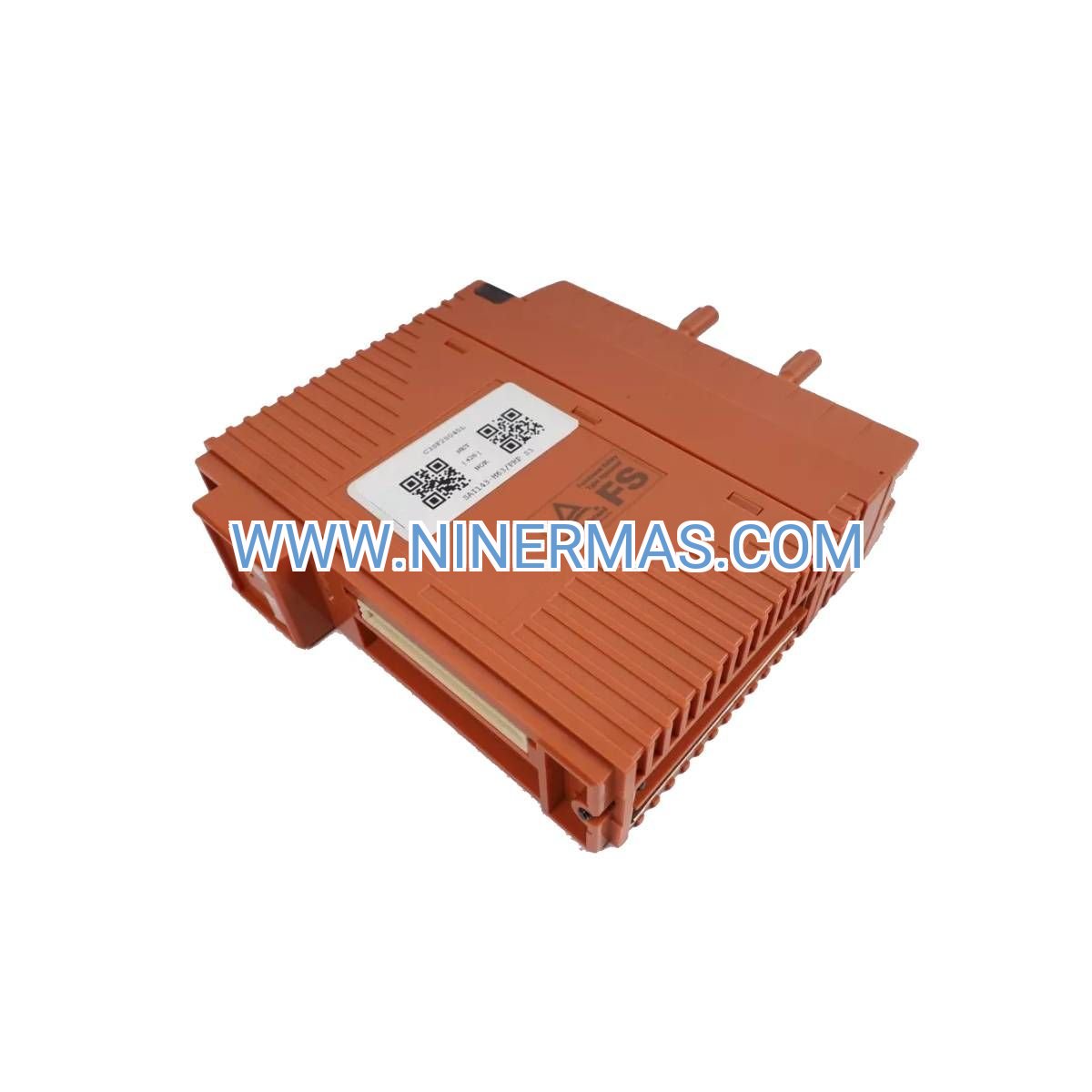
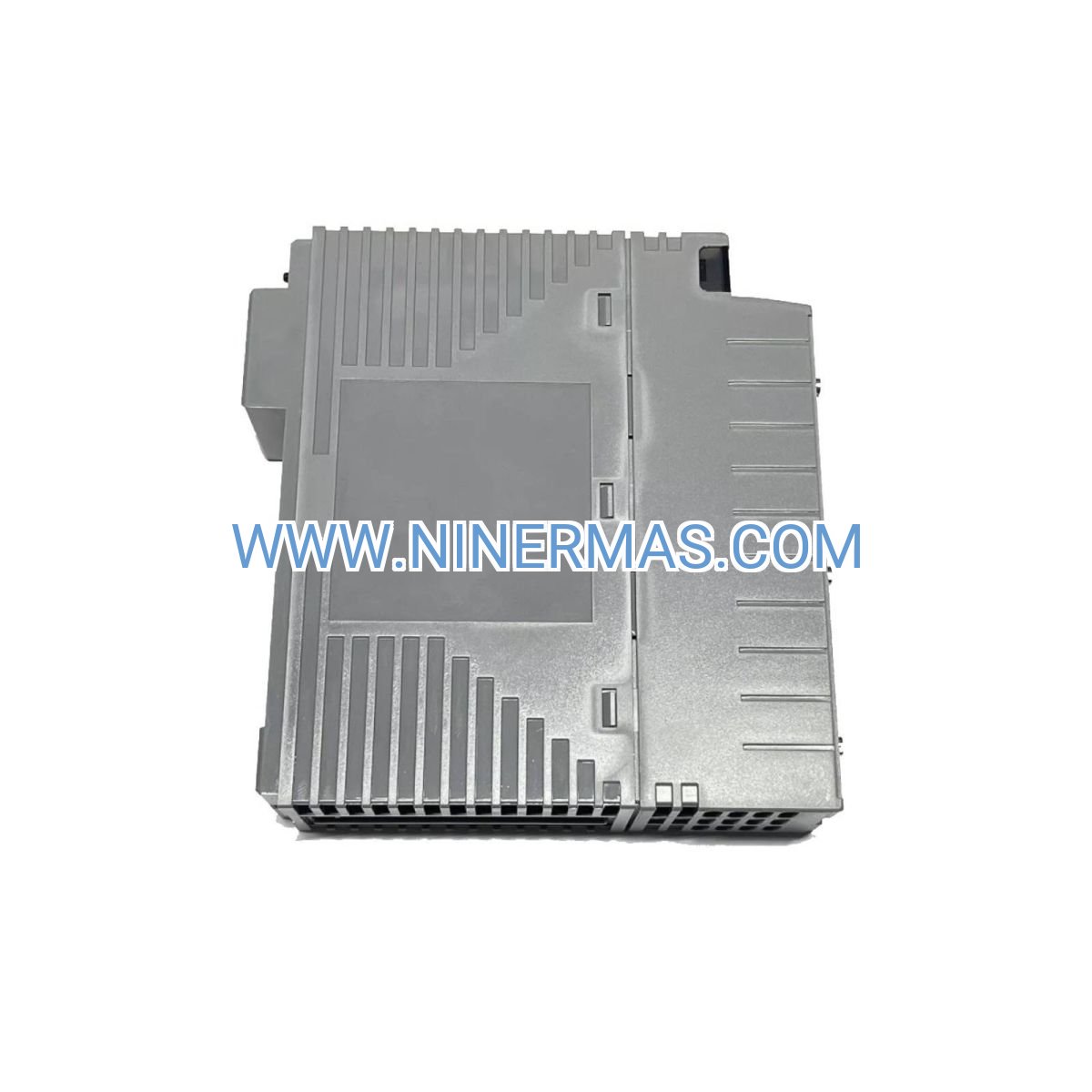
SSB401-13 S1 Extended Serial Bus Slave Interface (Industrial-Grade Communication Module)
The SSB401-13 S1 represents Yokogawa's advanced approach to safety-critical bus communication, delivering deterministic data transfer between ProSafe-RS safety nodes and ESB backbone infrastructure. Designed for environments where communication integrity directly impacts process safety, this slave interface module combines SIL 3 functional safety certification with field-proven reliability across oil & gas, chemical processing, and power generation installations.
Industrial facilities requiring certified safety instrumented systems face unique challenges: maintaining real-time communication under harsh conditions, ensuring fault-tolerant data pathways, and meeting stringent regulatory compliance standards. The SSB401-13 S1 addresses these requirements through validated hardware design, comprehensive diagnostic capabilities, and seamless integration within Yokogawa's safety ecosystem.
Key advantages include plug-and-play deployment that reduces commissioning time by up to 40%, hot-swappable architecture enabling maintenance without system shutdown, and built-in self-diagnostics that provide continuous health monitoring. Whether upgrading legacy safety systems or implementing new SIS architectures, this module delivers the communication foundation for mission-critical protection layers.
Core Features & Benefits
→ SIL 3 Certified Communication: IEC 61508 compliant design ensures functional safety integrity for emergency shutdown systems, fire & gas detection networks, and turbine protection applications—reducing safety-related failure probability to <10⁻⁷ per hour.
→ Deterministic Data Exchange: Extended Serial Bus protocol guarantees predictable response times critical for time-sensitive safety functions, with typical bus cycle times under 50ms supporting rapid interlock execution.
→ Redundancy-Ready Architecture: Supports dual-channel configurations for fault-tolerant installations, automatically switching to backup pathways during primary bus failures without process interruption.
→ Advanced Diagnostics: Real-time monitoring of bus health, signal integrity, and module status enables predictive maintenance strategies that prevent unplanned downtime—diagnostic coverage exceeds 95% per IEC 61508 requirements.
→ Wide Operating Range: Functions reliably across -20°C to +60°C ambient temperatures with immunity to electromagnetic interference per IEC 61000 standards, suitable for offshore platforms and desert installations.
→ Energy-Efficient Design: Low-power consumption reduces heat generation in densely populated control cabinets while lowering total cost of ownership through decreased cooling requirements.
Application Scenarios
Petrochemical Emergency Shutdown Systems: In refinery applications, the SSB401-13 S1 connects distributed safety nodes monitoring critical parameters (pressure, temperature, toxic gas levels) to central safety controllers. When hazardous conditions are detected, the module ensures fail-safe communication of shutdown commands to final control elements within mandated response times, protecting personnel and assets from catastrophic events.
Power Generation Turbine Protection: Steam and gas turbine installations utilize this interface to link vibration sensors, overspeed detectors, and bearing temperature monitors to safety logic solvers. The module's deterministic communication guarantees that protection functions execute within milliseconds, preventing equipment damage that could cost millions in repairs and lost generation capacity.
Pharmaceutical Batch Process Safety: Cleanroom manufacturing environments depend on the SSB401-13 S1 for validated communication between safety PLCs and field instrumentation controlling sterile processing conditions. Its compliance with 21 CFR Part 11 electronic records requirements and comprehensive audit trail capabilities support regulatory inspections and batch release documentation.
Offshore Platform Fire & Gas Systems: Marine installations in harsh environments leverage the module's robust construction and EMI immunity to maintain reliable communication between gas detectors, flame sensors, and emergency response systems. Redundant bus configurations ensure continuous protection even during maintenance activities or component failures.
Chemical Plant Burner Management: Combustion safety systems use this interface to coordinate fuel valve control, flame detection, and purge sequencing across multiple burners. The module's fast response times and diagnostic capabilities help maintain compliance with NFPA 86 and IEC 61511 burner management standards.
Technical Parameters & Selection Guide
| Parameter | Specification |
|---|---|
| Model Designation | SSB401-13 S1 |
| Bus Interface Type | ESB (Extended Serial Bus) Slave |
| Safety Integrity Level | SIL 3 per IEC 61508 |
| Communication Protocol | Proprietary ESB with deterministic timing |
| Operating Temperature | -20°C to +60°C (-4°F to +140°F) |
| Storage Temperature | -40°C to +70°C (-40°F to +158°F) |
| Humidity Range | 5% to 95% RH (non-condensing) |
| Power Supply | Supplied via ESB backplane |
| Mounting Method | DIN rail (35mm standard) |
| Diagnostic Indicators | LED status for power, communication, fault |
| MTBF (Mean Time Between Failures) | >100,000 hours at 40°C |
| Certifications | IEC 61508 SIL 3, CE, UL, ATEX (Zone 2) |
Selection Criteria: When specifying the SSB401-13 S1, verify compatibility with your ProSafe-RS system configuration and ESB bus topology. For redundant architectures, plan for dual modules per safety node. Consider environmental factors—installations in extreme temperatures or high-vibration areas may require additional protective enclosures. Consult Yokogawa's system integration guides to determine optimal bus loading and cable length limitations for your specific application.
Extended Functions
✓ Remote Diagnostics Integration: Compatible with Yokogawa's Plant Resource Manager (PRM) software for centralized asset monitoring, enabling remote troubleshooting and configuration management across distributed installations.
✓ Cybersecurity Features: Implements secure communication protocols aligned with IEC 62443 industrial cybersecurity standards, protecting safety networks from unauthorized access and cyber threats.
✓ Lifecycle Management Support: Backed by Yokogawa's global service network offering calibration services, obsolescence management, and technology refresh planning to extend system operational life beyond 20 years.
✓ Custom Configuration Options: Factory configuration services available for application-specific parameter settings, reducing on-site commissioning time and ensuring consistent deployment across multiple installations.
Delivery & Service Assurance
Standard Lead Time: 4-6 weeks for stock configurations; custom-configured units ship within 6-8 weeks from order confirmation.
Warranty Coverage: 24-month manufacturer warranty covering defects in materials and workmanship, with optional extended service agreements available for mission-critical applications.
Technical Support: Access to Yokogawa's 24/7 global support network staffed by certified safety system engineers. Phone, email, and remote assistance included with product purchase.
Documentation Package: Each module ships with installation manual, safety manual per IEC 61508 requirements, dimensional drawings, and certificate of compliance. Digital documentation accessible via Yokogawa's online portal.
Training Resources: Complimentary access to online training modules covering installation, configuration, and troubleshooting. On-site training available for large-scale deployments.
Frequently Asked Questions
Q: How does the SSB401-13 S1 interface with existing DCS or SCADA systems?
A: The module operates exclusively within the ProSafe-RS safety network and does not directly interface with DCS/SCADA. Integration occurs at the safety controller level through dedicated communication gateways (e.g., Yokogawa's ALF111 link module) that maintain separation between safety and control networks per IEC 61511 requirements.
Q: What is the maximum ESB bus length and node capacity when using this slave interface?
A: ESB bus configurations support up to 1,000 meters total cable length with a maximum of 32 nodes per bus segment. For extended distances, use Yokogawa's bus repeater modules. Actual capacity depends on communication speed settings and redundancy configuration—consult system planning documentation for detailed topology guidelines.
Q: Can this module reduce energy consumption compared to older safety communication interfaces?
A: Yes, the SSB401-13 S1 typically consumes 30-40% less power than legacy safety bus interfaces through optimized circuit design and low-power components. In large installations with hundreds of modules, this translates to measurable reductions in cooling requirements and electrical infrastructure costs.
Q: What installation requirements must be met for SIL 3 certification compliance?
A: Maintain proper grounding per Yokogawa installation standards, use shielded ESB cables with specified impedance characteristics, follow minimum bend radius requirements, and ensure adequate ventilation around modules. Installation must be performed by personnel trained in safety instrumented systems—Yokogawa offers certification programs for installers and maintenance technicians.
Q: Does the module support remote monitoring and predictive maintenance capabilities?
A: Absolutely. Built-in diagnostics continuously monitor communication quality, signal levels, and internal health parameters. When integrated with Plant Resource Manager (PRM) software, maintenance teams receive early warnings of degrading performance, enabling proactive component replacement before failures occur—reducing unplanned downtime by up to 60%.
Q: How do I verify authentic Yokogawa modules versus counterfeit products?
A: Genuine SSB401-13 S1 modules feature laser-etched serial numbers, holographic labels, and can be verified through Yokogawa's online authentication portal. Purchase only from authorized distributors like NINERMAS to ensure product authenticity, warranty validity, and access to technical support.
Get Started with Your Safety System Upgrade
Ready to enhance your ProSafe-RS installation with proven ESB communication technology? Our technical specialists can help you:
• Assess compatibility with your existing safety architecture
• Calculate required module quantities for your application
• Provide detailed quotations including delivery timelines
• Arrange factory acceptance testing for critical projects
• Coordinate installation support and commissioning services
Contact our industrial automation team today for expert guidance on implementing the SSB401-13 S1 in your facility.
© 2026 NINERMAS COMPANY LIMITED. All rights reserved.
Original Source: https://ninermas.com
Contact: sale@ninermas.com | +0086 187 5021 5667
PDF Specification
Download PDF file here:
Click to Download PDFRelated products


Contact Info
-
Address:22 / F, South Wo Hang building, 148 Wing Lok Street, Sheung Wan, Western District, Hong Kong
-
Phone:+8618750215667
-
Email: