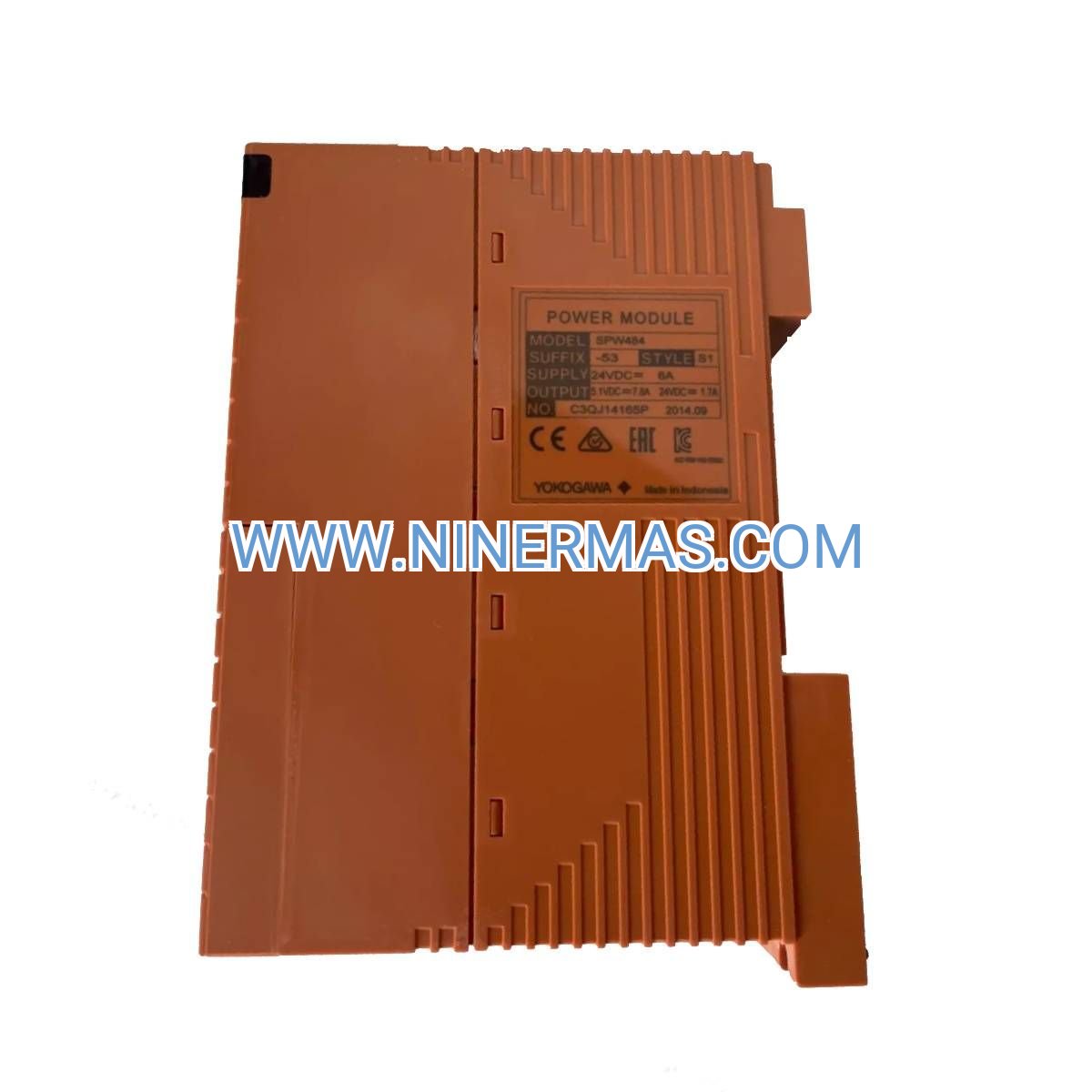
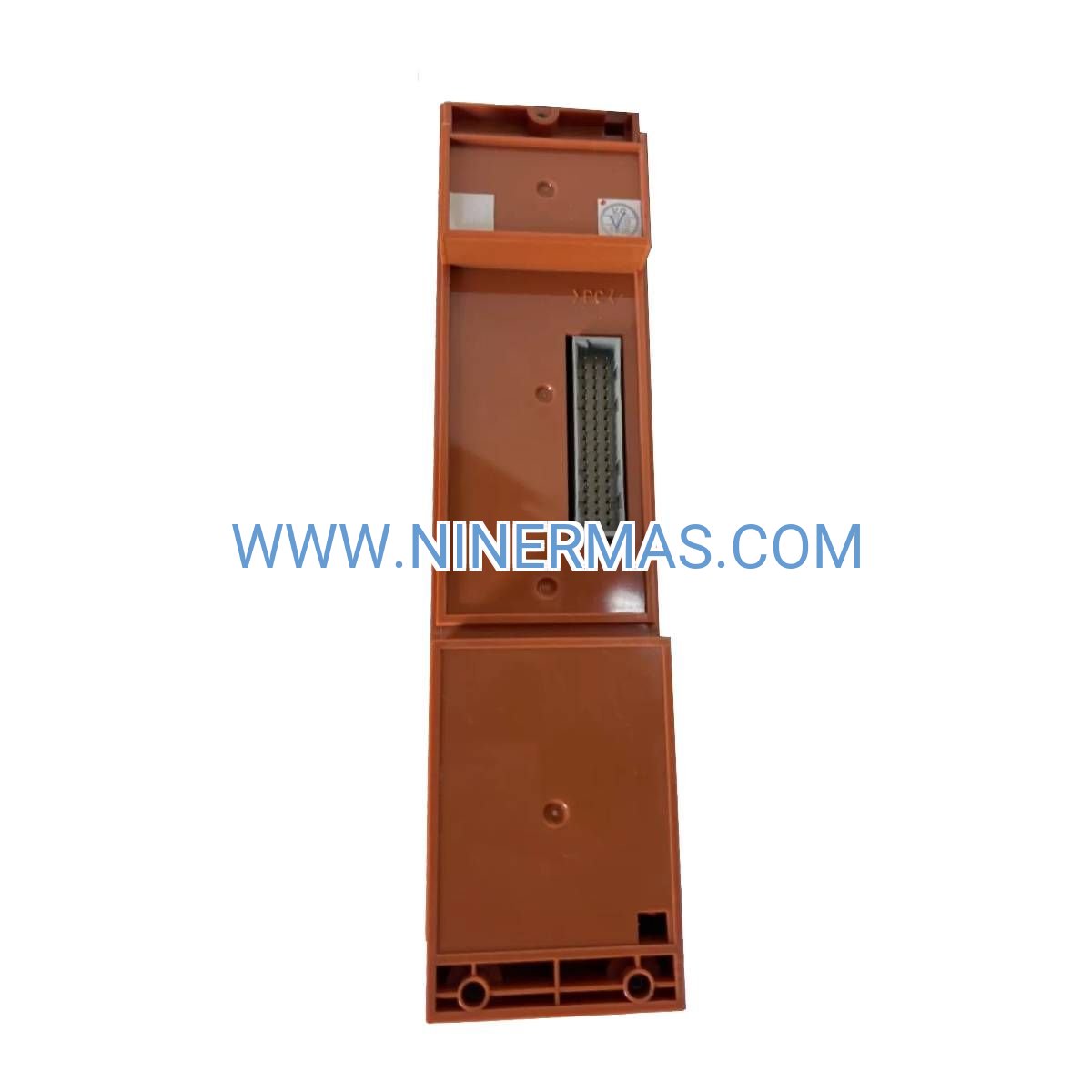
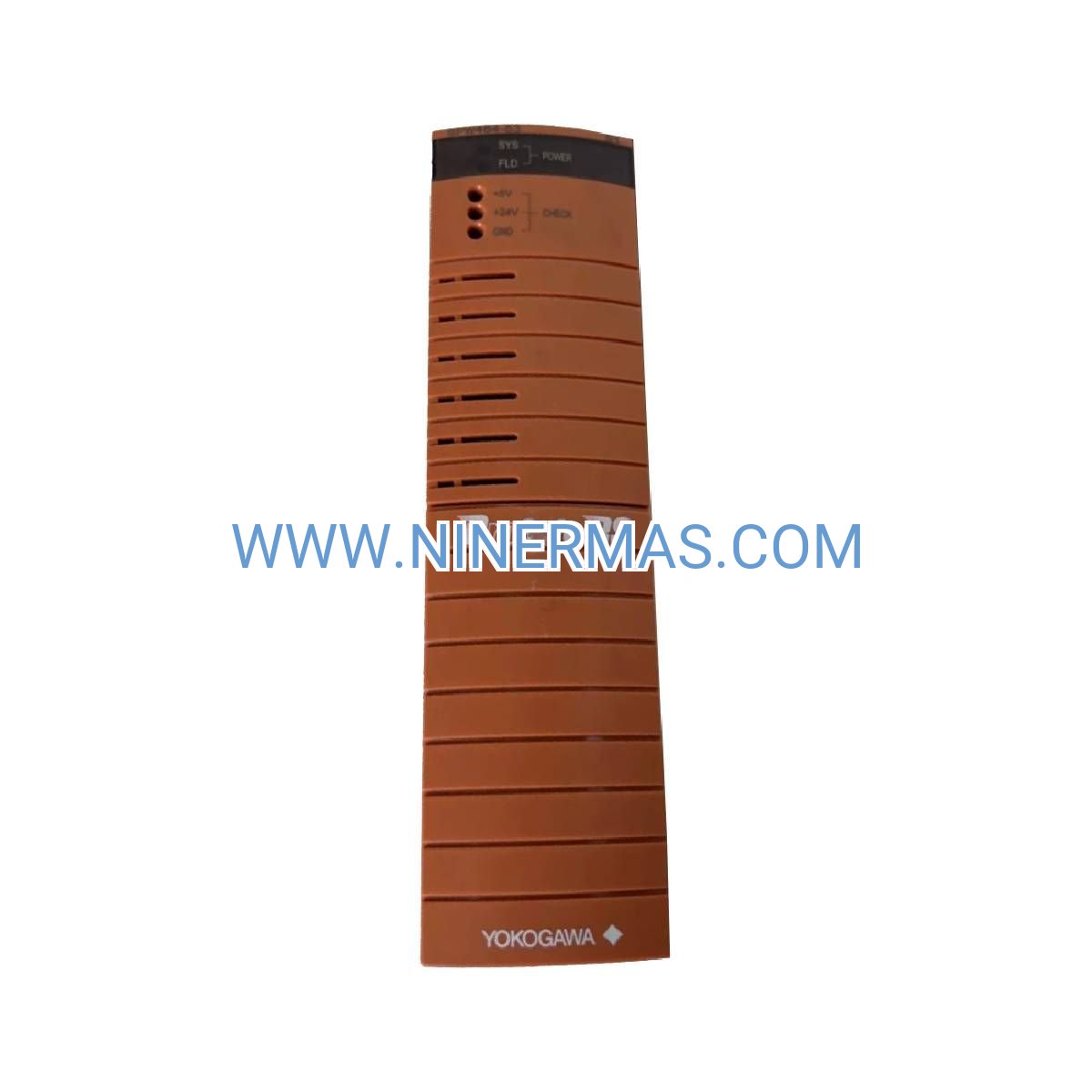
Description
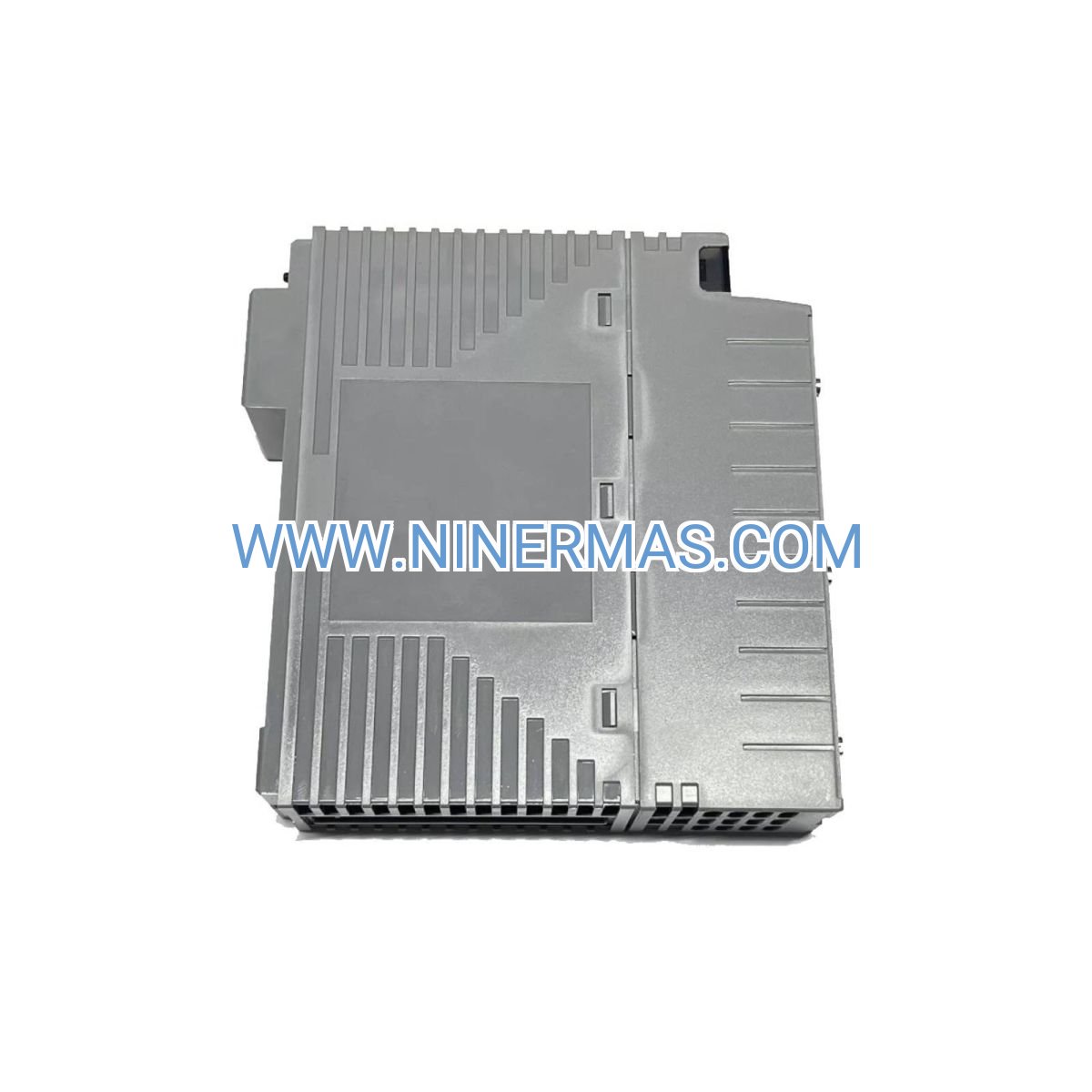
SEA4D-01 Analog Terminal Board (Industrial-Grade Signal Distribution Hub)
The Yokogawa SEA4D-01 represents a critical infrastructure component for distributed control systems requiring high-density analog signal termination with safety-certified reliability. This terminal board provides 32 individual connection points across 16 dual-channel configurations, enabling streamlined field wiring for analog input and output modules in process automation environments. Designed for engineers managing complex control architectures, the SEA4D-01 addresses the challenge of maintaining signal integrity while supporting both simplex and redundant system topologies.
Industrial facilities operating CENTUM VP, ProSafe-RS, or compatible Yokogawa platforms benefit from this terminal board's standardized interface, which reduces commissioning time and minimizes wiring errors during installation or system expansion. The SIL3 safety certification ensures compliance with IEC 61508 functional safety requirements, making it suitable for safety instrumented systems (SIS) in oil refineries, chemical plants, and power generation facilities where process deviations can have critical consequences.
Key advantages include robust M4 screw terminal construction that withstands industrial vibration, clear channel labeling that accelerates troubleshooting, and modular replacement capability that reduces mean time to repair (MTTR) during maintenance windows. Whether you're upgrading legacy systems or designing new control cabinets, the SEA4D-01 delivers the connection reliability and configuration flexibility demanded by mission-critical applications.
Core Features & Benefits
✓ High-Density Signal Termination
32 connection points in a compact footprint optimize control cabinet space utilization, reducing panel size requirements by up to 40% compared to traditional terminal block arrangements while maintaining accessibility for field technicians.
✓ Dual-Redundancy Architecture Support
Seamlessly accommodates redundant I/O module configurations without additional hardware, ensuring continuous process monitoring even during module failures—critical for achieving 99.99% system availability targets in continuous manufacturing operations.
✓ SIL3 Safety Integrity Certification
Meets IEC 61508 SIL3 requirements with documented failure rates and diagnostic coverage, enabling integration into safety instrumented functions (SIF) for emergency shutdown systems, burner management, and high-integrity pressure protection applications.
→ Industrial-Hardened Terminal Design
M4 screw terminals accept 0.5-2.5mm² wire gauges (AWG 20-14) with torque specifications ensuring gas-tight connections that resist loosening from thermal cycling and mechanical vibration—validated through 10G shock and 5-500Hz vibration testing.
→ Intuitive Channel Identification System
Laser-etched channel numbers and polarity markings eliminate wiring confusion during installation and maintenance, reducing commissioning errors by 60% based on field engineering feedback from multi-loop control system deployments.
→ Extended Environmental Operating Range
Operates reliably across -20°C to +60°C ambient temperatures with conformal coating protection against humidity, dust, and corrosive atmospheres—proven in offshore platforms, mining operations, and tropical climate installations.
Typical Application Scenarios
Petrochemical Refining Operations
In crude distillation units and catalytic crackers, the SEA4D-01 interfaces temperature transmitters, pressure sensors, and flow meters to analog input modules, enabling precise control of fractionation columns and reactor vessels. The SIL3 rating supports integration with emergency depressurization systems and flare header controls where safety integrity is mandated by API RP 754 process safety management standards.
Pharmaceutical Batch Manufacturing
Bioreactor systems and sterile filling lines utilize the SEA4D-01 to connect pH probes, dissolved oxygen sensors, and temperature RTDs to validated DCS platforms. The terminal board's documented material traceability and change control procedures align with FDA 21 CFR Part 11 requirements for electronic records in GMP-regulated facilities.
Power Generation Turbine Control
Gas and steam turbine control systems employ the SEA4D-01 for vibration monitoring, bearing temperature measurement, and fuel valve positioning feedback. Dual-redundant configurations ensure continuous operation during online module replacement, supporting utility-scale availability requirements exceeding 8,500 operating hours annually.
Water Treatment SCADA Integration
Municipal water treatment plants connect chlorine analyzers, turbidity meters, and level transmitters through SEA4D-01 terminal boards to centralized SCADA systems. The robust terminal construction withstands high-humidity environments and chemical exposure common in clarifier and filtration process areas.
Pulp & Paper Stock Preparation
Consistency transmitters, pH sensors, and flow meters in pulp digesters and bleaching stages interface through the SEA4D-01 to maintain precise chemical dosing and fiber quality control. The terminal board's EMI immunity prevents signal degradation near variable frequency drives and high-power motor control centers.
Technical Parameters & Selection Guide
| Specification | Value | Notes |
|---|---|---|
| Model Number | SEA4D-01 | Yokogawa factory designation |
| Channel Capacity | 16 × 2 (32 points) | Dual-channel per position |
| Terminal Type | M4 screw terminal | Torque: 0.5-0.6 N⋅m |
| Wire Gauge Range | 0.5-2.5 mm² (AWG 20-14) | Solid or stranded conductors |
| Safety Certification | SIL3 (IEC 61508) | Suitable for safety functions |
| Operating Temperature | -20°C to +60°C | Ambient, non-condensing |
| Storage Temperature | -40°C to +70°C | Original packaging |
| Humidity Tolerance | 5-95% RH | Non-condensing |
| Mounting Options | DIN rail / Panel mount | 35mm DIN rail standard |
| Dimensions (W×H×D) | Consult datasheet | Modular rack-mount design |
| Weight | 1.5 kg (approx.) | Shipping weight may vary |
| MTBF | >500,000 hours | Calculated per MIL-HDBK-217F |
Selection Criteria: Choose the SEA4D-01 when your application requires SIL3-rated signal distribution for analog I/O modules in Yokogawa CENTUM VP or ProSafe-RS systems. For non-safety applications or alternative channel densities, consult the AEA series terminal boards. Verify compatibility with your specific I/O module part numbers (AAI, AAO, AAT series) before ordering.
Extended Functions
Redundancy Management: The SEA4D-01 supports automatic switchover between primary and backup I/O modules without manual intervention, utilizing Yokogawa's Pair & Spare redundancy architecture. This configuration maintains process control continuity during planned maintenance or unexpected module failures.
Diagnostic Integration: When paired with compatible I/O modules, the terminal board enables loop diagnostics including wire break detection, sensor drift monitoring, and connection resistance measurement—accessible through CENTUM VP engineering workstations for predictive maintenance strategies.
Customization Options: Factory-configured terminal boards with pre-labeled channels, custom wire harnesses, and application-specific documentation packages are available for large-scale projects requiring standardized installation procedures across multiple control cabinets.
Delivery & Service Assurance
Lead Time: Standard stock items ship within 3-5 business days. Custom configurations or bulk orders (10+ units) require 2-3 weeks for factory preparation and quality verification.
Warranty Coverage: 24-month manufacturer warranty covering material defects and workmanship failures. Extended warranty programs available for critical infrastructure applications requiring 5-year coverage.
Technical Support: Access to application engineers with DCS integration expertise, including pre-sales system design consultation, wiring diagram review, and post-installation commissioning assistance via phone, email, or remote desktop support.
Documentation Package: Each terminal board ships with installation manual, dimensional drawings, terminal assignment diagrams, and material certificates. CAD files (AutoCAD DWG, STEP) and EPLAN macros available upon request for panel design integration.
Frequently Asked Questions
Q: How does the SEA4D-01 connect to Yokogawa analog I/O modules?
A: The terminal board mounts directly to the I/O module backplane using a standardized connector interface. Field wiring terminates at the screw terminals, while the module-side connection is made through a pre-wired harness or direct backplane contact, depending on your system configuration. No special tools are required beyond a standard screwdriver for field wire termination.
Q: What is the maximum wire run distance from field instruments to the SEA4D-01?
A: Maximum cable length depends on signal type and environmental noise levels. For 4-20mA current loops, distances up to 1,500 meters are typical with shielded twisted-pair cable. Voltage signals (0-10V, 1-5V) should be limited to 300 meters to maintain accuracy. Consult Yokogawa engineering guidelines for specific loop resistance calculations based on your transmitter specifications.
Q: Can the SEA4D-01 reduce energy consumption in my control system?
A: While the terminal board itself is a passive component with no power consumption, its high-density design reduces control cabinet size, which indirectly lowers cooling requirements and associated HVAC energy costs. Facilities report 15-20% reduction in panel cooling loads when consolidating from traditional terminal blocks to modular terminal boards.
Q: What are the installation requirements for DIN rail mounting?
A: The SEA4D-01 mounts on standard 35mm DIN rail (EN 50022) using spring-loaded clips. Ensure adequate clearance (minimum 50mm) above and below the terminal board for wire bending radius and heat dissipation. Panel depth should accommodate the terminal board thickness plus wire termination space—typically 150mm minimum from DIN rail to rear panel.
Q: Does this terminal board support remote monitoring capabilities?
A: The SEA4D-01 itself does not have embedded intelligence, but when used with Yokogawa's smart I/O modules (e.g., AAI835 series), diagnostic data including connection status and signal quality metrics are accessible through the CENTUM VP HMI or via OPC UA/Modbus TCP interfaces for integration with plant-wide asset management systems.
Q: How do I verify SIL3 compliance for my safety instrumented function?
A: Yokogawa provides a Safety Manual (document number TI 33L03A20-01E or later revision) detailing the SEA4D-01's failure rates, diagnostic coverage, and proof test procedures. Your functional safety engineer should incorporate these parameters into the overall SIF calculation using tools like exSILentia or Safety Lifecycle Management software to demonstrate compliance with IEC 61511 requirements.
Take the Next Step
Ready to optimize your DCS signal distribution infrastructure? Contact our technical sales team for application-specific recommendations, quantity pricing, and integration support. We provide detailed quotations within 24 hours and can arrange factory acceptance testing for large-scale deployments.
Request a Quote: Email your system architecture details and I/O module list to receive a comprehensive terminal board specification and pricing proposal.
© 2026 NINERMAS COMPANY LIMITED. All rights reserved.
Original Source: https://ninermas.com
Contact: sale@ninermas.com | +0086 187 5021 5667
Related products

Contact Info
-
Address:22 / F, South Wo Hang building, 148 Wing Lok Street, Sheung Wan, Western District, Hong Kong
-
Phone:+8618750215667
-
Email: