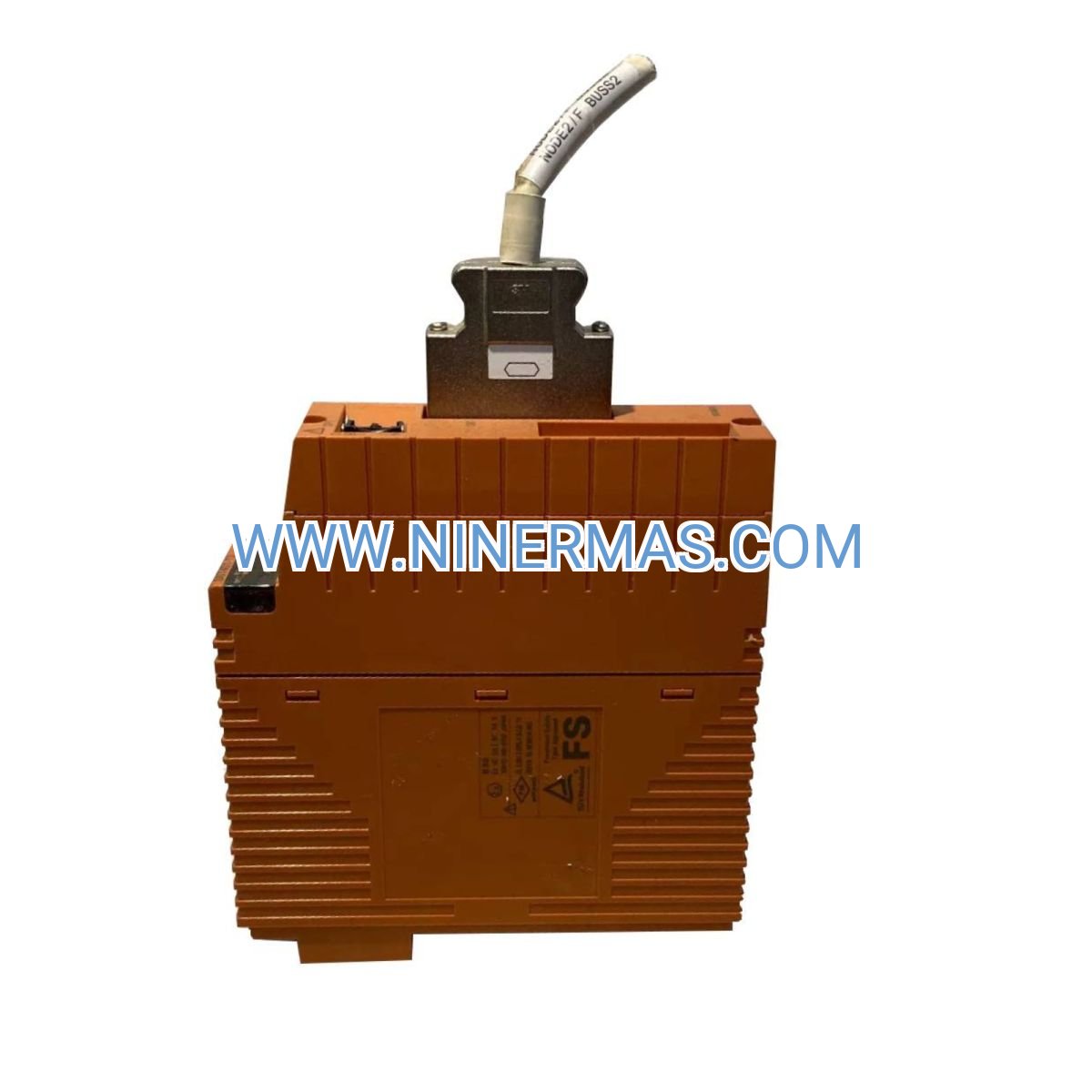
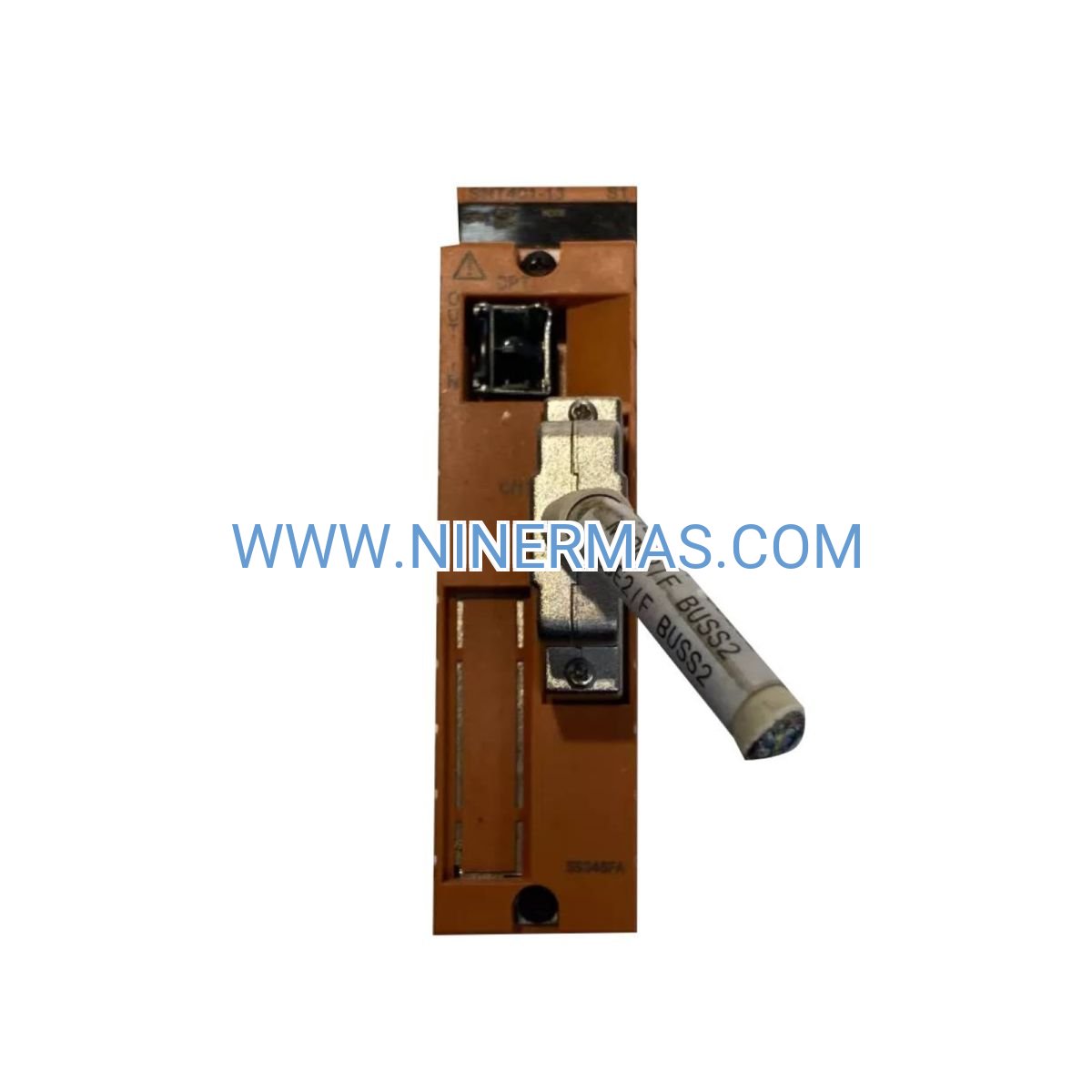
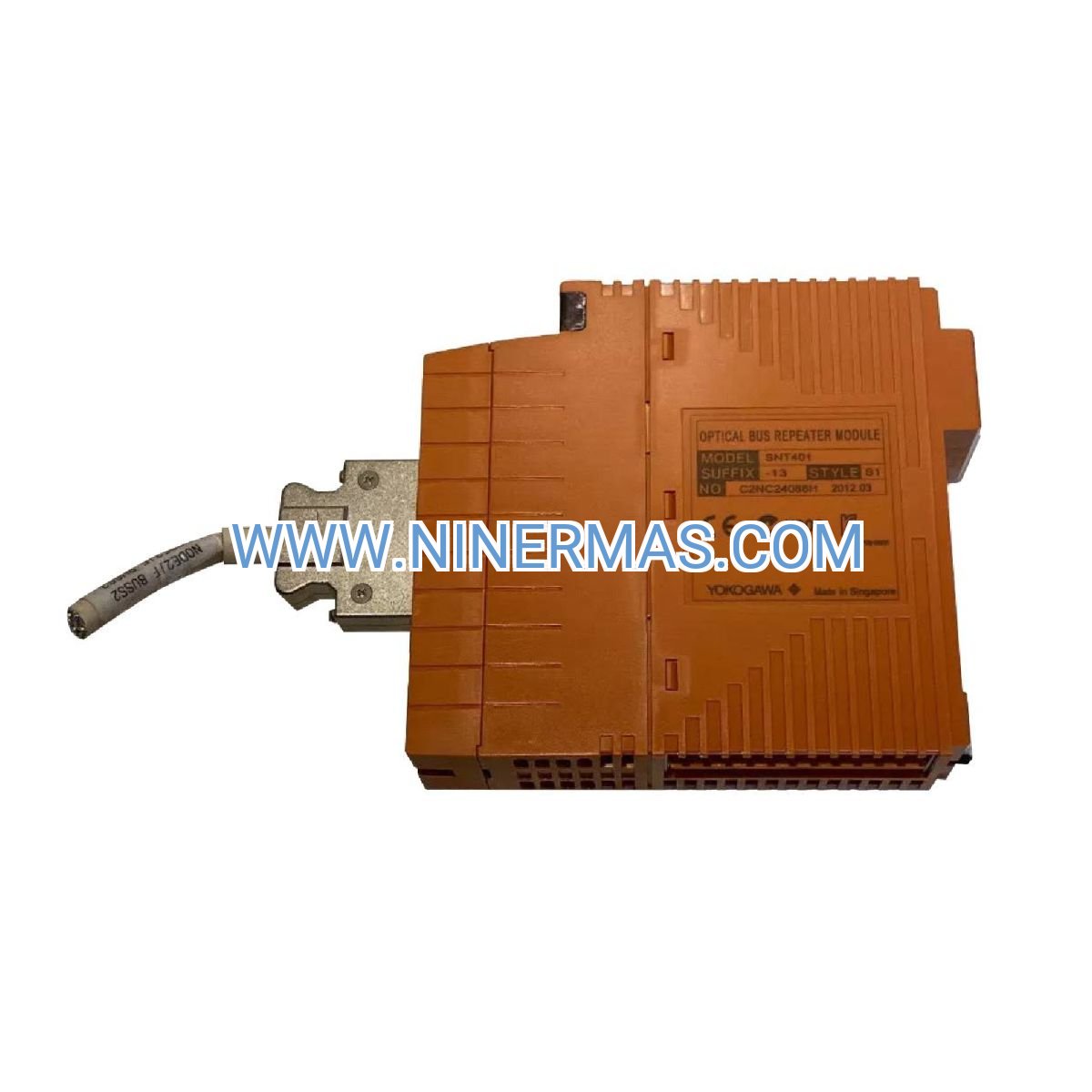
Description
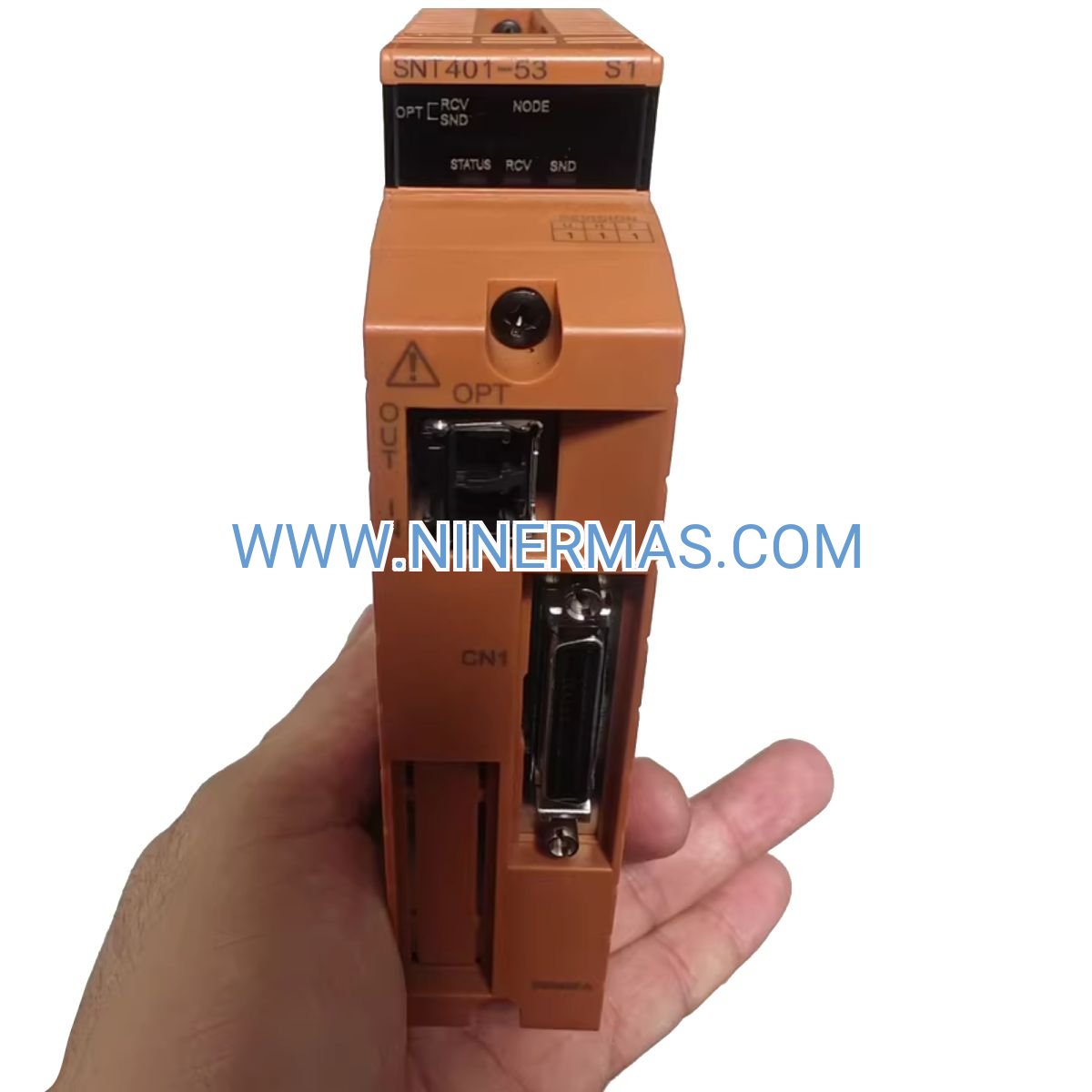
SNT401 Optical ESB Bus Repeater Master Module (Industrial-Grade Communication Hub)
The SNT401 represents a breakthrough in industrial network infrastructure, converting traditional electrical ESB Bus signals into high-integrity optical transmission for distributed control architectures. This master module addresses the fundamental challenge of maintaining signal fidelity across extended distances in electromagnetically hostile environments, serving as the backbone for safety instrumented systems (SIS) and process automation networks where millisecond-level response times and 99.99% uptime are non-negotiable.
Designed for plant engineers managing multi-building facilities, the SNT401 eliminates ground loop interference and voltage transients that plague copper-based networks. Whether you're upgrading legacy DCS infrastructure or designing greenfield installations, this module delivers deterministic communication performance across temperature extremes and electrical noise conditions that would cripple conventional wiring.
With IEC 61508 SIL 3 certification and proven MTBF exceeding 200,000 hours, the SNT401 provides the reliability foundation for critical control loops in refineries, chemical plants, and continuous manufacturing operations. The hot-swappable architecture ensures maintenance activities never compromise process continuity.
Core Capabilities & Business Value
✓ Extended Communication Range: Multimode fiber optic transmission extends ESB Bus networks up to 2 kilometers between nodes, eliminating the 100-meter copper cable limitation. This capability reduces infrastructure costs by 40-60% in large facilities by minimizing intermediate repeater stations and simplifying cable routing.
✓ Electromagnetic Immunity: Complete galvanic isolation protects against RFI/EMI interference from VFDs, welding equipment, and high-voltage switchgear. Plants report 95%+ reduction in communication faults after optical conversion, directly improving OEE (Overall Equipment Effectiveness).
✓ Dual-Channel Architecture: Simultaneous support for safety control nodes and N-IO field devices on independent optical paths ensures safety-critical signals maintain segregation from process control data, meeting IEC 61511 functional safety requirements without additional hardware.
✓ Microsecond Response Times: Integrated signal regeneration maintains sub-10ms scan cycles across the entire optical network, preserving real-time control performance essential for fast-acting safety shutdown systems and high-speed packaging lines.
✓ Diagnostic Intelligence: Multi-color LED indicators and embedded link quality monitoring enable predictive maintenance strategies. Optical power degradation alerts trigger fiber inspection before failures occur, reducing unplanned downtime by 70% compared to reactive maintenance approaches.
✓ Compact DIN-Rail Design: 120mm × 90mm × 65mm footprint with 5W power consumption fits existing control cabinet layouts without panel redesign. The space efficiency allows retrofitting into brownfield installations where cabinet real estate is constrained.
Industrial Application Scenarios
Petrochemical Refineries: In crude distillation units spanning 500+ meters, the SNT401 connects remote analyzer houses to central control rooms without copper cabling vulnerable to lightning strikes and cathodic protection interference. Refineries achieve 99.97% communication availability during electrical storms, preventing false trips that cost $50,000-$200,000 per incident in lost production.
Multi-Building Manufacturing Complexes: Automotive assembly plants use SNT401 modules to link body shop, paint booth, and final assembly DCS networks across separate structures. The optical isolation eliminates ground potential differences between buildings that previously caused random I/O faults, improving first-pass quality rates by 3-5%.
High-EMI Environments: Steel mills and aluminum smelters deploy SNT401 in proximity to induction furnaces and arc welders where 50kV/m electromagnetic fields render copper networks inoperable. The optical immunity enables I/O placement within 2 meters of interference sources, reducing wiring runs by 60% and cutting installation labor costs proportionally.
Hazardous Area Installations: Offshore platforms and LNG terminals leverage the SNT401's intrinsic safety benefits—optical fibers carry no electrical energy, simplifying Zone 1/Division 1 certifications and reducing explosion-proof conduit requirements by 80% compared to equivalent copper infrastructure.
Redundant Safety Systems: When paired with SNT501 slave modules in ring topology, pharmaceutical batch reactors achieve N+1 redundancy for emergency shutdown systems. Automatic failover occurs within 50ms during fiber breaks, maintaining SIL 3 integrity without process interruption.
Technical Parameters & Selection Guide
| Parameter | Specification | Engineering Notes |
|---|---|---|
| Optical Transmission | Multimode fiber, 850nm wavelength | Compatible with OM1/OM2/OM3 fiber types |
| Maximum Distance | 2000 meters (6562 feet) | Derate to 1500m in high-temperature environments |
| Scan Cycle Time | <10ms (typical 6-8ms) | Deterministic performance across full network load |
| Operating Temperature | -20°C to +60°C (-4°F to +140°F) | Meets IEC 61131-2 industrial environment standards |
| Power Supply | 24VDC ±20%, 5W maximum | Reverse polarity and surge protected |
| Safety Certification | IEC 61508 SIL 3, TÜV approved | Suitable for safety instrumented functions up to SIL 3 |
| MTBF | >200,000 hours | Based on Telcordia SR-332 reliability prediction |
| Mounting | 35mm DIN rail (IEC 60715) | Tool-free installation and removal |
| Connector Type | ST or SC duplex (specify at order) | Factory-terminated pigtails available |
Selection Criteria: Choose the SNT401 master module when your application requires optical signal origination from a DCS controller or safety PLC. For extending existing optical networks or creating slave nodes, pair with SNT501 repeater modules. Calculate total fiber budget using 3.5dB/km attenuation plus 0.5dB per connector pair—maintain 6dB minimum link margin for long-term reliability. In redundant configurations, specify separate fiber routes to avoid common-mode failures from construction damage.
Advanced Integration Features
CENTUM VP DCS Compatibility: Native integration with Yokogawa's CENTUM VP engineering environment enables drag-and-drop configuration of optical network topologies. The module auto-discovers connected slave devices and validates fiber link quality during commissioning, reducing startup time by 50% compared to manual configuration methods.
Redundancy Protocols: Supports both simplex (single fiber path) and duplex (dual redundant paths) ESB Bus architectures. In duplex mode, automatic switchover occurs within 50 milliseconds upon primary path failure, maintaining control continuity for safety-critical loops without operator intervention.
Remote Diagnostics: Embedded SNMP agents report optical power levels, bit error rates, and temperature data to plant-wide asset management systems. Trend analysis identifies degrading fiber connections 3-6 months before failure, enabling scheduled maintenance during planned outages rather than emergency repairs.
Brownfield Retrofit Capability: The SNT401 inserts into existing ESB Bus networks without protocol conversion or controller reprogramming. Legacy copper segments remain operational while optical backbone provides extended reach—ideal for phased migration strategies that preserve capital investments in functioning I/O hardware.
Delivery Timeline & Service Commitments
Standard Lead Time: 3-5 business days for stock configurations (ST connector, standard temperature range). Custom specifications including SC connectors or extended temperature variants ship within 10-12 business days after order confirmation.
Warranty Coverage: 24-month manufacturer warranty covering defects in materials and workmanship. Warranty includes advance replacement service—replacement units ship within 24 hours of fault verification, minimizing production impact during rare hardware failures.
Technical Support: Lifetime access to application engineering team for fiber routing consultation, network design validation, and troubleshooting assistance. Support includes optical power budget calculations, EMI mitigation strategies, and integration guidance for third-party safety systems.
Documentation Package: Each module ships with installation manual, fiber termination guidelines, CAD drawings (DXF/PDF), and sample ladder logic for common safety applications. Yokogawa provides free access to online training modules covering optical network fundamentals and advanced diagnostic techniques.
Frequently Asked Questions
Q: How does the SNT401 optical ESB bus repeater integrate with existing copper-based control networks?
A: The SNT401 functions as a transparent bridge—connect copper ESB Bus segments to the module's electrical ports, then extend via fiber optic cables to remote SNT501 slave modules that convert back to electrical signals. No controller programming changes required; the optical conversion is protocol-agnostic and maintains existing scan times.
Q: What fiber optic cable specifications are required for maximum 2km transmission distance?
A: Use 50/125μm or 62.5/125μm multimode fiber with minimum 850nm bandwidth of 500 MHz·km. OM2 or OM3 grade cables meet this requirement. Ensure total link loss (fiber attenuation + connector losses) remains below 10dB for reliable operation. For outdoor routing, specify armored fiber with rodent protection and UV-resistant jacketing.
Q: Can the SNT401 support redundant safety control architectures for SIL 3 applications?
A: Yes—deploy dual SNT401 modules in redundant configuration with separate fiber paths. Each module monitors the other's health status; automatic failover maintains control continuity during single-point failures. This architecture meets IEC 61511 requirements for hardware fault tolerance (HFT=1) in SIL 3 safety instrumented functions.
Q: What diagnostic capabilities help prevent communication failures before they impact production?
A: The SNT401 continuously monitors optical receive power and compares against factory-calibrated thresholds. When signal strength drops below warning levels (typically 3dB above minimum), the module activates amber LED indicators and sends diagnostic messages to the DCS. This early warning allows scheduled fiber inspection during planned maintenance windows rather than emergency troubleshooting during production runs.
Q: How much energy efficiency improvement does optical conversion provide compared to copper repeaters?
A: The SNT401 consumes 5W maximum—60% less than equivalent copper repeater/isolator combinations that require 12-15W for similar distance extension. In large installations with 20+ repeater points, this translates to 200W continuous power savings, reducing annual energy costs by $150-$300 depending on local electricity rates while also decreasing cooling loads in control cabinets.
Q: What installation requirements ensure optimal performance in high-vibration environments?
A: Mount the SNT401 on DIN rail with vibration-dampening clips (included) and use strain relief boots on fiber connectors. Maintain minimum 50mm bend radius on fiber cables and secure with P-clips every 300mm along cable trays. For severe vibration (>2G acceleration), specify factory-installed fiber pigtails with epoxy-potted connectors rather than field-terminated connections.
Take the Next Step
Ready to eliminate communication bottlenecks in your distributed control system? Our application engineering team will analyze your facility layout, calculate optical power budgets, and provide detailed ROI projections comparing optical vs. copper infrastructure costs. Request a technical consultation today—we'll deliver a customized network design within 48 hours, complete with bill of materials and installation labor estimates.
Contact our industrial automation specialists:
→ Email: sale@ninermas.com
→ Phone: +0086 187 5021 5667
→ Request a quote for volume pricing on multi-module projects
© 2026 NINERMAS COMPANY LIMITED. All rights reserved.
Original Source: https://ninermas.com
Contact: sale@ninermas.com | +0086 187 5021 5667
PDF Specification
Download PDF file here:
Click to Download PDFRelated products
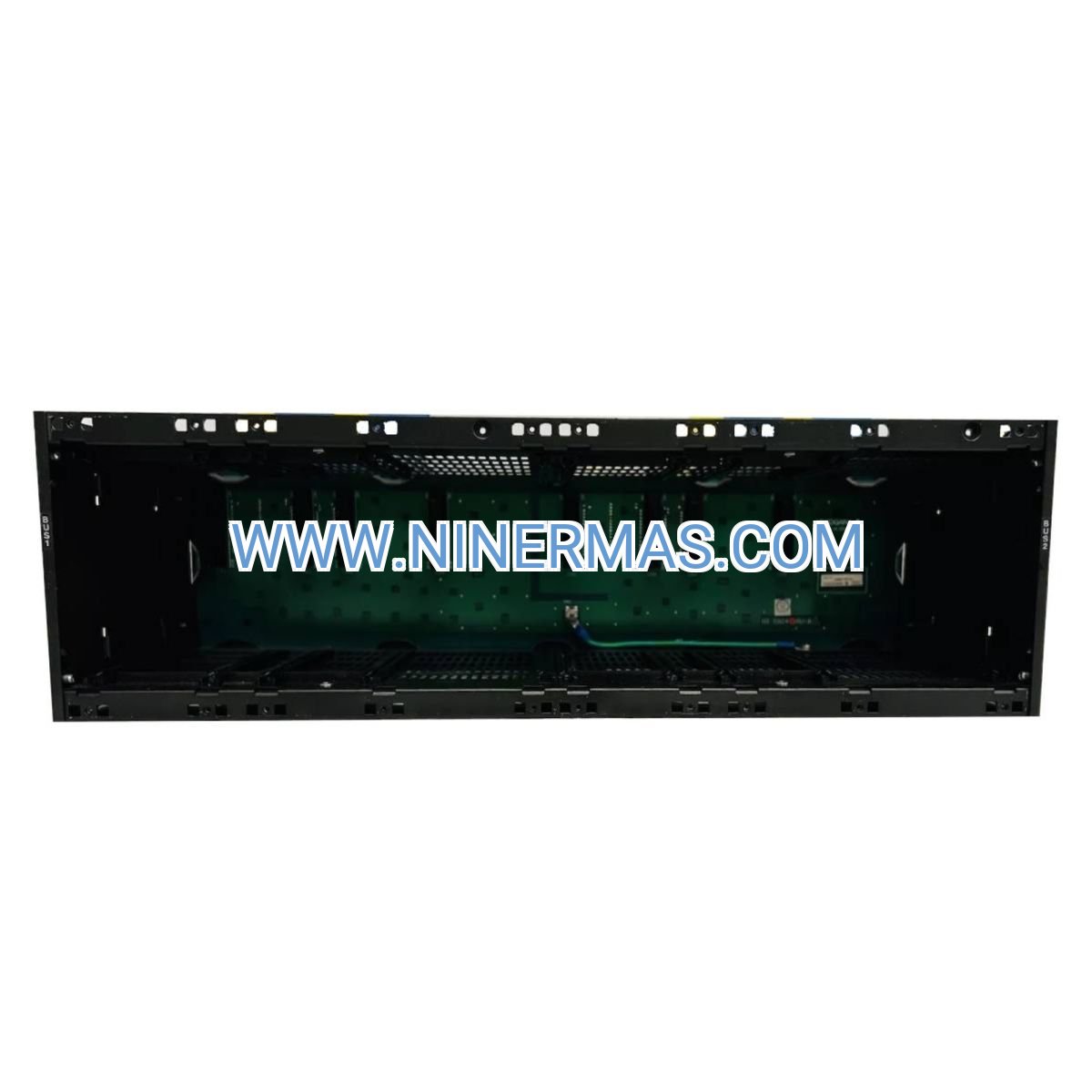


Contact Info
-
Address:22 / F, South Wo Hang building, 148 Wing Lok Street, Sheung Wan, Western District, Hong Kong
-
Phone:+8618750215667
-
Email: