Description
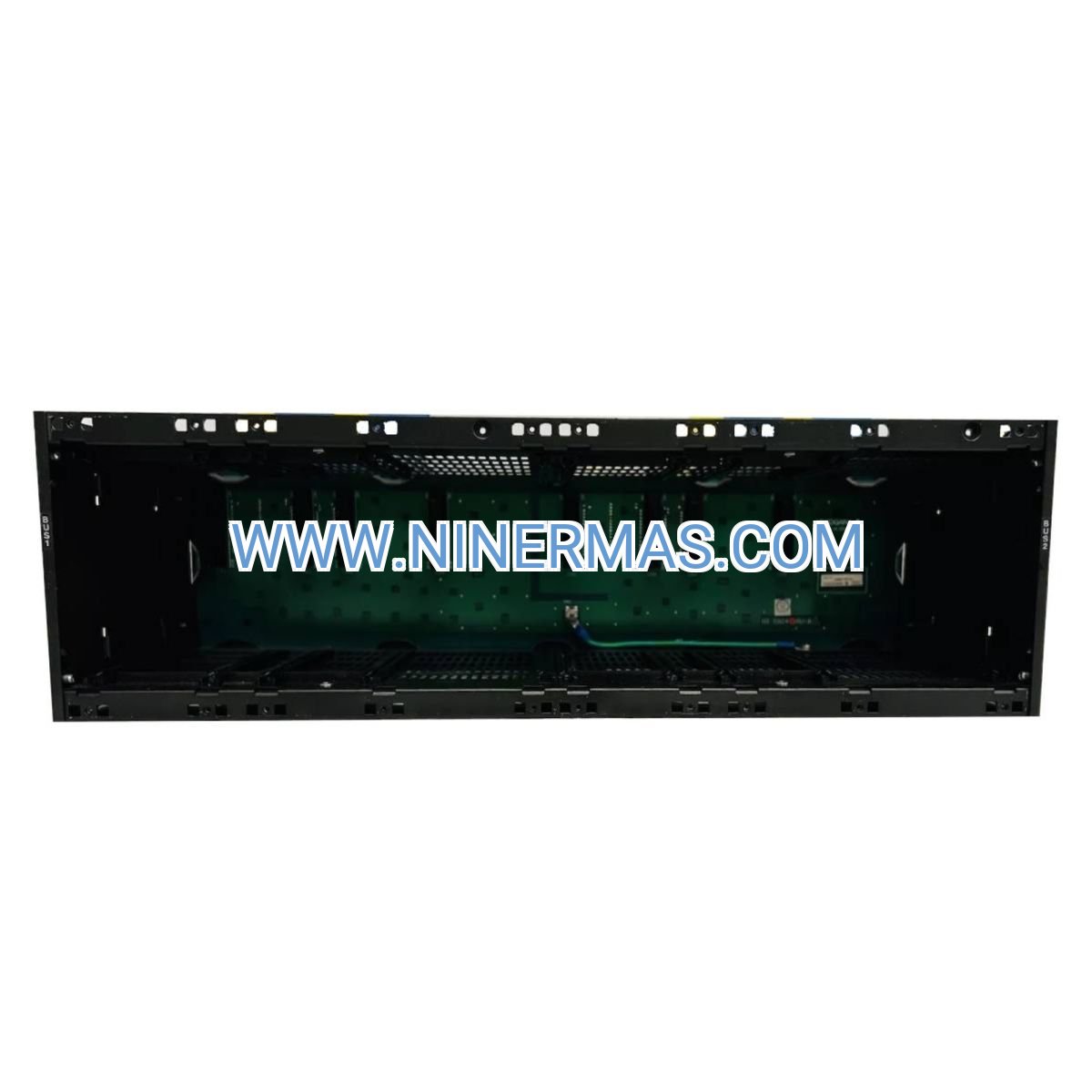
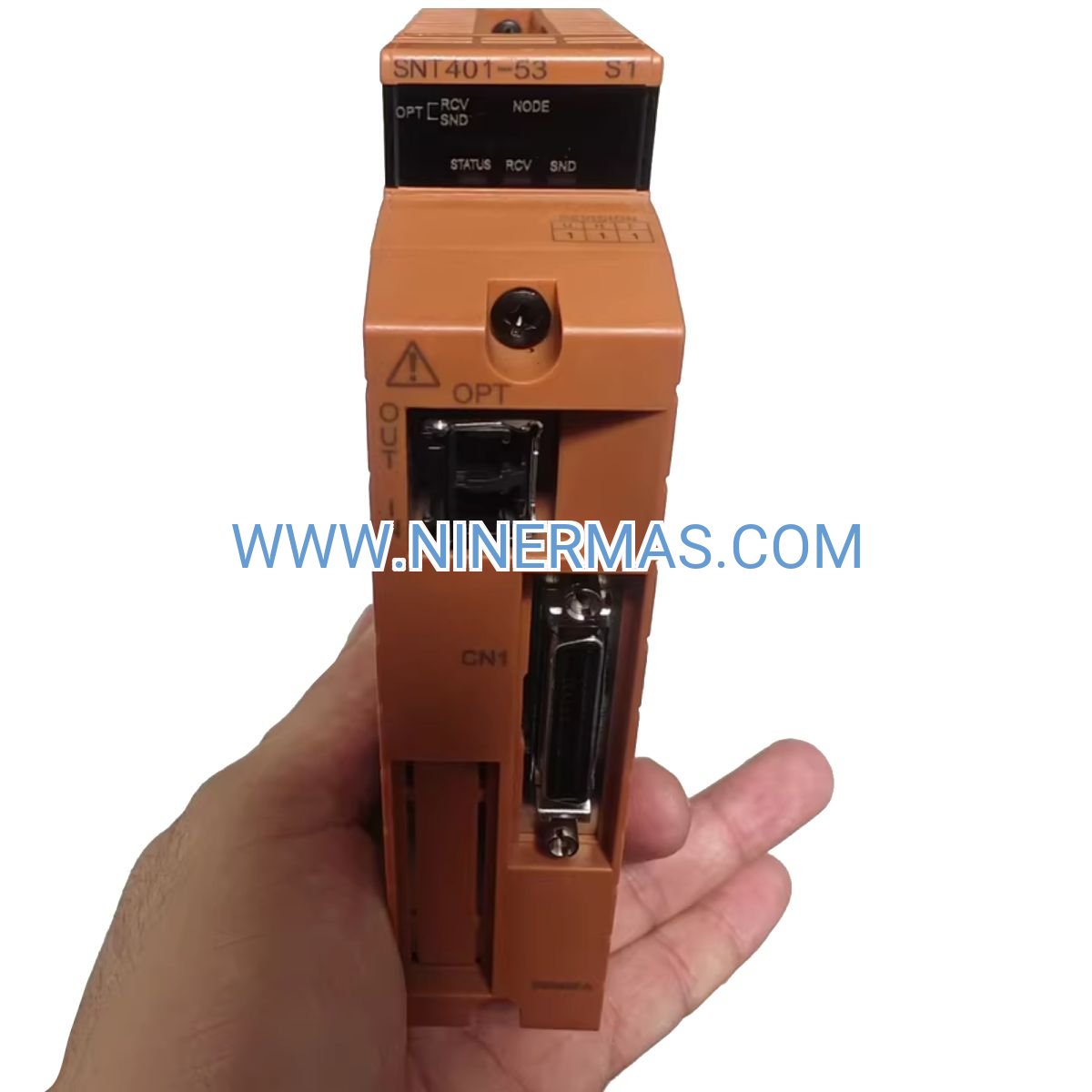
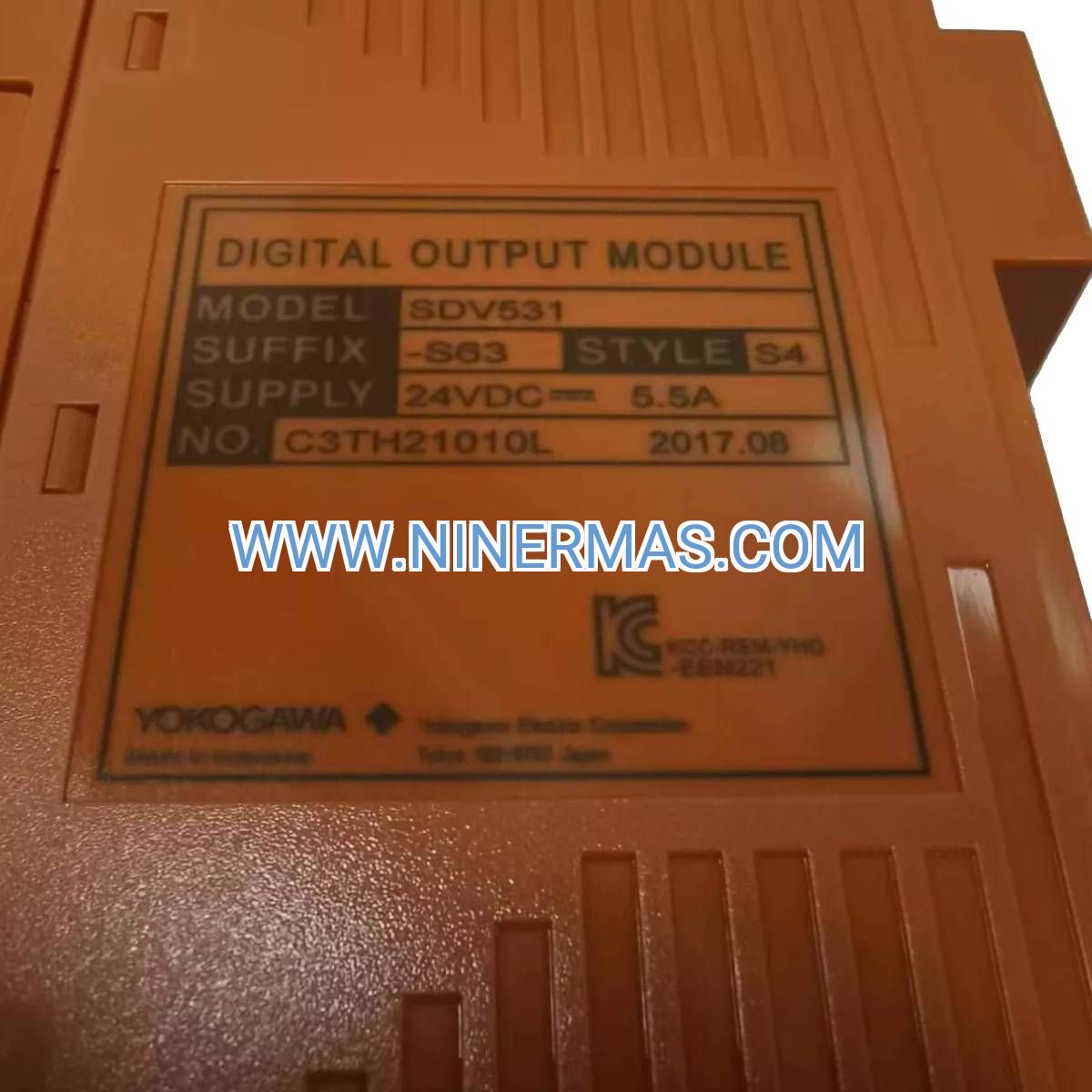
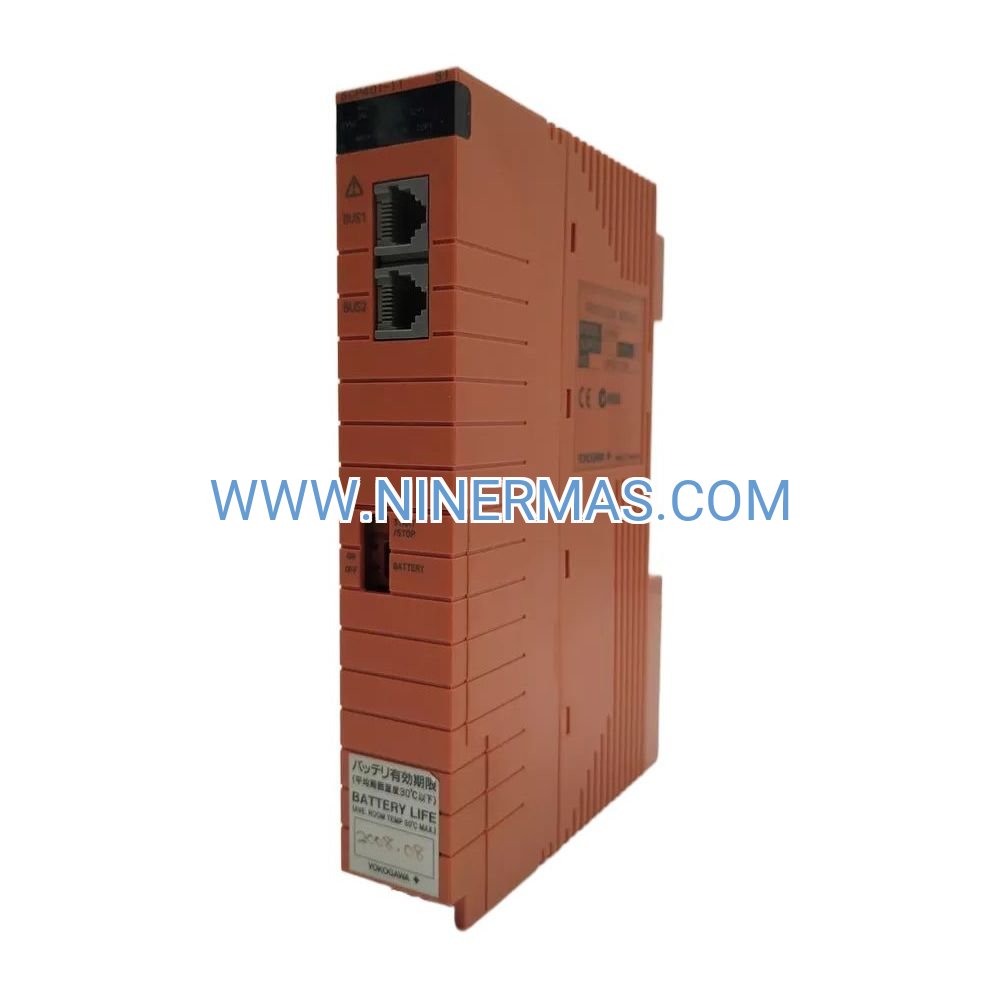
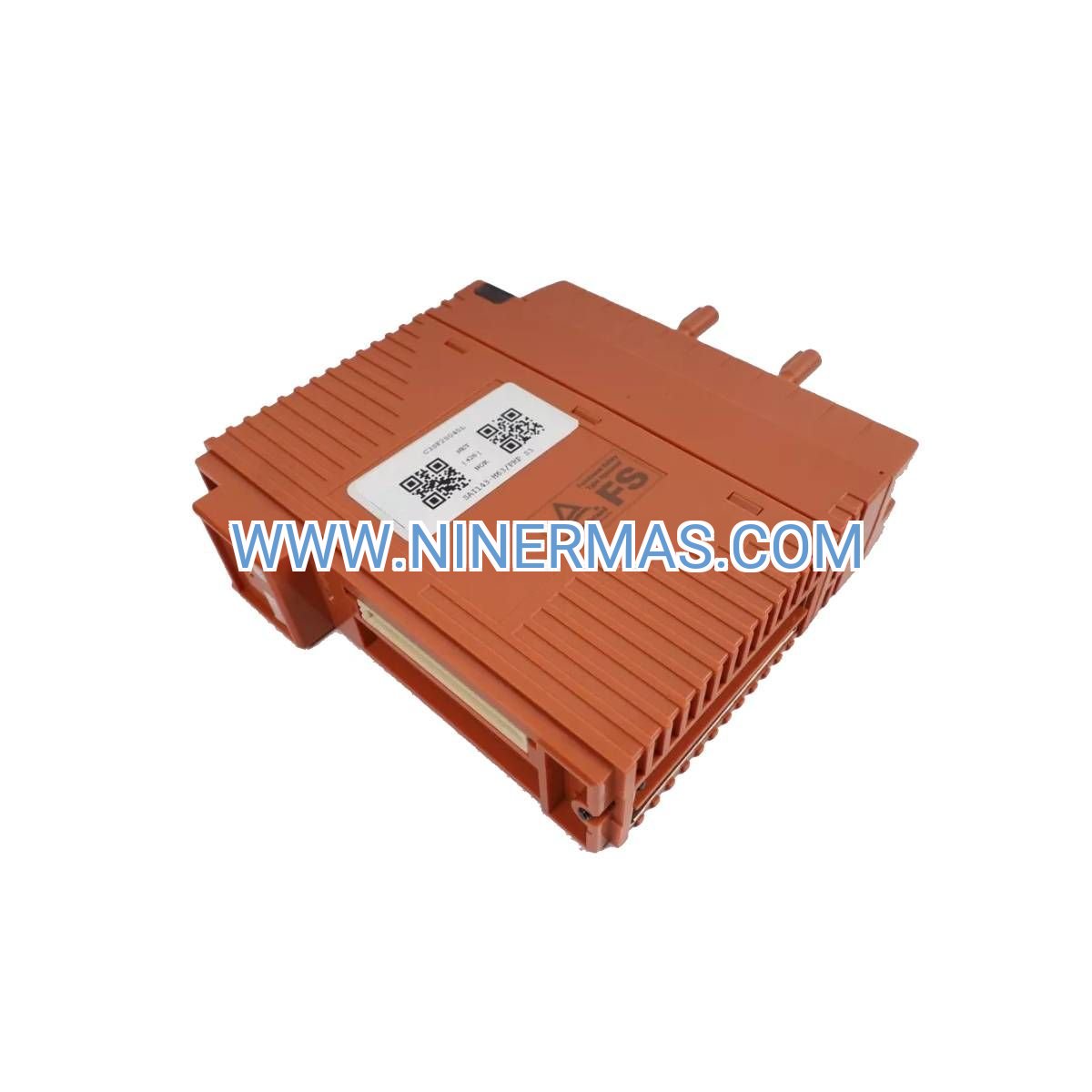
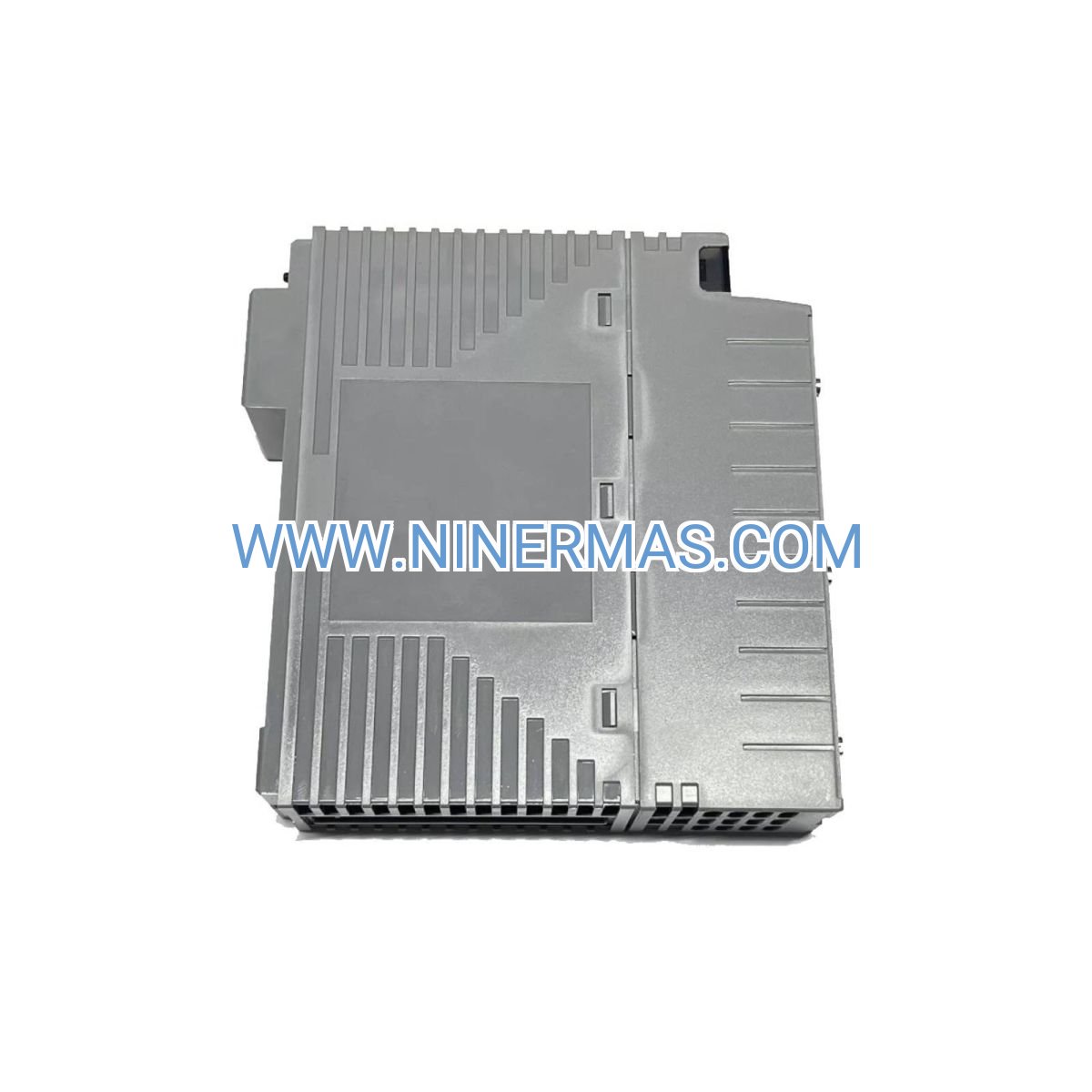
SNB10D-225/CU2N ESB Bus Connector Unit (Industrial-Grade Safety Interface)
The SNB10D-225/CU2N represents Yokogawa's commitment to fail-safe industrial automation, serving as a critical communication bridge between field instrumentation and ProSafe-RS safety logic solvers. Designed for environments where process upsets can lead to catastrophic consequences, this ESB Bus connector delivers microsecond-level response times and triple-redundant diagnostic coverage. Whether you're protecting offshore drilling operations, chemical reactor systems, or power generation turbines, this module provides the deterministic performance required for SIL 3-rated emergency shutdown sequences.
Process industries face mounting pressure to eliminate unplanned shutdowns while maintaining absolute safety integrity. The SNB10D-225/CU2N addresses this challenge through intelligent fault detection, seamless controller redundancy, and field-proven reliability across 40+ years of Yokogawa safety system deployments. Plant engineers gain confidence knowing every signal path is continuously validated against IEC 61508 functional safety standards.
From initial commissioning to decades of continuous operation, this connector unit simplifies lifecycle management through hot-swappable architecture and backward compatibility with legacy ProSafe installations. Reduce mean time to repair, eliminate costly production interruptions, and achieve regulatory compliance with a single, proven platform trusted by Fortune 500 energy and chemical producers worldwide.
Core Capabilities & Technical Advantages
→ Deterministic Emergency Response: Guaranteed scan cycle execution within 50ms ensures valve actuation, pump trips, and isolation sequences complete before hazardous conditions escalate. Jitter-free communication eliminates the unpredictability common in Ethernet-based safety systems.
✓ Dual-Channel Redundancy: Operates seamlessly with duplexed SSC controllers, automatically switching to backup communication paths during cable faults or connector degradation. Zero downtime during planned maintenance or component replacement activities.
→ Comprehensive Diagnostic Coverage: Built-in self-test routines monitor 127 discrete fault conditions including signal drift, power supply anomalies, and bus termination integrity. Predictive alerts enable proactive maintenance before failures impact production.
✓ Universal Field Device Compatibility: Interfaces directly with 4-20mA HART transmitters, RTD temperature sensors, thermocouple inputs, discrete relay contacts, and emergency stop circuits. Eliminates costly signal conditioning hardware and reduces panel space requirements by 40%.
→ Hot-Swap Serviceability: Replace modules during live operation without disrupting active safety functions or requiring system-wide shutdowns. Automatic configuration download from redundant controller ensures zero re-commissioning effort.
✓ Harsh Environment Resilience: Conformal-coated PCBs and industrial-grade connectors withstand corrosive atmospheres, vibration, electromagnetic interference, and temperature extremes from Arctic installations to desert refineries.
Industry Applications & Use Cases
Offshore Oil & Gas Production: Protects subsea wellhead systems, FPSO vessels, and platform process trains where emergency depressurization and hydrocarbon isolation must execute within seconds. The SNB10D-225/CU2N's salt-fog resistance and SIL 3 certification meet API RP 14C and IEC 61511 mandates for offshore safety instrumented systems.
Petrochemical Refining: Manages critical interlocks for fluid catalytic crackers, alkylation units, and hydrogen plants where runaway reactions threaten personnel and assets. Integrates with existing DCS infrastructure while maintaining complete functional independence per ISA-84 separation requirements.
Power Generation & Utilities: Coordinates turbine overspeed protection, boiler flame monitoring, and generator excitation trips across coal, gas, nuclear, and renewable energy facilities. Proven in seismic zones with qualification to IEEE 344 nuclear standards.
Chemical Manufacturing: Safeguards batch reactors, distillation columns, and hazardous material transfer operations in pharmaceutical, specialty chemical, and agrochemical production. Supports 21 CFR Part 11 audit trails and NAMUR NE107 alarm management protocols.
Pulp & Paper Mills: Prevents digester overpressure, recovery boiler explosions, and lime kiln thermal excursions through rapid sensor-to-actuator response. Withstands high-humidity environments and chemical exposure common in kraft pulping operations.
Technical Specifications & Selection Guide
| Parameter | Specification |
|---|---|
| Model Designation | SNB10D-225/CU2N |
| Communication Protocol | ESB Bus (Emergency Shutdown Bus) - Proprietary |
| Safety Integrity Level | SIL 3 per IEC 61508, TÜV Rheinland certified |
| Input Signal Types | 4-20mA, HART, RTD (Pt100/Pt1000), TC (J/K/T/E/R/S/B), Discrete 24V DC |
| Power Consumption | 8W typical, 24V DC ±20% via ESB Bus backplane |
| Operating Temperature | -40°C to +70°C (-40°F to +158°F) |
| Storage Temperature | -40°C to +85°C |
| Humidity Tolerance | 5% to 95% RH, non-condensing |
| Vibration Resistance | IEC 60068-2-6: 2G, 10-150 Hz |
| EMC Compliance | IEC 61000-6-2 (Immunity), IEC 61000-6-4 (Emissions) |
| Hazardous Area Rating | Class I Division 2 Groups A-D (UL/cUL), ATEX Zone 2 |
| MTBF | >250,000 hours (MIL-HDBK-217F) |
| Dimensions (H×W×D) | 130mm × 45mm × 120mm |
| Weight | 5.9 kg (shipping weight with accessories) |
Selection Criteria: Choose the SNB10D-225/CU2N when your application requires ESB Bus connectivity with standard termination. For installations demanding bus termination at the final node, specify the SNB10D-225/CU2T variant. When interfacing with analog-only field devices, the ANB10D-425/CU2N offers optimized channel density. Always verify compatibility with your SSC controller firmware revision using Yokogawa's online configurator tool.
Advanced Integration Features
Centralized Asset Management: Full integration with Yokogawa PRM (Plant Resource Manager) and FieldMate configuration software enables remote diagnostics, firmware updates, and calibration record archiving. Supports FDT/DTM and OPC UA protocols for third-party CMMS connectivity.
Cybersecurity Hardening: Implements IEC 62443 security levels with encrypted configuration files, role-based access control, and audit logging. Firmware digitally signed to prevent unauthorized modifications in accordance with ISA/IEC 62443-4-2 requirements.
Scalable Architecture: Deploy up to 64 connector units per ESB Bus segment, supporting distributed I/O topologies across multi-acre facilities. Fiber optic extenders available for installations exceeding 1,200-meter copper cable limits.
Delivery, Warranty & Technical Support
Lead Time: Standard units ship within 3-5 business days from regional distribution centers in Houston, Singapore, and Rotterdam. Custom-configured modules with pre-loaded logic require 2-3 weeks for factory programming and testing.
Warranty Coverage: 36-month manufacturer's warranty covering defects in materials and workmanship. Extended service agreements available with guaranteed 4-hour response and advance replacement options.
Technical Resources: Receive comprehensive documentation package including installation manuals, loop wiring diagrams, HART DD files, and SIL certification reports. Access to Yokogawa's 24/7 global support hotline and regional application engineering teams.
Training & Commissioning: On-site startup assistance and operator training programs available. Virtual commissioning support via secure remote access for international projects.
Frequently Asked Questions
Q: Can the SNB10D-225/CU2N interface with non-Yokogawa safety controllers?
A: The ESB Bus protocol is proprietary to Yokogawa ProSafe-RS systems and requires SSC-series safety controllers. For integration with third-party SIS platforms, consider Yokogawa's Modbus or FOUNDATION Fieldbus gateway modules that maintain SIL 3 certification through protocol conversion.
Q: What is the maximum cable distance between the connector unit and SSC controller?
A: Standard twisted-pair ESB Bus cabling supports up to 1,200 meters (3,937 feet) per segment. For extended distances, deploy fiber optic media converters that enable runs exceeding 15 kilometers while preserving deterministic timing and diagnostic capabilities.
Q: How does this module reduce energy consumption compared to relay-based safety systems?
A: Digital ESB Bus communication eliminates hundreds of discrete wiring runs, reducing copper usage by 60-75% and associated installation labor by 40%. The module's 8W power draw replaces relay coils consuming 3-5W each, delivering 30-50% energy savings in typical 50-point safety systems.
Q: What installation qualifications are required for commissioning this equipment?
A: Technicians should hold Yokogawa ProSafe-RS certification or equivalent IEC 61511 functional safety training. Electrical installation must comply with NEC Article 504 (Class I Division 2) or ATEX Directive 2014/34/EU for hazardous area deployments. Yokogawa offers 3-day certification courses at regional training centers.
Q: Does the unit support remote condition monitoring and predictive maintenance?
A: Yes, continuous self-diagnostics stream real-time health data to supervisory systems via the ESB Bus. Integration with Yokogawa Sushi Sensor and AI-powered analytics platforms enables predictive failure detection 4-6 weeks before component degradation impacts safety availability.
Q: How do I verify SIL 3 compliance for my specific application?
A: Yokogawa provides TÜV-certified Safety Manual documentation detailing safe failure fraction (SFF), hardware fault tolerance (HFT), and proof test intervals. Use the included SIL Verification Tool software to model your complete safety instrumented function and generate IEC 61511-compliant safety requirement specifications.
Take the Next Step
Ready to enhance your safety instrumented system with proven Yokogawa technology? Contact our application engineering team for project-specific consultation, including loop sheet reviews, SIL calculations, and budget quotations. Request your detailed technical datasheet and compatibility matrix today.
© 2026 NINERMAS COMPANY LIMITED. All rights reserved.
Original Source: https://ninermas.com
Contact: sale@ninermas.com | +0086 187 5021 5667
PDF Specification
Download PDF file here:
Click to Download PDFRelated products

Contact Info
-
Address:22 / F, South Wo Hang building, 148 Wing Lok Street, Sheung Wan, Western District, Hong Kong
-
Phone:+8618750215667
-
Email: