Description
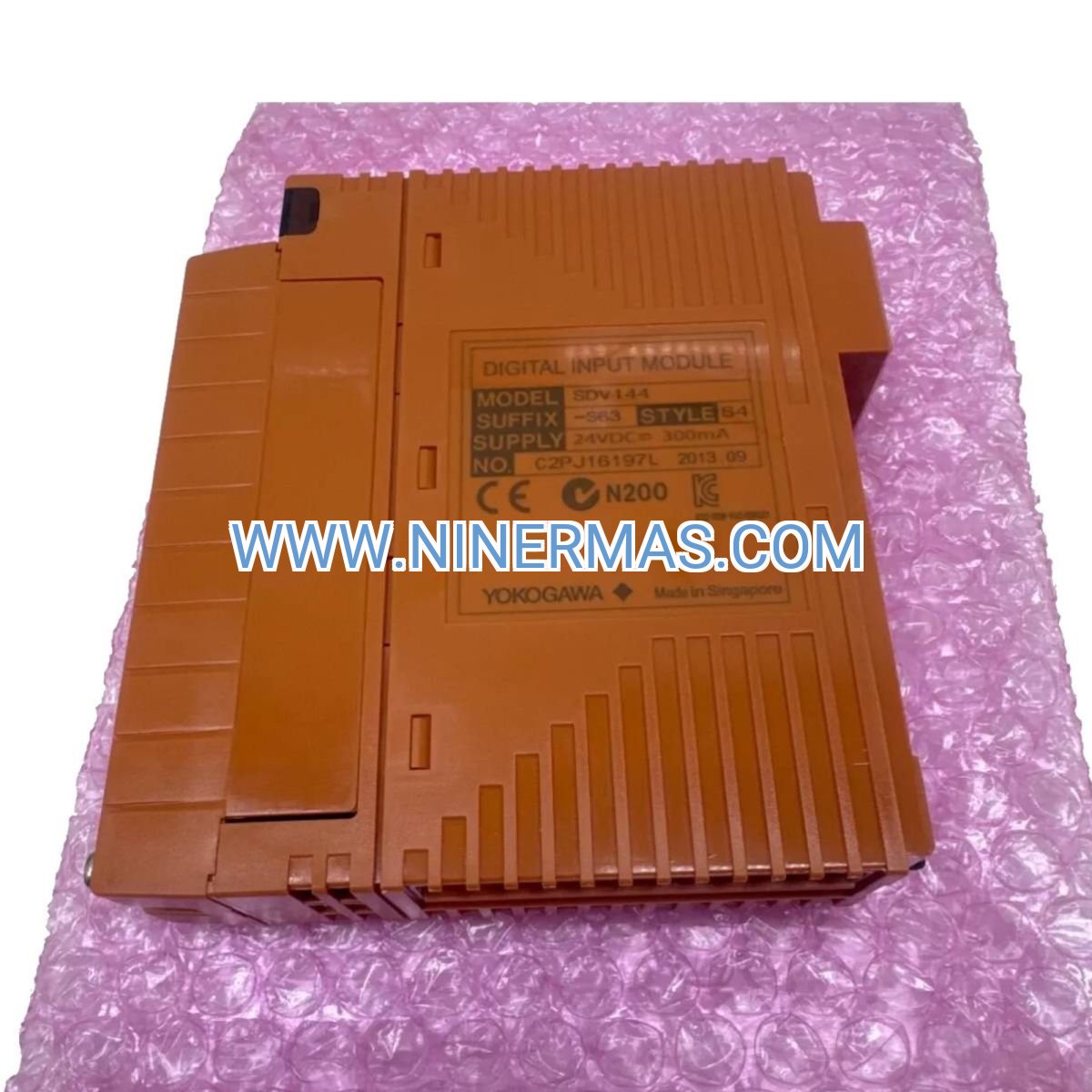
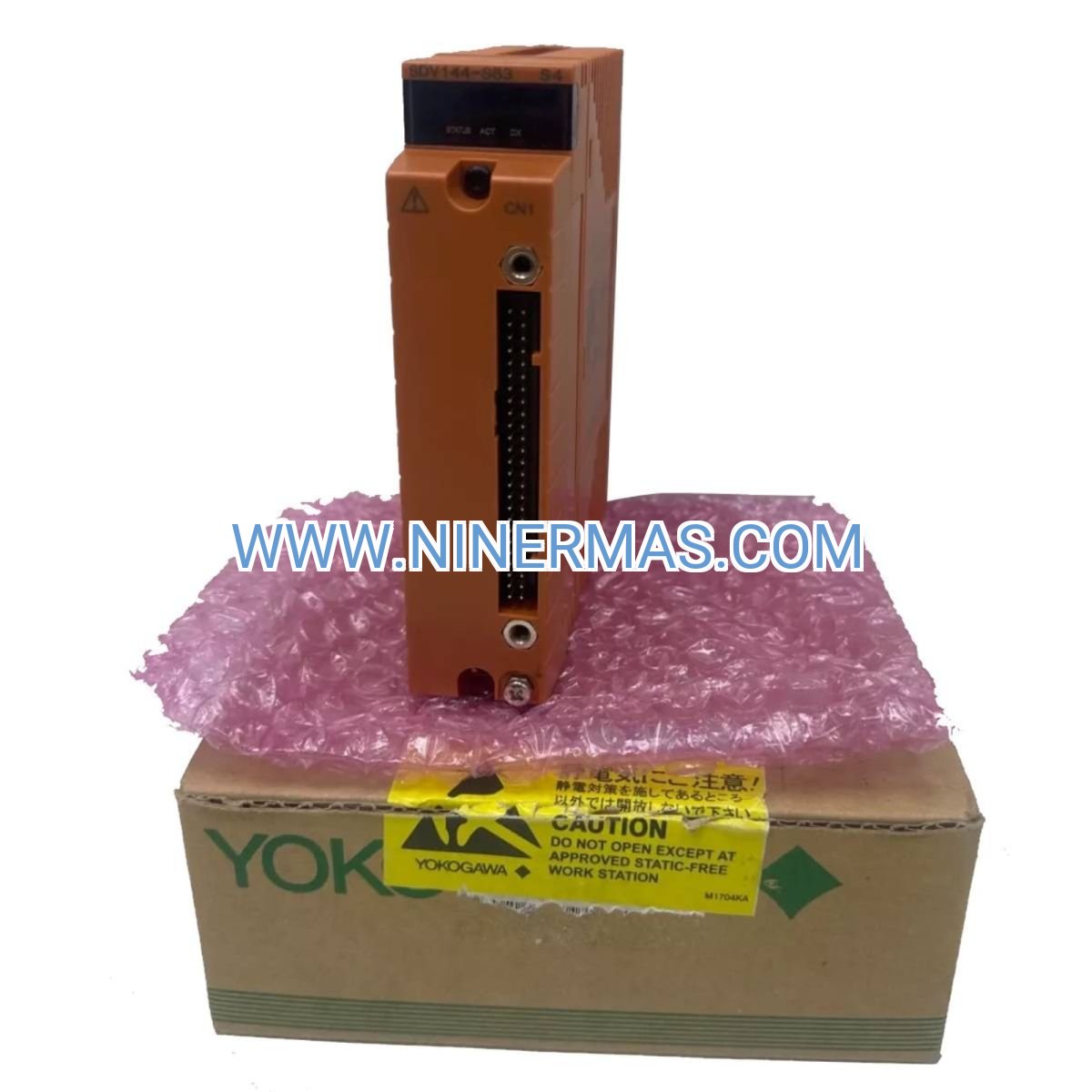
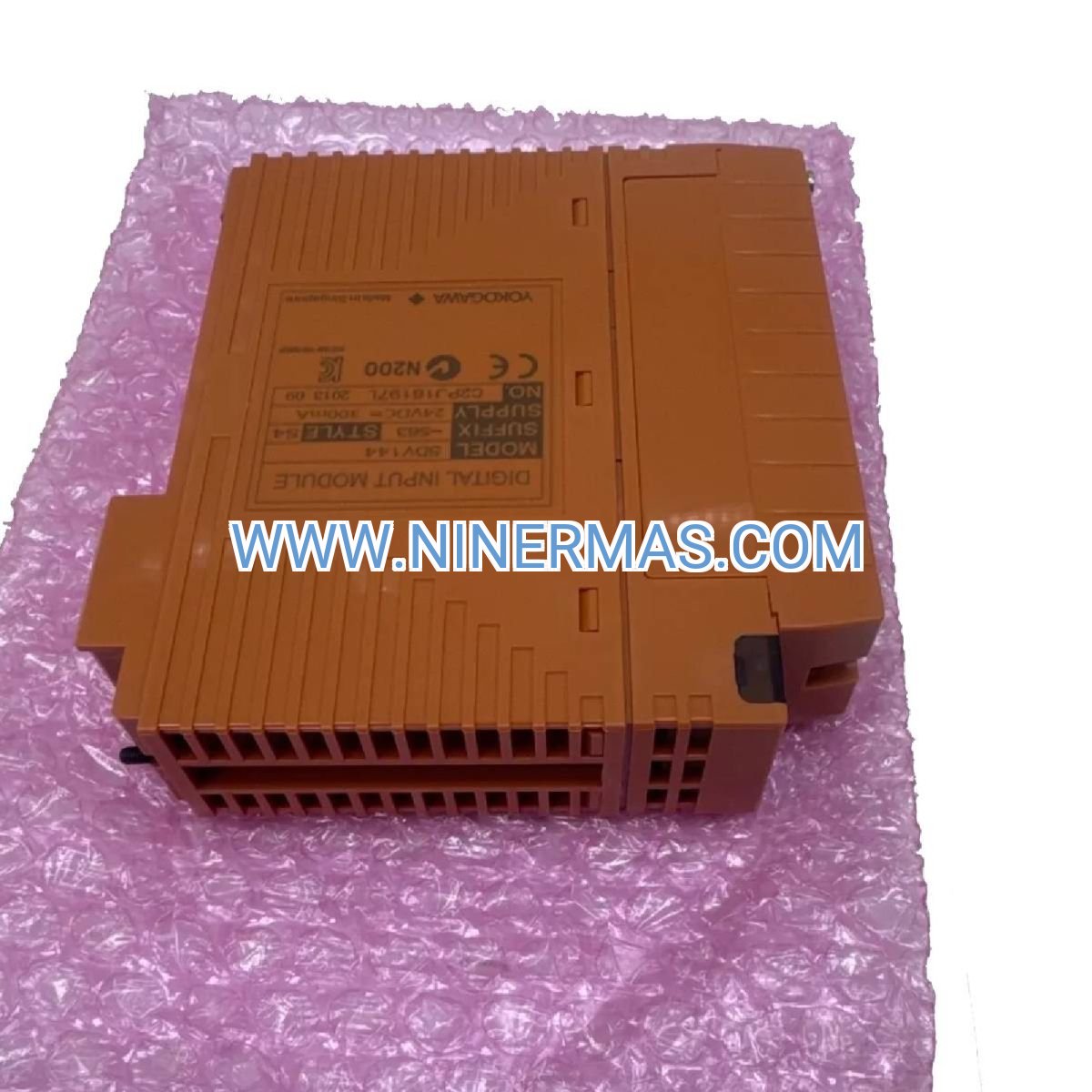
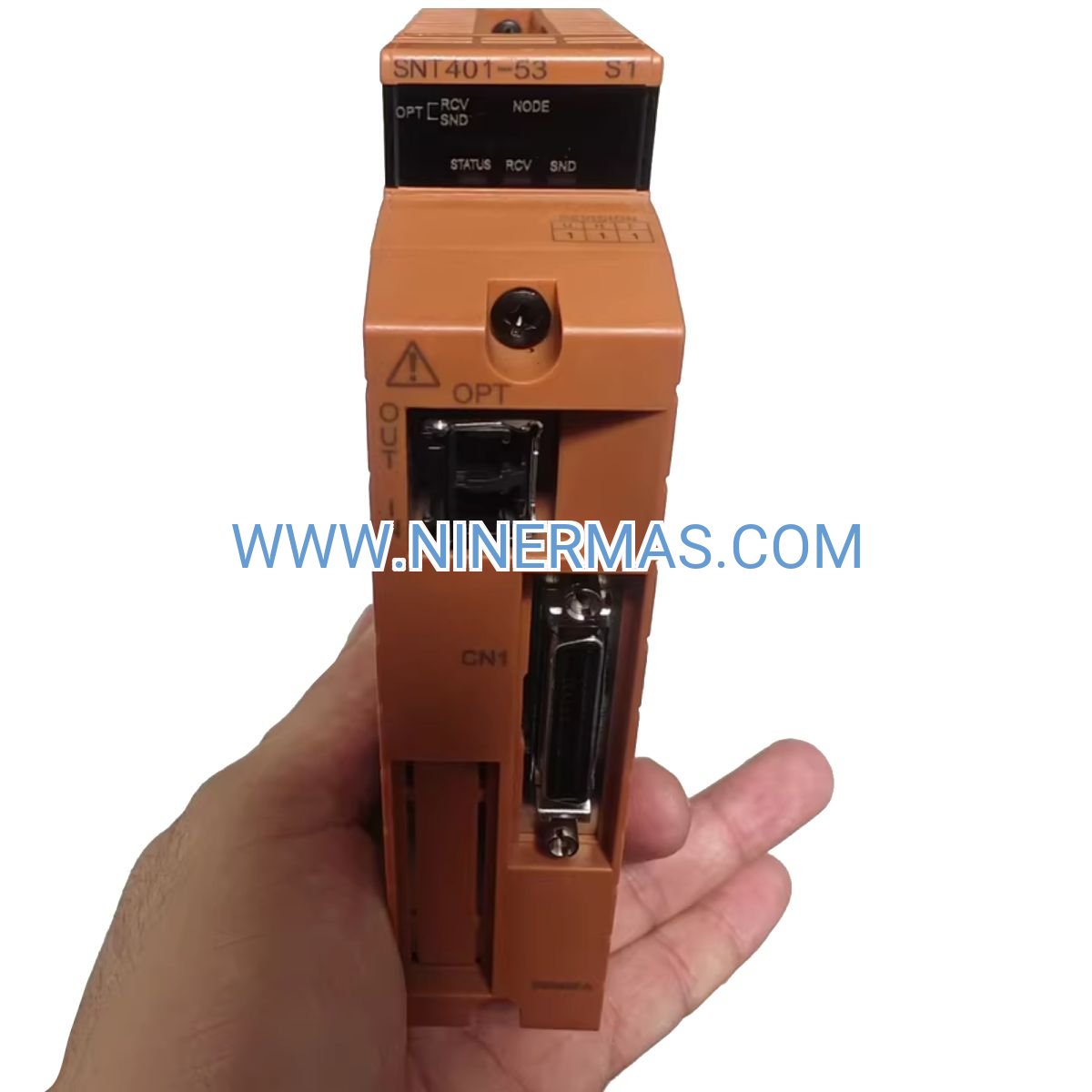
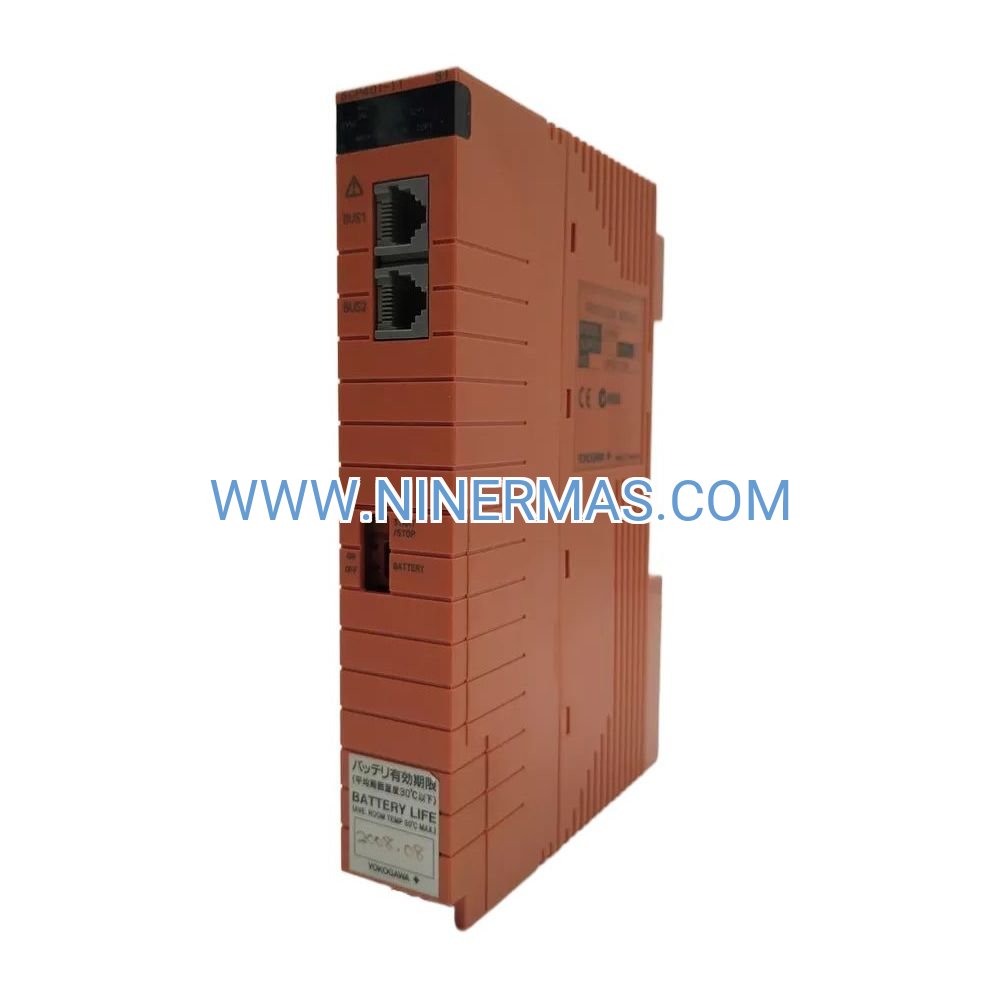
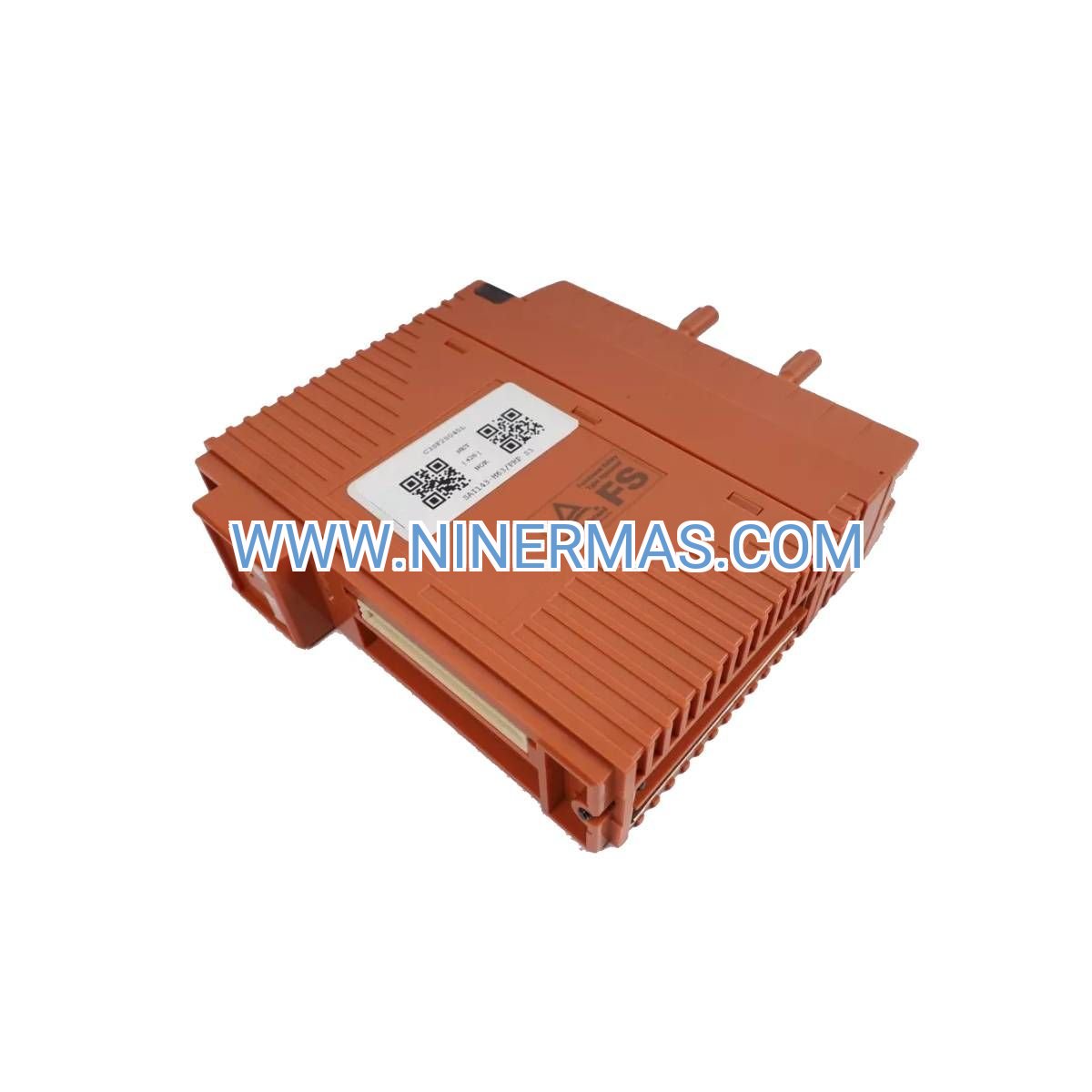
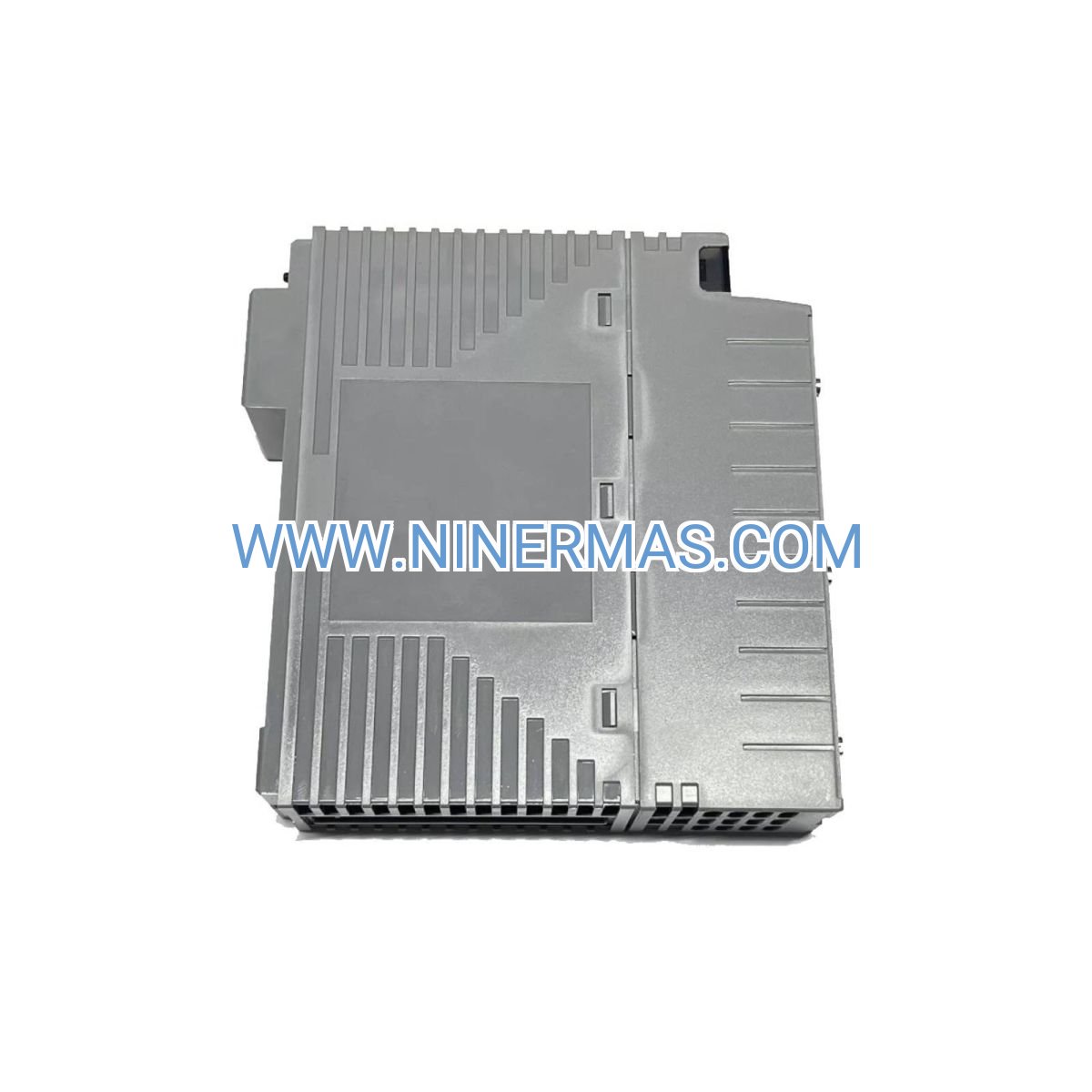
SCP461-51 S1 Safety Processor Module (Industrial-Grade SIL 3 Controller)
The SCP461-51 S1 is a high-integrity safety processor engineered for fail-safe operation in hazardous industrial environments. Built on ARM Cortex-A57 quad-core architecture running at 1.5 GHz, this module executes safety-instrumented functions with deterministic response times while maintaining SIL 3 certification per IEC 61508. Designed for integration within Yokogawa ProSafe-RS distributed safety systems, it addresses the critical need for reliable emergency shutdown, process interlock, and burner management across oil & gas, chemical, power generation, and pharmaceutical sectors.
Industrial facilities face escalating demands for safety system availability, cybersecurity hardening, and regulatory compliance. The SCP461-51 S1 solves these challenges through redundant Ethernet communication, hot-swappable architecture, and dual operating system support (Linux + VxWorks RTOS). Target users include safety engineers, control system integrators, and plant automation managers responsible for designing, commissioning, and maintaining safety-critical infrastructure.
Key differentiators include sub-100ms safety response latency, built-in self-diagnostics with predictive fault detection, and seamless compatibility with legacy ProSafe-RS installations. The module's industrial-grade construction (-20°C to +60°C operating range) ensures continuous operation in extreme conditions, while encrypted communication protocols safeguard against cyber threats in connected plant environments.
Core Features & Benefits
- ✓ SIL 3 Certified Safety Integrity: Meets IEC 61508 standards for highest safety integrity level in process industries, reducing risk of catastrophic failures and ensuring regulatory compliance for hazardous area installations.
- ✓ Dual Operating System Architecture: Simultaneous Linux and VxWorks RTOS support enables complex control logic execution alongside deterministic safety functions, eliminating need for separate control and safety processors.
- ✓ Redundant Communication Pathways: Dual Ethernet ports with automatic failover provide fault-tolerant networking, maintaining safety system integrity even during network disruptions or cable damage.
- ✓ Hot-Swappable Design: Field-replaceable without system shutdown minimizes maintenance downtime, critical for continuous process operations where planned outages cost $50K-$500K per hour.
- ✓ Advanced Diagnostic Capabilities: Continuous self-monitoring of processor health, memory integrity, and I/O pathways detects incipient failures 72-96 hours before critical faults, enabling predictive maintenance.
- ✓ Industrial Cybersecurity Hardening: Implements encrypted communications, role-based access control, and audit logging to protect against unauthorized access and comply with IEC 62443 industrial security standards.
Application Scenarios
Oil & Gas Emergency Shutdown Systems:
Offshore platforms and refineries deploy SCP461-51 S1 in 2oo3 voting configurations for high-integrity protection systems (HIPS). When process parameters exceed safe operating limits—such as overpressure in separators or toxic gas detection—the processor executes emergency shutdown sequences within 50-100ms, isolating hazardous sections and preventing blowouts or explosions. Redundant architecture ensures 99.99% availability even during maintenance.
Chemical Reactor Protection:
Batch and continuous chemical processes utilize the module for runaway reaction prevention and toxic release mitigation. The processor monitors temperature, pressure, and composition sensors, triggering automated cooling, venting, or feed isolation when exothermic reactions approach critical thresholds. Dual-OS capability allows simultaneous execution of advanced process control algorithms and safety interlocks without compromising response time.
Power Plant Turbine Control:
Combined-cycle and coal-fired power stations integrate SCP461-51 S1 for turbine overspeed protection, boiler flame monitoring, and generator synchronization safety. The processor coordinates with distributed I/O modules across 500+ meter installations, managing safety functions for steam turbines operating at 3,600 RPM where millisecond-level response prevents catastrophic mechanical failures.
Pharmaceutical Clean Room Monitoring:
Sterile manufacturing environments leverage the module for critical parameter monitoring—differential pressure, HEPA filter integrity, and environmental controls. When contamination risks are detected, the processor initiates controlled shutdown sequences that preserve product batches valued at $2M-$10M while maintaining GMP compliance documentation through integrated audit trails.
Water Treatment Chemical Dosing Safety:
Municipal and industrial water facilities employ the SCP461-51 S1 for chlorine dosing interlock systems. The processor prevents overdosing scenarios that could create toxic chlorine gas releases by monitoring residual levels, flow rates, and tank levels, automatically shutting dosing pumps when safe operating envelopes are exceeded.
Technical Parameters & Selection Guide
| Parameter | Specification |
|---|---|
| Processor Type | ARM Cortex-A57 Quad-Core, 1.5 GHz |
| Safety Certification | SIL 3 (IEC 61508), TÜV certified |
| Operating Systems | Linux + VxWorks RTOS (concurrent) |
| Safety Response Time | <100ms (deterministic) |
| Communication Interfaces | Dual redundant Ethernet (10/100/1000 Mbps) |
| Operating Temperature | -20°C to +60°C |
| Power Supply | 24 VDC (redundant input optional) |
| MTBF | >100,000 hours |
| Dimensions (H×W×D) | 280mm × 30mm × 220mm |
| Weight | 1.0 kg |
Selection Criteria: Choose SCP461-51 S1 for applications requiring SIL 3 certification with high computational demands (complex logic, advanced diagnostics). For smaller safety systems (≤64 I/O points), consider SCP451-51 variant. Deploy in 1oo2 redundant configuration for 99.9% availability targets, or 2oo3 voting for 99.99% availability in critical applications. Verify compatibility with existing ProSafe-RS I/O modules and communication networks before procurement.
Extended Functions
IoT Integration & Remote Monitoring: The module supports OPC UA and MQTT protocols for secure connectivity to cloud-based asset performance management platforms. Real-time diagnostic data streams enable remote condition monitoring, allowing engineering teams to track processor health, memory utilization, and communication statistics from centralized control rooms or mobile devices.
Advanced Cybersecurity Features: Beyond basic encryption, the SCP461-51 S1 implements whitelisting for approved communication endpoints, intrusion detection for abnormal network traffic patterns, and secure boot verification to prevent firmware tampering. Compliance with IEC 62443-4-2 security level SL2 protects against sophisticated cyber attacks targeting industrial control systems.
Customization Options: Factory configuration services available for pre-loaded safety logic, custom communication protocols, and application-specific diagnostic thresholds. Extended temperature variants (-40°C to +70°C) and conformal coating options support extreme environment deployments in arctic, desert, or marine installations.
Delivery & Service Assurance
Lead Time: Standard units ship within 4-6 weeks from order confirmation. Expedited delivery (2-3 weeks) available for critical outage situations with premium freight. Custom-configured modules require 8-10 weeks for factory programming and testing.
Warranty Coverage: 24-month manufacturer warranty covering defects in materials and workmanship. Extended warranty programs (36/60 months) available with annual health checks and priority replacement services.
Technical Support: Lifetime access to application engineering support via phone, email, and remote desktop assistance. On-site commissioning services available for complex installations requiring safety validation testing and regulatory documentation.
Documentation Package: Each module ships with installation manual, safety manual (per IEC 61511), configuration software license, TÜV certification documents, and calibration certificates. Online access to CAD drawings, spare parts lists, and firmware update bulletins included.
Frequently Asked Questions
Q: How does the SCP461-51 S1 integrate with existing DCS systems?
A: The module communicates via standard industrial protocols including Modbus TCP, OPC DA/UA, and Yokogawa's proprietary Vnet/IP. Integration with third-party DCS platforms (Honeywell, Emerson, Siemens) is achieved through protocol gateways or direct Ethernet connectivity. Configuration tools provide mapping utilities for seamless data exchange between safety and control layers.
Q: What redundancy configurations are supported for high-availability applications?
A: The processor supports 1oo1 (simplex), 1oo2 (dual redundant), and 2oo3 (triple modular redundant) architectures. For SIL 3 applications requiring 99.99% availability, 2oo3 voting is recommended. Hot-standby switchover occurs within 50ms without process disruption. Redundant power supplies and communication paths further enhance system resilience.
Q: Can the module handle both safety and non-safety control functions simultaneously?
A: Yes, the dual-OS architecture partitions safety-critical functions (running on VxWorks RTOS) from advanced control algorithms (running on Linux). This eliminates the need for separate safety and control processors, reducing hardware costs by 30-40% while maintaining strict separation per IEC 61511 requirements. Safety functions always receive priority processing resources.
Q: What are the power consumption and cooling requirements?
A: Typical power draw is 18W at 24 VDC under full computational load. The module uses convection cooling with no moving parts, suitable for installation in standard 19-inch racks with 50mm spacing. Ambient temperature must remain within -20°C to +60°C range; forced air cooling recommended when rack temperatures exceed 50°C.
Q: How is cybersecurity managed for remote access and diagnostics?
A: The processor implements multi-layer security: encrypted VPN tunnels for remote access, certificate-based authentication, role-based permissions (view/configure/admin), and comprehensive audit logging. All remote sessions are logged with timestamp, user ID, and actions performed. Firewall rules restrict communication to approved IP addresses and ports.
Q: What training and certification is required for system configuration?
A: Yokogawa offers 5-day ProSafe-RS engineering courses covering safety system design, configuration software, and IEC 61511 compliance. While certification is not mandatory, it's recommended for personnel responsible for safety logic programming. Online training modules and simulation environments available for self-paced learning.
Take the Next Step
Ready to enhance your safety system reliability? Contact our application engineering team for a complimentary site assessment and system architecture review. We'll evaluate your current safety infrastructure, identify upgrade opportunities, and provide detailed ROI analysis comparing SCP461-51 S1 deployment against your existing configuration.
Request a quote today: Share your project specifications, I/O count, and redundancy requirements to receive a customized proposal within 48 hours. Volume discounts available for multi-unit orders and system integrators.
© 2026 NINERMAS COMPANY LIMITED. All rights reserved.
Original Source: https://ninermas.com
Contact: sale@ninermas.com | +0086 187 5021 5667
Related products


Contact Info
-
Address:22 / F, South Wo Hang building, 148 Wing Lok Street, Sheung Wan, Western District, Hong Kong
-
Phone:+8618750215667
-
Email: