


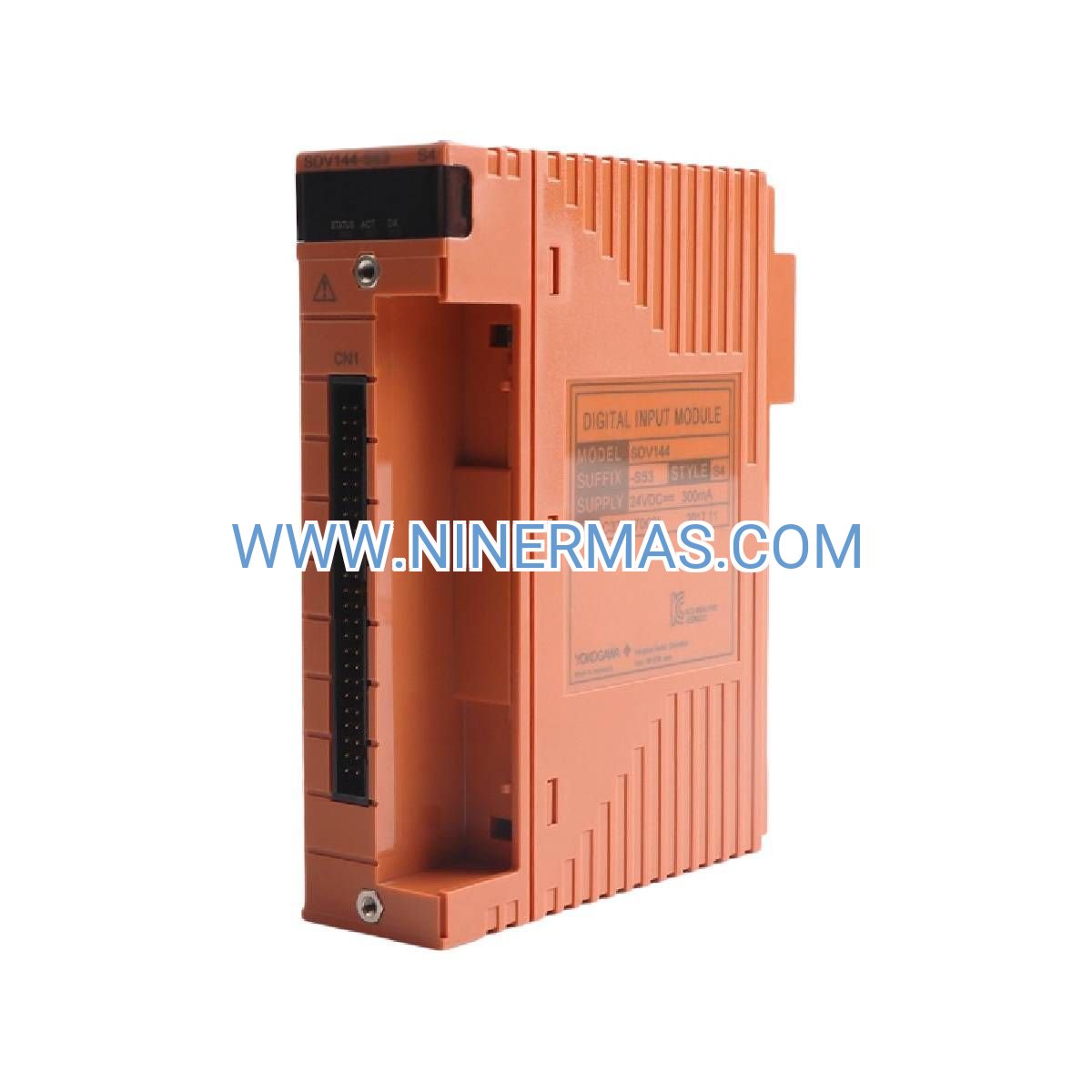
Description
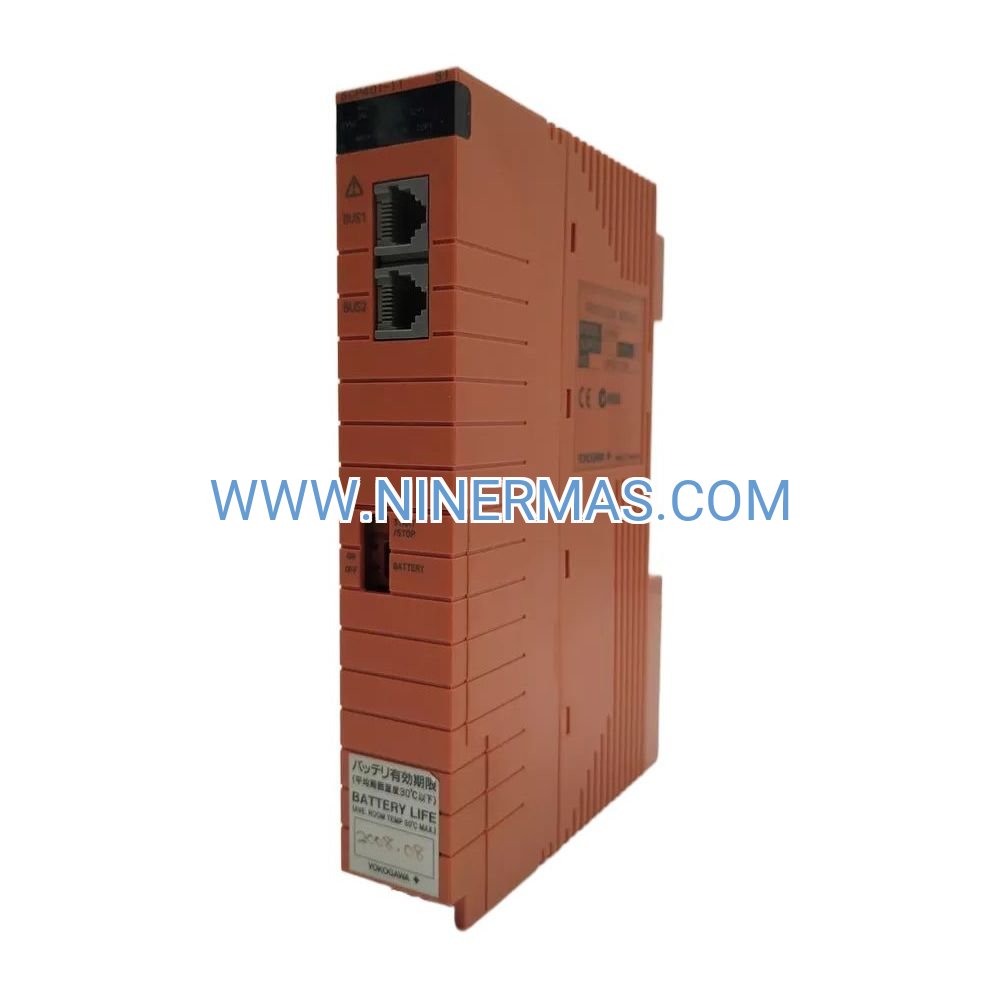
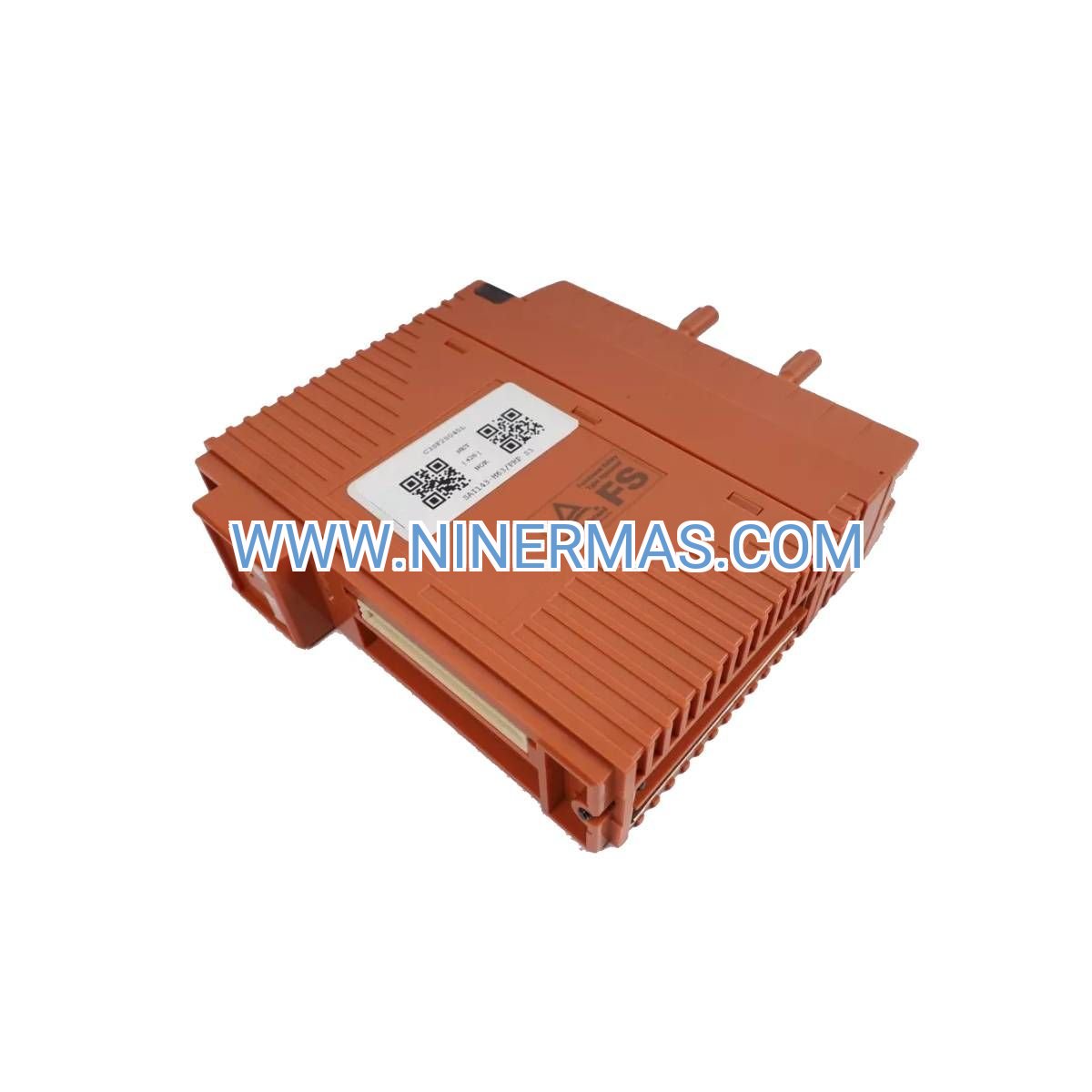
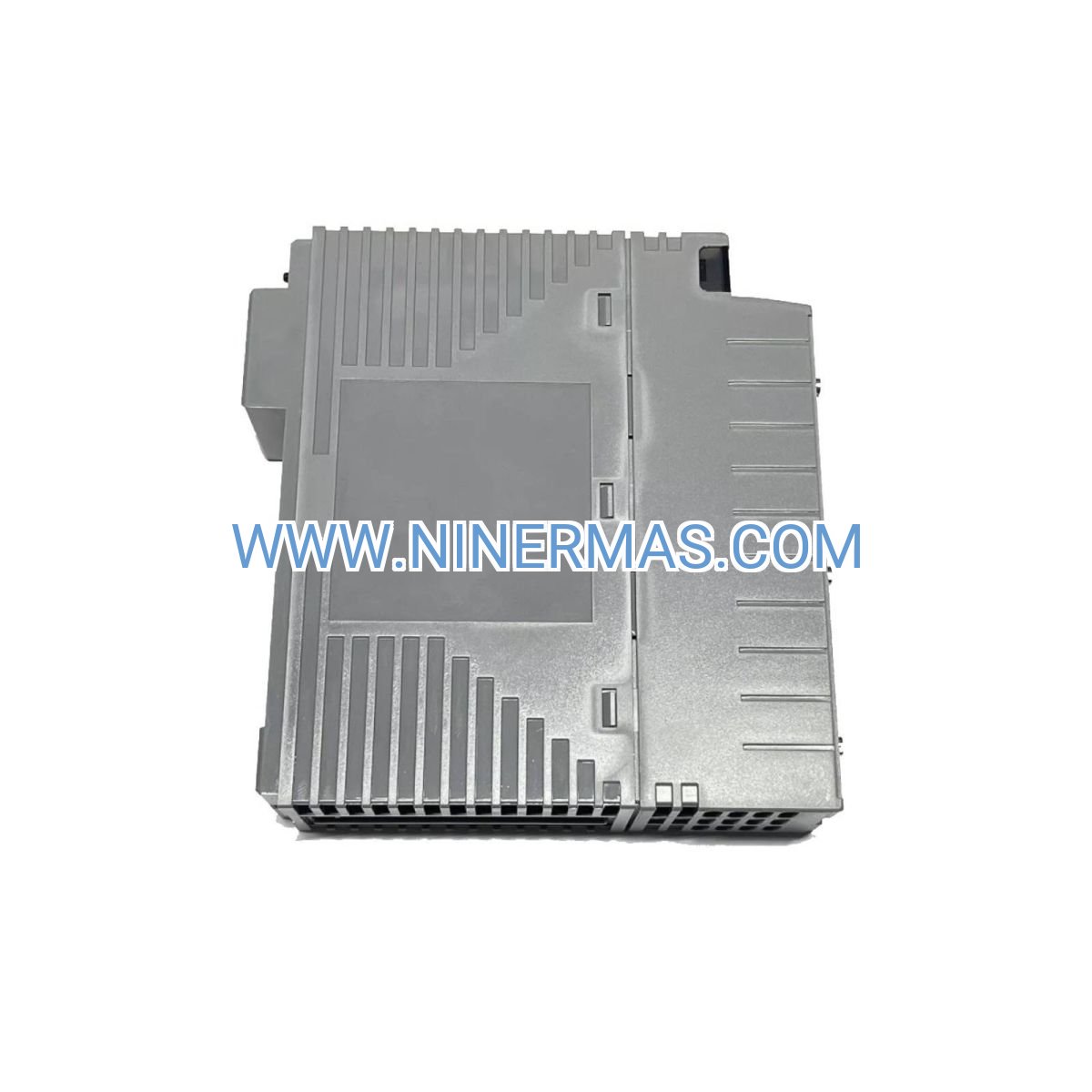
SCP451-51 Safety Processor Module — Industrial-Grade Redundant Control
The Yokogawa SCP451-51 represents the next generation of safety-critical processing technology for ProSafe-RS platforms. Designed for applications where failure is not an option, this dual-redundant processor delivers deterministic control performance across emergency shutdown (ESD), fire & gas (F&G), and burner management (BMS) systems. With SIL 3 certification under IEC 61508 and IEC 61511 frameworks, the SCP451-51 provides the computational backbone for safety instrumented systems protecting personnel, assets, and the environment in high-hazard industries.
Built on a lockstep dual-core architecture, every instruction executes simultaneously across two independent processors with continuous cross-verification. This hardware-enforced redundancy eliminates single points of failure while maintaining scan cycle determinism as fast as 10 milliseconds. Whether managing complex interlocking sequences in petrochemical plants or coordinating multi-zone fire suppression in offshore platforms, the SCP451-51 delivers the reliability and speed demanded by mission-critical safety applications.
Integration within Yokogawa's ProSafe-RS ecosystem enables seamless connectivity to distributed I/O networks, operator workstations, and plant-wide DCS infrastructure. Hot-swappable redundancy configurations ensure zero-downtime maintenance, while comprehensive diagnostic coverage exceeding 99% detects latent faults before they compromise safety functions. For engineers specifying safety systems that must perform flawlessly for decades, the SCP451-51 sets the industry benchmark.
Core Features & Technical Advantages
→ Dual-Core Lockstep Architecture: Two independent CPUs execute identical logic with hardware-level comparison, automatically transitioning to safe state upon any discrepancy detection — eliminates common-cause failures inherent in single-processor designs.
→ Certified Safety Integrity: TÜV-verified SIL 3 rating per IEC 61508/61511 with systematic capability SC 3 — meets the highest safety requirements for process industry applications without architectural constraints.
→ Deterministic Scan Performance: Configurable cycle times from 10ms to 1000ms with guaranteed worst-case execution — ensures predictable response for time-critical shutdown sequences and high-speed interlocking.
✓ Extensive I/O Scalability: Supports up to 2048 discrete and 512 analog field points per controller — accommodates large-scale safety systems without requiring multiple processor units.
✓ Comprehensive Self-Diagnostics: Continuous monitoring of CPU health, memory integrity, communication paths, and power supplies with >99% fault coverage — proactively identifies degraded components before safety availability is impacted.
✓ Redundant Network Connectivity: Dual Ethernet interfaces with automatic failover — maintains communication to operator stations and engineering tools even during network infrastructure failures.
Typical Application Scenarios
Scenario 1: Offshore Platform Emergency Shutdown
In North Sea oil production facilities, the SCP451-51 manages platform-wide ESD logic integrating inputs from process transmitters, fire detectors, and manual call points across multiple wellhead modules. When hazardous conditions trigger — such as gas detection exceeding 20% LEL or platform motion beyond design limits — the processor executes pre-programmed shutdown sequences isolating hydrocarbon inventories, depressurizing process vessels, and activating deluge systems. The module's 10ms scan capability ensures total system response times under 500ms, critical for preventing escalation to major accident events.
Scenario 2: Refinery Fluid Catalytic Cracking Unit (FCCU) Protection
Petroleum refineries deploy the SCP451-51 to safeguard FCCU regenerators where catalyst temperatures can exceed 700°C. The processor continuously evaluates temperature profiles, oxygen concentrations, and pressure differentials to prevent runaway reactions. Advanced rate-of-change algorithms detect abnormal trends 30-60 seconds before alarm limits are reached, allowing controlled shutdown rather than emergency trips that damage equipment and reduce catalyst life. Integration with the plant DCS enables coordinated load reduction strategies that maintain production during transient upsets.
Scenario 3: LNG Terminal Fire & Gas Safety Layer
Liquefied natural gas import terminals utilize the SCP451-51 as the central voting logic processor for integrated F&G systems protecting cryogenic storage tanks and vaporization trains. The module aggregates signals from 300+ flame detectors, combustible gas sensors, and toxic gas monitors, applying 2-out-of-3 voting logic to minimize spurious trips while ensuring genuine hazards trigger immediate response. Geographic redundancy with dual processors in separate control rooms maintains protection even if one building is compromised during an incident.
Scenario 4: Power Plant Boiler Burner Management
Combined-cycle power stations rely on the SCP451-51 for burner management systems controlling natural gas-fired heat recovery steam generators (HRSGs). The processor validates all permissive conditions — purge completion, flame scanner health, fuel valve proof-of-closure — before allowing ignition sequences. During operation, continuous flame monitoring with 4-second loss-of-flame response prevents furnace explosions. The module's ability to handle complex permissive matrices with hundreds of interlocks ensures safe operation across load swings from 20% to 100% capacity.
Scenario 5: Chemical Reactor High Integrity Pressure Protection
Specialty chemical manufacturers implement the SCP451-51 in HIPPS configurations protecting batch reactors from overpressure during exothermic polymerization reactions. Dual pressure transmitters feed the processor, which calculates pressure rate-of-rise to predict excursions before relief valve setpoints are reached. When thresholds are exceeded, fast-acting isolation valves close within 2 seconds, preventing reactor rupture while avoiding product contamination from relief valve discharge. This approach reduces environmental releases by 95% compared to conventional pressure relief strategies.
Technical Parameters & Selection Guide
| Parameter | Specification | Engineering Notes |
|---|---|---|
| Processor Type | Dual-core redundant with lockstep | Hardware-enforced synchronization |
| Safety Rating | SIL 3 (IEC 61508 / IEC 61511) | TÜV certified, SC 3 systematic capability |
| Scan Cycle Range | 10ms – 1000ms (configurable) | Select based on I/O count and logic complexity |
| User Program Memory | 2 MB with battery backup | Sufficient for 5000+ function blocks |
| Maximum I/O Capacity | 2048 DI/DO, 512 AI/AO | Per single processor configuration |
| Communication Ports | 2× Ethernet (10/100 Mbps) | Redundant network topology support |
| Diagnostic Coverage | >99% (DC) | Meets SIL 3 architectural requirements |
| Operating Temperature | -20°C to +60°C | Extended range for harsh environments |
| MTBF | >100,000 hours | Based on Telcordia SR-332 calculations |
| Environmental Rating | ISA-S71.04 G3 | Conformal coating for corrosive atmospheres |
| Power Consumption | 15W typical | Low thermal load for cabinet design |
| Dimensions (H×W×D) | 280 × 30 × 210 mm | Single-slot module for SSC50 chassis |
Selection Criteria: Choose the SCP451-51 when your safety application requires SIL 3 certification, deterministic response times under 100ms, or I/O counts exceeding 500 points. For smaller systems with SIL 2 requirements, consider the SCP401 series. When deploying in redundant configurations, always specify matched firmware versions and synchronize configuration databases to ensure seamless failover capability.
Extended Functions & Integration Capabilities
IEC 61131-3 Programming Environment: ProSafe-RS Engineering Tools support Function Block Diagram (FBD), Ladder Diagram (LD), and Structured Text (ST) languages, enabling engineers to implement safety logic using familiar industrial automation paradigms. Pre-certified function blocks for common safety patterns (voting logic, timers, interlocks) accelerate development while maintaining compliance with safety lifecycle requirements.
OPC UA Connectivity: Native OPC UA server functionality enables integration with modern SCADA platforms, historian systems, and cloud analytics services without compromising safety integrity. Read-only access to process variables and diagnostic data supports condition monitoring and predictive maintenance strategies.
Cybersecurity Features: Role-based access control, encrypted communication channels, and audit logging align with IEC 62443 industrial cybersecurity standards. Firmware authentication prevents unauthorized code modifications, while network segmentation capabilities isolate safety networks from enterprise IT infrastructure.
Customization Options: Factory configuration services available for pre-loaded application programs, custom I/O mapping, and project-specific documentation packages. Consult with Yokogawa application engineers to optimize processor settings for your specific safety instrumented functions (SIFs).
Delivery Timeline & Service Assurance
Standard Lead Time: 8-12 weeks for new orders (subject to current production schedules)
Expedited Delivery: 4-6 weeks available for critical project milestones (additional charges apply)
Warranty Coverage: 24 months from shipment date covering manufacturing defects
Technical Support: Lifetime access to Yokogawa application engineering team for configuration assistance
Documentation Package: Includes installation manual, safety manual, IEC 61508 certificate, and AutoCAD dimensional drawings
All modules ship with factory acceptance test (FAT) reports documenting functional verification against published specifications. Traceability documentation supports ISO 9001 and API quality management requirements.
Frequently Asked Questions
Q1: How does the SCP451-51 integrate with existing Yokogawa CENTUM DCS systems?
The processor communicates with CENTUM VP/DCS via Vnet/IP Ethernet protocol, enabling bidirectional data exchange for process values, alarm status, and diagnostic information. Safety-critical control logic executes independently within the ProSafe-RS system, while non-safety monitoring and operator interface functions leverage the DCS infrastructure. This architecture maintains functional separation required by IEC 61511 while optimizing engineering efficiency.
Q2: What is the maximum distance between redundant SCP451-51 processors in geographically separated control rooms?
Fiber optic Ethernet extenders support processor separation up to 2 kilometers while maintaining synchronization performance. For greater distances, consult Yokogawa regarding network latency impacts on scan cycle determinism. Geographic redundancy configurations must account for common-mode failure scenarios such as site-wide power loss or natural disasters.
Q3: Can the SCP451-51 achieve SIL 3 capability in simplex (non-redundant) configuration?
Yes, the module's internal dual-core architecture provides SIL 3 capability even in single-processor installations. However, redundant processor configurations (1oo2D) are recommended for applications requiring high availability (>99.9% uptime) or where planned maintenance cannot tolerate system shutdown. Refer to IEC 61511 for guidance on selecting appropriate architecture based on risk reduction targets.
Q4: What cybersecurity measures protect the SCP451-51 from unauthorized access or malware?
The processor implements multiple defense layers including firmware signature verification, encrypted configuration downloads, and role-based user authentication. Network isolation via dedicated safety LANs prevents exposure to enterprise IT threats. Regular security patches are available through Yokogawa's product lifecycle management program. For facilities subject to NERC CIP or similar regulations, additional hardening guidance is available.
Q5: How does battery backup function, and what is the replacement interval?
The onboard lithium battery (Yokogawa S9185FA) maintains program memory and real-time clock during power interruptions up to 30 days. Battery health monitoring provides 6-month advance warning before replacement is required. Typical service life is 5-7 years depending on ambient temperature and discharge cycles. Hot-swappable battery replacement is possible without interrupting processor operation in redundant configurations.
Q6: What training is recommended for engineers commissioning SCP451-51 systems?
Yokogawa offers a 5-day ProSafe-RS Engineering course covering system architecture, IEC 61131-3 programming, safety validation testing, and troubleshooting procedures. For projects involving complex safety instrumented functions, consider the advanced 3-day SIL Verification workshop addressing probabilistic calculations and proof test optimization. Online learning modules provide foundational knowledge before hands-on training.
Request Technical Specifications & Quotation
Ready to specify the SCP451-51 for your next safety system project? Our application engineering team can assist with:
• SIL verification calculations and architecture selection
• I/O capacity planning and network topology design
• Integration strategies with existing control systems
• Compliance documentation for regulatory submissions
• Competitive pricing for volume requirements
Contact our safety systems specialists today: Email sale@ninermas.com or call +0086 187 5021 5667 for same-day technical response.
© 2026 NINERMAS COMPANY LIMITED. All rights reserved.
Original Source: https://ninermas.com
Contact: sale@ninermas.com | +0086 187 5021 5667
Related products

Contact Info
-
Address:22 / F, South Wo Hang building, 148 Wing Lok Street, Sheung Wan, Western District, Hong Kong
-
Phone:+8618750215667
-
Email:
