Description
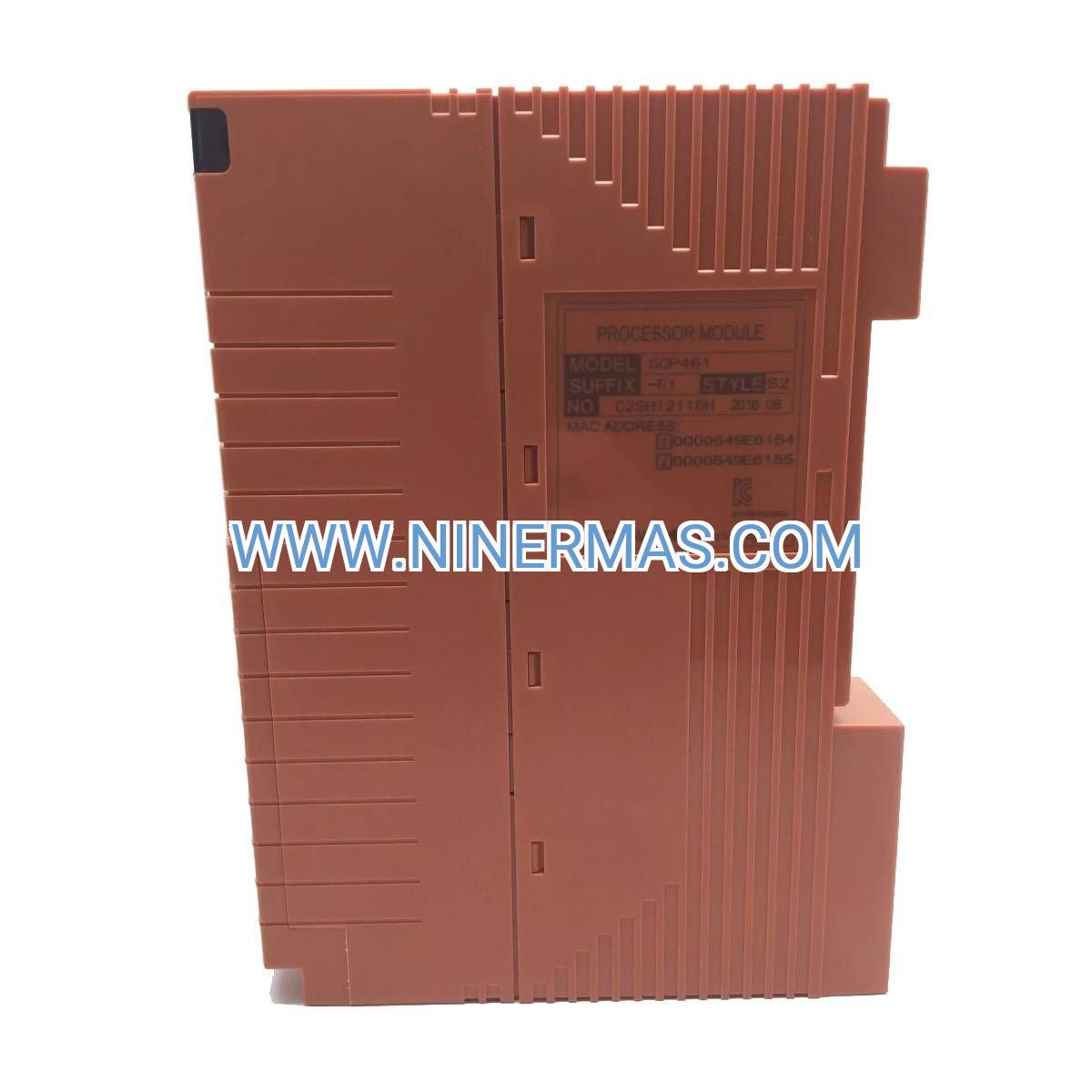
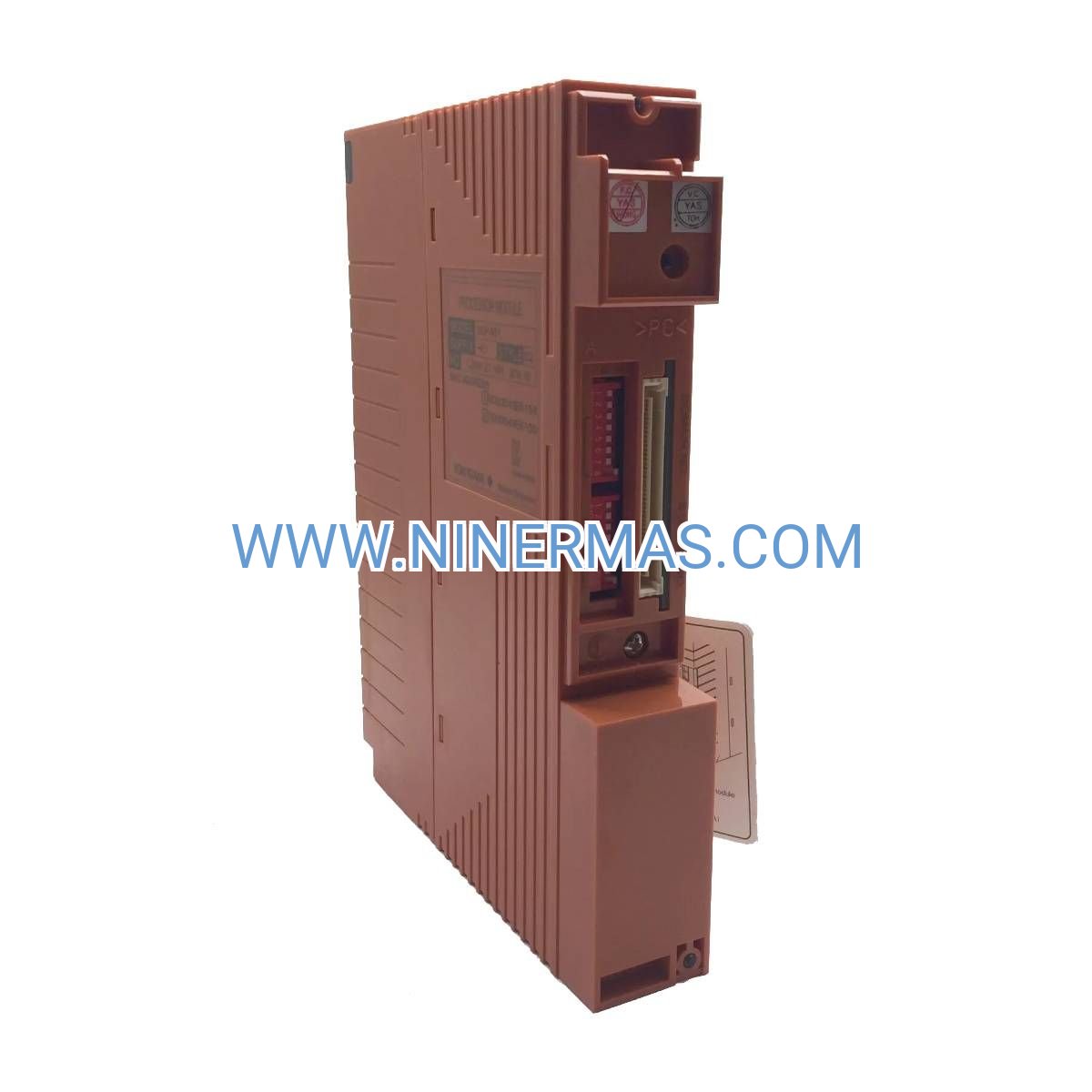
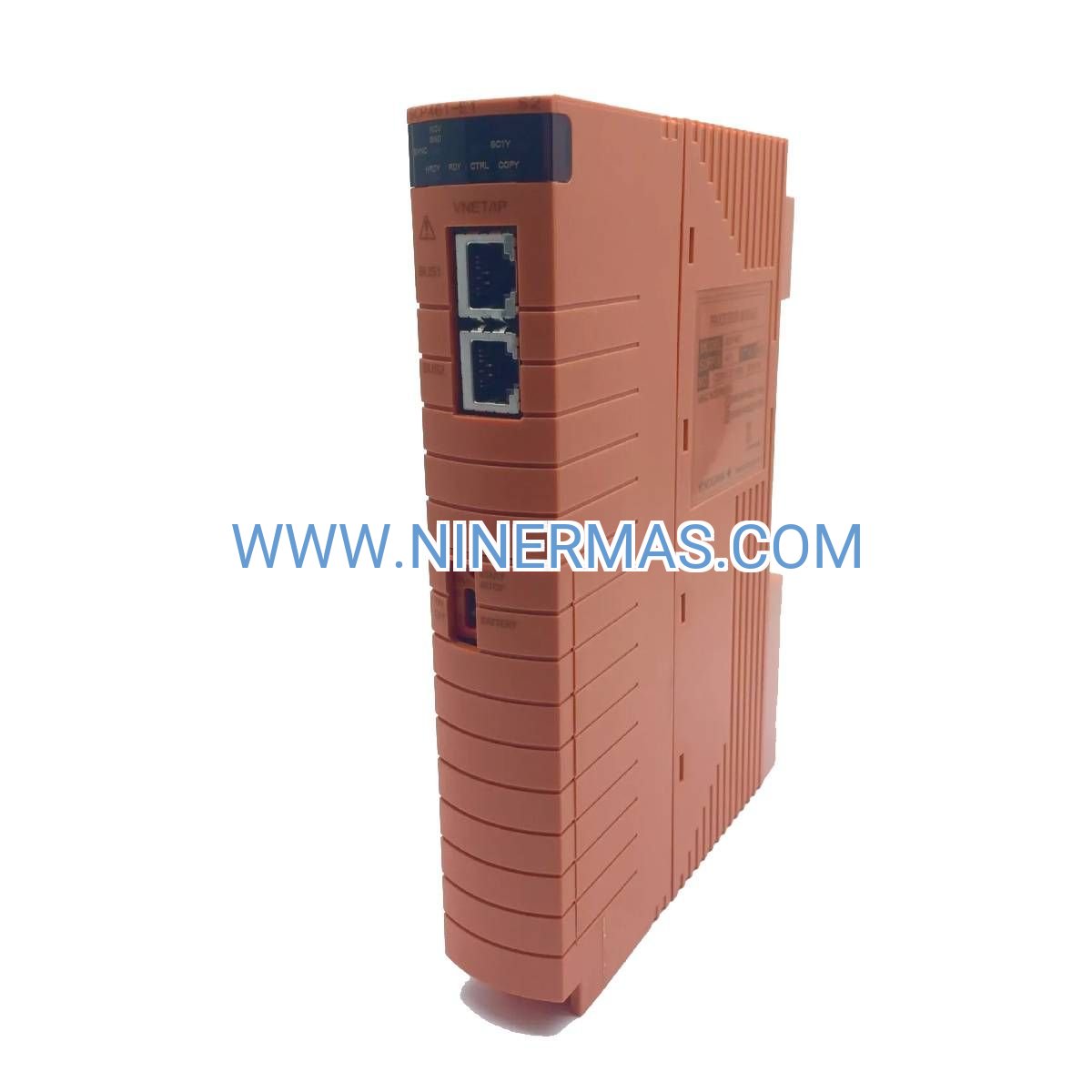
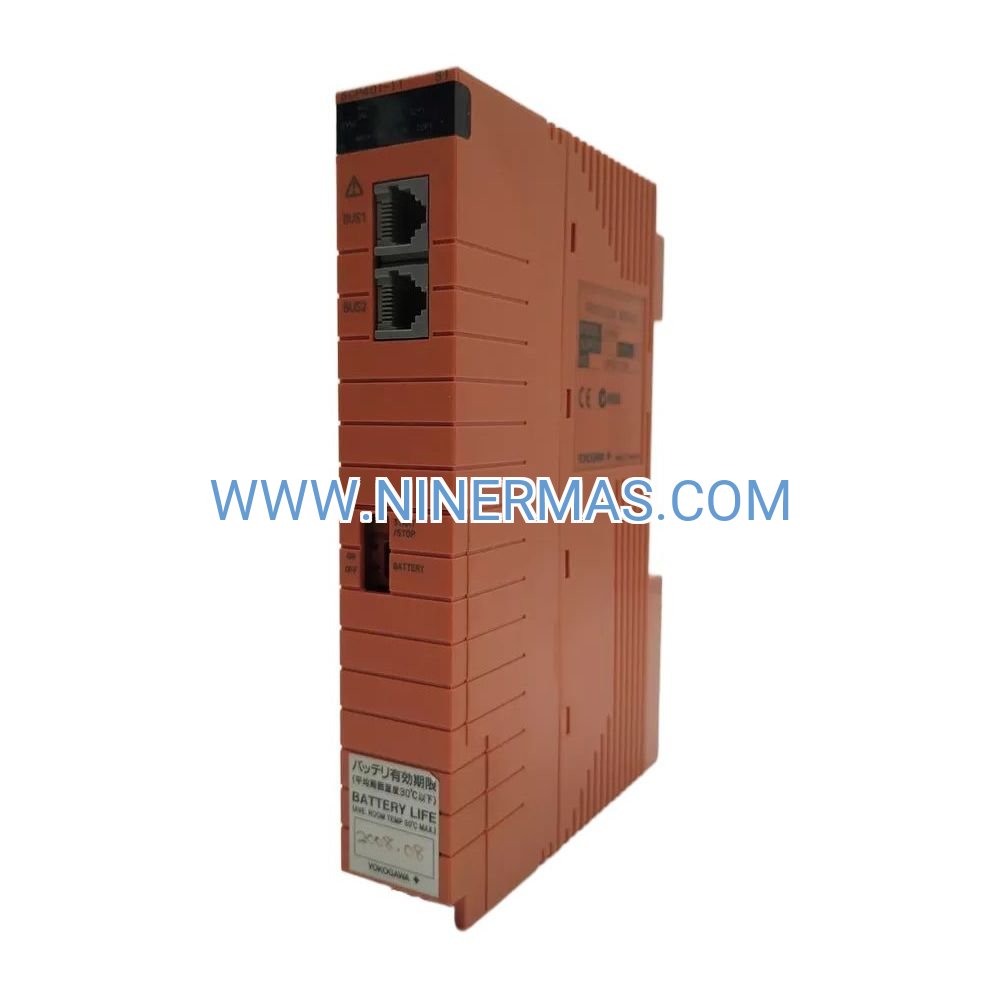
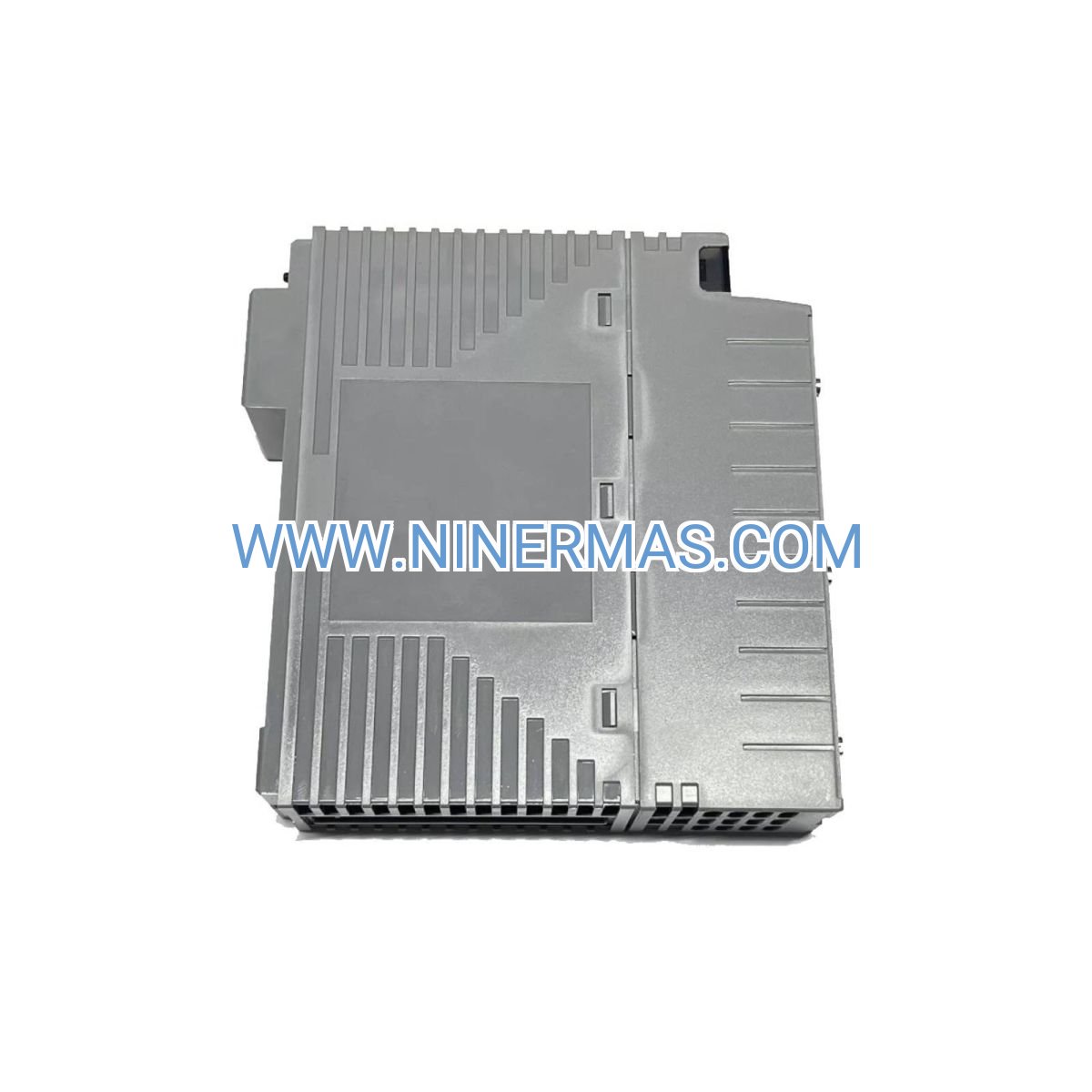
SCP461-E1 Industrial Processor Module (CENTUM CS 3000 Compatible)
The SCP461-E1 represents Yokogawa's proven approach to distributed process control—a dedicated computational engine designed to execute real-time control strategies within CENTUM CS 3000 architectures. This processor module handles continuous regulatory control, sequential logic, and inter-node communication across oil refineries, chemical manufacturing, power generation facilities, and pharmaceutical production lines where uptime and deterministic performance are non-negotiable.
Process engineers face mounting pressure to maintain production continuity while managing increasingly complex control schemes. The SCP461-E1 addresses this challenge by delivering predictable scan cycles, robust I/O coordination, and seamless integration with Yokogawa's field instrumentation ecosystem. Whether you're modernizing legacy CENTUM installations or expanding existing DCS capacity, this processor provides the computational foundation for mission-critical automation.
Key differentiators include industrial-hardened construction for 0-55°C environments, battery-backed memory retention during power interruptions, comprehensive diagnostic LED arrays for rapid troubleshooting, and native V-net/node bus protocols that eliminate third-party gateway dependencies. The result: reduced commissioning time, simplified spare parts inventory, and lower total cost of ownership across the system lifecycle.
Core Capabilities & Technical Advantages
→ Deterministic Control Execution: Fixed scan cycle architecture ensures time-critical PID loops, cascade controls, and interlock logic execute within guaranteed timeframes—essential for batch reactors, distillation columns, and turbine coordination where timing deviations compromise product quality or safety.
→ Native CENTUM Integration: Plug-and-play compatibility with Resource Configurator engineering tools eliminates custom programming. Pre-validated function blocks for flow control, temperature regulation, and pressure management accelerate project deployment by 30-40% compared to generic PLCs.
→ Distributed Processing Architecture: Supports multi-processor configurations for load balancing and redundancy. Critical control loops can failover to standby processors automatically, maintaining production during planned maintenance or unexpected hardware events.
→ Industrial-Grade Reliability: Conformal-coated PCBs resist moisture and chemical vapors common in process environments. Extended temperature rating (-10°C to 60°C with derating) accommodates non-climate-controlled equipment rooms and outdoor enclosures.
→ Comprehensive Diagnostics: Multi-color status LEDs provide instant visibility into processor health, communication status, and fault conditions. Built-in self-test routines detect memory errors, watchdog timer faults, and I/O communication failures before they impact production.
→ Low Power Consumption: 24V DC operation at <15W typical draw reduces UPS sizing requirements and heat generation in densely populated control cabinets—critical for offshore platforms and remote installations with limited cooling capacity.
Typical Application Scenarios
✓ Petroleum Refining: Continuous distillation tower control requires coordinated manipulation of reflux ratios, reboiler duty, and product draw rates. The SCP461-E1 executes multi-variable control algorithms that optimize separation efficiency while preventing flooding or weeping conditions. Refineries report 2-3% yield improvements through tighter temperature profile control.
✓ Chemical Batch Processing: Recipe-driven production demands precise sequencing of ingredient additions, temperature ramps, and reaction hold times. This processor manages batch state machines with millisecond-level event resolution, ensuring regulatory compliance documentation and repeatable product characteristics across production campaigns.
✓ Power Generation: Boiler-turbine coordination systems rely on the SCP461-E1 to balance combustion air flow, fuel delivery, and steam pressure during load-following operations. The processor's fast scan rates enable participation in grid frequency regulation services while maintaining NOx/SOx emissions within permitted limits.
✓ Pharmaceutical Manufacturing: Clean room environmental control for sterile production areas requires validated automation systems. The SCP461-E1's deterministic operation supports 21 CFR Part 11 compliance through audit-trail integration with Yokogawa's Exaquantum historian, documenting every control action for regulatory inspections.
✓ Water Treatment: Municipal and industrial wastewater facilities use these processors for multi-stage treatment sequencing—managing aeration basin dissolved oxygen, clarifier sludge blanket levels, and chemical dosing pumps. The module's reliability reduces operator intervention in remote lift stations and headworks facilities.
Technical Specifications & Selection Criteria
| Parameter | Specification |
| System Platform | CENTUM CS 3000 DCS |
| Processor Type | Industrial RISC architecture |
| Power Supply | 24V DC ±10%, <15W consumption |
| Communication | V-net (control bus), Node bus (I/O) |
| Memory | Program/data storage with battery backup |
| Scan Cycle | Configurable 10ms - 1000ms |
| Operating Temp | 0°C to 55°C (32°F to 131°F) |
| Storage Temp | -25°C to 70°C (-13°F to 158°F) |
| Humidity | 5% to 95% RH (non-condensing) |
| Vibration | IEC 60068-2-6 compliant |
| Mounting | DIN rail or panel mount |
| Dimensions | Compact module form factor |
| Weight | 0.34 kg (0.75 lbs) |
| Certifications | CE, UL, FM, CSA (region-dependent) |
Selection Guidelines: Choose the SCP461-E1 when your CENTUM CS 3000 system requires additional processing capacity for new control loops, replacement of aging processors, or geographic expansion of distributed I/O networks. Verify compatibility with your current CENTUM software revision through Yokogawa's system configurator tool. For redundant configurations, pair with identical SCP461-E1 modules and configure through the engineering workstation's redundancy manager.
Advanced Integration Capabilities
Beyond basic control execution, the SCP461-E1 supports advanced DCS features that extend system value. OPC connectivity enables data exchange with third-party MES and ERP systems for production scheduling integration. The processor's time-stamping capability (±1ms accuracy when synchronized to SNTP servers) facilitates sequence-of-events recording for post-incident analysis. Modbus TCP/IP gateway functions allow legacy field devices to participate in modern Ethernet-based control networks without protocol converters.
For IoT-enabled operations, the module interfaces with Yokogawa's Sushi Sensor platform and cloud analytics services. Edge computing functions can pre-process vibration signatures, thermal imaging data, and spectroscopic measurements before transmitting summarized insights to cloud-based predictive maintenance dashboards—reducing bandwidth costs while enabling condition-based maintenance strategies.
Delivery Timeline & Service Commitments
Standard Lead Time: 3-5 business days for in-stock units; 4-6 weeks for factory-direct orders during peak demand periods.
Warranty Coverage: 12-month manufacturer's warranty covering material defects and workmanship failures. Extended warranty options available for critical sparing applications.
Technical Support: Access to application engineers with CENTUM system expertise for configuration assistance, troubleshooting guidance, and system optimization recommendations. Remote diagnostic support available during commissioning phases.
Documentation Package: Includes installation manual, configuration guide, I/O wiring diagrams, and function block reference. CAD drawings and 3D STEP models provided for panel design integration.
Frequently Asked Questions
How does the SCP461-E1 connect to existing CENTUM CS 3000 infrastructure?
The processor mounts in standard CENTUM card racks and auto-discovers via V-net control bus. Configuration through Resource Configurator software assigns control functions and I/O mappings. No custom drivers or middleware required—typical integration time is 2-4 hours including functional testing.
What processing capacity does this module provide for control loops?
Typical installations support 200-300 PID loops per processor depending on scan rate and algorithm complexity. Cascade controls, ratio stations, and simple logic consume minimal resources. Advanced model predictive control (MPC) blocks may require dedicated processors—consult Yokogawa's capacity planning tools for specific applications.
Can the SCP461-E1 reduce energy consumption in my control system?
The module's <15W power draw represents 40-50% reduction versus previous-generation processors. In large DCS installations with 50+ processors, this translates to 1.5-2 kW total savings—reducing UPS battery runtime requirements and cooling loads in equipment rooms. Annual energy cost reduction of $200-400 per processor is typical at industrial electricity rates.
What are the physical installation requirements for this processor?
Requires 24V DC power supply (2A minimum capacity), DIN rail or panel mounting hardware, and network connectivity to CENTUM V-net backbone. Minimum clearances: 50mm top/bottom for convection cooling, 25mm sides for cable routing. Ambient temperature must remain within 0-55°C operational range; forced ventilation recommended for enclosed cabinets in high-temperature environments.
Does this processor support remote monitoring and diagnostics?
Yes—when networked through CENTUM's engineering workstation, operators can monitor processor status, CPU utilization, memory usage, and communication health from central control rooms. SNMP traps and email alerts notify maintenance personnel of fault conditions. Web-based diagnostic pages accessible via standard browsers for quick status checks without specialized software.
How do I migrate control logic from older CENTUM processors to the SCP461-E1?
Yokogawa's migration utilities export control strategies from legacy processors and import to SCP461-E1 modules with automatic function block translation. Typical migration workflow: backup existing configuration, verify I/O compatibility, download translated logic, perform loop-by-loop commissioning. Most projects complete cutover during planned maintenance windows with minimal production disruption.
Get Started with Your Control System Upgrade
Ready to enhance your CENTUM CS 3000 system reliability and performance? Contact our industrial automation specialists for application-specific configuration guidance, compatibility verification with your existing infrastructure, and volume pricing for multi-unit deployments. We provide technical pre-sales support to ensure the SCP461-E1 meets your exact process control requirements.
Request a quote today: Share your system architecture details, control loop count, and project timeline for customized recommendations and delivery scheduling.
© 2026 NINERMAS COMPANY LIMITED. All rights reserved.
Original Source: https://ninermas.com
Contact: sale@ninermas.com | +0086 187 5021 5667
Related products

Contact Info
-
Address:22 / F, South Wo Hang building, 148 Wing Lok Street, Sheung Wan, Western District, Hong Kong
-
Phone:+8618750215667
-
Email: