Description
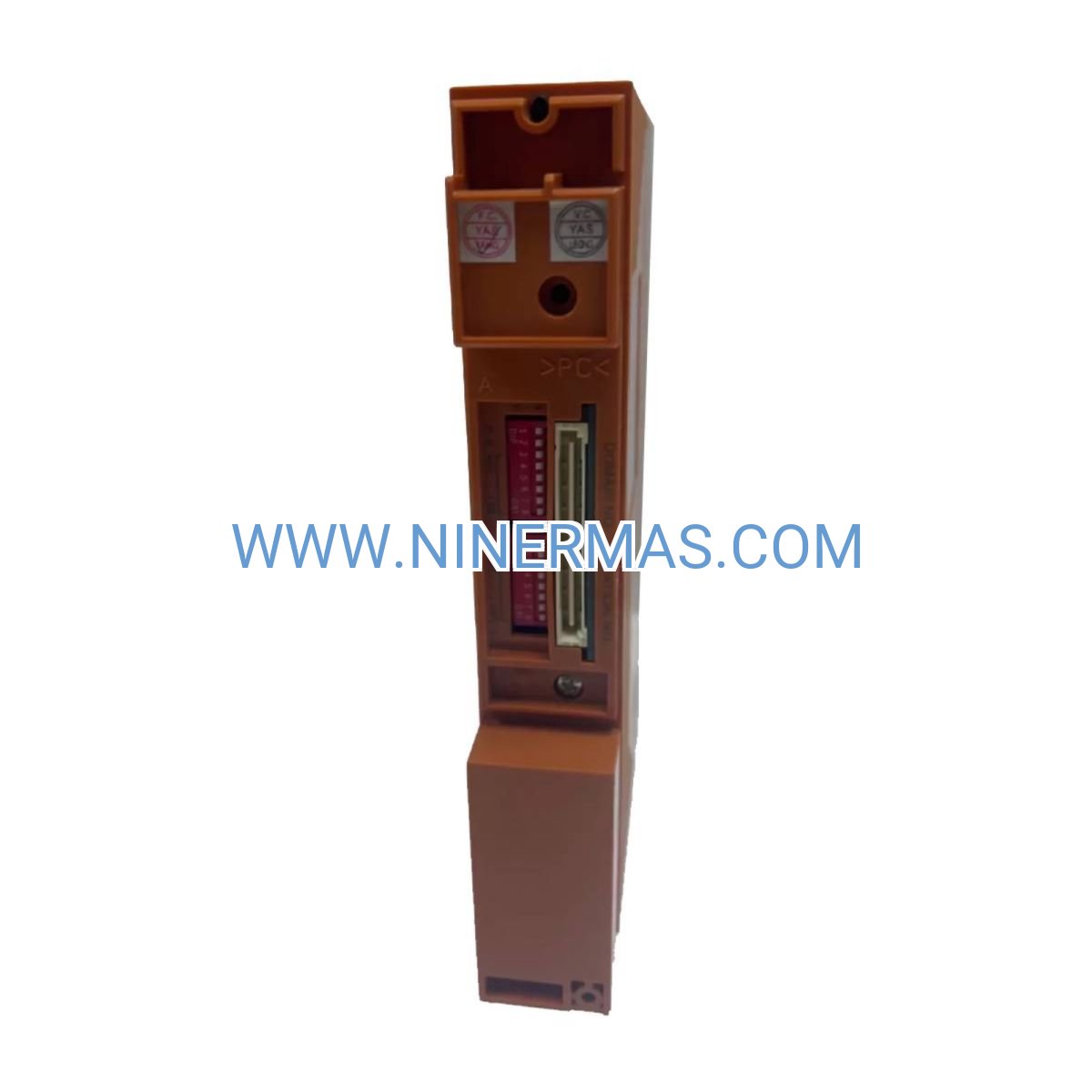
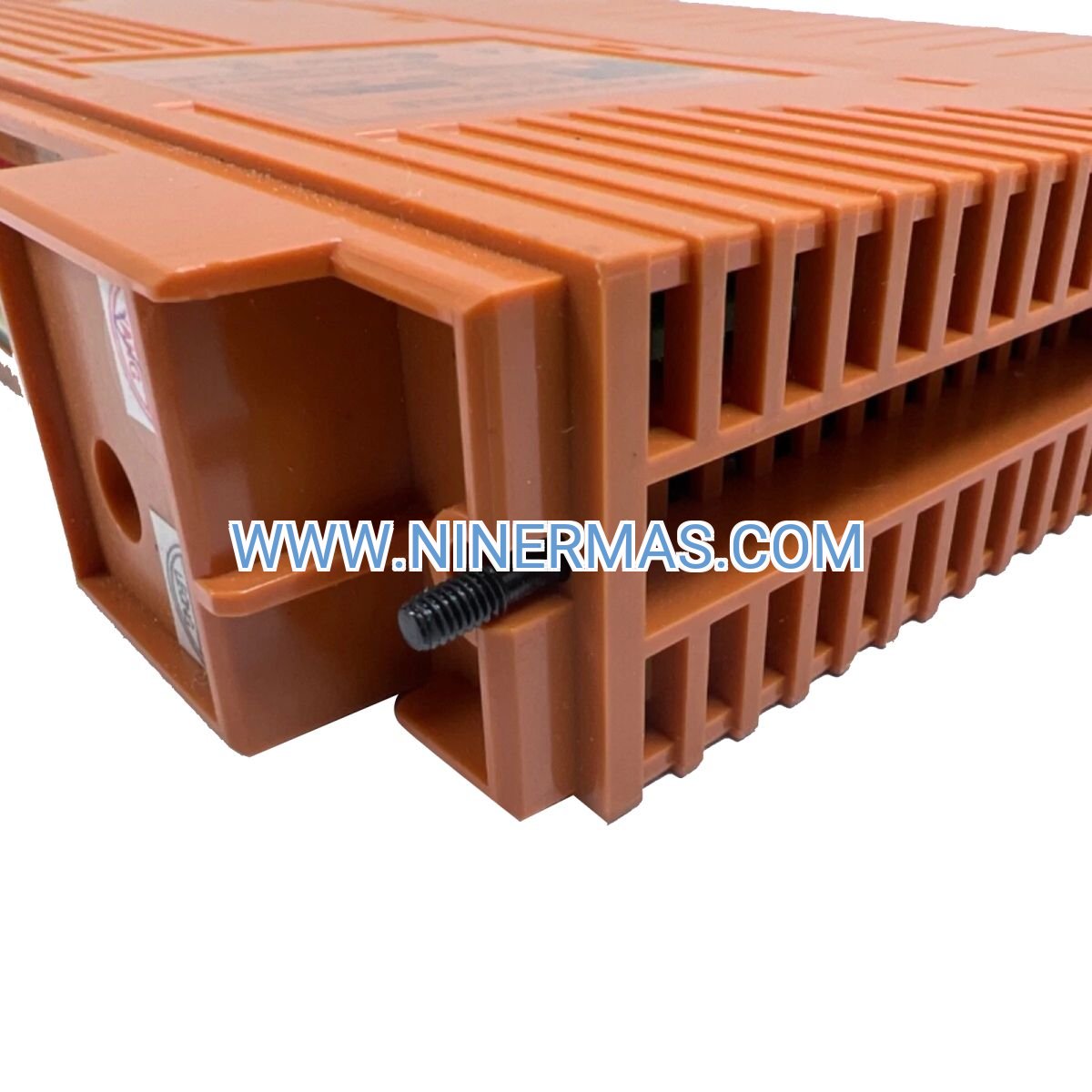
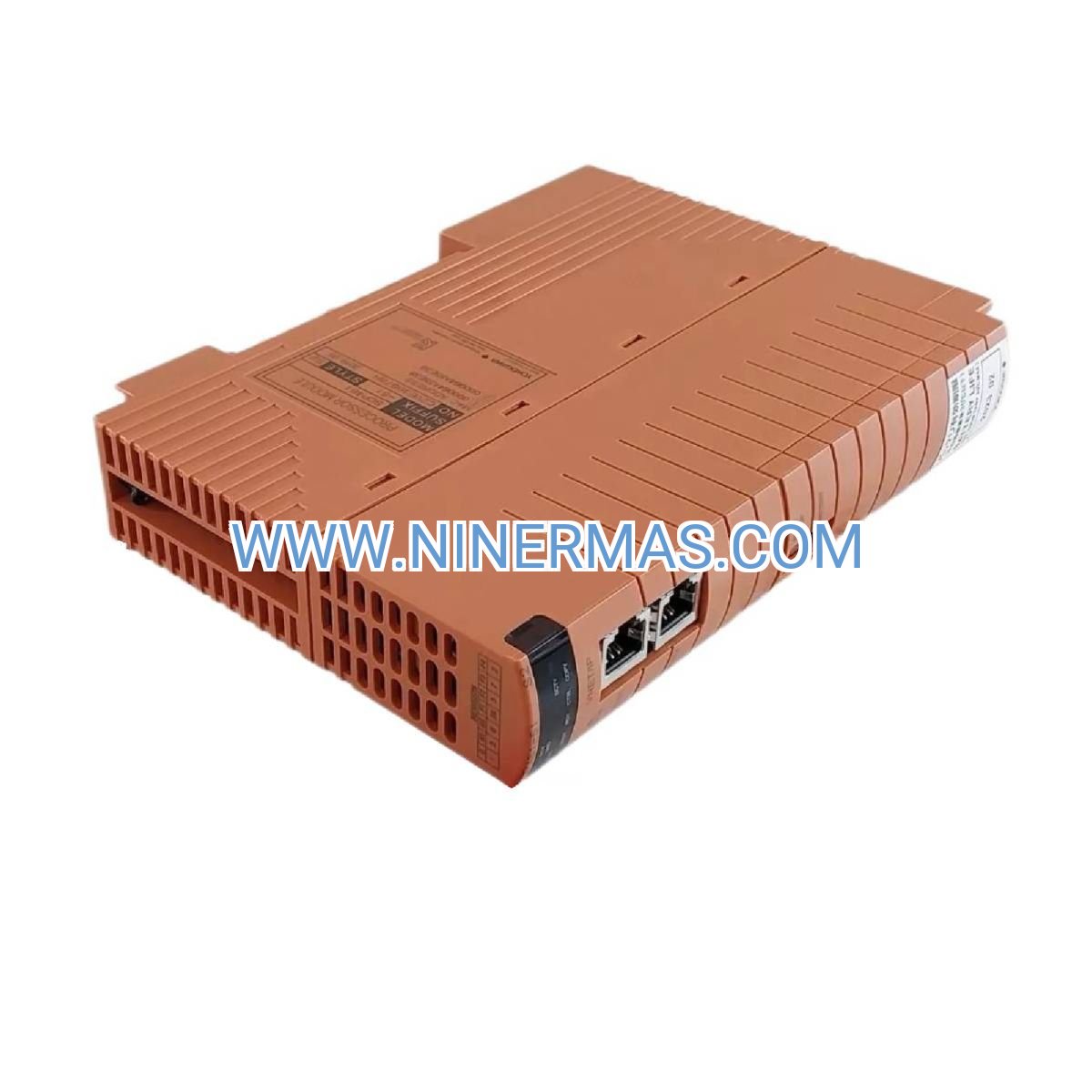
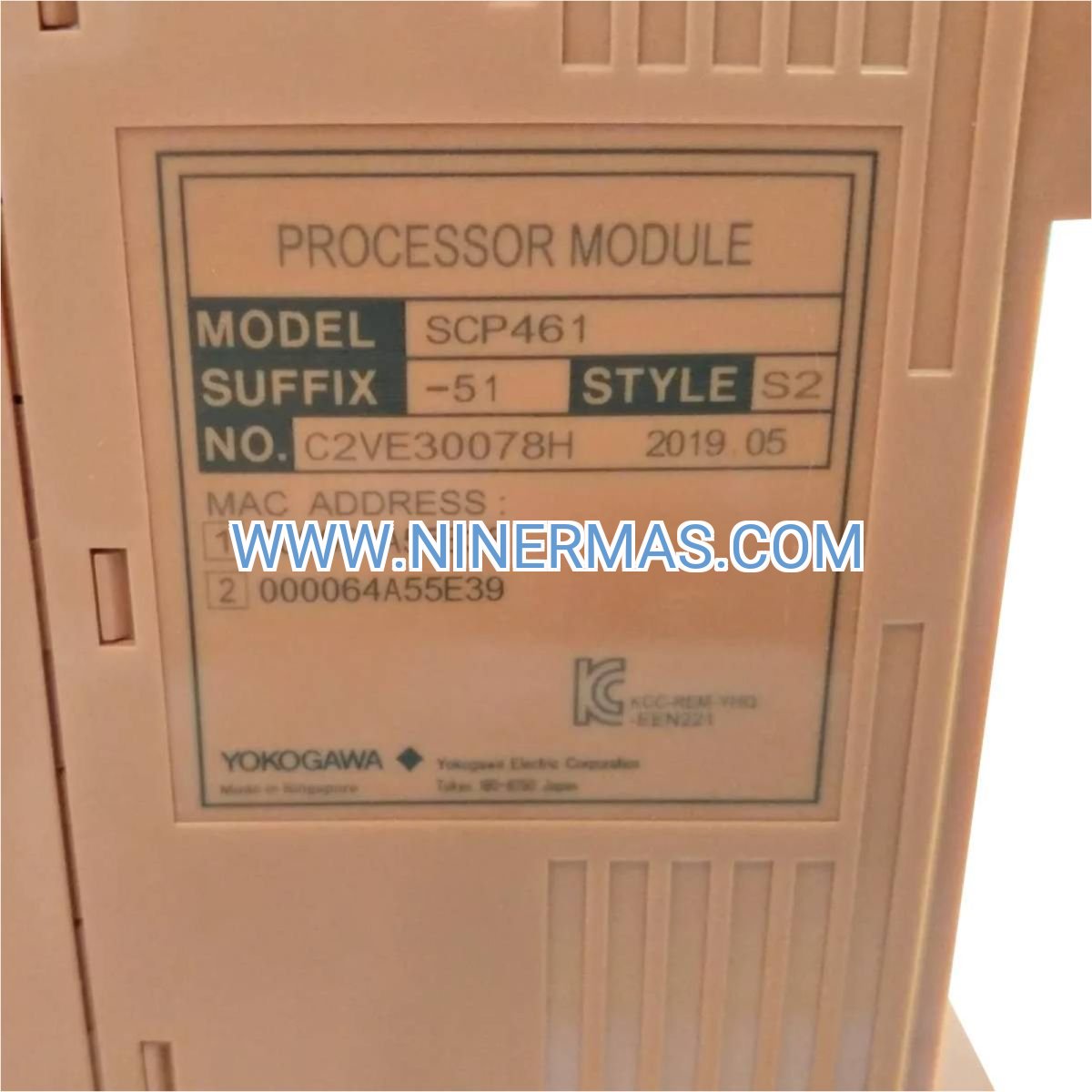
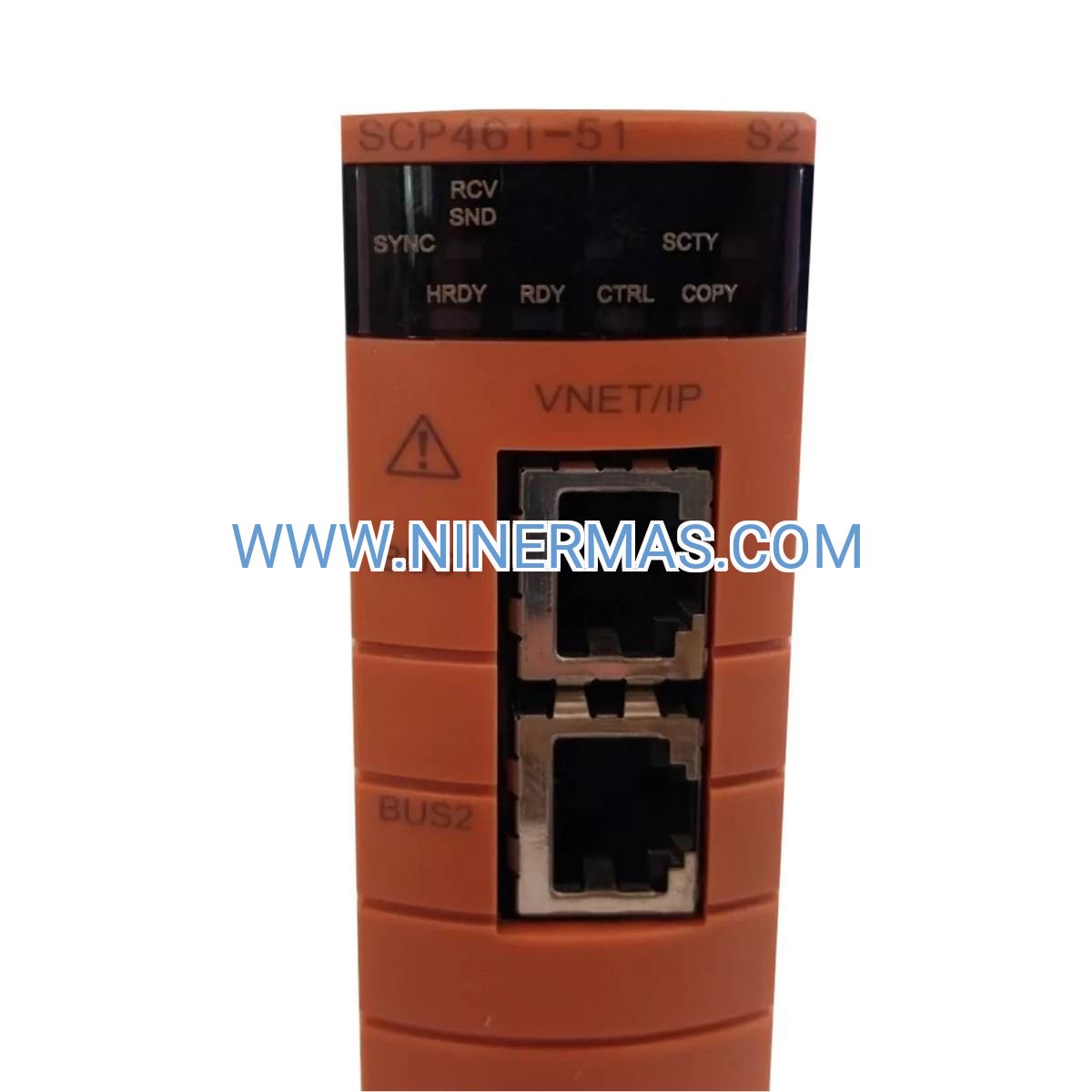
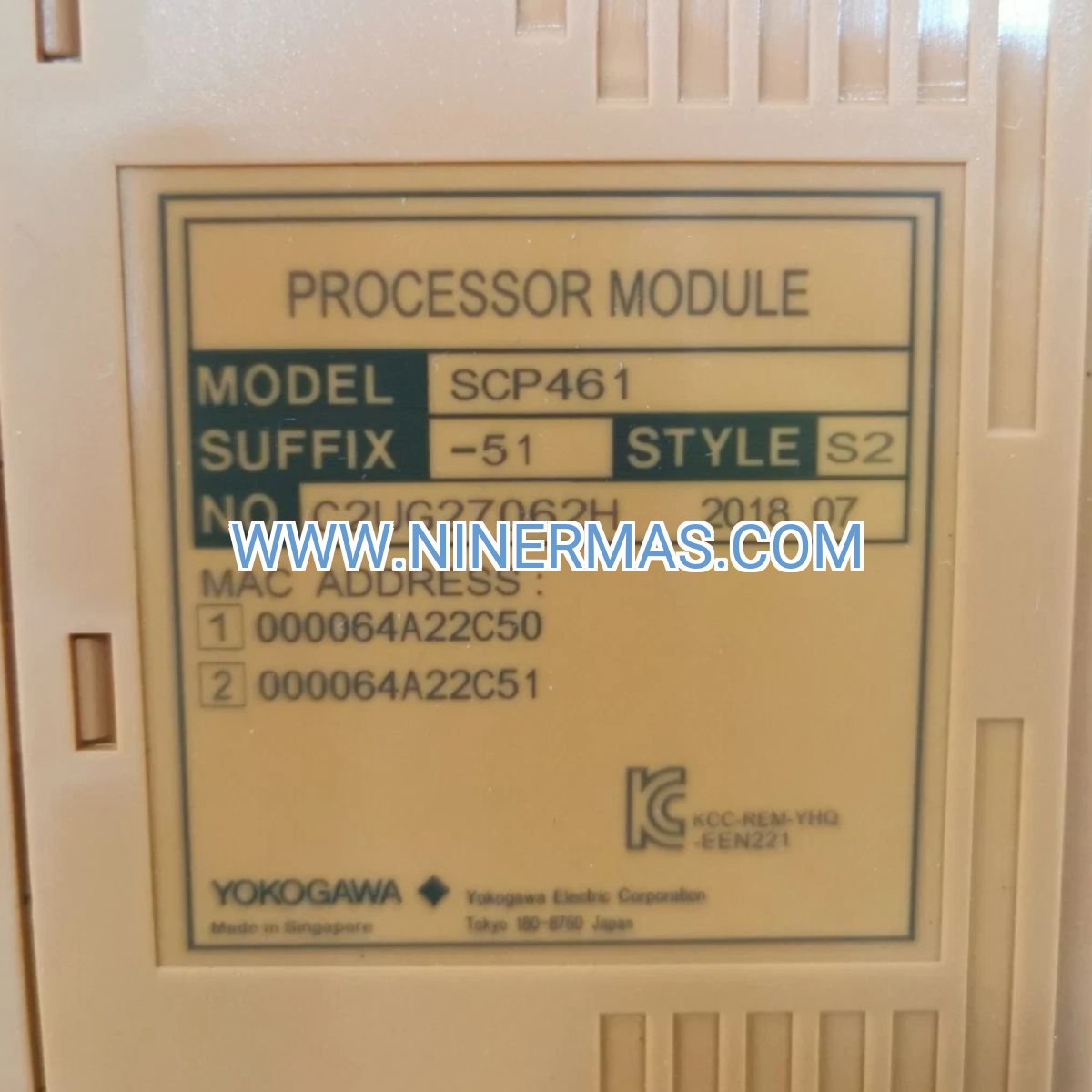
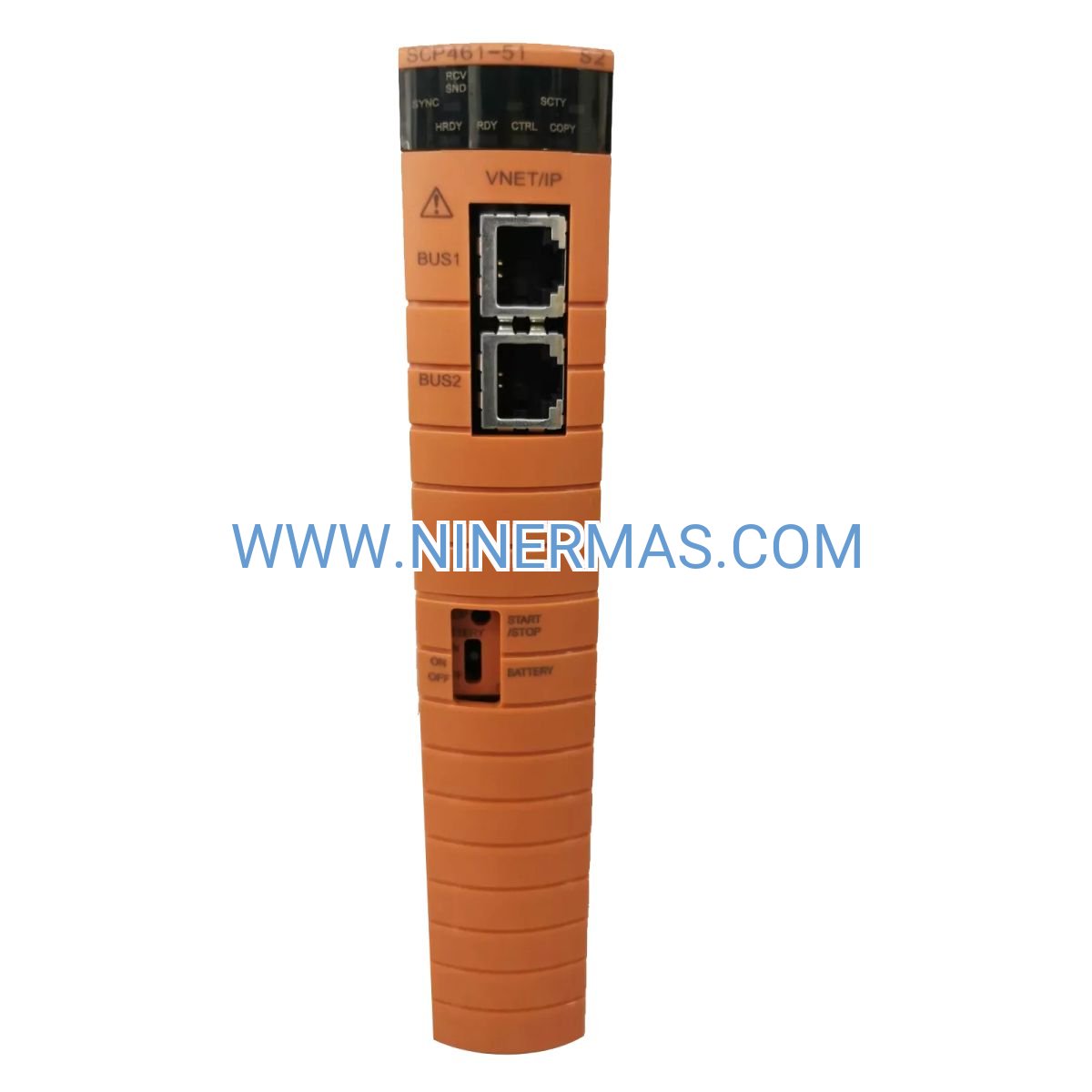
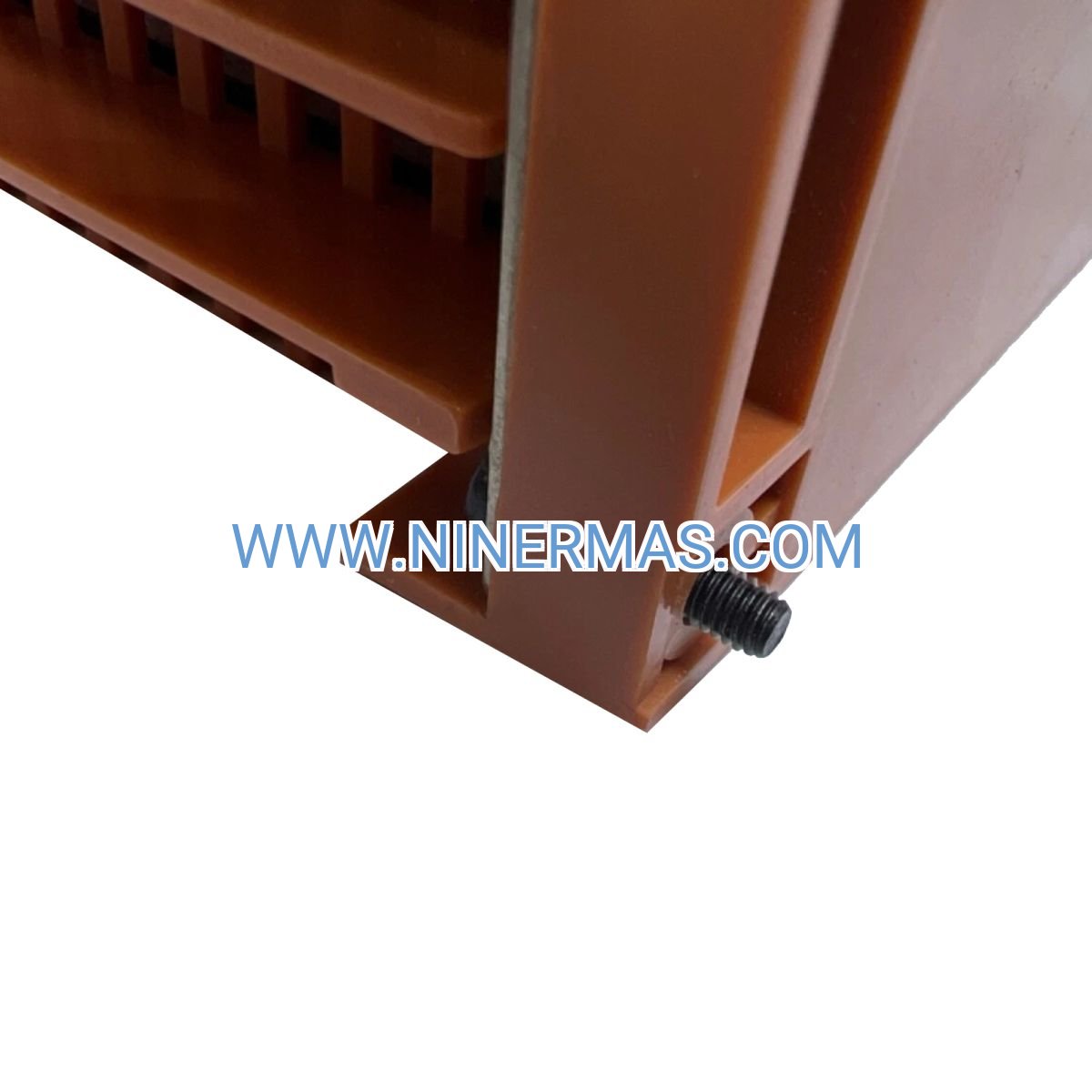
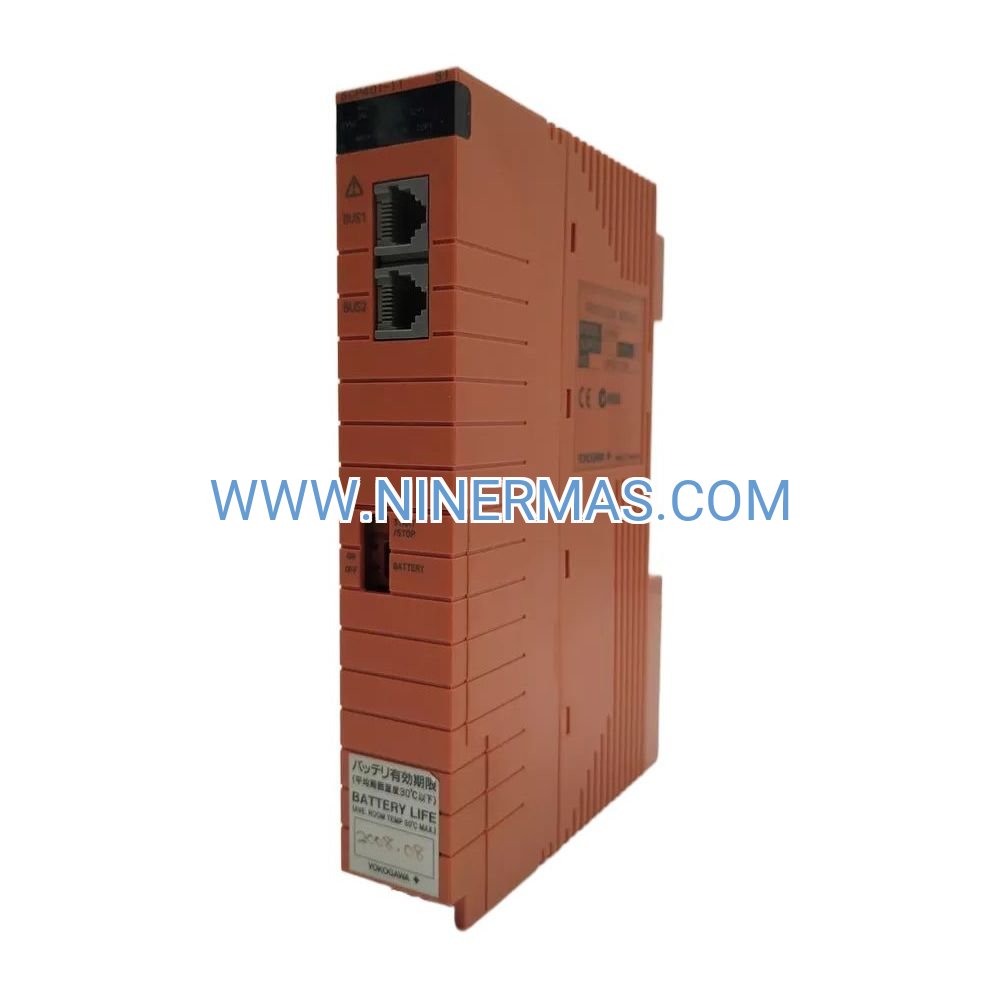
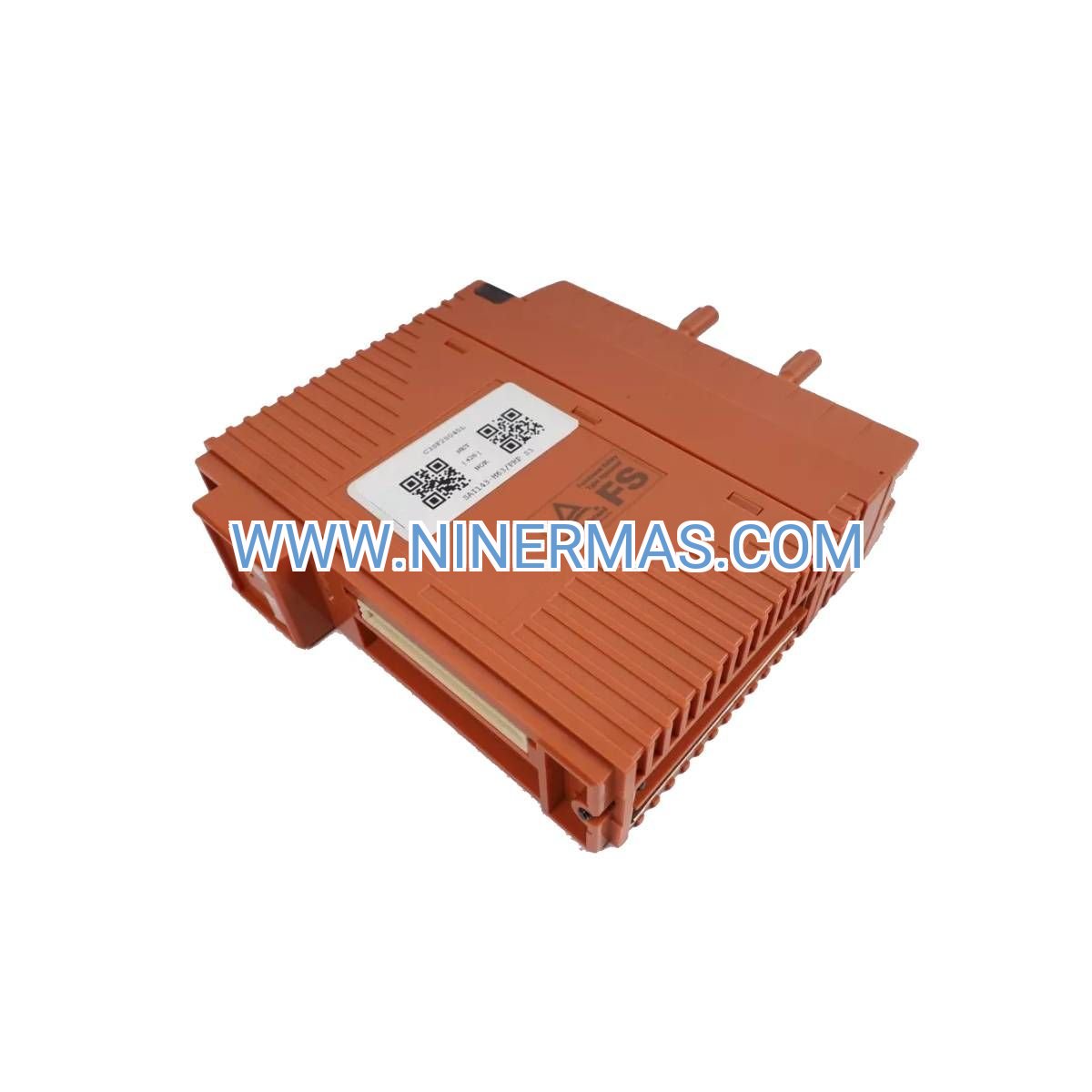
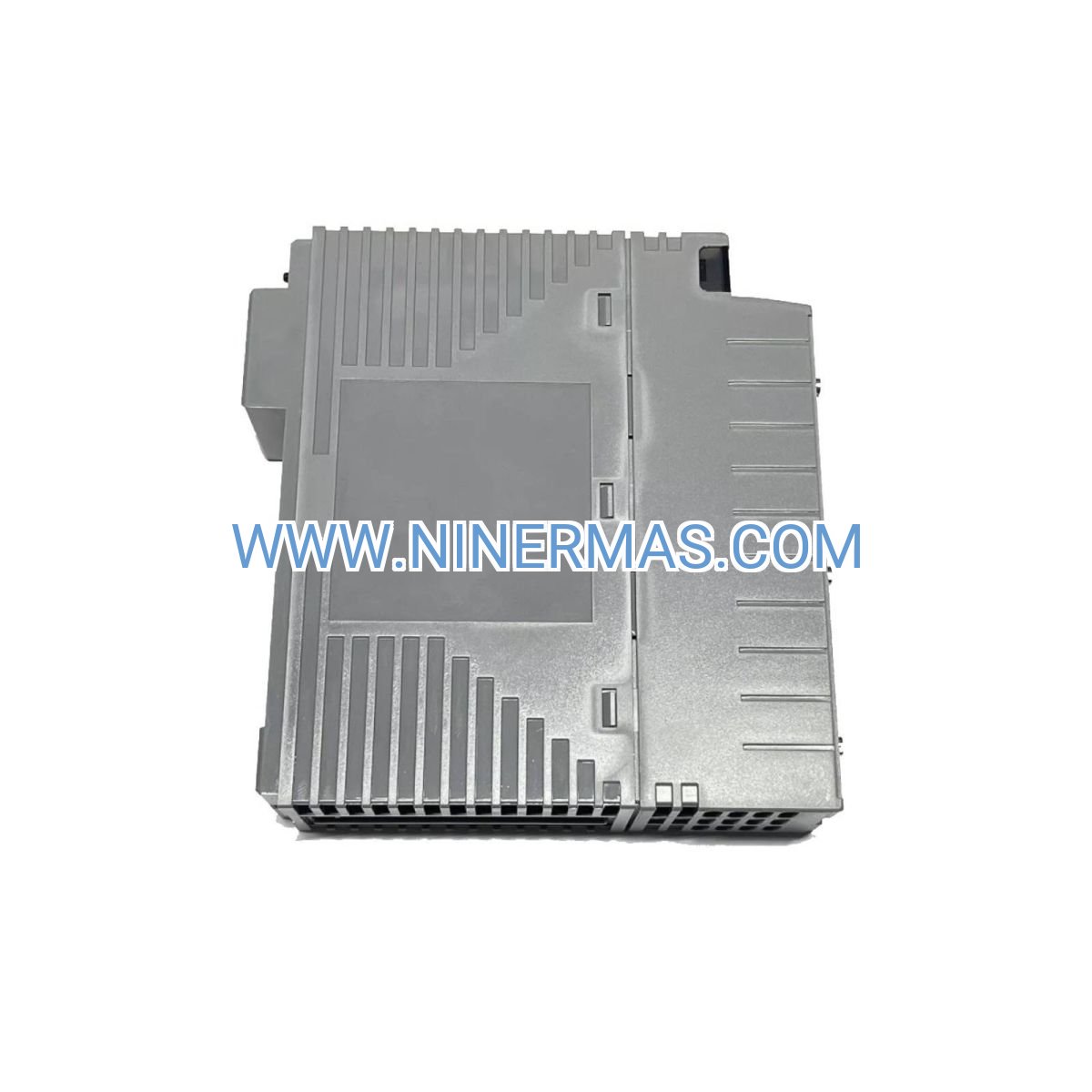
SCP461-51 S2 Processor Module (Industrial-Grade ARM Cortex-A57 Controller)
The SCP461-51 S2 represents Yokogawa's next-generation processor architecture for distributed control systems, combining enterprise-class ARM Cortex-A57 quad-core technology with industrial-hardened reliability. Designed as the computational backbone for CENTUM VP and STARDOM FCN/FCJ autonomous controllers, this module delivers deterministic real-time performance for mission-critical process automation across petrochemical, power generation, pharmaceutical, and water treatment facilities.
Built to address the escalating complexity of modern industrial processes, the SCP461-51 S2 eliminates traditional bottlenecks through parallel processing capabilities and advanced memory architecture. Plant operators gain unprecedented control precision while maintenance teams benefit from predictive diagnostics and hot-swappable redundancy that minimizes unplanned downtime. Whether you're modernizing legacy DCS infrastructure or deploying greenfield automation projects, this processor module provides the scalability and cyber-resilience demanded by Industry 4.0 environments.
With proven MTBF exceeding 100,000 hours and compliance with IEC 62443 cybersecurity standards, the SCP461-51 S2 transforms operational risk into competitive advantage through intelligent automation that adapts to your evolving process requirements.
Core Capabilities & Business Value
→ Quad-Core ARM Cortex-A57 Processing Power
64-bit architecture operating at 1.5 GHz delivers 4x parallel execution threads for complex control algorithms, reducing scan cycle times by up to 60% compared to previous-generation processors while supporting 10,000+ I/O points per module.
✓ ECC-Protected Memory Architecture
4 GB DDR4 RAM with Error-Correcting Code technology detects and corrects single-bit errors in real-time, ensuring data integrity in safety-critical applications and eliminating memory-related process interruptions that cost facilities an average of $260,000 per incident.
→ Hot-Swappable Dual Redundancy
Seamless failover between primary and backup processors occurs in under 50 milliseconds without process disruption, achieving 99.999% uptime for continuous manufacturing operations where every minute of downtime translates to lost revenue and regulatory exposure.
✓ Integrated Cybersecurity Framework
Hardware-level encryption, role-based access control, and IEC 62443-compliant secure boot protect against industrial cyber threats, reducing vulnerability assessment costs while meeting insurance and compliance requirements for critical infrastructure.
→ Deterministic Real-Time Performance
Guaranteed 10-millisecond scan cycles with jitter below 100 microseconds enable precise multi-variable control for applications like distillation column optimization, turbine synchronization, and batch recipe execution where timing accuracy directly impacts product quality.
✓ Remote Diagnostics & Predictive Maintenance
Embedded web server with HTTPS access provides secure remote monitoring and configuration management, while built-in health analytics predict component degradation 30-90 days before failure, reducing emergency maintenance costs by 40%.
Industry Applications & Problem-Solving Scenarios
Petrochemical Refining & Gas Processing
Manage multi-stage distillation towers, catalytic crackers, and hydrodesulfurization units where millisecond-level control adjustments optimize yield rates and prevent runaway reactions. The SCP461-51 S2's parallel processing handles 200+ PID loops simultaneously while maintaining SIL 2 safety integrity for emergency shutdown systems.
Power Generation & Cogeneration Plants
Control steam turbine governor systems, boiler combustion optimization, and grid synchronization where dual-redundant architecture ensures zero-downtime operation during maintenance windows. Facilities report 15-20% reduction in auxiliary power consumption through advanced load-balancing algorithms enabled by the processor's computational capacity.
Pharmaceutical Manufacturing & Bioprocessing
Execute FDA 21 CFR Part 11-compliant batch control with complete audit trails for fermentation reactors, lyophilization cycles, and aseptic filling lines. The module's deterministic execution guarantees reproducible process conditions critical for regulatory validation, while encrypted data logging prevents tampering.
Water & Wastewater Treatment
Orchestrate multi-basin filtration sequences, chemical dosing optimization, and SCADA integration for municipal utilities serving 500,000+ residents. Adaptive PID tuning compensates for seasonal flow variations and influent quality changes, reducing chemical costs by 12-18% while maintaining discharge permit compliance.
Food & Beverage Production
Manage recipe-driven processes for brewing, dairy pasteurization, and continuous mixing operations where product consistency directly impacts brand reputation. The processor's virtualization capabilities allow simultaneous execution of quality control analytics and production sequencing without resource conflicts.
Technical Specifications & Selection Criteria
| Parameter | Specification |
|---|---|
| Processor Core | ARM Cortex-A57 quad-core, 64-bit RISC architecture @ 1.5 GHz |
| System Memory | 4 GB DDR4 SDRAM with ECC protection |
| Non-Volatile Storage | 32 GB industrial-grade eMMC flash (SLC/MLC hybrid) |
| I/O Capacity | Up to 10,000 points per module (analog/digital/pulse) |
| Scan Cycle Time | 10 ms minimum (deterministic), configurable up to 1000 ms |
| Network Interfaces | Dual Gigabit Ethernet (Vnet/IP), USB 3.0, RS-232/485 serial |
| Redundancy | Hot-swappable 1:1 redundancy with <50 ms failover |
| Operating Temperature | 0°C to 55°C (32°F to 131°F), conformal coated PCB |
| Power Consumption | 18W maximum @ 24 VDC nominal input |
| MTBF | >100,000 hours (Telcordia SR-332 calculation) |
| Certifications | UL/cUL, CE, IEC 61131-3, IEC 62443-4-2 SL2 |
Selection Guidelines: Choose the SCP461-51 S2 for applications requiring >5,000 I/O points, scan cycles <20 ms, or dual-redundant configurations. For smaller systems (<3,000 I/O), consider the CP401-10 S1 for cost optimization. Facilities with extreme environmental conditions (>55°C ambient) should specify extended-temperature variants with enhanced cooling.
Advanced Integration & IoT Connectivity
The SCP461-51 S2 bridges operational technology (OT) and information technology (IT) through native support for OPC UA, MQTT, and RESTful APIs, enabling seamless data exchange with MES, ERP, and cloud analytics platforms. Embedded containerization technology allows third-party edge computing applications to run alongside control logic without compromising real-time performance or security boundaries.
Yokogawa's Sushi Sensor integration transforms the processor into an IIoT gateway, collecting vibration, temperature, and pressure data from wireless sensor networks for predictive maintenance analytics. Machine learning models execute locally on the ARM processor, identifying anomalous patterns and triggering automated responses without cloud latency.
For legacy system integration, the module supports Modbus TCP/RTU, HART-IP, and FOUNDATION Fieldbus HSE protocols, protecting existing instrumentation investments while enabling phased migration to modern Ethernet-based architectures.
Delivery, Warranty & Technical Support
Lead Times: Standard configuration units ship within 3-5 business days from regional distribution centers. Custom-configured modules with specialized firmware or extended-temperature ratings require 2-3 weeks for factory programming and testing.
Warranty Coverage: 24-month manufacturer's warranty covering defects in materials and workmanship. Extended warranty programs available for up to 60 months with priority RMA processing and advance replacement options.
Technical Assistance: Lifetime access to Yokogawa's global support network including 24/7 emergency hotline, remote diagnostics via secure VPN, and on-site commissioning services. Comprehensive documentation package includes hardware installation manual, programming reference guide, cybersecurity hardening checklist, and AutoCAD dimensional drawings.
Training & Certification: Complimentary access to online training modules covering processor installation, redundancy configuration, and troubleshooting procedures. Instructor-led courses available at regional training centers for advanced topics like performance tuning and cybersecurity auditing.
Frequently Asked Questions
Q: How does the SCP461-51 S2 integrate with existing CENTUM VP R6 systems?
A: The processor is fully backward-compatible with CENTUM VP R6.01 and later versions through firmware updates. Migration from older CP processors requires configuration file conversion using Yokogawa's System View tool, typically completed in 2-4 hours for standard applications. Redundant pairs can operate in mixed-generation mode during phased upgrades.
Q: What is the maximum control loop capacity for complex cascade and feedforward strategies?
A: The quad-core architecture supports up to 2,000 PID loops with 10 ms scan cycles, or 5,000+ loops at 100 ms scan rates. Advanced control blocks (model predictive control, fuzzy logic) consume approximately 3x the computational resources of standard PIDs. Yokogawa's Loop Profiler tool provides real-time CPU utilization metrics for capacity planning.
Q: Can the processor achieve SIL 3 safety ratings for emergency shutdown applications?
A: The SCP461-51 S2 is certified for SIL 2 applications per IEC 61508. For SIL 3 requirements, deploy in 2oo3 (two-out-of-three) voting architecture with Yokogawa's ProSafe-RS safety instrumented system. The processor handles non-safety control loops while ProSafe-RS manages safety-critical interlocks, with secure data exchange via dedicated Vnet/IP channels.
Q: What cybersecurity measures protect against industrial malware and unauthorized access?
A: Multi-layered security includes hardware-based secure boot verification, encrypted firmware updates with digital signatures, role-based access control with multi-factor authentication, and network segmentation via VLAN tagging. The processor logs all configuration changes with tamper-evident timestamps for forensic analysis. Regular security patches follow Yokogawa's coordinated vulnerability disclosure program.
Q: How does energy efficiency compare to previous-generation processors?
A: Despite 4x processing power increase, the ARM Cortex-A57 architecture reduces power consumption by 30% versus legacy x86-based processors through dynamic voltage/frequency scaling. A typical redundant pair consumes 36W total versus 52W for equivalent CP451-50 configurations, saving approximately $180 annually in electricity costs per controller pair at $0.12/kWh industrial rates.
Q: What remote monitoring capabilities are available for distributed facilities?
A: The embedded HTTPS web server provides secure browser-based access to real-time diagnostics, alarm history, and performance metrics without requiring VPN infrastructure. SNMP v3 integration enables centralized monitoring through enterprise network management systems. For cellular/satellite connectivity in remote locations, the processor supports 4G LTE modems via USB interface with automatic failover to primary Ethernet.
Take the Next Step Toward Operational Excellence
Transform your process control infrastructure with proven technology trusted by Fortune 500 manufacturers worldwide. Our application engineers are ready to assess your specific requirements and design a tailored solution that maximizes ROI while minimizing implementation risk.
Request a Technical Consultation: Contact our team at sale@ninermas.com or call +0086 187 5021 5667 to discuss your project scope, receive detailed specifications, and obtain competitive pricing for volume deployments.
© 2026 NINERMAS COMPANY LIMITED. All rights reserved.
Original Source: https://ninermas.com
Contact: sale@ninermas.com | +0086 187 5021 5667
Related products

Contact Info
-
Address:22 / F, South Wo Hang building, 148 Wing Lok Street, Sheung Wan, Western District, Hong Kong
-
Phone:+8618750215667
-
Email: