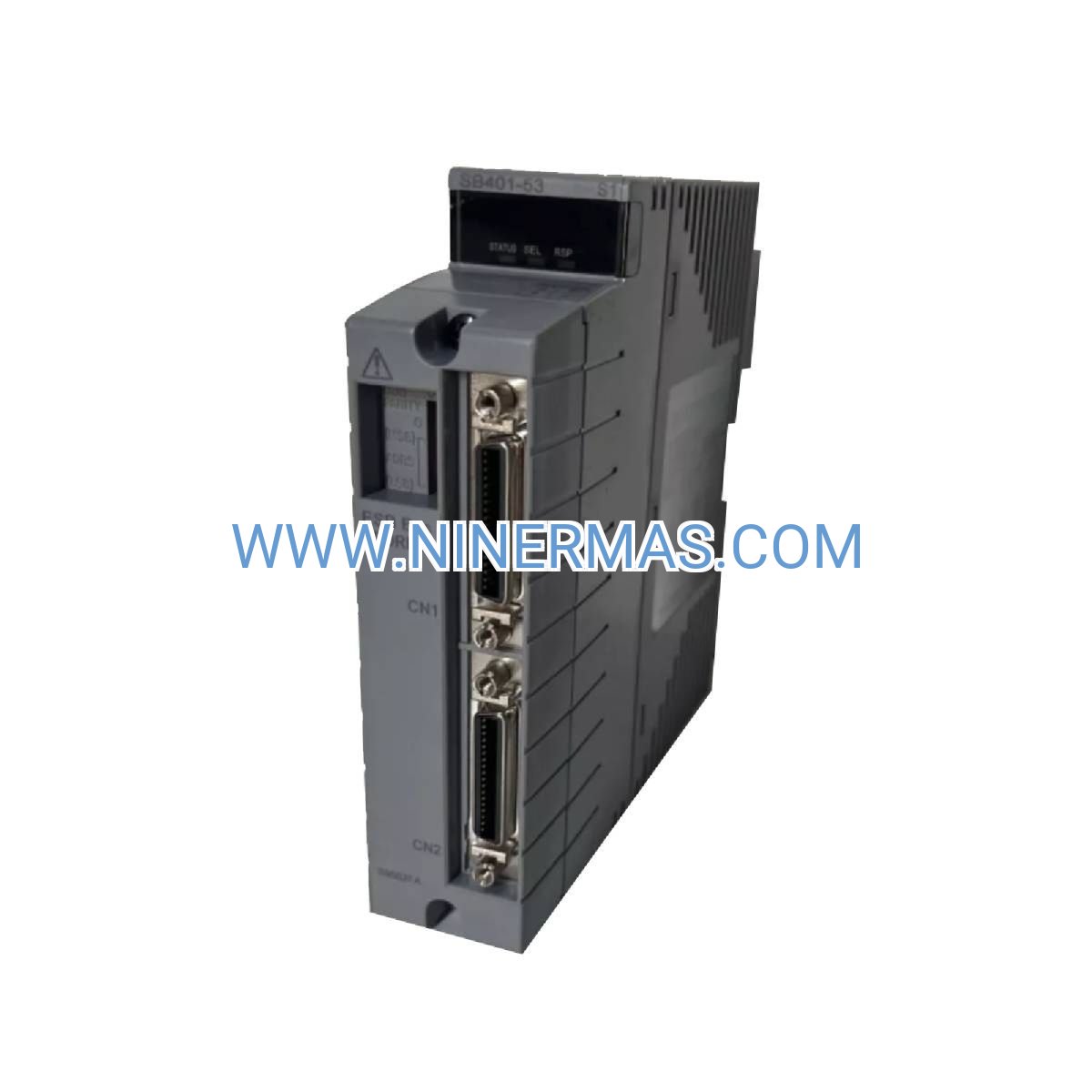
Description
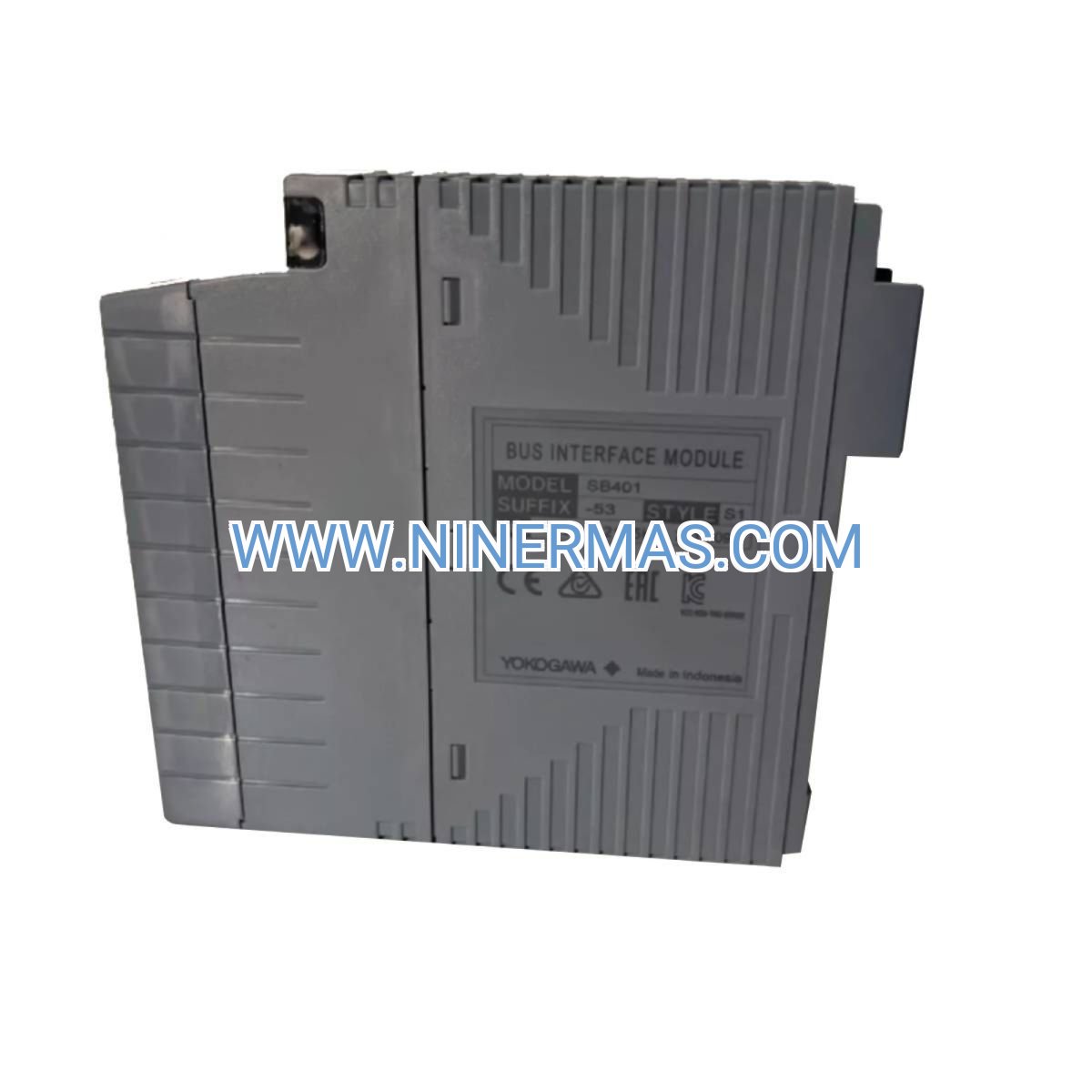
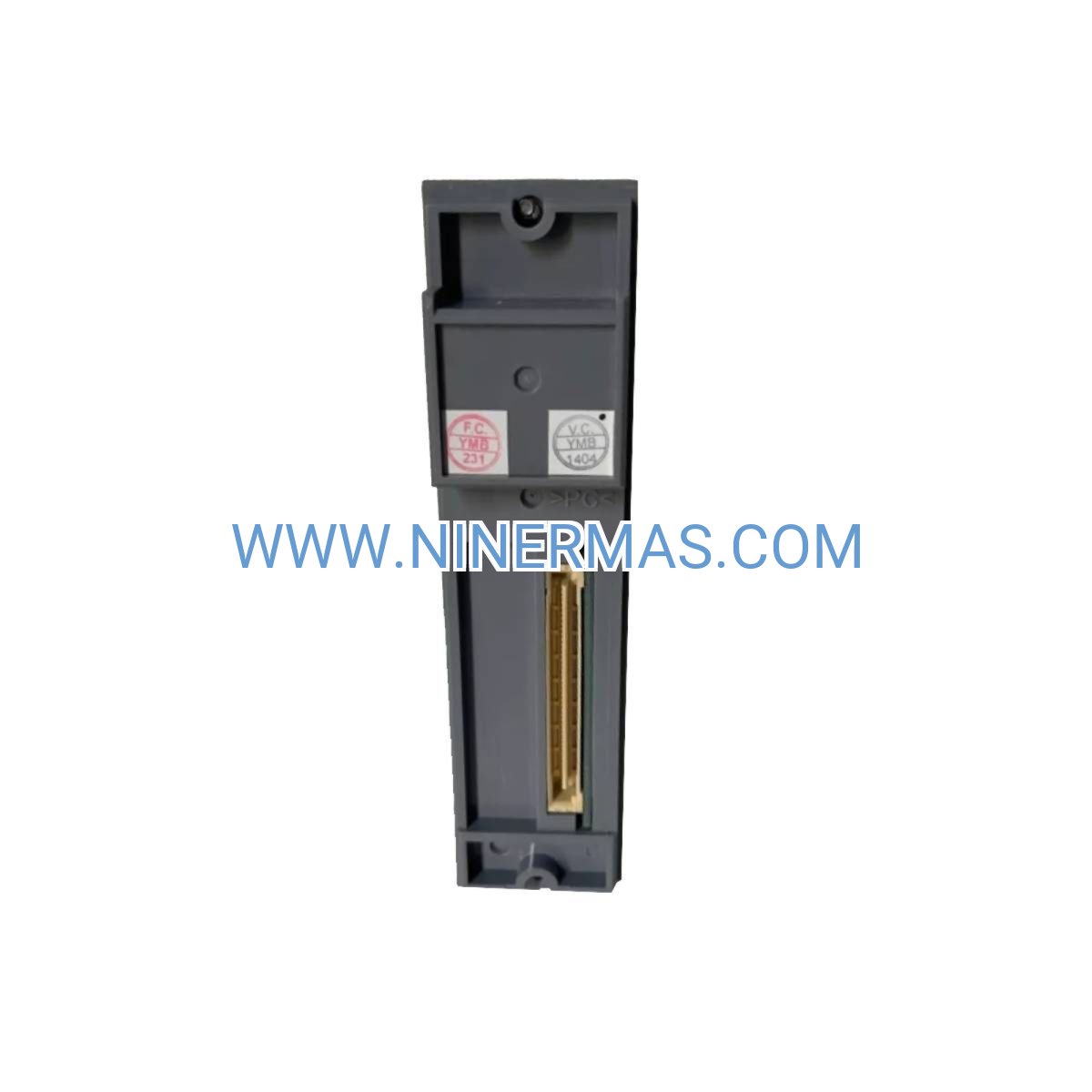
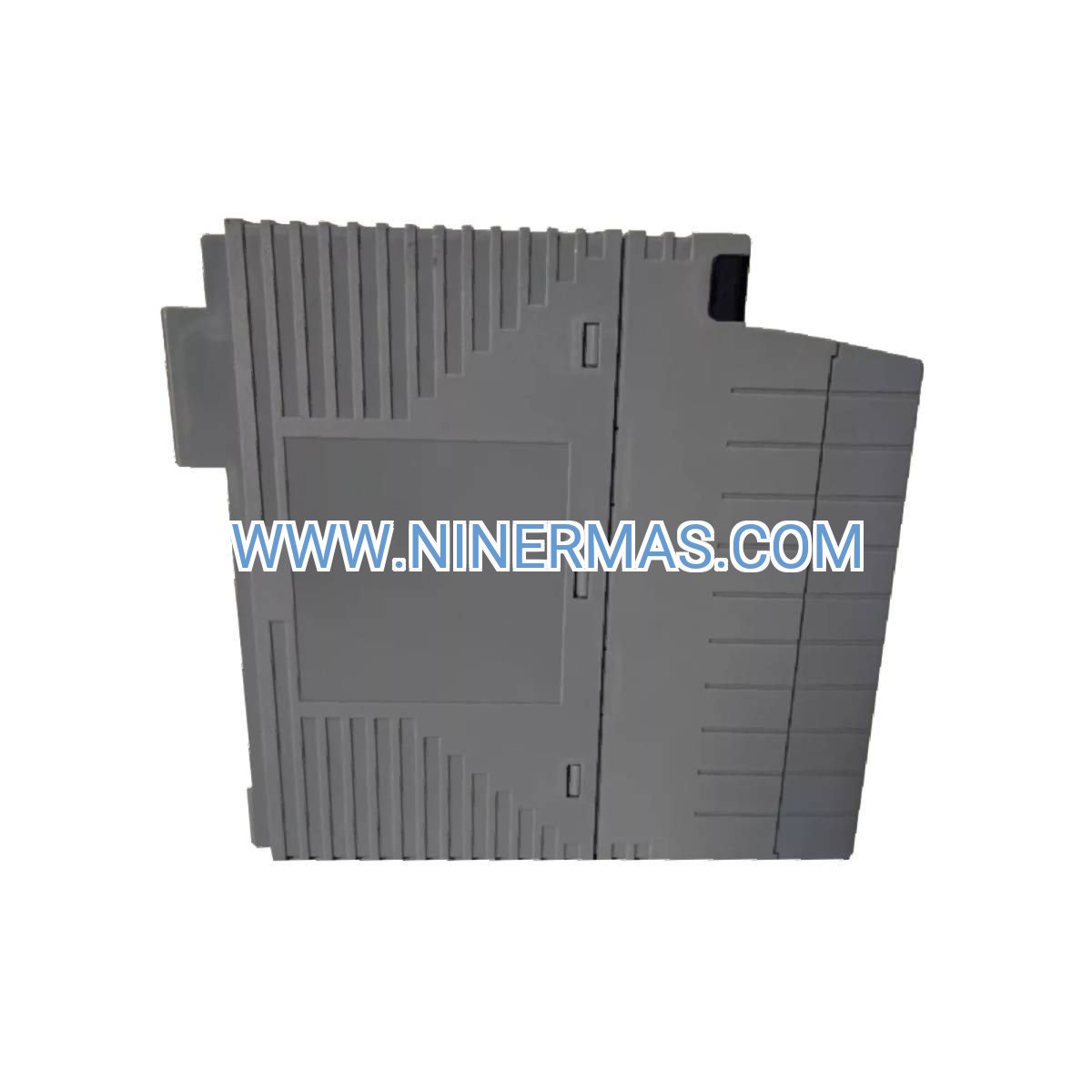
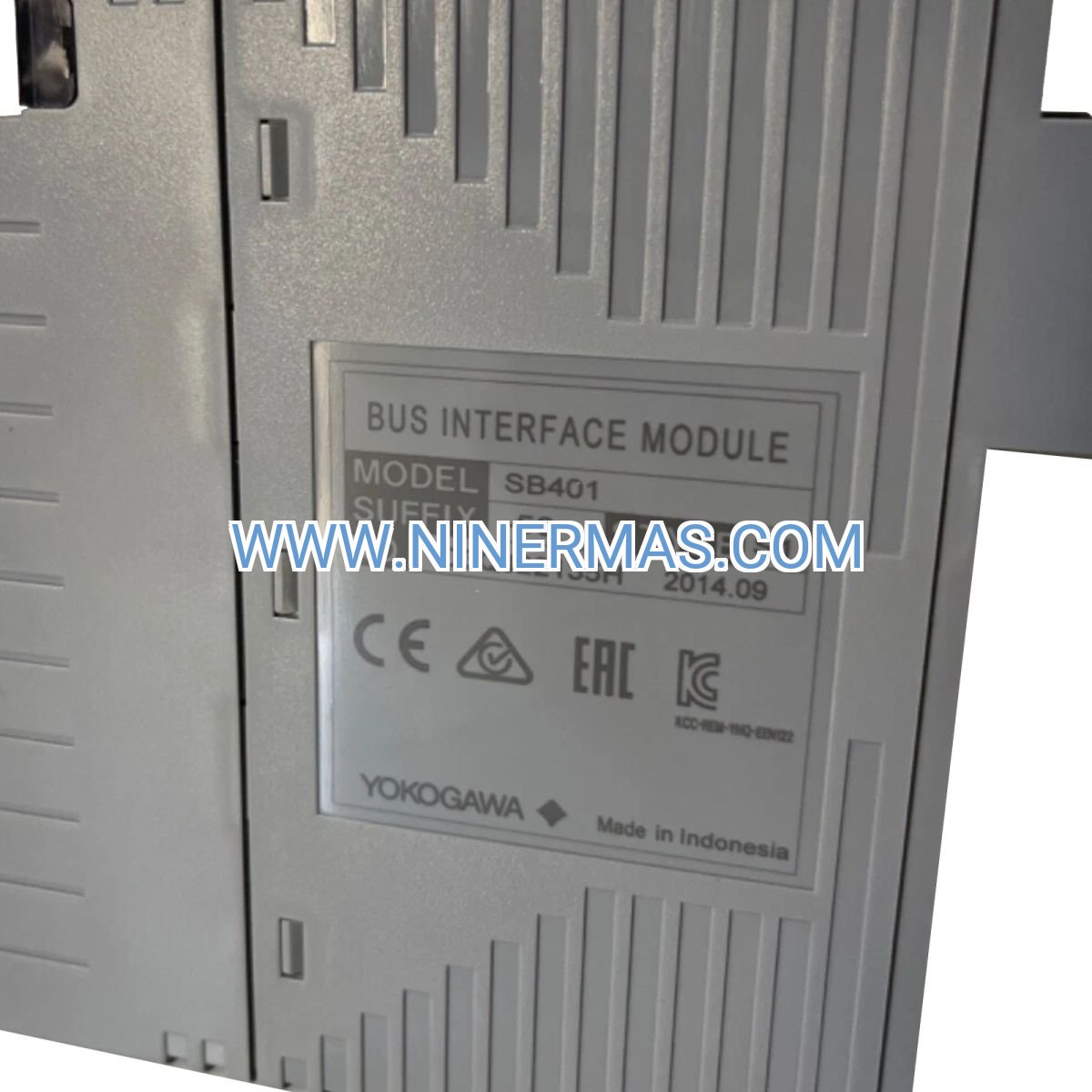
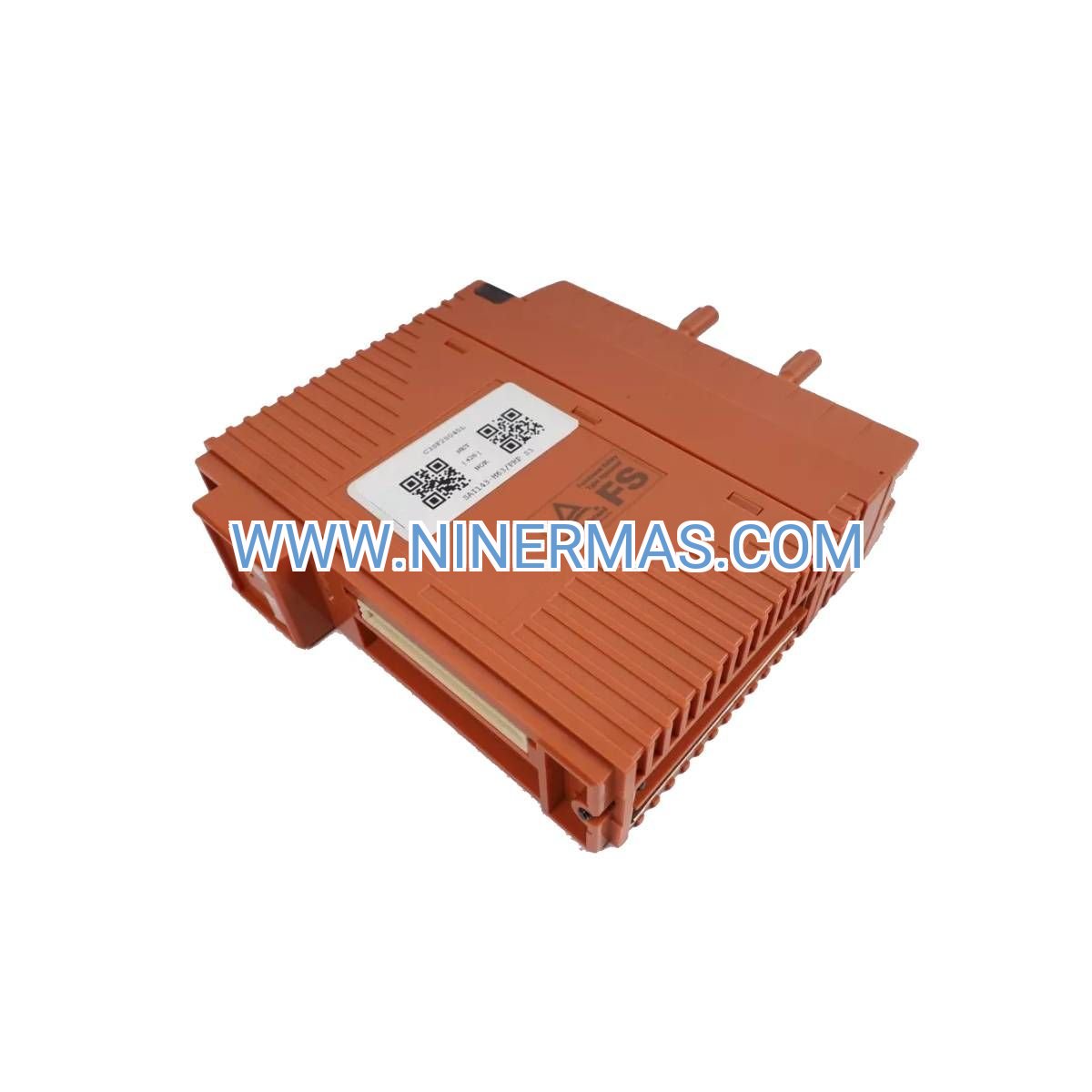
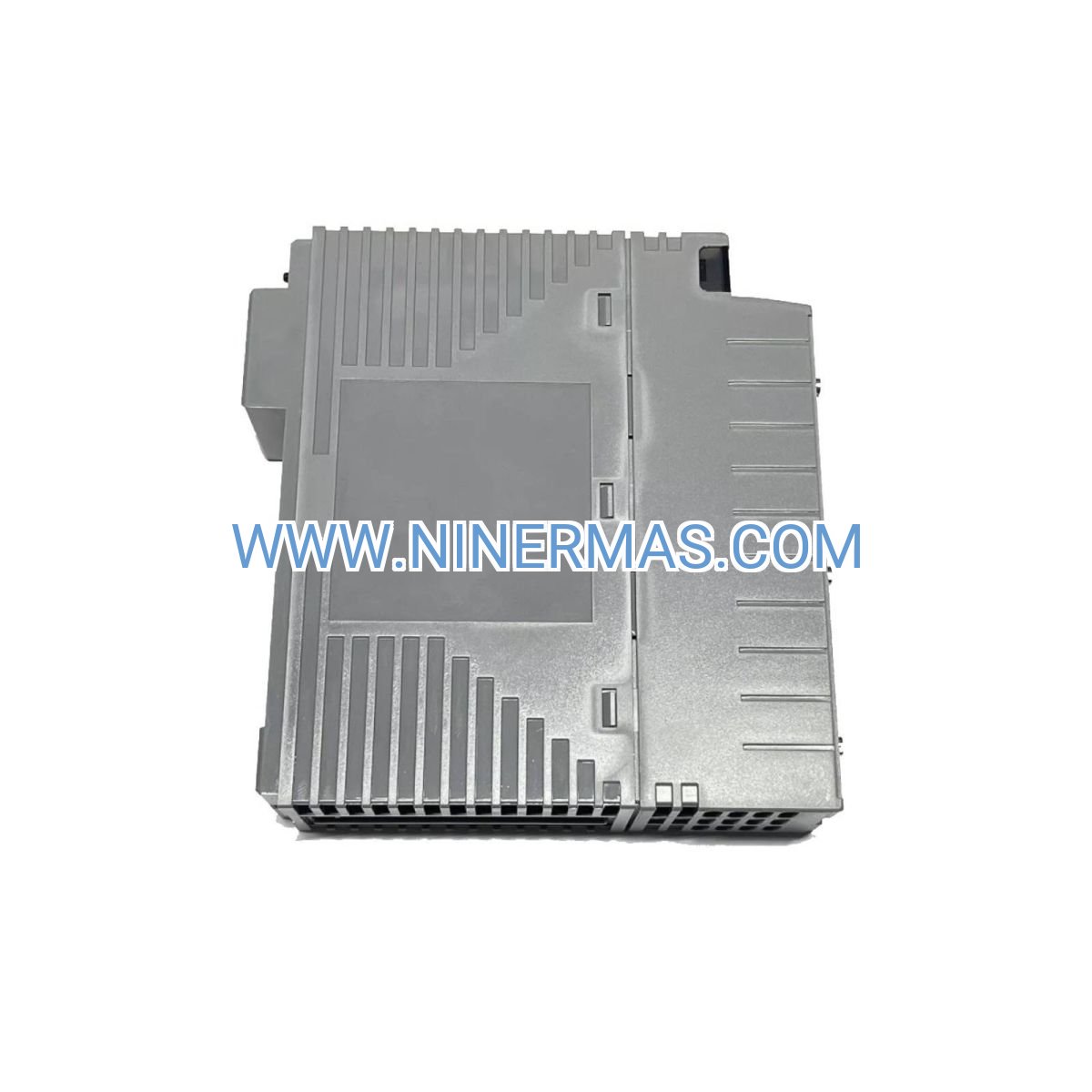
SB401-53 ESB Bus Module (Industrial-Grade Communication Interface)
The SB401-53 serves as a mission-critical communication gateway within Yokogawa CENTUM distributed control architectures, delivering fault-tolerant ESB (Extension System Bus) connectivity between field control stations and remote I/O subsystems. Engineered for continuous operation in harsh industrial environments, this interface module guarantees deterministic data exchange across geographically distributed process control networks.
Designed for process industries demanding zero-downtime communication, the SB401-53 addresses the fundamental challenge of maintaining real-time control integrity across extended automation topologies. Target users include instrumentation engineers, DCS integrators, and plant automation teams managing complex multi-node control systems in refineries, chemical plants, and power generation facilities.
Key advantages include dual-channel redundancy eliminating single-point failures, hot-swappable architecture enabling maintenance without process interruption, and native compatibility with legacy CENTUM installations—protecting capital investments while enabling system expansion.
Core Features & Benefits
✓ Dual-Redundant Communication Channels: Automatic failover between primary and backup ESB paths ensures uninterrupted data flow even during channel degradation, maintaining control loop integrity in safety-critical applications.
✓ High-Speed Synchronous Protocol: 10 Mbps deterministic data transfer supports real-time control requirements with predictable latency characteristics, essential for coordinated multi-loop control strategies.
✓ Hot-Swap Capability: Field-replaceable design allows module exchange during live operation without disrupting active communication sessions, minimizing maintenance windows and production impact.
✓ Comprehensive Diagnostics: Dual-LED status indicators and embedded self-test routines provide immediate visibility into channel health, transmission error rates, and bus termination status for proactive maintenance.
✓ Extended Temperature Range: 0°C to 55°C operational specification accommodates non-climate-controlled equipment rooms and field-mounted enclosures common in heavy industrial settings.
✓ Scalable Network Topology: Multi-drop bus architecture supports numerous extension nodes per segment, enabling cost-effective I/O expansion across large process areas without dedicated point-to-point wiring.
Application Scenarios
→ Refinery Crude Distillation Units: Coordinates distributed temperature, pressure, and flow control across atmospheric and vacuum towers where communication failure could trigger emergency shutdowns costing millions in lost production. The SB401-53's redundant design ensures continuous data exchange between field controllers managing furnace firing, reflux systems, and product draw-off points.
→ Chemical Batch Reactor Control: Enables synchronized recipe execution across multiple batch vessels requiring precise sequencing of material additions, temperature ramps, and agitation profiles. Deterministic communication timing prevents batch quality deviations caused by control action delays or missed interlocks.
→ Combined-Cycle Power Plants: Maintains real-time coordination between gas turbine controls, heat recovery steam generators, and steam turbine systems where millisecond-level response times are critical for grid stability and equipment protection during load transients.
→ Pharmaceutical Clean Room Systems: Supports validated automation architectures requiring full audit trails and change control documentation, with communication path integrity essential for demonstrating regulatory compliance during FDA inspections.
→ Pulp & Paper Digester Operations: Facilitates distributed control of continuous digesters, blow tanks, and chemical recovery systems across mill-wide networks spanning hundreds of meters, where centralized I/O architectures are economically impractical.
Technical Parameters & Selection Guide
| Communication Standard | ESB (Extension System Bus) proprietary protocol |
| Data Rate | 10 Mbps synchronous transmission |
| Redundancy Type | Active-standby dual channel with automatic switchover |
| Node Addressing | Auto-configuration with manual override capability |
| Cable Type | Shielded twisted-pair per Yokogawa specifications |
| Maximum Bus Length | Consult system engineering guidelines (topology-dependent) |
| Power Requirements | 24 VDC nominal (supplied via backplane) |
| Power Consumption | Low-power design (specific values in datasheet) |
| Operating Environment | 0°C to 55°C, 5% to 95% RH non-condensing |
| Mounting Options | DIN rail or direct panel mount |
| Dimensions | Compact modular form factor (consult mechanical drawings) |
| Certifications | Industrial safety and EMC compliance per regional standards |
Selection Criteria: Specify the SB401-53 when extending CENTUM system I/O capacity beyond local node limits, when implementing geographically distributed control architectures, or when upgrading legacy systems requiring ESB protocol compatibility. Verify compatibility with existing CENTUM software versions and confirm adequate power budget in target installation locations. For new installations, consider pairing with ANB10D node units for optimal redundancy configuration.
Extended Functions
Network Diagnostics Integration: The module exposes detailed communication statistics to CENTUM engineering stations, enabling trending of transmission error rates, channel utilization, and failover events for predictive maintenance programs.
Legacy System Bridging: Maintains backward compatibility with earlier CENTUM generations, allowing phased migration strategies that preserve existing field wiring and I/O hardware investments during control system upgrades.
Custom Configuration Options: Advanced users can adjust communication timeout parameters, retry algorithms, and diagnostic thresholds through engineering software to optimize performance for specific network topologies or environmental conditions.
Delivery & Service Assurance
Standard Lead Time: In-stock units ship within 1-3 business days via expedited carriers. Custom-configured modules or large-quantity orders may require 2-4 weeks—contact our technical sales team for project-specific scheduling.
Warranty Coverage: 12-month manufacturer's warranty covering defects in materials and workmanship under normal operating conditions. Extended warranty programs available for critical spares inventory.
Technical Support: Access to application engineers with CENTUM system expertise for integration guidance, troubleshooting assistance, and configuration optimization. Remote diagnostic support available during commissioning phases.
Documentation Package: Each module ships with installation quick-start guide, dimensional drawings, and wiring diagrams. Complete technical manuals, communication protocol specifications, and system integration guides available via secure download portal.
Frequently Asked Questions
Q: How does the SB401-53 interface with existing CENTUM field control units?
A: The module connects via dedicated ESB ports on compatible field control units (FCUs) using shielded twisted-pair cabling per Yokogawa wiring standards. It functions as a transparent communication bridge, requiring no custom programming—the CENTUM engineering software automatically recognizes connected extension nodes once physical installation is complete.
Q: What is the maximum I/O capacity supported through a single SB401-53 module?
A: Total I/O capacity depends on the number and type of extension nodes connected to the ESB segment. A typical configuration supports 8-16 node units, each capable of managing hundreds of I/O points. Consult Yokogawa system capacity planning guidelines for your specific CENTUM version and node unit models.
Q: Can the SB401-53 reduce energy consumption compared to centralized I/O architectures?
A: Yes—distributed I/O topologies enabled by the SB401-53 eliminate long analog signal cable runs, reducing voltage drop losses and allowing use of lower-power field transmitters. Additionally, localized I/O processing reduces backplane loading in central control cabinets, potentially lowering cooling requirements.
Q: What are the installation requirements for mounting the SB401-53 in control panels?
A: The module mounts on standard 35mm DIN rail or can be panel-mounted using optional brackets. Ensure adequate ventilation clearance (minimum 50mm above/below), verify 24 VDC power availability via system backplane, and follow Yokogawa grounding practices to minimize EMI susceptibility. Cable entry typically requires bottom or side access depending on enclosure configuration.
Q: Does the SB401-53 support remote monitoring and diagnostics via network connections?
A: The module's diagnostic data is accessible through CENTUM engineering and operator stations connected to the control network. While the SB401-53 itself doesn't have direct Ethernet connectivity, its status information integrates into the overall CENTUM system monitoring framework, allowing remote visibility into communication health from any authorized workstation.
Q: Is the SB401-53 compatible with third-party DCS platforms or limited to Yokogawa systems?
A: The SB401-53 is specifically engineered for Yokogawa CENTUM architectures using proprietary ESB protocol. It is not compatible with third-party DCS platforms. For multi-vendor integration scenarios, consider Yokogawa's gateway solutions that provide protocol translation between CENTUM and industry-standard networks like Modbus or OPC.
Take the Next Step
Ready to enhance your CENTUM system's communication reliability? Contact our industrial automation specialists for application-specific guidance, compatibility verification with your existing infrastructure, and volume pricing for project quantities. Request a detailed technical datasheet or schedule a consultation to discuss your distributed control architecture requirements.
© 2026 NINERMAS COMPANY LIMITED. All rights reserved.
Original Source: https://ninermas.com
Contact: sale@ninermas.com | +0086 187 5021 5667
PDF Specification
Download PDF file here:
Click to Download PDFRelated products


Contact Info
-
Address:22 / F, South Wo Hang building, 148 Wing Lok Street, Sheung Wan, Western District, Hong Kong
-
Phone:+8618750215667
-
Email: