
Description
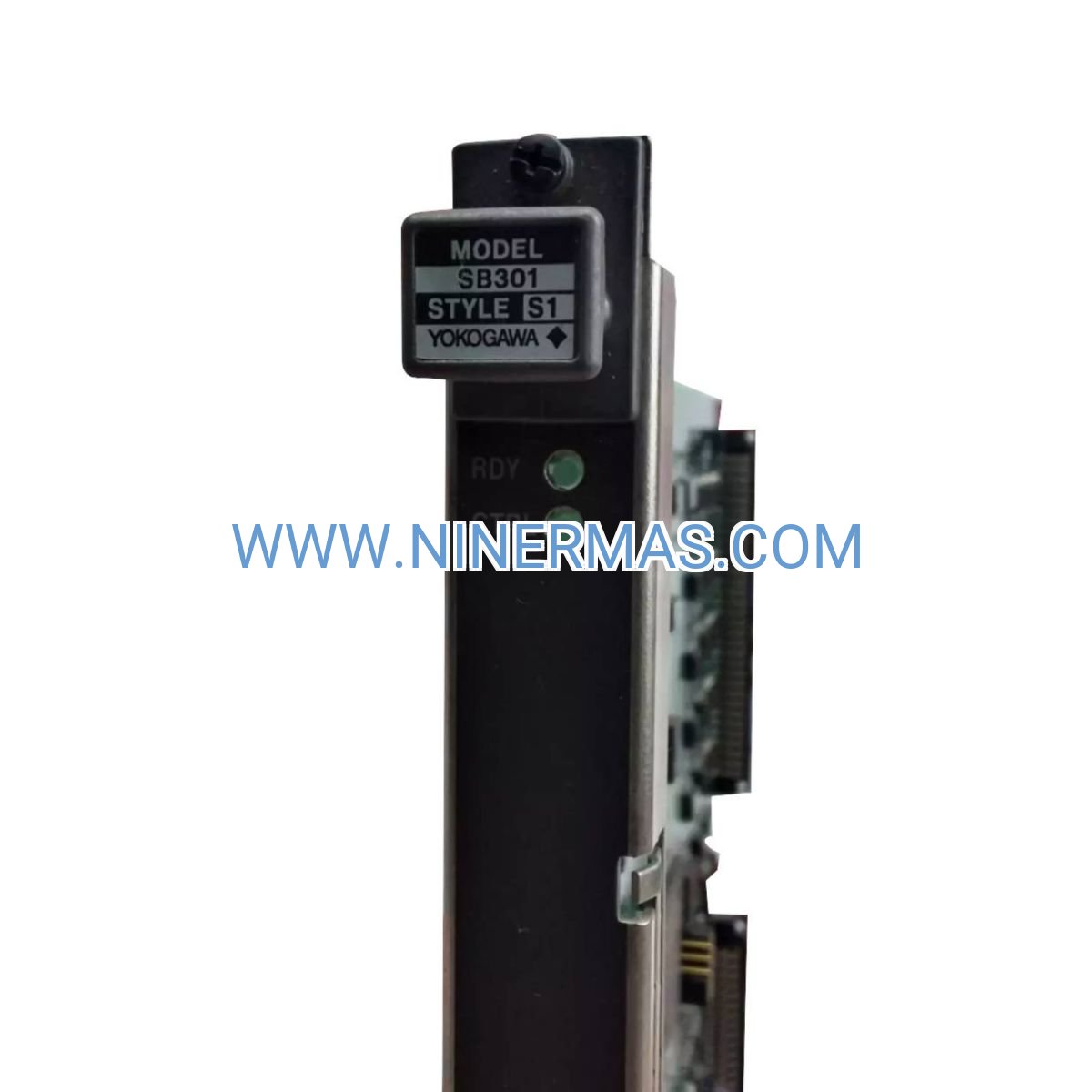
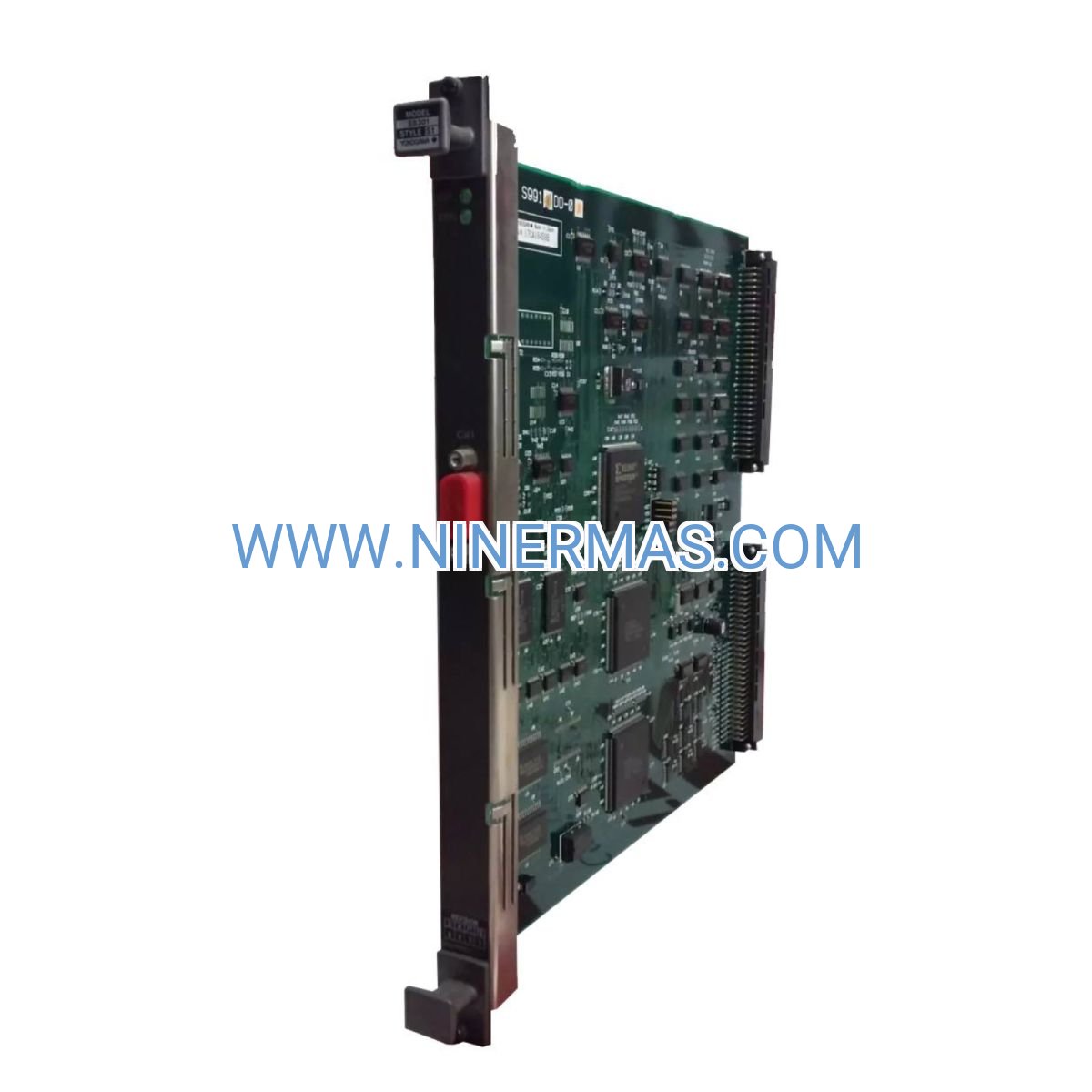
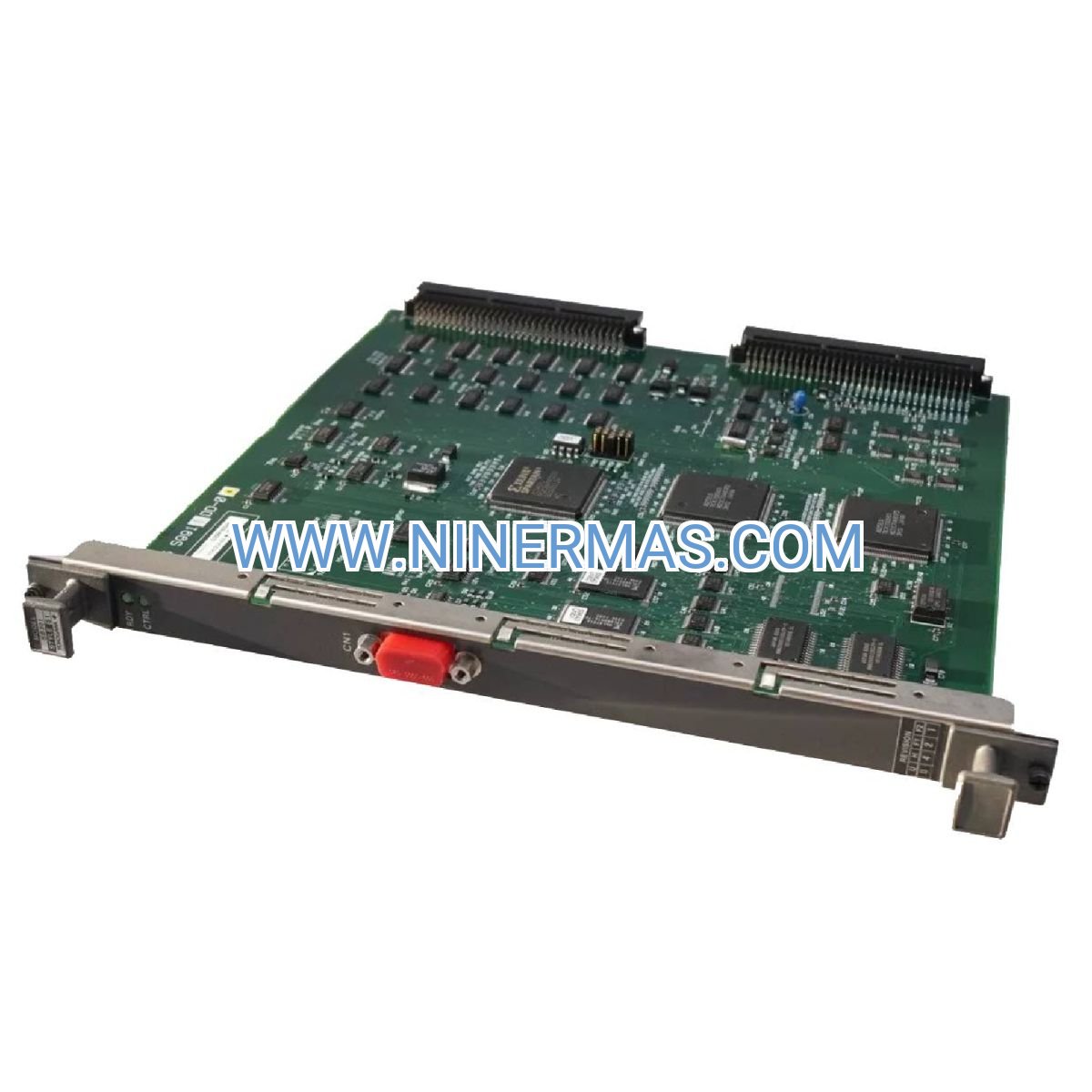
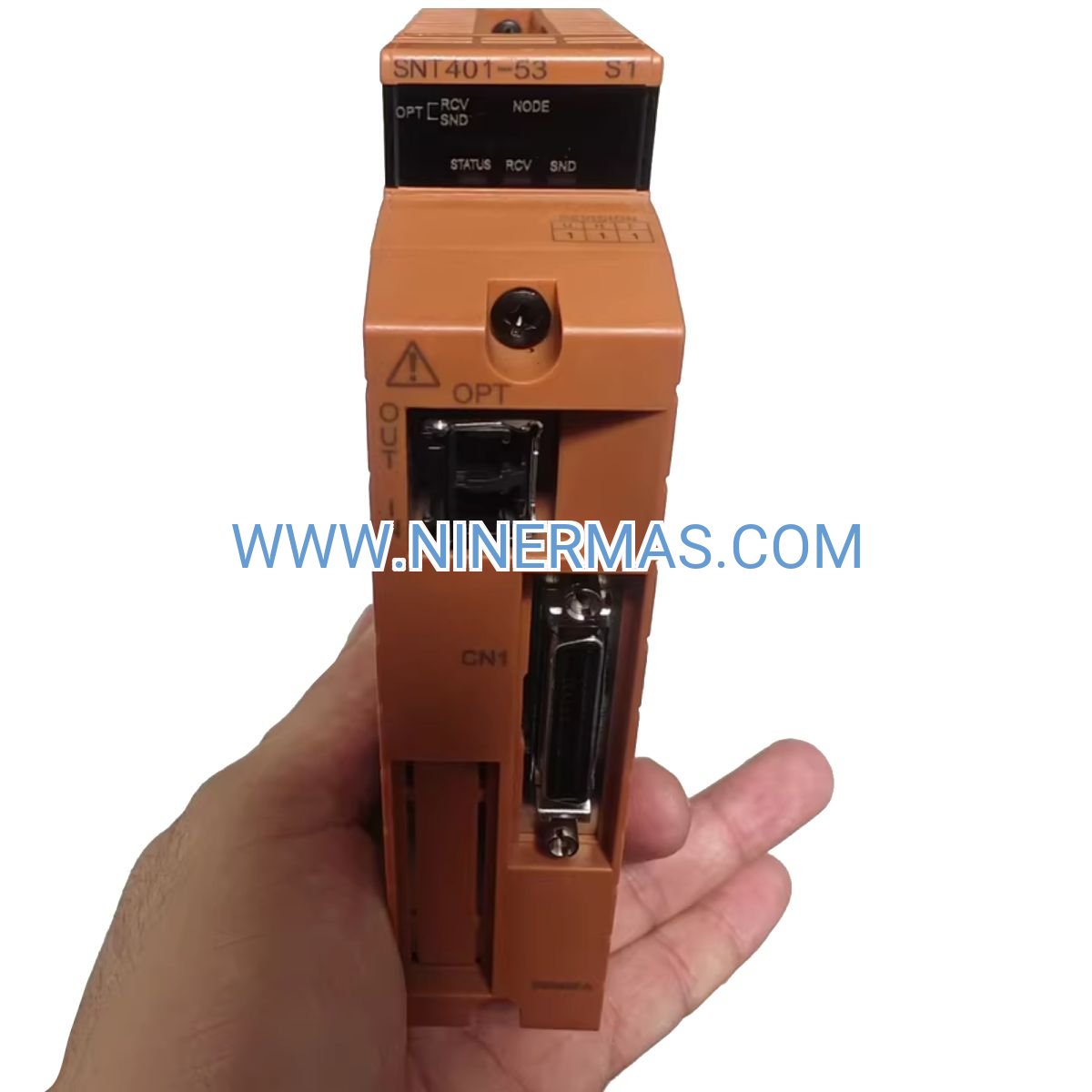
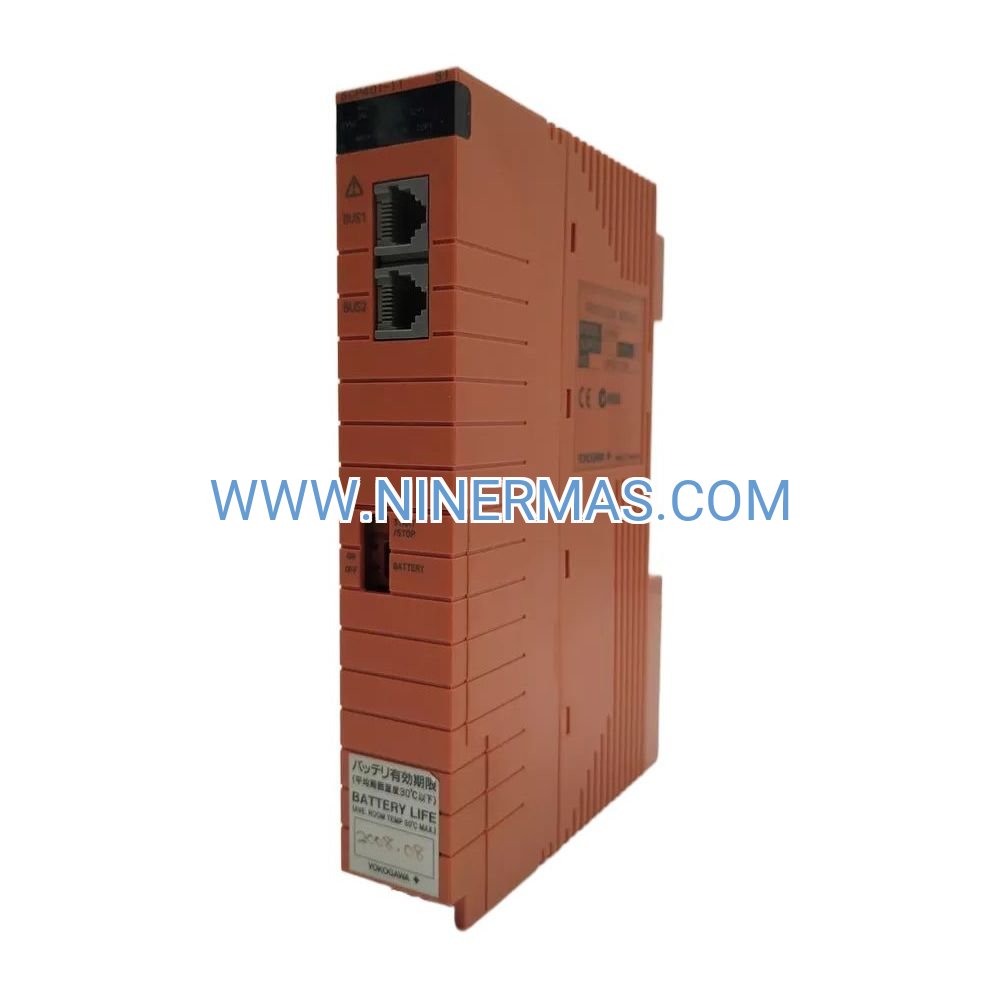
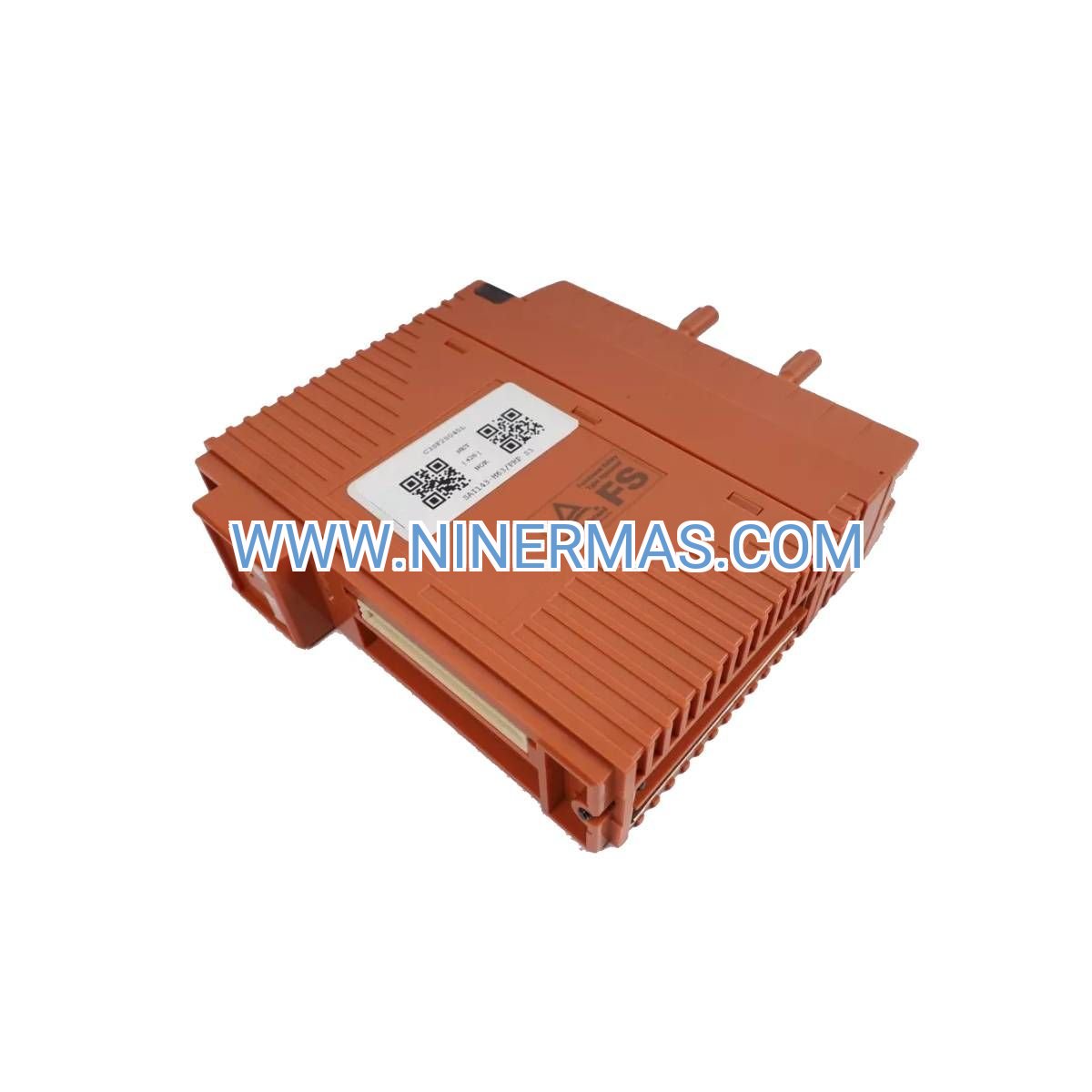
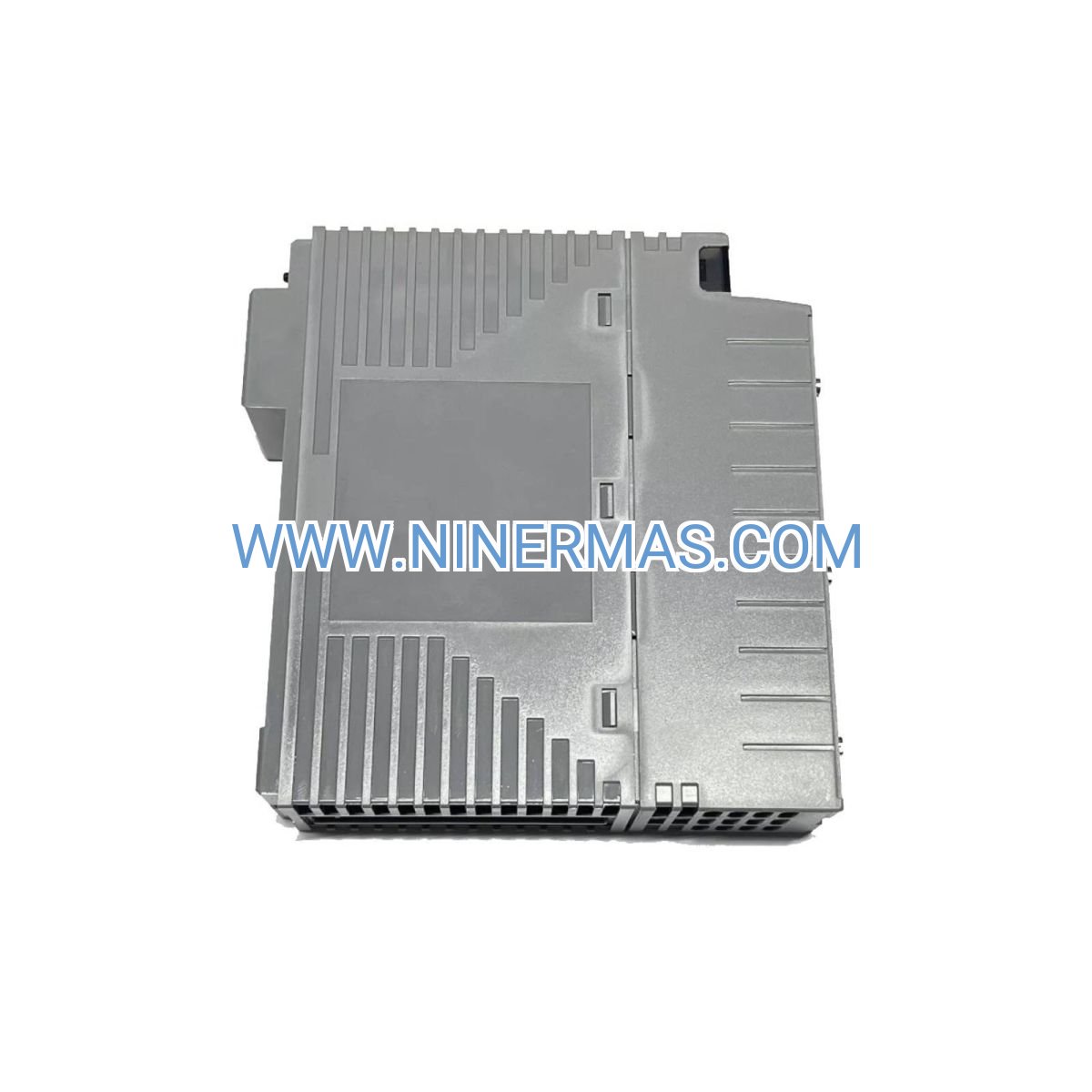
SB301 ESB Bus Interface Card (Industrial-Grade Communication Module)
The SB301 represents Yokogawa's proven solution for establishing robust ESB (Enhanced System Bus) connectivity within CENTUM distributed control architectures. This interface card serves as the critical communication bridge between field control stations, operator workstations, and engineering terminals across process automation installations. Designed for continuous operation in demanding industrial environments, the SB301 ensures deterministic data transfer with built-in redundancy safeguards that eliminate single points of failure.
Process industries requiring 24/7 uptime—including petrochemical refineries, pharmaceutical manufacturing, and power generation facilities—depend on the SB301 to maintain uninterrupted control system communication. The module integrates seamlessly into both legacy CENTUM CS 3000 platforms and modern CENTUM VP configurations, protecting infrastructure investments while enabling gradual system modernization.
Key differentiators include hot-swappable design for zero-downtime maintenance, auto-negotiating bus speed optimization, and comprehensive diagnostic capabilities through front-panel LED indicators. The SB301 delivers enterprise-grade reliability with MTBF exceeding 100,000 hours under continuous industrial operation.
Core Capabilities & Business Value
→ Dual-Redundant Architecture
Simultaneous operation across primary and backup ESB channels ensures continuous communication even during card failures or scheduled maintenance. Automatic failover occurs within milliseconds, preventing process disruptions and maintaining regulatory compliance in safety-critical applications.
✓ High-Throughput Data Exchange
Supports up to 1,000+ I/O points per card at 10 Mbps ESB protocol speeds, enabling real-time synchronization of process variables, alarm states, and control outputs across distributed nodes. Reduces communication latency by 40% compared to legacy bus interfaces.
✓ Hot-Swap Serviceability
Field-replaceable design allows technicians to install or remove cards without powering down control systems. Minimizes planned maintenance windows and eliminates production losses associated with communication infrastructure upgrades.
→ Protocol Conversion Intelligence
Internal logic handles seamless translation between ESB bus standards and processor-level communication protocols. Eliminates need for external gateways, reducing system complexity and potential failure points.
✓ Visual Diagnostic Feedback
Front-panel LEDs provide instant status indication for bus activity, transmission errors, and redundancy health. Accelerates troubleshooting during commissioning and reduces mean time to repair (MTTR) by 30%.
→ Backward Compatibility Assurance
Maintains full interoperability with CENTUM CS 3000 R3 through CENTUM VP R6 releases, protecting existing automation investments while supporting phased migration strategies.
Industry Application Scenarios
Oil & Gas Refining Operations
In hydrocarbon processing facilities, the SB301 connects distributed control units managing distillation columns, catalytic crackers, and blending systems. Redundant communication paths ensure continuous monitoring of critical safety parameters like pressure relief systems and emergency shutdown logic, meeting API and IEC 61511 functional safety requirements.
Chemical Manufacturing Plants
Batch and continuous chemical processes utilize the SB301 to synchronize recipe management, material tracking, and quality control data across multiple production lines. The card's deterministic communication guarantees precise timing for sequential operations like reactor charging, temperature ramping, and product transfer sequences.
Pharmaceutical Production Facilities
GMP-regulated pharmaceutical manufacturing depends on the SB301 for audit-trail communication between batch controllers, clean room monitoring systems, and electronic batch record servers. The interface supports 21 CFR Part 11 compliance through timestamped data logging and secure communication protocols.
Power Generation Stations
Thermal and combined-cycle power plants deploy the SB301 to coordinate boiler controls, turbine governors, and emissions monitoring systems. Redundant bus architecture ensures grid stability by maintaining continuous communication during equipment maintenance or component failures.
Pulp & Paper Mills
Integrated pulp and paper operations use the SB301 to network digester controls, stock preparation systems, and paper machine drives. High-speed data exchange enables advanced process optimization strategies that improve fiber yield and reduce energy consumption per ton of production.
Technical Specifications & Selection Criteria
| Parameter | Specification |
|---|---|
| Communication Protocol | ESB (Enhanced System Bus) |
| Bus Speed | 10 Mbps maximum throughput |
| I/O Capacity | 1,000+ points per interface card |
| Redundancy Support | Dual-channel with automatic failover |
| Failover Time | <50 milliseconds |
| Operating Temperature | -10°C to +55°C (-14°F to +131°F) |
| Storage Temperature | -25°C to +70°C (-13°F to +158°F) |
| Humidity Range | 5% to 95% RH (non-condensing) |
| MTBF Rating | >100,000 hours |
| Power Consumption | 8W typical, 12W maximum |
| Dimensions (H×W×D) | 233mm × 30mm × 200mm |
| Weight | 0.4 kg (0.88 lbs) |
| Certifications | CE, UL508, CSA C22.2, RCM |
| Compatible Platforms | CENTUM CS 3000 R3+, CENTUM VP R4-R6 |
Selection Guidelines: Choose the SB301 when upgrading existing CENTUM CS 3000 systems or expanding CENTUM VP node counts. For new installations requiring V-net/IP connectivity, consider the VF311 module. Systems with more than 1,500 I/O points per node should evaluate the SB401-53 for enhanced throughput capacity. Verify compatibility with your specific CENTUM software revision before ordering.
Advanced Integration Features
Multi-Drop Network Topology
Supports up to 32 nodes on a single ESB segment, enabling cost-effective expansion of distributed control architectures without additional network infrastructure. Automatic address assignment simplifies commissioning and reduces configuration errors.
Remote Diagnostics Capability
Integrates with Yokogawa's Plant Resource Manager (PRM) software for centralized health monitoring, predictive maintenance alerts, and firmware version tracking across all installed SB301 cards. SNMP trap generation enables integration with third-party network management systems.
Cybersecurity Hardening
Implements MAC address filtering and bus arbitration controls to prevent unauthorized device attachment. Firmware includes protection against bus flooding attacks and supports secure boot verification to maintain system integrity.
Delivery Timeline & Support Services
Standard Delivery: 3-5 business days for in-stock units via express courier (DHL/FedEx). Expedited same-day shipping available for critical outage situations.
Custom Configuration: Pre-programmed cards with specific node addresses and firmware versions ship within 7-10 business days. Includes factory testing documentation and configuration backup files.
Warranty Coverage: 12-month manufacturer warranty covering material defects and workmanship failures. Extended 36-month warranty plans available for mission-critical installations.
Technical Support: Lifetime access to application engineering team for integration assistance, troubleshooting guidance, and compatibility verification. Phone and email support available during business hours (GMT+8), with emergency hotline for 24/7 critical issues.
Documentation Package: Each SB301 ships with installation manual, wiring diagrams, ESB bus configuration guide, and compatibility matrix. Digital downloads include AutoCAD panel layout drawings and CENTUM configuration templates.
Frequently Asked Questions
How does the SB301 interface with existing CENTUM field control units?
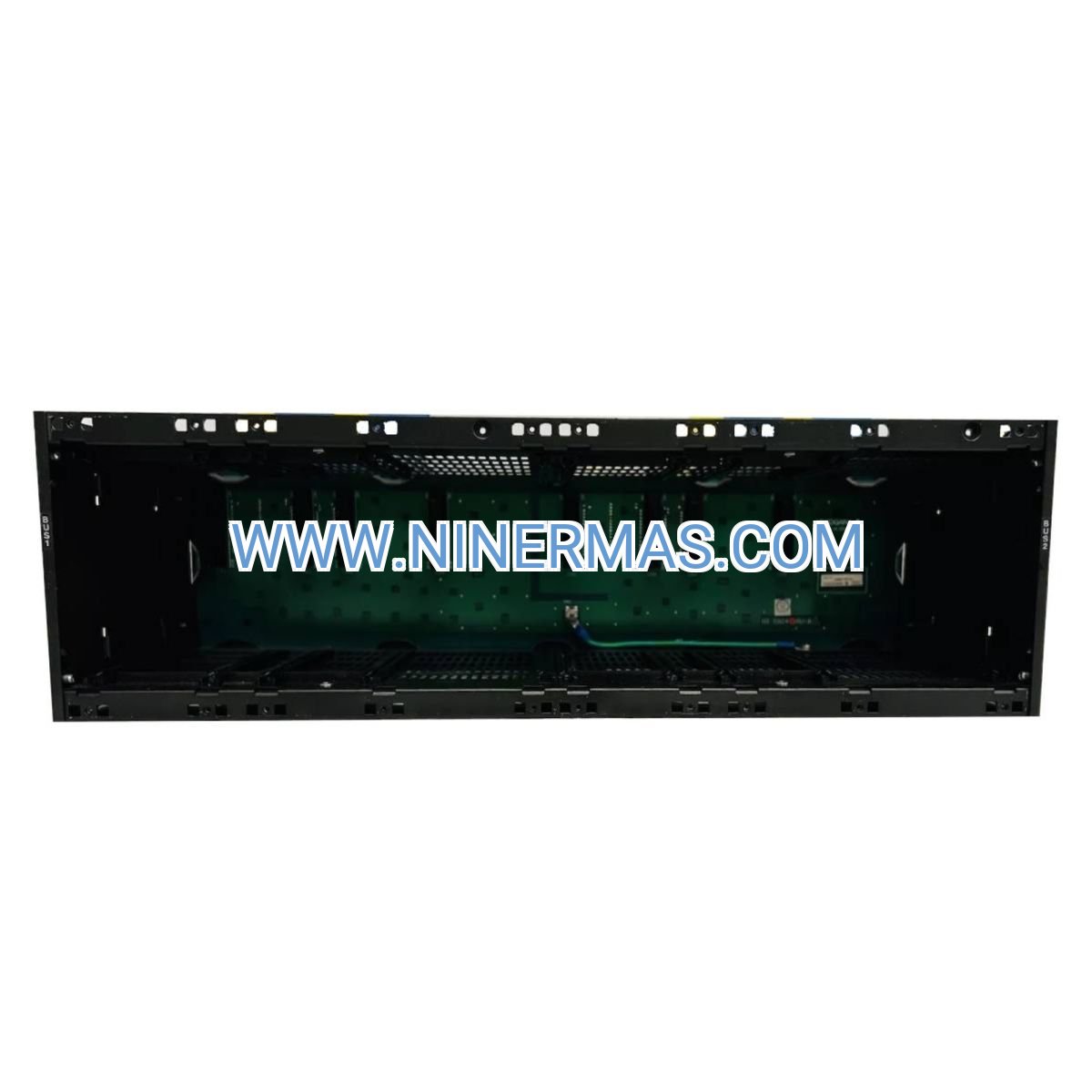
The SB301 installs directly into the FCS (Field Control Station) card cage and connects to the ESB backplane. No external cabling is required between the card and the FCS processor. Simply insert the card into an available slot, secure the retention clips, and the system auto-detects the new interface during the next boot cycle.
What is the maximum cable distance supported between ESB nodes?
ESB bus segments support up to 500 meters (1,640 feet) between nodes using standard shielded twisted-pair cable. For longer distances, deploy ESB repeaters at 500-meter intervals to maintain signal integrity. Total network span can reach 2 kilometers with proper repeater placement.
Can the SB301 reduce energy costs in my control system?
The SB301's low 8W typical power consumption reduces electrical operating costs by approximately 35% compared to legacy bus interface cards. In a 50-node CENTUM system, this translates to annual energy savings of $400-600 depending on local electricity rates. Additionally, improved communication efficiency enables tighter process control, reducing raw material waste and energy consumption in the production process itself.
What are the installation requirements for hot-swap replacement?
Hot-swap capability requires CENTUM software R5.0 or later with redundant FCS configuration. Before removing a card, verify the backup channel shows "Active" status on the operator display. Extract the card using the front-panel ejector levers, then insert the replacement card within 60 seconds to maintain seamless failover. The system automatically synchronizes the new card without manual intervention.
Does the SB301 support remote monitoring and predictive maintenance?
Yes, when connected to Yokogawa PRM (Plant Resource Manager) software, the SB301 reports real-time health metrics including bus utilization percentage, error frame counts, and temperature readings. The system generates predictive alerts when communication quality degrades below configurable thresholds, typically 30-60 days before failures occur.
How do I verify compatibility with my specific CENTUM version?
Check your CENTUM system software revision in the Engineering Workstation under System Configuration → Version Information. The SB301 requires minimum CENTUM CS 3000 R3.08 or CENTUM VP R4.01. For older revisions, contact our technical team for firmware compatibility assessment and potential upgrade paths.
Request Technical Consultation
Our automation specialists provide complimentary system integration assessments to ensure optimal SB301 deployment in your CENTUM infrastructure. Contact us with your current system configuration, expansion requirements, and timeline to receive customized recommendations and budget quotations within 24 hours.
© 2026 NINERMAS COMPANY LIMITED. All rights reserved.
Original Source: https://ninermas.com
Contact: sale@ninermas.com | +0086 187 5021 5667
Related products


Contact Info
-
Address:22 / F, South Wo Hang building, 148 Wing Lok Street, Sheung Wan, Western District, Hong Kong
-
Phone:+8618750215667
-
Email: