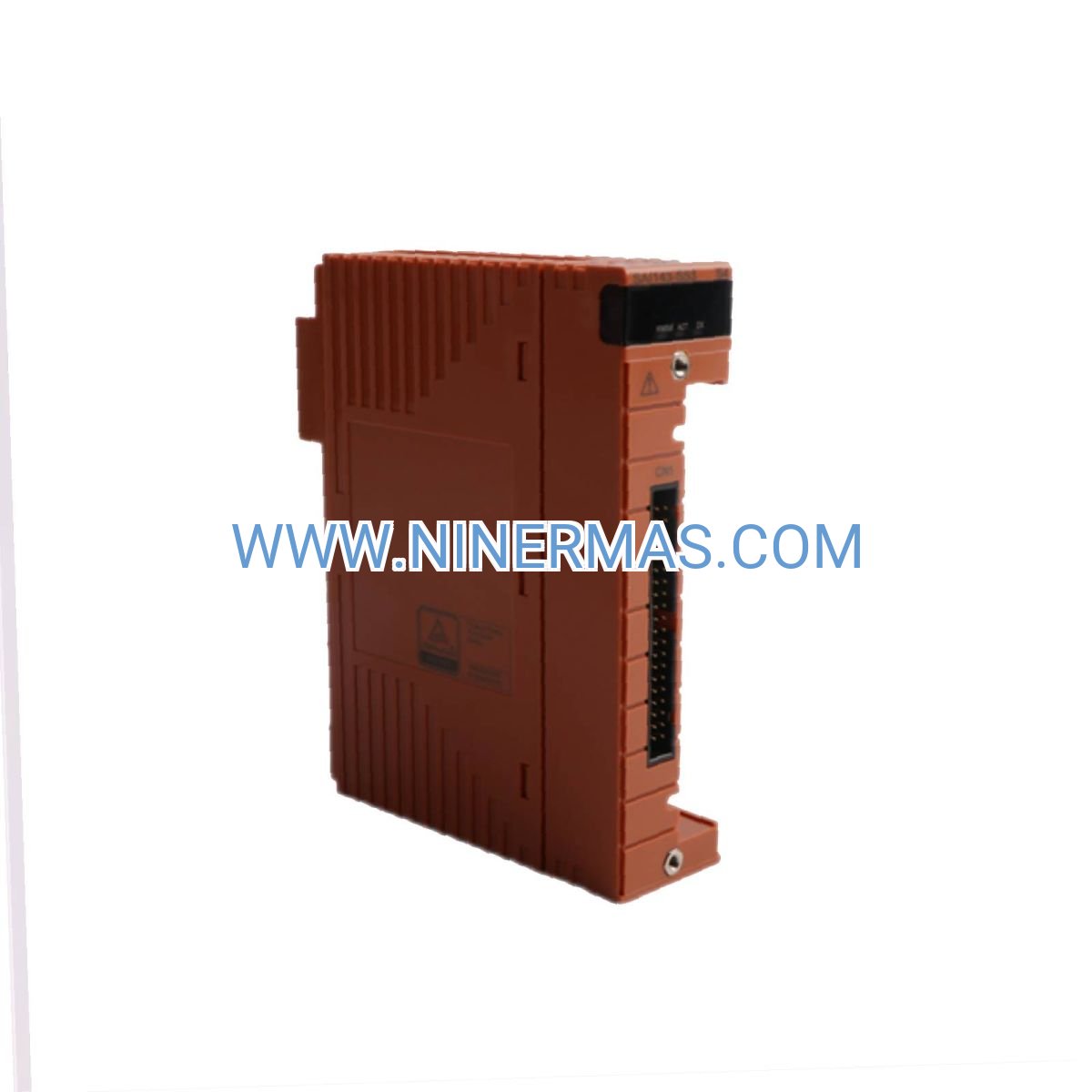
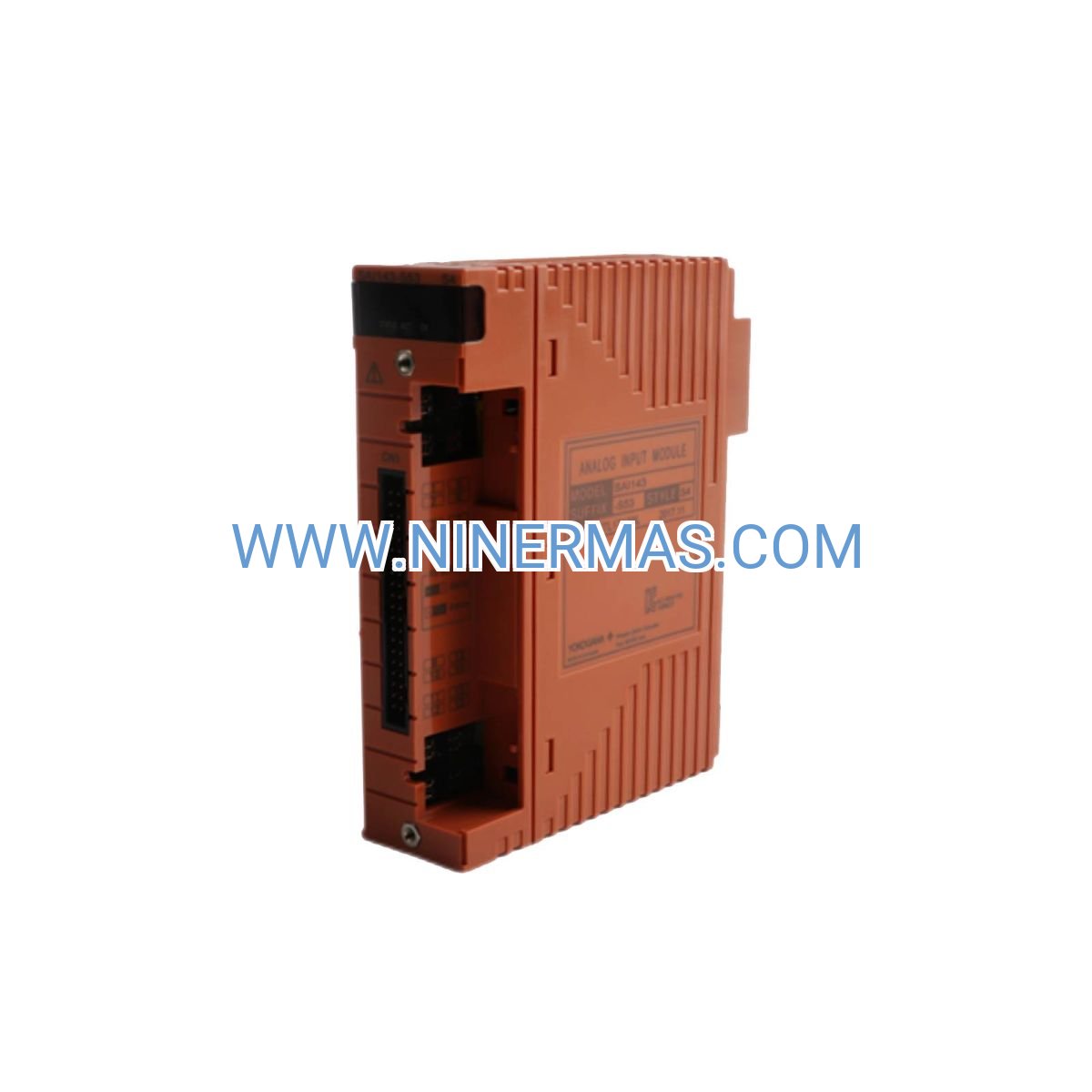
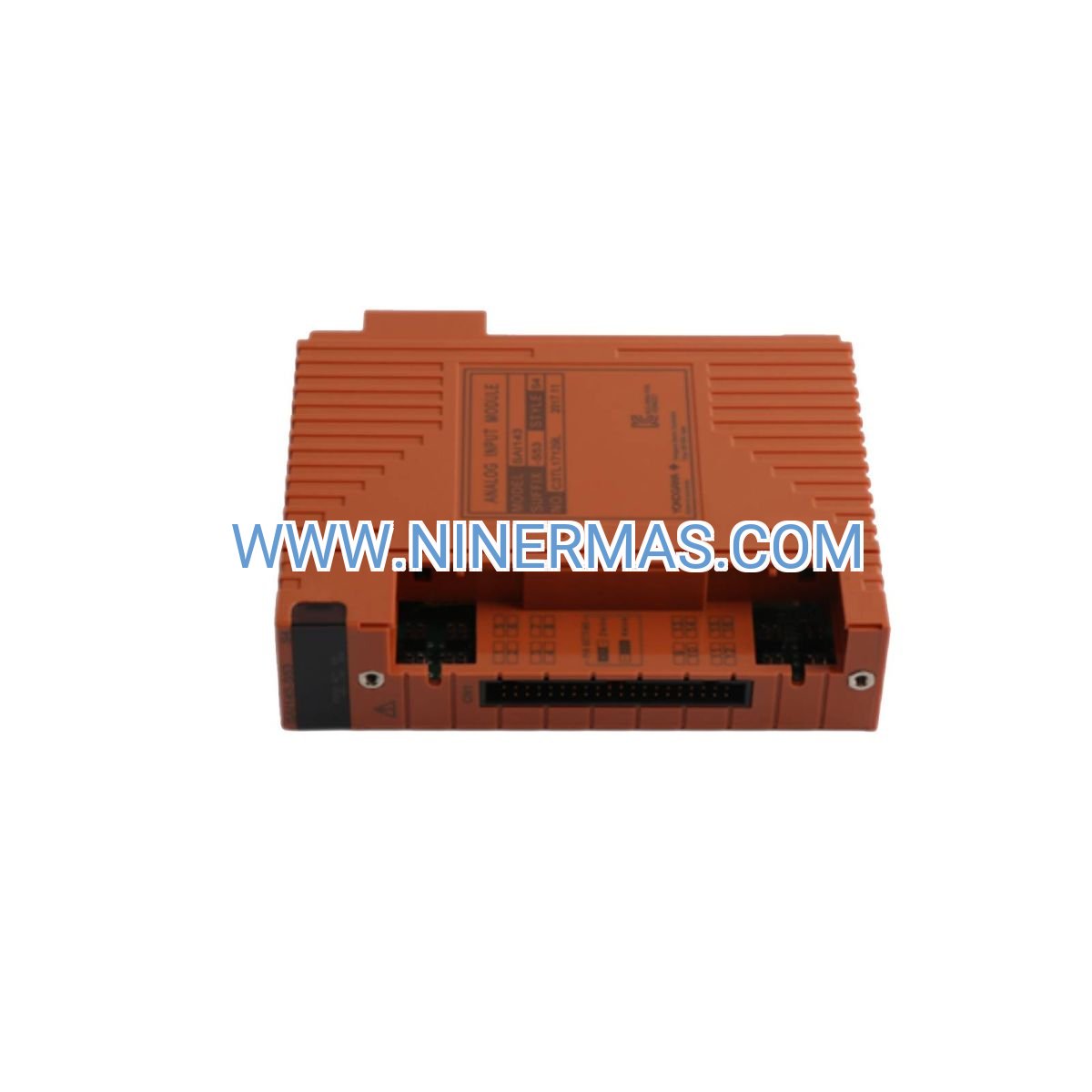
Yokogawa SAI143-H53 Intrinsically Safe Barrier | 4-20mA Isolator for Hazardous Areas | ATEX/IECEx
Description
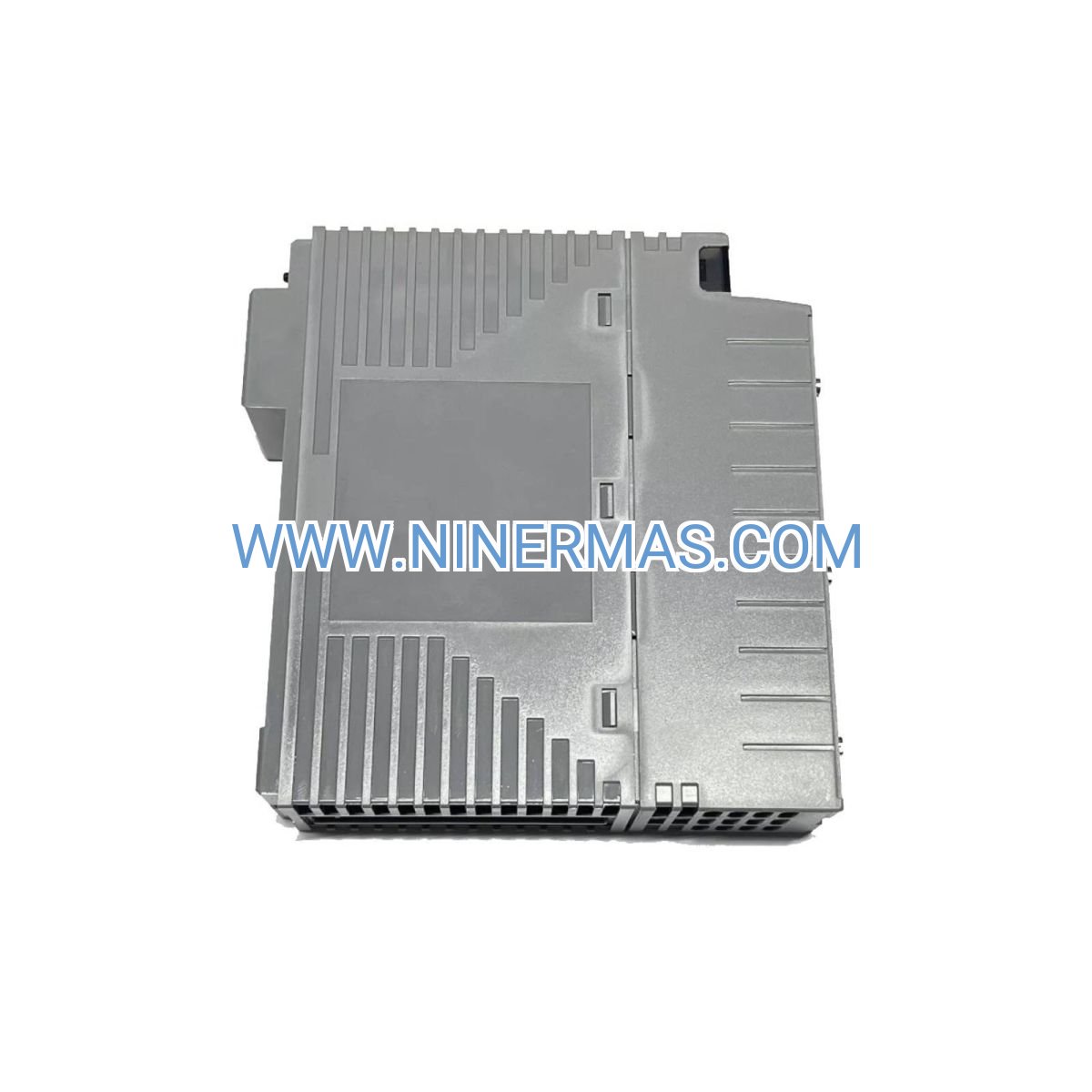
Yokogawa SAI143-H53 Intrinsically Safe Barrier (Industrial-Grade Explosion Protection System)
The Yokogawa SAI143-H53 is an intrinsically safe barrier designed for 4-20mA signal isolation and conditioning in hazardous environments. Through galvanic isolation technology and energy-limiting circuits, it ensures safe signal transmission between field instruments in explosive atmospheres (Zone 0/1/2) and control systems in safe areas, preventing ignition sources while maintaining signal integrity.
Ideal for oil & gas facilities, chemical plants, pharmaceutical manufacturing, offshore platforms, and refineries, this barrier addresses critical challenges including explosion risk mitigation, ground loop elimination, signal interference reduction, and compliance with international safety standards.
Featuring ATEX/IECEx certification, 2.5kV isolation voltage, DIN rail mounting, and field-proven reliability, the SAI143-H53 is suitable for design engineers, EPC contractors, system integrators, and plant maintenance teams. Contact our application engineers for customized safety solutions and technical specifications.
Core Features & Advantages
Intrinsic Safety Certification
ATEX and IECEx certified for use in Zone 0, Zone 1, and Zone 2 hazardous areas, complying with international explosion protection standards. Ensures safe operation in environments with flammable gases, vapors, or combustible dust.
High-Performance Galvanic Isolation
2.5kV isolation voltage effectively breaks ground loops, eliminates common-mode interference, and protects downstream control systems from field-side electrical faults and surges.
Precision 4-20mA Signal Conditioning
Maintains signal accuracy during transmission with low drift and high linearity, ensuring reliable process measurements for temperature, pressure, flow, and level transmitters in critical applications.
Compact DIN Rail Design
Space-saving 12.5mm or 22.5mm width housing with standard DIN rail mounting, simplifying installation in crowded control panels and reducing wiring complexity.
Comprehensive Protection Functions
Built-in short-circuit protection, overload protection, and reverse polarity protection minimize downtime and maintenance costs, extending equipment service life in harsh industrial environments.
Wide Compatibility & Integration
Compatible with major DCS/PLC systems (Yokogawa, Honeywell, Siemens, ABB, Emerson) and supports standard 4-20mA HART protocol for seamless integration into existing automation architectures.
Typical Application Scenarios
This product is designed for applications requiring intrinsic safety, signal integrity, and regulatory compliance in explosive atmospheres, particularly in:
Oil & Gas Upstream/Downstream Operations
Protects signal transmission from wellhead pressure transmitters, flow meters, and level sensors in drilling rigs, production platforms, and storage terminals where flammable hydrocarbons are present.
Chemical & Petrochemical Processing
Ensures safe monitoring of reactors, distillation columns, and storage tanks handling volatile organic compounds (VOCs), solvents, and corrosive chemicals in Zone 1/2 classified areas.
Pharmaceutical & Fine Chemical Manufacturing
Meets stringent safety and validation requirements for process control in solvent recovery systems, fermentation reactors, and cleanroom environments with explosive dust or vapor risks.
Offshore Platforms & Marine Applications
Withstands harsh marine environments while providing reliable signal isolation for subsea instrumentation, FPSO systems, and offshore drilling equipment in classified hazardous zones.
Refinery & Pipeline Infrastructure
Supports continuous monitoring of crude oil processing, catalytic cracking units, and long-distance pipeline networks, reducing explosion hazards and ensuring operational safety.
Technical Parameters & Selection Guide
To facilitate engineering design and product selection, we provide standardized specifications for input/output signals, power supply, isolation performance, environmental ratings, and mounting options. Custom configurations are available based on project-specific requirements.
Key Specifications:
- Input Signal: 4-20mA DC from intrinsically safe field devices
- Output Signal: 4-20mA DC to safe area control systems
- Isolation Voltage: 2.5kV AC (1 minute test voltage)
- Power Supply: 24V DC nominal (typical range: 19.2-30V DC)
- Accuracy: ±0.1% of span (typical)
- Response Time: <100ms
- Operating Temperature: -40°C to +60°C
- Protection Rating: IP20 (standard enclosure)
- Mounting: 35mm DIN rail (EN 50022)
- Certifications: ATEX, IECEx, FM, CSA (model-dependent)
- Dimensions: Approx. 99mm (H) × 22.5mm (W) × 114mm (D)
Selection Recommendations:
When selecting a safety barrier, consider: hazardous area classification (Zone 0/1/2, Div 1/2), gas group (IIA/IIB/IIC), field device power requirements, loop resistance, ambient temperature range, and certification requirements for your region. For assistance, please provide application details including field instrument specifications, loop diagram, and site classification documentation. Our engineers will recommend the optimal model and configuration.
Extended Functionality
HART Protocol Transparency
Supports HART communication pass-through, enabling remote configuration and diagnostics of smart field transmitters without compromising intrinsic safety barriers.
Redundant Power Supply Options
Available with dual power input configurations for critical applications requiring high availability and fault tolerance in safety instrumented systems (SIS).
Modular System Integration
Can be integrated with Yokogawa's marshalling systems and remote I/O solutions for large-scale distributed control architectures in mega-projects.
Delivery, Service & Quality Assurance
Lead Time: Standard models typically ship within 2-4 weeks; custom-configured units require 4-8 weeks depending on certification and testing requirements.
Warranty: Minimum 2-year manufacturer warranty covering defects in materials and workmanship under normal operating conditions.
Technical Support: Remote commissioning assistance, on-site installation guidance (region-dependent), and 24/7 technical hotline for troubleshooting and application engineering.
Documentation Package: Complete electrical schematics, wiring diagrams, ATEX/IECEx certificates, installation manuals, and maintenance guidelines provided with each unit to ensure compliance and ease of integration.
Quality Certifications: Manufactured under ISO 9001 quality management system with full traceability and factory acceptance testing (FAT) reports available upon request.
Frequently Asked Questions (FAQ)
Q: How does the SAI143-H53 intrinsically safe barrier integrate with existing DCS/PLC systems?
A: The barrier provides standard 4-20mA output compatible with universal analog input cards. Simply connect the output terminals to your DCS/PLC AI module, configure the input range (4-20mA), and verify loop calibration. HART-enabled models allow digital communication pass-through for advanced diagnostics.
Q: What is the maximum number of barriers I can install in a single control panel?
A: The compact 22.5mm width allows high-density mounting—up to 44 units per meter of DIN rail. Actual capacity depends on panel heat dissipation, power supply capacity, and wiring accessibility. Consult thermal management guidelines for densely populated installations.
Q: What level of energy savings or operational efficiency can be achieved?
A: While safety barriers don't directly reduce energy consumption, they prevent costly unplanned shutdowns due to electrical faults, ground loops, or signal failures—improving overall plant uptime by 15-25% in typical installations. Reduced maintenance interventions also lower operational costs.
Q: What are the environmental requirements for installation? What is the IP rating?
A: Standard units are IP20-rated for indoor control room environments with controlled temperature (-40°C to +60°C) and humidity. For harsh outdoor or corrosive environments, specify IP65/IP67 enclosures or use appropriate junction boxes with environmental sealing.
Q: Can the barrier support remote monitoring and data acquisition? Which protocols are supported?
A: HART-transparent models enable remote configuration and diagnostics via HART communicators or asset management software. For advanced protocols (Modbus, Profibus, Foundation Fieldbus), consider Yokogawa's smart marshalling systems with integrated protocol conversion.
Q: Is the SAI143-H53 suitable for SIL-rated safety instrumented systems?
A: While the SAI143-H53 provides intrinsic safety, SIL certification depends on the complete safety loop design. Consult Yokogawa's SIL-certified barrier models (e.g., SAI series with SIL 2/3 certification) and perform a full safety integrity assessment per IEC 61508/61511 standards.
Request a Custom Solution
To receive detailed application engineering support, pricing quotations, or technical specifications, please provide the following information: project name, application description, hazardous area classification, field instrument details (make/model/power requirements), signal type and range, quantity required, delivery timeline, and certification requirements. Our application engineers will provide one-on-one consultation and tailored recommendations within 24-48 hours.
© 2026 NINERMAS COMPANY LIMITED. All rights reserved.
Original Source: https://ninermas.com
Contact: sale@ninermas.com | +0086 187 5021 5667
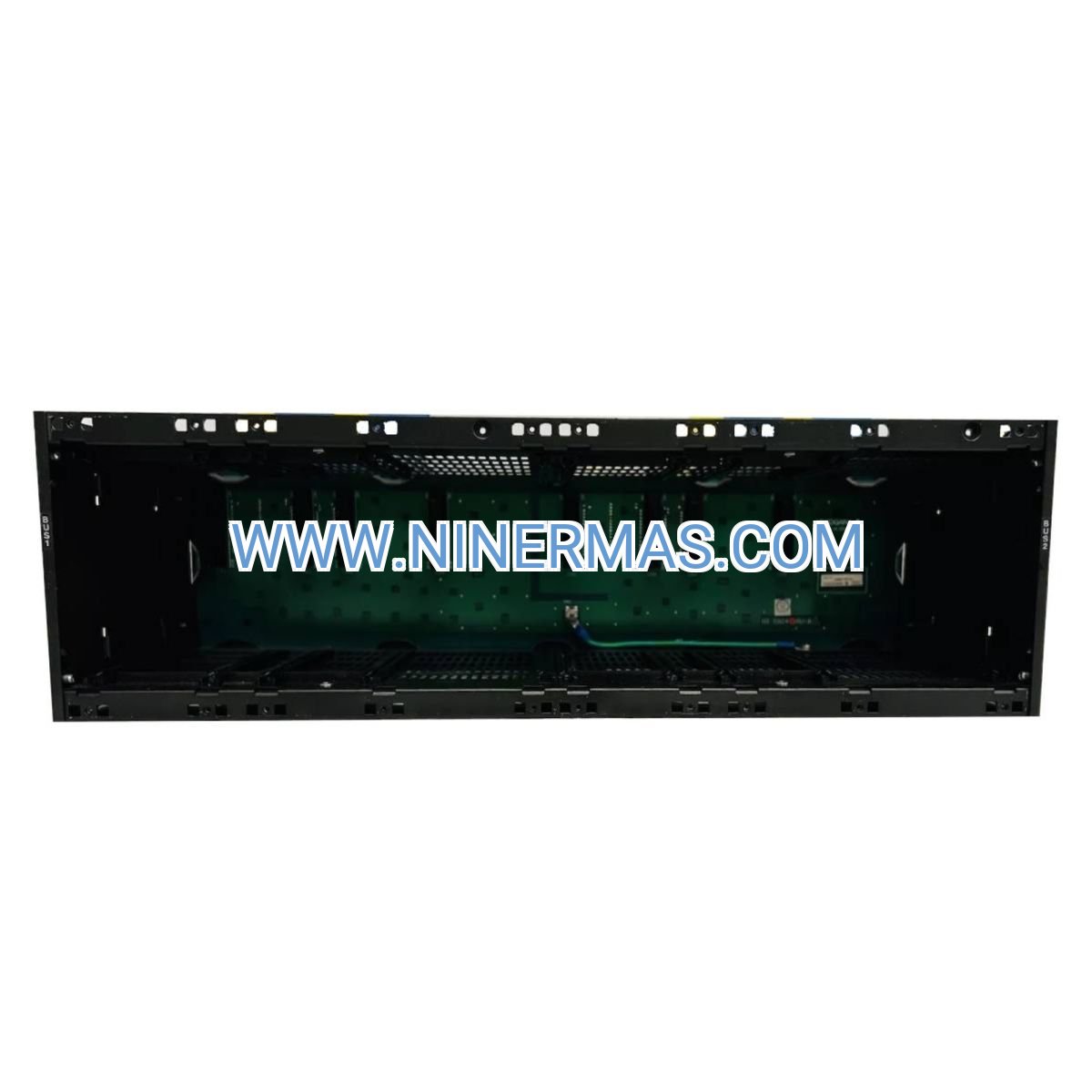
Related products

Contact Info
-
Address:22 / F, South Wo Hang building, 148 Wing Lok Street, Sheung Wan, Western District, Hong Kong
-
Phone:+8618750215667
-
Email: