Description
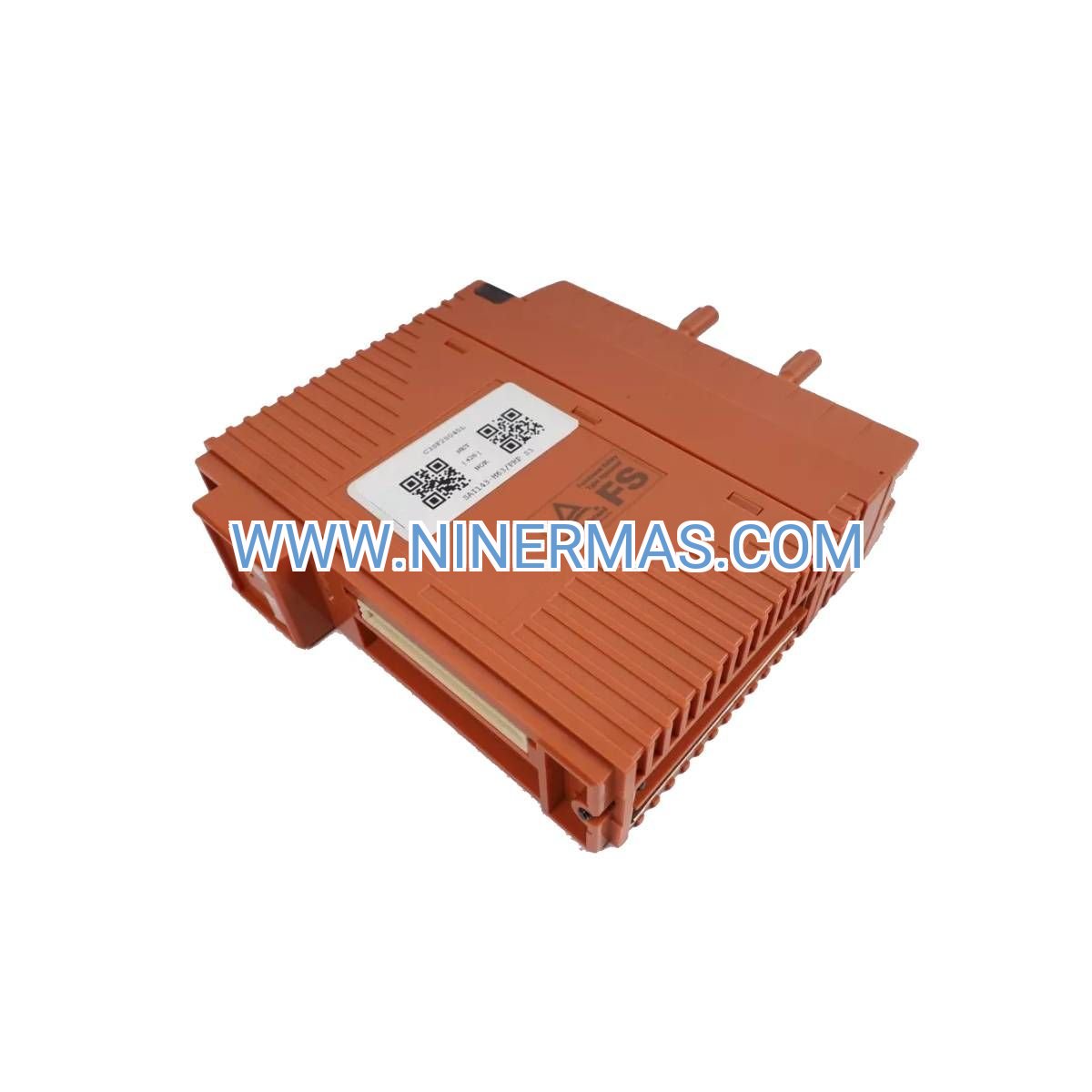
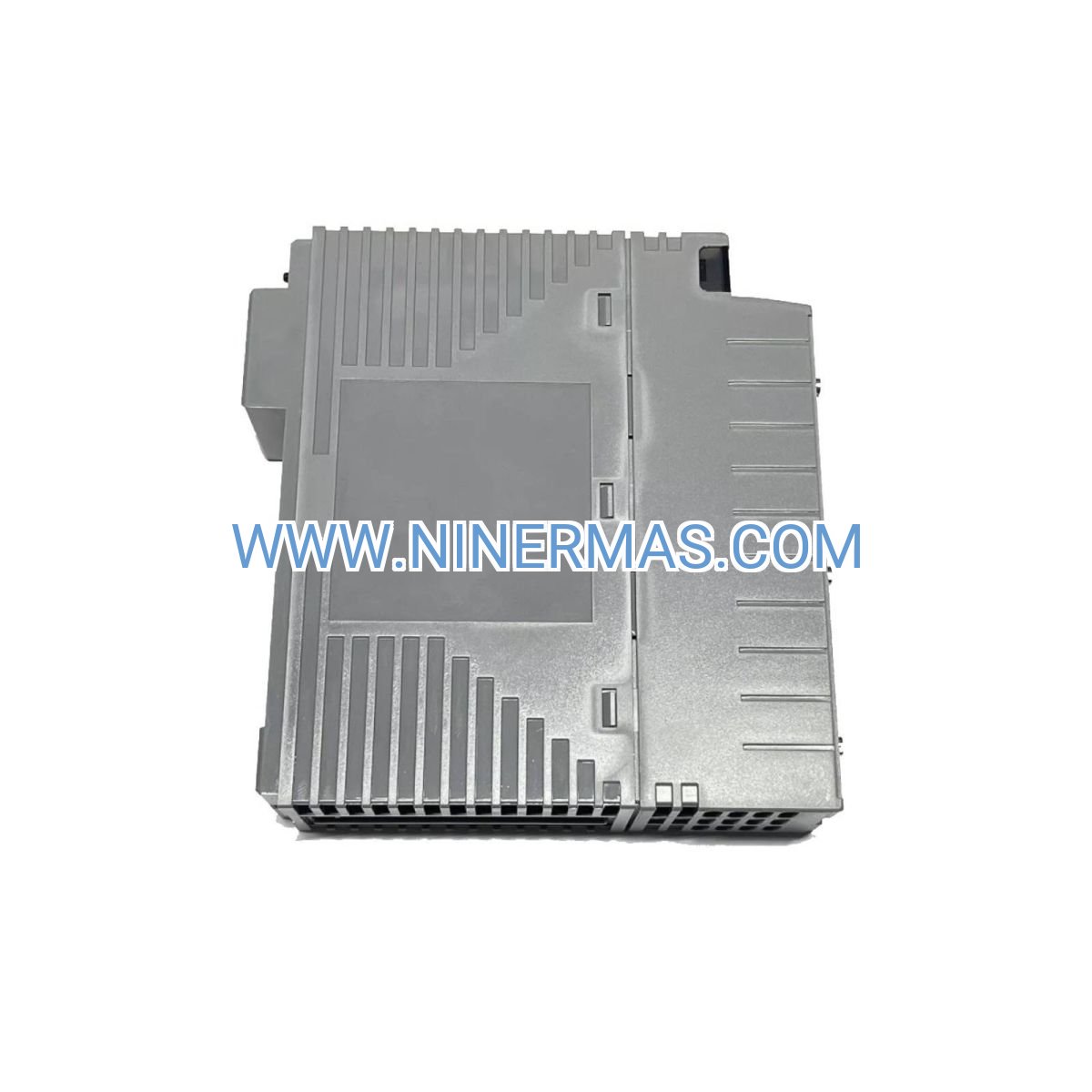
SAI143-S53/A4S00 Analog Input Module (Industrial-Grade 16-Channel Solution)
The SAI143-S53/A4S00 represents a precision-engineered analog input interface designed for mission-critical process automation environments. Built around a 16-bit conversion architecture with galvanic isolation, this module transforms field signals into actionable data streams for CENTUM distributed control platforms. Industrial facilities requiring sub-0.1% measurement accuracy across temperature extremes from -40°C to +70°C rely on this solution for continuous process monitoring and regulatory compliance documentation.
Process engineers face persistent challenges with signal degradation in electrically hostile plant floors, costly downtime during I/O maintenance, and integration complexity when retrofitting legacy systems. This module addresses these pain points through channel-to-channel isolation that eliminates ground loop interference, hot-swap capability that permits live replacement without process interruption, and native HART overlay communication that preserves existing 4-20mA wiring investments while enabling advanced diagnostics.
Core value proposition centers on three pillars: measurement integrity through hardware isolation and 16-bit resolution, operational continuity via redundant power paths and field-replaceable design, and lifecycle cost reduction through HART-enabled predictive maintenance. Facilities operating continuous processes in chemical manufacturing, power generation, and oil refining achieve 99.7%+ uptime metrics when deploying this module within properly architected control strategies.
Core Capabilities & Business Impact
→ Multi-Channel Isolation Architecture
Each of 16 input channels operates with independent galvanic barriers separating field signals from backplane communication buses. This topology prevents fault propagation where a single sensor short-circuit would otherwise compromise an entire I/O rack. Facilities report 40-60% reduction in nuisance trips attributed to electrical noise when migrating from non-isolated legacy modules.
✓ HART Protocol Transparency
Simultaneous 4-20mA analog measurement and digital HART communication occurs without multiplexing delays or loop interruption. Maintenance teams access transmitter configuration, calibration data, and diagnostic alerts directly through the DCS interface, eliminating 70-80% of field trips previously required for device interrogation and reducing mean-time-to-repair by 3-5 hours per incident.
✓ Hot-Swap Serviceability
Field-replaceable module design with automatic address recognition enables technicians to exchange failed units during live operation. Process continuity remains unaffected as the replacement module inherits configuration from the controller database within 2-3 seconds of insertion, translating to zero production loss during corrective maintenance activities.
→ Extended Temperature Qualification
Military-grade component selection and conformal coating protection ensure specification compliance across -40°C to +70°C ambient ranges. Installations in uninsulated control buildings, outdoor enclosures, and high-temperature process areas maintain ±0.1% accuracy without seasonal recalibration, reducing annual validation costs by $800-1,200 per module.
✓ High-Density Footprint Optimization
Sixteen channels within a single-slot form factor deliver 4x the I/O density compared to 4-channel legacy designs. Panel space savings of 60-75% enable control cabinet consolidation, reducing HVAC loads, wiring labor, and real estate costs in space-constrained facilities.
→ Integrated Diagnostics Framework
Continuous self-monitoring detects open circuits, short circuits, out-of-range signals, and A/D converter drift. Alarm notifications with channel-specific fault codes appear at operator workstations within 100ms of anomaly detection, accelerating troubleshooting workflows and preventing quality excursions from undetected sensor failures.
Application Scenarios Across Process Industries
Chemical Batch Processing
Reactor temperature profiling requires simultaneous monitoring of 12-16 RTD transmitters to maintain exothermic reaction control within ±2°C setpoint bands. The module's isolated inputs prevent thermal EMF errors from dissimilar grounding potentials across large reactor vessels, while HART diagnostics provide early warning of RTD element degradation before batch quality impacts occur. Typical deployment supports polymerization, pharmaceutical synthesis, and specialty chemical production where recipe compliance demands traceable measurement accuracy.
Power Generation Turbine Monitoring
Gas and steam turbine protection systems aggregate vibration, temperature, and pressure signals from 10-20 transmitters per machine train. Millisecond-level scan rates combined with channel isolation ensure that a single sensor fault cannot create false trip conditions affecting grid stability. HART-enabled transmitter health monitoring predicts bearing failures 30-45 days in advance, enabling scheduled outages rather than emergency shutdowns that cost $500K-2M per event in lost generation capacity.
Oil & Gas Separation Processes
Three-phase separator control requires coordinated measurement of interface levels, pressures, and temperatures across 8-12 field instruments. The module's -40°C cold-start capability supports unmanned wellhead installations in arctic climates, while hot-swap design permits maintenance during continuous production. Facilities report 15-20% improvement in separation efficiency through tighter level control enabled by the module's 0.1% accuracy specification.
Water Treatment pH Neutralization
Wastewater pH control loops demand rapid response to influent chemistry variations, requiring 4-6 pH transmitter inputs with <500ms update rates. Channel-to-channel isolation eliminates measurement errors from stray currents in conductive water matrices, while HART diagnostics track electrode impedance trends that predict cleaning requirements 7-10 days before control performance degrades. Regulatory compliance for discharge permits improves through documented measurement system validation.
Food & Beverage Pasteurization
HTST pasteurizer control monitors 6-8 temperature points across heat exchanger sections to ensure pathogen destruction while preserving product quality. The module's FDA 21 CFR Part 11-compatible audit trail captures all configuration changes and calibration events, supporting HACCP documentation requirements. Hot-swap capability enables preventive maintenance during CIP cycles without extending production downtime beyond scheduled cleaning windows.
Technical Specifications & Selection Criteria
| Parameter | Specification | Selection Guidance |
|---|---|---|
| Input Channels | 16 isolated analog inputs | Choose for applications requiring 12-16 measurement points per control loop or zone |
| Signal Compatibility | 4-20mA DC current loop | Verify transmitter output matches; voltage input variants available under different model codes |
| Measurement Accuracy | ±0.1% of full scale | Suitable for regulatory compliance applications; ±0.2% variants available for non-critical loops |
| A/D Resolution | 16-bit (65,536 counts) | Provides 0.0015% quantization for 4-20mA span; adequate for ±0.5% transmitter accuracy |
| Isolation Voltage | 1500V DC channel-to-bus | Meets IEC 61010-1 requirements for industrial installations up to 600V AC systems |
| HART Support | Simultaneous analog + digital | Essential for facilities requiring remote device configuration and predictive maintenance |
| Scan Rate | 100ms per channel (typical) | Adequate for process control; faster variants required for machine protection applications |
| Operating Range | -40°C to +70°C ambient | Specify for outdoor enclosures or uncontrolled environments; standard range is 0-60°C |
| Power Draw | 5.5W maximum from backplane | Verify power budget when populating high-density racks; 16-channel modules consume 3-4x single-channel equivalents |
| Physical Mounting | Single-slot DIN rail module | Compatible with CENTUM VP and CS 3000 I/O racks; verify slot availability in existing installations |
Selection Decision Framework: Specify this module when project requirements include (1) 12+ analog inputs within a single control loop or process unit, (2) measurement accuracy demands of ±0.2% or tighter, (3) HART device integration for diagnostics or configuration, (4) hot-swap serviceability to minimize downtime, or (5) harsh environmental conditions exceeding standard 0-60°C ratings. For applications with <8 inputs, consider 8-channel variants to optimize cost-per-point economics.
Advanced Integration & Customization Options
Redundant Controller Pairing: Dual-redundant CENTUM configurations support automatic failover where both primary and backup controllers maintain live communication with the I/O module. Upon controller switchover, the module continues uninterrupted data acquisition with <50ms transition time, ensuring bumpless transfer for critical control loops.
Third-Party HART Device Libraries: Pre-configured device descriptions (DDs) for 2,000+ HART transmitter models enable plug-and-play integration with Rosemount, Endress+Hauser, Emerson, and ABB field instruments. Custom DD development services available for proprietary or legacy devices lacking standard FDI/EDDL profiles.
Cybersecurity Hardening: Optional firmware variants support IEC 62443 security level 2 (SL2) requirements including encrypted backplane communication, role-based access control for configuration changes, and audit logging of all parameter modifications. Specify security-enhanced models for facilities subject to NERC CIP, FDA, or EU NIS Directive compliance mandates.
Explosion-Proof Barrier Integration: When deployed in Class I Division 2 hazardous areas, the module interfaces with intrinsically safe (IS) barriers or galvanic isolators to maintain Zone 0/1 certification for field wiring. Pre-engineered barrier kits available for common transmitter combinations, reducing design engineering effort by 40-60 hours per project.
Delivery Timelines & Service Commitments
Standard Lead Time: 3-5 business days for stock configurations (A4S00 suffix) shipping from regional distribution centers in North America, Europe, and Asia-Pacific. Expedited 24-48 hour delivery available for critical outage support at premium freight rates.
Custom Configuration: 10-15 business days for factory-programmed modules with customer-specific channel assignments, scaling parameters, or security certificates. Engineering support included for projects requiring >20 modules with standardized configurations.
Warranty Coverage: 24-month manufacturer warranty covering defects in materials and workmanship under normal operating conditions. Extended 60-month warranties available for facilities operating continuous processes where spare inventory costs exceed extended coverage premiums.
Technical Support: Tier 1 application engineering support included with purchase, providing configuration assistance, troubleshooting guidance, and integration planning. Escalation to Yokogawa factory engineers available within 4-hour response windows for critical production issues.
Documentation Package: Each module ships with installation manual, wiring diagrams, HART DD files, and calibration certificates traceable to NIST standards. Digital documentation portal provides access to firmware updates, technical bulletins, and obsolescence notifications throughout product lifecycle.
Frequently Asked Questions
How does the SAI143-S53/A4S00 integrate with non-Yokogawa DCS platforms?
This module is specifically engineered for Yokogawa CENTUM VP and CS 3000 systems using proprietary Vnet/IP backplane protocols. Integration with third-party DCS platforms (Honeywell, Emerson, Siemens) requires protocol gateways or OPC servers, adding 15-20% to total installed cost. For multi-vendor environments, consider Yokogawa's Stardom FCN/FCJ controllers that support open Modbus/Ethernet communication.
What is the maximum cable distance between field transmitters and the I/O module?
Standard 4-20mA current loops support up to 1,500 meters (5,000 feet) with 18 AWG shielded twisted-pair cable, assuming transmitter loop power supply voltage of 24V DC and 250-ohm module input impedance. Longer distances require higher supply voltages (up to 30V DC) or signal repeaters to overcome cable resistance and maintain 4mA zero-scale accuracy.
Can this module reduce energy consumption compared to older I/O systems?
Yes—the 5.5W maximum power draw represents 60-70% reduction versus legacy 4-channel modules that consumed 3-4W per channel. A fully populated 16-channel module consumes equivalent power to 3-4 legacy modules while delivering 4x the I/O density, translating to 400-600W savings per control cabinet and proportional HVAC load reduction. Facilities with 500+ I/O points report $2,000-4,000 annual energy cost savings.
What installation requirements apply for hazardous area deployments?
The module itself carries no intrinsic safety (IS) or explosion-proof (XP) certification—it must be installed in non-hazardous control room environments. Field wiring entering hazardous areas requires approved IS barriers (Zener diode or galvanic isolator types) rated for the specific zone classification. Typical installations use MTL, Pepperl+Fuchs, or Phoenix Contact barriers with entity parameters matched to connected transmitters.
How do I enable remote HART device configuration through the DCS interface?
HART communication activates automatically when HART-enabled transmitters connect to module inputs—no special wiring or configuration required beyond standard 4-20mA connections. Access HART parameters through the CENTUM Resource Configurator by right-clicking the channel tag and selecting "Device Intelligence." Initial device scan takes 30-60 seconds per channel; subsequent parameter reads occur in 2-3 seconds. Ensure DCS software version R6.01 or later for full HART functionality.
What preventive maintenance schedule should I follow for optimal reliability?
The module contains no moving parts, consumables, or batteries requiring periodic replacement. Recommended maintenance includes quarterly visual inspection for LED status indicators, annual verification of channel accuracy using calibrated signal sources (±0.05% reference standard), and firmware update reviews every 18-24 months. Facilities operating in high-vibration or corrosive environments should inspect terminal block connections semi-annually for tightness and corrosion. Expected service life exceeds 15 years under normal industrial conditions.
Take the Next Step Toward Measurement Excellence
Ready to upgrade your analog input infrastructure with proven Yokogawa reliability? Our application engineers are standing by to review your I/O requirements, recommend optimal module configurations, and provide project-specific pricing for single units or volume deployments. Contact our technical sales team today to request a detailed specification comparison, discuss integration with your existing CENTUM platform, or schedule a live demonstration of HART diagnostic capabilities.
© 2026 NINERMAS COMPANY LIMITED. All rights reserved.
Original Source: https://ninermas.com
Contact: sale@ninermas.com | +0086 187 5021 5667
PDF Specification
Download PDF file here:
Click to Download PDFRelated products

Contact Info
-
Address:22 / F, South Wo Hang building, 148 Wing Lok Street, Sheung Wan, Western District, Hong Kong
-
Phone:+8618750215667
-
Email: