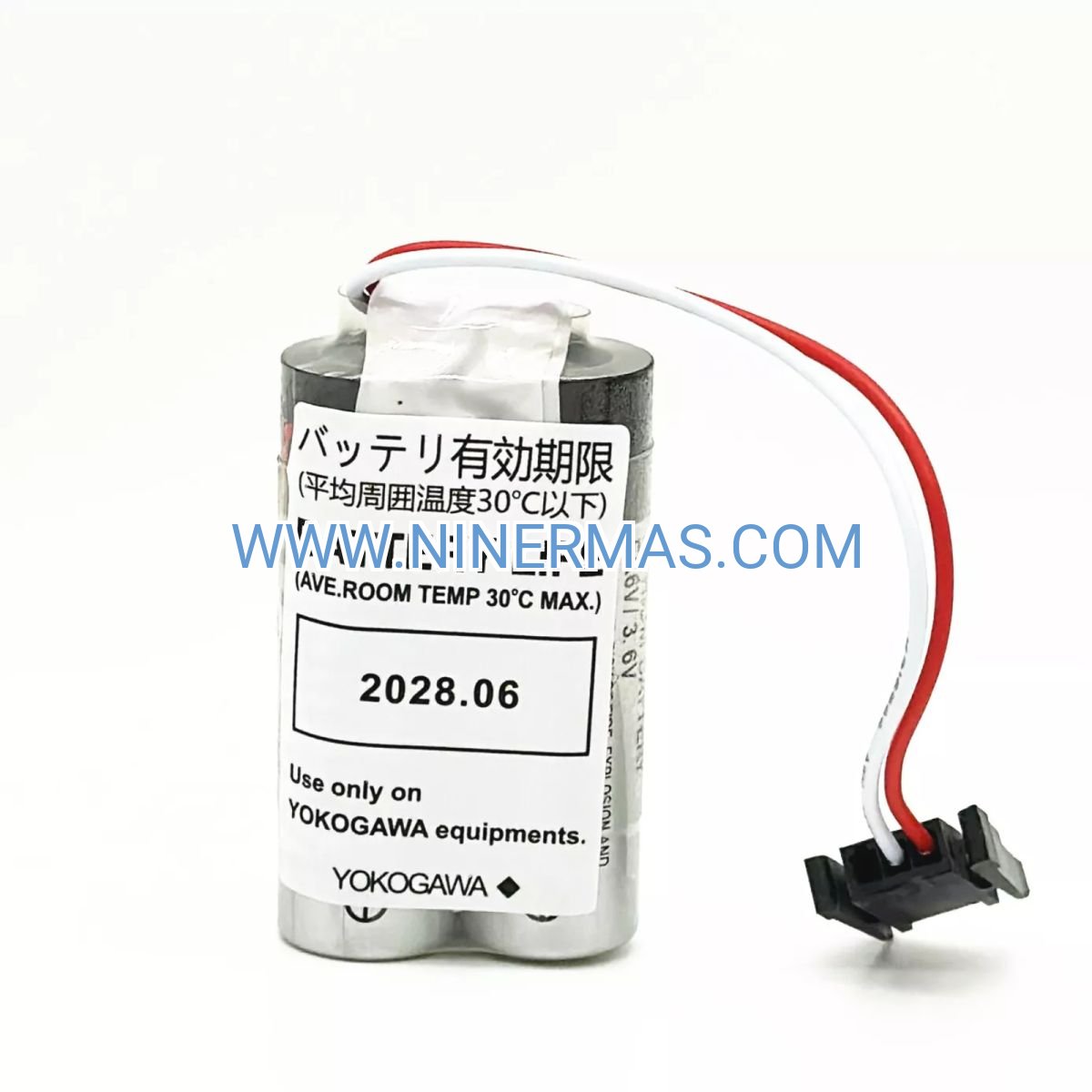
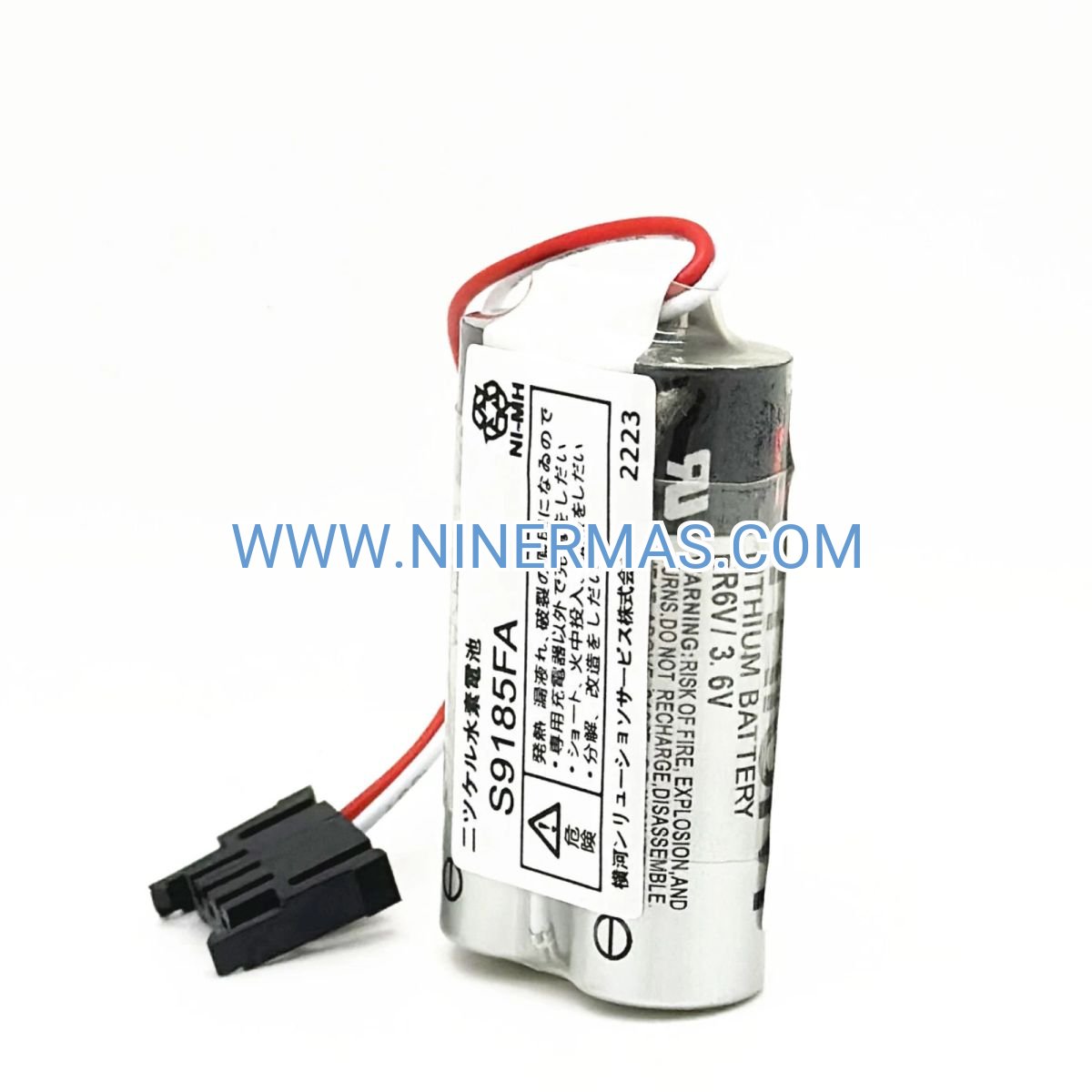
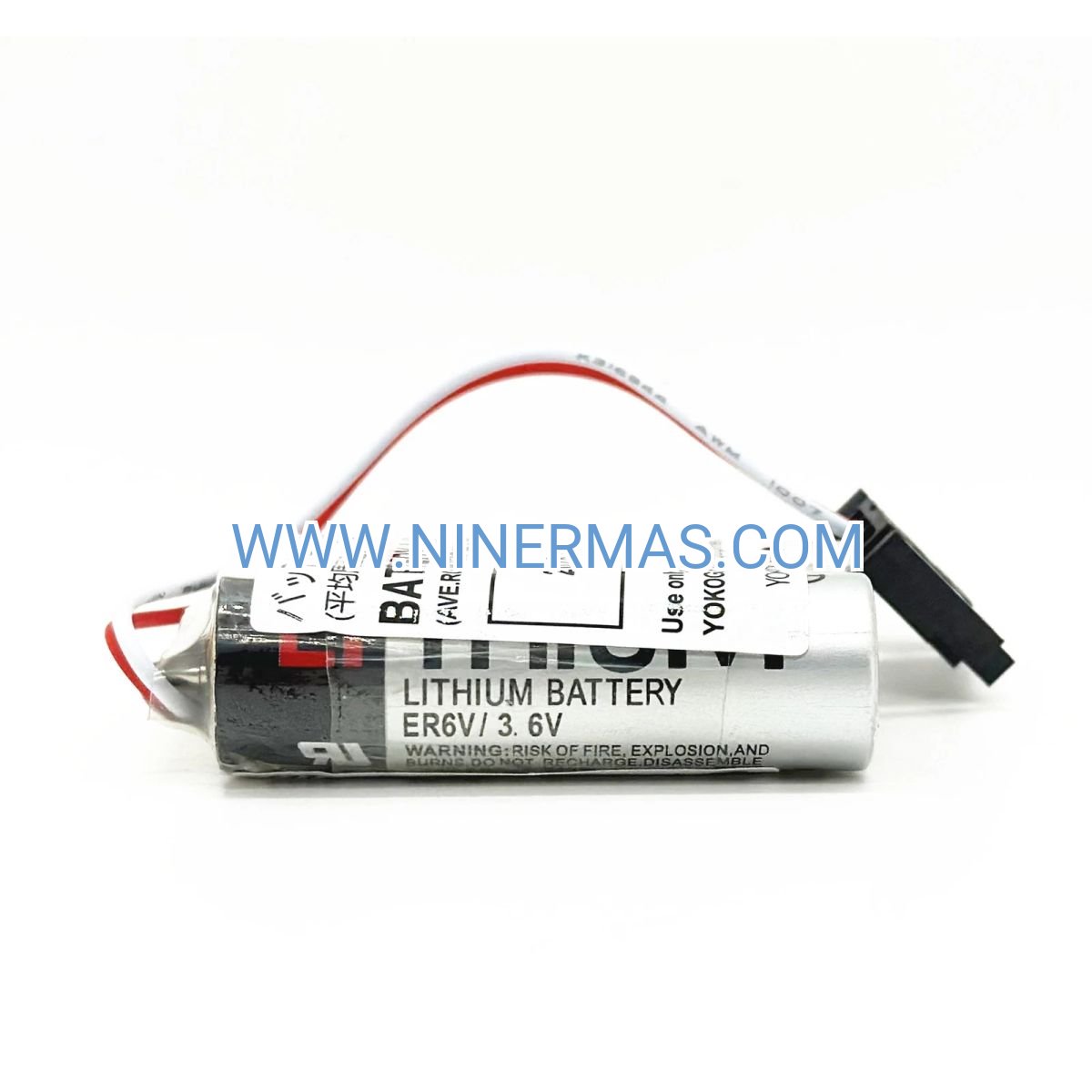
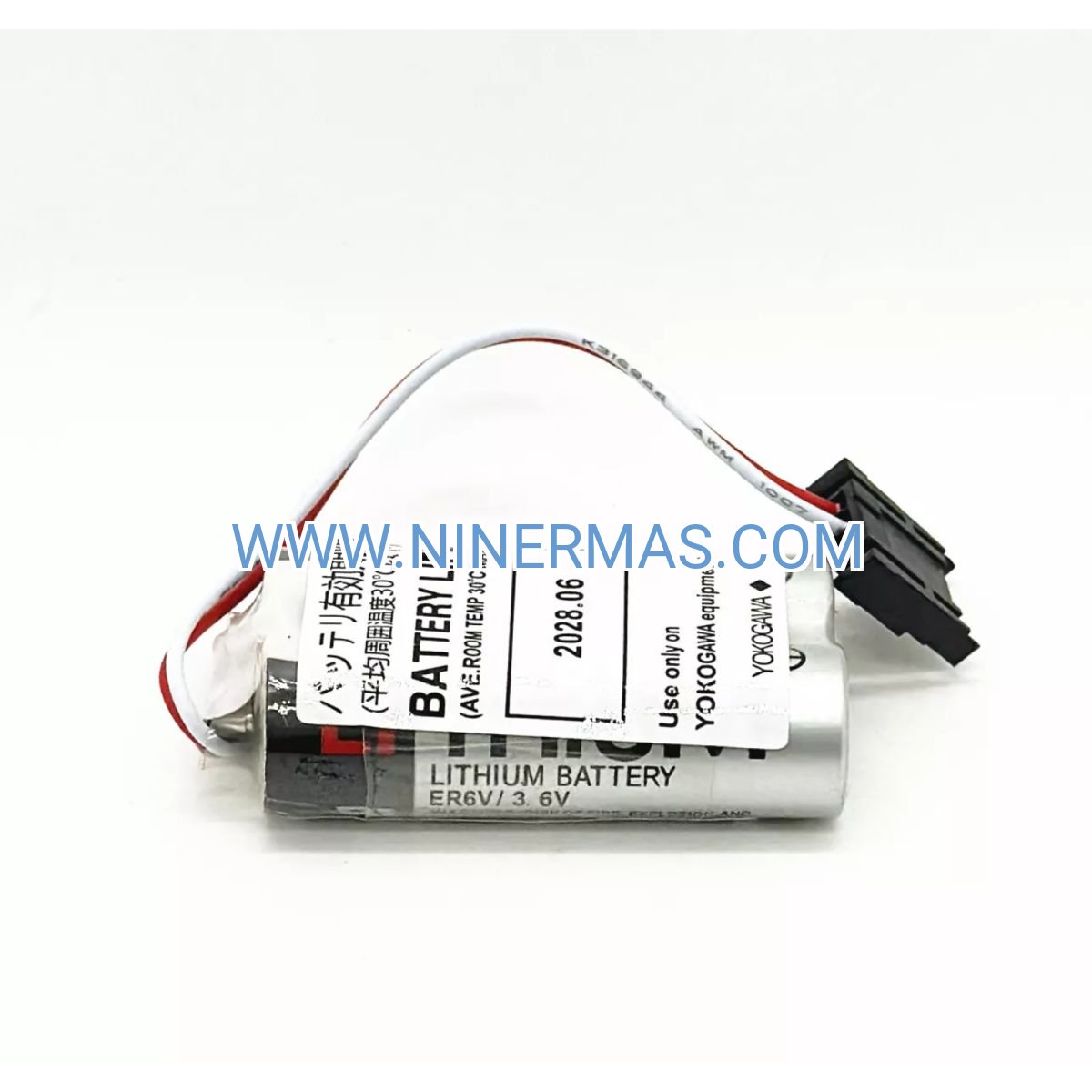
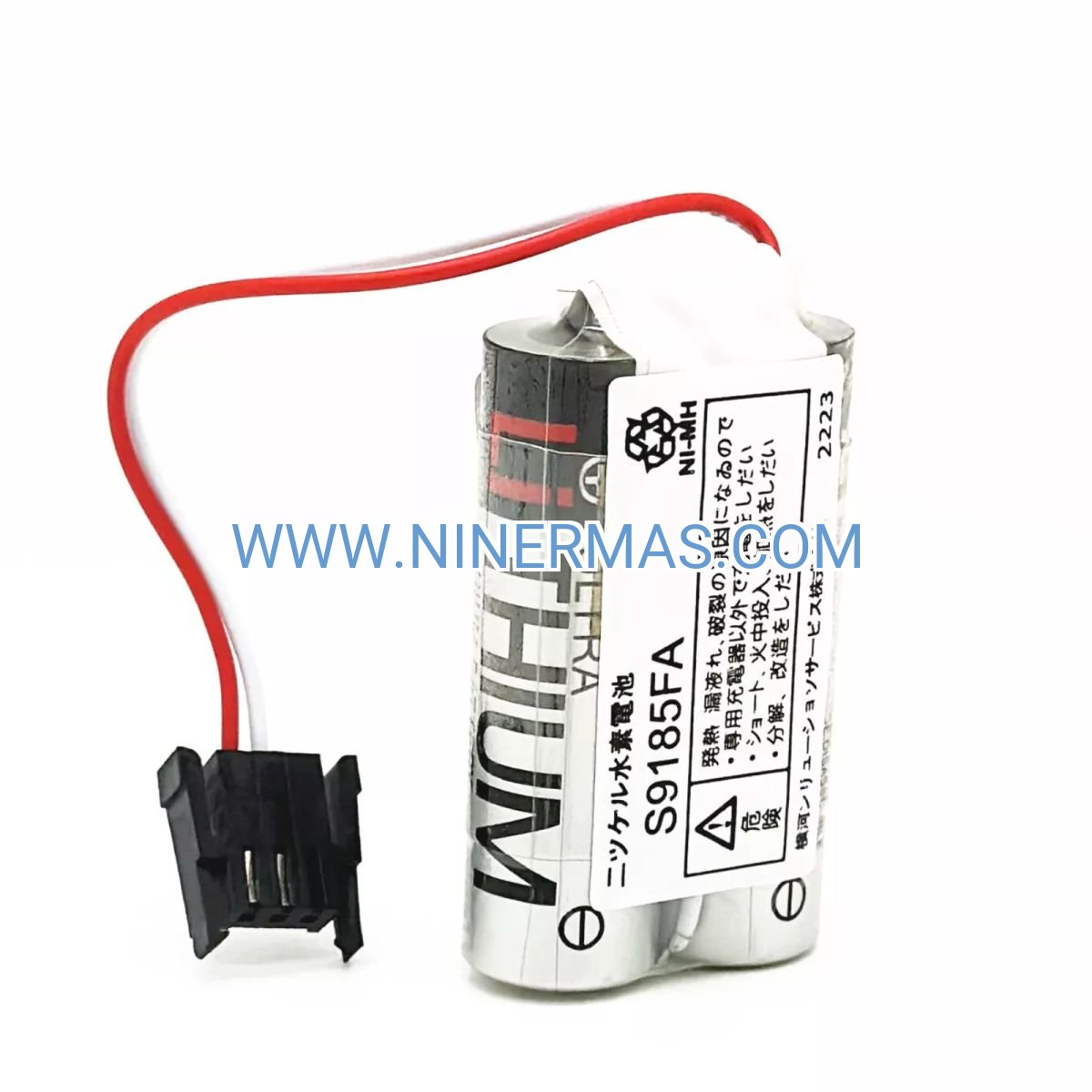
Woodward 8273-128 Digital Load Sharing Speed Governor | 2301D-ST Turbine Control System
Description
Woodward 8273-128 Digital Load Sharing Speed Governor (Industrial-Grade Turbine Control System)
The Woodward 8273-128 is a high-precision digital speed governor and load sharing controller designed for turbine-driven power generation systems. Utilizing advanced PID control algorithms and real-time feedback from magnetic pickups or proximity sensors, it delivers accurate speed regulation (±1% or better) and seamless load distribution across multiple generator sets. This controller is part of the proven 2301D-ST series, engineered for mission-critical applications in power plants, marine propulsion, oil & gas facilities, and industrial cogeneration systems.
Ideal for applications requiring stable frequency control, parallel operation coordination, and adaptive load response, the 8273-128 addresses common challenges such as frequency drift, uneven load distribution, hunting oscillations, and slow response to grid disturbances. It is widely adopted by power system integrators, EPC contractors, OEM turbine manufacturers, and facility maintenance teams seeking reliable, field-proven control solutions.
Featuring standardized configurations with extensive customization options, the 8273-128 offers multi-protocol communication (Modbus RTU/TCP, CANbus), flexible I/O expansion, robust EMC protection, and intuitive commissioning tools. Suitable for design engineers, system integrators, and end-user operators. Contact our application engineers for tailored selection schemes and technical quotations.
Core Functions & Advantages
- Precision Speed & Load Control
Closed-loop PID regulation with magnetic pickup or Hall-effect sensor feedback maintains turbine speed within ±0.25% to ±1% of setpoint, minimizing frequency deviation and ensuring grid code compliance. Adaptive gain scheduling compensates for load transients and fuel quality variations. - Intelligent Load Sharing
Supports isochronous, droop, and base-load modes for parallel operation of 2–16 generator sets. Real-time kW/kVAR balancing via cross-unit communication reduces mechanical stress, optimizes fuel efficiency, and extends equipment lifespan by up to 20%. - Multi-Protocol Connectivity
Equipped with Modbus RTU/TCP and CANbus J1939 interfaces, enabling seamless integration with SCADA systems, PLCs (Siemens, Allen-Bradley, Schneider), and plant DCS platforms. Supports remote monitoring, parameter tuning, and diagnostic logging. - Comprehensive Protection Suite
Built-in safeguards include overspeed shutdown, underspeed alarm, loss-of-feedback detection, actuator fault diagnosis, and configurable redundancy failover. Reduces unplanned downtime by 30–40% and lowers maintenance costs through predictive diagnostics. - User-Friendly Interface & Commissioning
Front-panel LCD display (optional) or PC-based configuration software (ProTech GII compatible) provides real-time status visualization, alarm history, and trending. Guided startup wizards and auto-tuning functions reduce commissioning time from days to hours. - Rugged Industrial Design
IP54-rated enclosure (IP65 optional), conformal-coated PCBs, and -40°C to +70°C operating range ensure reliable performance in harsh environments—offshore platforms, desert power stations, arctic drilling rigs, and high-humidity chemical plants.
Typical Application Scenarios
The Woodward 8273-128 governor is engineered for demanding environments where speed stability, load coordination, and system uptime are paramount:
- Power Generation & Cogeneration Plants
Controls steam turbines, gas turbines, and diesel gensets in utility-scale power stations, industrial cogeneration facilities, and distributed energy resources (DER). Ensures grid synchronization, black-start capability, and compliance with IEEE 1547 / IEC 61850 standards. - Marine Propulsion & Auxiliary Systems
Regulates main propulsion turbines and shipboard generator sets on LNG carriers, cruise ships, naval vessels, and offshore support vessels. Maintains stable shaft speed during maneuvering, load acceptance, and dynamic positioning operations. - Oil & Gas Upstream/Midstream
Governs turbine-driven compressors, pumps, and generators on offshore platforms, FPSO units, pipeline booster stations, and gas processing plants. Withstands vibration, salt spray, and explosive atmospheres (ATEX/IECEx certified variants available). - Process Industries & Heavy Manufacturing
Supports turbine-driven air compressors, blowers, and mechanical drives in steel mills, cement plants, petrochemical refineries, and pulp & paper facilities. Optimizes energy efficiency and reduces process variability.
Technical Parameters & Selection Guide
To facilitate engineering design and procurement, we provide standardized specifications with project-specific customization capabilities:
| Parameter | Specification |
|---|---|
| Control Modes | Isochronous, Droop (2–10%), Base Load, Peak Load |
| Speed Regulation Accuracy | ±0.25% to ±1% (adjustable, dependent on sensor quality) |
| Load Sharing Accuracy | ±2% of rated load (with proper tuning) |
| Input Signals | Magnetic Pickup (MPU), Hall-effect, Proximity Sensor, 4–20mA, 0–10V |
| Output Signals | 4–20mA actuator drive, PWM, relay contacts |
| Communication Protocols | Modbus RTU/TCP, CANbus J1939, Ethernet/IP (optional) |
| Power Supply | 18–32 VDC or 85–264 VAC (universal input) |
| Operating Temperature | -40°C to +70°C (-40°F to +158°F) |
| Protection Rating | IP54 standard, IP65 optional |
| Certifications | CE, UL, DNV-GL (marine), ATEX/IECEx (hazardous area variants) |
| Dimensions (H×W×D) | Approx. 220×180×120 mm (panel-mount) / Custom enclosure available |
Selection Recommendations:
When specifying the 8273-128, consider: (1) turbine type and rated speed range, (2) number of units for parallel operation, (3) sensor type and signal characteristics, (4) communication protocol requirements, (5) environmental conditions (temperature, humidity, vibration, hazardous area classification), and (6) mounting space constraints. For complex applications—such as multi-fuel turbines, hybrid power systems, or retrofit projects—please provide detailed operating parameters. Our application engineers will recommend optimal configurations, I/O modules, and integration accessories.
Extended Capabilities & Integration Options
- Redundancy & Failover: Dual-channel configurations with automatic switchover for safety-critical applications (SIL 2 capable with external voting logic).
- Remote Monitoring & Diagnostics: Cloud-based dashboards via secure VPN or cellular gateway; real-time alerts, performance trending, and predictive maintenance analytics.
- Custom I/O Expansion: Additional analog/digital inputs for exhaust temperature, fuel pressure, vibration monitoring; relay outputs for alarm annunciation and auxiliary control.
- Fuel Management Integration: Interfaces with gas/liquid fuel control valves, fuel flow meters, and emissions monitoring systems for optimized combustion and regulatory compliance.
- Retrofit Kits: Drop-in replacement packages for legacy Woodward governors (2301A, EG-3P, UG-8, etc.) with adapter harnesses and migration guides.
Delivery, Service & Quality Assurance
Lead Time: Standard catalog units ship within 3–5 business days; custom-configured systems typically 10–15 business days; complex retrofit kits or multi-unit projects 3–4 weeks.
Warranty: 24-month manufacturer's warranty covering materials and workmanship; extended service plans available for critical infrastructure applications.
Technical Support: Comprehensive commissioning assistance including remote guidance, on-site startup services (region-dependent), and 24/7 hotline for troubleshooting. Training programs available for maintenance personnel.
Documentation Package: Each unit ships with detailed installation manual, electrical schematics, terminal wiring diagrams, configuration software (CD/download), calibration certificates, and compliance declarations. CAD drawings (DWG/STEP) and 3D models provided upon request for panel design.
Quality Certifications: Manufactured under ISO 9001:2015 quality management system; products tested per IEC 61000 (EMC), IEC 60068 (environmental), and applicable marine/hazardous area standards.
Frequently Asked Questions (FAQ)
Q: How does the Woodward 8273-128 load sharing speed governor integrate with existing turbine control systems?
A: The 8273-128 accepts standard MPU or analog speed feedback and outputs 4–20mA or PWM signals to actuators. It communicates via Modbus RTU/TCP or CANbus, allowing direct connection to most PLCs, SCADA systems, and DCS platforms. For legacy systems, signal conditioning modules or protocol converters may be required. Our engineers provide I/O mapping and integration checklists during pre-sales consultation.
Q: What is the maximum number of turbine generators that can be coordinated for load sharing?
A: A single 8273-128 can participate in load sharing networks of up to 16 units via dedicated communication links (RS-485 or CANbus). Larger installations may use hierarchical control with master/slave configurations or plant-level SCADA coordination. Contact us for multi-unit system architecture design.
Q: What energy savings can be expected, and what conditions are necessary to achieve them?
A: Compared to mechanical-hydraulic governors or fixed-speed operation, digital load sharing can reduce fuel consumption by 8–15% through optimized load distribution, reduced hunting, and elimination of over-fueling during transients. Actual savings depend on load profile variability, turbine efficiency curves, and proper tuning. Best results occur in systems with fluctuating loads and multiple parallel units.
Q: What are the environmental requirements for installation? What is the protection rating?
A: Standard units are IP54-rated (dust-protected, splash-resistant) and operate from -40°C to +70°C with 5–95% non-condensing humidity. For outdoor, marine, or washdown environments, IP65-rated enclosures with conformal coating and stainless steel hardware are available. Vibration tolerance: 2g @ 10–150 Hz per IEC 60068-2-6.
Q: Can the system support remote monitoring and data acquisition? Which protocols are supported?
A: Yes. The 8273-128 supports Modbus RTU (RS-485), Modbus TCP (Ethernet), and CANbus J1939. Optional Ethernet/IP and PROFINET modules enable integration with Allen-Bradley, Siemens, and other industrial networks. Remote access is typically implemented via secure VPN gateways or cellular routers with firewall protection. We provide sample SCADA tag databases and HMI templates for common platforms (Ignition, WinCC, FactoryTalk).
Q: Is factory acceptance testing (FAT) or commissioning support available?
A: Yes. For large projects or critical applications, we offer witnessed FAT at our facility or partner test labs, including simulated load transient testing and communication verification. On-site commissioning services include sensor calibration, PID tuning, load sharing verification, and operator training. Service scope and pricing vary by region—please inquire during quotation.
Request a Custom Selection Proposal
To receive a detailed selection scheme, technical datasheet, and quotation tailored to your project, please provide the following information:
- Project name and application type (power generation, marine, oil & gas, etc.)
- Turbine type, fuel, and rated speed (RPM)
- Number of units for parallel operation and total system capacity (kW/MW)
- Speed sensor type and signal specifications
- Actuator type (hydraulic, pneumatic, electric) and control signal requirements
- Communication protocol and network architecture
- Environmental conditions (temperature range, humidity, vibration, hazardous area classification)
- Mounting and enclosure preferences
Our application engineers will respond within 24 hours with a one-on-one selection consultation, system architecture recommendations, and budget pricing.
© 2026 NINERMAS COMPANY LIMITED. All rights reserved. Original Source: https://ninermas.com Contact: sale@ninermas.com | +0086 187 5021 5667
Related products

Contact Info
-
Address:22 / F, South Wo Hang building, 148 Wing Lok Street, Sheung Wan, Western District, Hong Kong
-
Phone:+8618750215667
-
Email: