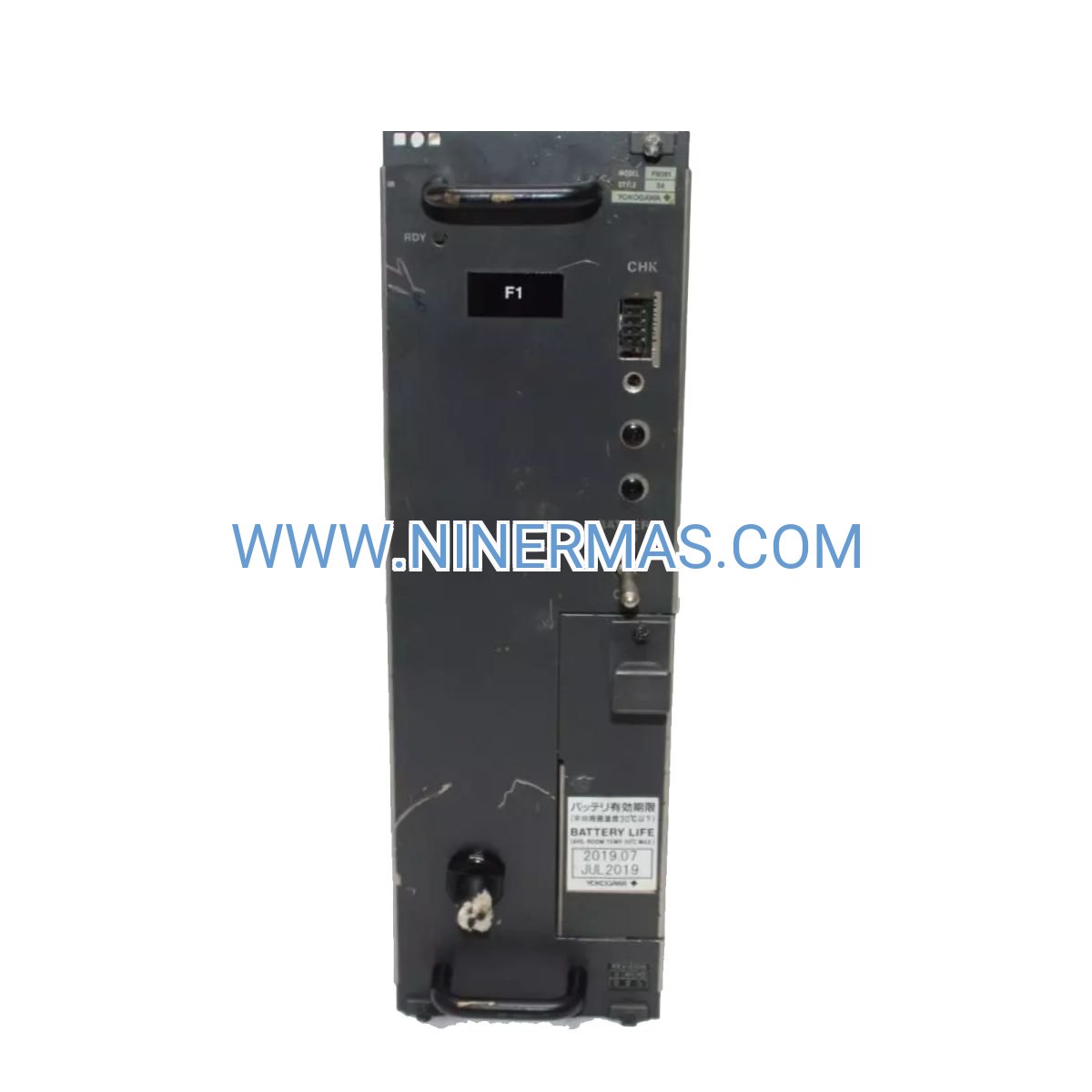
Description
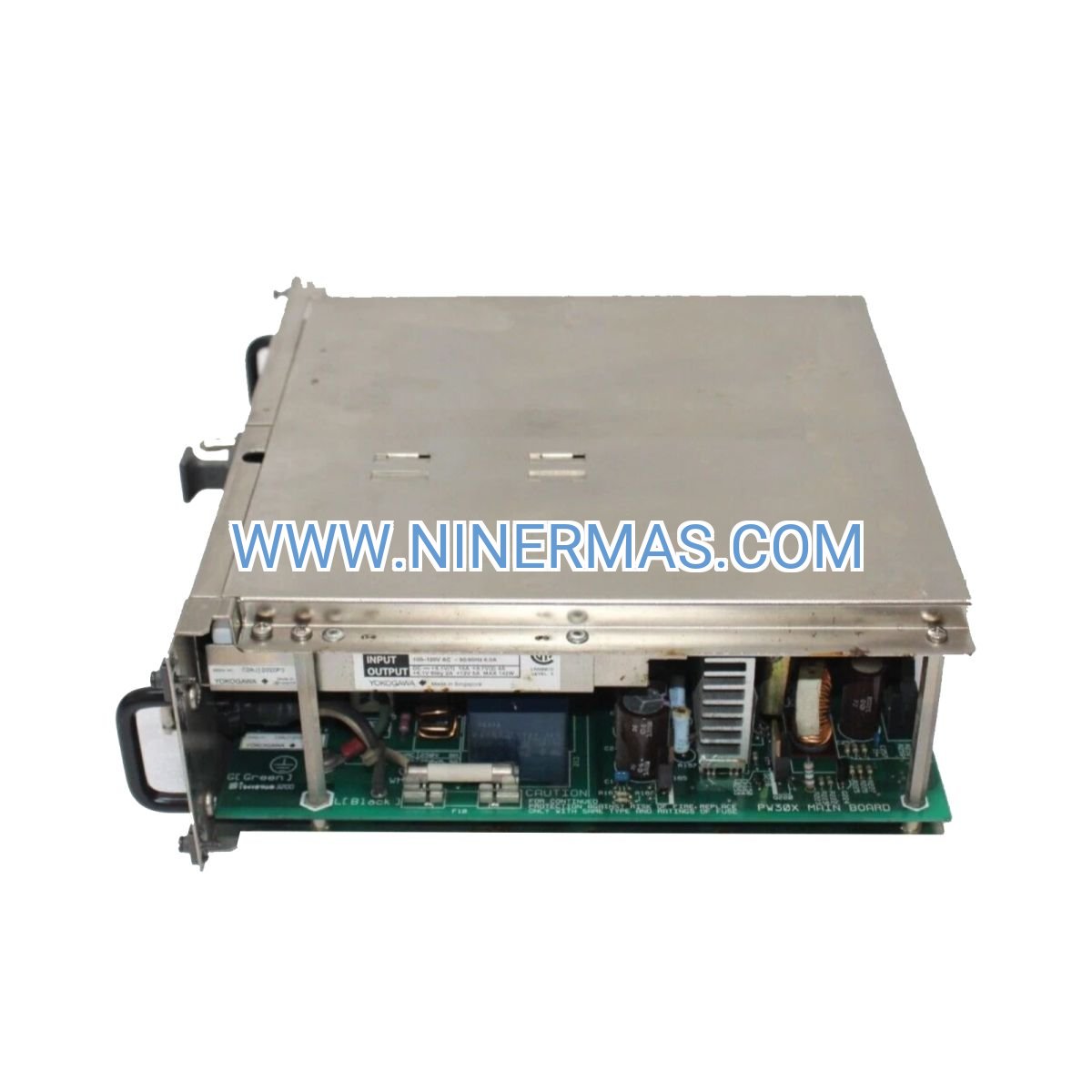
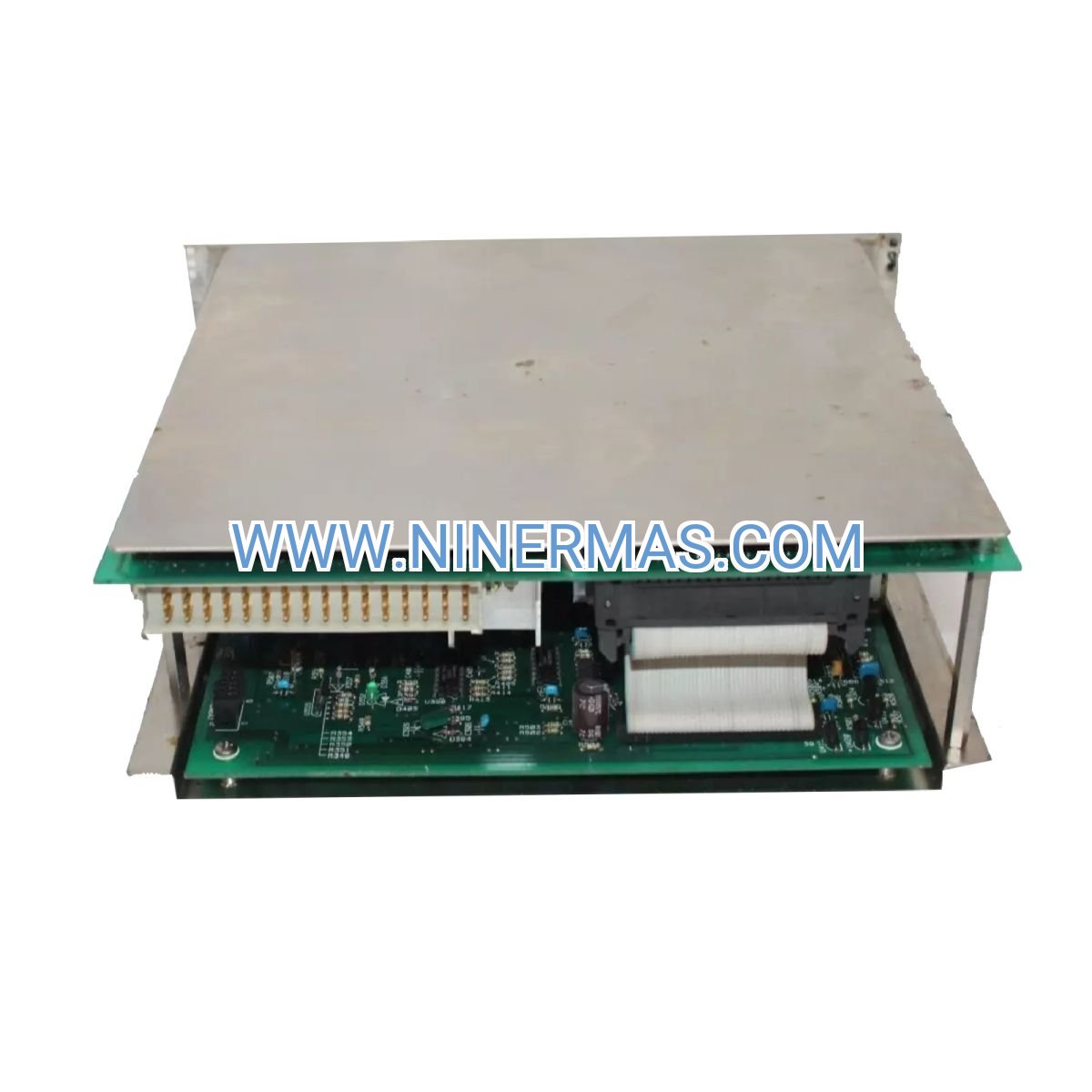
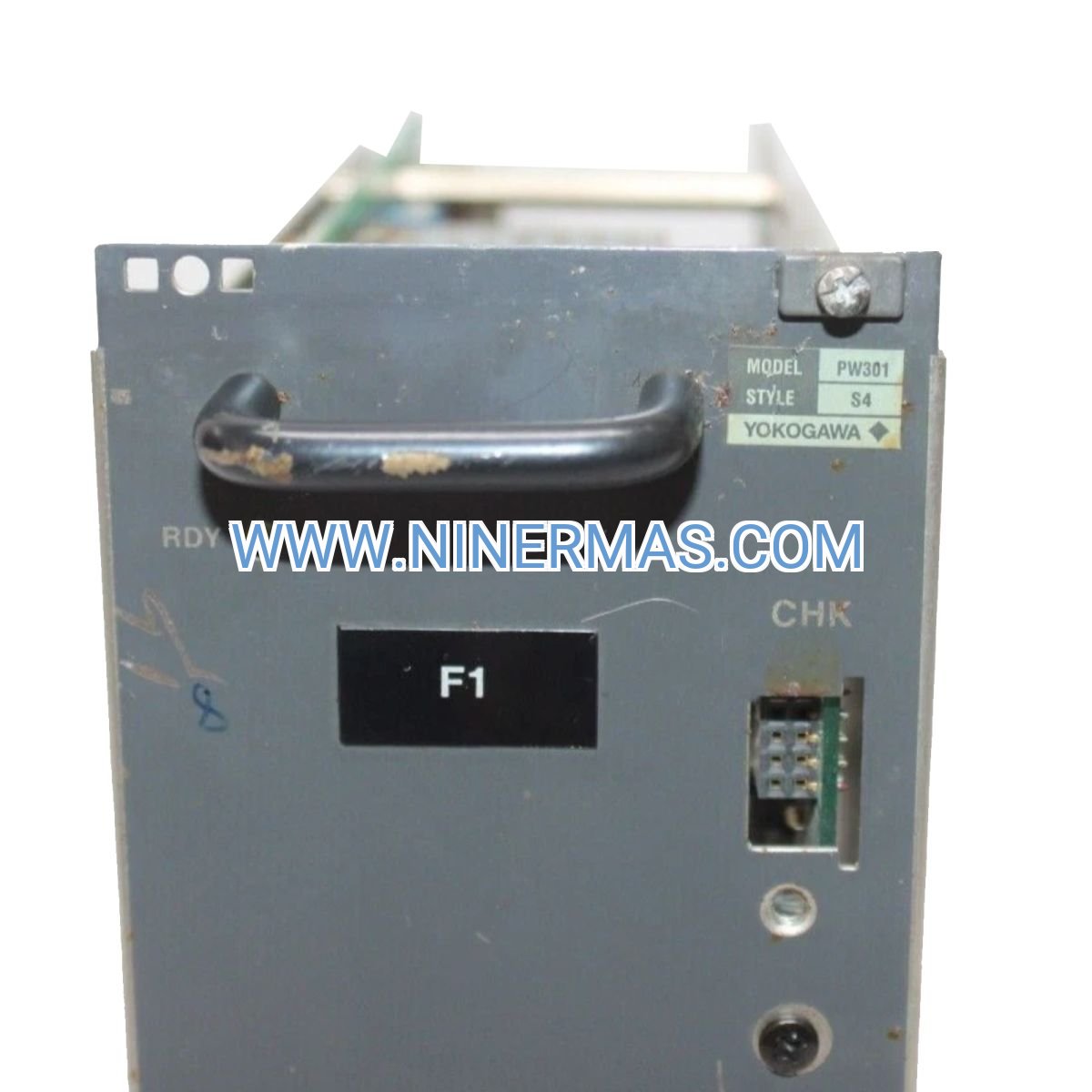
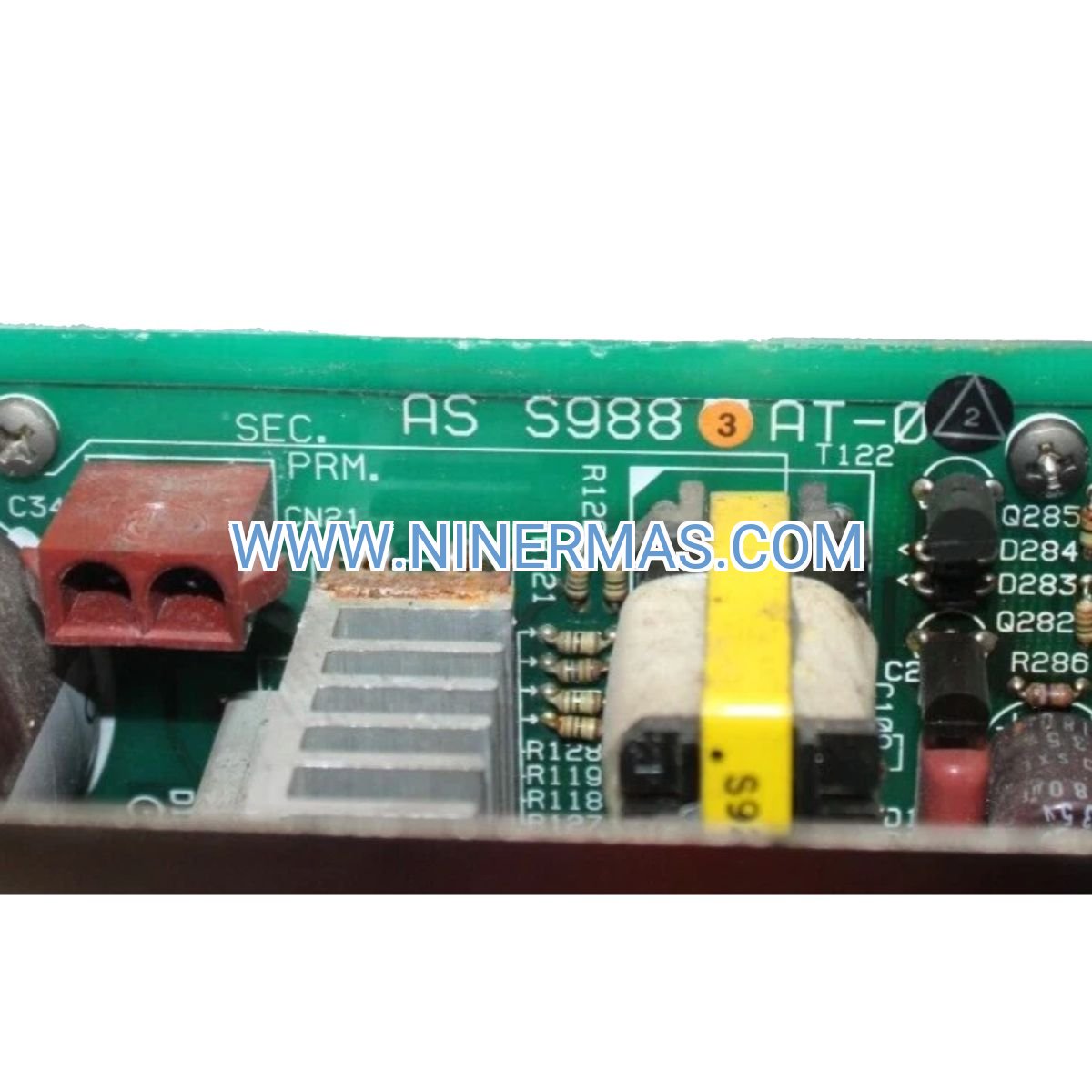
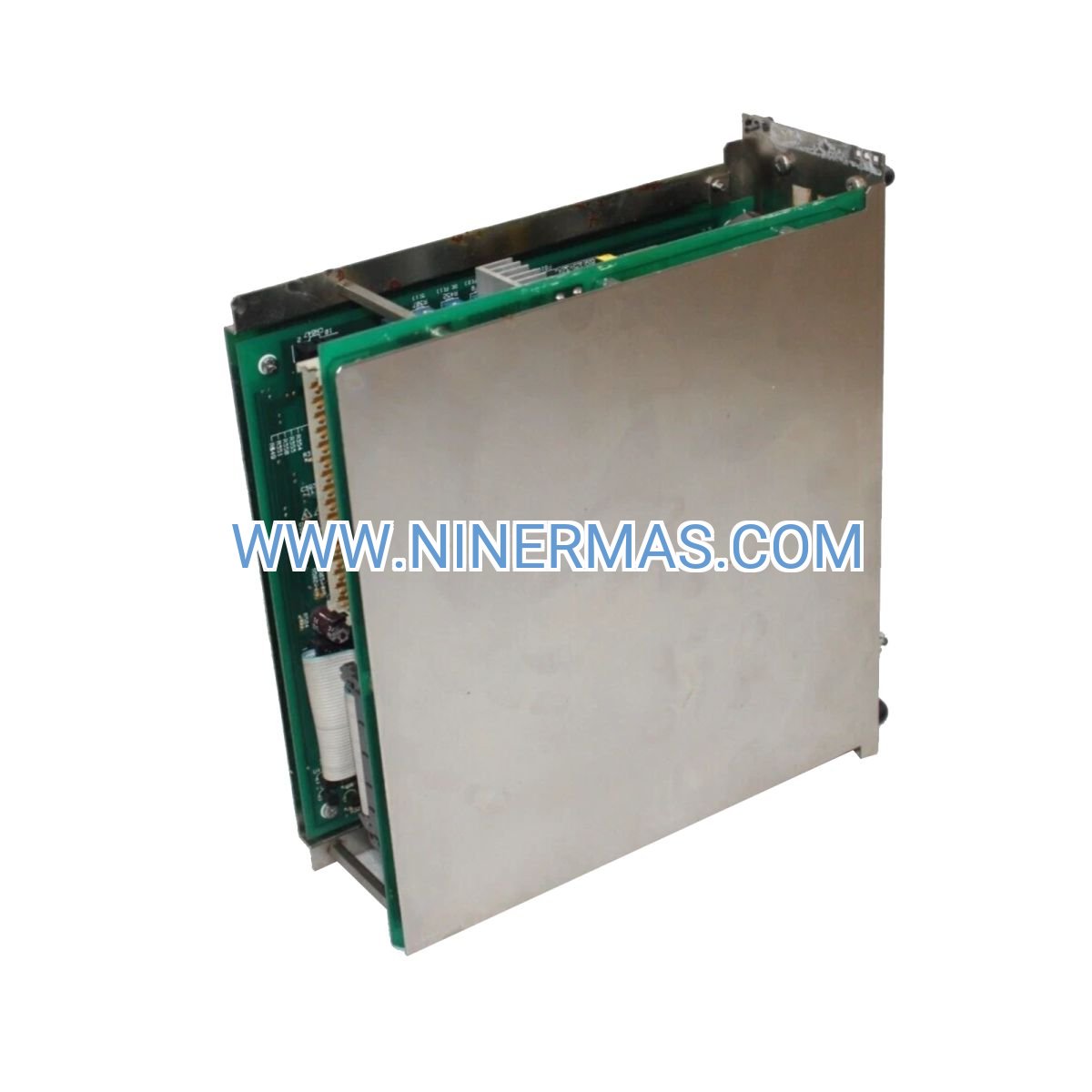
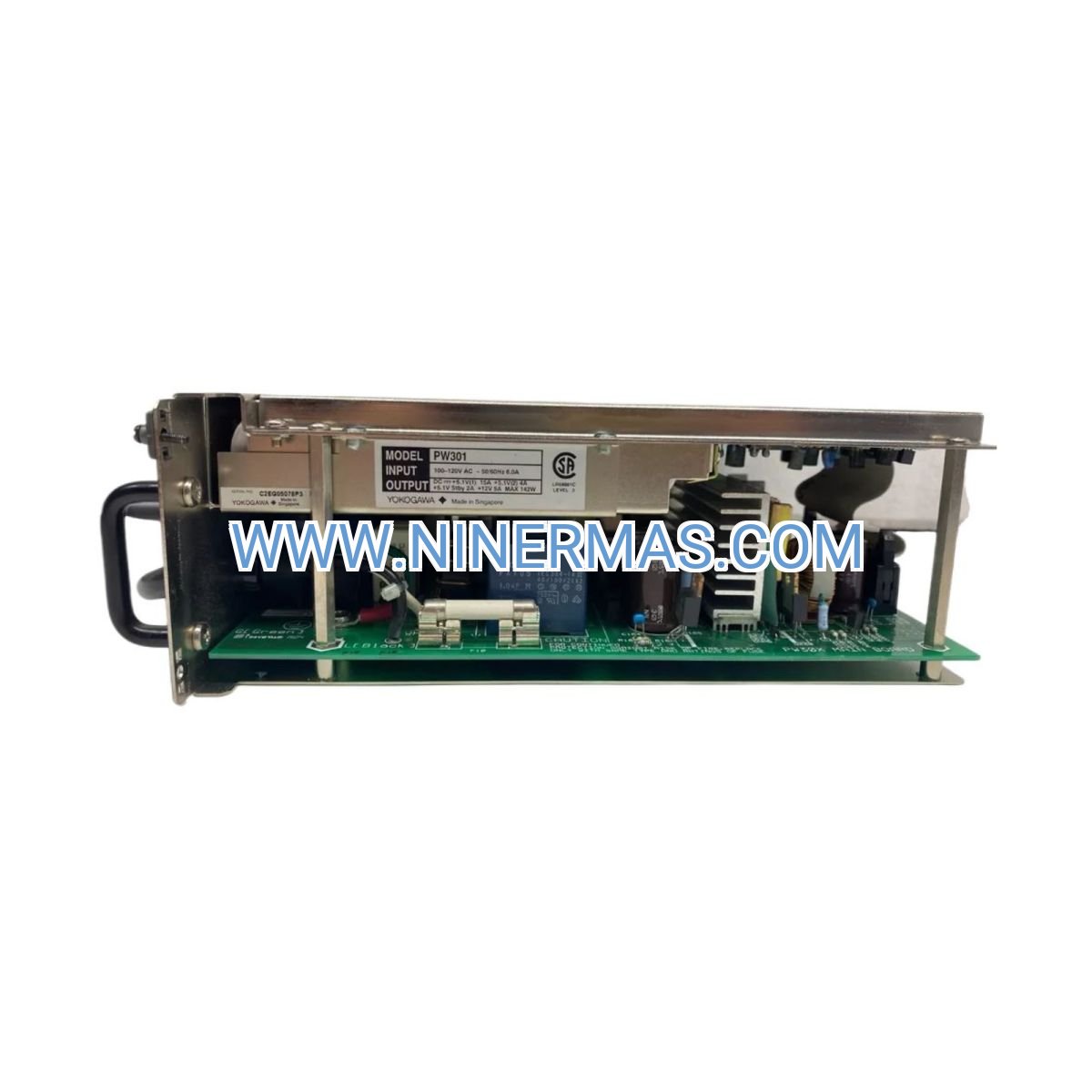
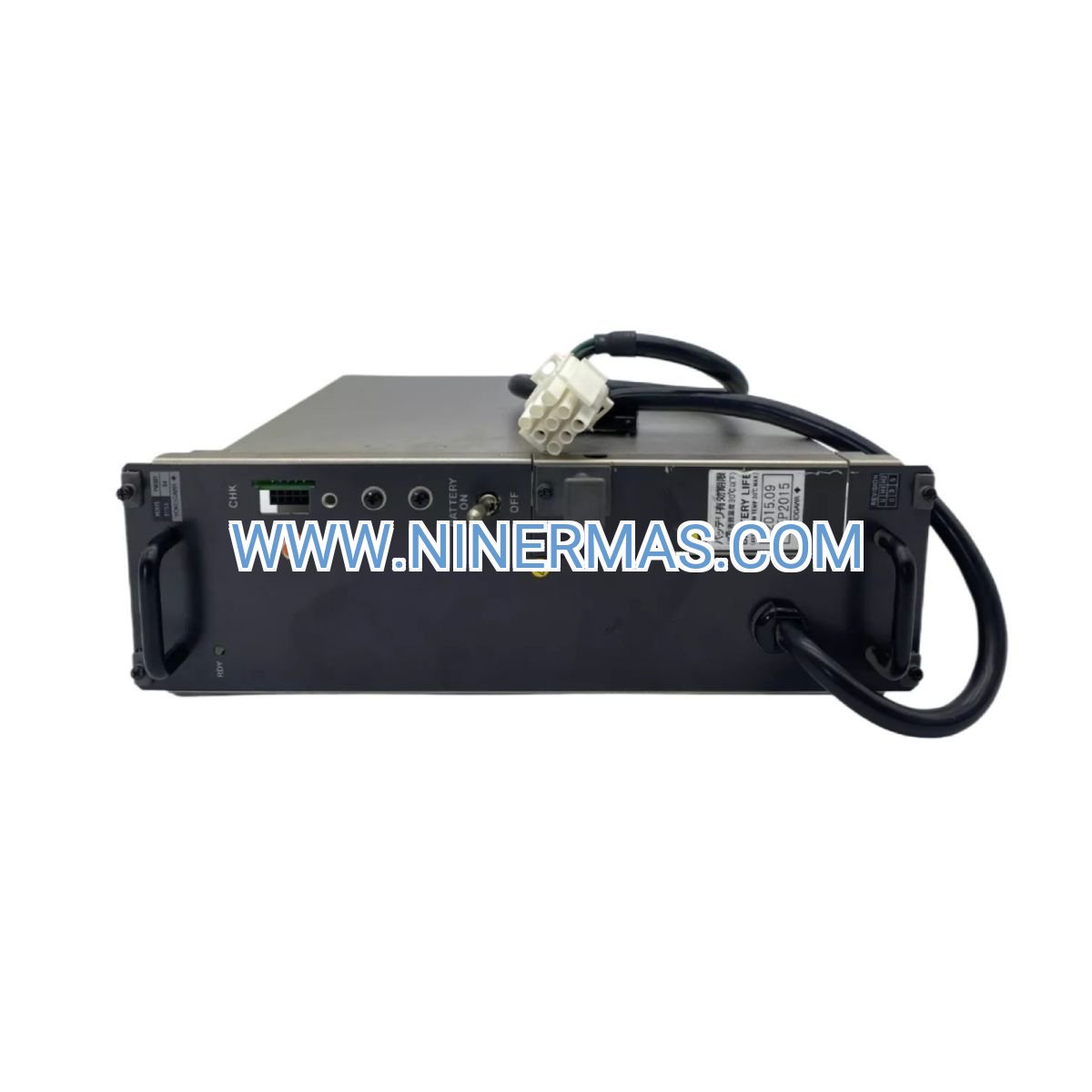
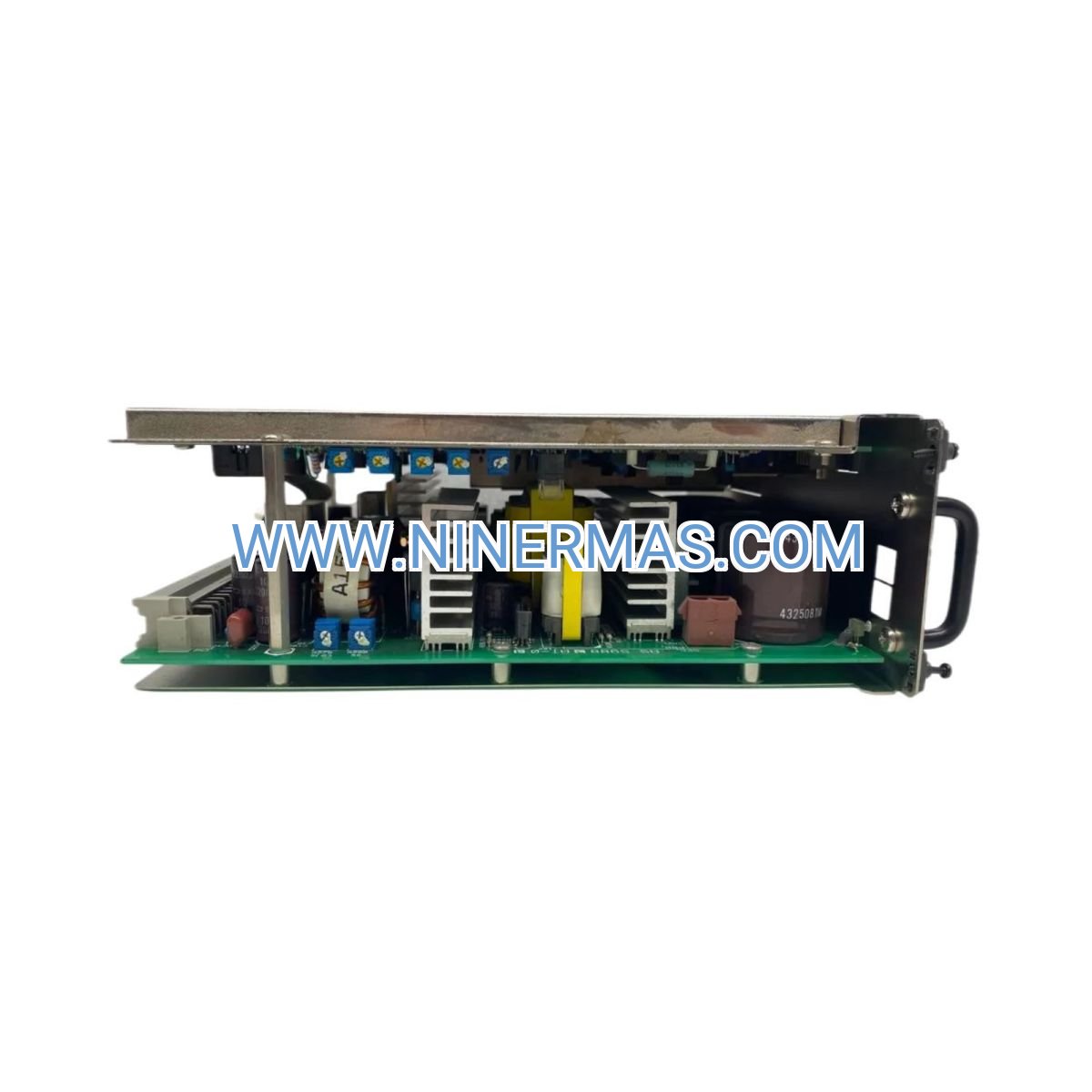
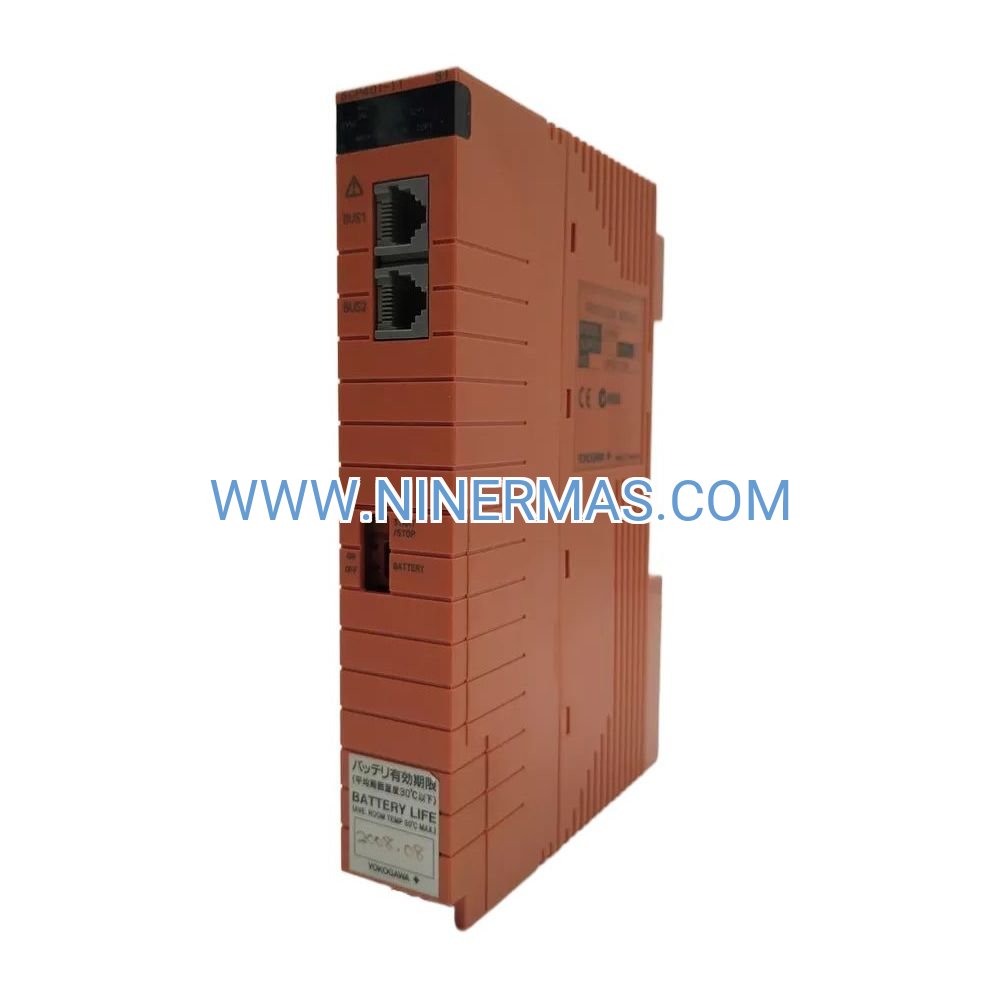
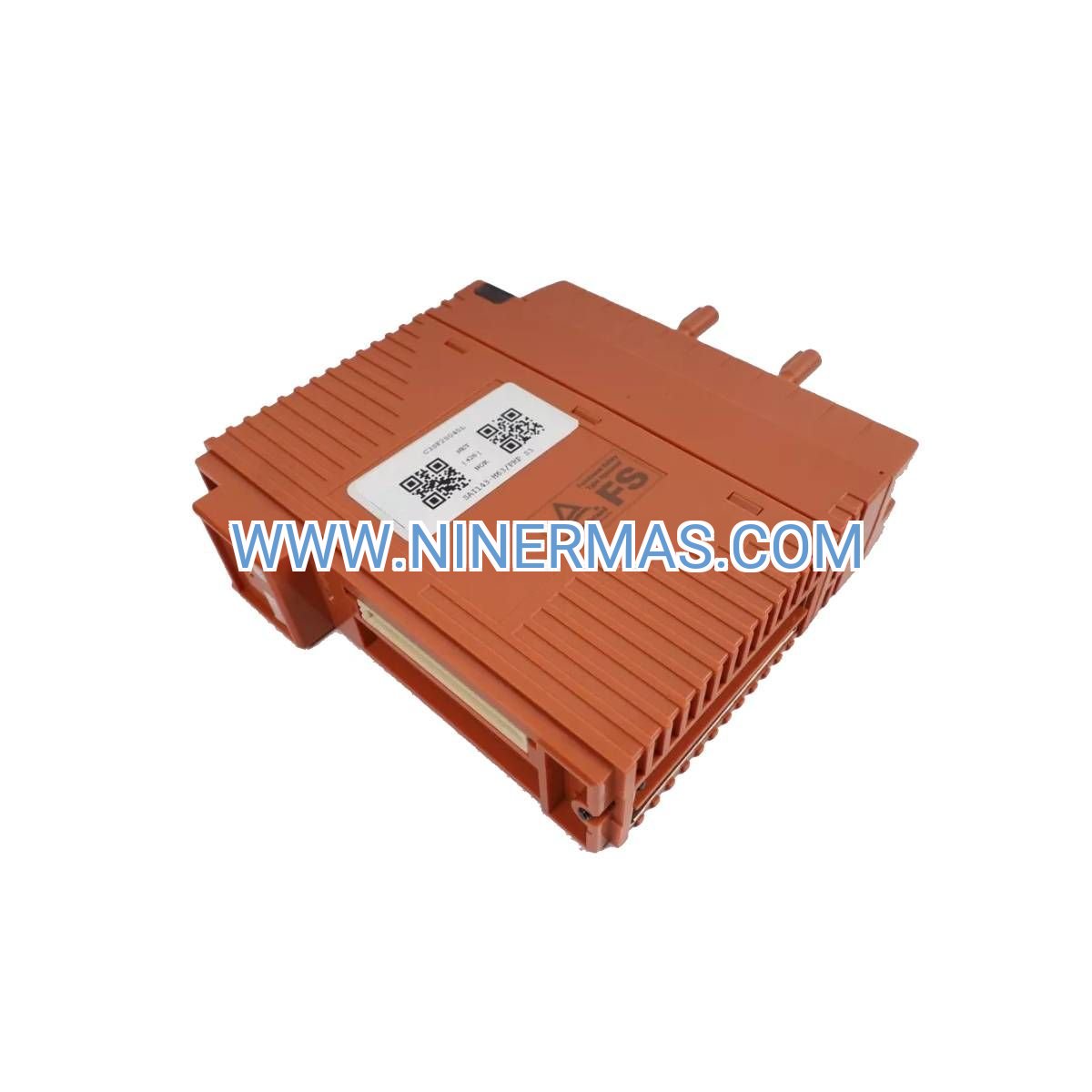
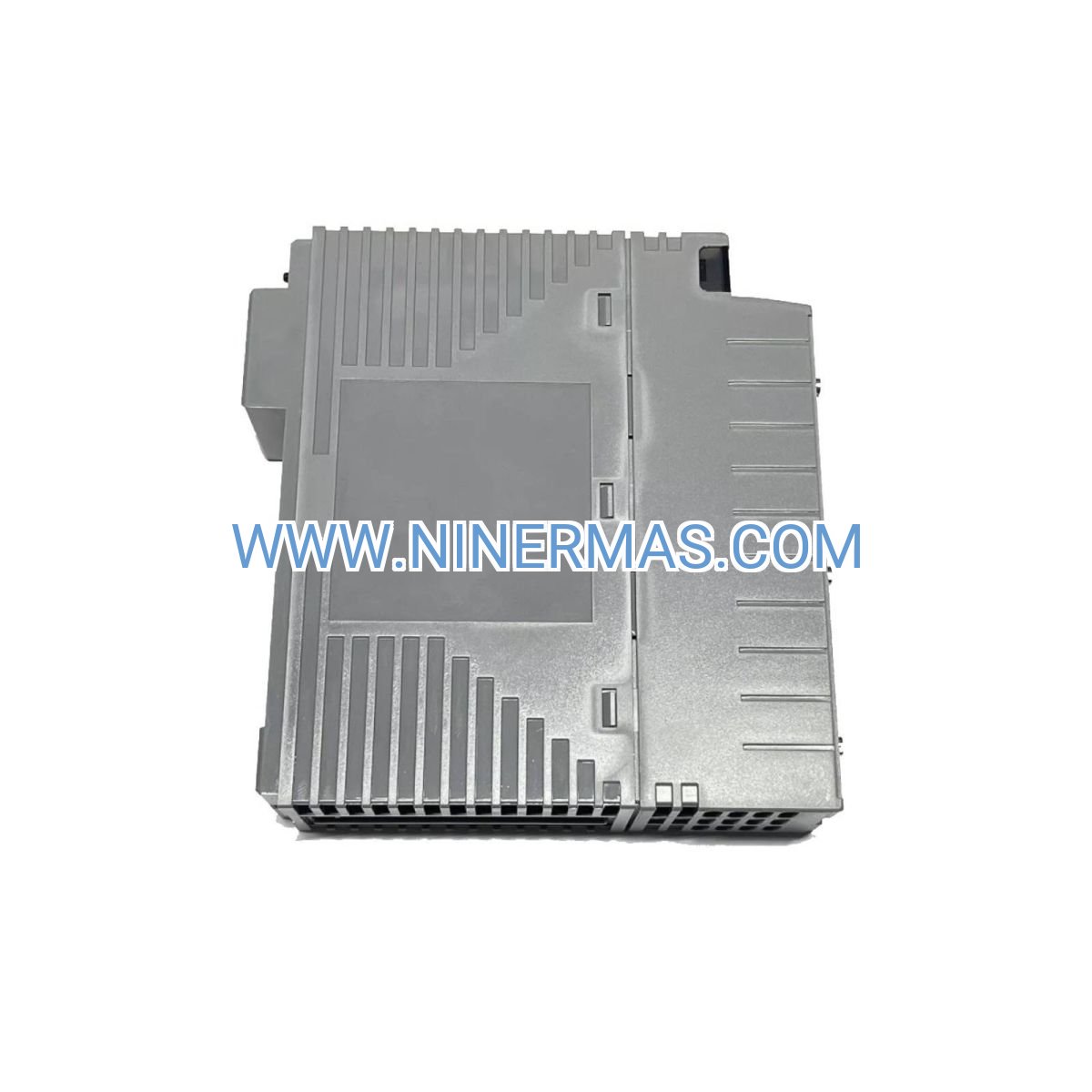
Yokogawa NFLR121-S50 S1 – Industrial-Grade Dual Serial Communication Interface
The Yokogawa NFLR121-S50 S1 represents a proven solution for establishing reliable serial data links in process control and industrial automation systems. Featuring dual independent RS-422/RS-485 channels, this communication interface enables simultaneous multi-device connectivity across distributed architectures, delivering the performance and durability required for mission-critical operations in manufacturing, energy, and infrastructure sectors.
Designed for system integrators and automation engineers managing complex control networks, this module addresses the persistent challenge of integrating legacy serial instrumentation with contemporary supervisory platforms. Whether you're upgrading an existing SCADA installation or deploying new field device networks, the NFLR121-S50 S1 provides the electrical isolation, protocol flexibility, and diagnostic capabilities essential for maintaining uptime in demanding environments.
With support for baud rates spanning 300 bps to 115.2 kbps and compatibility with Modbus RTU alongside proprietary protocols, this interface module serves as a versatile bridge between field-level sensors, actuators, analyzers, and central control systems. Its compact footprint and terminal block connectivity streamline panel integration while reducing installation complexity.
Core Capabilities & Technical Advantages
→ Dual Independent Communication Channels
Two isolated RS-422/RS-485 ports enable parallel data streams, supporting redundant communication paths or simultaneous connection to separate device networks without channel interference.
→ Wide Baud Rate Compatibility
Configurable transmission speeds from 300 bps to 115.2 kbps accommodate both legacy low-speed instrumentation and modern high-throughput field devices within a single infrastructure.
→ Full-Duplex & Half-Duplex Operation
RS-422 mode delivers full-duplex communication for point-to-point links, while RS-485 half-duplex supports multi-drop networks with up to 32 devices per segment, maximizing network topology flexibility.
→ Electrical Isolation & EMI Resistance
Built-in galvanic isolation protects connected equipment from ground loops and electrical transients, while shielded design ensures reliable operation in electrically noisy industrial environments.
→ Hot-Swappable Architecture
Field-replaceable design permits module exchange during system operation, minimizing process interruptions and enabling proactive maintenance scheduling without production downtime.
→ Diagnostic LED Indicators
Real-time status LEDs for power, transmit, and receive activities accelerate fault isolation and reduce mean time to repair during troubleshooting procedures.
Industrial Application Scenarios
✓ Oil & Gas Pipeline Monitoring
Connect remote flow meters, pressure transmitters, and valve actuators across extended pipeline networks where RS-485 multi-drop topology reduces wiring costs while maintaining data integrity over distances exceeding 1,200 meters.
✓ Chemical Batch Process Control
Integrate reactor temperature controllers, pH analyzers, and dosing pump drives into centralized DCS platforms, enabling precise recipe execution and real-time process parameter adjustment through reliable serial communication.
✓ Water Treatment SCADA Integration
Bridge legacy chlorination systems, turbidity sensors, and pump controllers to modern HMI workstations, preserving existing field instrumentation investments while gaining centralized monitoring and control capabilities.
✓ Power Generation Plant Automation
Establish redundant communication links between turbine control systems, emission monitoring equipment, and plant-wide supervisory networks, ensuring continuous data availability for regulatory compliance and operational optimization.
✓ Manufacturing Line Coordination
Synchronize conveyor controllers, barcode scanners, and quality inspection stations through deterministic serial protocols, supporting coordinated material flow and production tracking across multi-stage assembly processes.
Technical Parameters & Selection Criteria
| Parameter | Specification |
| Model Designation | NFLR121-S50 S1 |
| Communication Interfaces | 2 × RS-422/RS-485 (software selectable) |
| Baud Rate Range | 300, 600, 1200, 2400, 4800, 9600, 19200, 38400, 57600, 115200 bps |
| Protocol Support | Modbus RTU, ASCII, proprietary serial formats |
| Maximum Network Distance | 1,200 m (RS-485), 1,000 m (RS-422) |
| Operating Temperature | -10°C to +55°C (14°F to 131°F) |
| Storage Temperature | -25°C to +70°C (-13°F to 158°F) |
| Relative Humidity | 5% to 95% (non-condensing) |
| Isolation Voltage | 500 VDC (channel-to-system) |
| Power Consumption | ≤ 3.5 W typical |
| Mounting | DIN rail or panel mount |
| Dimensions (W×H×D) | Compact industrial form factor |
| Certifications | CE, UL, cUL (industrial environment) |
Selection Guidance: Choose the NFLR121-S50 S1 when your application requires dual serial channels for redundancy or simultaneous multi-network connectivity. For single-channel requirements, consider alternative Yokogawa communication modules. Verify that connected devices support RS-422 or RS-485 electrical standards and confirm protocol compatibility (Modbus RTU recommended for interoperability). Ensure ambient temperature remains within -10°C to +55°C operational range, and provide adequate ventilation for enclosed panel installations.
Advanced Integration Features
Yokogawa DCS Ecosystem Compatibility
Native integration with CENTUM VP, CENTUM CS 3000, and ProSafe-RS safety instrumented systems through standardized communication profiles, enabling drag-and-drop configuration within Yokogawa engineering tools.
Third-Party PLC Interoperability
Standard Modbus RTU support ensures seamless connectivity with Allen-Bradley, Siemens, Schneider Electric, and Mitsubishi programmable logic controllers, facilitating hybrid automation architectures.
Remote Configuration Capability
Parameter adjustment via Yokogawa FieldMate device management software or direct register access through Modbus commands, supporting both local commissioning and remote diagnostic procedures.
Firmware Update Provision
Field-upgradable firmware enables protocol enhancements and feature additions without hardware replacement, protecting long-term infrastructure investments.
Delivery Timeline & Service Commitments
Standard Delivery: 3-5 business days for in-stock units via express courier with tracking
Custom Configuration: 7-10 business days for pre-programmed modules with customer-specific parameters
Warranty Coverage: 12-month manufacturer warranty covering material defects and workmanship
Technical Support: Email and phone assistance for configuration, troubleshooting, and application engineering
Documentation Package: User manual, wiring diagrams, Modbus register map, and sample configuration files included
Frequently Asked Questions
How do I connect the NFLR121-S50 to my existing Modbus RTU network?
Connect the A(+) and B(-) terminals to your network's corresponding wires, configure the baud rate and parity settings to match your network parameters (typically 9600 bps, 8-N-1), and assign a unique Modbus slave address. Terminate the network with 120-ohm resistors at both physical ends.
What is the maximum number of devices I can connect per RS-485 channel?
Each RS-485 port supports up to 32 unit loads in multi-drop configuration. When using devices with fractional unit loads (1/4 or 1/8), you may connect proportionally more devices. For networks exceeding 32 devices, implement RS-485 repeaters to extend capacity.
Does this module reduce energy consumption compared to older serial interfaces?
Yes, the NFLR121-S50 S1 consumes ≤3.5 W typical power, representing approximately 40-60% reduction versus legacy serial communication cards, contributing to lower panel heat generation and reduced cooling requirements in large installations.
Can I install this module in hazardous area classifications?
The standard NFLR121-S50 S1 is rated for general industrial environments. For Zone 1/Division 1 hazardous locations, consult Yokogawa for intrinsically safe barrier requirements or explosion-proof enclosure specifications matching your area classification.
Is remote monitoring of communication status possible?
Yes, when integrated with Yokogawa DCS platforms, communication health metrics including error rates, message counts, and link status are accessible through system diagnostics. Third-party systems can poll Modbus diagnostic registers for similar visibility.
What cable specifications are recommended for RS-485 installations?
Use twisted-pair cable with characteristic impedance of 120 ohms, minimum 24 AWG conductor size, and overall foil or braid shield. For industrial environments, specify PVC or plenum-rated jacket. Maintain cable runs below 1,200 meters and avoid routing parallel to high-voltage power cables.
Request Technical Consultation
Our application engineering team provides complimentary pre-sales support for network architecture design, protocol selection, and system integration planning. Contact us with your project specifications to receive tailored recommendations, wiring diagrams, and configuration assistance for your serial communication infrastructure.
Ready to enhance your industrial network reliability? Submit your inquiry today for pricing, availability, and technical documentation.
© 2026 NINERMAS COMPANY LIMITED. All rights reserved.
Original Source: https://ninermas.com
Contact: sale@ninermas.com | +0086 187 5021 5667
PDF Specification
Download PDF file here:
Click to Download PDFRelated products

Contact Info
-
Address:22 / F, South Wo Hang building, 148 Wing Lok Street, Sheung Wan, Western District, Hong Kong
-
Phone:+8618750215667
-
Email: