


Description
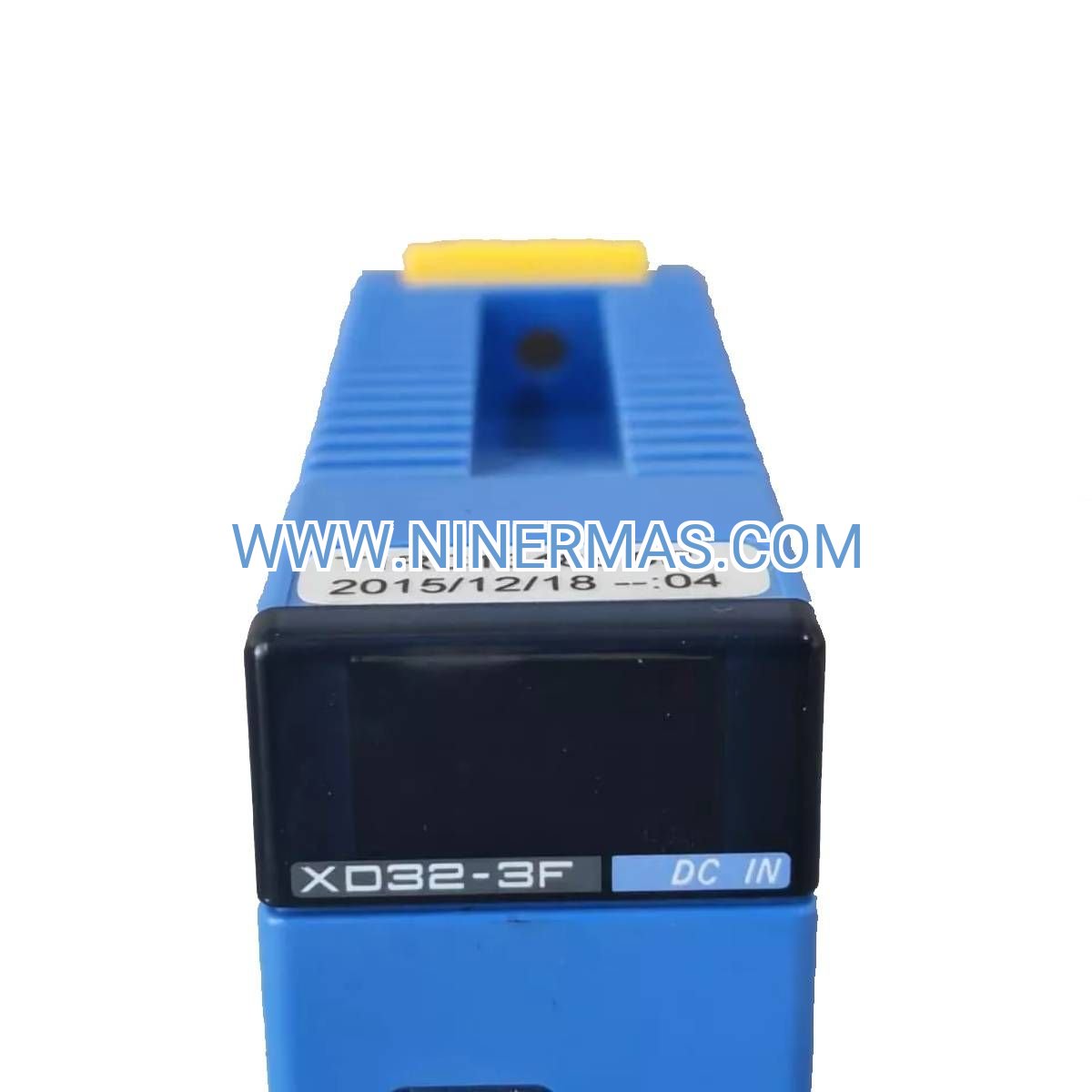
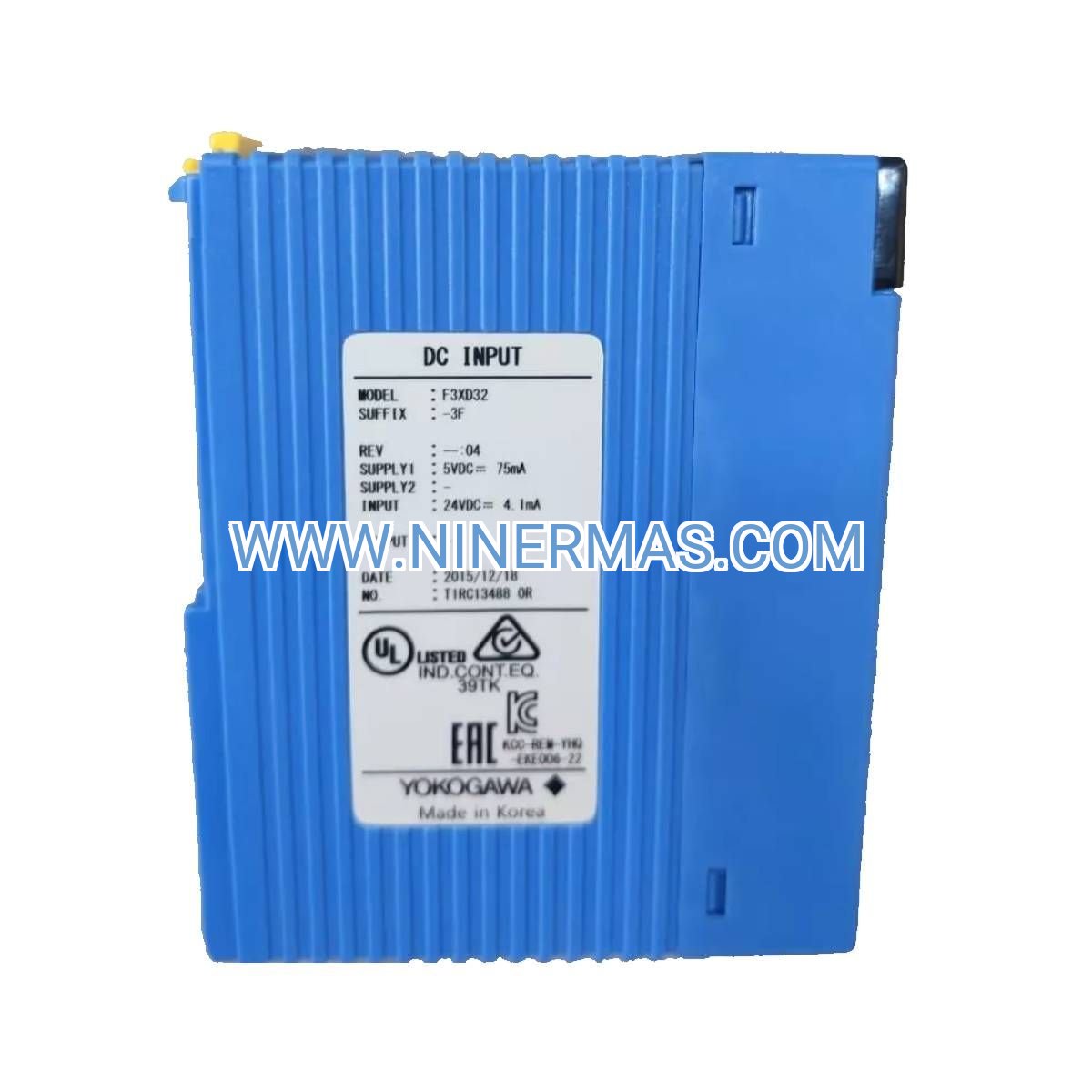
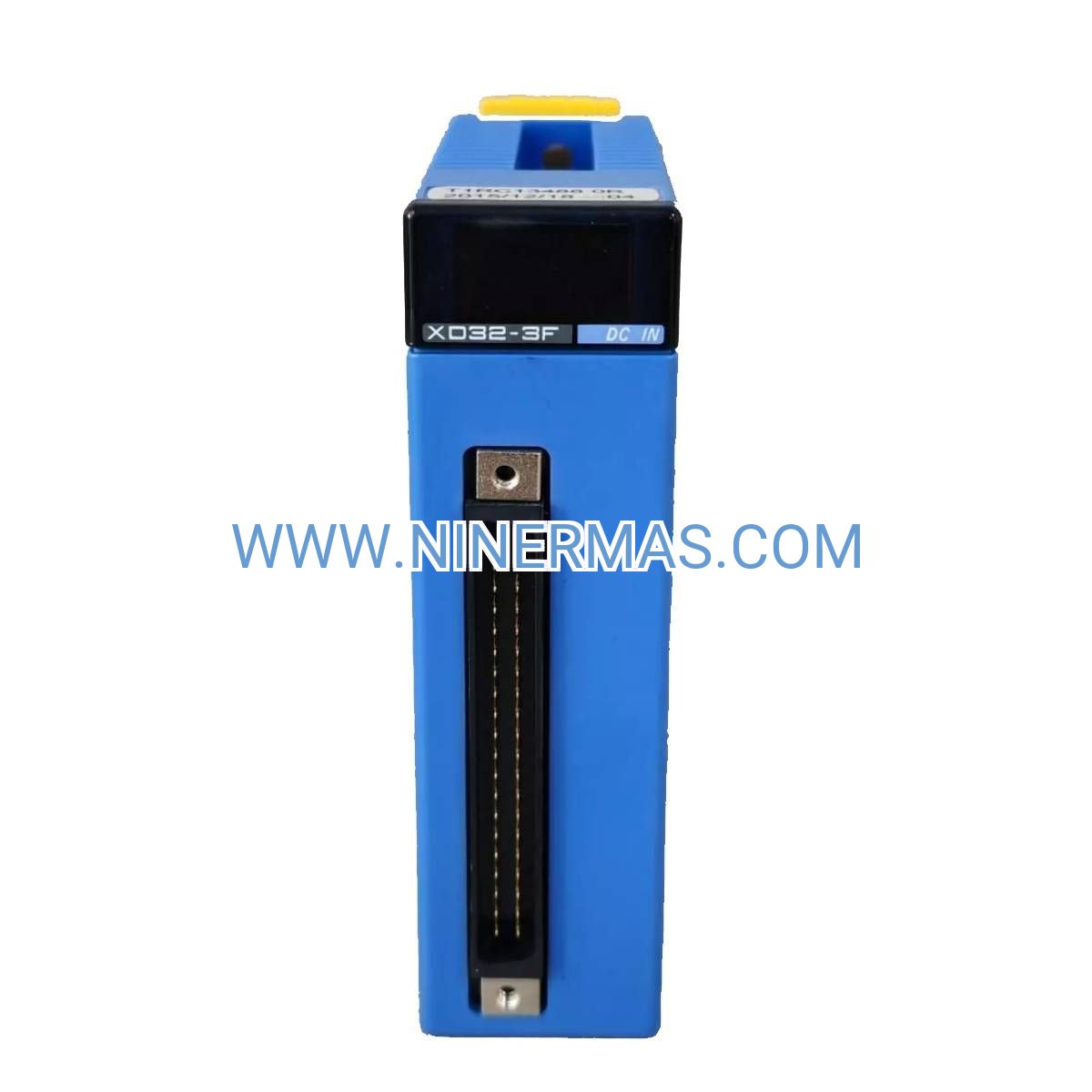
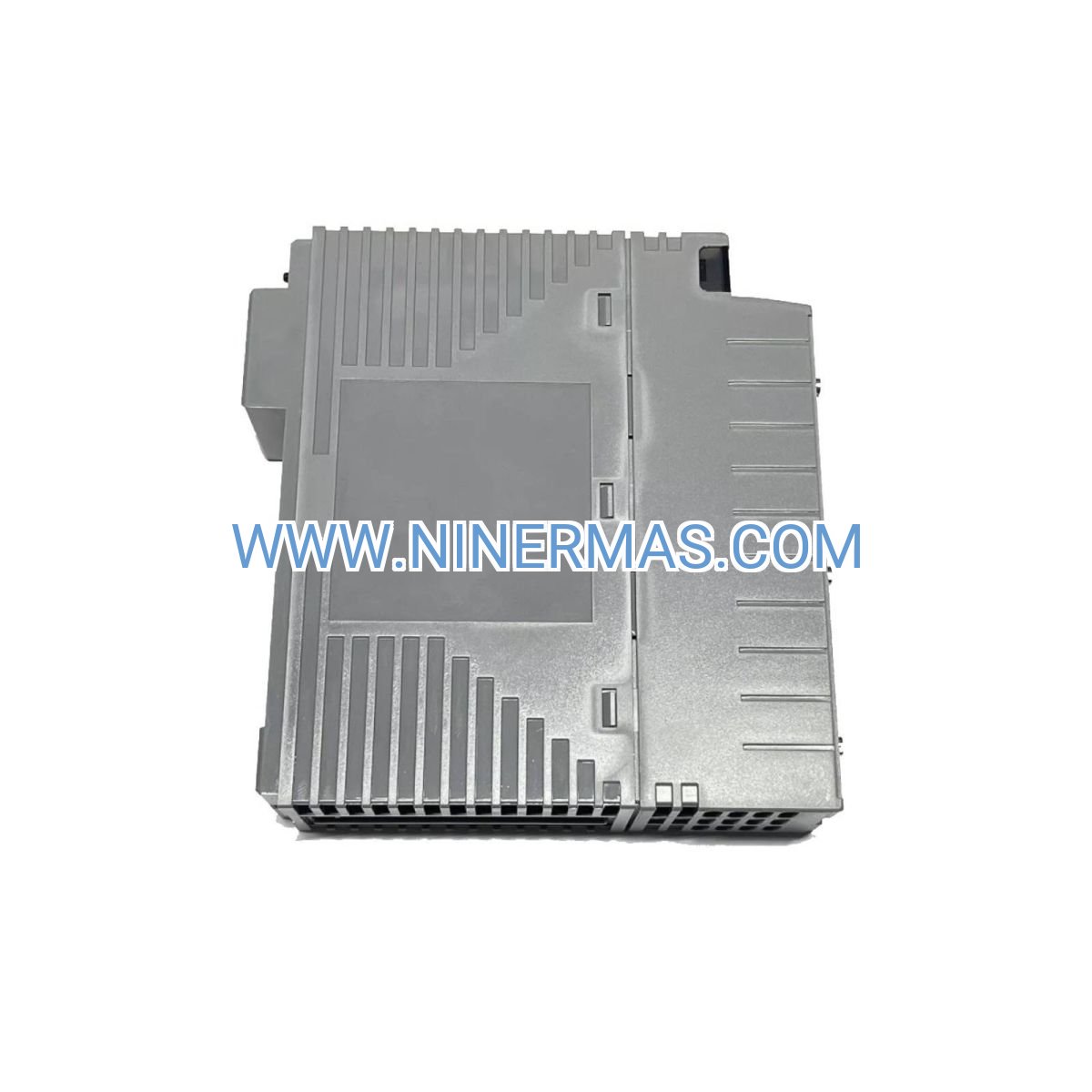
F3XD32-3F Digital Input Module (Industrial-Grade 32-Channel DC Acquisition)
The F3XD32-3F is a high-performance digital input interface designed for industrial control systems requiring dense signal monitoring. Engineered by Yokogawa, this 32-channel module combines sink/source versatility with robust isolation architecture, making it the preferred choice for process automation, machine control, and safety-critical applications where reliable discrete signal acquisition is non-negotiable.
Built for environments where downtime costs thousands per hour, the F3XD32-3F addresses the challenge of consolidating multiple sensor inputs into a single, space-efficient package. Manufacturing engineers, system integrators, and automation specialists rely on this module to reduce panel footprint while maintaining signal integrity across noisy industrial environments. Its dual-mode input capability eliminates compatibility headaches when interfacing with diverse field devices.
Key differentiators include channel-to-channel isolation that prevents fault propagation, LED diagnostics for rapid troubleshooting, and proven compatibility with Yokogawa's F3 controller ecosystem. Whether you're retrofitting legacy systems or designing greenfield installations, the F3XD32-3F delivers the density, reliability, and flexibility modern automation demands.
Core Features & Business Value
→ 32 Discrete Input Channels
Double the I/O density compared to 16-point alternatives, reducing module count by 50% and freeing valuable DIN rail space for expansion. Lower hardware costs and simplified wiring translate to faster commissioning and reduced installation labor.
✓ Sink/Source Dual-Mode Operation
Universal compatibility with both NPN and PNP sensor outputs eliminates the need for signal converters. One module type handles diverse field devices, simplifying spare parts inventory and reducing procurement complexity.
→ Galvanic Isolation Architecture
Channel-to-channel and channel-to-backplane isolation protects against ground loops and electrical noise. Critical for multi-zone systems where sensor grounds may differ, preventing costly false trips and ensuring data integrity.
✓ Fast Response Time (<1ms)
Captures high-speed events from proximity sensors, encoders, and safety devices without signal loss. Essential for motion control, counting applications, and emergency stop circuits where milliseconds matter.
→ Visual Diagnostics with Per-Channel LEDs
Instant status verification accelerates startup validation and fault isolation. Maintenance teams identify wiring errors or failed sensors in seconds, minimizing troubleshooting time and reducing mean time to repair (MTTR).
✓ Industrial Temperature Range (-10°C to +55°C)
Operates reliably in harsh environments from cold storage facilities to high-temperature manufacturing zones. No derating required within specification, ensuring consistent performance across seasonal variations.
Application Scenarios
Chemical Process Monitoring
Monitor valve position feedback, level switches, and alarm contacts across reactor vessels and distillation columns. The F3XD32-3F's isolation prevents ground-related faults in multi-tank installations where sensors may reference different electrical potentials. Typical deployment: 8-12 modules per process unit, handling 256-384 discrete signals.
Automotive Assembly Lines
Track part presence sensors, fixture clamps, and robot safety gates across multi-station work cells. High channel density reduces control cabinet size in space-constrained production areas. Integrators report 30-40% panel space savings versus distributed I/O approaches, enabling more compact machine designs.
Building HVAC & Energy Management
Collect status from damper end switches, pump run confirmations, and occupancy sensors across commercial facilities. Centralized I/O architecture simplifies BMS integration while maintaining zone-level fault isolation. Common configuration: 4-6 modules per mechanical room, interfacing with 128-192 field devices.
Packaging Machinery Safety Systems
Interface with light curtains, E-stop buttons, guard door interlocks, and two-hand control stations. Fast input response ensures compliance with safety standards (ISO 13849, IEC 62061) for Category 3/PLd applications. Dual-channel monitoring capability supports redundant safety architectures.
Water Treatment & Distribution
Acquire signals from flow switches, pressure alarms, and pump status contacts across lift stations and filtration plants. Robust EMI immunity handles electrical noise from VFDs and motor starters common in pumping applications. Field-proven in municipal installations with 10+ year service life.
Technical Parameters & Selection Guide
| Parameter | Specification |
|---|---|
| Input Points | 32 channels (individually isolated) |
| Input Voltage | 24V DC nominal (19-30V DC range) |
| Input Type | Sink/Source selectable per module |
| Input Current | Typical 7mA @ 24V DC |
| ON Threshold | 15V DC minimum |
| OFF Threshold | 5V DC maximum |
| Response Time | 0.5ms typical (ON/OFF) |
| Isolation Voltage | 500V AC (channel-to-bus) |
| Operating Temp | -10°C to +55°C |
| Storage Temp | -25°C to +70°C |
| Humidity | 5% to 95% RH (non-condensing) |
| Mounting | 35mm DIN rail (EN 50022) |
| Dimensions | 90mm (W) × 87mm (H) × 58mm (D) |
| Weight | 120g |
| Certifications | CE, UL, cUL |
Selection Criteria: Choose the F3XD32-3F when your application requires more than 16 discrete inputs per control point and panel space is at a premium. For mixed voltage systems (12V/24V), consider deploying separate modules per voltage level to simplify field wiring. When interfacing with safety-rated devices, verify that your F3 controller configuration supports the required safety integrity level (SIL).
Extended Functions
Diagnostic Capabilities: Built-in self-test routines detect open circuits, short circuits, and power supply faults. Diagnostic data streams to the host controller via the backplane, enabling predictive maintenance strategies and remote health monitoring.
Hot-Swap Support: Replace modules under power without disrupting adjacent I/O or controller operation (when used with compatible F3 bases). Reduces maintenance windows and enables online module replacement in 24/7 operations.
Configuration Flexibility: Input filtering adjustable via software (0.5ms to 20ms) to suppress contact bounce or accommodate slow-changing signals. Eliminates need for external RC filters, reducing BOM cost and installation time.
Delivery & Service Assurance
Lead Time: Standard stock items ship within 3-5 business days. Custom configurations or bulk orders (20+ units) typically require 2-3 weeks. Expedited shipping available for critical downtime situations.
Warranty: 24-month manufacturer warranty covering defects in materials and workmanship. Extended warranty programs available for mission-critical applications requiring 5-year coverage.
Technical Support: Access to Yokogawa-certified application engineers for integration assistance, troubleshooting, and system optimization. Email/phone support during business hours; emergency hotline for production-down scenarios.
Documentation Package: Includes installation manual, wiring diagrams, CAD drawings (DXF/PDF), and sample PLC code for common platforms (Yokogawa F3, Siemens S7, Allen-Bradley). Firmware update utilities and configuration software provided at no charge.
Frequently Asked Questions
How do I connect both NPN and PNP sensors to the same module?
The F3XD32-3F's sink/source mode is set globally for all 32 channels via a hardware jumper. For mixed sensor types, deploy separate modules configured for each polarity, or use external signal converters for the minority sensor type.
What is the maximum cable length for reliable signal transmission?
With shielded twisted-pair cable, distances up to 100 meters are achievable in typical industrial environments. For runs exceeding 50 meters or high-EMI areas (near VFDs, welders), use 18 AWG or larger conductors and verify voltage drop remains within the 19-30V DC input range.
Can this module reduce energy consumption compared to relay-based systems?
Yes. Solid-state inputs consume approximately 7mA per channel versus 50-100mA for electromechanical relay coils. A fully populated 32-channel module draws under 1W total, compared to 5-10W for equivalent relay racks—an 80-90% reduction in I/O power consumption.
What installation clearances are required for proper heat dissipation?
Maintain 10mm minimum spacing above and below the module for convection cooling. In enclosed cabinets exceeding 45°C ambient, add forced ventilation or reduce ambient temperature to stay within the -10°C to +55°C operating range.
Does the module support remote monitoring via Ethernet or wireless networks?
The F3XD32-3F communicates exclusively via the F3 controller backplane. For remote access, pair with an F3 CPU equipped with Ethernet (F3SP71/F3SP76) or add a separate gateway module. SCADA integration is achieved through the controller's network interface, not directly from the I/O module.
How does channel density impact system reliability and troubleshooting?
Higher density reduces interconnect points (fewer terminal blocks, connectors), which statistically lowers failure modes. However, a single module failure affects 32 points versus 16. Best practice: distribute critical signals across multiple modules and implement controller-level diagnostics to flag module faults before they impact production.
Ready to Optimize Your I/O Architecture?
Contact our automation specialists to discuss your specific application requirements. We'll help you calculate the optimal module count, recommend compatible controllers, and provide detailed wiring schematics tailored to your system. Request a quote today or download the full technical datasheet to begin your integration planning.
© 2026 NINERMAS COMPANY LIMITED. All rights reserved.
Original Source: https://ninermas.com
Contact: sale@ninermas.com | +0086 187 5021 5667
PDF Specification
Download PDF file here:
Click to Download PDFRelated products

Contact Info
-
Address:22 / F, South Wo Hang building, 148 Wing Lok Street, Sheung Wan, Western District, Hong Kong
-
Phone:+8618750215667
-
Email:
