



Description
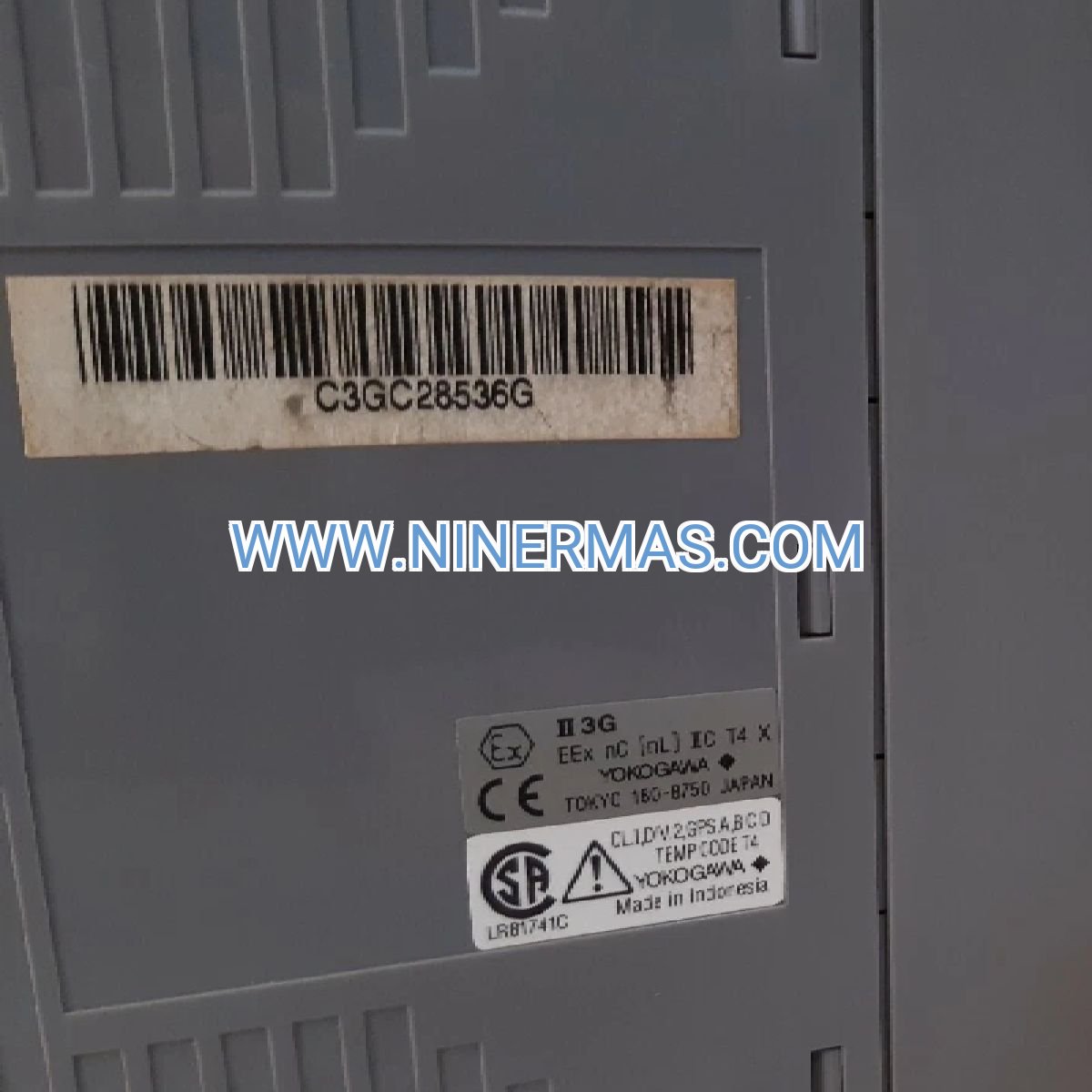
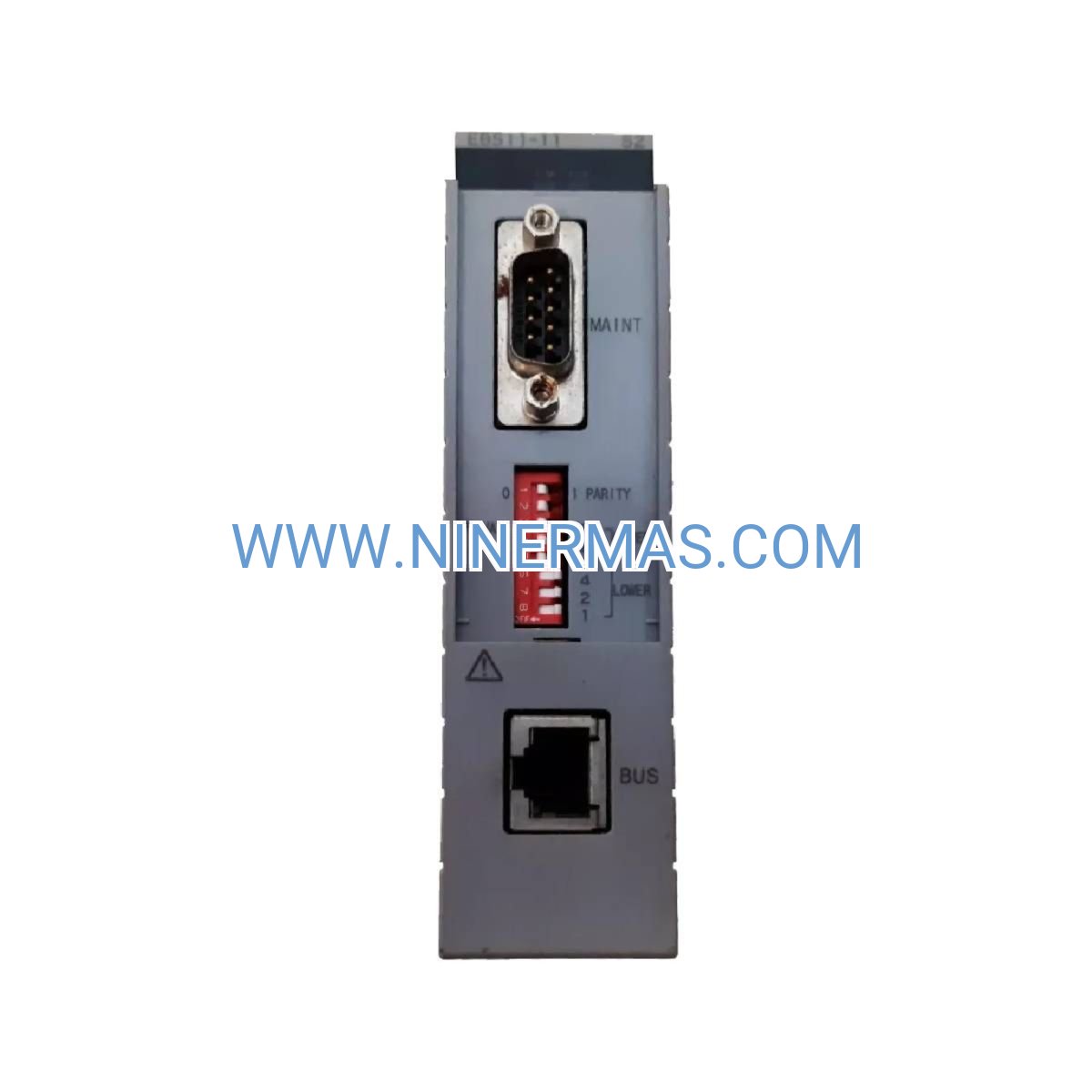
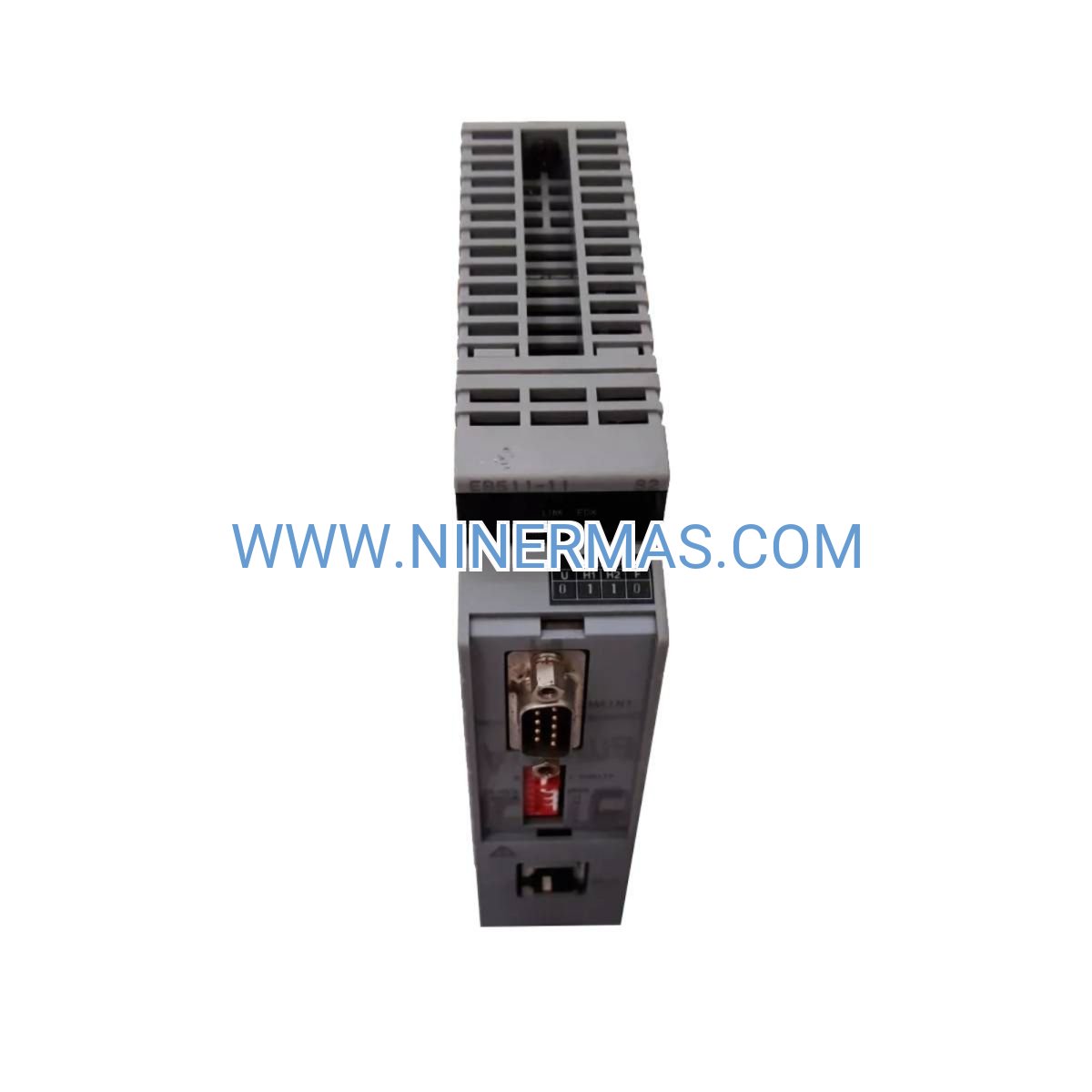
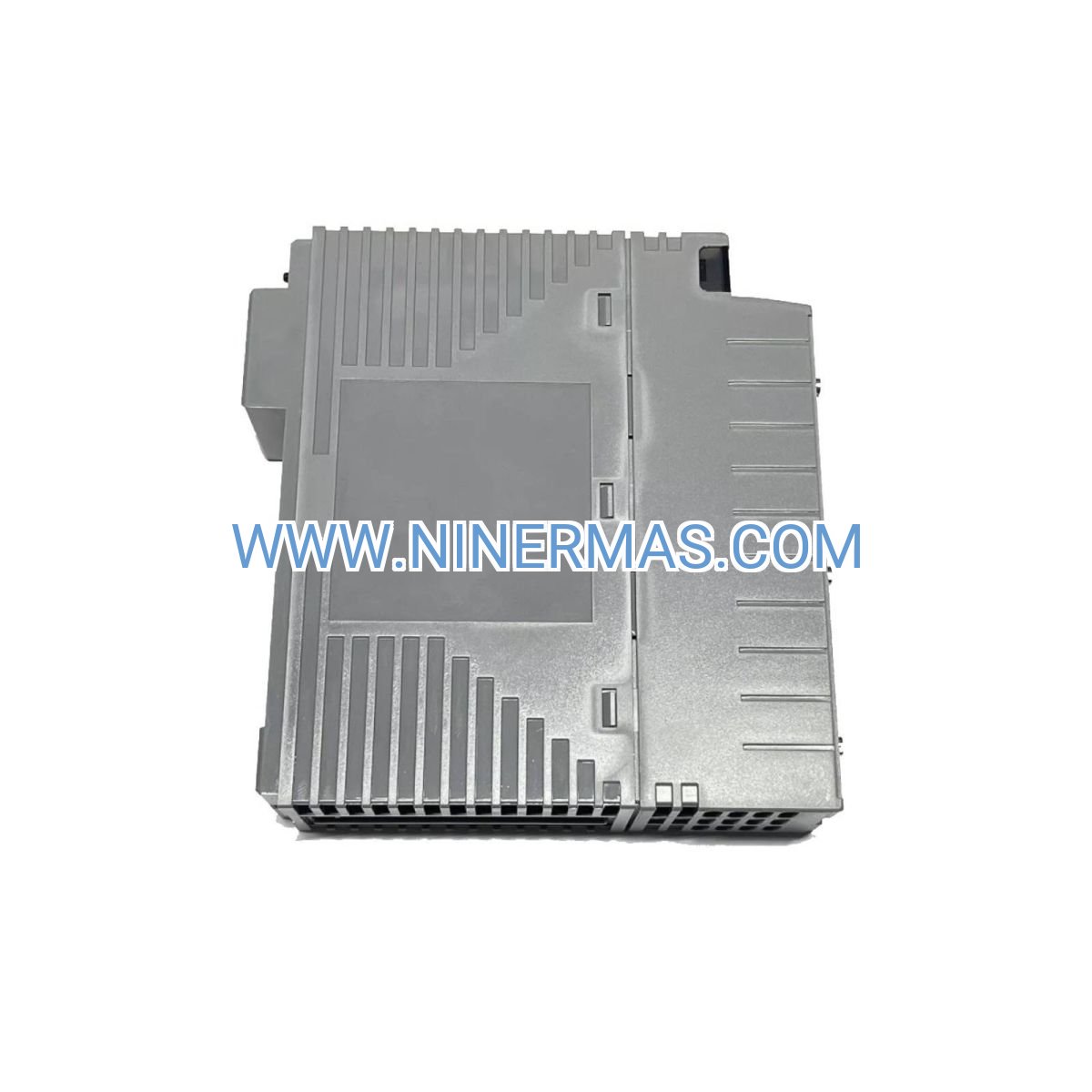
CP703 Processor Card – Industrial-Grade Control Engine for CENTUM CS 1000
The CP703 processor card serves as the computational backbone for Yokogawa's CENTUM CS 1000 distributed control platform, engineered to execute mission-critical control strategies in small to medium-scale industrial environments. Designed for chemical processing, oil & gas operations, and utilities infrastructure, this CPU module combines deterministic scan cycles with fault-tolerant architecture to maintain process stability under demanding operational conditions.
Process engineers rely on the CP703 to manage complex control loops where timing precision directly impacts product quality and safety compliance. From pharmaceutical batch reactors requiring strict recipe adherence to refinery distillation columns demanding multivariable coordination, this processor delivers consistent microsecond-level response times that eliminate process variability. Plant operators benefit from continuous uptime through built-in redundancy support and predictive diagnostics that prevent unplanned shutdowns.
Key advantages include dual-port memory architecture for seamless HMI integration, onboard trend buffering to reduce network load, and hot-swappable redundancy configurations that achieve five-nines availability. The CP703 integrates natively with Yokogawa's I/O ecosystem while supporting legacy CENTUM CS infrastructure, protecting capital investments during phased modernization projects.
Core Capabilities & Business Value
→ Deterministic Control Execution
Microsecond-precision scan cycles ensure repeatable loop performance across all 256 control points. Eliminates timing jitter that causes batch inconsistencies and quality deviations, reducing rework costs by up to 18% in formulation processes.
→ Fault-Tolerant Redundancy
Dual-CPU configurations with bumpless transfer maintain control authority during processor failures or maintenance windows. Achieves 99.99% availability targets mandated by continuous process industries, preventing revenue loss from unplanned downtime.
→ Integrated Diagnostics Suite
Real-time health monitoring tracks processor load, memory utilization, and communication integrity. Early fault detection reduces mean time to repair (MTTR) by 40%, enabling predictive maintenance strategies that lower lifecycle costs.
✓ High-Speed Backplane Interface
Proprietary Vnet/IP protocol delivers sub-10ms data exchange with I/O subsystems and peer controllers. Supports distributed control architectures spanning multiple cabinets without sacrificing synchronization, critical for coordinated startup/shutdown sequences.
✓ Scalable Loop Capacity
Configurable scan rates from 100ms to 10 seconds accommodate both fast regulatory loops and slow cascade strategies. Engineers allocate processor resources based on process criticality, optimizing performance for mixed control applications.
✓ Memory Partitioning Technology
Isolated control and communication buffers prevent network traffic spikes from impacting loop stability. Maintains control integrity during SCADA polling storms or engineering workstation connections, ensuring safety system independence.
Industry Applications & Problem Resolution
Chemical Batch Manufacturing
Manages recipe-driven sequences for specialty chemicals and coatings production. The CP703's deterministic timing ensures precise ingredient addition and reaction hold periods, eliminating off-spec batches caused by timing drift. Integrated trend buffers provide batch historians with high-resolution data for regulatory compliance and process optimization.
Oil & Gas Separation Systems
Controls multivariable strategies for three-phase separators and stabilization columns. Coordinated PID loops maintain optimal pressure/temperature profiles that maximize hydrocarbon recovery while meeting pipeline specifications. Redundant configurations prevent production losses during processor maintenance in remote offshore platforms.
Municipal Water Treatment
Executes cascade control for pH neutralization, chlorination dosing, and filtration backwash cycles. The processor's 100ms scan capability responds rapidly to influent quality changes, maintaining effluent compliance with environmental discharge permits. Onboard alarming reduces operator workload during upset conditions.
Power Generation Auxiliaries
Regulates boiler feedwater systems, condensate polishing, and cooling tower operations. Fast loop execution prevents thermal stress during load-following scenarios, extending equipment lifespan. Diagnostic capabilities support condition-based maintenance programs that reduce forced outage rates.
Food & Beverage Processing
Orchestrates pasteurization, fermentation temperature control, and CIP (clean-in-place) sequences. Recipe management features ensure consistent product quality across production runs, while audit trails satisfy FSMA traceability requirements. The processor's reliability minimizes contamination risks from control system failures.
Technical Specifications & Selection Criteria
| Parameter | Specification | Selection Guidance |
|---|---|---|
| Control Loop Capacity | Up to 256 loops | Size based on total regulatory + cascade + sequential loops; reserve 20% for future expansion |
| Scan Cycle Range | 100ms – 10 seconds | Fast processes (flow, pressure) require ≤500ms; slow thermal loops tolerate 2-5s cycles |
| Memory Architecture | Dual-port RAM | Enables simultaneous control execution and HMI data exchange without bus contention |
| Communication Protocol | Vnet/IP proprietary | Requires Yokogawa I/O modules; verify compatibility with existing CENTUM CS infrastructure |
| Redundancy Support | Hot-standby pairing | Mandatory for SIL-rated applications or processes with >$50K/hour downtime costs |
| Operating Temperature | 0°C to 55°C | Standard industrial range; specify climate-controlled enclosures for extreme environments |
| Power Consumption | 15W typical | Low heat dissipation simplifies cabinet thermal design; UPS sizing at 25W for redundant pairs |
| MTBF Rating | >100,000 hours | Supports 10+ year service life with proper environmental controls and preventive maintenance |
Selection Workflow: Begin by auditing total control points (analog inputs, digital outputs, calculated variables). Add 20% growth margin, then verify scan rate requirements for fastest loops. For critical processes, specify redundant pairs with automatic failover. Confirm Vnet/IP compatibility with existing I/O racks and engineering workstations. Review environmental conditions to ensure cabinet temperature stays within 0-55°C operating range.
Advanced Integration Features
IoT & Remote Monitoring Readiness
The CP703 supports OPC UA server functionality through gateway modules, enabling secure data export to cloud historians and analytics platforms. Plant managers access real-time KPIs via mobile dashboards without compromising control network security. Integration with Yokogawa's Sushi Sensor platform extends predictive maintenance capabilities to field instrumentation.
Legacy System Bridging
Backward compatibility with CENTUM CS 1000 I/O modules protects existing infrastructure investments during phased upgrades. Engineers migrate control strategies incrementally while maintaining operational continuity, reducing project risk and capital expenditure. Protocol converters enable integration with third-party PLCs and SCADA systems in hybrid architectures.
Custom Algorithm Development
Yokogawa's engineering toolkit supports user-defined function blocks for proprietary control strategies. Process specialists implement model predictive control (MPC), soft sensors, and advanced regulatory schemes without vendor dependency. Simulation environments validate custom logic before deployment, minimizing commissioning time.
Delivery, Warranty & Technical Support
Lead Times:
• Standard configuration: 4-6 weeks from order confirmation
• Custom-tested redundant pairs: 6-8 weeks including factory acceptance testing
• Expedited service available for critical outage scenarios (contact for pricing)
Warranty Coverage:
• 24-month manufacturer defect warranty from shipment date
• Extended 60-month coverage available for redundant configurations
• Advance replacement program ensures <24-hour delivery of swap units
Technical Assistance:
• 24/7 hotline support for troubleshooting and configuration guidance
• Remote diagnostic access via secure VPN for rapid fault isolation
• Quarterly firmware updates with cybersecurity patches and performance enhancements
• On-site commissioning support and operator training packages
Documentation Package:
• Hardware installation manual with cabinet layout drawings
• Configuration software user guide and function block library
• Maintenance procedures including backup/restore protocols
• Compliance certificates (CE, UL, ATEX where applicable)
Frequently Asked Questions
How does the CP703 integrate with existing CENTUM CS 1000 I/O racks?
The processor installs in standard CENTUM CS chassis and communicates via the Vnet/IP backplane. Configuration software auto-discovers connected I/O modules during system startup. No special adapters required for analog input cards, digital output modules, or specialty function blocks already in service.
What control loop capacity do I need for a 150-tag process unit?
A single CP703 handles 256 loops, providing ample headroom for 150 tags plus calculated variables and sequential logic. Reserve 20-30% capacity for future expansion and temporary commissioning loops. For redundant configurations, both processors maintain full capacity with automatic load balancing.
Can the CP703 reduce energy consumption in my control system?
The processor's 15W power draw represents 60% lower consumption versus previous-generation CPUs. Optimized control algorithms enabled by fast scan rates improve process efficiency—customers report 3-8% energy savings in thermal processes through tighter setpoint control and reduced overshoot.
What are the physical installation requirements for redundant CPU pairs?
Redundant CP703 cards install in adjacent chassis slots with fiber-optic synchronization cables. Minimum clearance: 100mm above chassis for cable routing. Each processor requires independent 24VDC power feeds from separate UPS circuits. Total installation depth including connectors: 285mm.
Does the CP703 support remote monitoring and diagnostics?
Yes, through Yokogawa's engineering workstation software. Secure VPN connections enable remote configuration changes, trend analysis, and alarm management. OPC UA gateway modules provide read-only data access for cloud historians and mobile HMI applications without exposing control network to internet threats.
How do I migrate control strategies from an older CENTUM CS processor?
Yokogawa's migration toolkit exports existing function block configurations as XML files, then imports them into CP703 projects with automatic address mapping. Typical migration timeline: 2-3 days for 200-loop systems including simulation testing. Factory acceptance testing validates migrated logic before site deployment.
Ready to Optimize Your Control Architecture?
Contact our industrial automation specialists to discuss your CENTUM CS 1000 upgrade requirements. We provide application engineering support, redundancy design consultation, and integration planning for seamless processor deployments. Request a technical datasheet or schedule a virtual system demonstration to evaluate the CP703's capabilities for your specific process challenges.
Next Steps: Email your system architecture diagram and control point list to receive a customized configuration proposal within 48 hours. Our team will specify processor quantity, redundancy options, and integration requirements tailored to your operational objectives.
© 2026 NINERMAS COMPANY LIMITED. All rights reserved.
Original Source: https://ninermas.com
Contact: sale@ninermas.com | +0086 187 5021 5667
Related products

Contact Info
-
Address:22 / F, South Wo Hang building, 148 Wing Lok Street, Sheung Wan, Western District, Hong Kong
-
Phone:+8618750215667
-
Email: