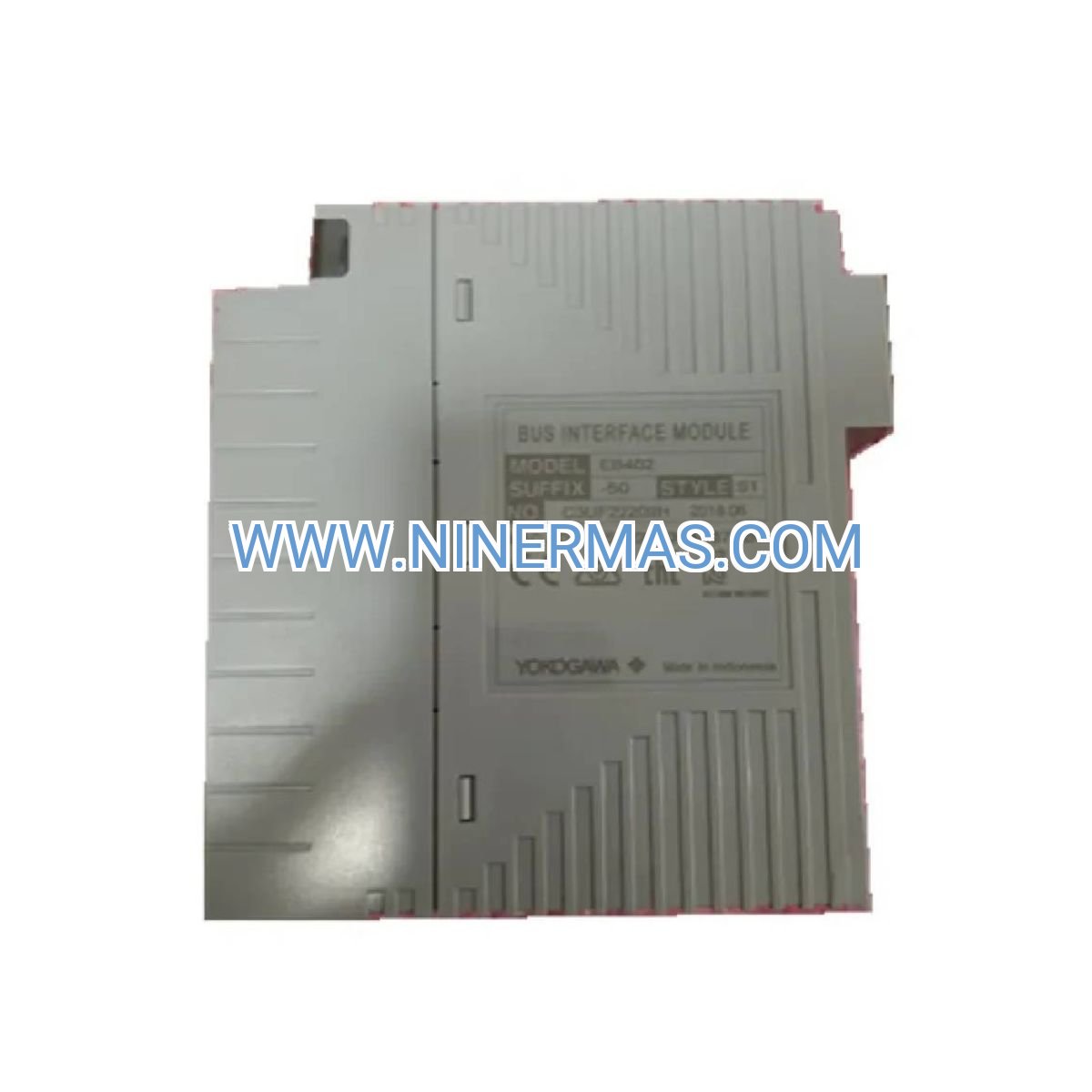
Description
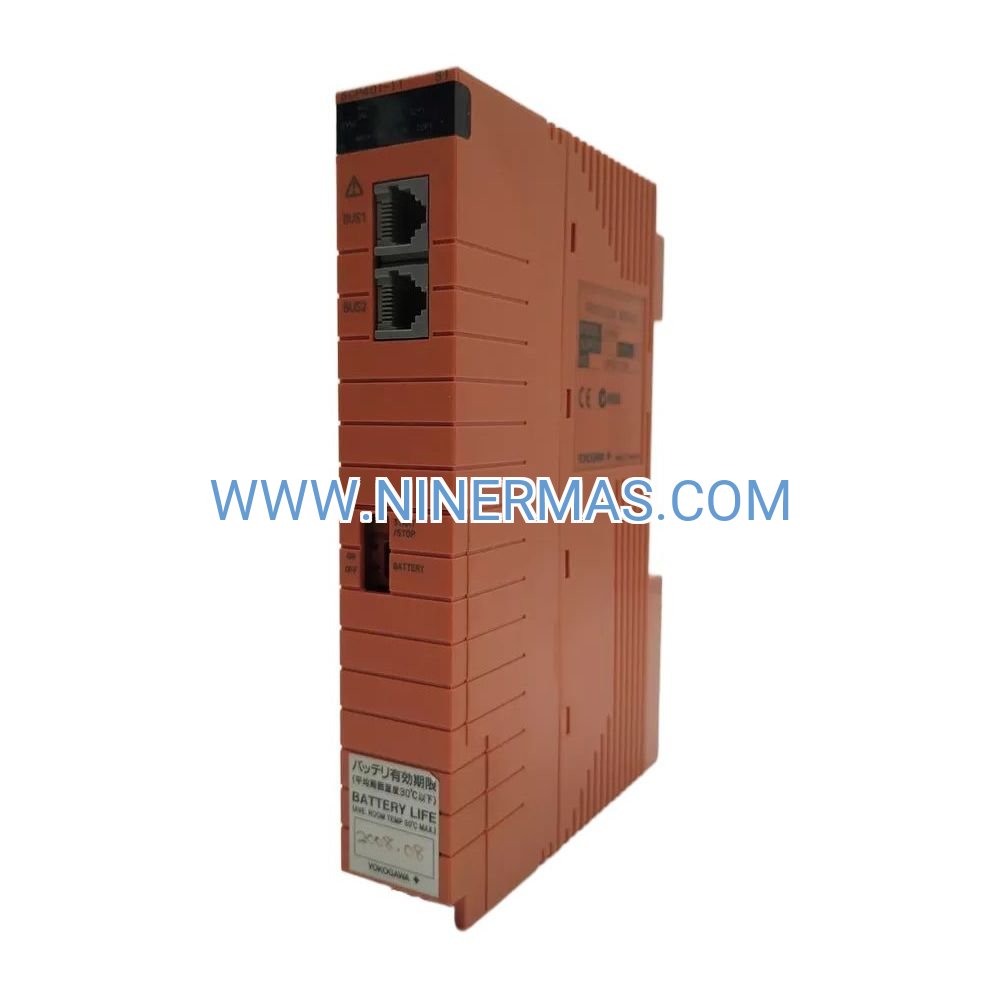
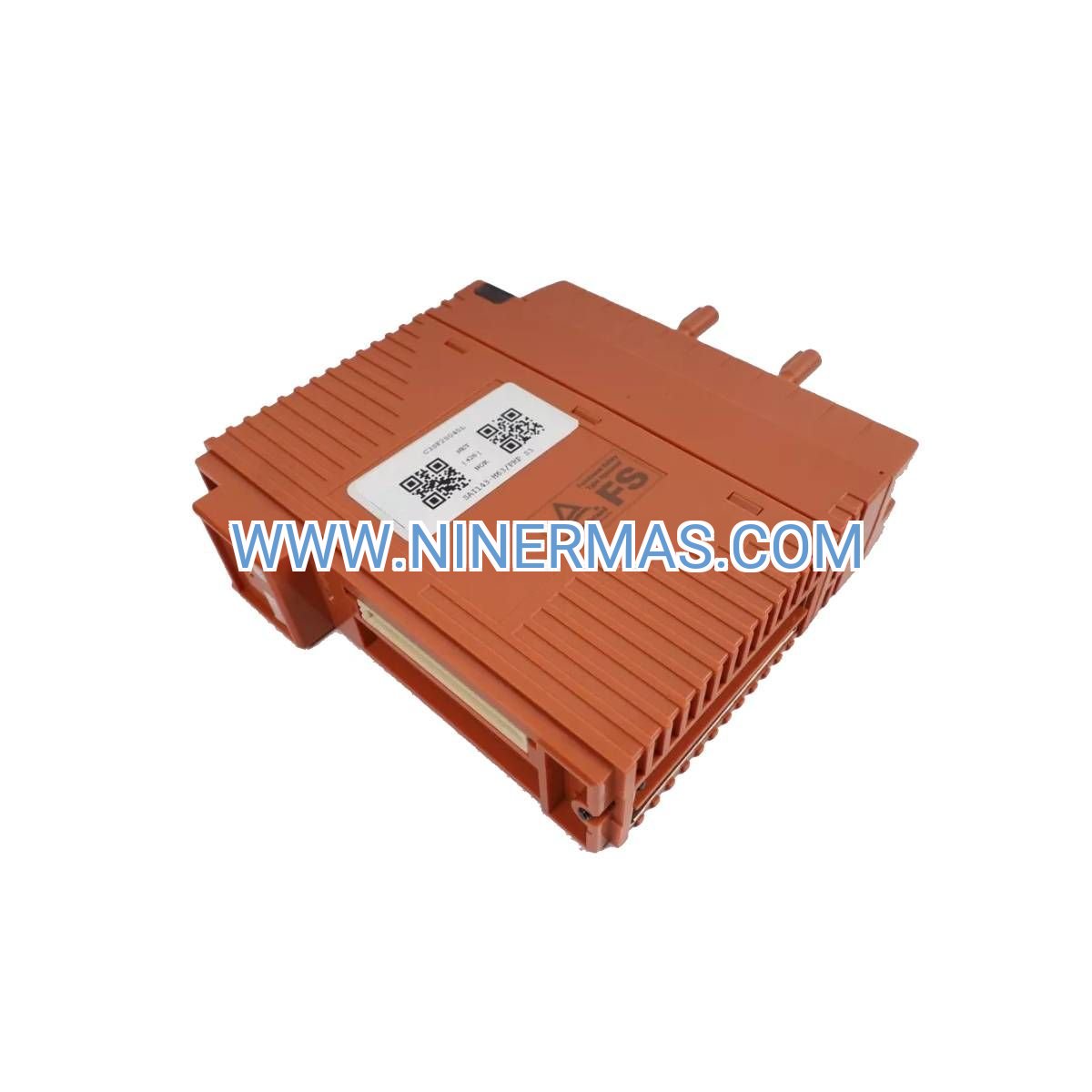
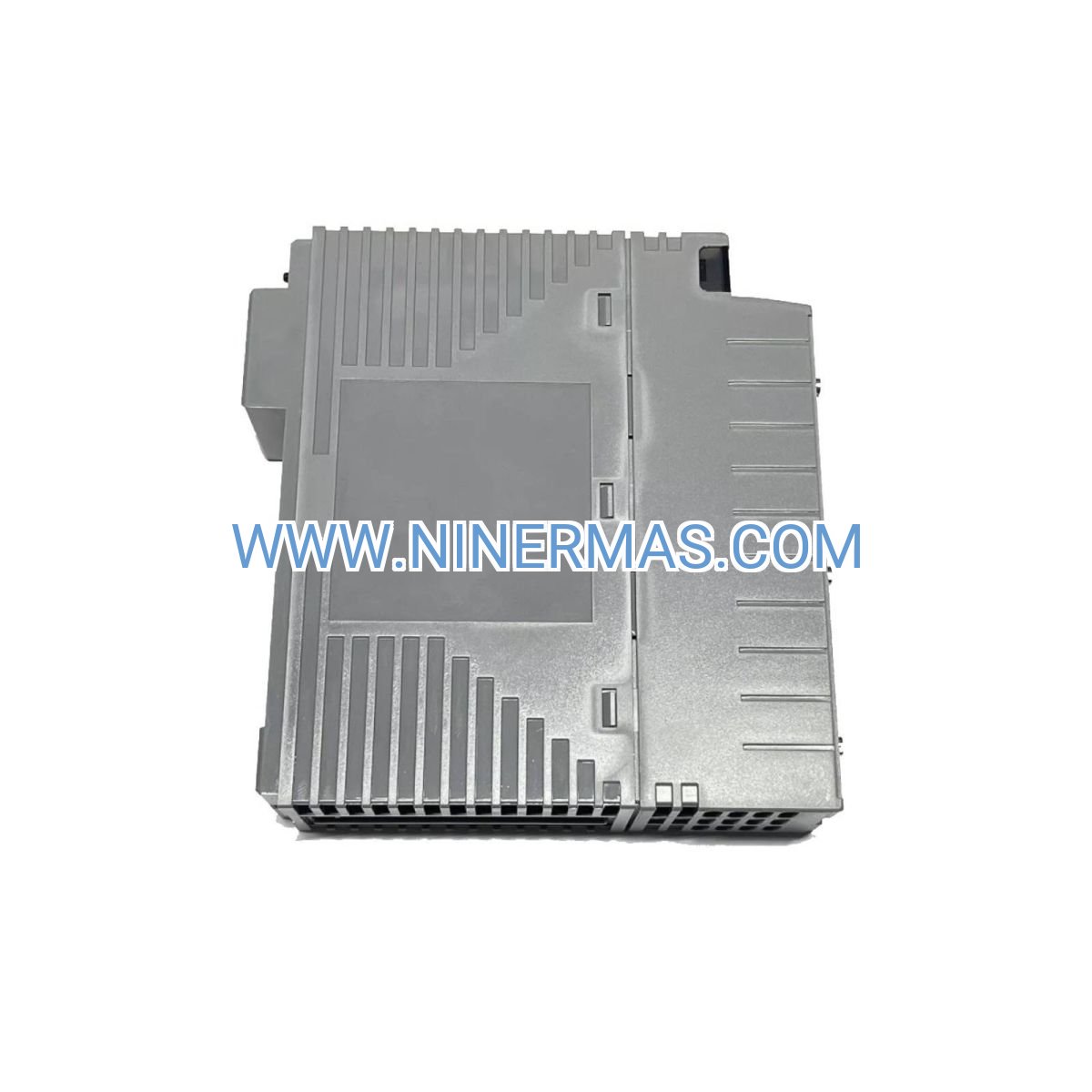
CP461-51 S2 Processor Module (Industrial-Grade DCS Control Core)
The CP461-51 S2 represents Yokogawa's advanced processing solution engineered specifically for AFV300 and AFV400 distributed control architectures. This industrial-grade processor module combines deterministic execution with enterprise-level reliability, delivering consistent control performance across mission-critical automation environments. Designed for process industries demanding zero-downtime operation, the CP461-51 S2 integrates seamlessly into existing DCS infrastructures while providing scalable capacity for future expansion.
Process engineers and automation specialists rely on this processor to maintain precise control over complex industrial operations where timing accuracy and system availability directly impact production efficiency and safety compliance. Whether coordinating multi-loop control strategies or managing high-speed I/O networks, the CP461-51 S2 delivers the computational power and communication bandwidth required for modern industrial automation.
With native support for redundant configurations and hot-swappable operation, this processor minimizes planned and unplanned downtime while maintaining full process continuity. The module's proven track record across chemical, petrochemical, and power generation facilities makes it the preferred choice for critical control applications requiring validated performance and long-term supportability.
Core Capabilities & Technical Advantages
→ Deterministic 32-bit RISC Processing: Hardware-accelerated floating-point calculations ensure consistent PID loop execution with predictable scan times ranging from 50ms to 500ms, eliminating control jitter in time-sensitive applications.
✓ Dual-Redundant Architecture Support: Seamless bumpless transfer between primary and backup processors maintains process control during maintenance activities or component failures, achieving 99.99% system availability.
→ Expanded I/O Handling Capacity: Supports up to 8 I/O modules per processor with high-speed backplane communication, reducing system complexity and cabinet footprint compared to distributed architectures.
✓ Multi-Protocol Communication Stack: Dual Ethernet ports (10/100 Mbps) plus RS-232/RS-485 serial interfaces enable simultaneous connections to HMI systems, SCADA networks, and legacy equipment without protocol gateways.
→ Industrial-Hardened Environmental Tolerance: Operates reliably across 0°C to 55°C temperature ranges with conformal coating protection against humidity, dust, and chemical exposure common in process environments.
✓ Comprehensive Memory Architecture: 4MB program storage and 8MB data memory accommodate complex control strategies, historical trending, and alarm management without external database dependencies.
Industry-Specific Application Scenarios
Pharmaceutical Batch Processing: Execute validated control recipes with full electronic signature capability and audit trail generation. The processor's deterministic behavior supports FDA 21 CFR Part 11 compliance requirements while maintaining precise temperature ramping and ingredient dosing sequences across multi-phase batch operations.
Refinery Distillation Control: Coordinate complex separation processes across multiple column sections with millisecond-level response to feed composition changes. Redundant processor pairs ensure continuous operation during turnarounds, preventing costly production interruptions and off-spec product generation.
Chemical Reactor Safety Systems: Monitor and control exothermic reactions with fail-safe shutdown logic and emergency cooling activation. The module's high-speed I/O scanning captures transient pressure and temperature excursions before they escalate into safety incidents.
Power Plant Boiler Management: Regulate combustion air-fuel ratios and steam pressure with coordinated control across economizers, superheaters, and turbine governors. The processor's communication capabilities integrate seamlessly with distributed energy management systems for grid stability support.
Water Treatment SCADA Integration: Manage multi-stage filtration, chemical dosing, and disinfection processes while providing real-time data to municipal monitoring systems. The module's protocol flexibility accommodates legacy RTU equipment alongside modern IoT sensors.
Technical Specifications & Selection Criteria
| Processor Type | 32-bit RISC with hardware FPU |
| Typical Scan Cycle | 100ms (configurable 50-500ms) |
| Program Memory | 4MB non-volatile flash |
| Data Memory | 8MB battery-backed RAM |
| I/O Module Capacity | 8 modules per processor |
| Network Interfaces | Dual Ethernet 10/100 + RS-232/485 |
| Redundancy Support | Hot-standby with bumpless transfer |
| Operating Temperature | 0°C to 55°C (32°F to 131°F) |
| Power Consumption | 12W typical / 15W maximum |
| Certifications | CE, UL508, CSA C22.2, ATEX Zone 2 |
| MTBF Rating | >100,000 hours at 40°C |
| Compatible Platforms | AFV300, AFV400, CENTUM VP |
Selection Guidelines: Choose the CP461-51 S2 when your application requires deterministic control performance with I/O counts between 64-512 points. For larger systems exceeding 512 I/O or requiring sub-50ms scan times, consider the CP451 series. Applications demanding SIL 2/3 safety certification should evaluate the ProSafe-RS platform instead.
Advanced Integration & Connectivity Options
The CP461-51 S2 natively supports CENTUM VP engineering environments, enabling unified configuration across distributed and embedded control nodes. OPC UA server functionality provides secure data access for MES and ERP systems without custom middleware development. FOUNDATION Fieldbus HSE linking allows direct connection to intelligent field devices, reducing wiring costs and improving diagnostic capabilities.
Modbus TCP/IP master and slave modes facilitate integration with third-party PLCs, variable frequency drives, and analytical instruments. The processor's dual Ethernet architecture supports network segmentation between control and information layers, enhancing cybersecurity posture while maintaining operational visibility.
For legacy system migration, the module maintains backward compatibility with AFV100/200 I/O modules through adapter cards, protecting existing field wiring investments during phased modernization projects.
Delivery Timeline & Service Commitments
Standard Lead Time: Factory-sealed units ship within 3-5 business days from our regional distribution centers in Asia, Europe, and North America. Express logistics options available for critical outage situations.
Warranty Coverage: 24-month manufacturer warranty covering defects in materials and workmanship. Extended service agreements available with advance replacement and on-site commissioning support.
Technical Support: Access to certified Yokogawa specialists for configuration assistance, troubleshooting, and firmware updates. Remote diagnostic services available 24/7 for redundant system health monitoring.
Documentation Package: Each processor includes installation manual, wiring diagrams, configuration software license, and calibration certificates traceable to NIST standards.
Frequently Asked Questions
Q: How does the CP461-51 S2 processor integrate with existing CENTUM CS3000 systems?
A: The CP461-51 S2 connects to CS3000 via Vnet/IP Ethernet networks using standard communication modules. Configuration data migrates through the CENTUM VP engineering station with automatic tag mapping. Existing operator interfaces require minimal modification, typically limited to graphic library updates.
Q: What is the maximum I/O point capacity when using redundant processor configurations?
A: Redundant pairs support the same 8-module capacity per processor, with automatic I/O synchronization across both units. Total system capacity reaches 512 I/O points per redundant pair when using high-density modules. Larger systems require multiple processor pairs with inter-processor communication.
Q: Can this processor module support real-time energy monitoring and demand response applications?
A: Yes, the CP461-51 S2 includes built-in power metering functions and supports DNP3 protocol for utility SCADA integration. Scan rates down to 50ms enable sub-second response to grid frequency deviations. Integration with building management systems occurs through BACnet/IP or Modbus TCP gateways.
Q: What cybersecurity features protect the processor from unauthorized access?
A: The module implements role-based access control with encrypted password storage, audit logging of all configuration changes, and support for IEEE 802.1X network authentication. Firmware updates require digital signature verification. Disable unused communication ports and implement VLAN segmentation for defense-in-depth protection.
Q: How do I perform firmware updates without interrupting active process control?
A: In redundant configurations, update the standby processor first, verify operation, then switch control and update the former primary. Single-processor systems require a planned maintenance window. The update process takes approximately 15 minutes and preserves all configuration data and historical logs.
Q: What environmental conditions require additional cooling or protective enclosures?
A: Ambient temperatures exceeding 50°C, direct sunlight exposure, or corrosive atmospheres (H2S, chlorine) necessitate climate-controlled enclosures with filtered ventilation. High-vibration environments (>0.5g) require shock-mounted racks. Consult installation manual section 3.2 for detailed environmental specifications.
Take the Next Step
Ready to enhance your DCS infrastructure with proven Yokogawa processing technology? Contact our automation specialists for application-specific configuration guidance, competitive quotations, and technical validation support. We provide complete system integration services including programming, commissioning, and operator training to ensure successful deployment.
Request a detailed specification sheet, compatibility matrix, or schedule a technical consultation today.
© 2026 NINERMAS COMPANY LIMITED. All rights reserved.
Original Source: https://ninermas.com
Contact: sale@ninermas.com | +0086 187 5021 5667
Related products

Contact Info
-
Address:22 / F, South Wo Hang building, 148 Wing Lok Street, Sheung Wan, Western District, Hong Kong
-
Phone:+8618750215667
-
Email: