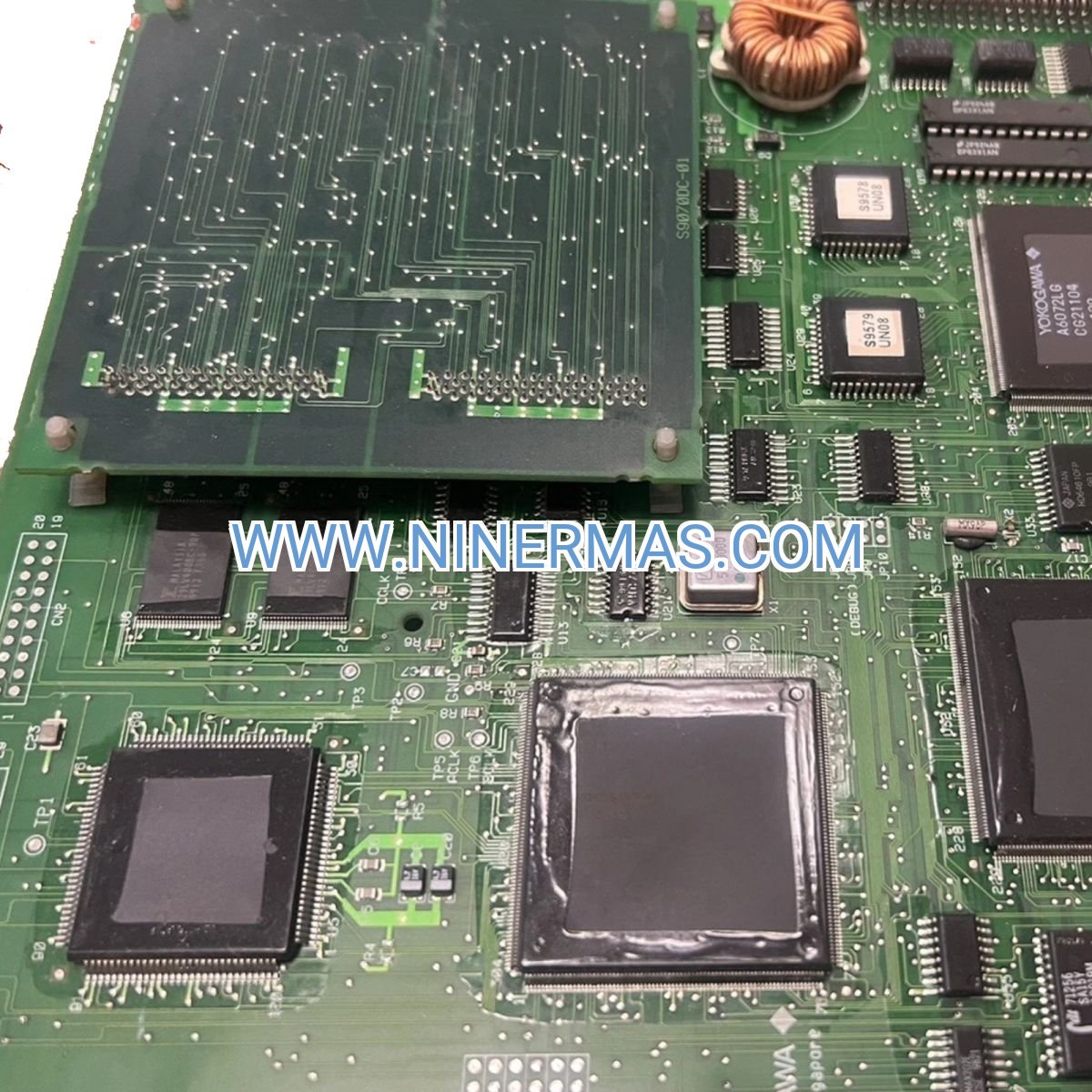
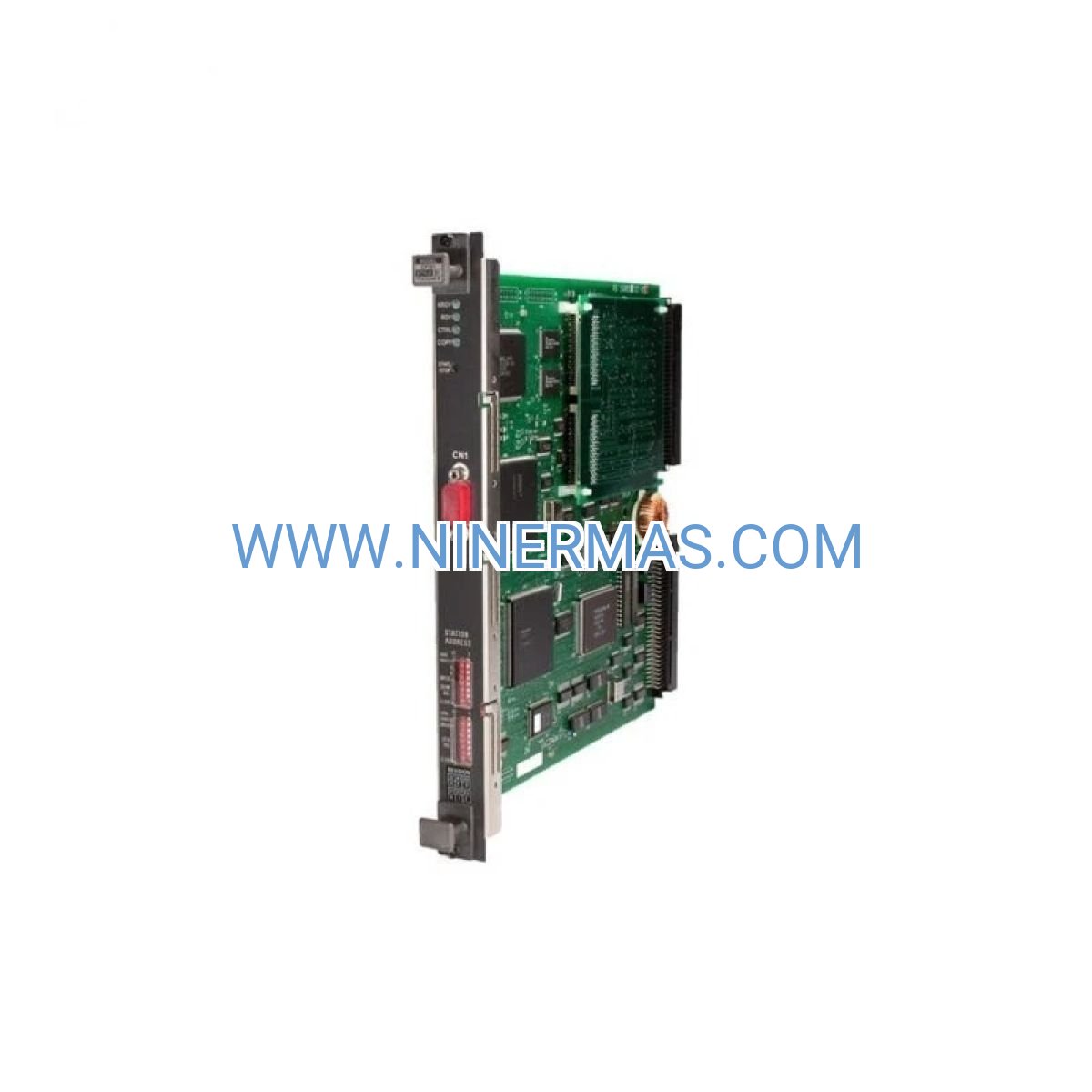
Description
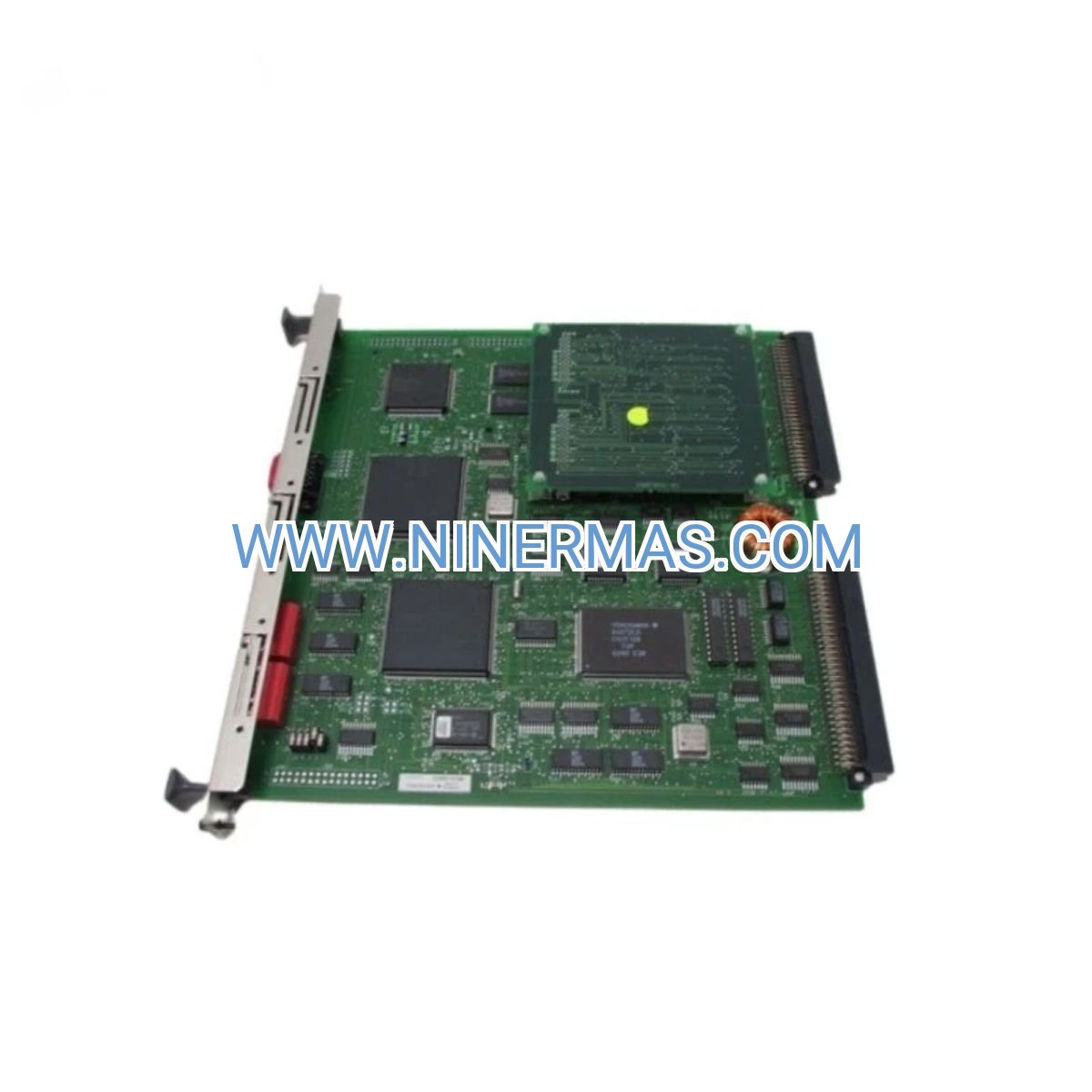
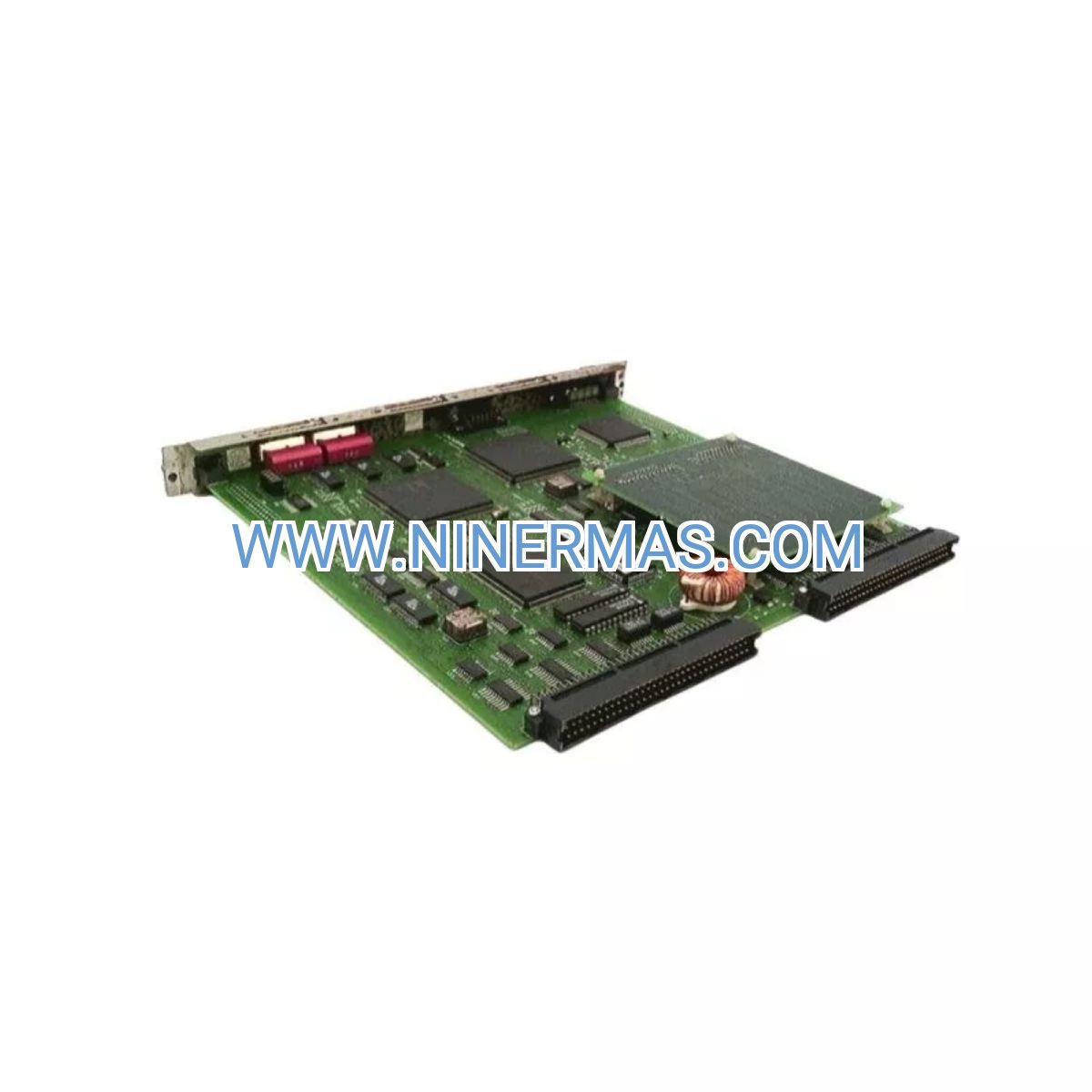
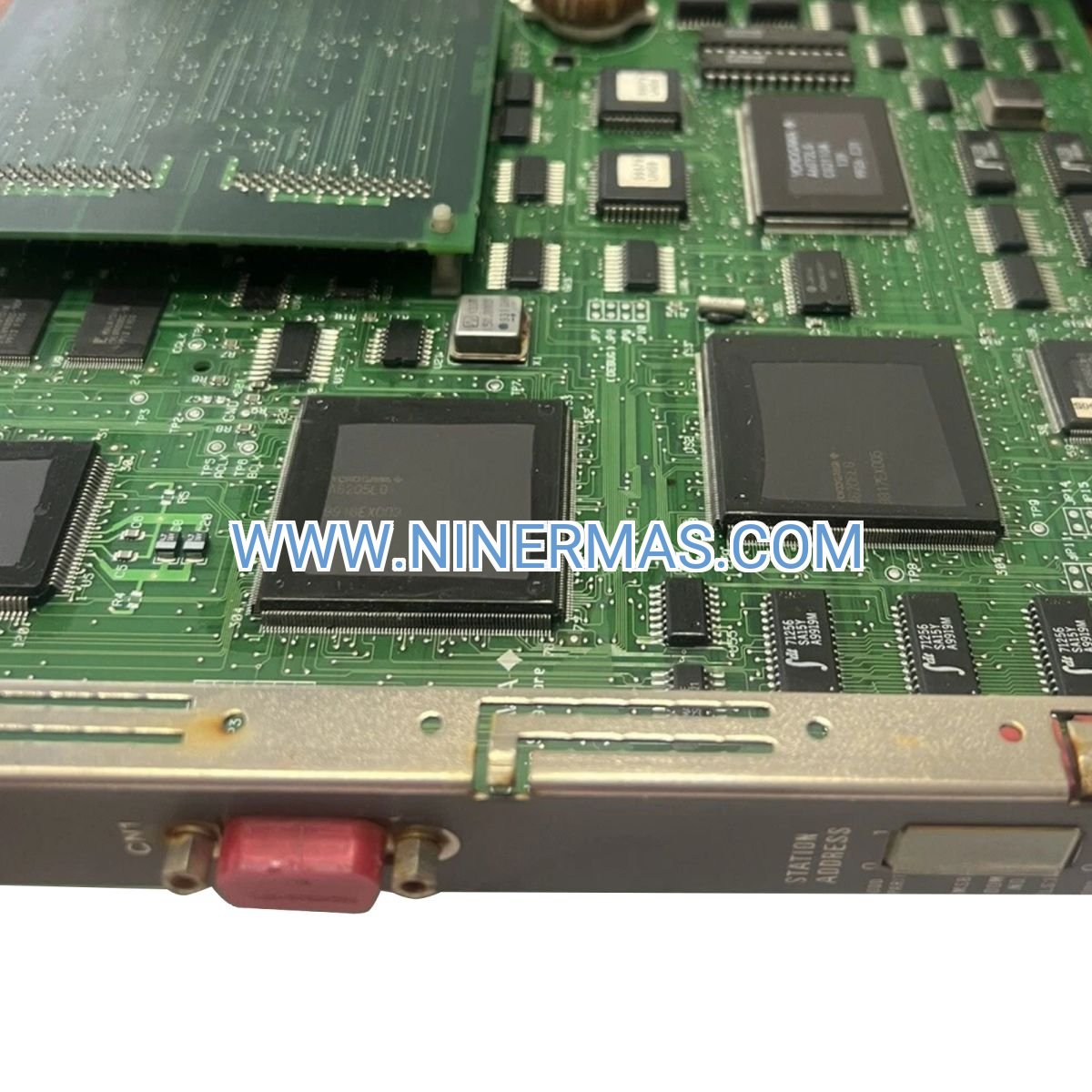
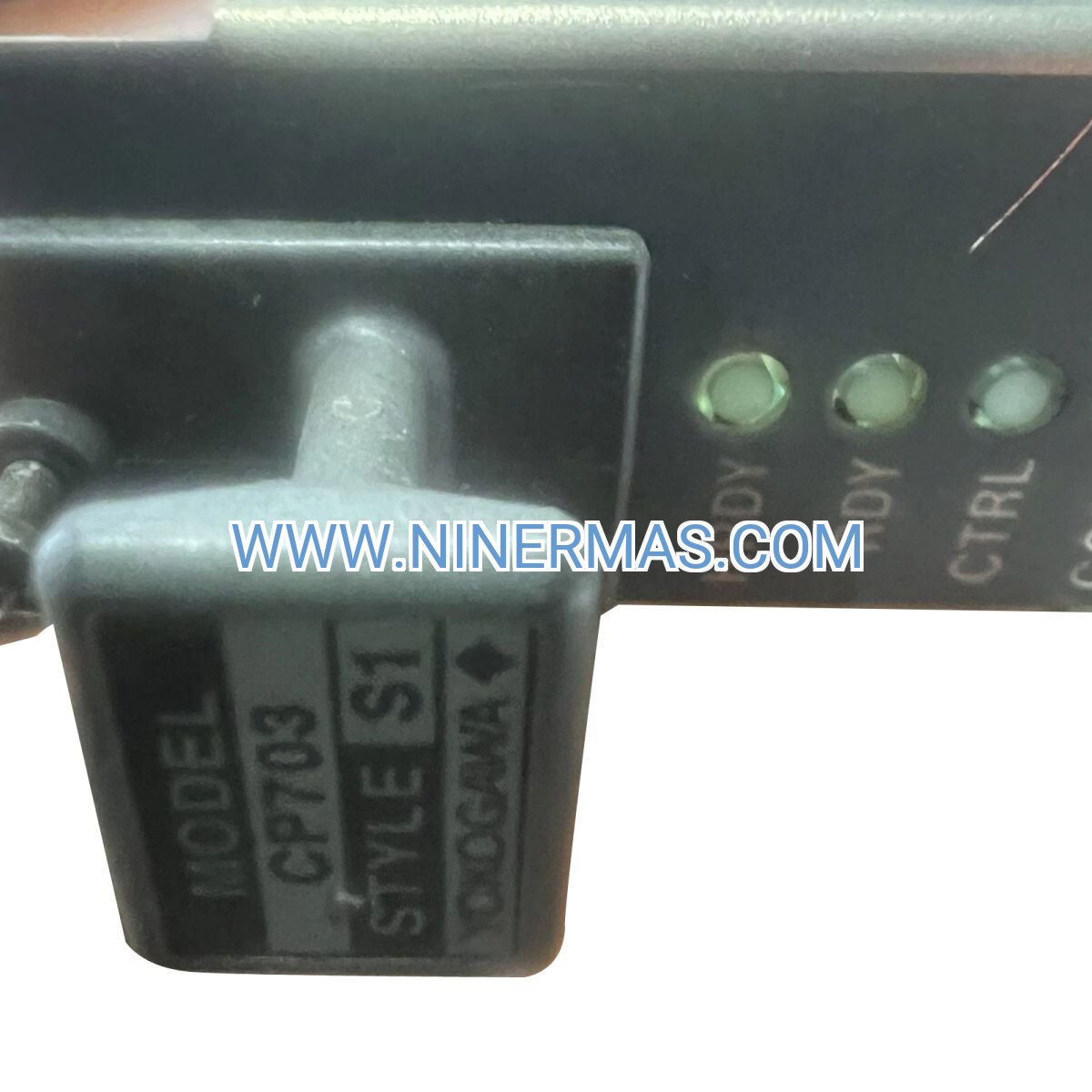
ALR111 Dual-Port RS-232C Serial Interface Module (Industrial-Grade DCS Connectivity)
The ALR111 represents a proven solution for integrating RS-232C serial devices into Yokogawa CENTUM VP distributed control architectures. This compact communication module provides two independent serial ports, enabling simultaneous connections to legacy instrumentation, data loggers, barcode readers, and third-party analytical equipment without compromising system performance.
Designed for process industries where equipment lifecycles span decades, the ALR111 eliminates the need for costly device replacements by bridging the gap between established RS-232C protocols and contemporary fieldbus networks. Plant engineers rely on this module to maintain operational continuity while modernizing control infrastructure incrementally.
With electrical isolation, hot-swap capability, and compatibility across ANB10/ANR10/AFV10 node units, the ALR111 delivers the reliability and flexibility demanded by pharmaceutical, chemical, water treatment, and energy sector applications where unplanned downtime carries significant financial and safety consequences.
Core Features & Technical Advantages
→ Dual Independent Communication Channels
Two isolated RS-232C ports operate concurrently, supporting separate device connections without signal interference. This architecture maximizes I/O density while maintaining signal integrity across extended cable runs up to 15 meters.
→ CENTUM VP Native Integration
Seamless compatibility with Yokogawa's flagship DCS platform ensures plug-and-play deployment. Configuration through standard engineering tools eliminates custom programming, reducing commissioning time by 40-60% compared to third-party interfaces.
→ Hot-Swappable Field Replacement
Replace modules during live operation without system shutdown or process interruption. Automatic configuration restoration upon insertion maintains communication parameters, critical for 24/7 continuous manufacturing environments.
→ Electrical Isolation Protection
Galvanic isolation between serial ports and system ground prevents ground loop currents that cause data corruption. This design safeguards sensitive control circuits in electrically noisy industrial settings with variable frequency drives and high-power equipment.
→ Extended Temperature Tolerance
Operates reliably across -10°C to +55°C ambient range, accommodating installation in non-climate-controlled equipment rooms, outdoor enclosures, and process-adjacent locations where standard IT-grade hardware fails.
→ Compact DIN Rail Mounting
Standard 35mm DIN rail compatibility simplifies panel integration and reduces installation labor. Low power consumption (≤5W) minimizes heat generation in densely populated control cabinets.
Industrial Application Scenarios
✓ Pharmaceutical Batch Manufacturing
Connect laboratory balances, pH meters, and spectrophotometers to batch control systems for real-time quality parameter monitoring. The ALR111 enables automated data logging that satisfies FDA 21 CFR Part 11 electronic record requirements without manual transcription errors.
✓ Chemical Process Optimization
Interface legacy gas chromatographs and moisture analyzers with modern DCS platforms to maintain historical analytical methods while upgrading control infrastructure. Preserve validated measurement procedures without re-qualification costs.
✓ Water Treatment SCADA Integration
Link municipal water quality instruments (turbidity meters, chlorine analyzers) to centralized monitoring systems. The module's isolation protects control networks from electrical transients common in outdoor installations with lightning exposure.
✓ Energy Sector Data Acquisition
Aggregate data from distributed power meters, flow computers, and environmental sensors into unified historian databases. Support regulatory reporting requirements with timestamped serial data streams.
✓ Food & Beverage Traceability
Capture barcode scanner data during packaging operations for lot tracking and recall management. Synchronize production line events with ERP systems through serial-to-Ethernet gateways.
Technical Parameters & Selection Guide
| Parameter | Specification |
|---|---|
| Communication Standard | RS-232C (EIA-232) |
| Number of Ports | 2 independent channels |
| Baud Rate Range | 300 to 19,200 bps |
| Data Format | Asynchronous, configurable parity |
| Connector Type | DB-9 female (standard) |
| Compatible Node Units | ANB10, ANR10, AFV10 |
| Operating Temperature | -10°C to +55°C |
| Storage Temperature | -25°C to +70°C |
| Relative Humidity | 5% to 95% (non-condensing) |
| Power Consumption | ≤5W typical |
| Isolation Voltage | 500V DC (port-to-ground) |
| MTBF | >100,000 hours |
| Dimensions (W×H×D) | 25mm × 120mm × 100mm |
| Weight | 0.3 kg |
Selection Criteria: Choose the ALR111 when your application requires point-to-point serial communication with devices supporting RS-232C standard. For applications needing RS-422/485 multi-drop networks or higher baud rates (>19.2 kbps), consider the ALR121-S50 enhanced variant. Verify that connected devices operate within the module's supported baud rate range and can tolerate asynchronous communication latency (typically <50ms per transaction).
Extended Functionality & System Integration
Protocol Conversion Capability
When paired with Yokogawa's Exaopc OPC server software, the ALR111 enables protocol translation between proprietary serial formats and standard OPC DA/UA interfaces. This configuration allows legacy devices to participate in Industry 4.0 initiatives without firmware modifications.
Redundancy Support
Deploy dual ALR111 modules in redundant node unit configurations for critical measurement points. Automatic failover maintains communication continuity if primary module failure occurs, supporting high-availability process control strategies.
Remote Diagnostics
Built-in diagnostic registers accessible through CENTUM VP engineering tools provide real-time visibility into communication errors, buffer overruns, and parity faults. Proactive monitoring reduces troubleshooting time during commissioning and operation.
Delivery Timeline & Service Commitment
Standard Lead Time: 3-5 business days for in-stock units; 4-6 weeks for factory orders
Warranty Period: 24 months from shipment date covering manufacturing defects
Technical Support: Lifetime email/phone assistance for configuration and troubleshooting
Documentation Included: Installation manual, wiring diagrams, configuration examples, compliance certificates
All modules ship with factory calibration certificates and undergo 48-hour burn-in testing to ensure field reliability. Expedited shipping available for emergency replacement scenarios.
Frequently Asked Questions
Q: How do I connect the ALR111 to my existing CENTUM VP system?
A: The module installs directly into compatible ANB10/ANR10/AFV10 node units via the backplane connector. Configuration is performed through the System View engineering tool using standard serial communication function blocks. No custom programming required—typical integration time is 2-4 hours including cable termination.
Q: What maximum cable length can I use with RS-232C connections?
A: Standard RS-232C specification supports up to 15 meters at 19,200 bps. For longer distances (up to 1,200 meters), use RS-232C line drivers or consider upgrading to the ALR121-S50 module with RS-422/485 capability which natively supports extended cable runs.
Q: Does the ALR111 support energy monitoring or power consumption tracking?
A: The module itself consumes ≤5W and does not include built-in energy metering. However, it can interface with external power meters that output data via RS-232C serial protocol, enabling integration of energy consumption data into your DCS for monitoring and optimization.
Q: Can I replace an ALR111 module without shutting down the entire control system?
A: Yes, the hot-swap design allows module replacement during live operation. The system automatically detects module insertion and restores the last saved configuration. Communication resumes within 5-10 seconds without affecting other I/O modules in the same node unit.
Q: Is remote monitoring and diagnostics possible for serial communication status?
A: Absolutely. The CENTUM VP HMI displays real-time communication statistics including byte counts, error rates, and port status. Diagnostic alarms can be configured to alert operators of communication failures, enabling proactive maintenance before process impact occurs.
Q: What installation environment requirements must I meet?
A: Install in locations with -10°C to +55°C ambient temperature, 5-95% relative humidity (non-condensing), and protection from direct water spray (minimum IP20 enclosure). Ensure adequate ventilation in control cabinets—maintain 50mm clearance above/below module for convective cooling.
Get Expert Integration Support Today
Our application engineers provide complimentary pre-sale consultation to verify compatibility with your specific devices and system architecture. Contact us with your serial device specifications, communication requirements, and CENTUM VP system configuration for tailored recommendations.
Ready to modernize your legacy device connectivity? Request a quotation or technical datasheet using the contact information below. Volume discounts available for multi-module projects.
© 2026 NINERMAS COMPANY LIMITED. All rights reserved.
Original Source: https://ninermas.com
Contact: sale@ninermas.com | +0086 187 5021 5667
PDF Specification
Download PDF file here:
Click to Download PDFRelated products

Contact Info
-
Address:22 / F, South Wo Hang building, 148 Wing Lok Street, Sheung Wan, Western District, Hong Kong
-
Phone:+8618750215667
-
Email: