Description
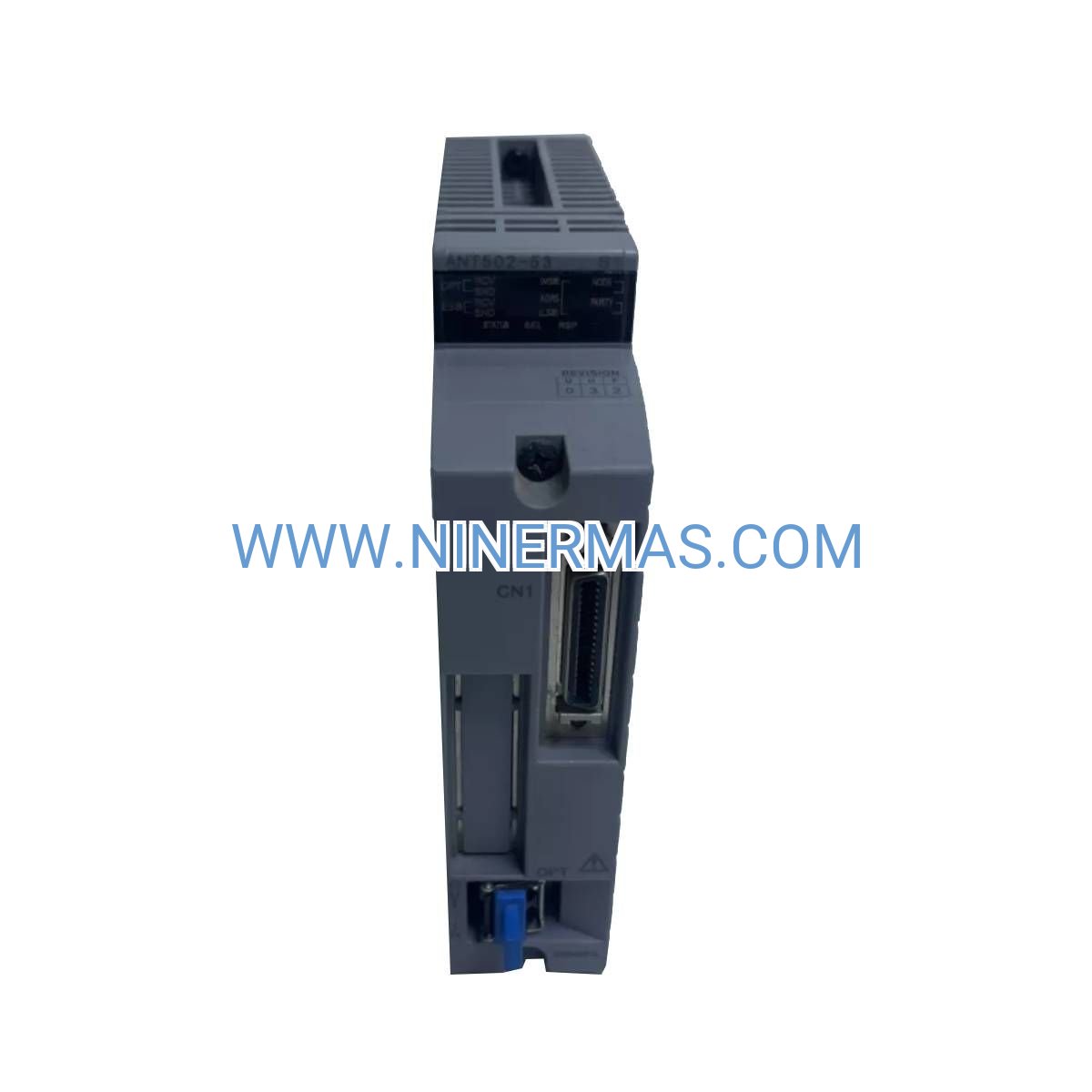
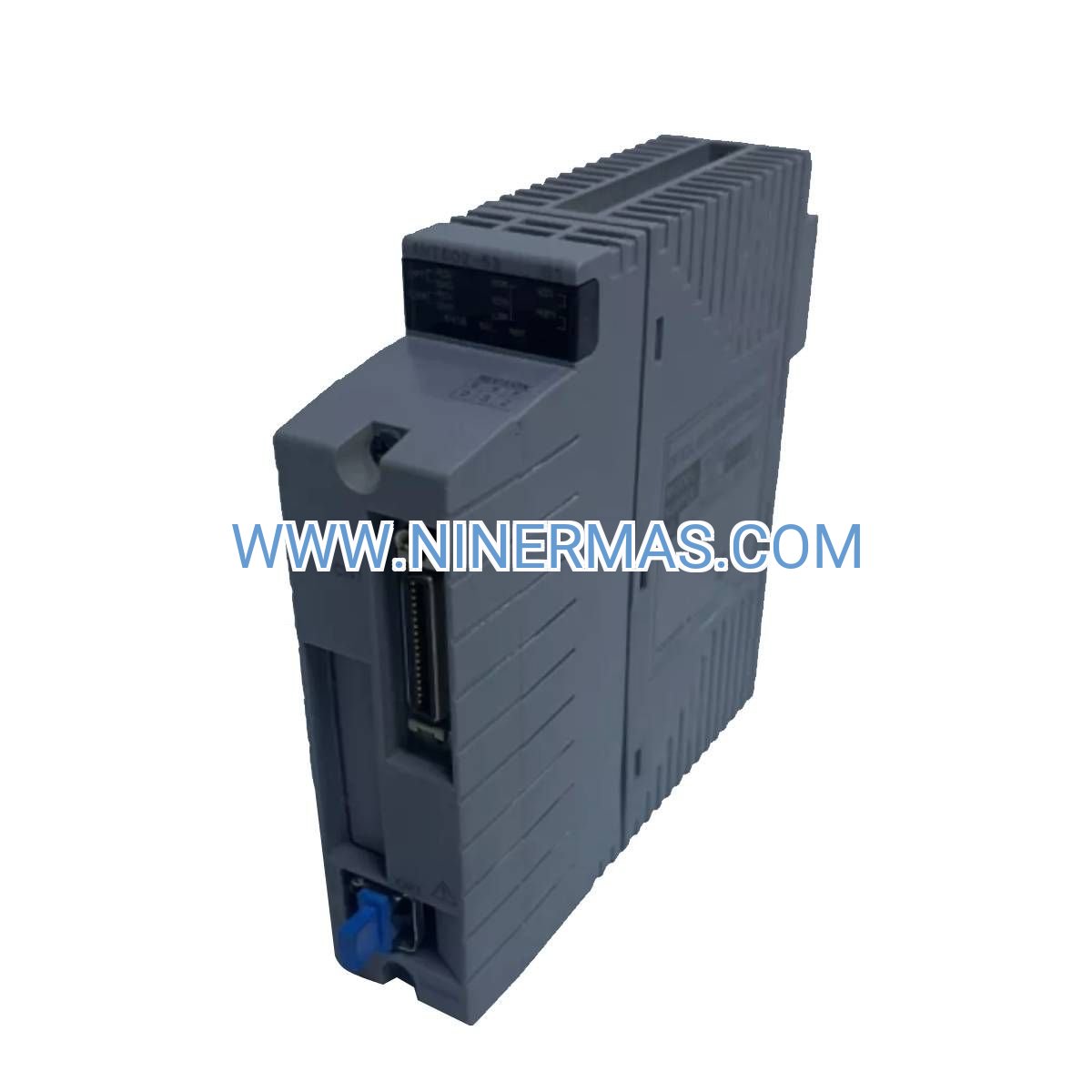
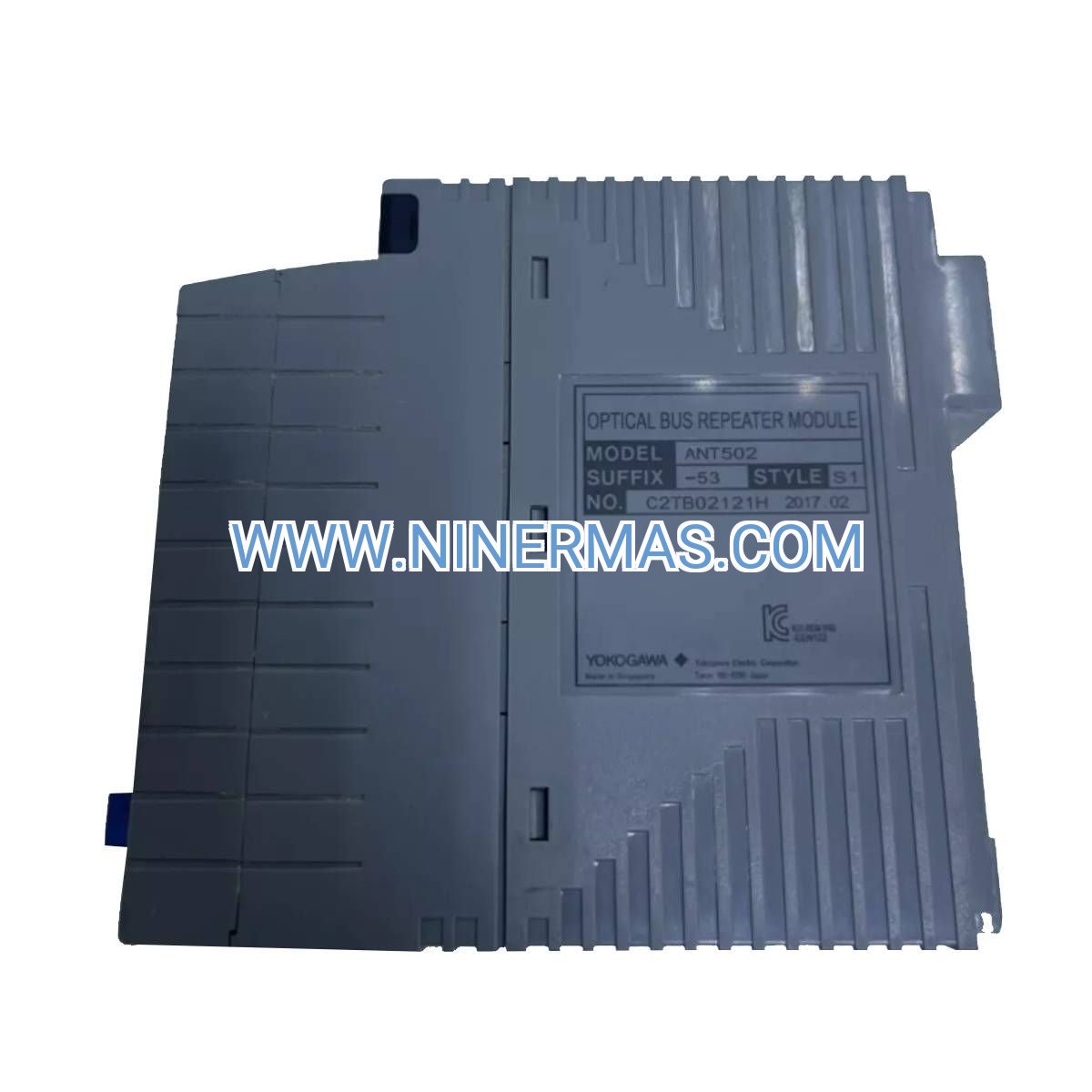
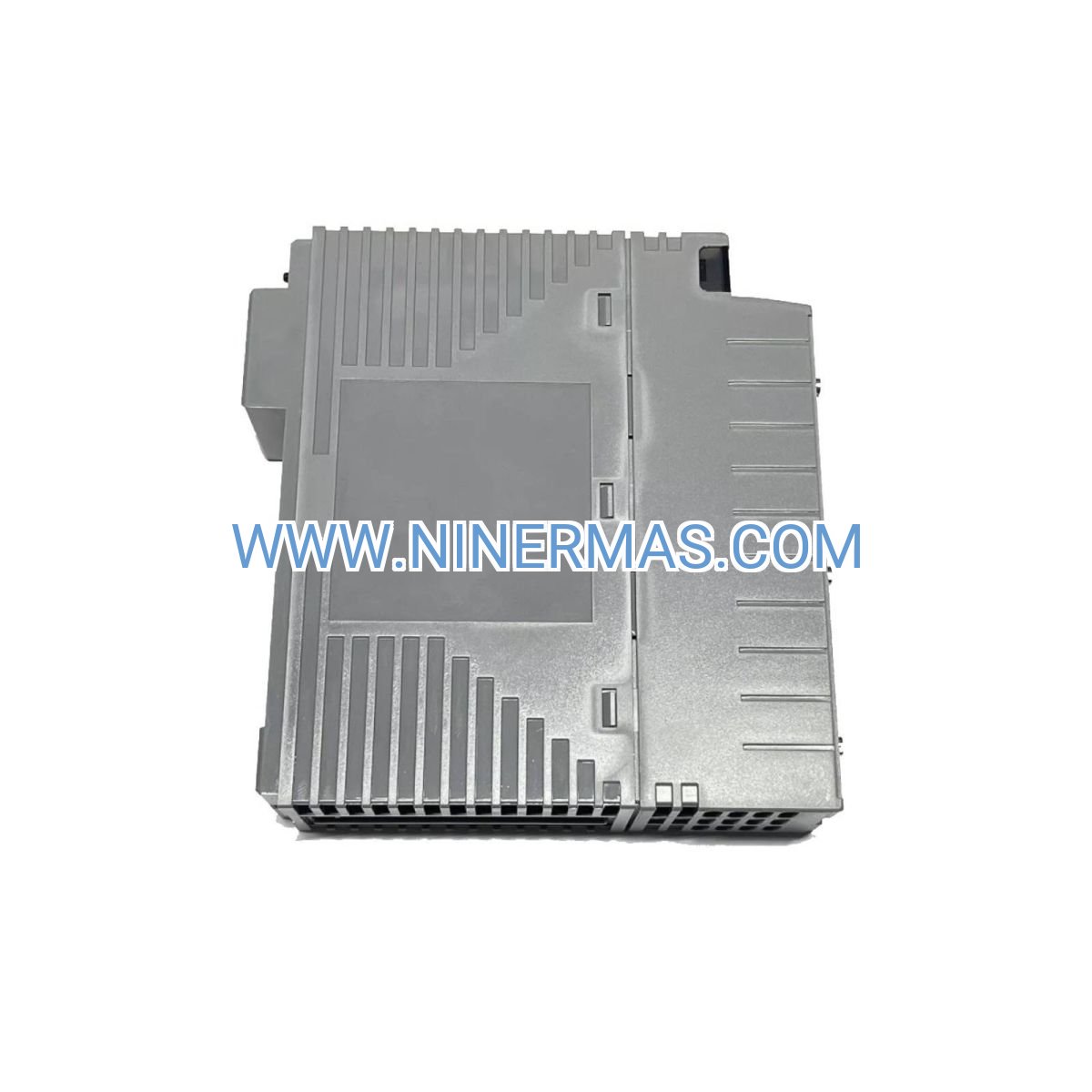
ANT502-53 Optical ESB Bus Repeater (Industrial-Grade Fiber Optic Network Extender)
The ANT502-53 represents Yokogawa's solution for extending ESB (Extended System Bus) communication networks beyond conventional copper limitations. This fiber optic repeater module transforms electrical signals into optical transmissions, enabling distributed control system architectures to span up to 5 kilometers while maintaining deterministic real-time performance. Engineered for process industries where electromagnetic interference, ground potential differences, and hazardous area classifications demand galvanic isolation, the ANT502-53 serves as the critical infrastructure component connecting remote field instrumentation to centralized control platforms.
Industrial facilities operating across multiple buildings, outdoor installations, or electrically noisy environments face persistent challenges with traditional copper-based communication networks. The ANT502-53 addresses these operational constraints by providing complete electrical isolation between network segments, eliminating ground loop currents that cause data corruption and equipment damage. Process engineers, automation integrators, and plant maintenance teams rely on this repeater to establish robust communication backbones in refineries, chemical plants, power generation facilities, and water treatment operations where system uptime directly impacts production continuity.
What distinguishes the ANT502-53 from standard network extenders is its native integration with Yokogawa's ESB protocol architecture, ensuring seamless compatibility with CENTUM VP, CENTUM CS 3000, and ProSafe-RS platforms. The module supports both redundant and simplex configurations, chain and star topologies, and requires minimal configuration through DIP switch settings—delivering enterprise-grade reliability without complex commissioning procedures.
Core Features & Technical Advantages
✓ Extended Distance Capability: Transmits ESB protocol data up to 5 kilometers over single-mode or multi-mode fiber optic cable, eliminating the 100-meter copper limitation and enabling campus-wide network architectures without intermediate equipment rooms.
✓ Complete Galvanic Isolation: Optical transmission provides infinite impedance between network segments, preventing ground loop currents, voltage transients, and lightning-induced surges from propagating through the communication infrastructure—critical for multi-building installations with separate electrical grounding systems.
✓ Electromagnetic Immunity: Fiber optic medium is inherently immune to electromagnetic interference from VFDs, high-voltage switchgear, radio transmitters, and welding equipment, ensuring data integrity in electrically hostile industrial environments where copper networks experience chronic communication failures.
→ Flexible Topology Support: Accommodates chain (daisy-chain) and star (hub-spoke) network configurations, allowing network designers to optimize cable routing based on facility layout, equipment locations, and redundancy requirements without protocol limitations.
→ Hot-Swappable Operation: DIN rail mounting with plug-in fiber connectors enables field replacement without system shutdown, minimizing maintenance windows and supporting predictive replacement strategies based on diagnostic indicators.
→ Diagnostic LED Indicators: Front-panel status LEDs provide real-time visibility into power status, optical signal strength, and communication health, accelerating troubleshooting and reducing mean time to repair during network anomalies.
Industrial Application Scenarios
Refinery Tank Farm Integration: Connect remote tank level transmitters, pump controllers, and valve actuators located 2-4 kilometers from the central control room across outdoor pipe racks exposed to lightning strikes and electrical noise from motor starters. The ANT502-53 eliminates the need for intermediate marshalling cabinets while providing lightning protection through optical isolation.
Chemical Plant Hazardous Area Networking: Extend ESB networks from safe-area control rooms into Division 1/Zone 1 classified areas without introducing ignition sources. Fiber optic transmission carries no electrical energy, simplifying hazardous area certifications and reducing installation costs compared to intrinsically safe barrier systems.
Power Generation Turbine Control: Link gas turbine control units, generator protection relays, and auxiliary systems distributed across turbine halls, switchyards, and control buildings where high-voltage equipment generates severe electromagnetic interference that disrupts copper-based networks. Optical isolation ensures reliable communication during fault conditions when system integrity is most critical.
Water Treatment Multi-Site Operations: Integrate lift stations, treatment basins, and distribution facilities spread across municipal infrastructure where separate electrical services create ground potential differences exceeding 50 volts. The ANT502-53 prevents circulating ground currents that damage I/O modules and corrupt process data.
Mining Conveyor System Coordination: Coordinate conveyor belt controllers, material handling equipment, and crusher systems spanning several kilometers of underground or surface operations where copper cable installation costs exceed $200 per meter and electromagnetic interference from VFDs causes persistent communication dropouts.
Technical Specifications & Selection Criteria
| Parameter | Specification |
| Communication Protocol | ESB (Extended System Bus) - Yokogawa proprietary |
| Optical Transmission Distance | Up to 5,000 meters (single-mode fiber) Up to 2,000 meters (multi-mode fiber) |
| Fiber Type Compatibility | Single-mode: 9/125 μm Multi-mode: 50/125 μm or 62.5/125 μm |
| Optical Connector Type | ST or SC (specify at order) |
| Network Topology | Chain (daisy-chain) or Star (hub-spoke) |
| Redundancy Support | Dual redundant ESB buses |
| Power Supply Voltage | 24V DC nominal (21.6V - 26.4V operating range) |
| Power Consumption | Maximum 5W |
| Operating Temperature | 0°C to +55°C (32°F to 131°F) |
| Storage Temperature | -20°C to +70°C (-4°F to 158°F) |
| Humidity Range | 5% to 95% RH (non-condensing) |
| Mounting Method | 35mm DIN rail (EN 50022) |
| Dimensions (W×H×D) | 30mm × 120mm × 100mm |
| Weight | Approximately 250 grams |
| Certifications | CE, UL, cUL, FM (Class I Div 2) |
Selection Guidelines: Choose single-mode fiber for distances exceeding 2 km or outdoor installations requiring long-term stability. Multi-mode fiber offers lower cost for shorter runs within buildings. Verify fiber connector type compatibility with existing infrastructure before ordering. For redundant systems, deploy paired ANT502-53 units on separate fiber paths to eliminate single points of failure.
Advanced Integration Capabilities
The ANT502-53 integrates directly into Yokogawa's hierarchical network architecture, functioning as a transparent repeater that requires no IP addressing or protocol conversion. When deployed in CENTUM VP systems, the module supports both Vnet/IP (control network) and ESB (field control bus) extensions, enabling mixed copper-fiber topologies that optimize cost and performance.
For ProSafe-RS safety instrumented systems, the ANT502-53 maintains SIL 3 communication integrity when properly configured with redundant fiber paths and diagnostic monitoring enabled. The module's deterministic latency characteristics (< 1 millisecond propagation delay) preserve real-time control loop performance even when extending networks across maximum distances.
Third-party integration is supported through Yokogawa's open architecture approach—the ANT502-53 can extend ESB networks that include Modbus gateways, OPC servers, and FOUNDATION Fieldbus linking devices, creating unified communication infrastructures that bridge legacy and modern automation technologies.
Delivery, Warranty & Technical Support
Standard Lead Time: 3-5 business days for in-stock units; 4-6 weeks for factory orders requiring specific fiber connector configurations or extended temperature ratings.
Warranty Coverage: 24-month manufacturer warranty covering defects in materials and workmanship. Warranty includes advance replacement service for critical applications requiring < 4-hour response times.
Technical Support: Access to Yokogawa-certified application engineers for network design consultation, fiber optic link budget calculations, and troubleshooting assistance. Support includes remote diagnostic capabilities via system integration partners.
Documentation Package: Each unit ships with installation manual, fiber optic cable specifications, DIP switch configuration guide, and dimensional drawings in PDF and CAD formats. Compliance certificates (CE, UL, FM) provided upon request.
Frequently Asked Questions
Q: Can the ANT502-53 extend both redundant ESB buses simultaneously?
A: Yes, the module supports dual redundant ESB bus extension over separate fiber pairs. Each bus requires dedicated transmit and receive fibers, totaling four fiber strands for full redundancy. This configuration maintains SIL 3 integrity for safety-critical applications.
Q: What is the maximum number of ANT502-53 repeaters that can be chained together?
A: Yokogawa recommends a maximum of three repeaters in series to maintain deterministic communication timing. Each repeater introduces approximately 0.8 milliseconds of propagation delay, so three units add 2.4 ms total latency—acceptable for most control loops with 100 ms or slower update rates.
Q: Does fiber optic extension reduce network bandwidth or throughput?
A: No, the ANT502-53 operates transparently at the full ESB bus speed (10 Mbps). Optical conversion introduces negligible latency and does not reduce data throughput. Network performance remains identical to copper-based ESB segments of equivalent length.
Q: What type of fiber optic cable is recommended for outdoor installations?
A: Specify armored, gel-filled single-mode fiber cable rated for direct burial or aerial installation. Outdoor-rated cable includes UV-resistant jacketing, rodent protection, and moisture barriers. For aerial runs, use ADSS (All-Dielectric Self-Supporting) cable to eliminate lightning strike risks.
Q: Can the ANT502-53 be used with non-Yokogawa DCS platforms?
A: The ANT502-53 is specifically designed for Yokogawa ESB protocol and is not compatible with third-party DCS platforms using Profibus, Modbus, or Ethernet/IP. For multi-vendor integration, deploy protocol gateways on the copper side of the repeater.
Q: How do I verify fiber optic link quality after installation?
A: Use an optical power meter to measure received signal strength at the ANT502-53 receiver port. Acceptable range is -3 dBm to -25 dBm for multi-mode fiber, -3 dBm to -30 dBm for single-mode. The module's diagnostic LEDs indicate link status, but quantitative measurements require test equipment for commissioning documentation.
Get Started with Industrial-Grade Fiber Optic Networking
Extend your Yokogawa DCS infrastructure with confidence using the ANT502-53 optical ESB repeater. Our application engineers provide complimentary network design reviews, fiber optic link budget calculations, and integration planning for projects requiring long-distance communication or electromagnetic immunity. Contact our team to discuss your specific requirements, receive detailed technical specifications, and obtain project-specific pricing for volume deployments.
© 2026 NINERMAS COMPANY LIMITED. All rights reserved.
Original Source: https://ninermas.com
Contact: sale@ninermas.com | +0086 187 5021 5667
PDF Specification
Download PDF file here:
Click to Download PDFRelated products

Contact Info
-
Address:22 / F, South Wo Hang building, 148 Wing Lok Street, Sheung Wan, Western District, Hong Kong
-
Phone:+8618750215667
-
Email: