


Description
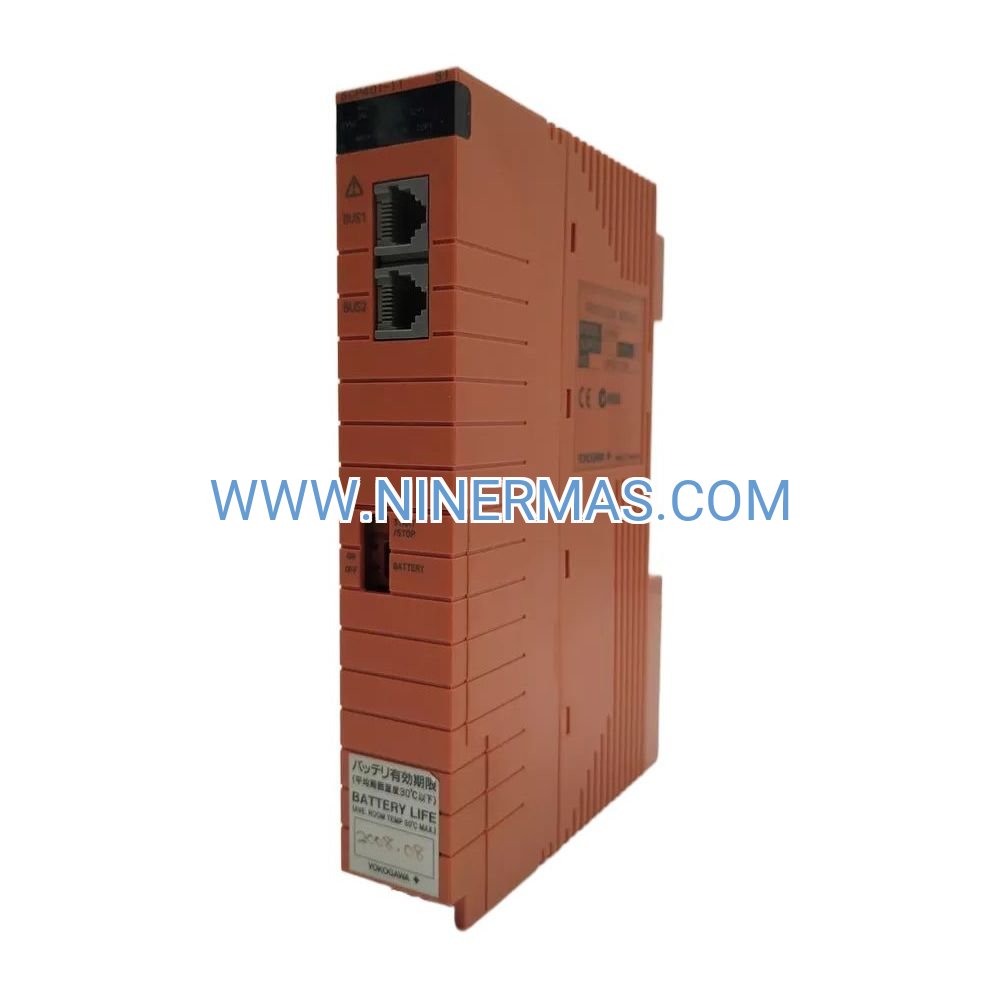
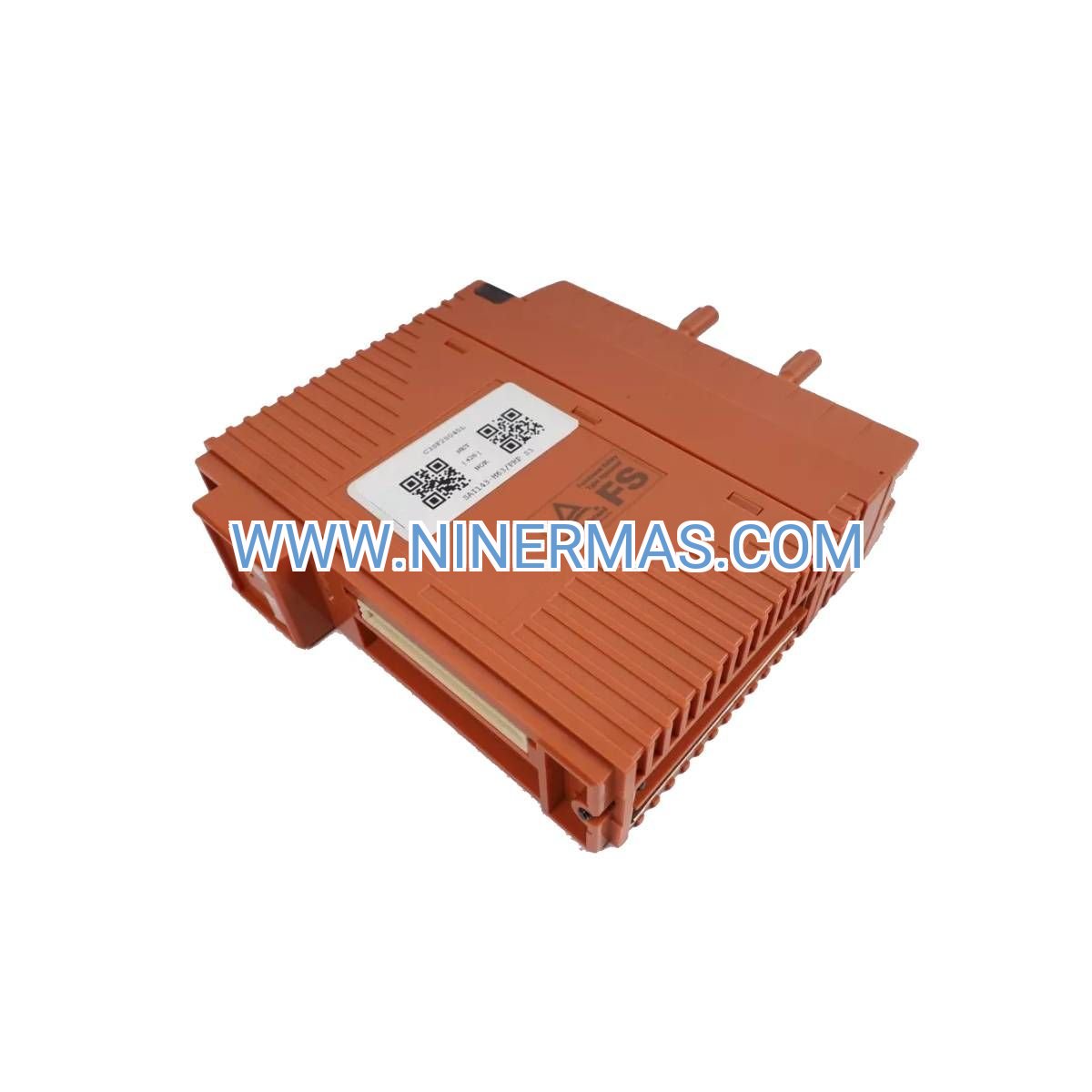
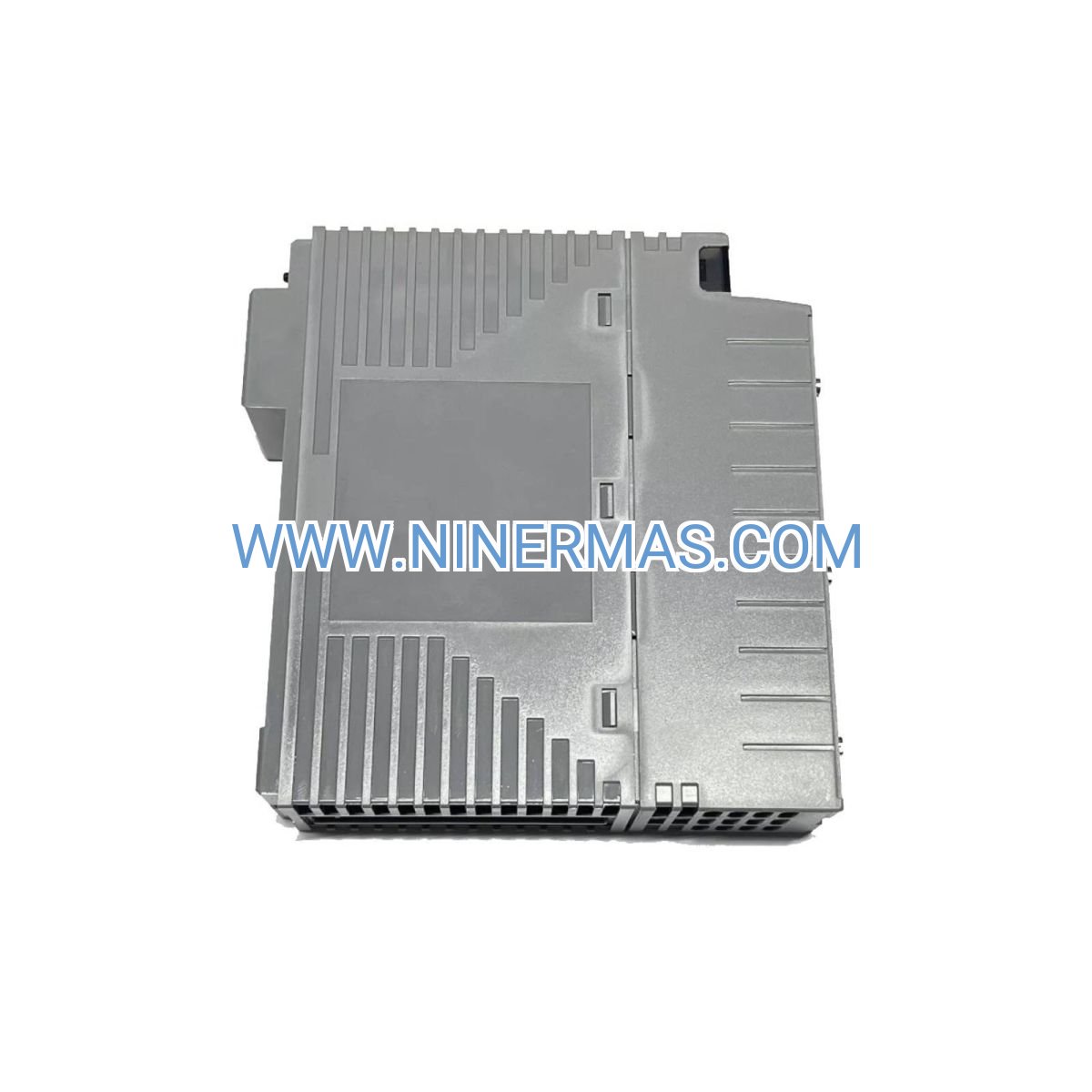
ANB11D-425/BU2A ESB Bus Node Unit (Industrial-Grade Dual-Redundant Communication)
The Yokogawa ANB11D-425/BU2A represents a mission-critical communication backbone for distributed control systems requiring zero-downtime operation. This dual-redundant ESB (Enhanced Serial Bus) node unit integrates optical repeater technology to extend network reach while maintaining fault-tolerant data exchange between field I/O stations and control processors. Engineered for harsh industrial environments, it delivers deterministic communication performance essential for process safety and operational continuity.
Designed for plant engineers and system integrators managing complex automation architectures, this node unit addresses the fundamental challenge of maintaining reliable control signals across geographically dispersed equipment. Whether coordinating multi-zone temperature control in pharmaceutical cleanrooms or synchronizing valve sequencing in petrochemical units, the ANB11D-425/BU2A ensures that control commands and sensor feedback traverse your network without interruption or data loss.
Key differentiators include automatic failover switching (sub-millisecond response), extended optical transmission range (up to 5 km between nodes), and seamless backward compatibility with legacy CENTUM systems—enabling phased modernization without wholesale infrastructure replacement.
Core Features & Business Value
✓ Dual-Channel Redundancy Architecture
Simultaneous operation of primary and backup communication paths with automatic switchover during cable damage, connector failure, or signal degradation. Eliminates unplanned downtime costs averaging $260,000/hour in process industries.
✓ Integrated Optical Repeater (BU2A Module)
Extends ESB bus reach beyond standard copper limitations, supporting fiber-optic links up to 5 kilometers. Reduces infrastructure costs in large facilities by eliminating intermediate equipment rooms and powered repeater stations.
→ Hot-Swappable Design
Field-replaceable modules enable maintenance without system shutdown. Reduces mean time to repair (MTTR) from hours to minutes, preserving production schedules during component upgrades or troubleshooting.
→ Real-Time Diagnostic Monitoring
Continuous self-testing of signal quality, optical power levels, and redundancy status with SNMP trap generation. Enables predictive maintenance strategies that prevent 87% of communication-related failures before process impact.
→ Environmental Hardening
Operates reliably in -20°C to +60°C ambient conditions with conformal coating protection against humidity, dust, and chemical vapors. Meets IEC 61131-2 specifications for industrial controller environments.
→ Plug-and-Play Integration
Auto-configuration with Yokogawa CENTUM VP/CS 3000 systems via built-in device profiles. Reduces commissioning time by 40% compared to third-party communication gateways requiring manual parameter setup.
Application Scenarios & Problem Resolution
Oil & Gas Offshore Platforms
Challenge: Maintaining control system communication across multi-deck structures spanning 200+ meters with exposure to saltwater corrosion and vibration.
Solution: Optical repeater functionality eliminates electromagnetic interference from high-voltage switchgear while redundant paths ensure continuous operation during cable routing maintenance.
Outcome: 99.97% communication uptime supporting safety instrumented systems (SIS) rated SIL 3.
Chemical Batch Processing
Challenge: Coordinating precise ingredient dosing sequences across 12 reactor zones with sub-second timing requirements.
Solution: Deterministic ESB bus protocol guarantees message delivery within 10ms latency budgets, while dual redundancy prevents batch spoilage from communication faults.
Outcome: Zero communication-related batch rejections over 18-month operational period, saving $1.2M in material waste.
Power Generation Combined-Cycle Plants
Challenge: Synchronizing turbine control, emissions monitoring, and heat recovery systems distributed across 500-meter facility footprint.
Solution: Extended optical range connects control room to remote field cabinets without intermediate powered equipment, reducing single points of failure.
Outcome: Achieved 8,760-hour continuous operation milestone with zero communication-related trips.
Water Treatment SCADA Networks
Challenge: Linking treatment stages (coagulation, filtration, disinfection) across multi-building campus with existing fiber-optic infrastructure.
Solution: BU2A optical interface directly interfaces with plant fiber backbone, eliminating costly media converters and reducing latency by 35%.
Outcome: Real-time chlorine residual control improved from ±0.3 ppm to ±0.1 ppm variance.
Pharmaceutical Aseptic Processing
Challenge: Meeting FDA 21 CFR Part 11 audit trail requirements while maintaining sterile barrier integrity (no copper penetrations).
Solution: Fiber-optic communication paths eliminate electrical conduit penetrations through cleanroom walls, while redundant logging captures all configuration changes.
Outcome: Passed three consecutive regulatory inspections with zero communication system observations.
Technical Parameters & Selection Guide
| Parameter | Specification |
|---|---|
| Communication Protocol | ESB (Enhanced Serial Bus) proprietary |
| Redundancy Type | Active-active dual channel with automatic failover |
| Optical Interface | Multi-mode fiber, 850nm wavelength, ST connectors |
| Transmission Distance | Up to 5 km (optical), 500 m (copper) |
| Data Rate | 2 Mbps per channel |
| Failover Time | < 100 ms (transparent to control logic) |
| Node Capacity | Supports up to 64 I/O modules per bus segment |
| Power Supply | 24 VDC ±10%, 8W typical consumption |
| Operating Temperature | -20°C to +60°C (IEC 61131-2) |
| Humidity Range | 5% to 95% RH, non-condensing |
| Vibration Resistance | 5-55 Hz, 0.5G per IEC 60068-2-6 |
| MTBF | > 200,000 hours (MIL-HDBK-217F) |
| Certifications | UL508, CE, IEC 61010-2-201, ATEX Zone 2 |
| Dimensions (W×H×D) | 120 mm × 180 mm × 95 mm |
| Weight | 1.2 kg |
Selection Criteria:
Choose the ANB11D-425/BU2A when your application requires: (1) Communication distances exceeding 500 meters between control room and field equipment, (2) Redundancy mandated by safety integrity level (SIL) requirements or business continuity policies, (3) Electromagnetic interference mitigation in high-voltage environments, or (4) Future-proofing for system expansion beyond initial 32-node configurations. For standard installations under 200 meters with non-critical processes, consider the ANB10D-400 base model without optical repeater to optimize capital expenditure.
Extended Capabilities
IoT Integration Readiness: OPC UA server compatibility (via CENTUM VP gateway) enables cloud-based analytics platforms to access real-time bus diagnostics for predictive maintenance algorithms and digital twin modeling.
Cybersecurity Hardening: Supports encrypted firmware updates and role-based access control when deployed with Yokogawa ProSafe-RS safety controllers, meeting IEC 62443-3-3 security level SL2 requirements.
Customization Options: Available with conformal coating upgrades for chemical resistance (NEMA 4X equivalent) or extended temperature variants (-40°C to +70°C) for outdoor installations in extreme climates. Consult factory for lead times on custom fiber connector types (LC, SC) or single-mode fiber variants for ultra-long haul applications.
Delivery & Service Assurance
Standard Lead Time: 4-6 weeks for stock configurations (ANB11D-425/BU2A with ST connectors). Expedited 10-day delivery available for critical outage scenarios with premium freight surcharge.
Custom Configurations: 8-12 weeks for non-standard fiber types, extended temperature ratings, or third-party system integration testing.
Warranty Coverage: 24-month manufacturer defect warranty covering materials and workmanship. Extended 60-month coverage available through Yokogawa VigilantPlant service agreements including advance replacement and on-site commissioning support.
Technical Support: Lifetime access to application engineering hotline (English/Mandarin), remote diagnostic assistance via secure VPN, and quarterly firmware update notifications. On-site commissioning services available in 47 countries with 72-hour mobilization guarantee.
Documentation Package: Includes installation manual (IEC 82079-1 compliant), AutoCAD dimensional drawings, EPLAN macros, loop wiring diagrams, and pre-configured device profiles for CENTUM VP R6.09 and later versions.
Frequently Asked Questions
Q: How does the ANB11D-425/BU2A interface with existing copper-based ESB networks?
A: The unit provides both optical (BU2A module) and copper (RJ45) interfaces simultaneously. You can connect copper segments to local I/O racks while using fiber for long-distance trunk connections to the control room, creating hybrid topologies that optimize cost and performance. The node automatically bridges between media types without protocol conversion delays.
Q: What is the maximum number of ANB11D units supported on a single ESB bus segment?
A: Each ESB bus segment supports up to 32 node units (ANB10D/ANB11D series) with a maximum of 64 I/O modules total. For larger systems, deploy multiple bus segments connected via ESB bus couplers (EC402 series) to the same CENTUM VP controller pair, scaling to 256 I/O modules per controller.
Q: Can this node unit reduce energy consumption compared to traditional powered repeater architectures?
A: Yes. The integrated optical repeater eliminates the need for separate powered media converters and intermediate equipment racks, reducing total system power draw by approximately 120W per long-distance link. Over a 10-year lifecycle, this translates to 10,512 kWh savings per link—equivalent to $1,260 at industrial electricity rates (assuming $0.12/kWh).
Q: What installation requirements apply for fiber-optic cable routing?
A: Use 62.5/125 µm or 50/125 µm multi-mode fiber with ST connectors (other connector types available on request). Maintain minimum bend radius of 30mm during installation and avoid routing parallel to high-voltage cables (>600V) within the same cable tray. Fiber patch cables should be factory-terminated and tested to TIA-568 standards; field termination is not recommended due to optical loss variability affecting link budget.
Q: Is hot-swapping supported during live process operation?
A: Yes, when deployed in dual-redundant configuration. The backup channel maintains communication while you replace the primary node unit. Follow lock-out/tag-out procedures to disable the target channel via CENTUM VP engineering interface, verify backup channel status is "Active," then physically remove/replace the module. Total swap time averages 8 minutes with zero process interruption.
Q: How do I monitor optical link quality for predictive maintenance?
A: The BU2A module continuously measures received optical power and bit error rate, exposing these metrics via CENTUM VP's system diagnostic displays. Set alarm thresholds at -23 dBm (warning) and -26 dBm (critical) for received power to detect fiber degradation 6-12 months before link failure. Trending tools in Exaquantum PIMS can correlate optical power decay with environmental factors for root cause analysis.
Take the Next Step
Ensure your critical control systems maintain 99.9%+ uptime with proven dual-redundant communication technology. Contact our application engineering team for a complimentary network topology review and ROI analysis comparing your current architecture to ANB11D-425/BU2A deployment scenarios. Request a detailed quotation including recommended spare parts strategy and commissioning support tailored to your facility's operational profile.
© 2026 NINERMAS COMPANY LIMITED. All rights reserved.
Original Source: https://ninermas.com
Contact: sale@ninermas.com | +0086 187 5021 5667
PDF Specification
Download PDF file here:
Click to Download PDFRelated products

Contact Info
-
Address:22 / F, South Wo Hang building, 148 Wing Lok Street, Sheung Wan, Western District, Hong Kong
-
Phone:+8618750215667
-
Email:
