


Description
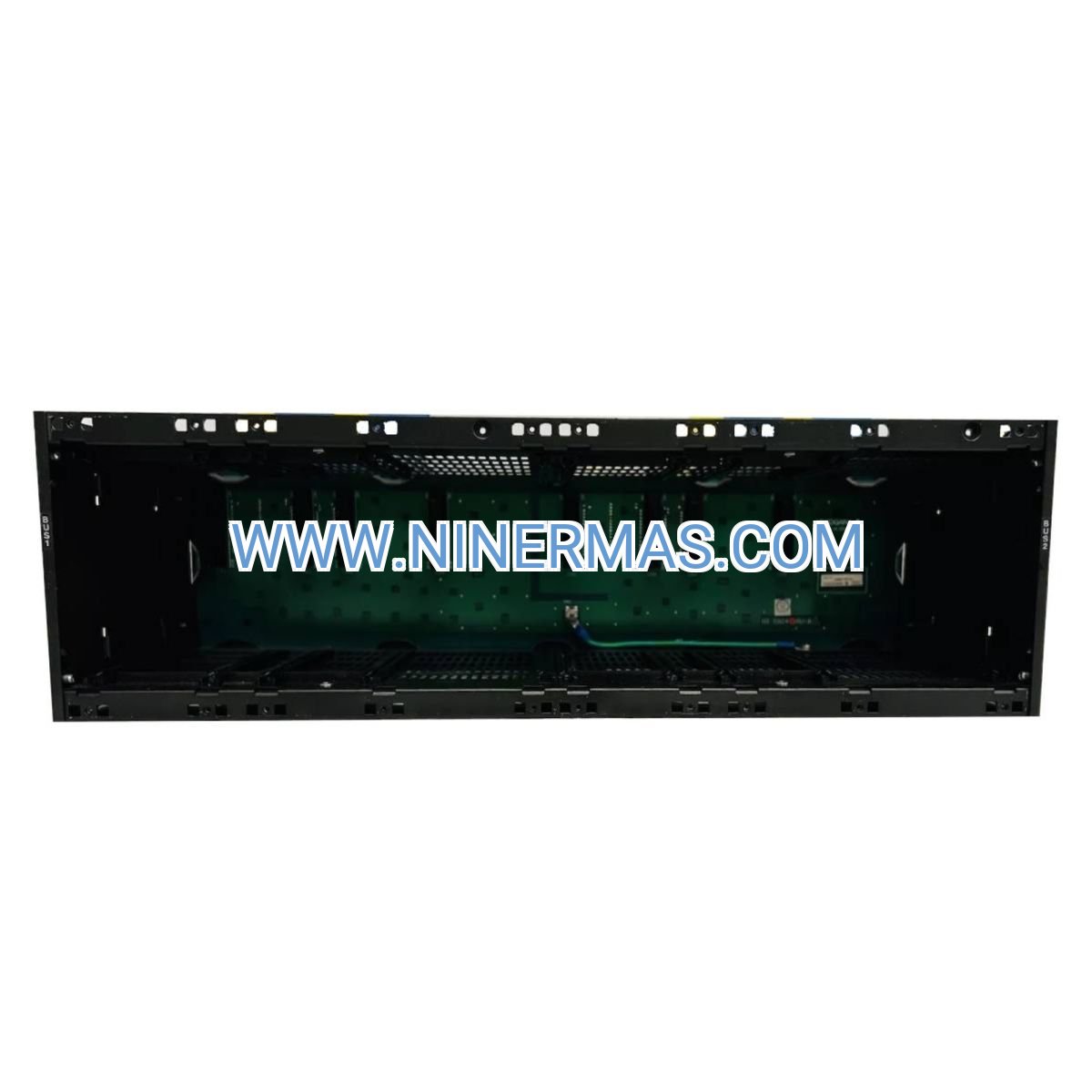
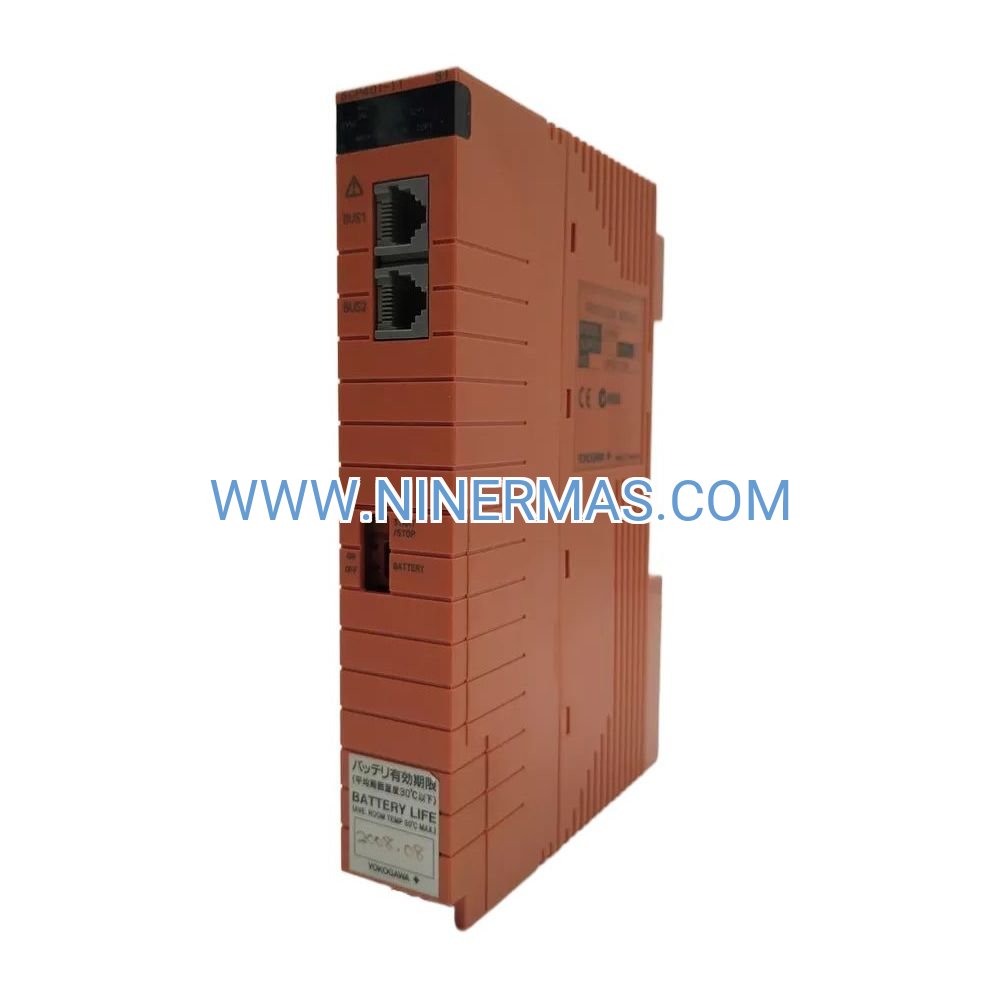
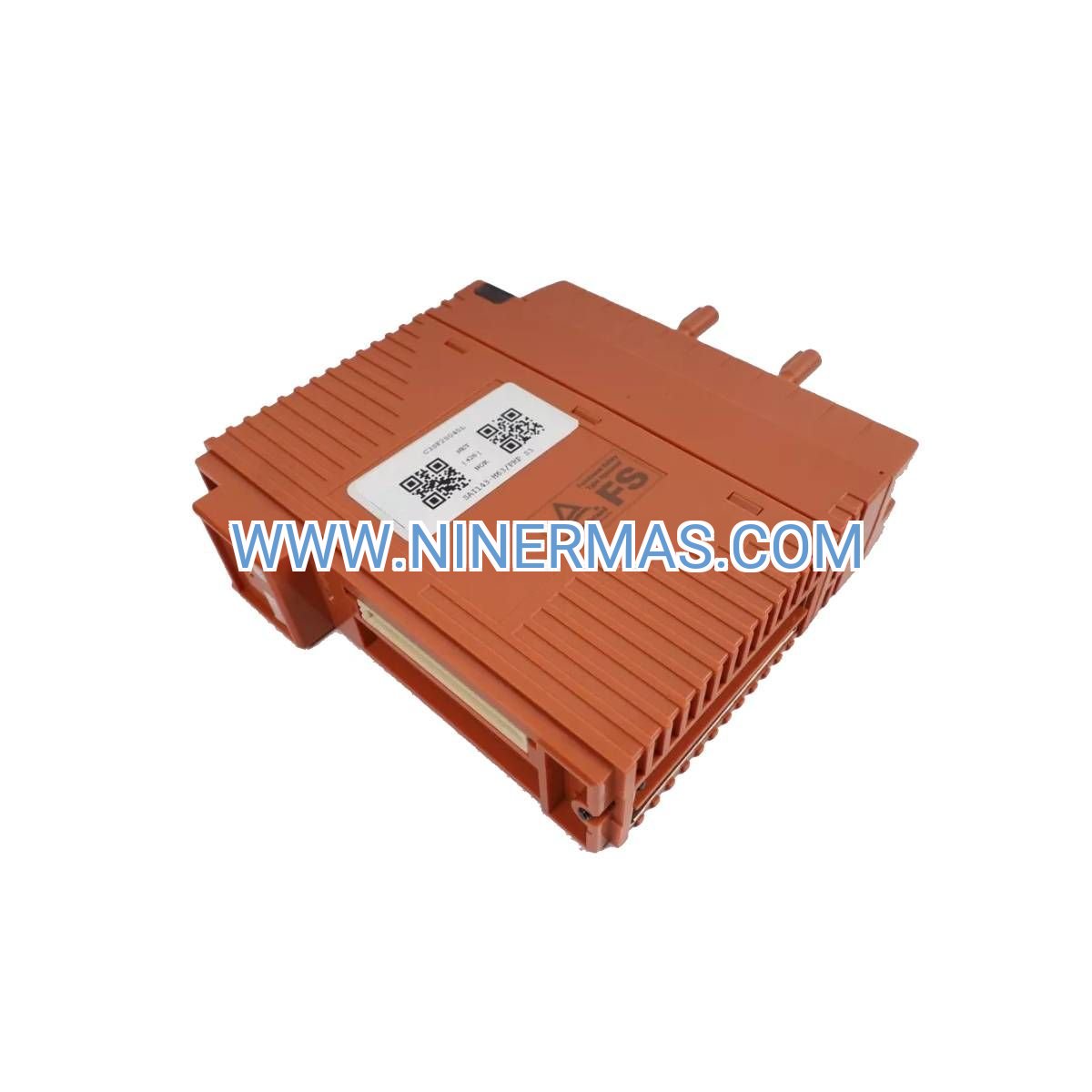
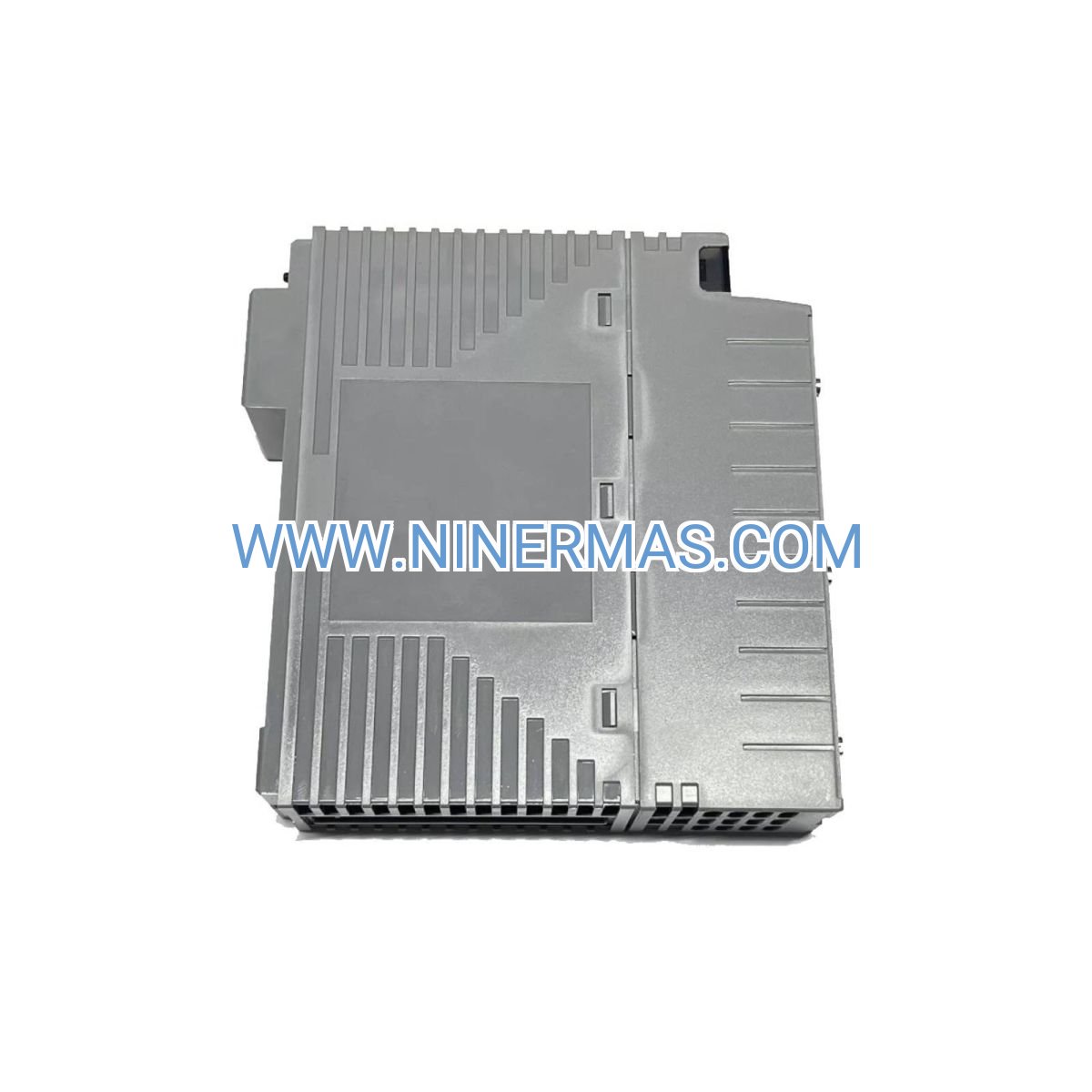
ANB11D-215/BU2A Dual-Redundant ESB Bus Node Unit (Industrial-Grade Failover Solution)
The Yokogawa ANB11D-215/BU2A represents a critical infrastructure component for process control environments demanding absolute continuity. This dual-redundant Enhanced System Bus (ESB) node unit bridges N-IO and FIO modules to your CENTUM VP distributed control architecture, delivering automatic failover protection that eliminates single-point vulnerabilities in mission-critical operations.
Designed for industries where unplanned downtime translates to six-figure losses per hour, this node unit addresses the fundamental challenge of maintaining data integrity during bus switching events. Whether you're managing continuous chemical processes, power generation cycles, or safety-instrumented systems, the ANB11D-215/BU2A provides the redundancy backbone that keeps your operations running through equipment failures, maintenance windows, and unexpected disruptions.
Target users include DCS engineers, automation integrators, and plant reliability managers responsible for CENTUM VP ecosystems in petrochemical facilities, pharmaceutical manufacturing, pulp and paper mills, and utility-scale power plants. The unit's dual-bus architecture ensures that your control system maintains full operational capability even when one communication path experiences degradation or complete failure.
Core Features & Business Value
✓ Dual-Redundant ESB Architecture
Automatic failover between primary and backup buses occurs in milliseconds, maintaining uninterrupted control loop execution. This eliminates the production losses and safety risks associated with communication path failures in single-bus configurations.
✓ Seamless N-IO/FIO Module Integration
Native compatibility with Yokogawa's N-IO (Node I/O) and FIO (Field I/O) families means plug-and-play deployment within existing CENTUM VP infrastructures. Reduces engineering hours during system expansions and minimizes commissioning risks.
✓ Zero Data Loss During Switchover
Proprietary bus arbitration logic ensures that process variable updates, alarm states, and control outputs remain synchronized across redundant paths. Critical for regulatory compliance in industries with strict data integrity requirements (FDA 21 CFR Part 11, IEC 61511).
✓ Extended Industrial Temperature Range
Operates reliably from -20°C to +60°C, accommodating harsh environments including outdoor enclosures, non-climate-controlled equipment rooms, and tropical/arctic installations without supplemental cooling or heating.
✓ DIN Rail Mounting & Compact Footprint
Standard 35mm DIN rail compatibility simplifies panel integration and allows for high-density installations. Reduces cabinet space requirements by up to 40% compared to legacy node units, lowering overall system costs.
Application Scenarios Across Industries
→ Petrochemical Refining & Gas Processing
In catalytic cracking units and hydrodesulfurization processes, the ANB11D-215/BU2A maintains continuous control over temperature cascades and pressure relief sequences. Prevents emergency shutdowns that can cost $500K-$2M per incident while ensuring safe operation during planned maintenance of communication infrastructure.
→ Power Generation (Fossil, Nuclear, Renewable)
Turbine control systems and boiler management applications rely on the node unit's redundancy to maintain grid stability during equipment servicing. Supports compliance with NERC CIP cybersecurity standards through isolated communication paths and deterministic response times under 10ms.
→ Pharmaceutical Manufacturing (GMP Environments)
Batch reactor control and clean-in-place (CIP) systems benefit from the unit's audit-trail capabilities and validated communication protocols. Meets GAMP 5 Category 3 requirements for infrastructure components, simplifying qualification documentation during FDA inspections.
→ Water & Wastewater Treatment
SCADA systems managing clarifier operations, chemical dosing, and effluent monitoring use the ANB11D-215/BU2A to ensure regulatory compliance with discharge permits. Redundant architecture prevents data gaps in environmental reporting that could trigger EPA violations.
→ Metals & Mining Operations
Continuous casting lines and flotation circuits require uninterrupted control to prevent product quality defects and equipment damage. The node unit's vibration tolerance (IEC 60068-2-6) and EMI immunity make it suitable for electrically noisy environments near arc furnaces and large motor drives.
Technical Parameters & Selection Guide
| Parameter | Specification |
|---|---|
| Model Number | ANB11D-215/BU2A |
| Bus Type | Dual-Redundant ESB (Enhanced System Bus) |
| Communication Protocol | Yokogawa Proprietary ESB Protocol |
| Compatible Modules | N-IO Series, FIO Series |
| Redundancy Type | Active-Standby with Automatic Failover |
| Switchover Time | <50ms (typical) |
| Power Supply | 24V DC ±10% (18-30V DC operating range) |
| Power Consumption | ≤15W (typical) |
| Operating Temperature | -20°C to +60°C |
| Storage Temperature | -40°C to +85°C |
| Humidity | 5% to 95% RH (non-condensing) |
| Mounting | 35mm DIN Rail (IEC 60715) |
| Dimensions (W×H×D) | 45mm × 130mm × 120mm |
| Weight | Approx. 0.6kg |
| Certifications | CE, UL, FM, ATEX Zone 2, IECEx |
Selection Criteria:
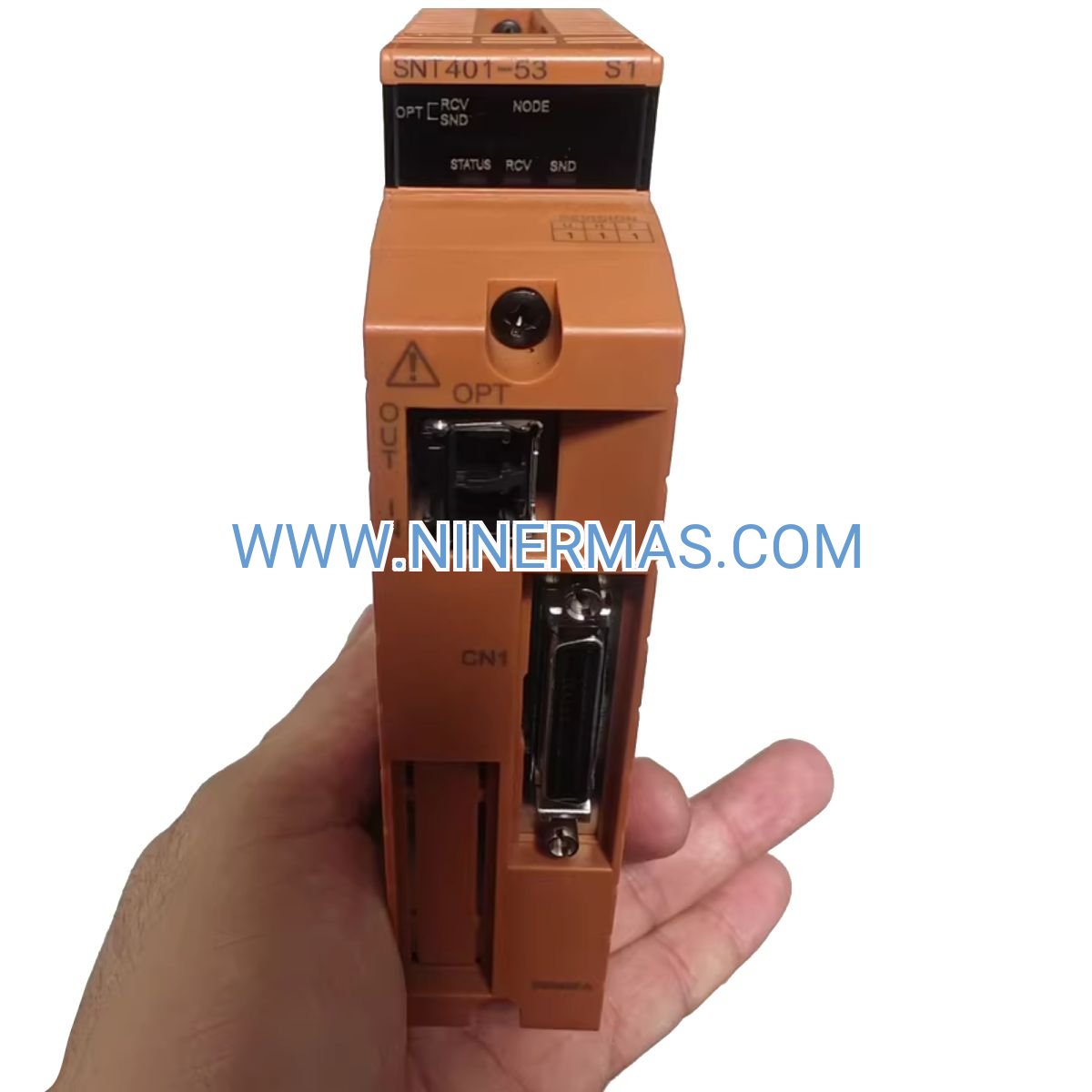
Choose the ANB11D-215/BU2A when your application requires SIL 2/3 capable communication infrastructure, when existing CENTUM VP systems need capacity expansion without architecture changes, or when replacing obsolete node units (ANB01D, ANB10D series) during lifecycle upgrades. For fiber-optic ESB extensions beyond 100 meters, pair with ANT502-53 optical repeaters. Systems requiring more than 32 N-IO modules per node should implement multiple ANB11D units with load balancing.
Extended Functionality & Integration Options
Industrial IoT Connectivity: The node unit supports integration with Yokogawa's Sushi Sensor and OpreX Asset Operations platforms via gateway modules, enabling predictive maintenance analytics and cloud-based performance monitoring without compromising control system security.
Cybersecurity Features: Built-in MAC address filtering and bus arbitration logic prevent unauthorized device connections. Compatible with Yokogawa's security-hardened firmware updates delivered through encrypted channels, meeting IEC 62443-4-2 component security requirements.
Customization Services: Factory configuration options include pre-programmed node addresses, custom firmware versions for legacy system compatibility, and extended temperature variants (-40°C to +70°C) for extreme climate deployments. Consult with our engineering team for project-specific requirements.
Delivery Timeline & Service Guarantees
Standard Lead Time: 3-5 business days for in-stock units (North America/Europe), 7-10 business days for Asia-Pacific regions. Express shipping available for critical outage scenarios.
Custom Configuration: 10-15 business days for factory-programmed units with specific node addresses or firmware versions.
Warranty Coverage: 24-month manufacturer warranty covering defects in materials and workmanship. Extended 60-month warranty available for high-reliability applications.
Technical Support: Lifetime access to Yokogawa-certified application engineers for configuration assistance, troubleshooting, and system integration guidance. Remote diagnostic support available 24/7 for critical process environments.
Documentation Package: Includes installation manual, wiring diagrams, configuration software (FieldMate), sample ladder logic for common applications, and compliance certificates (CE/UL/ATEX).
Frequently Asked Questions
Q: How does the ANB11D-215/BU2A interface with existing CENTUM VP field control stations?
A: The node unit connects directly to the ESB bus backplane in your FCS chassis using standard Yokogawa bus connectors. Configuration is performed through the Engineering Station using FieldMate or System View software. No special drivers or middleware required—the unit auto-discovers connected N-IO/FIO modules during startup.
Q: What is the maximum I/O capacity supported per node unit?
A: Each ANB11D-215/BU2A supports up to 32 N-IO or FIO modules, with a combined I/O point count of 2,048 channels (mix of AI, AO, DI, DO). For larger systems, deploy multiple node units with distributed addressing schemes.
Q: Can this node unit reduce energy consumption in my control system?
A: Yes—the ANB11D-215/BU2A consumes 40% less power than previous-generation ANB10D models (15W vs. 25W typical). In a 100-node distributed system, this translates to 1,000W continuous savings, reducing annual electricity costs by approximately $1,200 and lowering cooling requirements in equipment rooms.
Q: What are the physical installation requirements for panel mounting?
A: Requires 45mm of horizontal DIN rail space with 50mm clearance above and below for ventilation. Ambient temperature inside the enclosure must not exceed +60°C. For outdoor installations, use NEMA 4X or IP66-rated enclosures with forced ventilation if ambient temperatures exceed +50°C.
Q: Does the unit support remote monitoring and diagnostics?
A: Yes—when connected to a CENTUM VP system with OpreX Control Builder, the node unit provides real-time diagnostics including bus utilization, error counters, and redundancy status. SNMP traps can be configured to alert maintenance teams of degraded redundancy conditions before they impact operations.
Q: Is the ANB11D-215/BU2A suitable for hazardous area installations?
A: The unit carries ATEX Zone 2 and IECEx certifications for installation in non-hazardous areas of facilities with classified locations. For Zone 1/Division 1 installations, mount the node unit in a purged enclosure or use intrinsically safe barriers on connected I/O modules.
Take the Next Step Toward Zero-Downtime Control
Protect your critical processes with proven redundancy technology trusted by Fortune 500 manufacturers worldwide. Contact our automation specialists today for application-specific sizing, competitive quotations, and integration support tailored to your CENTUM VP architecture.
Request a Technical Consultation: Our engineers will review your system topology, recommend optimal node placement, and provide detailed ROI analysis showing downtime cost avoidance over a 10-year lifecycle.
© 2026 NINERMAS COMPANY LIMITED. All rights reserved.
Original Source: https://ninermas.com
Contact: sale@ninermas.com | +0086 187 5021 5667
PDF Specification
Download PDF file here:
Click to Download PDFRelated products

Contact Info
-
Address:22 / F, South Wo Hang building, 148 Wing Lok Street, Sheung Wan, Western District, Hong Kong
-
Phone:+8618750215667
-
Email:
