Description
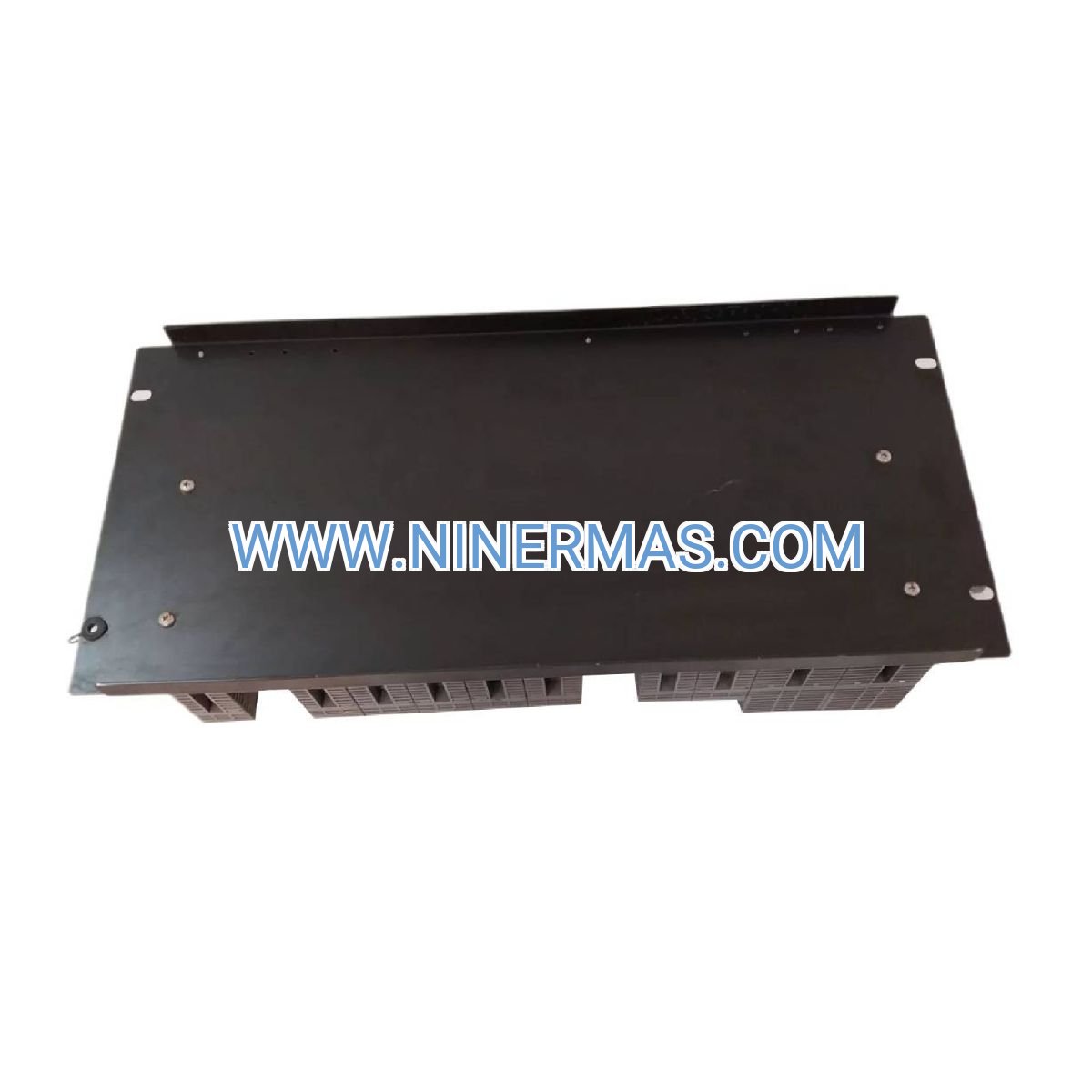
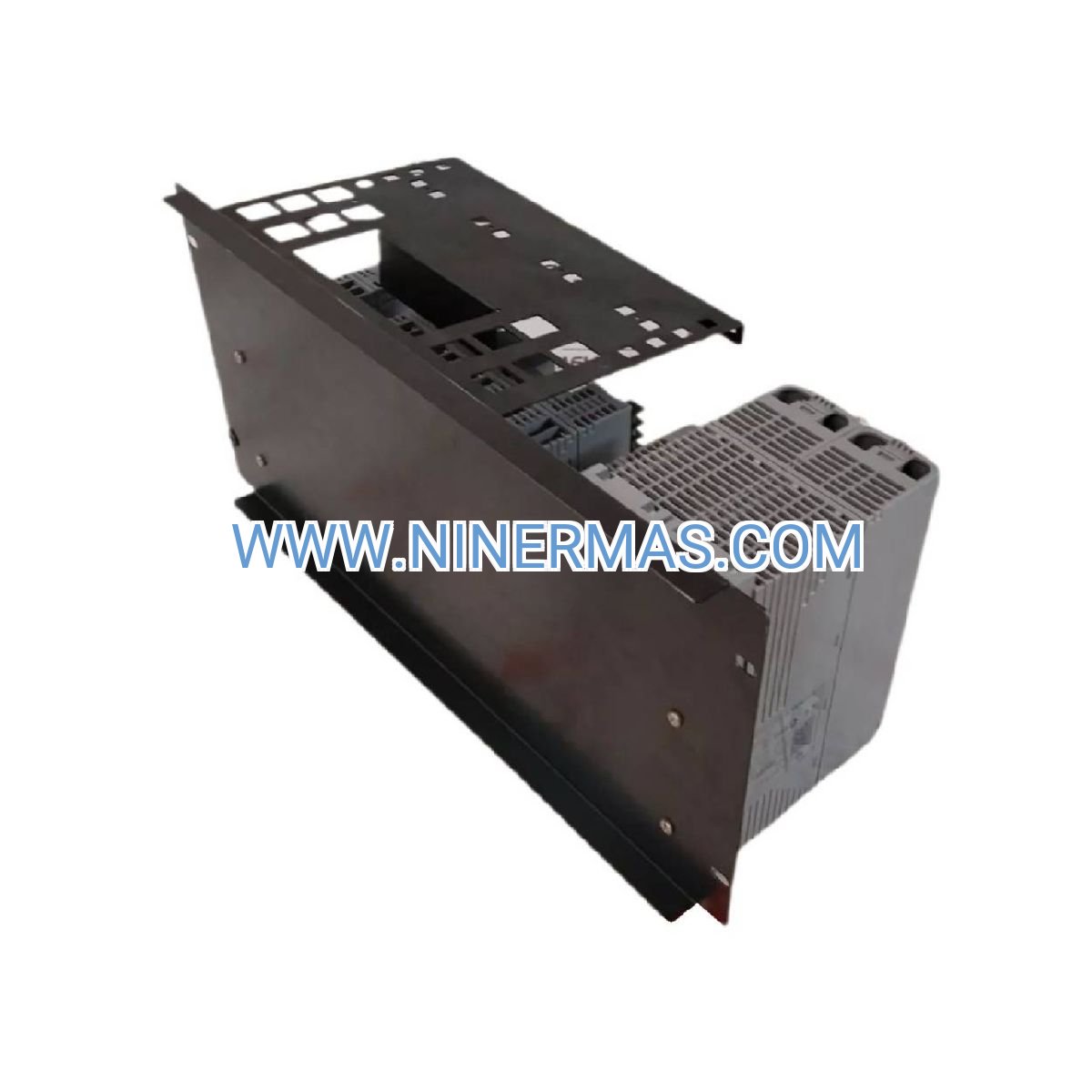
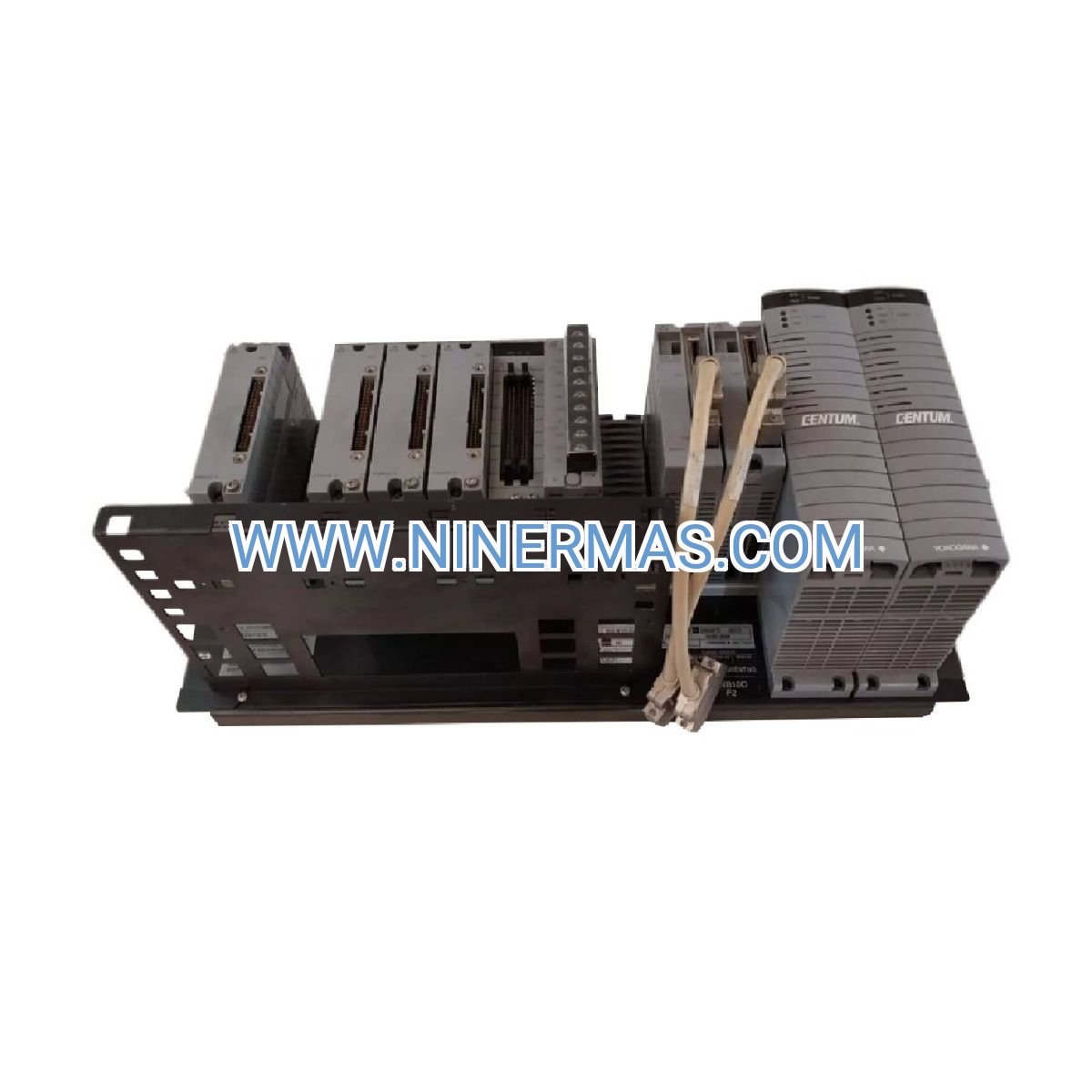
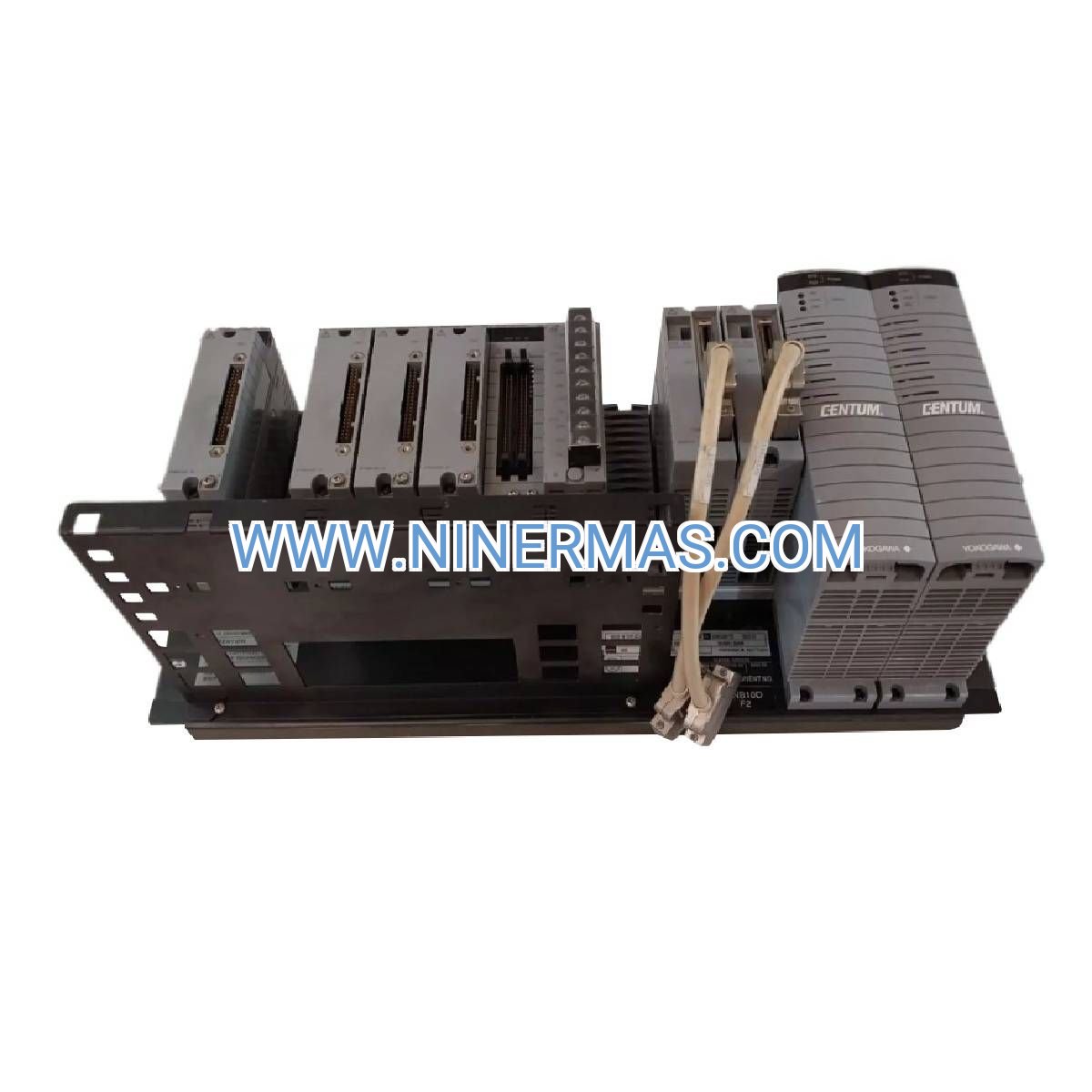
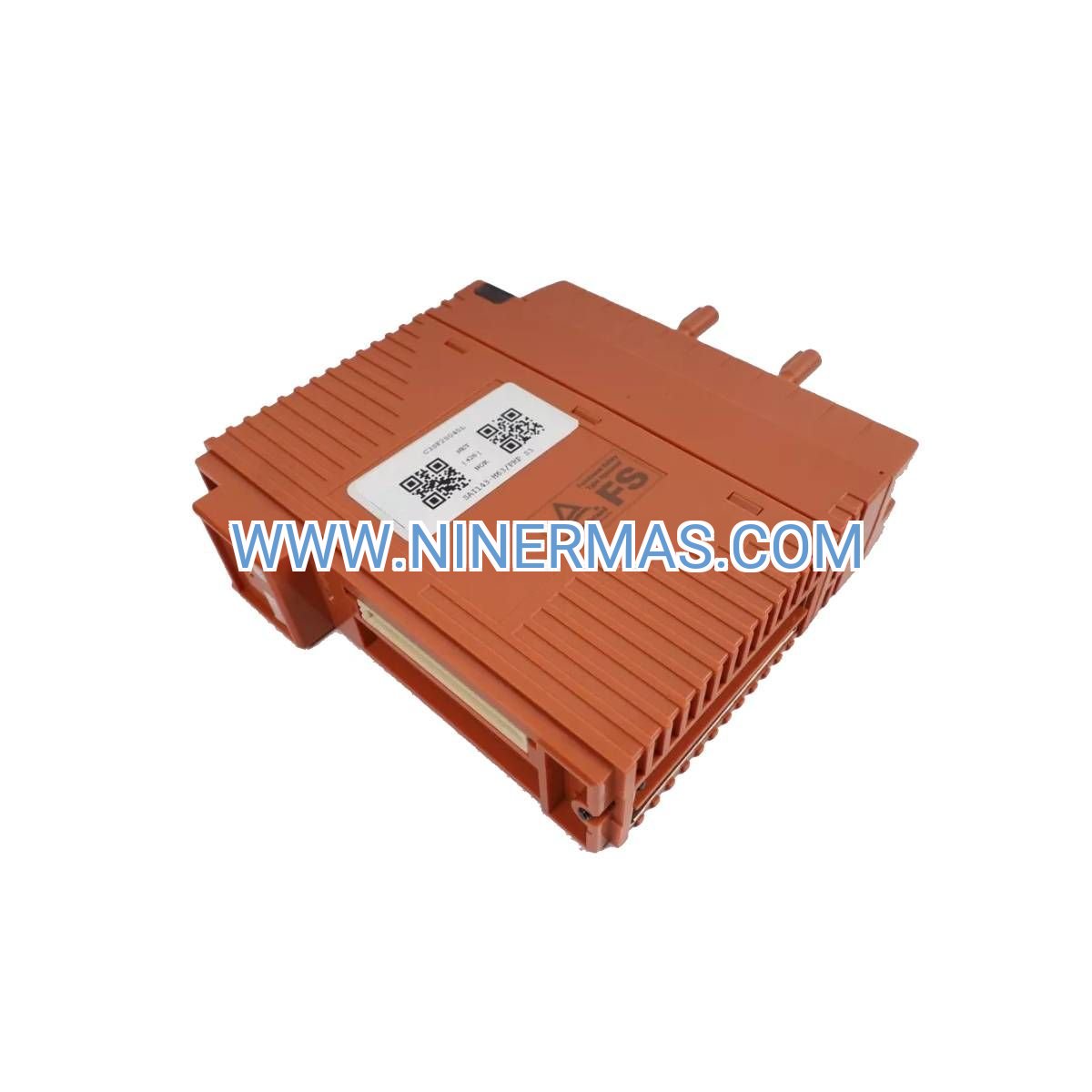
ANB10D-F2 Dual-Redundant ESB Bus Node Unit (Industrial-Grade Safety Communication)
The ANB10D-F2 represents Yokogawa's flagship solution for fault-tolerant safety bus communication in process automation environments. This dual-redundant ESB (Enhanced Safety Bus) node unit integrates seamlessly with ProSafe-RS safety instrumented systems and Centum VP distributed control platforms, delivering deterministic data exchange with zero-downtime failover capabilities. Engineered for oil & gas, chemical processing, and power generation facilities, it addresses the critical need for uninterrupted safety communication in SIL 3-rated applications where spurious trips cost millions in lost production.
Process engineers and system integrators choose the ANB10D-F2 when emergency shutdown systems, burner management, and turbine control applications demand certified redundancy with bumpless transfer technology. Its ruggedized construction withstands extreme temperatures (-40°C to +70°C), electromagnetic interference, and corrosive atmospheres while maintaining MTBF exceeding 100,000 hours.
Core Features & Business Value
→ Dual-Redundant Architecture: Automatic failover between primary and backup ESB channels ensures continuous operation during single-point failures, eliminating unplanned downtime and reducing insurance premiums for safety-critical installations.
→ Hot-Swappable Maintenance: Replace failed node units without system shutdown or process interruption, cutting maintenance windows by 75% and maximizing asset availability in 24/7 operations.
→ SIL 3 Certification Compliance: IEC 61508 certification plus FM Class I Division 2 and ATEX Zone 2 approvals streamline regulatory audits and reduce liability exposure in hazardous area installations.
→ Extended Temperature Range: Operates reliably from -40°C to +70°C without derating, supporting outdoor enclosures, desert climates, and high-temperature process areas where standard electronics fail.
✓ Built-In Diagnostics: Real-time health monitoring with LED indicators and SCADA-accessible status registers accelerate troubleshooting, reducing mean time to repair (MTTR) by 60% compared to legacy systems.
✓ Compact DIN-Rail Design: 30% smaller footprint versus previous-generation node units optimizes cabinet space utilization and lowers panel fabrication costs in retrofit projects.
Industrial Application Scenarios
Petrochemical Refineries: In fluid catalytic cracking (FCC) units and hydrocracker emergency shutdown systems, the ANB10D-F2 maintains continuous communication between field sensors and logic solvers during partial system failures. Redundant bus topology prevents single-point vulnerabilities that could delay emergency depressurization sequences, protecting personnel and equipment from runaway reactions.
LNG Terminals & Gas Processing: Cryogenic pump control and vapor recovery systems leverage dual-redundant ESB communication to meet API 2350 safety standards. The node unit's extended temperature rating supports outdoor installations in Arctic and Middle Eastern climates without environmental enclosures, reducing capital expenditure by $15,000-$25,000 per installation point.
Power Generation Facilities: Combined-cycle gas turbines and coal-fired boiler management systems utilize the ANB10D-F2 for flame monitoring and fuel trip coordination. Bumpless transfer capability ensures uninterrupted data flow during online maintenance, preventing false trips that cost $500,000-$2M per event in lost generation revenue.
Chemical Manufacturing Plants: Batch reactor control and continuous polymerization processes require deterministic safety communication with guaranteed response times under 10ms. The ANB10D-F2's proprietary protocol eliminates network congestion issues common in Ethernet-based safety systems, ensuring predictable performance during peak I/O loads.
Pharmaceutical Production: Clean-in-place (CIP) systems and fermentation vessel control benefit from hot-swappable redundancy that enables maintenance during production campaigns, maximizing batch throughput in FDA-regulated environments where unplanned downtime triggers costly validation re-runs.
Technical Parameters & Selection Guide
| Specification | Value | Engineering Notes |
|---|---|---|
| Bus Interface | Dual ESB channels | Supports ring, star, and daisy-chain topologies |
| Communication Speed | 12 Mbps per channel | Deterministic protocol with guaranteed latency |
| Operating Temperature | -40°C to +70°C | No derating required across full range |
| Power Supply | 24 VDC ±20% | Typical consumption 8W, isolated input |
| Safety Certification | IEC 61508 SIL 3 | Suitable for safety functions up to SIL 3 |
| Hazardous Area Rating | FM Cl I Div 2, ATEX Zone 2 | Approved for Group A-D gases |
| MTBF | >100,000 hours | Based on Telcordia SR-332 calculations |
| Mounting | 35mm DIN rail | Width: 45mm (1.77 inches) |
| Diagnostic Indicators | 6x LED status lights | Power, bus A/B health, fault, redundancy |
Selection Criteria: Choose the ANB10D-F2 when your application requires SIL 3-rated redundant communication with hot-swappable maintenance capability. For non-redundant applications or SIL 2 requirements, consider the single-channel ANB10D-400 variant. Verify that your ProSafe-RS system firmware supports dual-redundant node operation (version R4.02 or later required). Calculate total bus loading to ensure aggregate I/O count remains below 80% of maximum capacity for optimal response times.
Extended Capabilities & Integration Options
The ANB10D-F2 supports fiber-optic ESB extension via ANT502 repeater modules, enabling bus segments up to 2 kilometers for distributed installations across large plant sites. Integration with Yokogawa CENTUM VP DCS provides unified engineering environment where safety and control logic share common operator interfaces and historical databases.
Advanced diagnostic features include bus traffic analysis, node response time monitoring, and predictive maintenance alerts based on communication error rates. HART-over-ESB capability allows direct access to intelligent field device parameters without separate communication infrastructure, reducing commissioning time by 40% in greenfield projects.
Third-party system integration is supported through OPC UA server functionality, enabling data exchange with MES, historian, and asset management platforms. Cybersecurity features include MAC address filtering, encrypted firmware updates, and audit logging compliant with IEC 62443 industrial security standards.
Delivery Timeline & Service Commitments
Standard Lead Time: 4-6 weeks for factory-sealed units with full test documentation and calibration certificates. Expedited 10-day delivery available for critical outage support at 25% premium.
Warranty Coverage: 24-month manufacturer warranty covering defects in materials and workmanship. Extended 5-year warranty available with annual preventive maintenance contract.
Technical Support: Lifetime access to application engineering team for configuration assistance, troubleshooting, and system optimization. On-site commissioning support available in major industrial regions.
Documentation Package: Includes installation manual, configuration software, AutoCAD panel drawings, loop wiring diagrams, and IEC 61508 safety manual with failure rate data for SIL verification calculations.
Frequently Asked Questions
Q: How does the ANB10D-F2 interface with existing ProSafe-RS safety controllers?
A: The node unit connects directly to the ESB bus terminals on SCP (Safety Control Processor) modules using standard twisted-pair cabling. Configuration is performed through ProSafe-RS engineering software with automatic node discovery. No special interface cards required—simply assign a unique node address and download the configuration.
Q: What is the maximum distance between ANB10D-F2 node units on the ESB bus?
A: Copper twisted-pair ESB segments support up to 500 meters between nodes at 12 Mbps communication speed. For longer distances, deploy ANT502 fiber-optic repeaters to extend segments up to 2 kilometers. Total bus length can reach 10 kilometers with proper repeater placement.
Q: Can I replace a failed ANB10D-F2 without shutting down the safety system?
A: Yes, hot-swappable design allows online replacement of either redundant channel without interrupting safety functions. The surviving channel maintains full operational capability during replacement. After installing the new unit, redundancy automatically resynchronizes within 30 seconds.
Q: Does the ANB10D-F2 require special installation considerations for hazardous areas?
A: FM Class I Division 2 and ATEX Zone 2 certifications permit installation in hazardous locations without purged enclosures. Ensure proper grounding per NEC Article 504 and maintain minimum 50mm spacing from ignition sources. Intrinsically safe barriers not required for ESB bus wiring in Division 2/Zone 2 areas.
Q: What diagnostic information is available for predictive maintenance programs?
A: Built-in diagnostics monitor bus traffic quality, node response times, redundancy status, and communication error rates. Data is accessible via ProSafe-RS HMI or exported to plant asset management systems through OPC UA interface. Configurable alarms trigger when error rates exceed user-defined thresholds, typically 48-72 hours before functional failure.
Q: Is the ANB10D-F2 compatible with legacy Yokogawa safety systems?
A: The node unit requires ProSafe-RS R4.02 firmware or later for full dual-redundant operation. Earlier ProSafe-RS versions (R3.x) support single-channel mode only. Not compatible with legacy CENTUM CS or CS 1000 safety systems—those platforms require SB401/SB501 bus interface modules.
Take the Next Step
Upgrade your safety instrumented system with proven dual-redundant communication technology trusted by Fortune 500 process manufacturers worldwide. Contact our application engineering team for system architecture review, SIL verification calculations, and project-specific pricing. Request a detailed quotation including installation support, commissioning services, and operator training packages tailored to your facility requirements.
© 2026 NINERMAS COMPANY LIMITED. All rights reserved.
Original Source: https://ninermas.com
Contact: sale@ninermas.com | +0086 187 5021 5667
PDF Specification
Download PDF file here:
Click to Download PDFRelated products

Contact Info
-
Address:22 / F, South Wo Hang building, 148 Wing Lok Street, Sheung Wan, Western District, Hong Kong
-
Phone:+8618750215667
-
Email: