Description
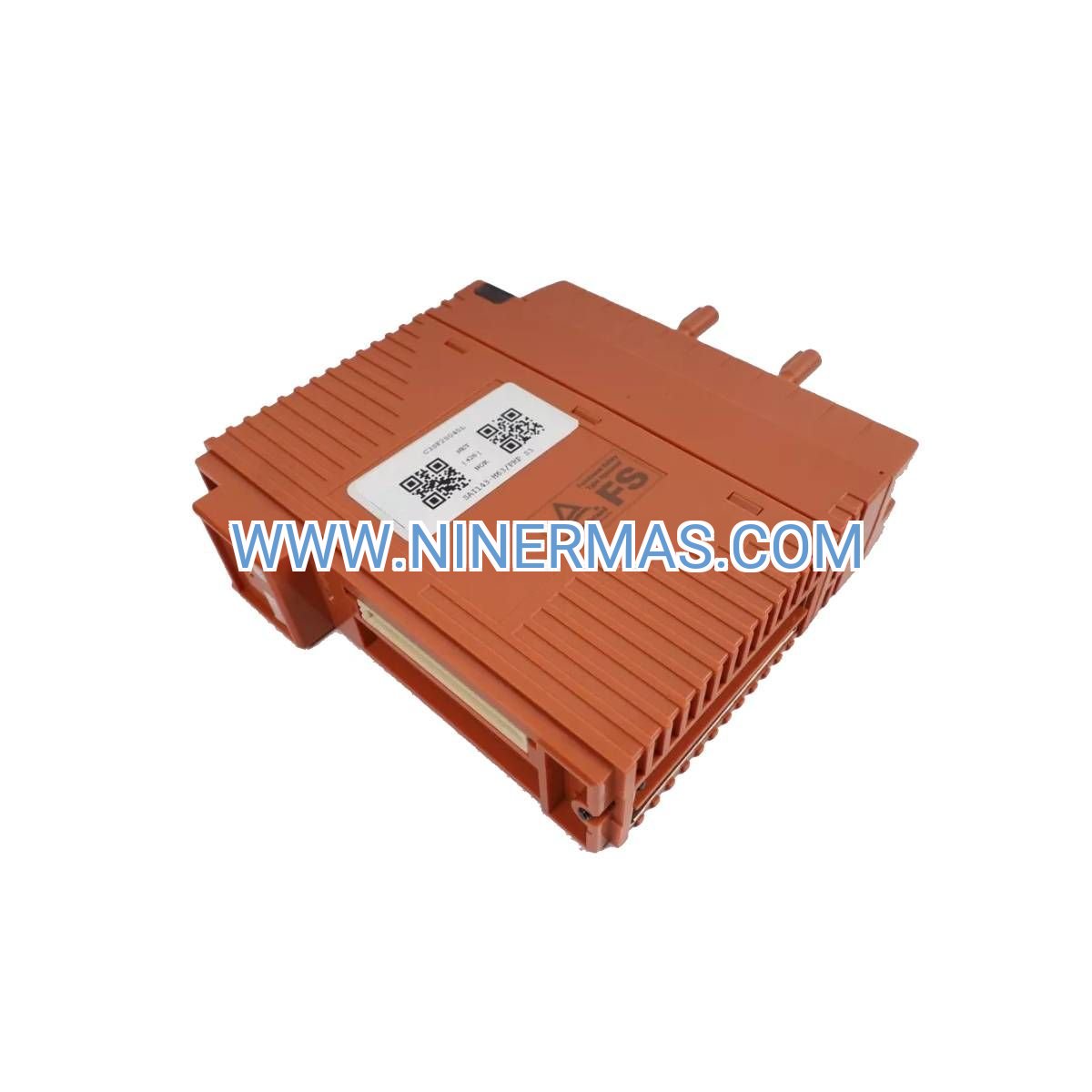
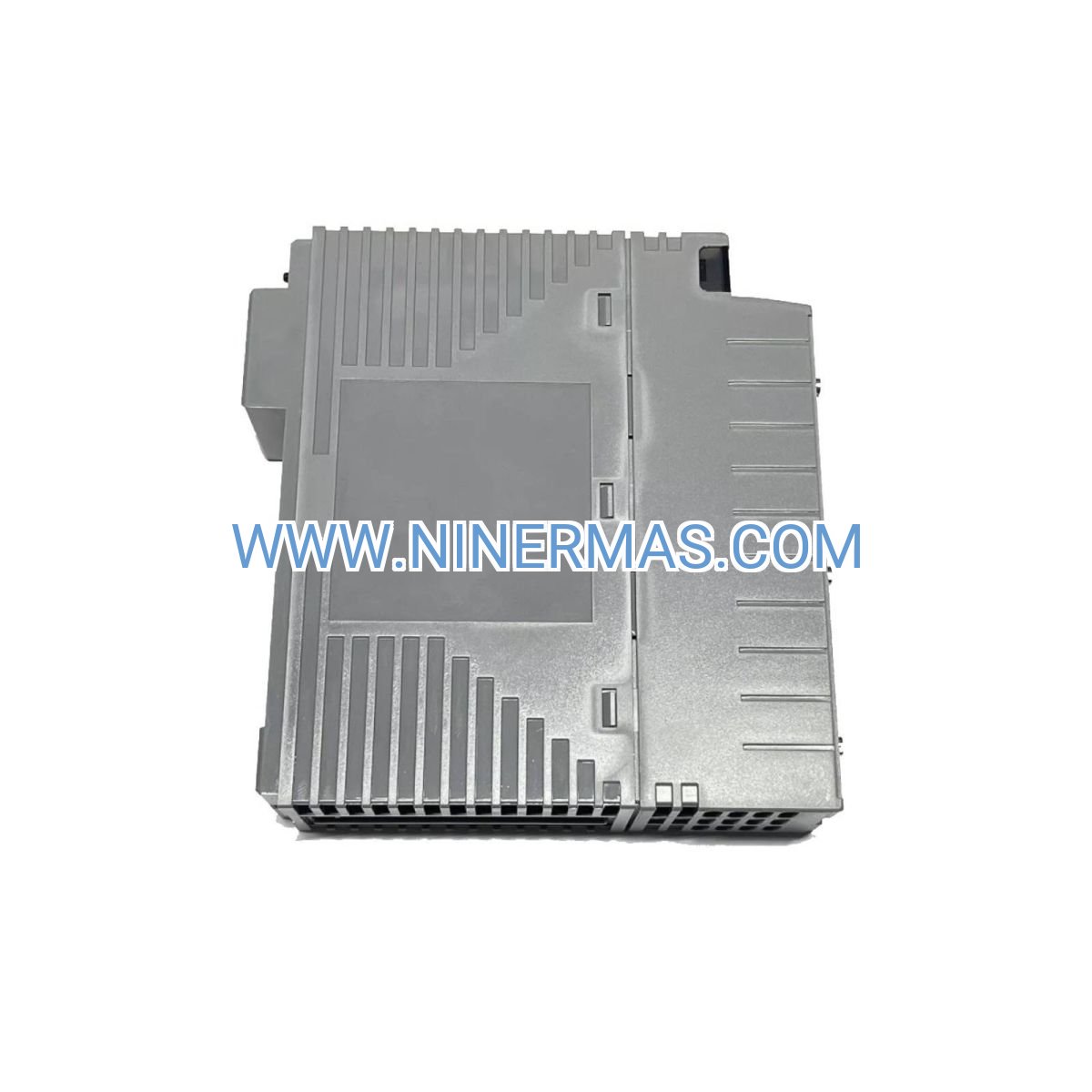
ANB10D-420/CU2N/NDEL ESB Node Unit (Industrial-Grade Communication Hub)
The ANB10D-420/CU2N/NDEL represents Yokogawa's advanced solution for mission-critical process control networks, functioning as the intelligent gateway between field instrumentation and supervisory control systems. This ESB (Enhanced Serial Bus) node unit orchestrates real-time data flow across distributed I/O architectures while maintaining operational continuity through fault-tolerant redundancy protocols.
Designed for industries where unplanned downtime translates to six-figure losses per hour, this node unit eliminates single points of failure through dual-bus topology and hot-swappable module bays. Process engineers gain the flexibility to expand I/O capacity, replace failed modules, or reconfigure control strategies without halting production—a capability that transforms maintenance windows from scheduled shutdowns into routine online procedures.
Whether you're modernizing legacy DCS infrastructure or designing greenfield automation systems, the ANB10D-420 delivers deterministic communication performance with predictable scan cycles, comprehensive diagnostics, and seamless integration into Yokogawa CENTUM VP ecosystems.
Core Features & Benefits
→ Dual-Redundant ESB Architecture
Automatic failover between primary and backup bus channels ensures continuous data availability even during cable damage or connector failures. Switchover occurs within 50 milliseconds—faster than most control loops can detect the interruption—preserving process stability during infrastructure faults.
→ Hot-Swappable I/O Module Bays
Eight front-accessible slots accept analog input, digital output, temperature, and specialty modules without powering down the node. Technicians replace defective cards during operation while adjacent channels continue normal scanning, reducing mean time to repair (MTTR) by 75% compared to fixed-backplane systems.
→ High-Speed Data Throughput
2 Mbps per bus channel supports up to 64 nodes per segment with configurable scan rates from 10ms to 1000ms. This bandwidth accommodates mixed I/O types—4-20mA transmitters, discrete valve controls, RTD sensors—on the same network without priority conflicts or data collisions.
→ CENTUM VP Native Integration
The /CU2N variant provides plug-and-play compatibility with Yokogawa engineering workstations, operator consoles, and historical databases. Pre-configured device profiles eliminate manual parameter entry, reducing commissioning time from days to hours while minimizing configuration errors.
→ Predictive Diagnostics (/NDEL Enhancement)
Built-in algorithms monitor bus signal quality, power supply voltage ripple, and module communication errors. Trend analysis identifies degrading components before they fail, enabling condition-based maintenance that prevents emergency repairs and extends asset lifespan by 30%.
✓ Extended Environmental Rating
Operates reliably from -20°C to +60°C ambient without forced ventilation, making it suitable for outdoor enclosures, non-climate-controlled equipment rooms, and harsh industrial environments where HVAC systems are impractical or cost-prohibitive.
Typical Application Scenarios
Oil & Gas Production Facilities
In offshore platforms and remote wellhead installations, the ANB10D-420 coordinates separator level controls, compressor anti-surge systems, and flare gas monitoring across distributed process units. The dual-redundant architecture meets API 556 and IEC 61511 safety integrity requirements for SIL 2 applications, while the extended temperature rating eliminates the need for climate-controlled analyzer shelters in desert or arctic climates.
Chemical Batch Manufacturing
Pharmaceutical and specialty chemical plants leverage the node unit's deterministic scan cycles for precise recipe execution in reactor control systems. Time-stamped I/O data supports FDA 21 CFR Part 11 electronic batch records, while hot-swap capability allows module replacement during campaign changeovers without disrupting adjacent production lines.
Pulp & Paper Mills
Coordinate digester controls, bleach plant sequencing, and paper machine profiles across multi-acre facilities where fiber optic ESB segments span hundreds of meters. The node unit's diagnostic LEDs simplify troubleshooting in electrically noisy environments with VFD interference, reducing mean time to identify (MTTI) faults by 60%.
Food & Beverage Processing
Manage pasteurization loops, CIP (clean-in-place) systems, and packaging line controls where sanitary design standards prohibit traditional control panels in wet production areas. The node unit's IP20-rated enclosure mounts in remote marshalling cabinets, keeping sensitive electronics away from washdown zones while maintaining fast I/O response times.
Power Generation & Cogeneration
Integrate into boiler combustion controls, turbine vibration monitoring, and emissions compliance systems where regulatory mandates require continuous data logging. Redundant power inputs accept feeds from separate UPS circuits, ensuring the node remains operational during utility transfer events or generator startup transients.
Technical Parameters & Selection Guide
| Parameter | Specification | Engineering Notes |
|---|---|---|
| Bus Protocol | Dual ESB (Enhanced Serial Bus) | Requires shielded twisted-pair cabling per Yokogawa spec |
| Data Rate | 2 Mbps per channel | Sufficient for 512 I/O points at 100ms scan rate |
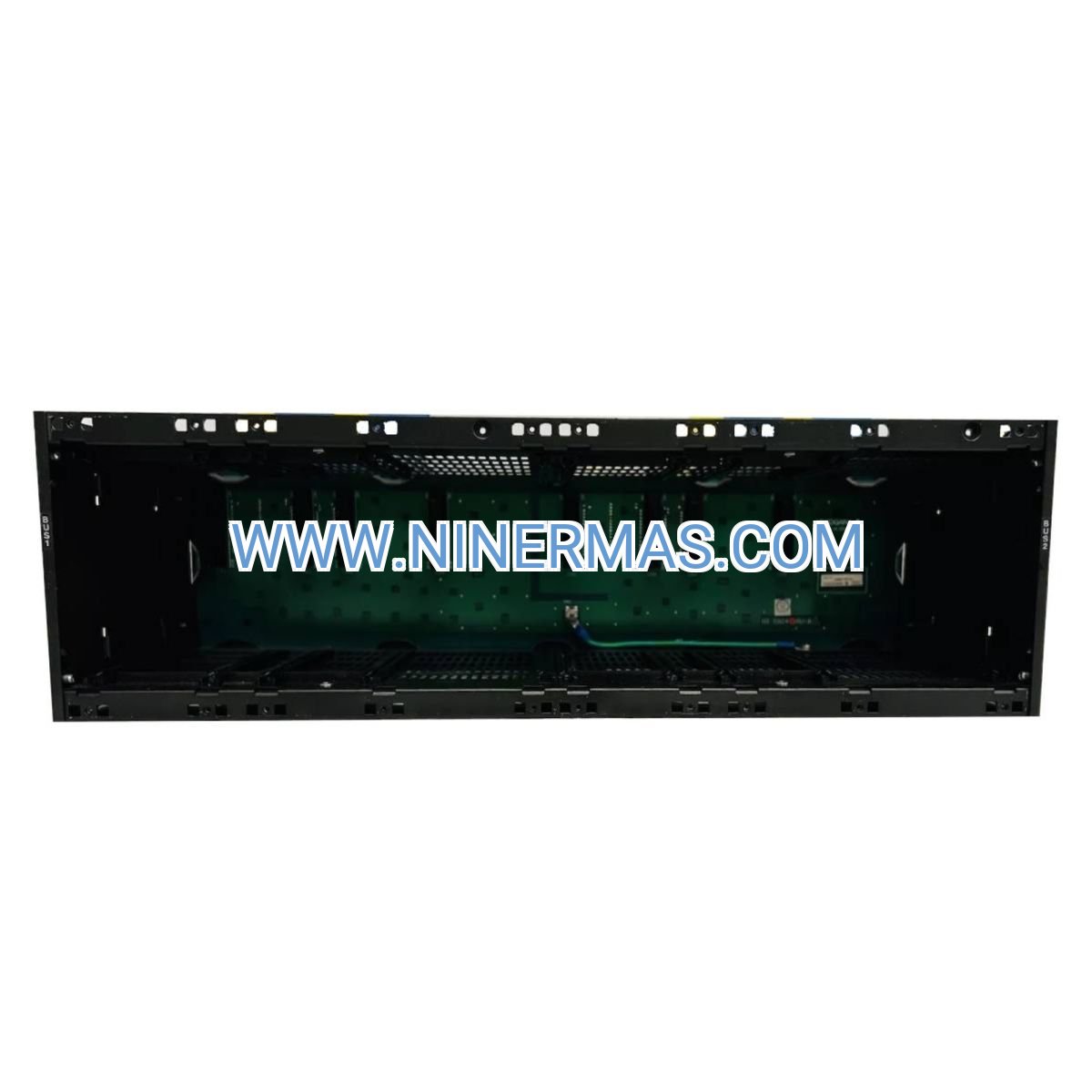
| I/O Module Slots | 8 hot-swappable bays | Mix analog, digital, and specialty modules as needed |
| Power Input | 24V DC (18-32V range), dual-redundant | 12W base consumption + I/O module load |
| Failover Time | <50ms bus switchover | Bumpless transfer maintains control loop stability |
| Operating Temp | -20°C to +60°C | No derating required within specified range |
| Mounting | DIN rail or panel mount | Requires 240mm horizontal clearance for module access |
| Diagnostics | LED indicators + /NDEL software analytics | Predictive maintenance algorithms included |
Selection Criteria: Choose the ANB10D-420/CU2N/NDEL when your application demands continuous availability (99.9%+ uptime), requires online maintenance capability, or must comply with safety instrumented system (SIS) standards. For non-redundant applications with lower criticality, consider standard single-bus node units to reduce capital costs by 40%.
Extended Functions
OPC-UA Gateway Integration: Connect third-party SCADA systems, MES platforms, or cloud analytics services through standardized OPC-UA servers. The node unit exposes real-time I/O data and diagnostic parameters as structured information models, enabling Industry 4.0 initiatives without proprietary protocol converters.
Modbus TCP Mapping: Legacy equipment and PLCs communicate with CENTUM VP systems via built-in Modbus TCP slave functionality. Map up to 256 registers to ESB I/O points, allowing gradual migration from older control systems without forklift upgrades.
Custom I/O Module Development: Yokogawa's open module specification allows third-party vendors to create specialized interface cards—HART multiplexers, Foundation Fieldbus links, wireless sensor gateways—that plug directly into ANB10D node bays, future-proofing your infrastructure investment.
Delivery & Service Assurance
Lead Time: Stock units ship within 2-3 business days via expedited carriers with full insurance and tracking. Custom configurations (specific firmware revisions, factory testing protocols) require 4-6 weeks from order confirmation.
Warranty Coverage: 24-month manufacturer's warranty covers defects in materials and workmanship. Extended service agreements available for critical applications requiring 4-hour response times and advance replacement units.
Technical Support: Our application engineers provide pre-sales system architecture reviews, including bus loading calculations, power budget analysis, and cable routing recommendations. Post-installation support includes configuration file templates, diagnostic troubleshooting guides, and firmware update assistance.
Documentation Package: Each unit ships with installation manual, wiring diagrams, device description files (EDD), and calibration certificates. Digital resources include CAD drawings (DWG/DXF), 3D STEP models, and spare parts cross-reference databases.
Frequently Asked Questions
Q: Can I mix different I/O module types in the same ANB10D-420 node unit?
A: Yes, the eight module bays support any combination of Yokogawa-compatible cards—analog inputs, digital outputs, temperature modules, pulse counters—without slot restrictions. The node automatically detects installed modules during power-up and configures communication parameters accordingly.
Q: What cable specifications are required for ESB bus connections?
A: Use Belden 9841 or equivalent shielded twisted-pair cable (18 AWG, 120-ohm impedance) with maximum segment lengths of 500 meters. Terminate both ends with 120-ohm resistors and maintain minimum bend radius of 10x cable diameter to prevent signal reflections.
Q: How does the /NDEL diagnostic enhancement improve maintenance planning?
A: The /NDEL firmware monitors 47 health parameters—bus voltage levels, signal-to-noise ratios, module response times—and generates predictive alerts when trends indicate impending failures. Maintenance teams receive 2-4 weeks advance notice of degrading components, allowing scheduled repairs during planned outages instead of emergency shutdowns.
Q: Is the ANB10D-420 compatible with older CENTUM CS3000 systems?
A: The /CU2N variant requires CENTUM VP R6.01 or later. For CS3000 integration, specify the /CU2 model (without the 'N' suffix) which supports legacy communication protocols. Contact our technical team for migration path recommendations if you're upgrading from CS3000 to CENTUM VP.
Q: What power supply redundancy options are available?
A: The node unit features two independent 24V DC inputs with automatic load sharing and diode-OR switching. Connect each input to separate UPS circuits or redundant power supplies. Internal supercapacitors bridge momentary interruptions up to 20ms, preventing nuisance resets during utility transfer events.
Q: Can I install the node unit in hazardous area classifications?
A: The standard ANB10D-420 is rated for general-purpose (non-hazardous) locations. For Class I Division 2 or ATEX Zone 2 installations, mount the node in a purged enclosure with appropriate certification. Yokogawa offers intrinsically safe I/O modules that connect to field devices in Division 1/Zone 1 areas while the node remains in the safe area.
Ready to Upgrade Your DCS Infrastructure?
Contact our automation specialists for a complimentary system architecture review. We'll analyze your existing I/O distribution, recommend optimal node placement, and provide detailed ROI calculations comparing redundant vs. simplex configurations. Request a quote today and receive priority access to our technical support hotline for the first 90 days after installation.
© 2026 NINERMAS COMPANY LIMITED. All rights reserved.
Original Source: https://ninermas.com
Contact: sale@ninermas.com | +0086 187 5021 5667
PDF Specification
Download PDF file here:
Click to Download PDFRelated products

Contact Info
-
Address:22 / F, South Wo Hang building, 148 Wing Lok Street, Sheung Wan, Western District, Hong Kong
-
Phone:+8618750215667
-
Email: