Description
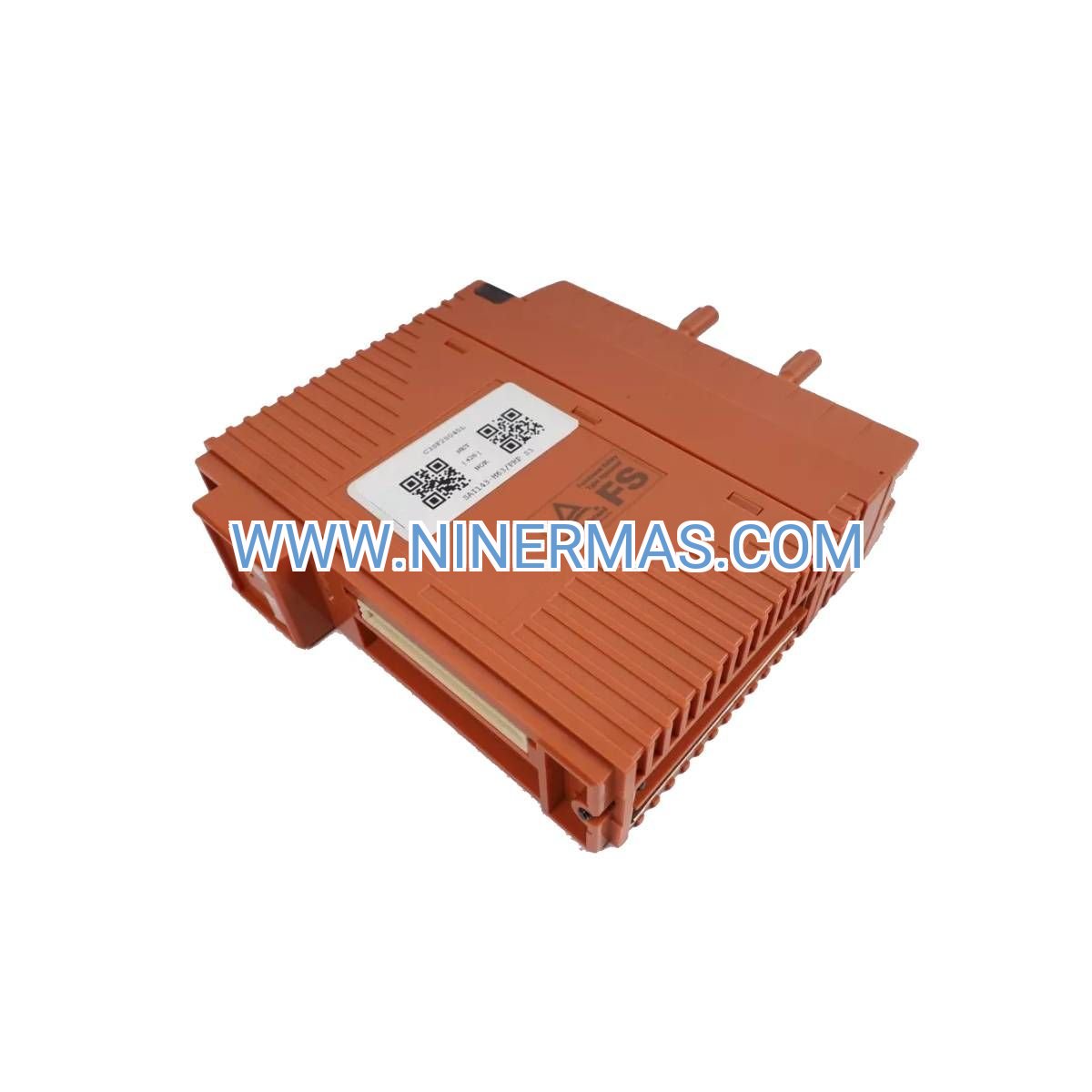
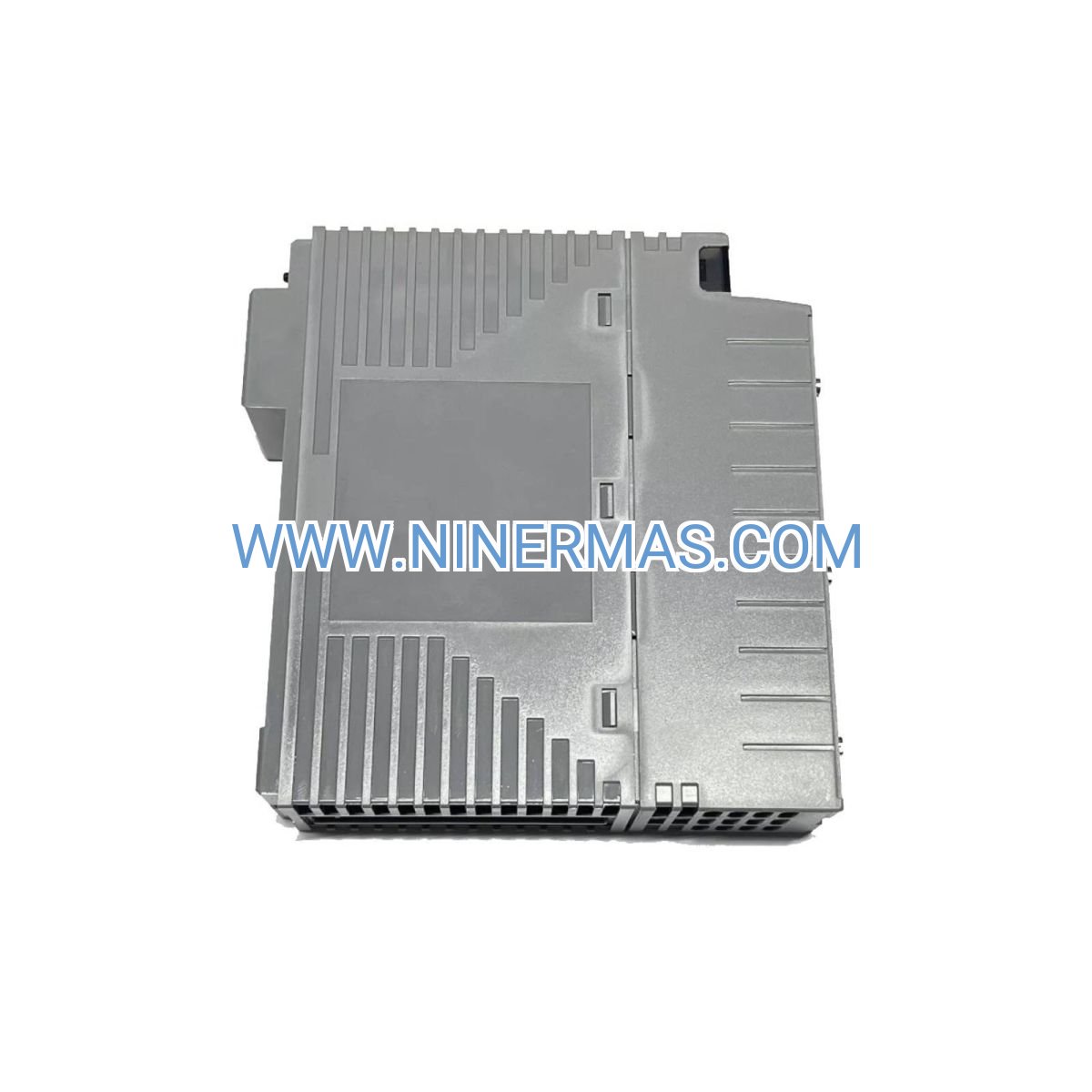
ANB10D-425/CU2 Dual-Redundant ESB Bus Node (Industrial-Grade Communication Hub)
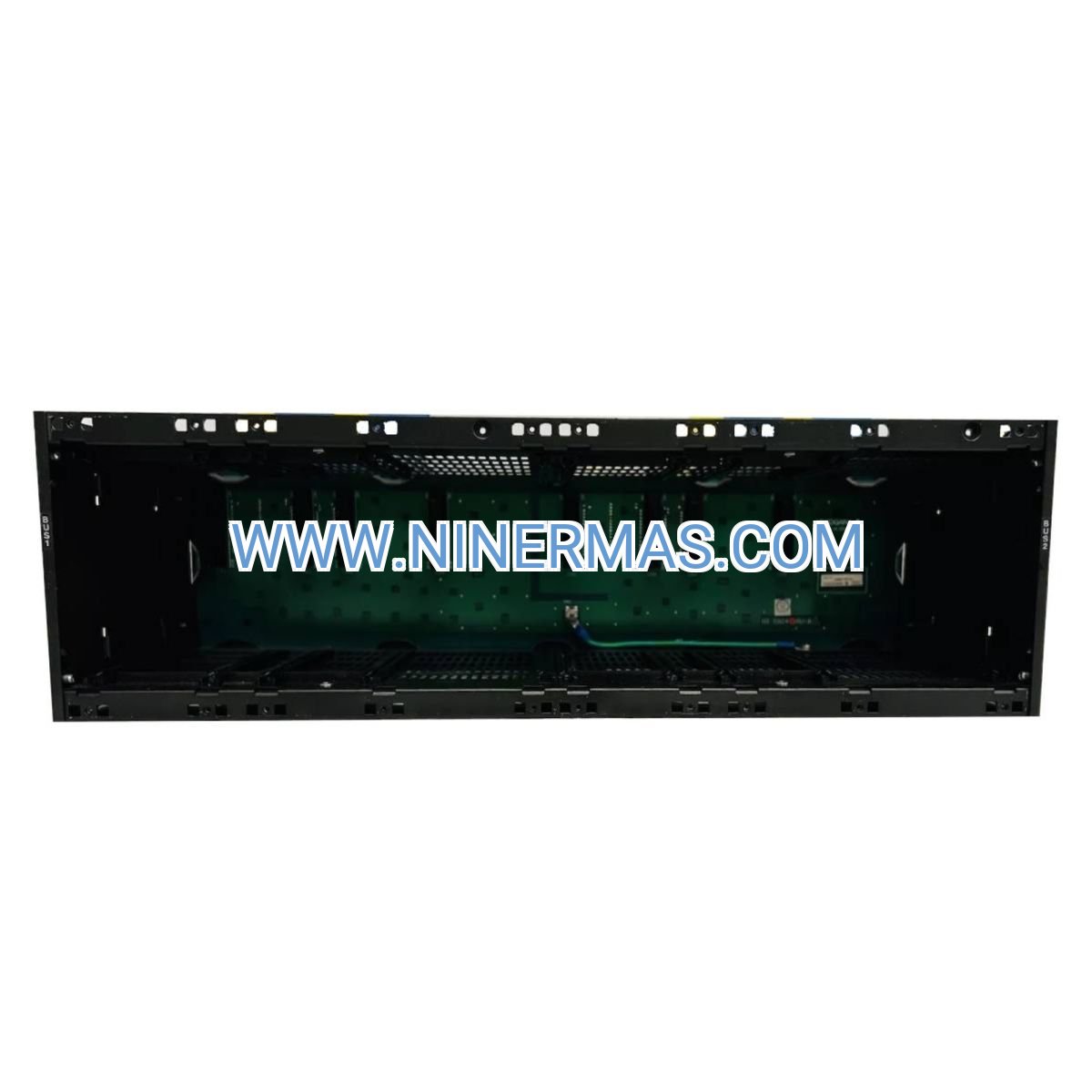
The ANB10D-425/CU2 represents Yokogawa's advanced solution for fault-tolerant I/O signal distribution in process automation systems. Designed as a rack-mounted communication interface, this dual-redundant ESB bus node bridges Field Control Units with distributed analog and digital I/O modules across CENTUM VP DCS and ProSafe-RS safety platforms. Its dual 24V DC power architecture and CU2 connector configuration eliminate single-point failures in mission-critical control loops.
Process industries requiring continuous uptime—chemical plants, refineries, power generation facilities—depend on this node unit to maintain uninterrupted data flow between field instrumentation and supervisory controllers. When a power supply fails or communication path degrades, automatic switchover ensures zero disruption to temperature monitoring, pressure control, and emergency shutdown sequences.
With capacity for eight I/O modules and hot-swappable maintenance capabilities, the ANB10D-425/CU2 reduces installation footprint while accelerating troubleshooting. Front-panel diagnostics, removable terminal blocks, and software-based configuration streamline commissioning and minimize mean time to repair.
Core Features & Benefits
→ Dual-Redundant Power Supply Architecture
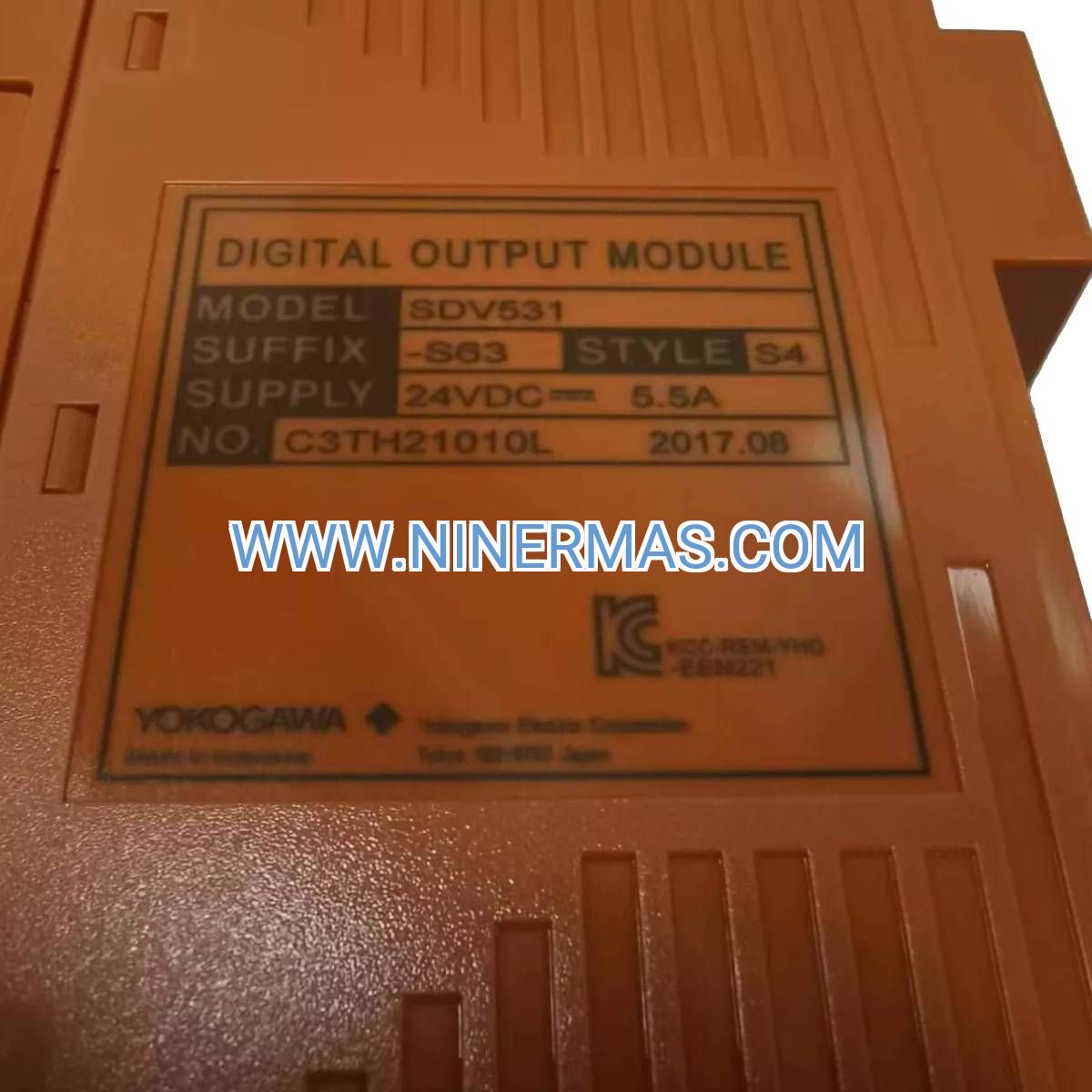
Two independent 24V DC inputs (-10% to +20% tolerance) with automatic failover. Each channel supplies 5.5A maximum, ensuring continuous operation during single power source outages—critical for safety instrumented systems and emergency shutdown logic.
→ Eight-Module I/O Expansion Capacity
Accommodates up to eight analog input/output or digital I/O cards simultaneously. Consolidates multiple measurement points—thermocouples, RTDs, 4-20mA transmitters, relay outputs—into a single rack-mounted unit, reducing cabinet space by up to 40% versus distributed architectures.
→ ESB Bus Protocol with CU2 Connectivity
High-speed Extended Serial Bus communication with included CU2 connector units (2 pieces). Supports daisy-chain topology for multi-node installations while maintaining deterministic scan cycles under 100ms for time-critical control loops.
→ Hot-Swappable Module Replacement
Field-replaceable I/O cards without system shutdown. Maintenance teams swap faulty modules during operation, avoiding costly production interruptions in 24/7 manufacturing environments like automotive assembly or pharmaceutical batch processing.
→ Front-Panel LED Diagnostics
Instant visual feedback for power status, communication health, and individual module faults. Technicians identify issues within seconds during troubleshooting, reducing diagnostic time by 60% compared to systems requiring software interrogation.
✓ Software-Configured Addressing
I/O assignment, scan rates, and alarm thresholds set via Yokogawa engineering workstation—no manual DIP switches. Configuration changes deploy remotely, eliminating cabinet access requirements during system modifications.
Application Scenarios
Chemical Process Control Networks
Distributed control systems monitoring reactor vessels, distillation columns, and blending tanks require fault-tolerant I/O nodes to prevent batch losses. The ANB10D-425/CU2 interfaces with temperature transmitters, pressure sensors, and control valve positioners across extended field wiring runs, maintaining signal integrity through redundant communication paths. When a primary ESB bus fails, secondary routing preserves real-time data acquisition for cascade control loops and material balance calculations.
Safety Instrumented System Integration
ProSafe-RS safety controllers depend on reliable input signals from emergency stop circuits, flame detectors, and high-integrity pressure protection systems. Dual-redundant power and communication eliminate common-cause failures in SIL 2/SIL 3 architectures. The node unit processes safety-critical discrete inputs—gas detector alarms, valve limit switches—with guaranteed response times meeting IEC 61508 requirements for emergency shutdown sequences.
Power Generation Monitoring Arrays
Turbine control systems aggregate vibration sensors, bearing temperature RTDs, and generator excitation signals through centralized I/O nodes. The ANB10D-425/CU2's eight-module capacity consolidates 64+ analog channels into a single rack location, simplifying wiring harnesses and reducing commissioning labor. Redundant power ensures continuous monitoring during generator startup, load transitions, and emergency trip conditions.
Pharmaceutical Manufacturing Compliance
FDA-regulated batch reactors require validated control systems with full audit trails. This ESB node interfaces with calibrated pH transmitters, load cells, and sterilization temperature sensors, providing timestamped I/O data for 21 CFR Part 11 compliance. Hot-swappable modules enable preventive maintenance without batch interruption, maintaining production schedules during qualification campaigns.
Water Treatment SCADA Systems
Municipal water facilities monitor chlorine residual analyzers, turbidity meters, and pump station flow totalizers across geographically distributed sites. The ANB10D-425/CU2 serves as a remote I/O concentrator, converting 4-20mA field signals to ESB bus data for transmission to central SCADA servers. Redundant power from solar/battery backup systems ensures uninterrupted water quality monitoring during utility outages.
Technical Parameters & Selection Guide
| Parameter | Specification |
|---|---|
| Power Input | 24V DC dual-redundant, -10% to +20% tolerance |
| Current Draw | 5.5A maximum per power channel |
| I/O Module Slots | 8 positions (analog/digital mix supported) |
| Communication Protocol | ESB (Extended Serial Bus) with CU2 connectors |
| Mounting Type | 19-inch rack installation, M5 hardware |
| Operating Temperature | 0°C to 55°C ambient (standard industrial) |
| Weight (Fully Loaded) | Approximately 10 kg with 8 I/O modules |
| Environmental Rating | Basic type, non-hazardous locations |
| Country of Origin | Japan (Yokogawa manufacturing) |
Selection Criteria: Choose the ANB10D-425/CU2 when your application demands redundant power supplies for high-availability control systems. For non-critical monitoring applications with single power sources, consider the ANB10D-400 variant. Verify compatibility with existing Yokogawa I/O modules (AAI, ADV, ADI series) before ordering. Confirm ESB bus cable length requirements—maximum 500 meters between nodes without repeaters.
Extended Functions
IoT Gateway Integration: Connect to Yokogawa's Sushi Sensor platform via optional Ethernet adapters for cloud-based predictive maintenance analytics. Stream I/O module health metrics—power supply voltage drift, communication error rates—to remote monitoring dashboards.
Legacy System Retrofits: Replace obsolete CENTUM CS/CS3000 I/O nodes with ANB10D-425/CU2 units while retaining existing field wiring. Adapter kits available for terminal block compatibility with legacy connector standards.
Custom I/O Configurations: Factory-configurable module combinations for specialized applications—HART protocol analog inputs, pulse counting for flow meters, thermocouple cold-junction compensation. Consult engineering team for non-standard channel densities or signal conditioning requirements.
Delivery & Service Assurance
Lead Time: Standard configurations ship within 3-5 business days from regional distribution centers. Custom module assemblies require 2-3 weeks for factory integration and testing.
Warranty Coverage: 18-month manufacturer's warranty from shipment date, covering defects in materials and workmanship. Expedited replacement service available for critical spares—48-hour delivery to major industrial hubs.
Technical Support: Pre-sales system design consultation including ESB bus topology planning, power budget calculations, and I/O module selection. Post-installation commissioning assistance via remote desktop support or on-site field service engineers.
Documentation Package: Installation manual with wiring diagrams, ESB bus configuration guide, troubleshooting flowcharts, and dimensional drawings for panel cutout planning. Software configuration files for common I/O module combinations provided upon request.
Frequently Asked Questions
Q: How does the ANB10D-425/CU2 interface with existing CENTUM VP controllers?
A: The node unit connects to Field Control Units (FCU) via ESB bus cables terminated at CU2 connectors. Configuration is performed through the engineering workstation software, where you assign I/O addresses and map signals to control strategies. The ESB bus supports up to 32 nodes per segment, allowing distributed I/O architectures across large process areas.
Q: What is the maximum I/O channel count per ANB10D-425/CU2 unit?
A: With eight module slots, total channel capacity depends on module types. Using 8-channel analog input modules (AAI143), you achieve 64 analog inputs. Mixing 16-channel digital input modules (ADV151) yields 128 discrete points. Consult module datasheets for specific channel densities and power consumption.
Q: Can I replace I/O modules without shutting down the control system?
A: Yes, the hot-swappable design allows module replacement during operation. The system automatically detects module removal and insertion, resuming I/O scanning within 2-3 seconds. However, signals connected to the replaced module will be unavailable during the swap—plan replacements during non-critical process phases.
Q: What power supply redundancy features prevent control system failures?
A: Each 24V DC input powers independent internal circuits. If one supply fails, the second maintains full operation without switchover delay. LED indicators show individual power channel status. For maximum reliability, connect supplies to separate UPS systems or battery banks to eliminate common-mode AC power failures.
Q: Does the ANB10D-425/CU2 support remote diagnostics and monitoring?
A: Yes, through the CENTUM VP HIS (Human Interface Station), operators view real-time I/O module status, communication error counters, and power supply voltages. Alarm notifications trigger when modules fault or ESB bus communication degrades. Integration with Yokogawa's Exaquantum historian enables long-term trending of I/O system health metrics.
Q: Are there installation requirements for rack mounting and cable routing?
A: The unit requires a standard 19-inch equipment rack with M5 threaded mounting rails. Allow 2U vertical space (88mm) for the node unit plus additional clearance for I/O module connectors. ESB bus cables use shielded twisted-pair construction with grounded shields at one end only to prevent ground loops. Maintain 300mm separation from high-voltage AC power cables to minimize electromagnetic interference.
Request a Technical Consultation
Our automation specialists provide complimentary system design reviews for CENTUM VP and ProSafe-RS projects. Submit your I/O list, control narrative, and site electrical specifications to receive a customized node unit configuration with wiring diagrams and bill of materials. Contact our engineering team to discuss your application requirements and obtain a formal quotation.
© 2026 NINERMAS COMPANY LIMITED. All rights reserved.
Original Source: https://ninermas.com
Contact: sale@ninermas.com | +0086 187 5021 5667
PDF Specification
Download PDF file here:
Click to Download PDFRelated products

Contact Info
-
Address:22 / F, South Wo Hang building, 148 Wing Lok Street, Sheung Wan, Western District, Hong Kong
-
Phone:+8618750215667
-
Email: