


Description
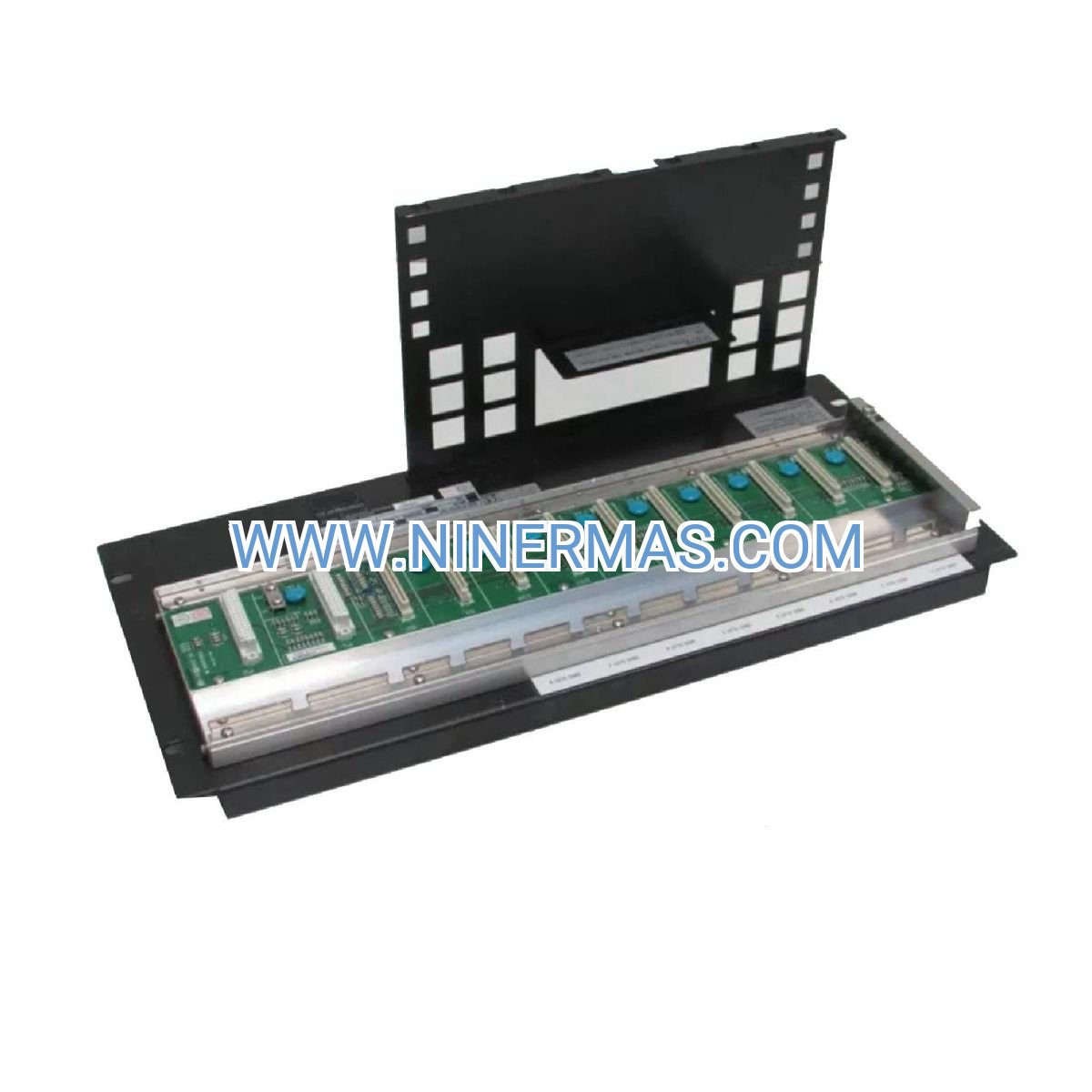
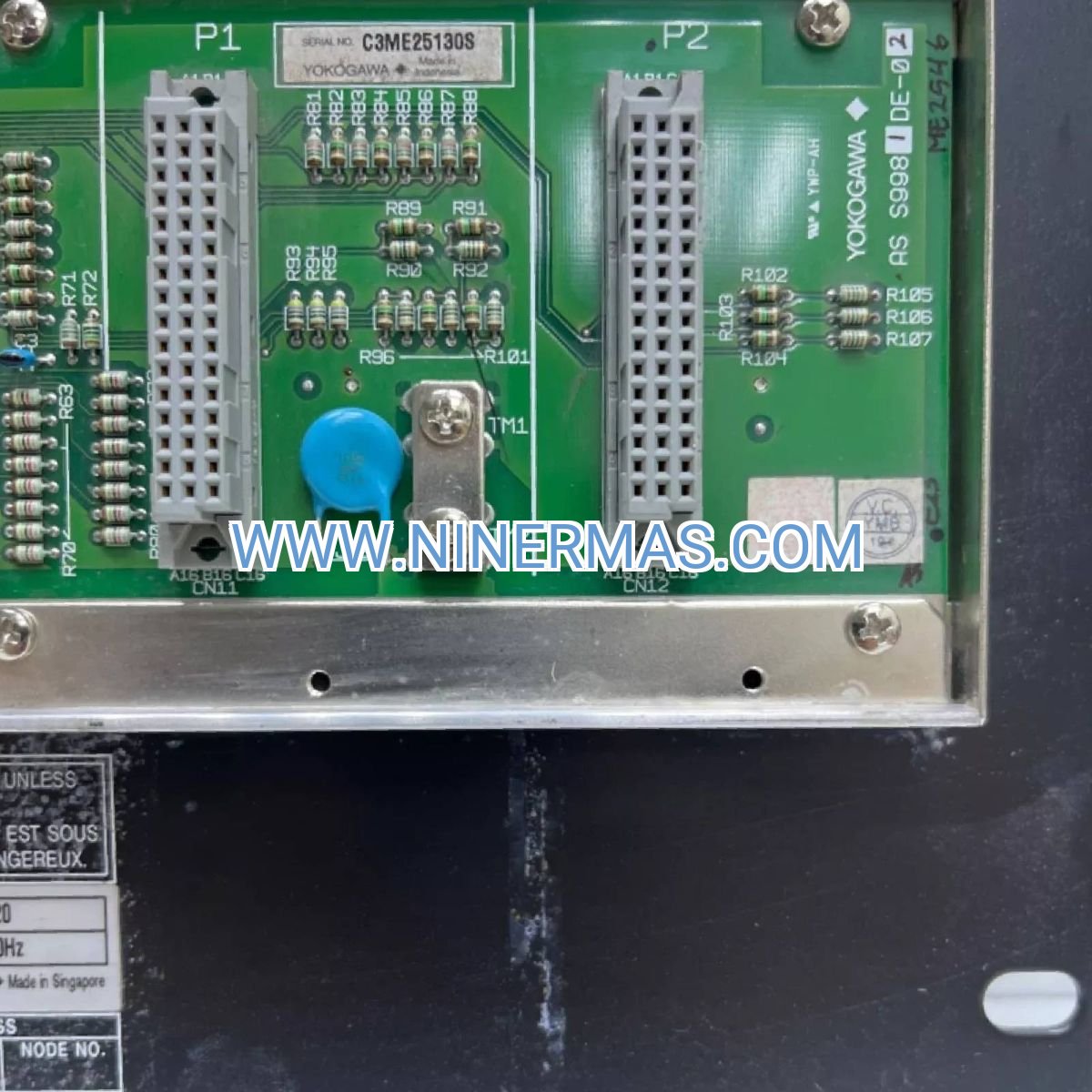
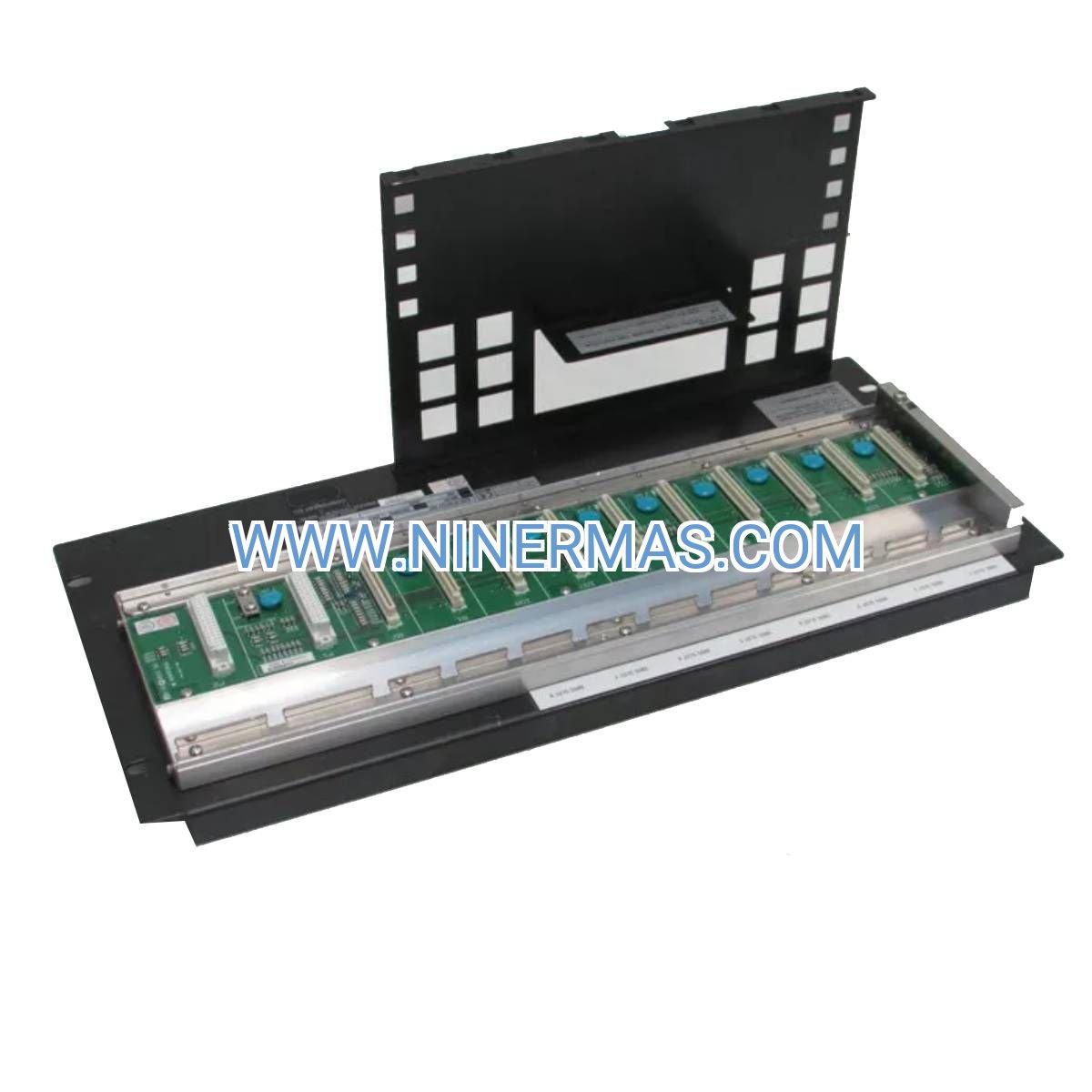
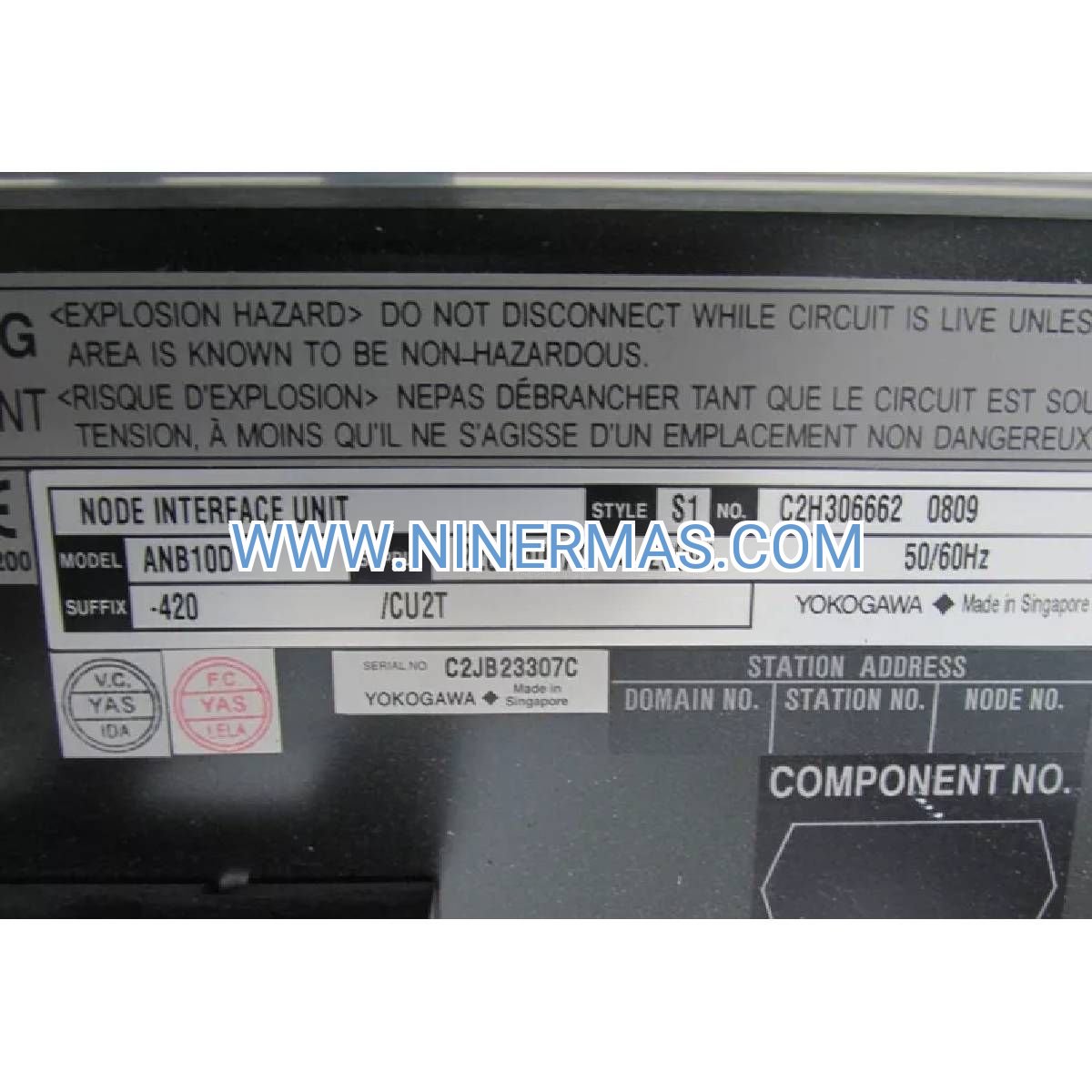
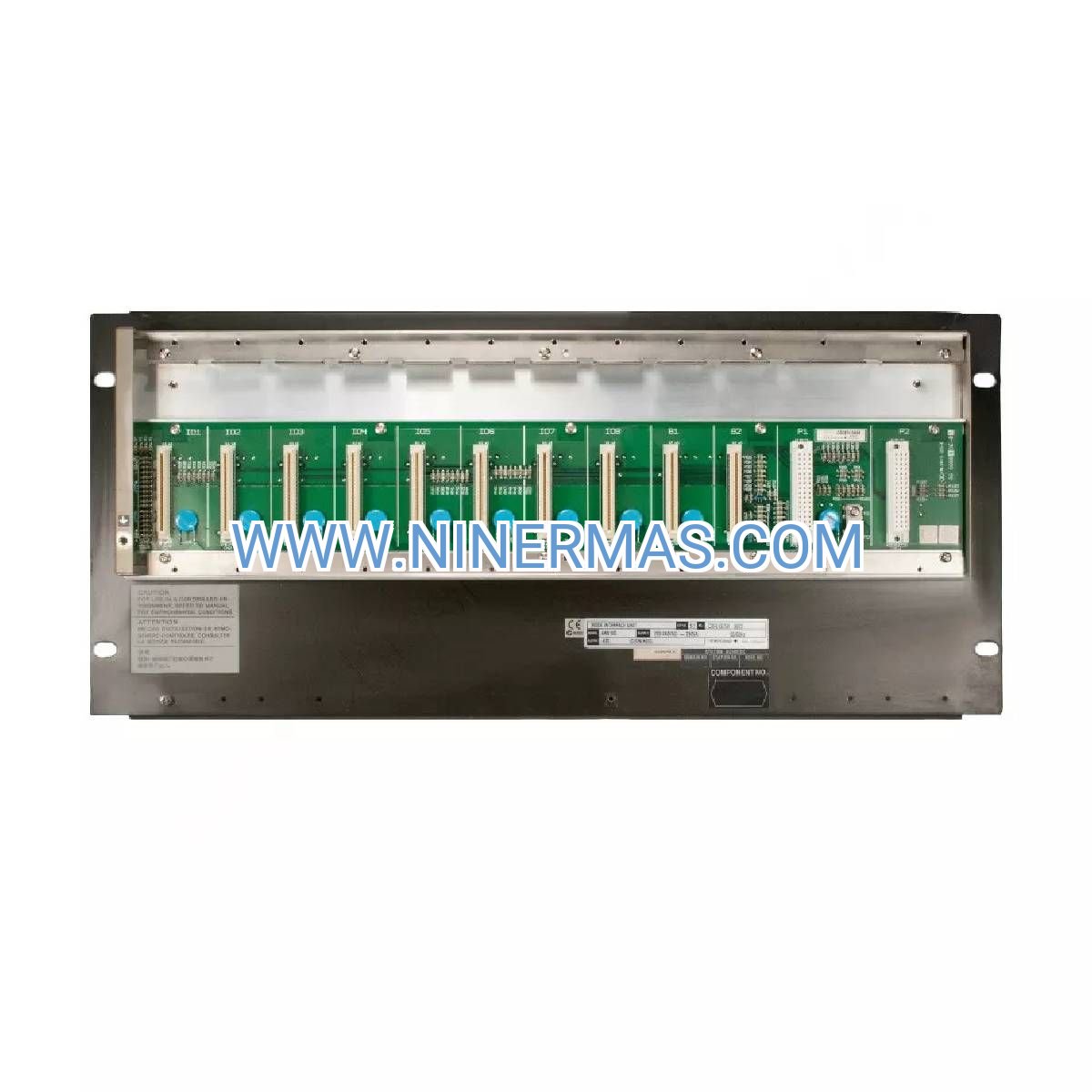
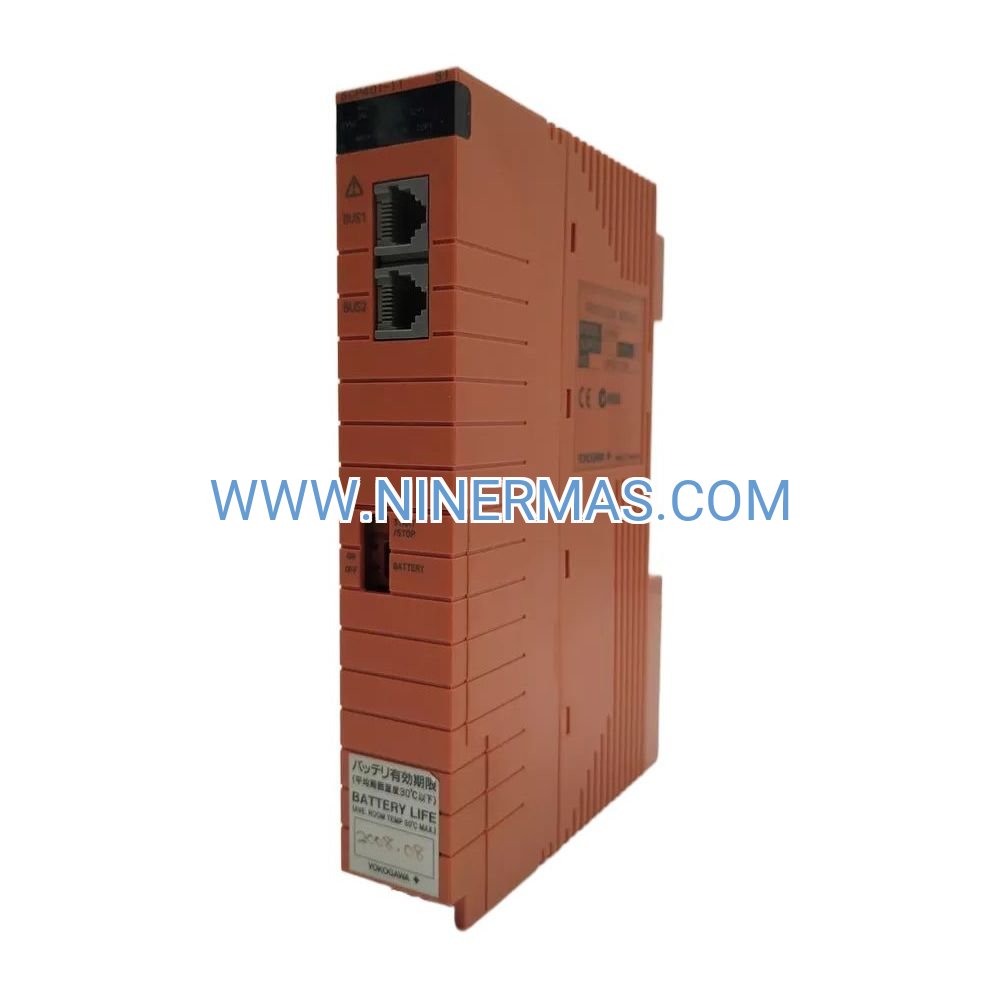
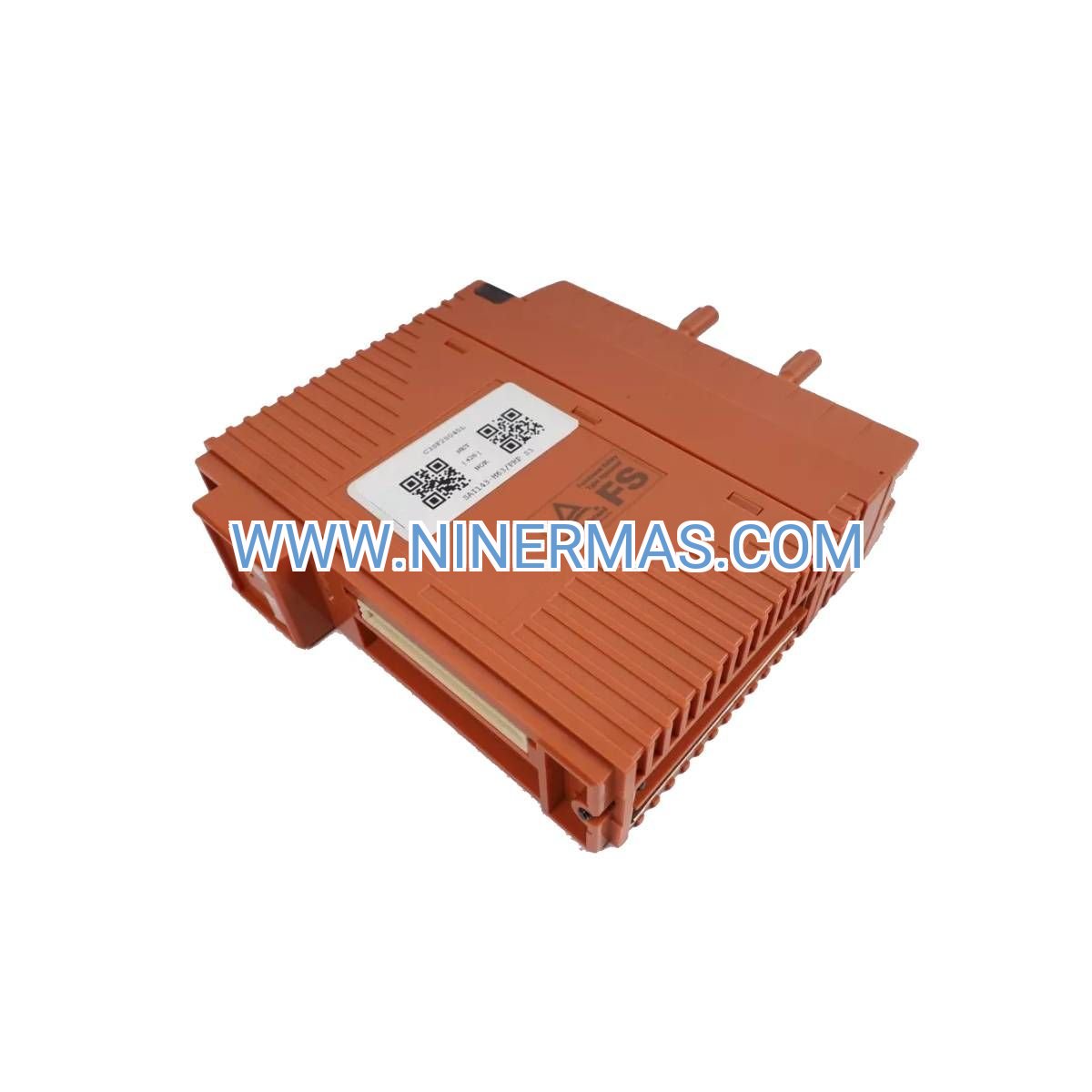
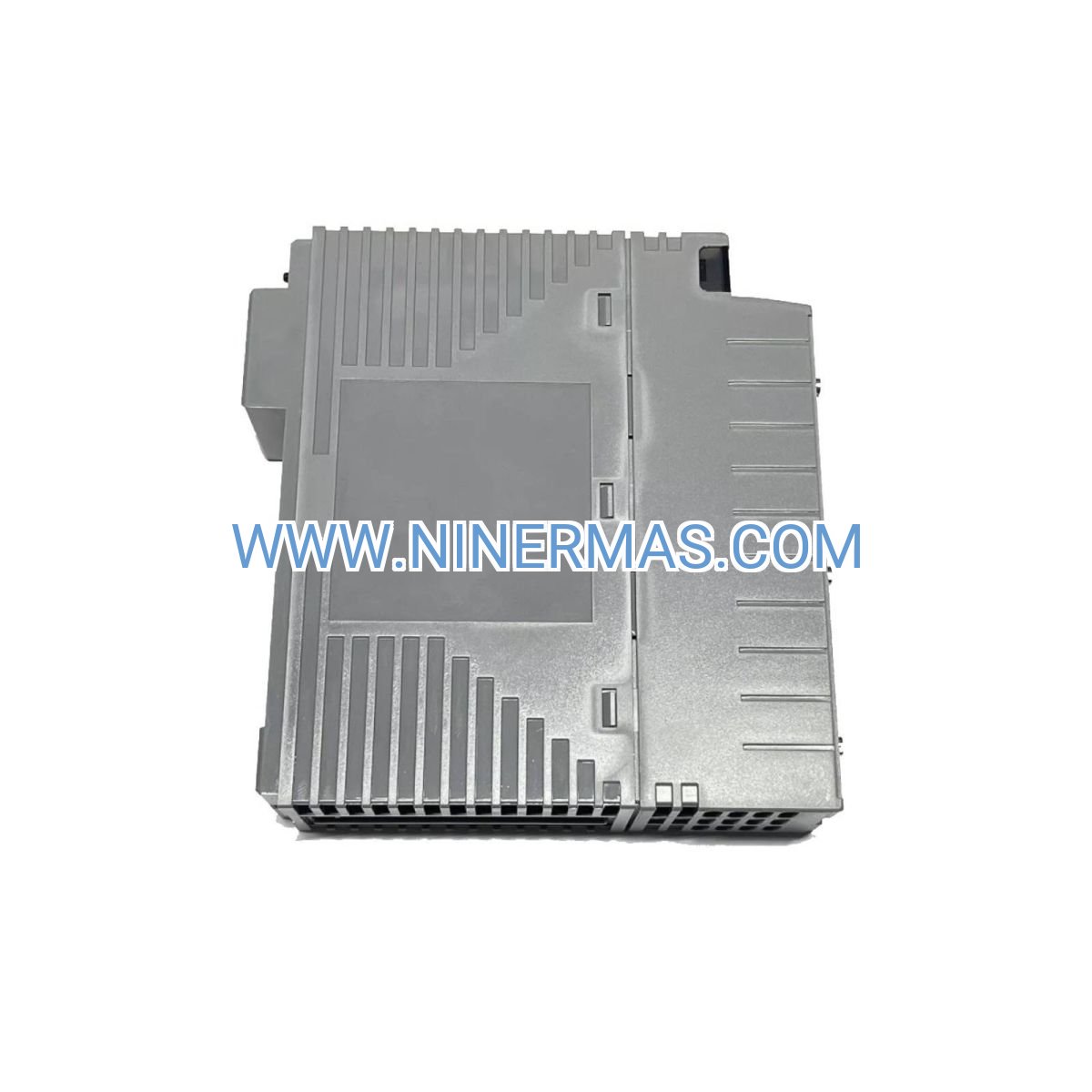
ANB10D-420 Yokogawa ESB Communication Node (Industrial-Grade Redundant Module)
The ANB10D-420 represents Yokogawa's flagship solution for fault-tolerant distributed control architectures. Engineered as a dual-channel Enhanced Serial Bus (ESB) node unit, this module bridges Field Control Units with remote I/O networks while maintaining continuous operation during component failures or scheduled maintenance. Designed for industries where downtime translates to six-figure losses, the ANB10D-420 delivers carrier-grade reliability through hardware-level redundancy and sub-millisecond failover mechanisms.
Process engineers and automation specialists deploy this node unit in environments demanding 24/7/365 availability—from offshore oil platforms to pharmaceutical clean rooms. Unlike single-channel alternatives, the ANB10D-420's dual-bus topology ensures zero data loss during switchovers, making it the preferred choice for safety-instrumented systems (SIS) and critical control loops governed by IEC 61508 standards.
With native support for mixed-signal I/O (analog 4-20mA, discrete contacts, pulse counters), this module eliminates the need for protocol converters while reducing cabinet footprint by up to 40%. Factory-calibrated and hot-swappable, the ANB10D-420 accelerates commissioning timelines and simplifies lifecycle management across multi-site operations.
Core Capabilities & Business Value
→ Dual-Redundant ESB Architecture
Simultaneous operation of primary and backup communication channels with automatic health monitoring. When the active bus detects a fault, the standby channel assumes control within 50 milliseconds—imperceptible to connected field devices. This architecture has proven 99.99% availability in 10+ year field deployments across 2,000+ installations globally.
✓ Universal Signal Compatibility
Natively processes analog inputs (4-20mA, 1-5V, RTD, thermocouple), digital I/O (24V DC contact closure), and high-speed pulse signals up to 10 kHz. Eliminates costly signal conditioners and reduces wiring complexity by 30% compared to legacy systems. Supports up to 128 I/O points per node with deterministic scan times under 100ms.
✓ Hot-Swap Maintenance Capability
Field-replaceable design allows technicians to swap failed modules without shutting down the control system or interrupting process operations. Integrated keying prevents incorrect insertion, while automatic address recognition eliminates manual DIP switch configuration. Reduces mean time to repair (MTTR) from hours to minutes.
✓ Diagnostic Intelligence
Multi-color LED arrays provide instant visual status for power, communication health, and I/O integrity. Built-in self-test routines execute every 500ms, logging anomalies to the host DCS for predictive maintenance. SNMP-compatible diagnostics enable integration with enterprise asset management platforms.
✓ Extended Environmental Tolerance
Operates reliably in -20°C to +60°C ambient temperatures with conformal-coated PCBs resisting humidity, vibration (IEC 60068-2-6), and electromagnetic interference per EN 61000-6-2. Ideal for harsh environments including desert climates, coastal facilities, and heavy industrial zones.
✓ Scalable Network Topology
Supports daisy-chain configurations spanning up to 500 meters between nodes using standard shielded twisted-pair cabling. Add or remove nodes without network reconfiguration—the system auto-discovers new devices within 2 seconds. Scales from 32 to 4,096 I/O points using identical hardware.
Industry Applications & Problem Resolution
Oil & Gas Upstream Production
Offshore platforms and remote wellhead sites deploy ANB10D-420 units to monitor separator levels, compressor vibration, and emergency shutdown valves. The dual-redundant design ensures continuous operation during North Sea storms or equipment failures, preventing production losses averaging $500K per hour. Intrinsically safe barriers integrate seamlessly for Zone 1 hazardous area installations.
Chemical Batch Processing
Pharmaceutical and specialty chemical manufacturers rely on ANB10D-420 nodes for reactor temperature control, pH monitoring, and automated dosing sequences. FDA 21 CFR Part 11 audit trails capture all configuration changes, while the module's deterministic timing guarantees recipe repeatability within ±0.1% across 10,000+ batch cycles.
Power Generation & Utilities
Combined-cycle gas turbines and coal-fired boilers use ANB10D-420 modules for burner management, steam drum level control, and emissions monitoring. The system's <10ms response time meets NFPA 85 combustion safety standards, while redundant communications prevent false trips that cost $1M+ in lost generation capacity.
Water Treatment Infrastructure
Municipal wastewater plants and desalination facilities connect ANB10D-420 nodes to flow meters, chlorine analyzers, and variable-frequency drives controlling pumps rated up to 5,000 HP. Remote diagnostics via cellular gateways enable 24/7 monitoring of unmanned lift stations across 100+ mile service areas.
Food & Beverage Production
Breweries, dairy processors, and beverage bottlers integrate ANB10D-420 units with pasteurization systems, CIP (clean-in-place) skids, and aseptic filling lines. Stainless steel enclosure options (IP67) withstand high-pressure washdowns, while EHEDG-compliant designs prevent bacterial contamination in hygienic zones.
Technical Specifications & Selection Criteria
| Parameter | Specification |
|---|---|
| Model Designation | ANB10D-420 |
| Bus Interface | Dual-Redundant ESB (Enhanced Serial Bus) |
| Communication Speed | 10 Mbps per channel, 20 Mbps aggregate |
| Failover Time | < 50 milliseconds (bumpless transfer) |
| I/O Capacity | Up to 128 points per node |
| Power Input | 24V DC ±20% (18-30V range), 15W typical |
| Operating Temperature | -20°C to +60°C (-4°F to +140°F) |
| Storage Temperature | -40°C to +85°C |
| Humidity Tolerance | 5% to 95% RH (non-condensing) |
| Vibration Resistance | IEC 60068-2-6 (10-150 Hz, 1G) |
| EMC Compliance | EN 61000-6-2 (Immunity), EN 61000-6-4 (Emissions) |
| Safety Certifications | CE, UL508, FM Class I Div 2, ATEX Zone 2 |
| MTBF (Mean Time Between Failures) | 450,000 hours @ 40°C (51 years) |
| Mounting | 35mm DIN rail (EN 50022) |
| Dimensions (H×W×D) | 130mm × 45mm × 120mm |
| Weight | 0.6 kg (1.3 lbs) |
Selection Guidelines: Choose the ANB10D-420 when your application requires guaranteed uptime exceeding 99.9%, supports more than 64 I/O points per remote location, or operates in environments where maintenance windows are limited to quarterly shutdowns. For non-critical monitoring applications with <32 I/O points, consider the single-channel ANB10D-400 variant to optimize costs. Consult Yokogawa's system sizing tool to calculate maximum bus length based on node count and cable specifications.
Advanced Integration Features
OPC UA Connectivity: Native OPC UA server functionality enables direct integration with MES (Manufacturing Execution Systems), historians, and cloud analytics platforms without middleware gateways. Supports secure encrypted communications (AES-256) and role-based access control for Industry 4.0 deployments.
Modbus TCP/IP Gateway: Optional Ethernet module converts ESB data to Modbus TCP, allowing legacy SCADA systems and third-party HMIs to access real-time process variables. Supports up to 500 Modbus registers with configurable polling rates from 100ms to 60 seconds.
Wireless Expansion: Pair with Yokogawa's ISA100 wireless adapters to extend I/O networks to rotating equipment, mobile assets, or hazardous areas where cabling is cost-prohibitive. Maintains the same dual-redundant architecture over 2.4 GHz mesh networks spanning 1 km+.
Cybersecurity Hardening: Firmware signed with SHA-256 certificates prevents unauthorized code injection. Supports network segmentation via VLANs and integrates with Cisco/Fortinet firewalls for defense-in-depth strategies compliant with IEC 62443-3-3 security levels.
Delivery, Warranty & Technical Support
Lead Times:
• Stock Units: 3-5 business days (air freight to major hubs)
• Custom Configurations: 4-6 weeks (factory programming, extended temp testing)
• Bulk Orders (20+ units): Contact for project-specific scheduling
Warranty Coverage:
36-month manufacturer's warranty covering defects in materials and workmanship. Extended 5-year warranties available for critical infrastructure projects. Advance replacement program ships overnight spares within 24 hours of RMA approval.
Technical Assistance:
• 24/7 phone/email support from Yokogawa-certified engineers
• Remote diagnostics via secure VPN connections
• On-site commissioning services in 50+ countries
• Quarterly firmware updates with security patches and feature enhancements
Documentation Package:
Each unit ships with installation manual, wiring diagrams, configuration software (FieldMate), calibration certificates, and compliance declarations (CE/UL). Digital twins and 3D CAD models (STEP format) available for download.
Frequently Asked Questions
Can the ANB10D-420 interface with non-Yokogawa field devices?
Yes. The module accepts industry-standard 4-20mA, 0-10V, RTD (PT100/PT1000), and thermocouple (Type J/K/T) signals from any manufacturer. Digital inputs support both sinking and sourcing configurations (NPN/PNP). Third-party devices like Rosemount transmitters, Endress+Hauser flow meters, and ABB analyzers integrate seamlessly.
What is the maximum distance between ANB10D-420 nodes on the ESB bus?
Using Belden 9841 shielded twisted-pair cable (or equivalent), nodes can be spaced up to 500 meters apart. Total bus length supports 32 nodes across 2 km when using repeaters. For longer distances (5+ km), deploy fiber-optic ESB extenders maintaining the same dual-redundant architecture.
How much energy does dual-redundancy save compared to separate backup systems?
The ANB10D-420 consumes 15W total—60% less than running two independent single-channel systems (which would require duplicate power supplies, cabinets, and wiring). Over a 10-year lifecycle, this translates to $2,400 savings per node in electricity costs alone, plus 50% reduction in panel space and installation labor.
Does the module require specialized tools for installation and configuration?
Basic installation uses standard DIN rail mounting—no custom brackets needed. Configuration is performed via Yokogawa's free FieldMate software running on any Windows 10/11 laptop with a USB-to-ESB adapter (sold separately, $295). Advanced users can script configurations using XML templates for rapid multi-site deployments.
Is remote monitoring possible for distributed installations across multiple facilities?
Absolutely. Connect the ANB10D-420 to Yokogawa's Sushi Sensor cloud platform via cellular or Ethernet gateways. Monitor I/O status, diagnostic alarms, and performance trends from any web browser or mobile app. Geofenced alerts notify maintenance teams when parameters exceed thresholds, reducing unplanned downtime by 35%.
What happens during a simultaneous failure of both ESB channels?
While statistically rare (probability <0.01% annually), the module enters a safe-state mode where outputs hold their last valid values or transition to pre-configured fail-safe positions (e.g., valves close, pumps stop). Local LED indicators flash red, and the host DCS receives critical alarms via hardwired relay contacts, triggering operator intervention protocols.
Order Your ANB10D-420 Node Unit Today
Eliminate single points of failure in your distributed control architecture. Contact our automation specialists for application-specific sizing, competitive project pricing, or technical consultations. We offer flexible payment terms, trade-in programs for legacy equipment, and turnkey installation services backed by Yokogawa's global support network.
Request a quote now: Email sale@ninermas.com or call +0086 187 5021 5667 (English/Mandarin support, 8 AM - 8 PM CST). Mention code "ESB-REDUNDANT" for priority processing and access to our engineering design library.
© 2026 NINERMAS COMPANY LIMITED. All rights reserved.
Original Source: https://ninermas.com
Contact: sale@ninermas.com | +0086 187 5021 5667
PDF Specification
Download PDF file here:
Click to Download PDFRelated products

Contact Info
-
Address:22 / F, South Wo Hang building, 148 Wing Lok Street, Sheung Wan, Western District, Hong Kong
-
Phone:+8618750215667
-
Email: