Description
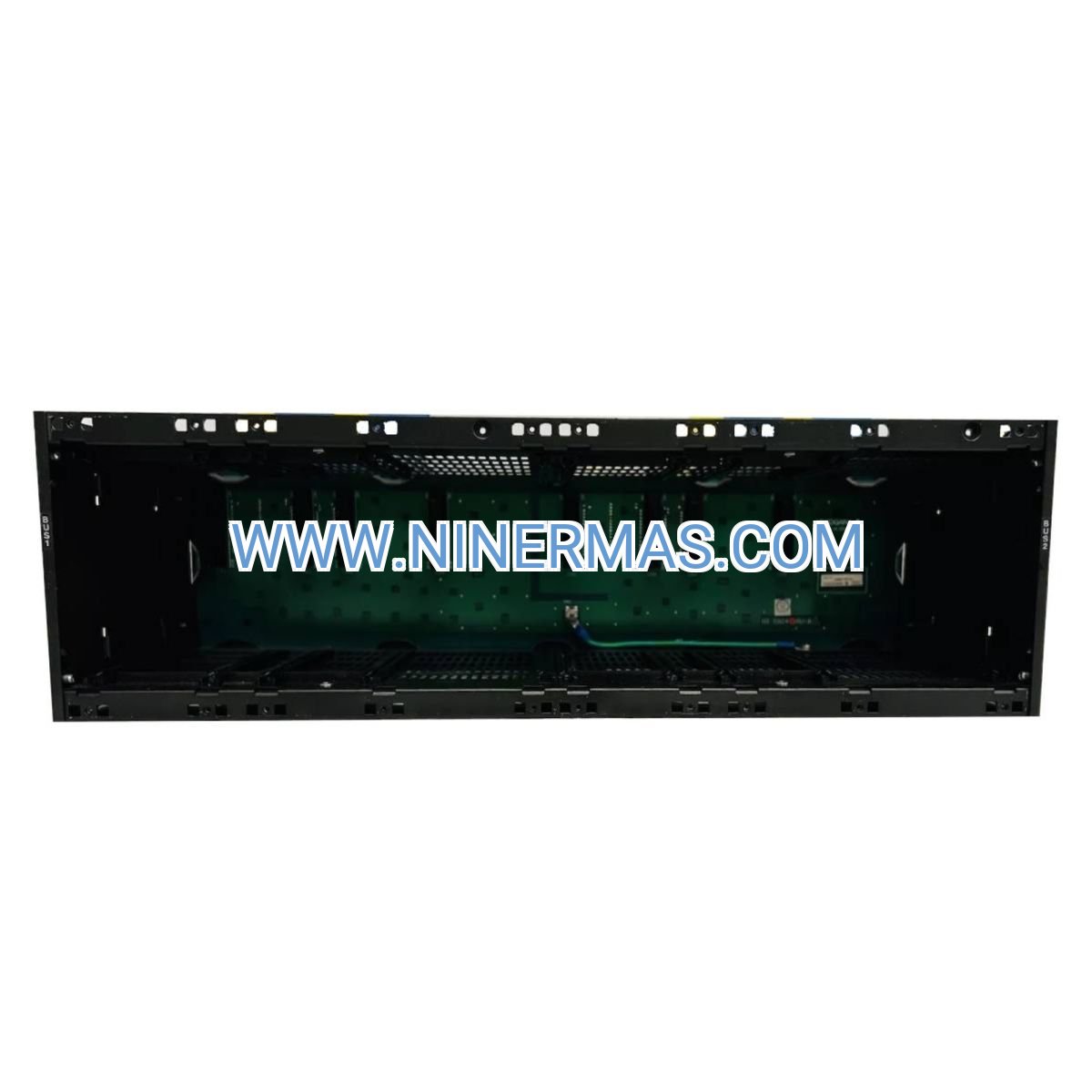
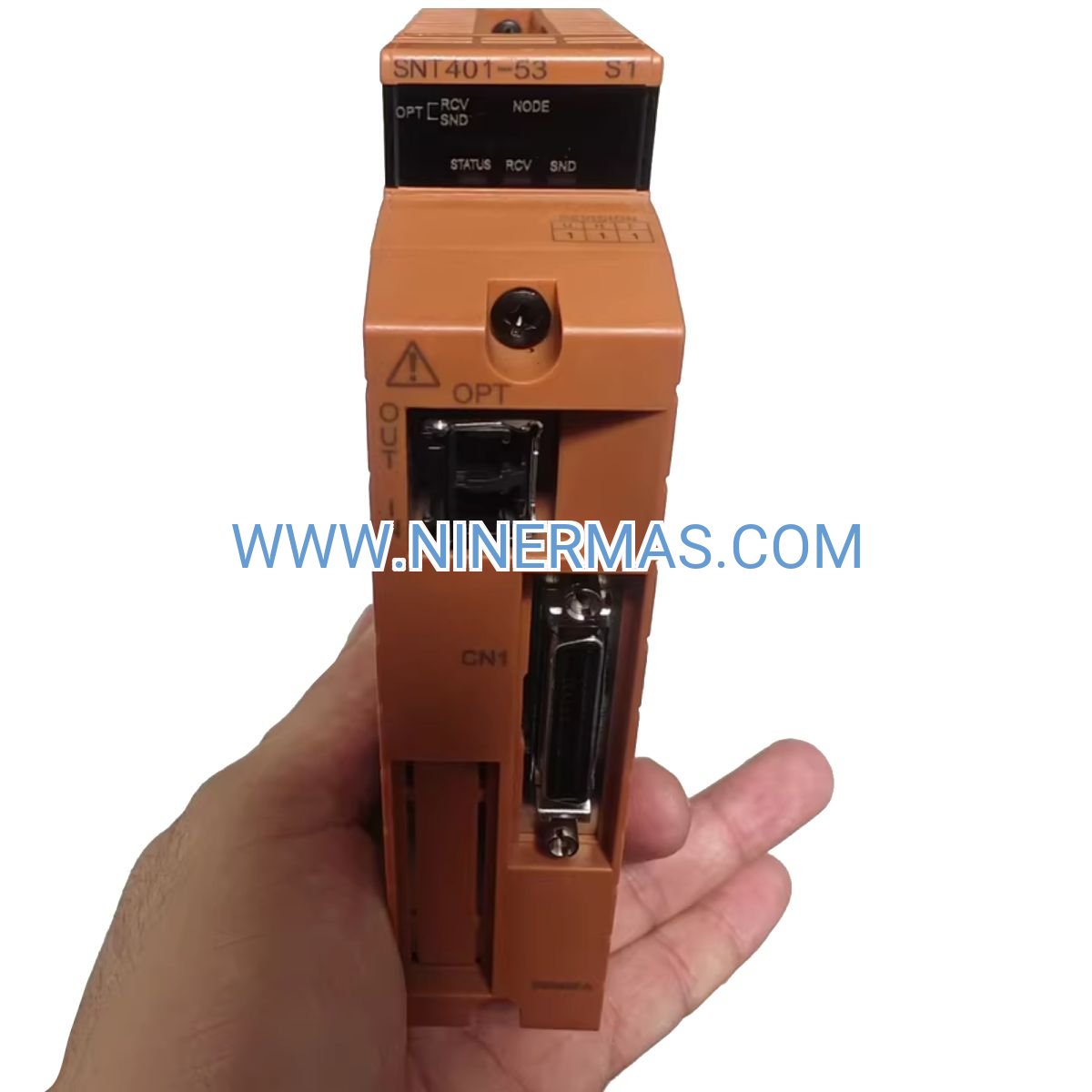
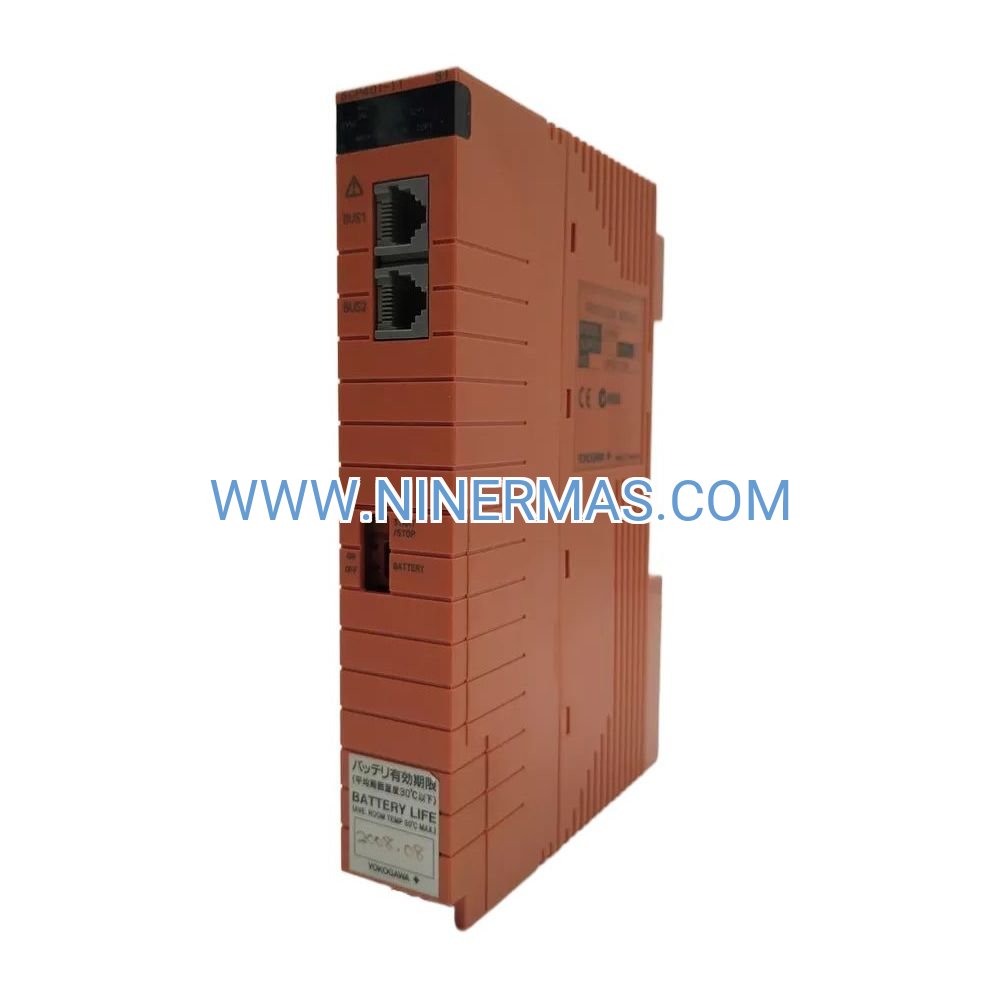
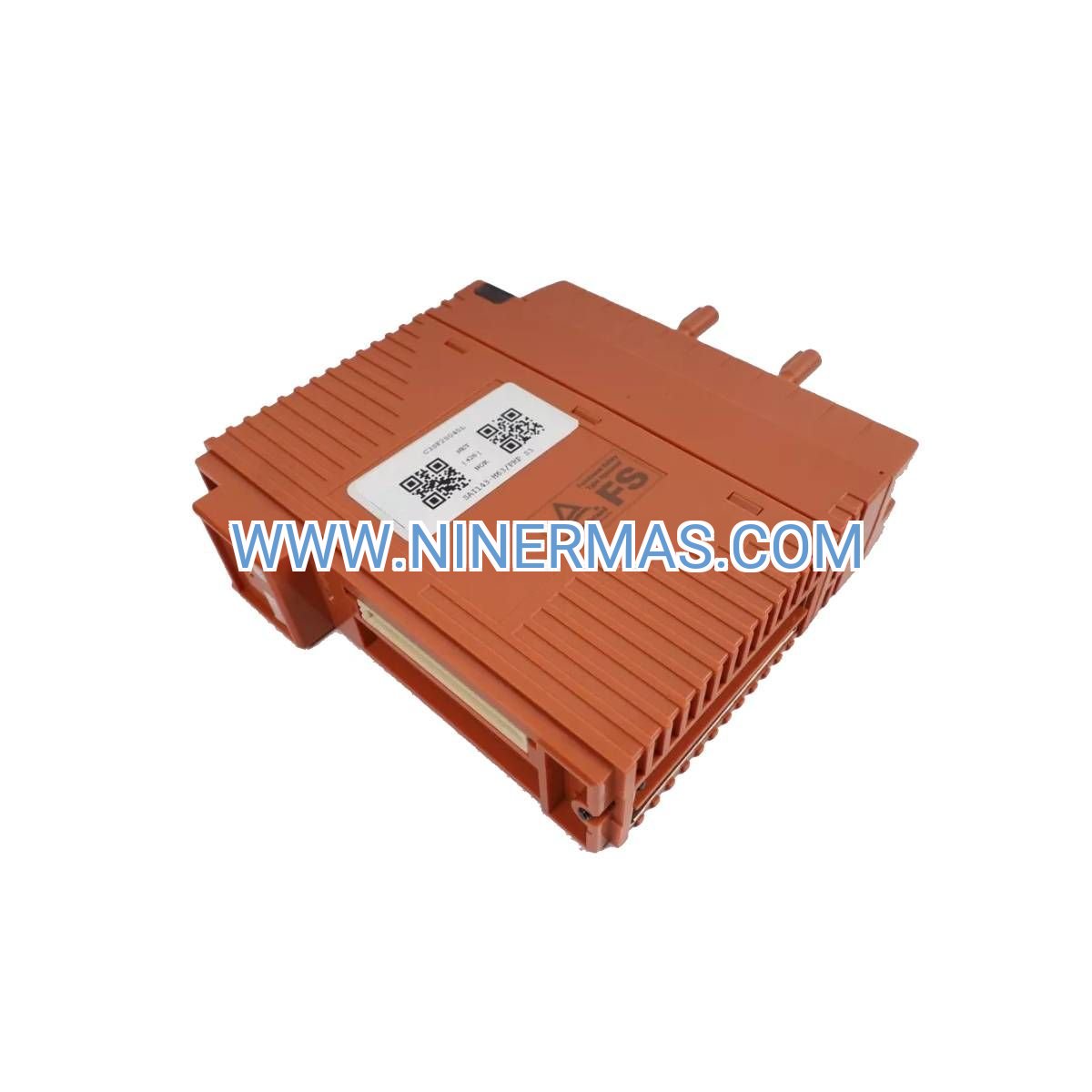
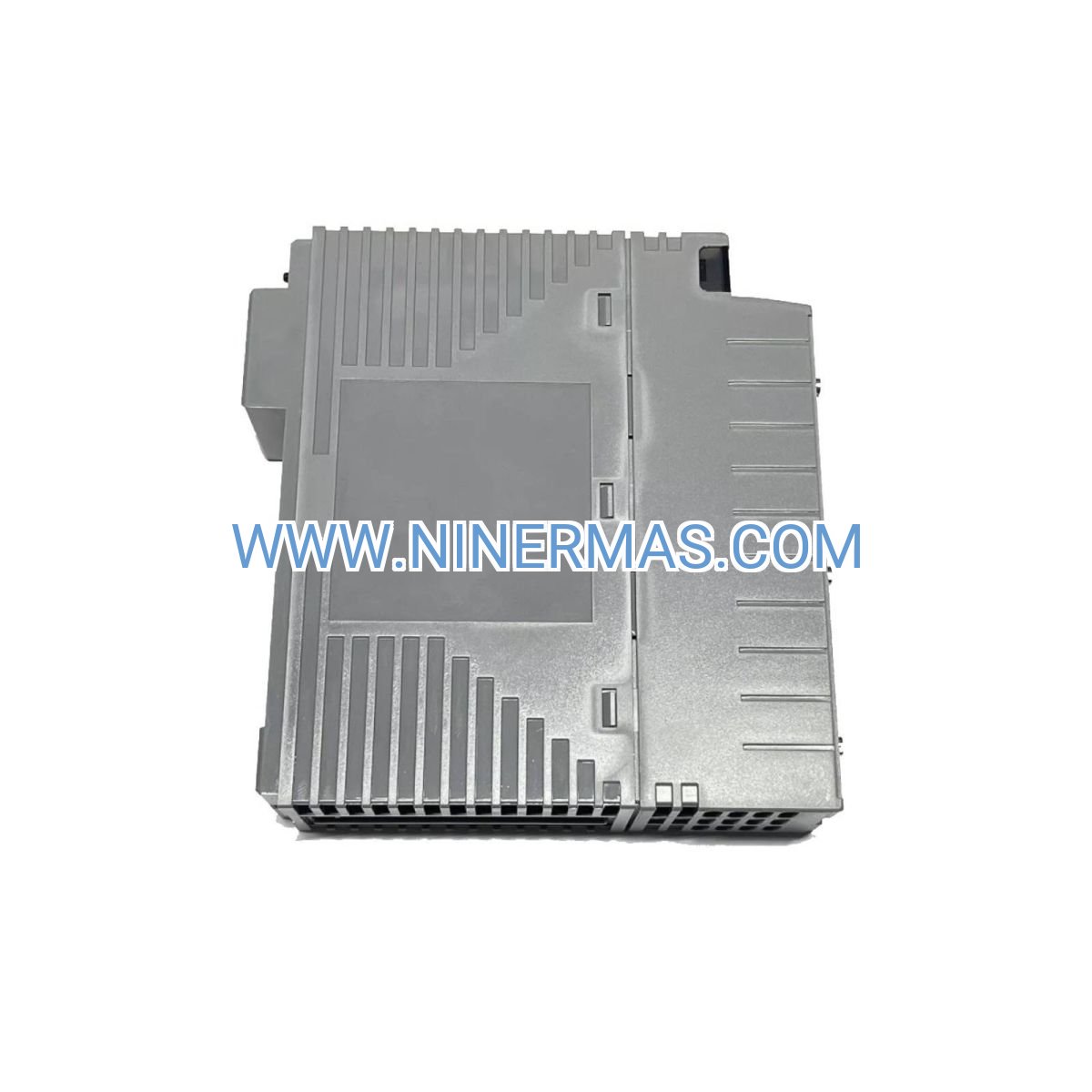
ANB10D-410/CU2N/NDEL S1 (Industrial-Grade Redundant Communication Node)
The ANB10D-410/CU2N/NDEL S1 represents Yokogawa's commitment to zero-downtime process control through intelligent redundancy engineering. Designed as a critical communication backbone for CENTUM VP distributed control systems, this node unit delivers seamless ESB bus connectivity with automatic failover protection that keeps your operations running when component failures occur.
Process industries demand uninterrupted control system availability—refineries can't afford communication blackouts, pharmaceutical batches require continuous monitoring, and power plants need real-time coordination across thousands of I/O points. This dual-redundant node unit addresses these challenges by maintaining parallel communication paths, instantly switching to backup channels when primary connections degrade, ensuring your critical processes never lose visibility or control authority.
Built for engineers who specify mission-critical infrastructure, the ANB10D-410 combines Yokogawa's proven CENTUM VP ecosystem compatibility with industrial-hardened construction, diagnostic intelligence, and field-proven reliability metrics that reduce unplanned downtime and maintenance costs.
Core Capabilities & Business Value
✓ Dual-Path Redundancy Architecture → Eliminates single points of failure through parallel ESB bus connections with sub-second automatic switchover, protecting against cable damage, connector wear, or module degradation
✓ Hot-Swap Maintenance Capability → Replace failed modules without process interruption or system shutdown, reducing maintenance windows from hours to minutes and enabling proactive component replacement during scheduled operations
✓ Deterministic Ethernet Communication → Delivers predictable, low-latency data exchange across distributed control nodes with guaranteed message delivery timing critical for closed-loop process control and safety interlocks
✓ CENTUM VP Native Integration → Seamless configuration through standard engineering tools (R6.01+) with automatic network discovery, parameter inheritance, and unified diagnostic displays that simplify commissioning and troubleshooting
✓ Extended Environmental Tolerance → Operates reliably in 0-55°C ambient temperatures with vibration resistance and EMI immunity suitable for control room and near-process installations
✓ Proactive Health Monitoring → Built-in diagnostics track communication quality, redundancy status, and component wear indicators with alarm generation before failures impact operations
Industrial Application Scenarios
→ Oil & Gas Refining Operations
Coordinate distributed control across crude distillation units, catalytic crackers, and product blending systems where communication loss could trigger emergency shutdowns costing millions per hour. Redundant ESB architecture maintains operator visibility and control authority during cable routing changes or module upgrades.
→ Chemical Manufacturing Plants
Manage batch reactors, continuous polymerization lines, and hazardous material handling systems requiring SIL-rated communication reliability. Dual-path design ensures safety interlock signals and process variable updates reach operator stations even during single-point network failures.
→ Power Generation Facilities
Link turbine controls, boiler management systems, and emissions monitoring across coal-fired, combined-cycle, or renewable energy plants. Hot-swap capability enables preventive maintenance during low-demand periods without taking generation units offline.
→ Pharmaceutical Production Lines
Support FDA-validated batch control systems where communication interruptions could invalidate entire production runs. Redundant architecture provides audit-trail continuity and ensures critical process parameters remain within specification limits throughout manufacturing cycles.
→ Water & Wastewater Treatment
Connect SCADA systems monitoring multi-site treatment facilities, pump stations, and distribution networks. Reliable ESB communication maintains real-time visibility into flow rates, chemical dosing, and regulatory compliance parameters across geographically distributed assets.
Technical Parameters & Selection Guide
| Parameter | Specification |
|---|---|
| Model Designation | ANB10D-410/CU2N/NDEL S1 |
| System Compatibility | CENTUM VP R6.01 and subsequent releases |
| Bus Interface Type | Dual-redundant ESB (Ethernet Subsystem Bus) |
| Power Requirements | 100-120V AC, 50/60Hz |
| Connector Standard | S9562FA industrial-grade connectors |
| Operating Temperature | 0°C to 55°C (32°F to 131°F) |
| Communication Protocol | Ethernet-based deterministic messaging |
| Redundancy Mode | Active-standby with automatic failover |
| Mounting Method | DIN rail / card cage compatible |
| Diagnostic Features | Self-test, status LEDs, alarm generation |
Selection Criteria: Choose the ANB10D-410/CU2N/NDEL S1 when your CENTUM VP architecture requires guaranteed communication availability between field control stations and operator interfaces. This model suits applications where process criticality justifies redundant infrastructure investment—typically systems with downtime costs exceeding $10,000/hour or safety-critical operations requiring SIL 2+ reliability. For non-redundant applications or budget-constrained projects, consider single-path ESB node alternatives.
Extended Integration Capabilities
The ANB10D-410 functions as part of Yokogawa's comprehensive CENTUM VP ecosystem, interfacing with field control units (FCUs), operator stations, engineering workstations, and third-party systems via OPC connectivity. Advanced deployments leverage redundant node pairs to create fully fault-tolerant network topologies where no single component failure disrupts system-wide communication.
IoT & Remote Access: When paired with Yokogawa's Sushi Sensor and cloud gateway solutions, ESB bus data becomes accessible for remote monitoring, predictive analytics, and mobile operator interfaces—extending traditional DCS capabilities into Industrial IoT architectures without compromising cybersecurity or real-time performance.
Customization Options: Configuration flexibility supports varied network topologies including star, ring, and hybrid architectures. Parameter settings accommodate different scan rates, message priorities, and bandwidth allocations to optimize performance for specific application requirements.
Delivery Timeline & Service Assurance
Standard Lead Time: 4-6 weeks for factory-fresh units with full manufacturer warranty and certification documentation
Express Availability: 7-10 business days for in-stock inventory (subject to availability confirmation)
Warranty Coverage: 12-month manufacturer defect warranty with optional extended service agreements
Technical Support: Pre-sales application engineering, post-installation commissioning assistance, and lifetime technical consultation
Documentation Package: Installation manual, configuration guide, wiring diagrams, compliance certificates, and integration examples
Frequently Asked Questions
Q: How does the redundant ESB node interface with existing CENTUM VP systems?
A: The ANB10D-410 integrates through standard CENTUM VP engineering tools using automatic network discovery. Simply install the module in an available chassis slot, connect S9562FA cables to both primary and secondary ESB bus segments, and configure network addresses through the engineering workstation. The system automatically recognizes redundant pairs and enables failover logic without custom programming.
Q: What communication capacity does this node unit support?
A: Each ANB10D-410 handles up to 256 I/O modules or 32,000 process tags depending on scan rate requirements and message complexity. Actual capacity varies based on network topology, concurrent connections, and data update frequencies—consult application engineering for system-specific sizing.
Q: Can I achieve energy efficiency improvements with redundant communication architecture?
A: While the node itself consumes minimal power (~15W typical), redundant communication enables advanced control strategies that optimize process efficiency. Reliable data delivery supports model predictive control, real-time optimization, and coordinated multi-unit operations that can reduce energy consumption by 3-8% in typical process applications.
Q: What installation requirements should I plan for?
A: The unit requires DIN rail or card cage mounting within a CENTUM VP chassis, dual ESB bus cable routing with S9562FA terminations, and 100-120V AC power connection. Allow 2-4 hours for physical installation plus 4-8 hours for network configuration and redundancy testing during initial commissioning.
Q: Does the ANB10D-410 support remote monitoring and diagnostics?
A: Yes—when integrated with CENTUM VP's diagnostic framework, the node provides real-time status monitoring, communication quality metrics, and predictive maintenance alerts accessible from operator stations or remote engineering consoles. Advanced deployments can route diagnostic data to cloud-based analytics platforms for fleet-wide health monitoring.
Q: How do I verify proper redundancy operation after installation?
A: CENTUM VP engineering tools include built-in redundancy test functions that simulate primary path failures and verify automatic switchover behavior. Status LEDs on the module provide visual confirmation of active/standby states, and diagnostic displays show real-time redundancy health metrics.
Request Technical Consultation
Our application engineering team provides complimentary system architecture reviews to ensure optimal node selection and network design for your specific CENTUM VP deployment. Contact us with your I/O count, geographic distribution, and availability requirements for customized recommendations and budget quotations.
© 2026 NINERMAS COMPANY LIMITED. All rights reserved.
Original Source: https://ninermas.com
Contact: sale@ninermas.com | +0086 187 5021 5667
PDF Specification
Download PDF file here:
Click to Download PDFRelated products


Contact Info
-
Address:22 / F, South Wo Hang building, 148 Wing Lok Street, Sheung Wan, Western District, Hong Kong
-
Phone:+8618750215667
-
Email: