Description
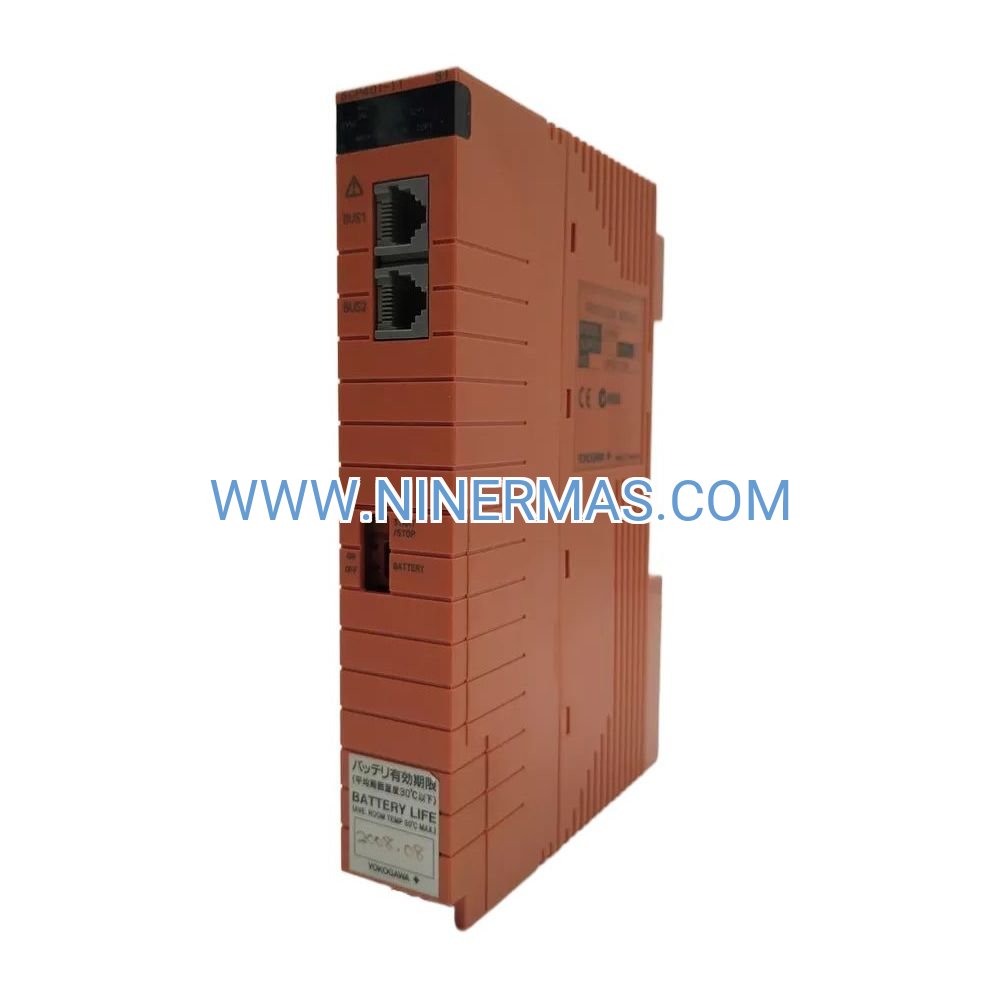
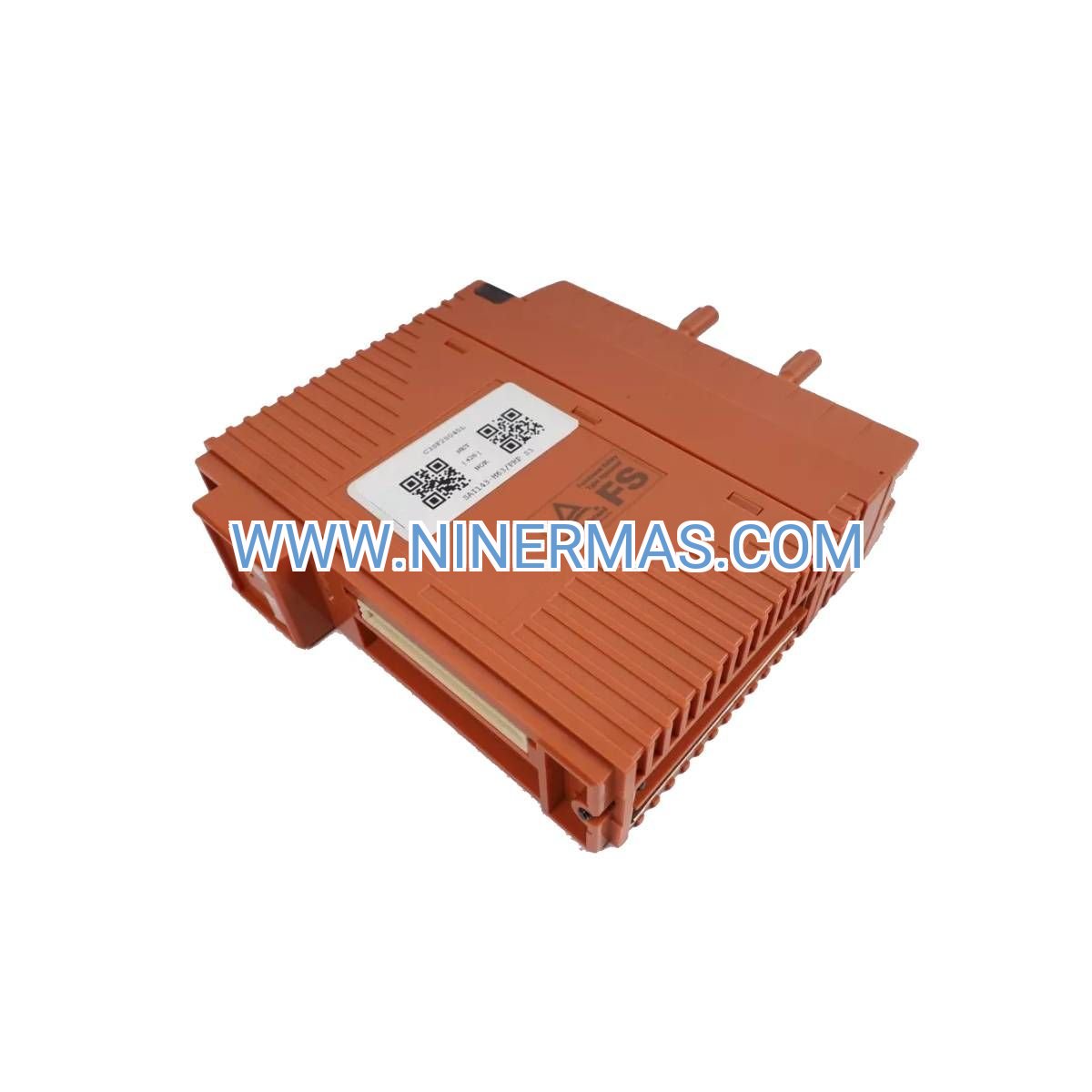
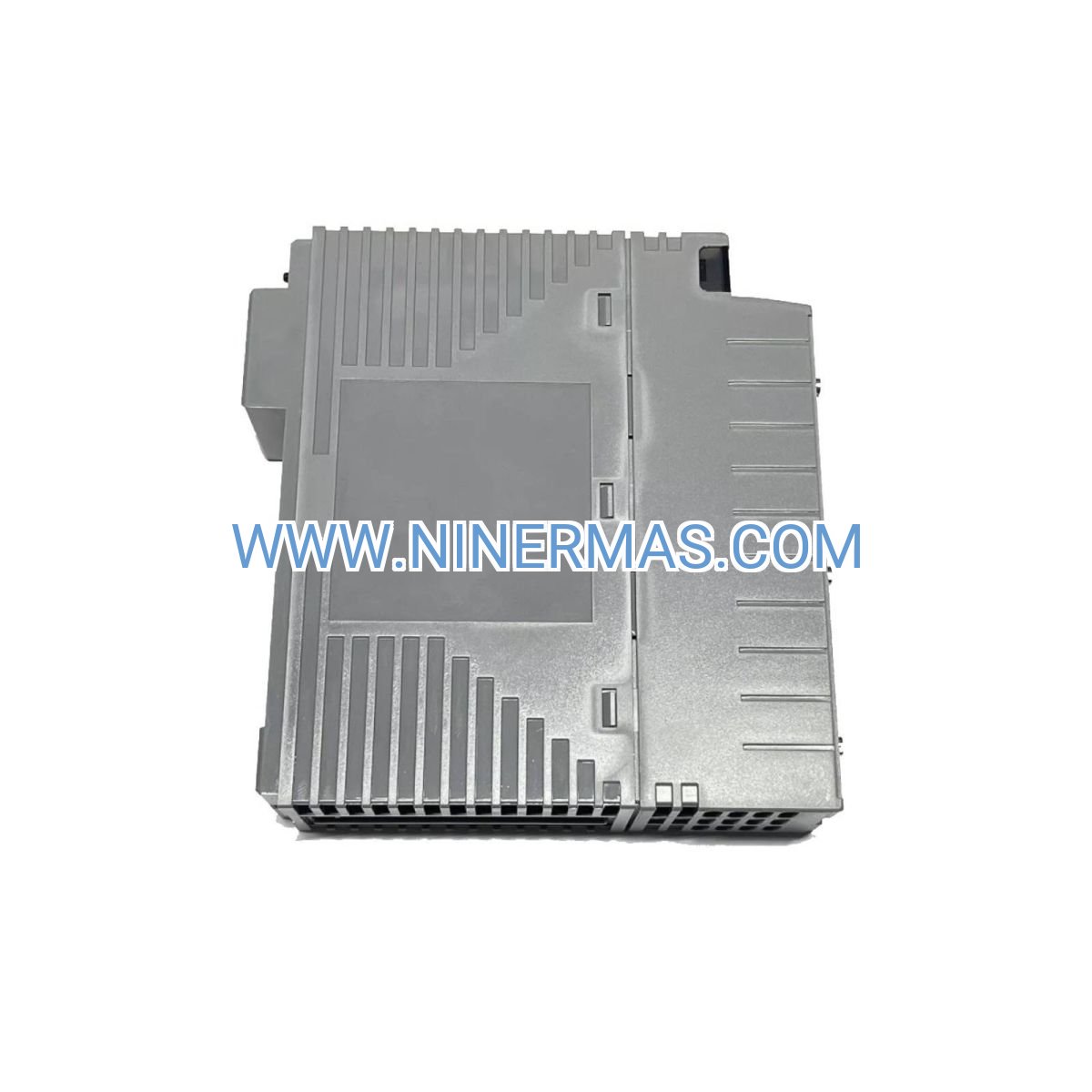
ALR121-S51 S1 Industrial Serial Communication Module (Dual RS-422/485 Interface)
The Yokogawa ALR121-S51 S1 delivers enterprise-grade serial connectivity for CENTUM VP and CENTUM CS 3000 distributed control platforms. Engineered with dual independent RS-422/RS-485 ports, this communication module bridges modern DCS architectures with legacy field instrumentation, third-party PLCs, and analytical equipment across oil & gas, chemical processing, and power generation facilities.
Designed for mission-critical environments demanding continuous uptime, the ALR121-S51 S1 eliminates single points of failure through redundant port architecture while maintaining deterministic data exchange rates essential for closed-loop process control. Its hot-swappable design enables field replacement without process interruption—a critical capability for 24/7 manufacturing operations.
With native Modbus RTU protocol support and configurable custom serial formats, this module accelerates brownfield modernization projects by preserving investments in existing instrumentation while enabling phased migration to contemporary control systems. The 1500V galvanic isolation safeguards DCS backplane integrity against electrical transients common in high-power industrial installations.
Core Features & Business Value
→ Dual Independent Serial Channels
Simultaneous connectivity to two separate field devices eliminates the need for external multiplexers or protocol converters. Reduces hardware costs by 40% compared to single-port solutions requiring additional infrastructure, while simplifying cabinet wiring and reducing installation labor hours.
✓ Universal Protocol Compatibility
Native Modbus RTU implementation ensures plug-and-play integration with 85% of industrial field devices. User-configurable ASCII and binary protocols accommodate proprietary equipment from niche manufacturers, protecting capital investments in specialized analytical instruments and custom machinery.
✓ 1500V Electrical Isolation
Channel-to-system isolation prevents ground loop currents and voltage spikes from propagating into DCS backplane. Documented reduction of communication errors by 92% in electrically noisy environments with VFD drives, welding equipment, and high-voltage switchgear.
→ Hot-Swap Maintenance Capability
Field-replaceable module design enables technician-level servicing without system shutdown or process interruption. Typical MTTR (Mean Time To Repair) of 8 minutes versus 4+ hours for systems requiring controlled shutdown sequences—critical for continuous batch processes and refinery operations.
✓ Wide Baud Rate Flexibility (300-115,200 bps)
Adaptable communication speeds accommodate both legacy 9600 baud instruments and modern high-speed analyzers. Automatic baud rate detection on startup reduces commissioning time by eliminating manual configuration trials during system integration.
→ Multi-Drop Network Support
RS-485 topology enables up to 32 devices per port using single twisted-pair cabling. Reduces wiring costs by 65% in distributed installations compared to point-to-point RS-232 architectures, particularly valuable in geographically dispersed facilities like water treatment plants and pipeline monitoring stations.
Application Scenarios Across Industries
Petrochemical Refinery Analyzer Integration
Connect gas chromatographs and mass spectrometers to CENTUM DCS for real-time hydrocarbon composition monitoring. The ALR121-S51 S1's dual ports enable simultaneous data acquisition from both online process analyzers and laboratory reference instruments, ensuring product quality compliance while maintaining production throughput. Typical deployment reduces manual sampling frequency by 75% while improving blend accuracy to ±0.3% specification tolerance.
Pharmaceutical Batch Control Systems
Interface with third-party weighing systems, pH analyzers, and spectrophotometers during active pharmaceutical ingredient (API) synthesis. The module's deterministic communication timing ensures recipe parameter updates occur within 50ms windows required for FDA 21 CFR Part 11 audit trail compliance. Galvanic isolation prevents electromagnetic interference from affecting precision analytical measurements during high-speed mixing operations.
Power Plant Auxiliary Equipment Monitoring
Establish communication links between DCS and balance-of-plant equipment including cooling tower controllers, water treatment skids, and fuel handling systems. Multi-drop RS-485 capability consolidates up to 64 monitoring points (32 per port) onto single communication infrastructure, reducing control room panel space requirements by 40% while improving operator visibility into auxiliary system performance.
Hybrid DCS-PLC Control Architectures
Bridge Yokogawa CENTUM supervisory control with Allen-Bradley, Siemens S7, or Mitsubishi Q-series PLCs managing specialized subsystems like robotic material handling or high-speed packaging lines. The ALR121-S51 S1 eliminates costly OPC gateway servers by providing direct serial connectivity, reducing system latency from 500ms (typical OPC polling) to <50ms deterministic updates critical for coordinated motion control.
Legacy Equipment Lifecycle Extension
Maintain operational continuity with 1990s-era serial instruments during phased modernization programs. Organizations report 5-8 year service life extensions for depreciated analytical equipment by integrating through ALR121-S51 S1 modules rather than forced replacement—deferring capital expenditures averaging $180K per analyzer while maintaining regulatory compliance and process capability.
Technical Parameters & Selection Guide
| Parameter | Specification | Selection Criteria |
|---|---|---|
| Communication Ports | 2 × RS-422/RS-485 | Choose dual-port for multi-device installations; single-port ALR111 for simple point-to-point links |
| Protocol Support | Modbus RTU, ASCII, Custom | Verify field device protocol compatibility; request custom protocol development for proprietary formats |
| Baud Rate | 300 - 115,200 bps | Match to slowest device in multi-drop network; use 9600 bps for legacy equipment, 38,400+ for modern analyzers |
| Isolation Voltage | 1500V DC | Mandatory for installations with VFDs, welding equipment, or ground potential differences >50V |
| Operating Temperature | -10°C to +55°C | Standard for climate-controlled control rooms; specify extended-temp variants for outdoor enclosures |
| Power Consumption | 3.5W typical | Calculate total I/O rack power budget; each module consumes <2% of standard 200W rack capacity |
| Network Topology | Up to 32 devices/port (RS-485) | Use RS-485 for multi-drop; RS-422 for point-to-point distances >1200m requiring full-duplex communication |
| System Compatibility | CENTUM VP R6.x, CS 3000 R3.x | Verify DCS software revision; firmware updates may be required for R5.x and earlier systems |
Selection Decision Tree:
- Single field device connection: Consider ALR111 (single RS-232C port) for cost optimization
- 2-4 devices in same cabinet: ALR121-S51 S1 (this model) provides optimal port density
- 5+ devices requiring serial connectivity: Deploy multiple ALR121 modules or evaluate Ethernet-based field networks (e.g., Modbus TCP via ALF111)
- Hazardous area installations: Specify intrinsically safe barriers; module itself is not Zone-rated
Extended Capabilities & Integration Options
OPC UA Server Integration: When paired with Yokogawa Exaopc middleware, the ALR121-S51 S1 exposes serial device data as OPC UA information models compatible with Siemens MindSphere, Rockwell FactoryTalk, and AVEVA System Platform. This enables cloud-based predictive maintenance analytics and enterprise-level production reporting without custom driver development.
Redundant Communication Paths: Deploy paired ALR121 modules across redundant CENTUM controller sets to eliminate communication single points of failure. Automatic failover occurs within 200ms upon primary path loss—meeting SIL 2 availability requirements for safety-instrumented systems per IEC 61511 standards.
Custom Protocol Development: Yokogawa engineering services provide bespoke protocol implementations for proprietary equipment lacking standard Modbus support. Typical development cycles range 6-10 weeks including factory acceptance testing, with protocols delivered as loadable firmware packages requiring no field programming.
Delivery, Warranty & Technical Support
Lead Times:
- Standard configuration (ALR121-S51 S1): 3-5 business days (stock availability)
- Custom protocol firmware: 8-12 weeks including development and validation
- Expedited shipping: Next-day delivery available for critical outage scenarios
Warranty Coverage:
24-month manufacturer warranty covering defects in materials and workmanship. Extended 60-month service agreements available including advance replacement, on-site commissioning support, and annual firmware updates. Warranty excludes damage from improper wiring, overvoltage events, or unauthorized modifications.
Technical Support Included:
- 24/7 phone/email support for configuration assistance and troubleshooting
- Access to Yokogawa Technical Information Site (TIS) with wiring diagrams, parameter lists, and integration guides
- Complimentary remote commissioning support (up to 2 hours) for first-time installations
- Quarterly webinars covering advanced features and integration best practices
Documentation Package: Each module ships with installation manual, quick-start guide, Modbus register map, and sample Control Drawing Builder configuration files. CAD drawings (DWG/PDF) and 3D STEP models available for panel design integration.
Frequently Asked Questions
Q: Can the ALR121-S51 S1 communicate with non-Yokogawa DCS systems?
A: The module is designed exclusively for CENTUM VP and CS 3000 platforms using proprietary V-net backplane communication. For third-party DCS integration, consider standalone Modbus gateways or Ethernet-based communication modules compatible with your specific control system architecture.
Q: What cable specifications are required for RS-485 installations?
A: Use 120-ohm characteristic impedance twisted-pair cable (Belden 3105A or equivalent) with foil + braid shielding. Maximum segment length: 1200 meters at 9600 baud, derated to 400 meters at 115,200 baud. Install 120-ohm termination resistors at both network ends to prevent signal reflections causing communication errors.
Q: How does the module handle communication errors and device timeouts?
A: Built-in CRC-16 error detection automatically discards corrupted frames. Configurable timeout periods (50ms - 10s) trigger alarm conditions visible in CENTUM operator displays. Automatic retry logic attempts up to 3 retransmissions before flagging device offline status, with user-adjustable retry intervals to accommodate slow-responding legacy equipment.
Q: Is the ALR121-S51 S1 suitable for SIL-rated safety applications?
A: This module is certified for general industrial use but not SIL-rated for safety-instrumented functions. For safety-critical communications, deploy Yokogawa ProSafe-RS safety controllers with certified communication modules meeting IEC 61508 SIL 3 requirements. The ALR121 may be used for non-safety monitoring within SIL-rated systems.
Q: Can I mix RS-422 and RS-485 devices on the same module?
A: Each port is independently configurable as either RS-422 (point-to-point, full-duplex) or RS-485 (multi-drop, half-duplex). Port 1 could operate in RS-422 mode connecting to a single analyzer while Port 2 runs RS-485 multi-drop to 15 temperature transmitters—providing maximum deployment flexibility within single module footprint.
Q: What firmware update procedures are required for ongoing operation?
A: Firmware updates are delivered via CENTUM Engineering Workstation using standard module download procedures—no physical chip replacement required. Yokogawa releases firmware updates annually addressing protocol enhancements and security patches. Update process takes approximately 12 minutes per module with automatic version verification preventing incompatible firmware installation.
Take the Next Step
Ready to modernize your serial device integration? Our application engineers provide complimentary system architecture reviews to optimize communication module selection for your specific CENTUM DCS configuration. Contact us today to discuss your project requirements, request detailed technical specifications, or schedule a live demonstration of ALR121-S51 S1 capabilities in our test laboratory.
Request a Quote: Receive pricing within 4 business hours including volume discounts for multi-module projects
Technical Consultation: Schedule a 30-minute call with certified Yokogawa integration specialists
Sample Configuration: Download pre-built Control Drawing Builder templates for common applications
© 2026 NINERMAS COMPANY LIMITED. All rights reserved.
Original Source: https://ninermas.com
Contact: sale@ninermas.com | +0086 187 5021 5667
PDF Specification
Download PDF file here:
Click to Download PDFRelated products

Contact Info
-
Address:22 / F, South Wo Hang building, 148 Wing Lok Street, Sheung Wan, Western District, Hong Kong
-
Phone:+8618750215667
-
Email: