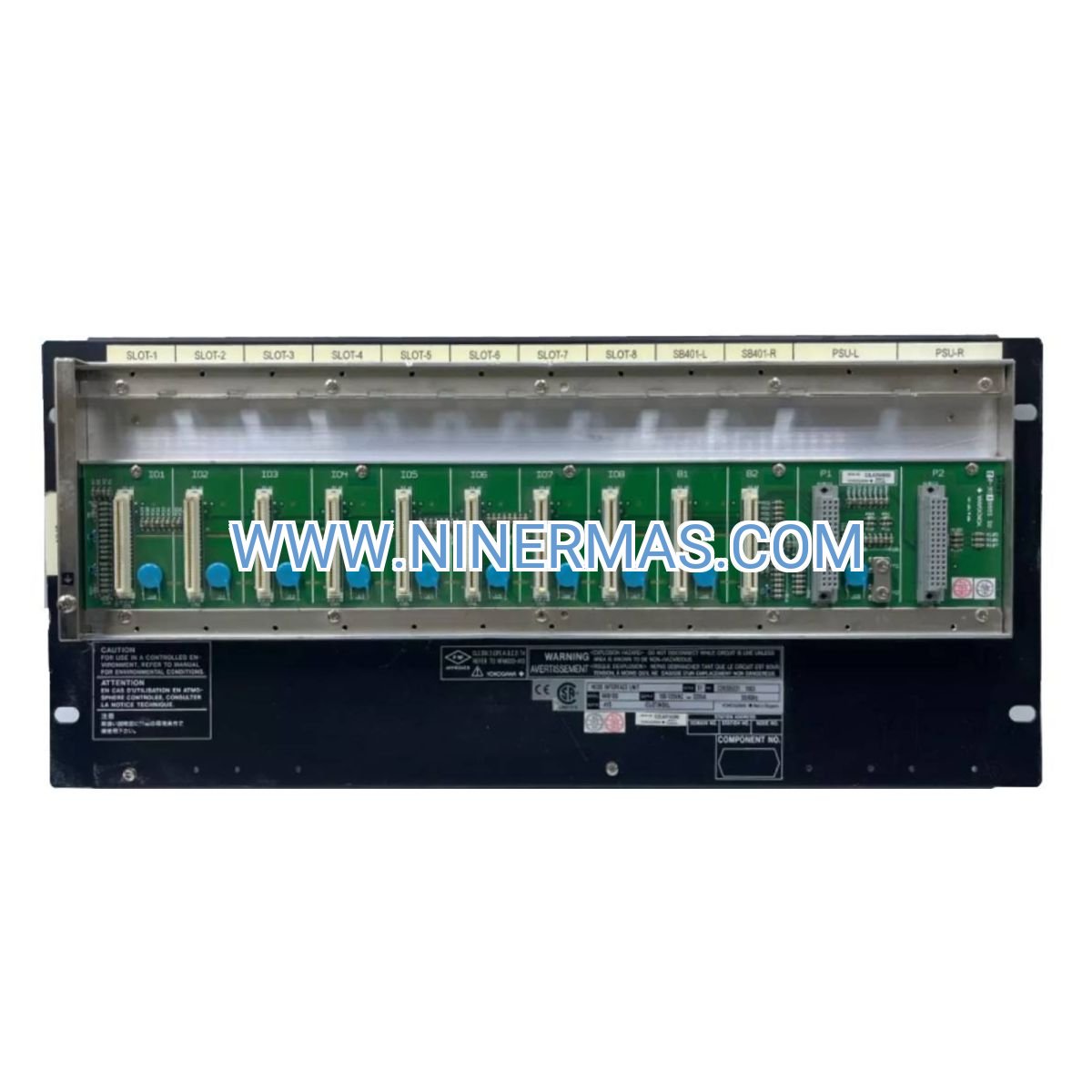
Description
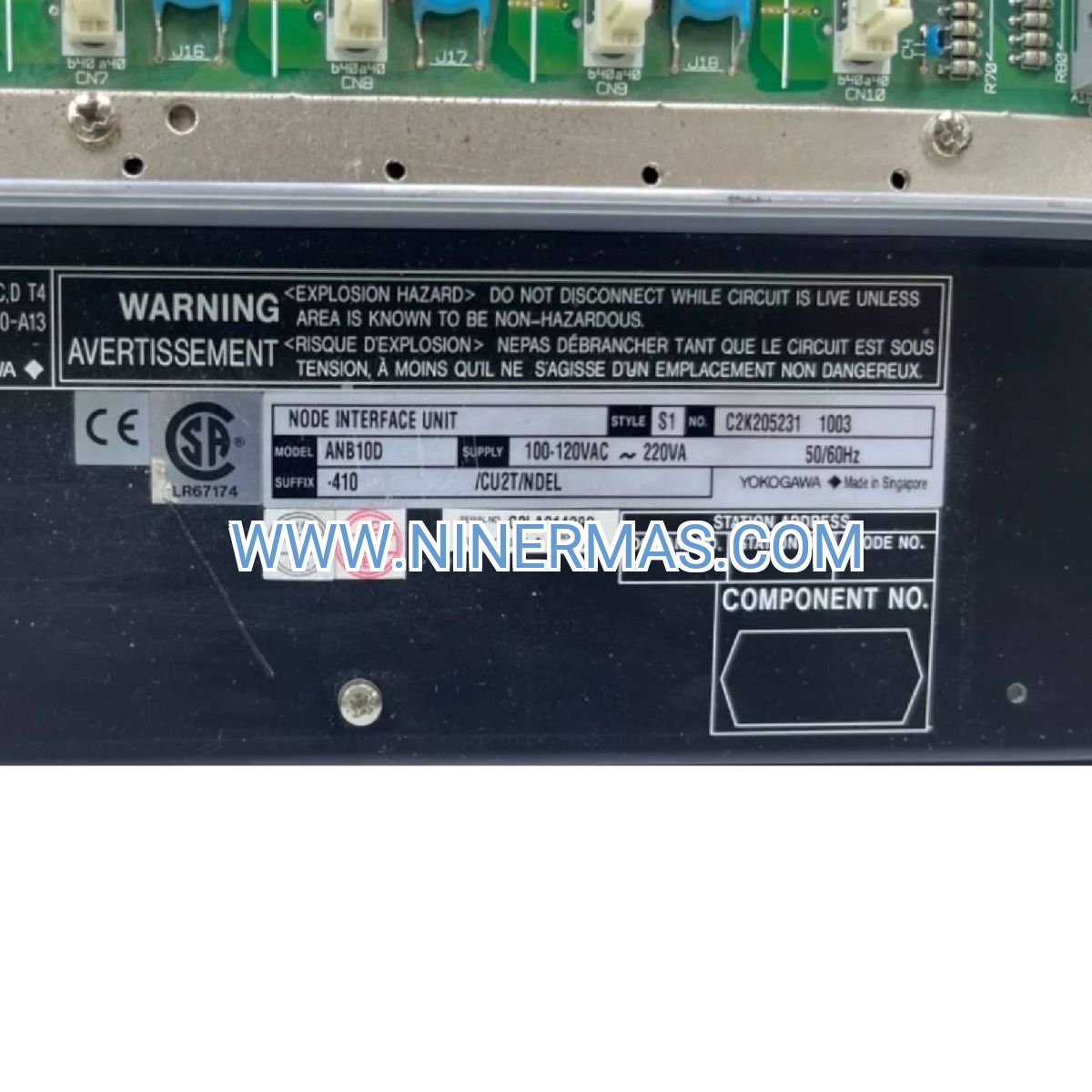
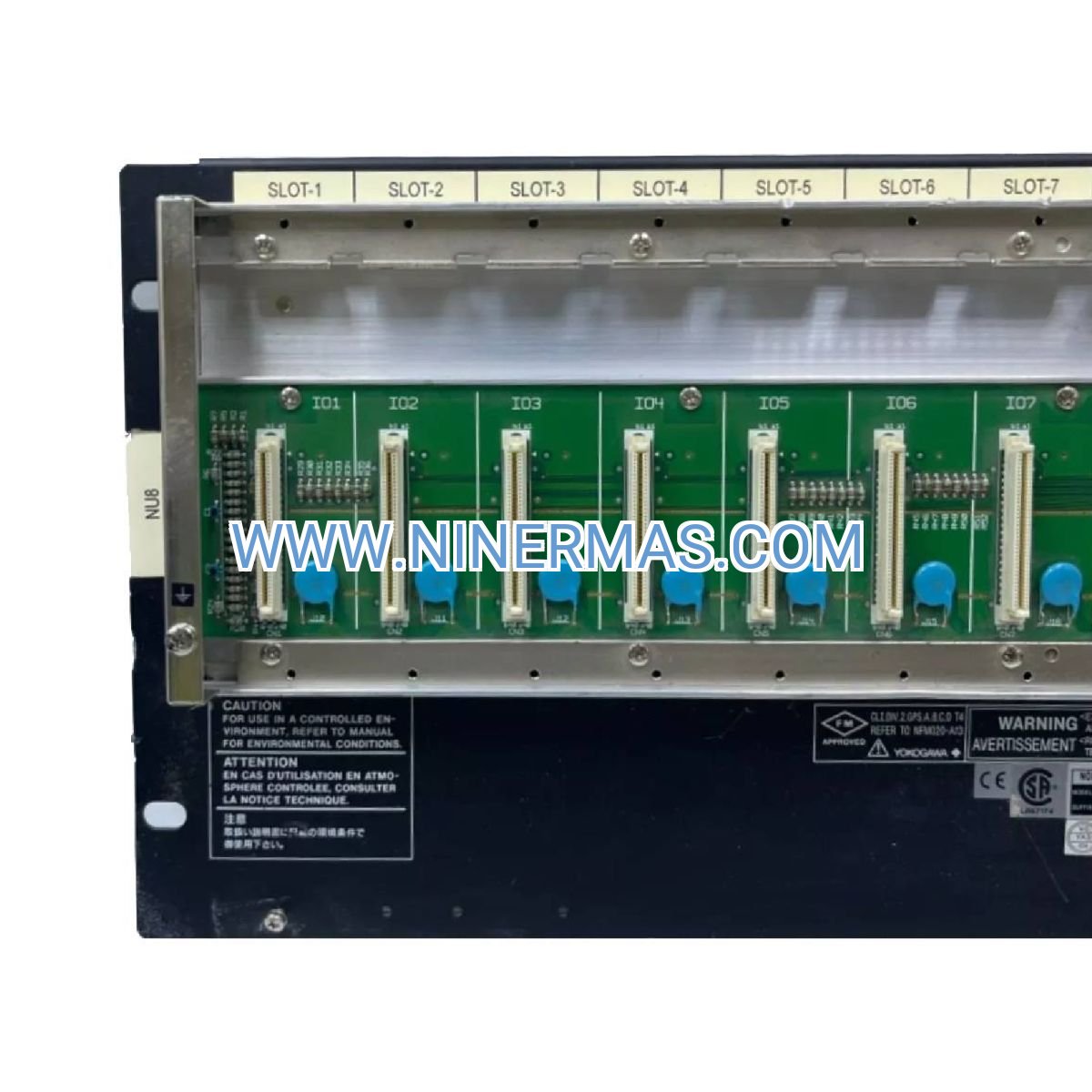
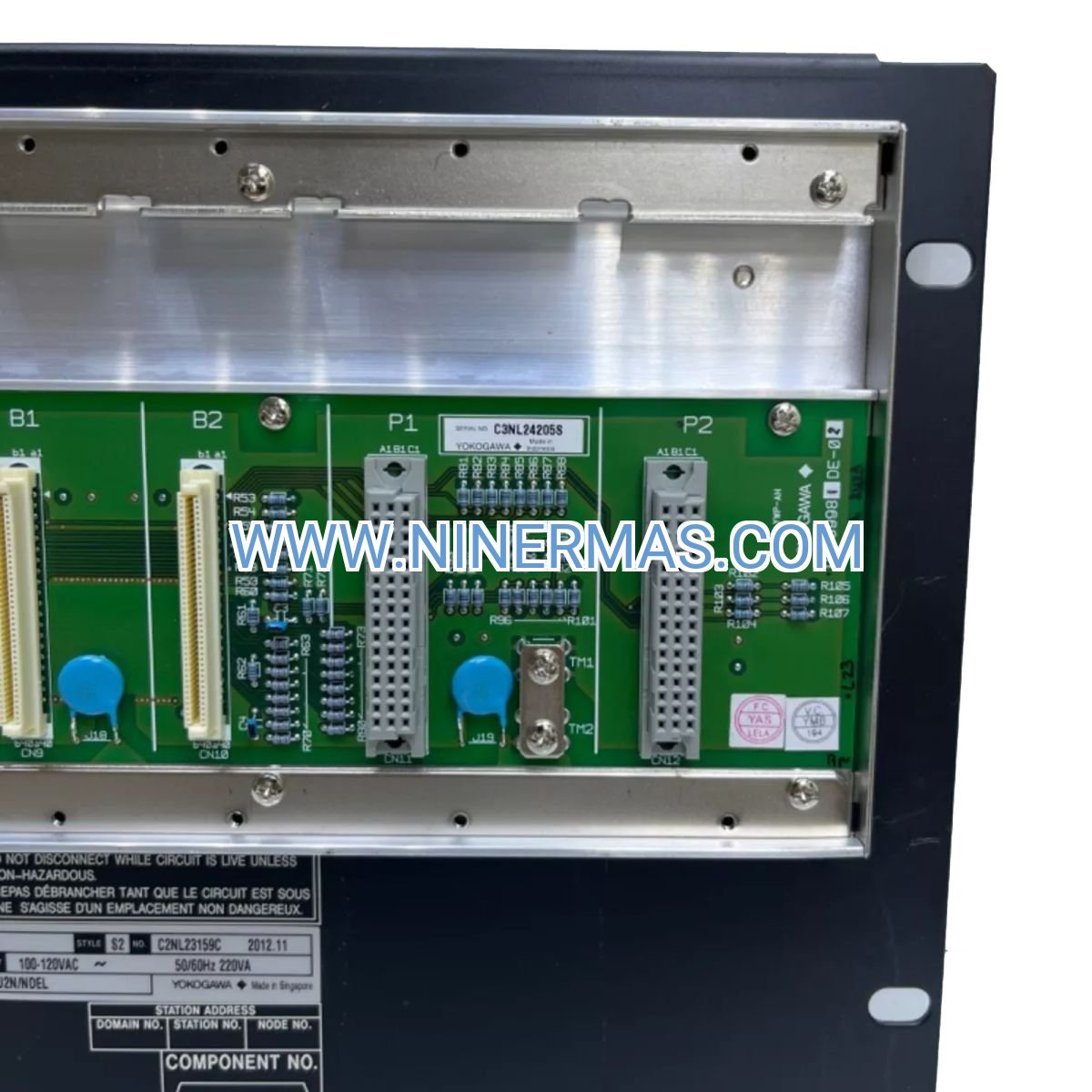
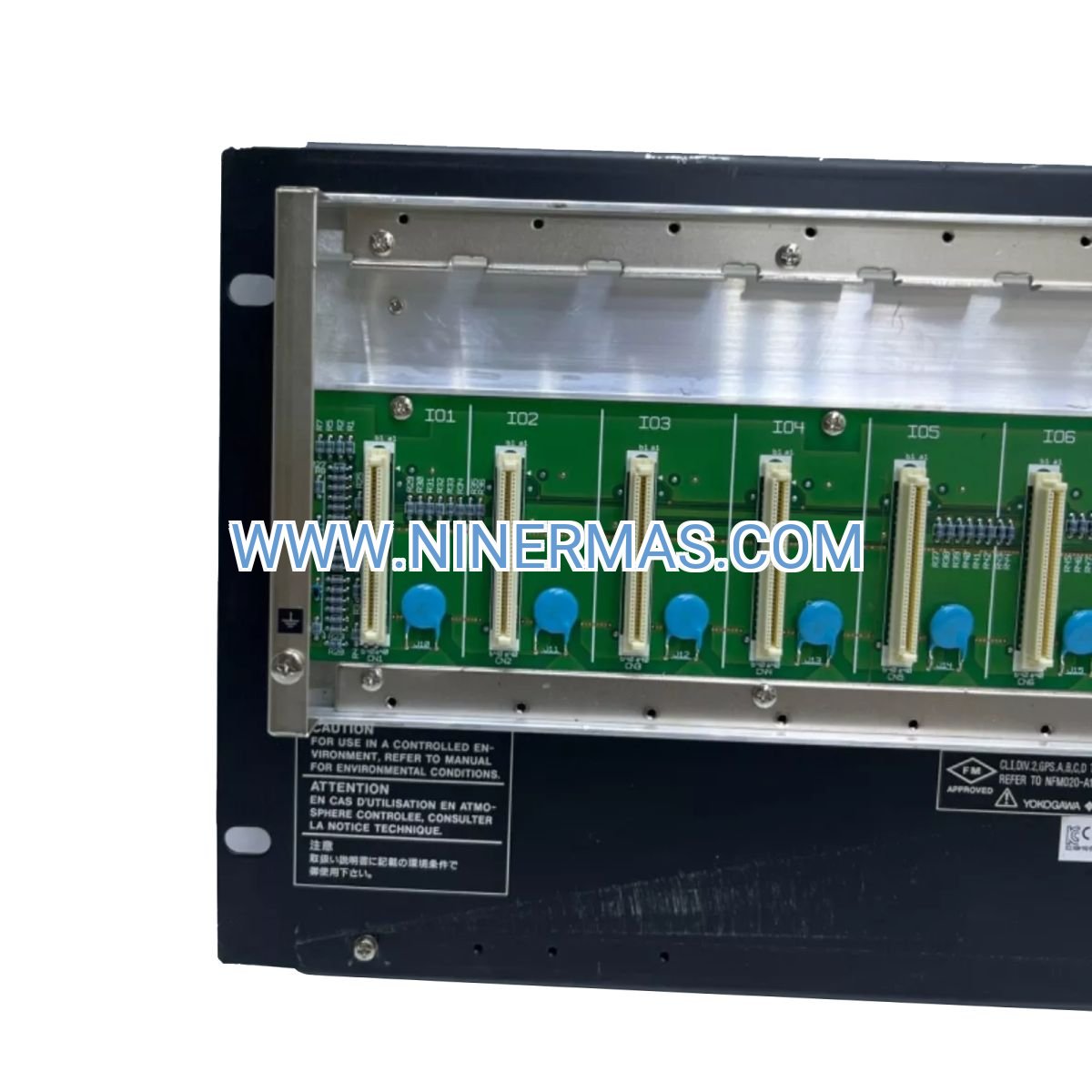
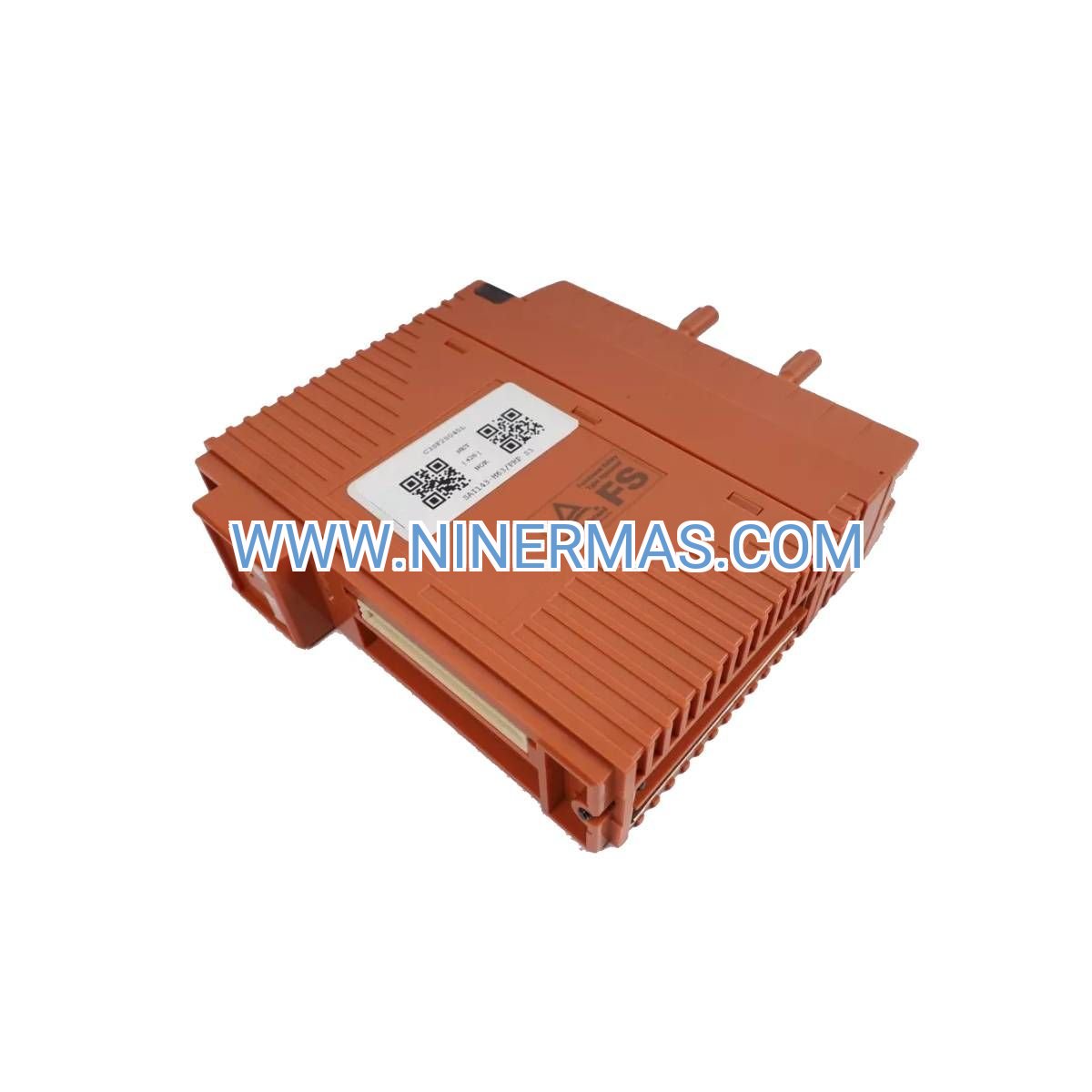
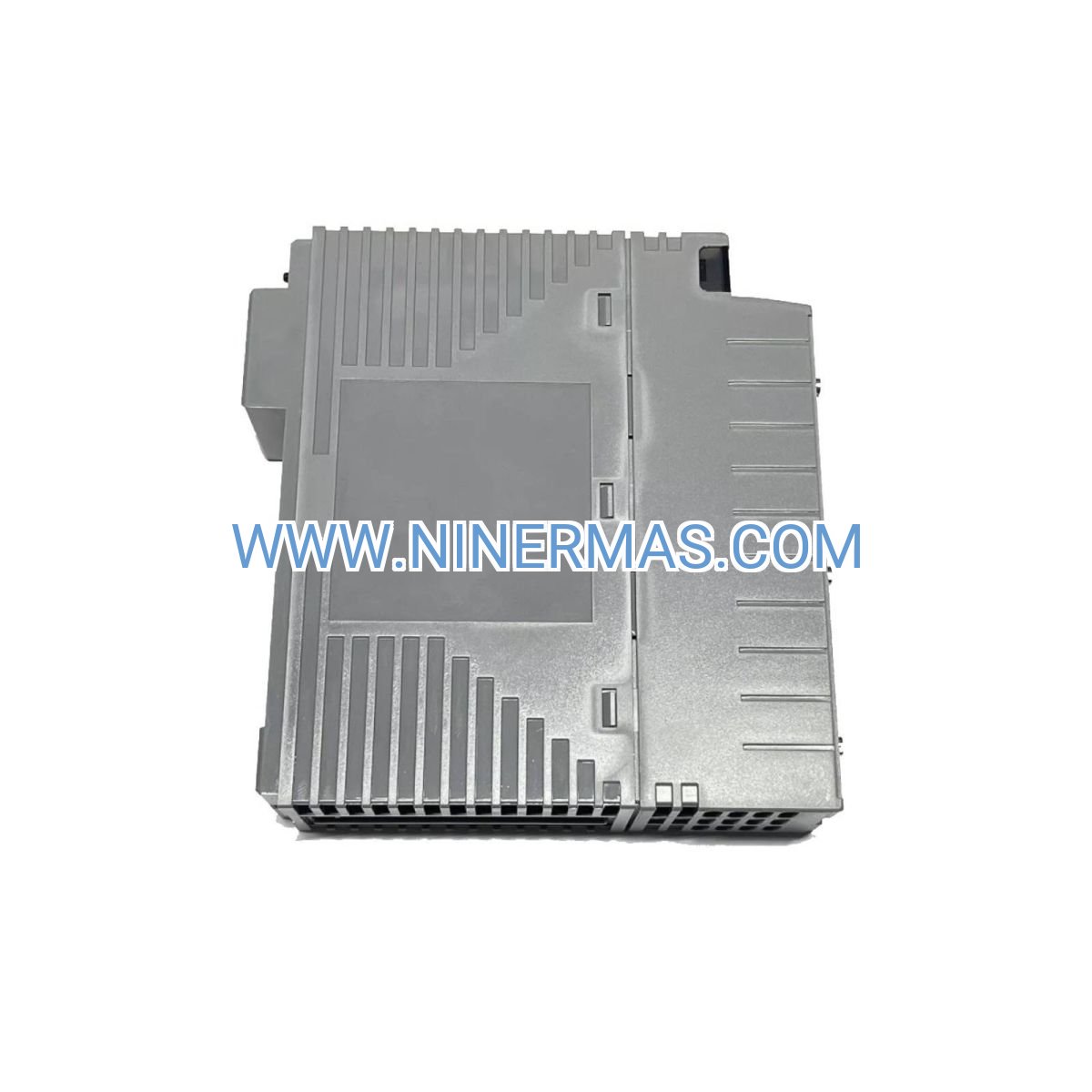
ANB10D-410 Node Unit (Industrial-Grade Dual-Redundant ESB Bus Interface)
The ANB10D-410 is a high-reliability communication node engineered for dual-redundant Ethernet Safety Bus (ESB) architectures in safety instrumented systems. Built to IEC 61508 SIL 3 standards, this node unit eliminates single points of failure through automatic failover mechanisms, ensuring continuous data integrity across distributed control networks in oil & gas, chemical processing, and power generation facilities.
Designed for mission-critical applications where downtime translates to safety risks and production losses, the ANB10D-410 integrates seamlessly with Yokogawa ProSafe-RS controllers and third-party safety devices. Its deterministic communication protocol guarantees real-time response for emergency shutdown sequences, interlock logic, and process monitoring—delivering the fault tolerance required for SIS applications up to SIL 3 performance levels.
Whether you're upgrading legacy safety systems or designing greenfield installations, the ANB10D-410 provides the robust connectivity backbone that modern industrial safety demands. TÜV-certified construction, comprehensive diagnostics, and proven field performance make it the trusted choice for engineers who cannot compromise on reliability.
Core Features & Benefits
→ Fault-Tolerant Dual-Channel Architecture
Two independent ESB communication paths with automatic switchover ensure uninterrupted operation during cable faults, switch failures, or maintenance activities—eliminating network-related safety system downtime.
→ Deterministic Real-Time Performance
Prioritized safety data transmission with guaranteed response times supports critical shutdown functions, enabling sub-second reaction to hazardous process conditions across distributed I/O networks.
→ Continuous Health Monitoring
Integrated diagnostics track communication quality, power supply integrity, and signal strength in real time, triggering predictive maintenance alerts before degradation impacts system availability.
→ Scalable System Integration
Native compatibility with Yokogawa's ProSafe-RS ecosystem and open protocol support allow flexible network topologies—from compact skid-mounted systems to plant-wide distributed architectures spanning hundreds of I/O points.
→ Certified Safety Performance
IEC 61508 SIL 3 and TÜV certification validate systematic capability and random hardware failure rates, providing documented proof of compliance for regulatory audits and functional safety assessments.
→ Industrial-Hardened Construction
Operates reliably in -20°C to +60°C environments with immunity to electrical noise, vibration, and humidity—meeting the demanding conditions of offshore platforms, refineries, and heavy industrial zones.
Application Scenarios
✓ Emergency Shutdown Systems (ESD) in Oil & Gas
Deploy ANB10D-410 nodes as the communication backbone for offshore platform ESD systems, where dual-redundant architecture ensures fire & gas detection, blowdown valve control, and wellhead isolation remain operational during network disruptions or equipment failures.
✓ Chemical Reactor Safety Interlocks
Protect batch and continuous chemical processes with SIL 3-rated communication networks that monitor temperature, pressure, and level transmitters—automatically initiating safe shutdown sequences when process variables exceed safe operating limits.
✓ Power Plant Turbine Protection
Implement redundant ESB networks for steam and gas turbine protection systems, where millisecond-level response to overspeed, vibration, or bearing temperature anomalies prevents catastrophic equipment damage and personnel injury.
✓ Burner Management Systems (BMS)
Ensure reliable flame detection, fuel valve control, and purge sequence monitoring in boilers and furnaces, where communication failures could lead to explosive atmospheres or uncontrolled combustion events.
✓ Pharmaceutical Clean Room Control
Maintain critical environmental parameters in sterile manufacturing zones through fault-tolerant monitoring of HVAC systems, differential pressure, and contamination detection—supporting FDA 21 CFR Part 11 compliance requirements.
Technical Parameters & Selection Guide
| Parameter | Specification |
|---|---|
| Model Number | ANB10D-410 |
| Bus Architecture | Dual-Redundant ESB (Ethernet Safety Bus) |
| Communication Protocol | Industrial Ethernet with safety layer |
| Safety Integrity Level | SIL 3 (IEC 61508 certified) |
| Redundancy Type | Full dual-channel with automatic failover |
| Operating Temperature | -20°C to +60°C |
| Power Supply | 24V DC nominal |
| Mounting Method | DIN rail compatible |
| Certifications | IEC 61508 SIL 3, TÜV, CE |
| Diagnostic Capabilities | Communication health, power integrity, signal quality |
| Country of Origin | Japan |
Selection Criteria: Choose the ANB10D-410 when your safety instrumented system requires SIL 3 performance with zero tolerance for communication-related downtime. For applications with lower safety integrity requirements (SIL 1-2), consider standard ESB node units. For systems requiring additional network ports or specialized connectivity, evaluate the ANB10D-425 series with extended interface options.
Extended Functions
Advanced Diagnostic Integration: The ANB10D-410 supports integration with plant-wide asset management systems, streaming diagnostic data to SCADA/DCS platforms for centralized monitoring of communication network health, predictive maintenance scheduling, and compliance documentation.
Cybersecurity Features: Built-in network segmentation and protocol filtering protect safety networks from unauthorized access and cyber threats, aligning with IEC 62443 industrial cybersecurity standards for defense-in-depth architectures.
Customization Options: Factory configuration services available for pre-programmed network addresses, custom diagnostic thresholds, and application-specific failover timing to accelerate commissioning and reduce on-site engineering effort.
Delivery & Service Assurance
Lead Time: Standard stock items ship within 3-5 business days. Custom-configured units require 2-3 weeks for factory programming and testing.
Warranty: 24-month manufacturer warranty covering defects in materials and workmanship. Extended warranty programs available for critical applications.
Technical Support: Access to Yokogawa-certified application engineers for system design consultation, commissioning assistance, and troubleshooting support throughout the product lifecycle.
Documentation Package: Includes installation manual, wiring diagrams, configuration software, IEC 61508 safety manual, and TÜV certification documents for functional safety validation.
Frequently Asked Questions
How does the dual-redundant ESB bus interface improve system reliability?
The ANB10D-410 maintains two independent communication channels operating simultaneously. If one path experiences a cable break, switch failure, or signal degradation, the system automatically routes all traffic through the healthy channel without interrupting data flow or triggering false trips—achieving 99.99%+ communication availability.
What is the maximum network distance supported by the ANB10D-410?
Using standard industrial Ethernet cabling, the ESB bus supports up to 100 meters between nodes without repeaters. For extended distances, fiber optic media converters enable network spans exceeding 2 kilometers while maintaining deterministic performance and SIL 3 integrity.
Can the ANB10D-410 integrate with non-Yokogawa safety controllers?
Yes. The ANB10D-410 supports open industrial Ethernet protocols and can interface with third-party SIL-rated controllers, remote I/O systems, and safety PLCs that comply with IEC 61508 communication standards—enabling multi-vendor safety architectures.
What diagnostic information does the node unit provide for predictive maintenance?
Real-time diagnostics include communication error rates, signal strength measurements, power supply voltage monitoring, and channel health status. Trend analysis of these parameters enables early detection of cabling degradation, switch performance issues, or power supply drift before they impact system operation.
Is hot-swapping supported for maintenance without system shutdown?
The dual-redundant architecture allows one communication channel to remain operational during maintenance of the other. However, physical replacement of the ANB10D-410 node unit itself requires a controlled shutdown sequence to preserve safety system integrity—consult the installation manual for approved maintenance procedures.
What cybersecurity measures protect the ESB bus from unauthorized access?
The ANB10D-410 implements network segmentation, MAC address filtering, and protocol-level access controls. When deployed within a properly architected safety network (isolated from business networks, firewalled at boundary points), it provides defense-in-depth protection aligned with IEC 62443 industrial cybersecurity standards.
Ready to Enhance Your Safety System Reliability?
Contact our industrial automation specialists today for technical consultation, system design support, and competitive pricing on the ANB10D-410 and complete ProSafe-RS safety solutions. Our team provides application-specific guidance to ensure your safety instrumented system meets performance, compliance, and lifecycle cost objectives.
© 2026 NINERMAS COMPANY LIMITED. All rights reserved.
Original Source: https://ninermas.com
Contact: sale@ninermas.com | +0086 187 5021 5667
PDF Specification
Download PDF file here:
Click to Download PDFRelated products


Contact Info
-
Address:22 / F, South Wo Hang building, 148 Wing Lok Street, Sheung Wan, Western District, Hong Kong
-
Phone:+8618750215667
-
Email: