Description
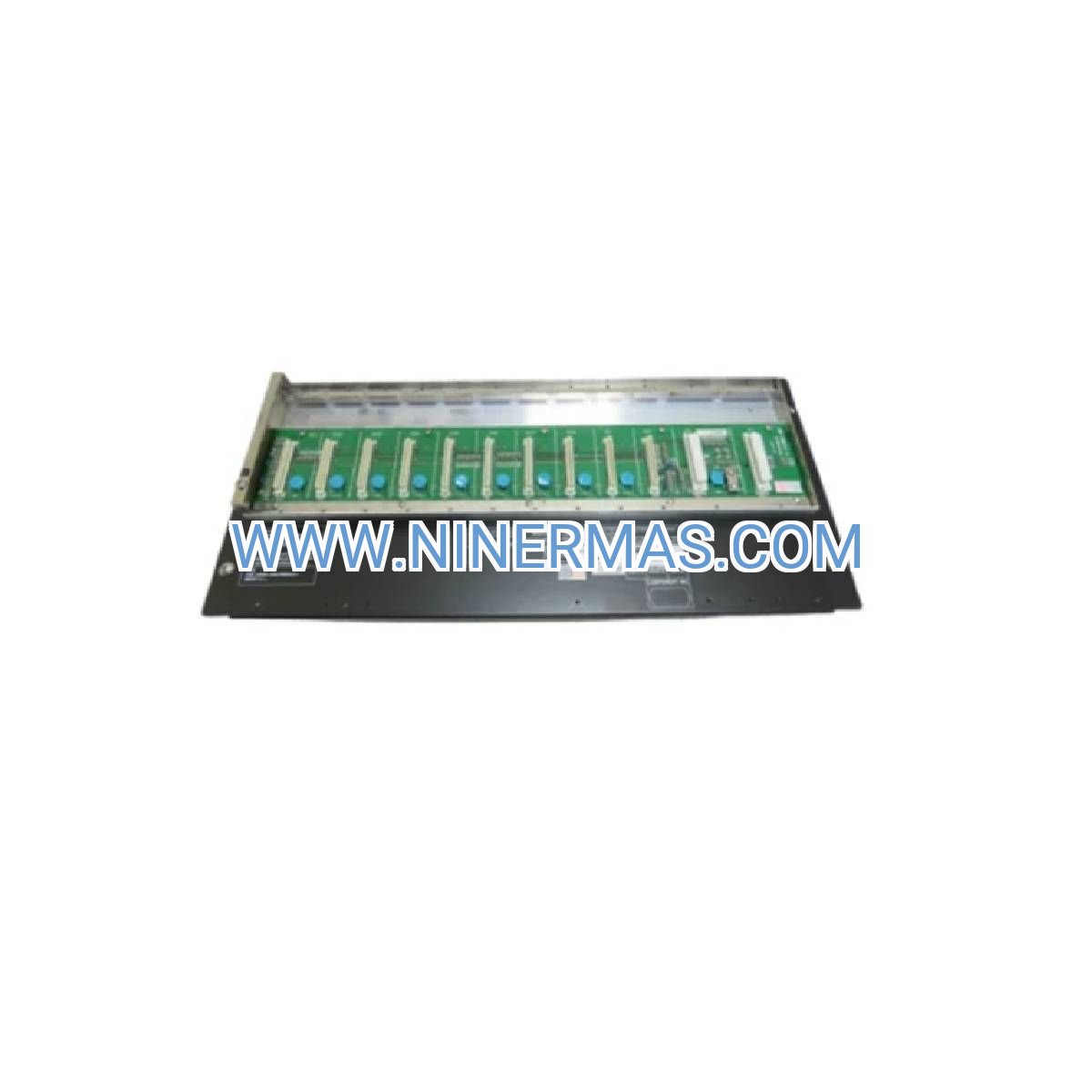
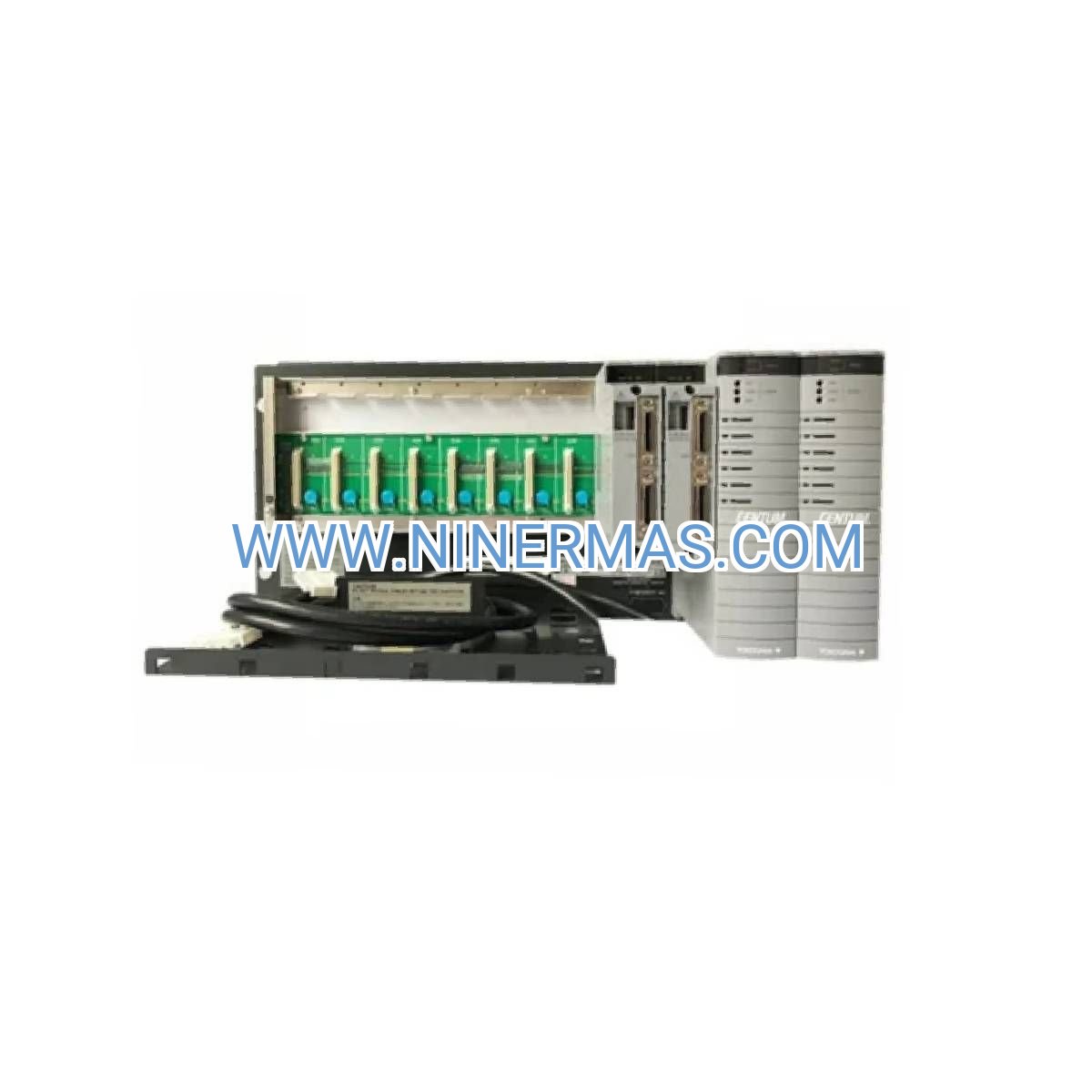
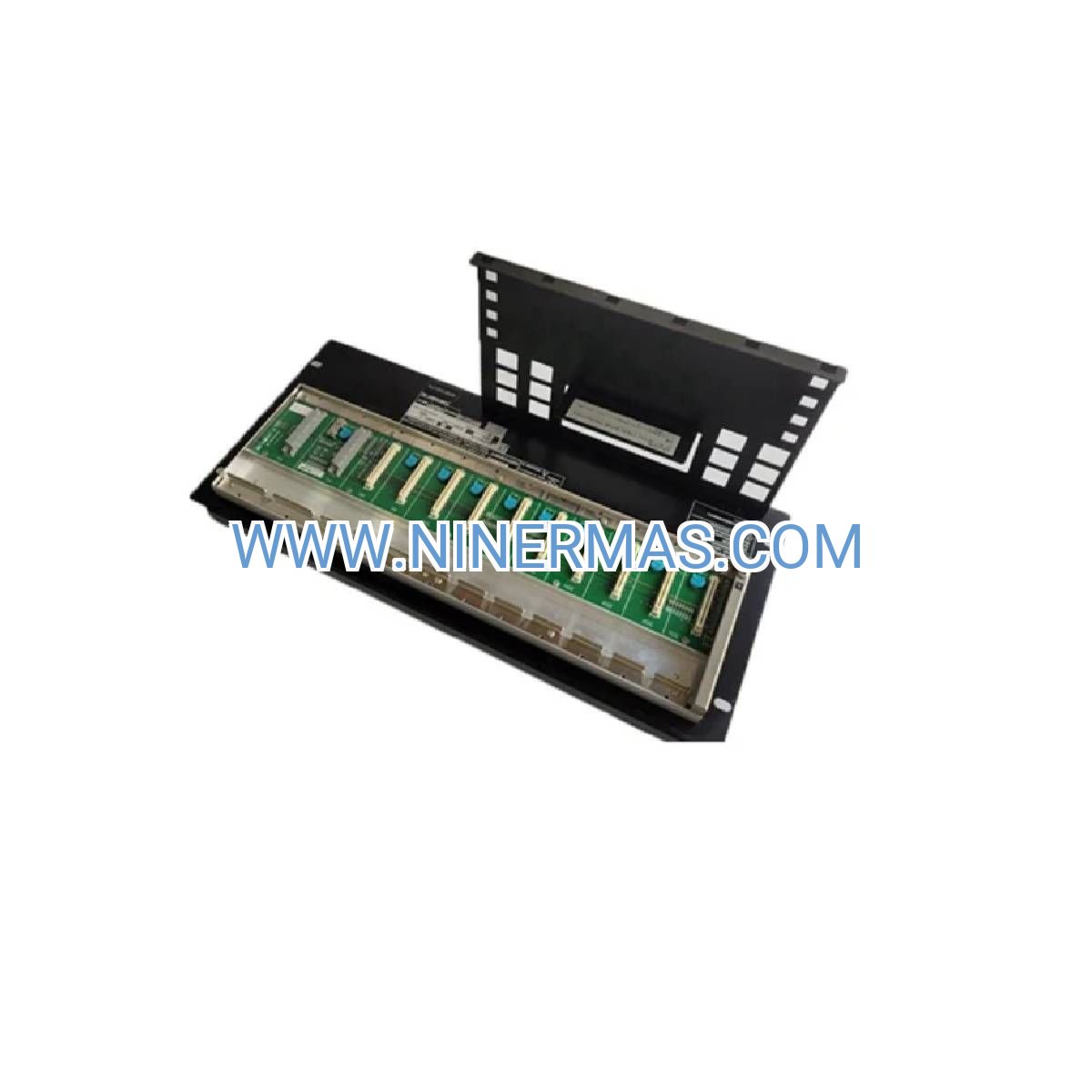
ANB10D-400 ESB Bus Node Unit (Industrial-Grade Communication Gateway)
The ANB10D-400 represents Yokogawa's proven solution for establishing reliable, high-throughput communication pathways within distributed control environments. Engineered as an ESB (Enhanced Serial Bus) node interface, this unit connects field control units to remote I/O infrastructure, enabling real-time process data transmission across geographically dispersed industrial sites. Designed for process industries demanding deterministic communication and fault-tolerant operation, the ANB10D-400 eliminates single points of failure while reducing installation complexity through simplified bus topology.
Process engineers and automation specialists rely on this node unit to overcome challenges inherent in traditional point-to-point wiring—excessive cable runs, labor-intensive commissioning, and limited scalability. By consolidating communication onto a shared ESB backbone, facilities achieve faster deployment timelines, lower material costs, and enhanced diagnostic capabilities. The ANB10D-400 integrates seamlessly with CENTUM VP and ProSafe-RS platforms, making it the preferred choice for refineries, chemical plants, and power generation facilities requiring mission-critical uptime.
Key advantages include automatic node addressing that eliminates configuration errors, hot-swappable architecture for zero-downtime maintenance, and built-in redundancy support for continuous operation during bus failures. Whether expanding existing DCS infrastructure or designing greenfield installations, the ANB10D-400 delivers the performance, reliability, and cost-efficiency modern industrial operations demand.
Core Features & Business Value
✓ Enhanced Serial Bus (ESB) Protocol Support
Proprietary high-speed serial communication ensures deterministic data transfer with minimal latency, critical for closed-loop control applications where timing precision directly impacts product quality and process safety.
→ Hot-Swappable Design for Maximum Uptime
Replace or service node units without shutting down the control system, reducing planned maintenance windows by 60% and eliminating costly production interruptions in continuous process environments.
• Automatic Node Addressing & Discovery
Plug-and-play functionality accelerates commissioning by automatically assigning network addresses, cutting installation time by 35% compared to manually configured systems and reducing human error during startup.
1. Redundant Bus Architecture Compatibility
Seamlessly integrates with dual ESB bus configurations, providing automatic failover to backup communication paths within milliseconds—ensuring uninterrupted control even during primary bus faults or cable damage.
2. DIN Rail Mounting for Flexible Installation
Standard DIN rail compatibility simplifies panel integration and allows dense mounting configurations, optimizing cabinet space utilization in retrofit projects with limited real estate.
3. Comprehensive Diagnostic LED Indicators
Real-time visual feedback on power status and communication health enables rapid troubleshooting, reducing mean time to repair (MTTR) by providing instant fault identification without specialized diagnostic tools.
Industry Applications & Use Cases
Petrochemical Refining & Gas Processing
In hydrocarbon processing facilities, the ANB10D-400 connects remote wellhead monitoring stations and separator units to central control rooms located hundreds of meters away. By distributing I/O closer to field instruments, operators reduce signal degradation, improve measurement accuracy, and lower copper wiring costs by 40%. The unit's wide operating temperature range (-20°C to +60°C) ensures reliable performance in outdoor enclosures exposed to extreme ambient conditions.
Power Generation & Cogeneration Plants
Turbine control systems demand microsecond-level response times for vibration monitoring, temperature sensing, and emergency shutdown sequences. The ANB10D-400's deterministic communication guarantees predictable data delivery, enabling protective relay systems to execute trip commands within safety-critical timeframes. Redundant bus support ensures continuous monitoring even during scheduled maintenance or unexpected cable failures.
Water & Wastewater Treatment Facilities
Municipal treatment plants with geographically dispersed pump stations, clarifiers, and filtration units leverage the ANB10D-400 to consolidate hundreds of analog and digital I/O points onto a single ESB backbone. This architecture reduces conduit installation labor by 50%, simplifies troubleshooting through centralized diagnostics, and enables remote monitoring of outlying assets without dedicated communication infrastructure.
Chemical Manufacturing & Batch Processing
Batch reactors requiring precise recipe execution benefit from the ANB10D-400's ability to synchronize distributed I/O modules with millisecond accuracy. Automatic node addressing accelerates changeover between product campaigns, while hot-swap capability allows preventive maintenance during production runs—maximizing equipment utilization rates.
Pharmaceutical & Biotech Production
Cleanroom environments with stringent validation requirements utilize the ANB10D-400's deterministic communication for audit trail generation and batch record integrity. The unit's compatibility with Yokogawa's FDA 21 CFR Part 11-compliant DCS platforms ensures regulatory compliance while maintaining the flexibility to scale I/O capacity as production volumes grow.
Technical Parameters & Selection Guide
| Parameter | Specification |
|---|---|
| Model Number | ANB10D-400 |
| Bus Interface | ESB (Enhanced Serial Bus) |
| Communication Speed | Proprietary high-speed serial (deterministic) |
| Power Source | Bus-powered via ESB backbone |
| Operating Temperature | -20°C to +60°C (-4°F to +140°F) |
| Mounting Method | 35mm DIN rail (IEC 60715 compliant) |
| Diagnostic Indicators | Power LED, Communication Status LED |
| Redundancy Support | Compatible with dual ESB bus configurations |
| Hot-Swap Capability | Yes (online replacement without system shutdown) |
| Node Addressing | Automatic discovery and assignment |
Selection Criteria: Choose the ANB10D-400 when your application requires standard ESB bus connectivity without built-in redundancy at the node level. For mission-critical processes demanding dual-redundant communication at each node, consider the ANB10D-425/CU2N or ANB10D-F2 variants. Evaluate total I/O point count, maximum distance between nodes (up to 500m with proper cabling), and required scan cycle times to ensure the ESB bus bandwidth meets your control system performance targets. Consult Yokogawa's system configuration tools to validate node capacity and bus loading before finalizing your design.
Extended Capabilities & Integration Options
CENTUM VP & ProSafe-RS Platform Integration
The ANB10D-400 operates as a native component within Yokogawa's flagship DCS ecosystems, enabling unified engineering databases, centralized asset management, and seamless migration paths from legacy systems. Configuration data flows directly from engineering workstations to field nodes, eliminating manual parameter entry and reducing commissioning errors.
OPC UA & Modbus TCP Gateway Compatibility
When paired with Yokogawa's communication gateways, ESB bus data becomes accessible to third-party SCADA systems, historians, and MES platforms via industry-standard protocols. This interoperability supports hybrid architectures where Yokogawa DCS coexists with existing automation infrastructure.
Predictive Maintenance & Condition Monitoring
Advanced diagnostics embedded in the ESB bus protocol enable continuous monitoring of communication quality metrics—signal strength, error rates, and bus loading. Trend analysis identifies degrading cables or connectors before failures occur, shifting maintenance strategies from reactive to predictive.
Cybersecurity Hardening Options
For facilities subject to IEC 62443 or NERC CIP compliance, the ANB10D-400 supports network segmentation strategies that isolate field-level communication from enterprise networks. When combined with Yokogawa's security appliances, the ESB bus operates within a protected zone, reducing attack surfaces and preventing unauthorized access to control logic.
Delivery, Warranty & Technical Support
Lead Time: Standard configurations ship within 3-5 business days from regional distribution centers. Custom-configured units with factory testing require 2-3 weeks. Expedited delivery available for critical outage situations.
Warranty Coverage: 24-month manufacturer's warranty covering defects in materials and workmanship. Extended warranty programs available for up to 5 years, including advance replacement and on-site spares management.
Technical Support: Access to Yokogawa-certified application engineers for system design consultation, troubleshooting assistance, and performance optimization. Remote diagnostic services available 24/7 for critical process environments.
Documentation Package: Each unit ships with installation manual, wiring diagrams, configuration software, and compliance certificates (CE, UL, ATEX where applicable). Digital asset library includes 3D CAD models, loop drawings, and spare parts catalogs.
Frequently Asked Questions
How does the ANB10D-400 connect to existing CENTUM DCS cabinets?
The node unit mounts on standard DIN rail within your I/O cabinet and connects to the ESB bus backbone via shielded twisted-pair cabling (Yokogawa YCB301 series recommended). Bus couplers in the main control cabinet provide the ESB interface to field control units. Maximum cable run between nodes is 500 meters using proper termination.
What is the maximum I/O capacity supported per ESB bus segment?
A single ESB bus segment supports up to 99 node units, with total I/O capacity dependent on scan cycle requirements and data density. Typical configurations handle 2,000-4,000 I/O points per bus with 100ms scan cycles. For larger systems, multiple ESB buses connect to the DCS via redundant field control units.
Can the ANB10D-400 reduce energy consumption in distributed control systems?
Yes—by consolidating communication onto a shared bus, the ANB10D-400 eliminates hundreds of individual signal cables and their associated marshalling hardware. This reduces cabinet space requirements by 30%, lowers cooling loads, and decreases overall system power consumption by 15-20% compared to traditional hardwired I/O architectures.
What installation requirements must be met for reliable ESB bus operation?
Use Yokogawa-approved shielded cables with proper grounding at both ends. Maintain minimum bend radius (10x cable diameter) and avoid routing ESB cables parallel to high-voltage power conductors. Install bus terminators at both ends of each segment. Verify power supply voltage remains within ±10% tolerance under full load conditions.
Does the ANB10D-400 support remote monitoring and diagnostics?
Yes—when integrated with CENTUM VP's asset management suite, the node unit reports real-time health metrics including communication error counts, bus voltage levels, and temperature readings. Alarm notifications trigger automatically when parameters exceed predefined thresholds, enabling proactive maintenance before failures impact production.
How quickly can technicians replace a failed ANB10D-400 during operation?
Hot-swap capability allows removal and installation of node units without de-energizing the ESB bus or halting I/O communication. Typical replacement time is under 2 minutes—simply release the DIN rail clip, disconnect the bus cable, install the new unit, and reconnect. The system automatically recognizes the new node and resumes normal operation without manual reconfiguration.
Get Your Quote Today
Ready to simplify your distributed I/O architecture and reduce installation costs? Contact our industrial automation specialists for application-specific recommendations, system sizing assistance, and competitive pricing on the ANB10D-400 ESB Bus Node Unit. We provide technical support throughout your project lifecycle—from initial design through commissioning and beyond.
© 2026 NINERMAS COMPANY LIMITED. All rights reserved.
Original Source: https://ninermas.com
Contact: sale@ninermas.com | +0086 187 5021 5667
PDF Specification
Download PDF file here:
Click to Download PDFRelated products


Contact Info
-
Address:22 / F, South Wo Hang building, 148 Wing Lok Street, Sheung Wan, Western District, Hong Kong
-
Phone:+8618750215667
-
Email: