Description
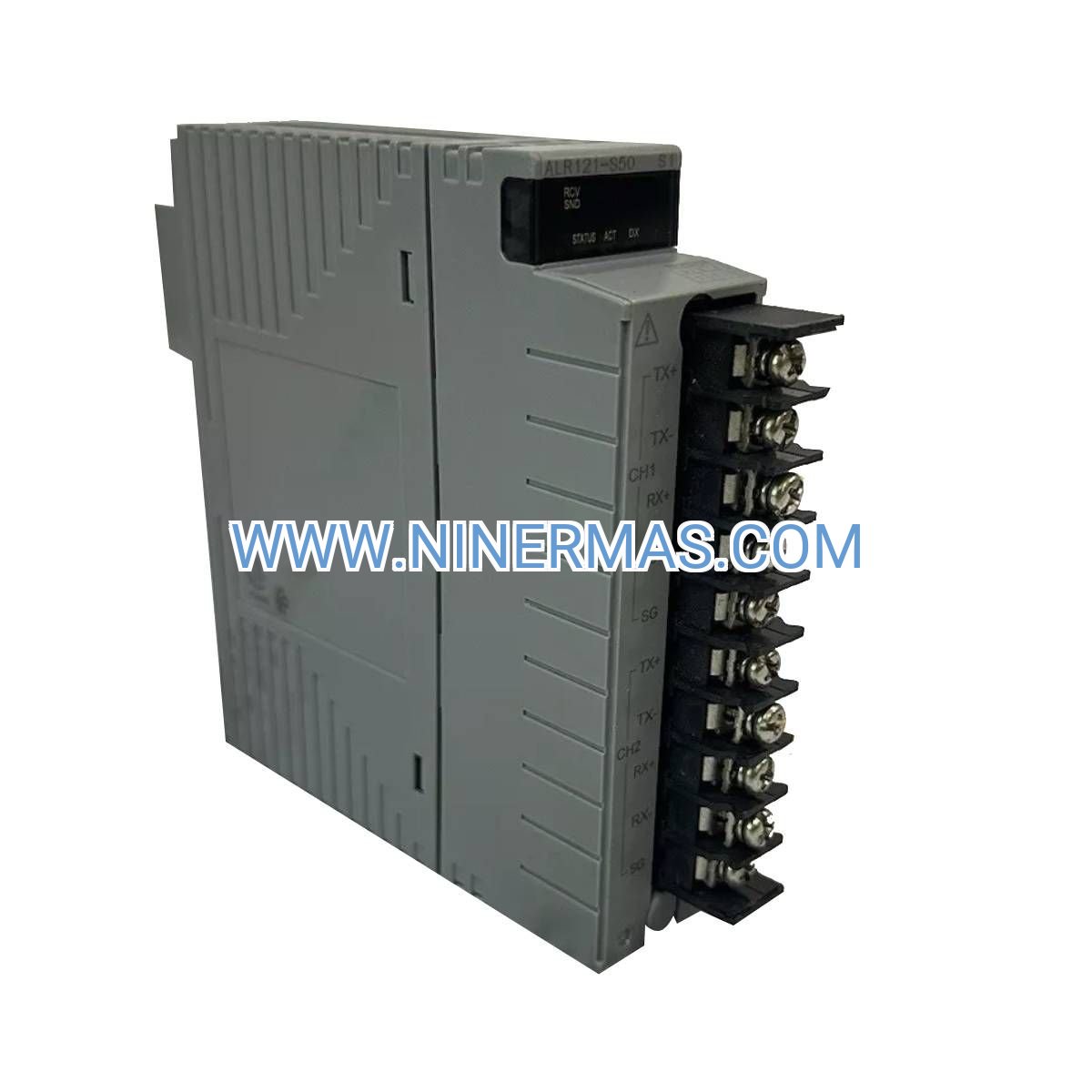
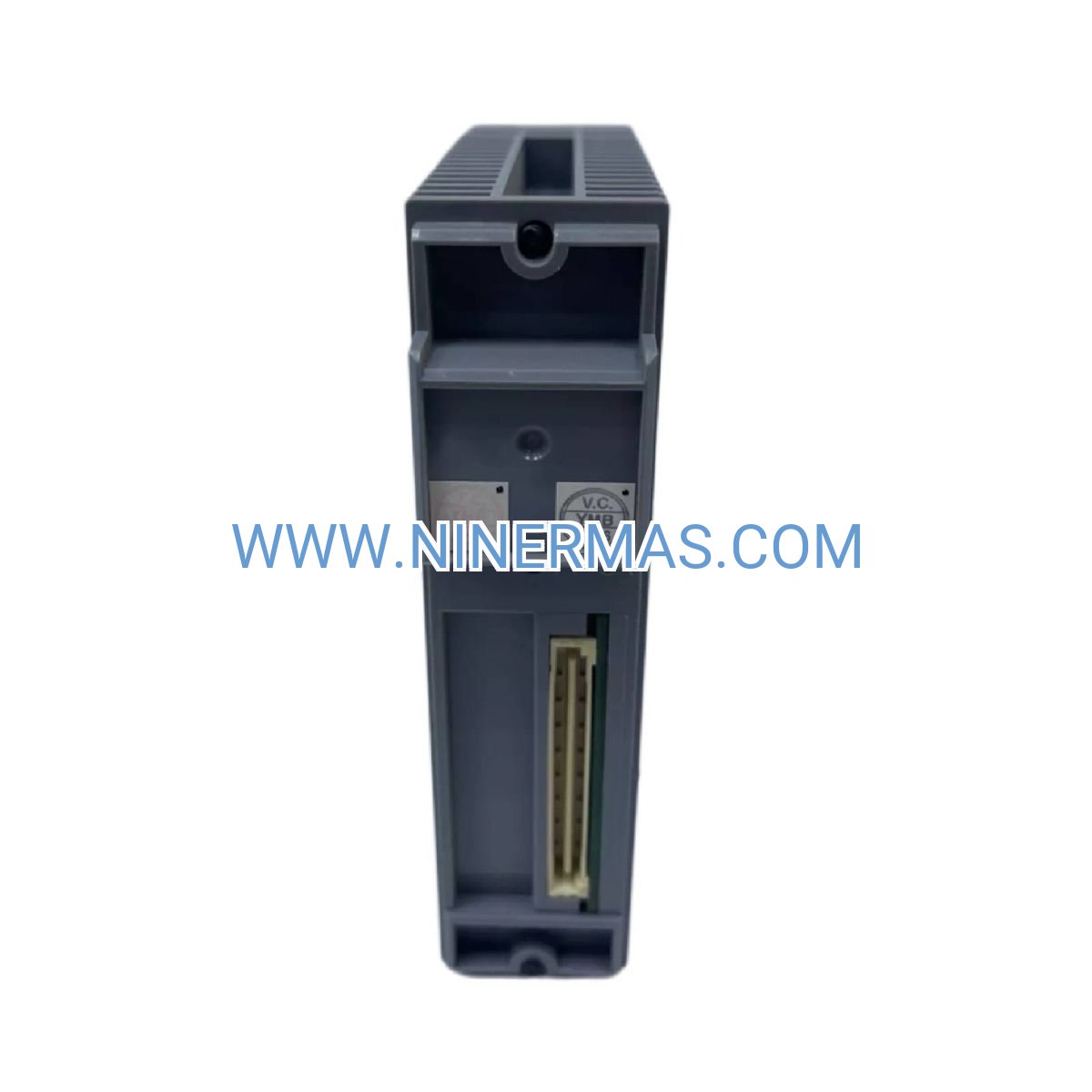
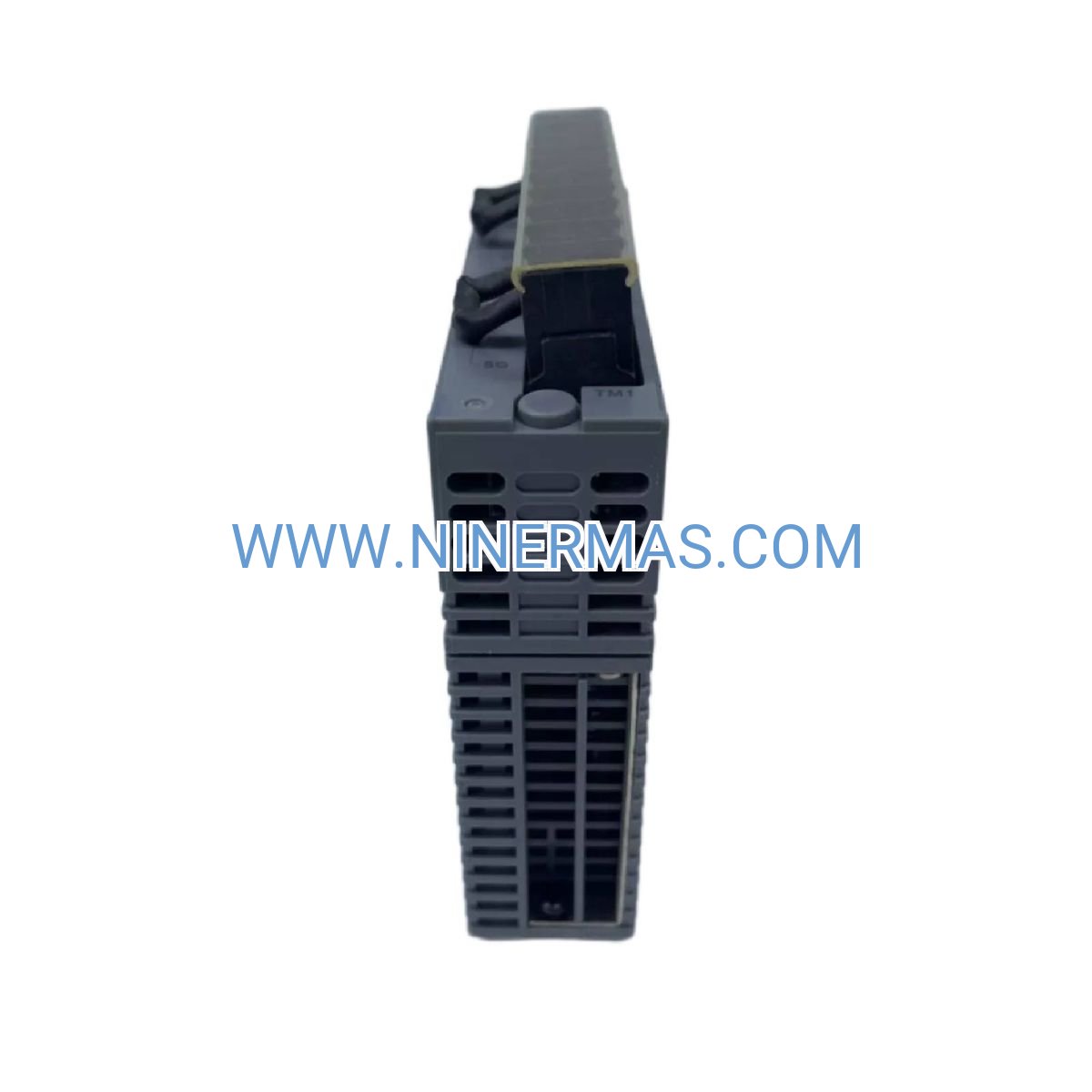
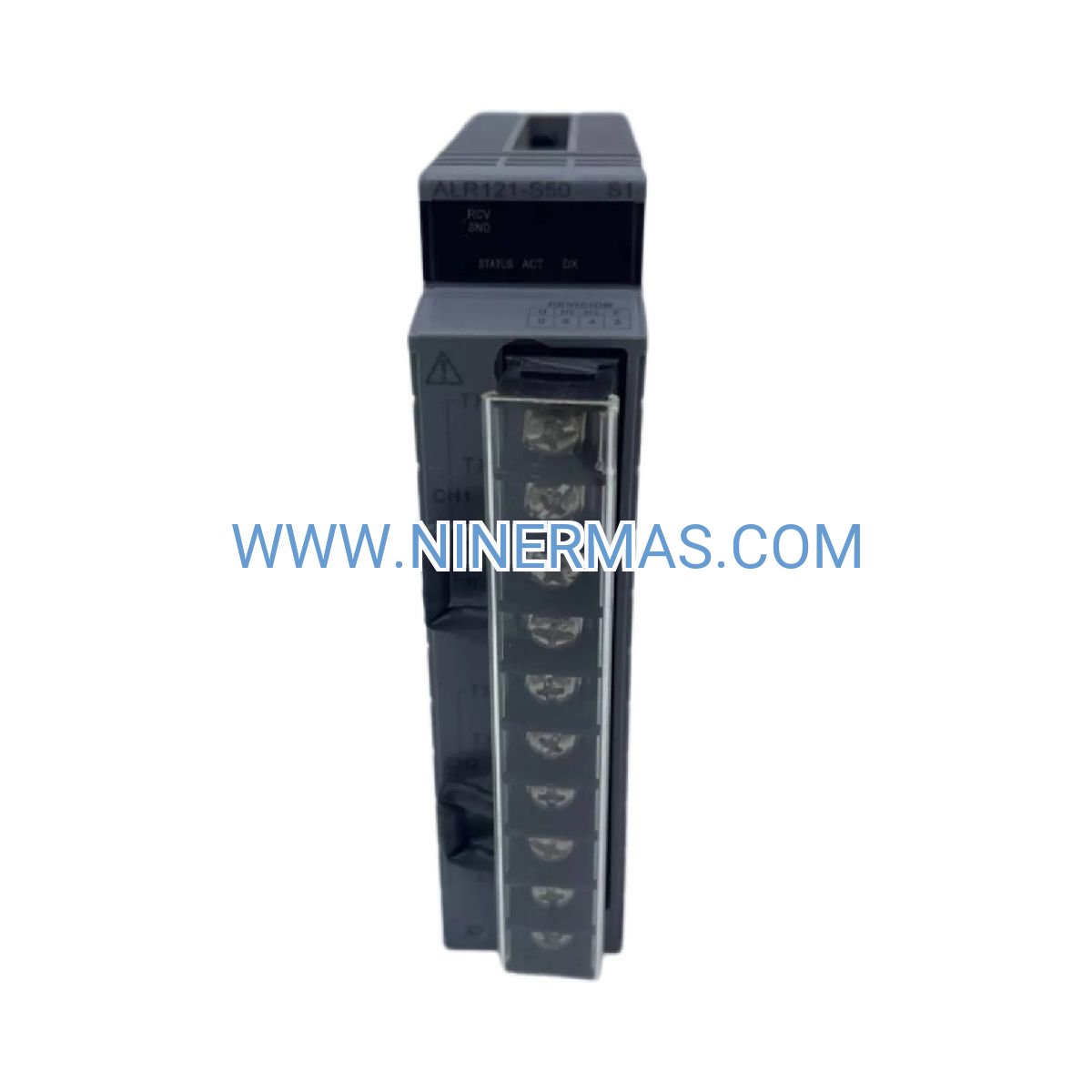
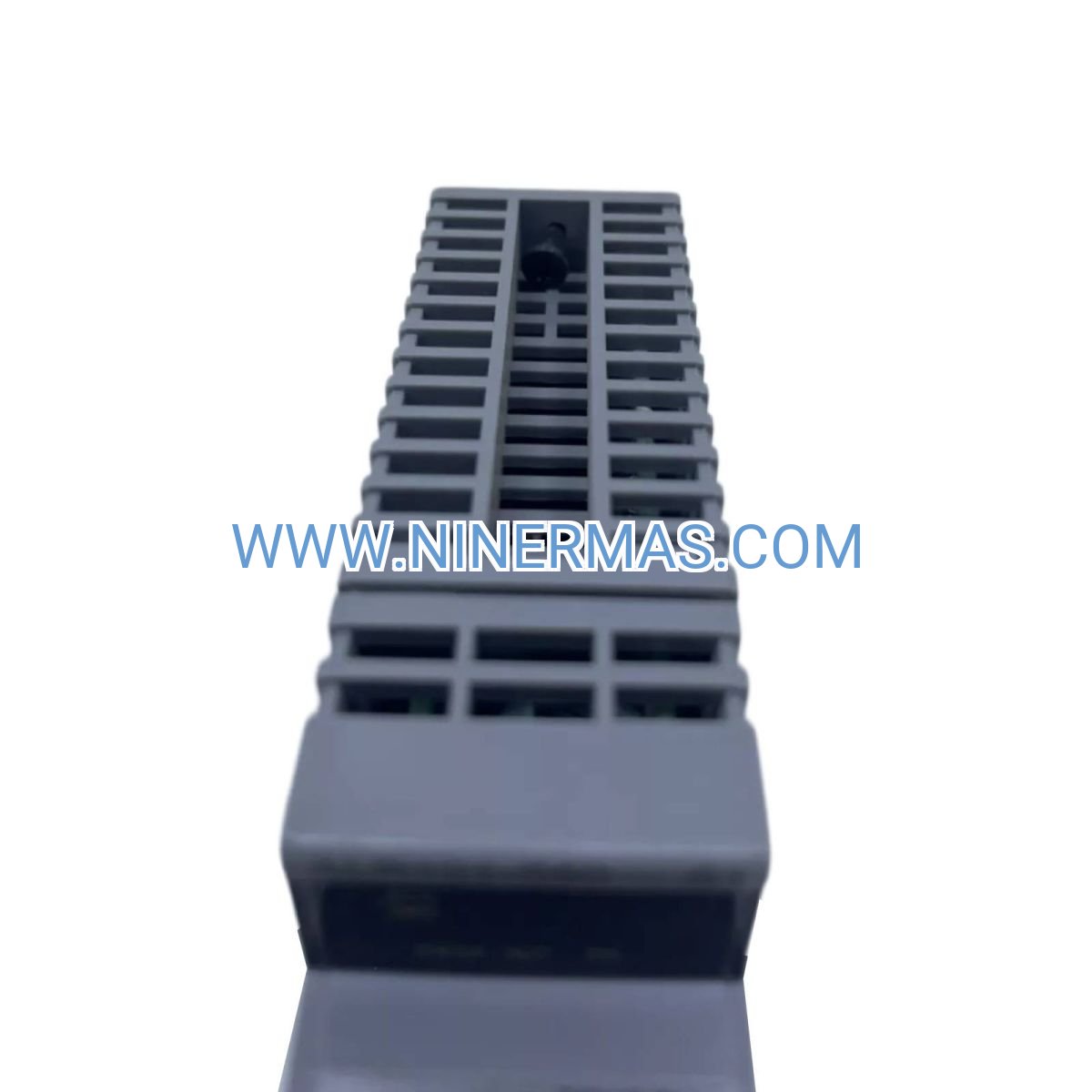
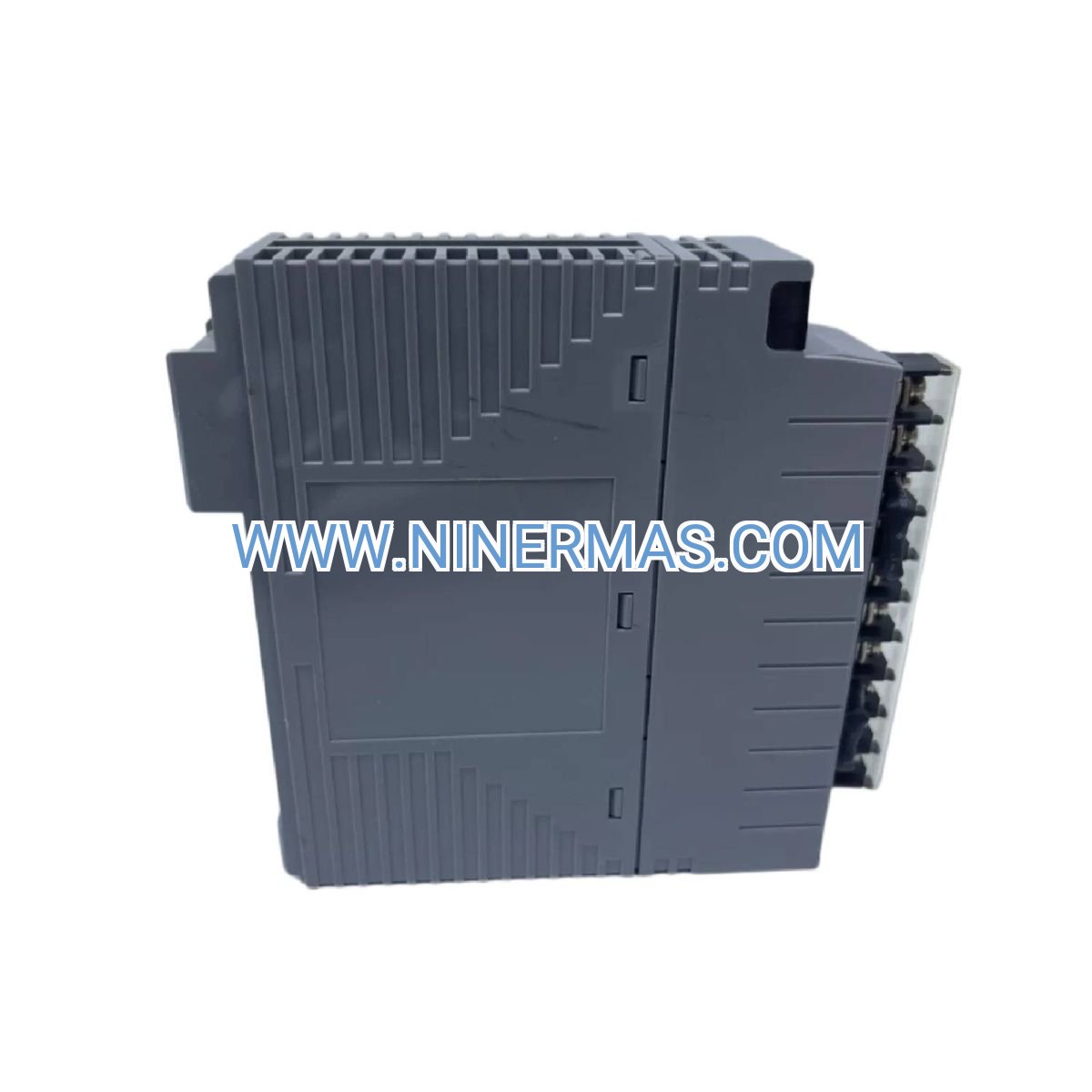
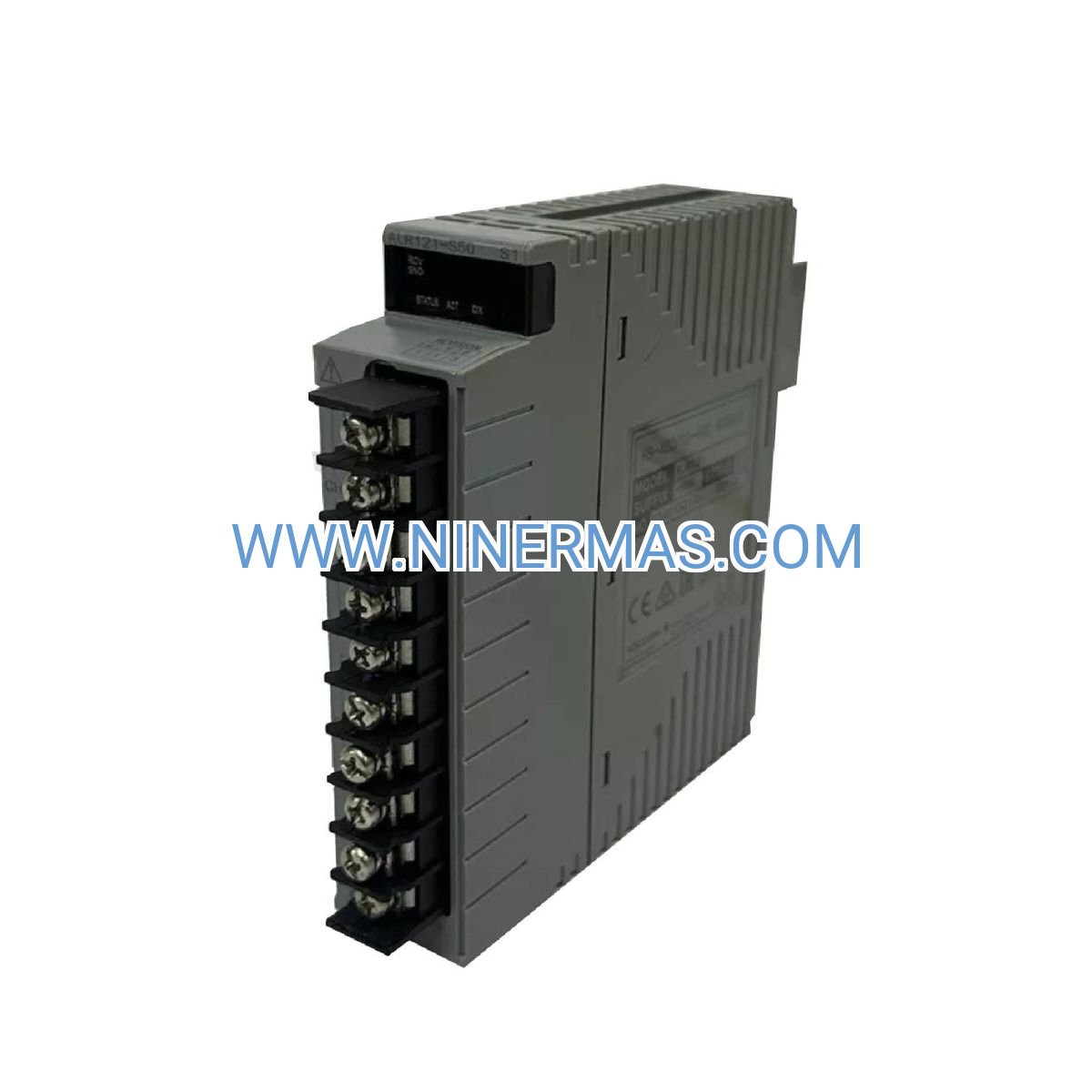
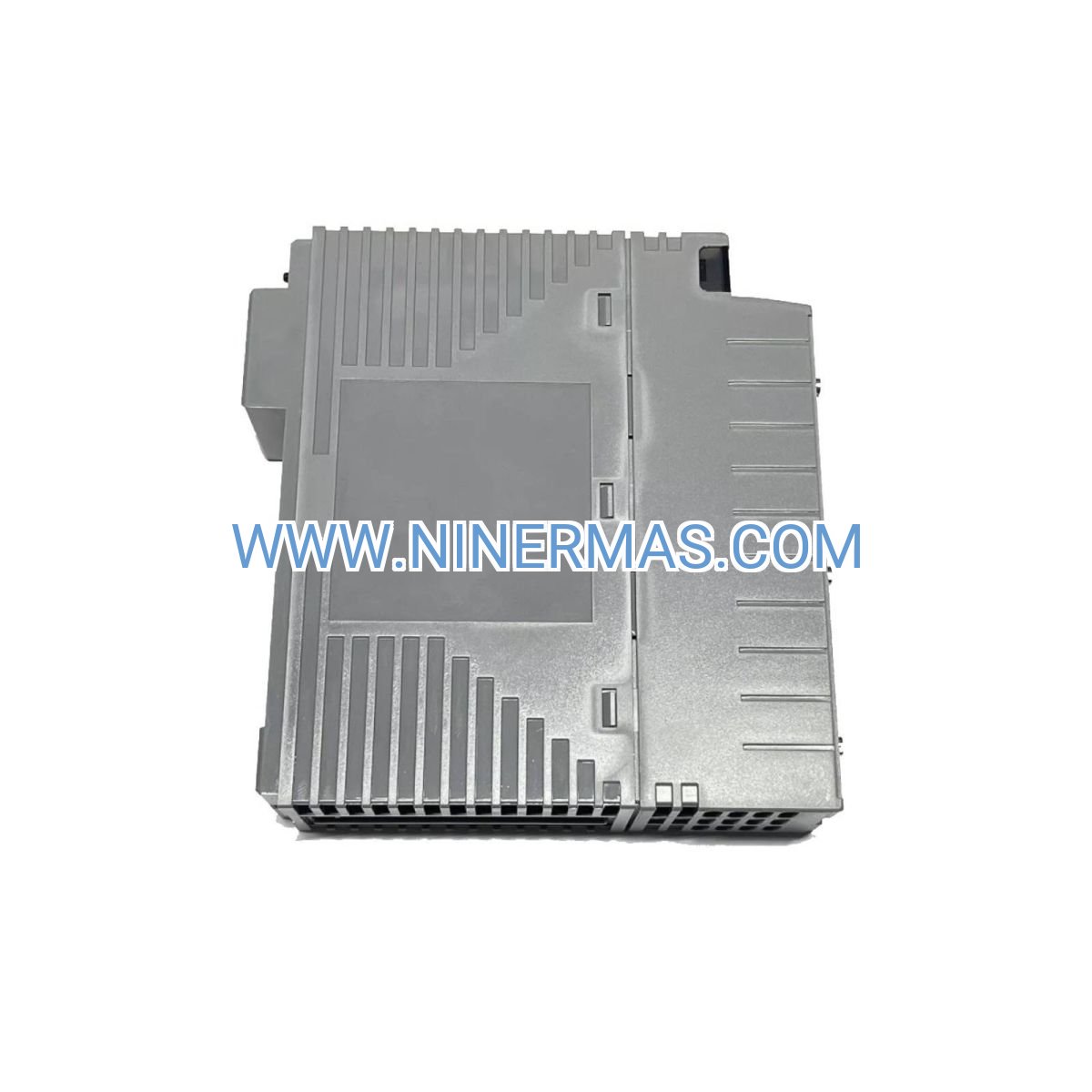
Yokogawa ALR121-S50 S1 Dual-Port Serial Communication Module (Industrial-Grade RS-422/485 Interface)
The Yokogawa ALR121-S50 S1 represents a professional-grade solution for establishing reliable serial communication links in industrial automation environments. This dual-channel module bridges the gap between distributed control systems, programmable logic controllers, and field instrumentation through robust RS-422/RS-485 differential signaling technology.
Designed for system integrators and automation engineers who demand uncompromising performance, this communication module addresses the critical challenge of maintaining data integrity across extended cable runs in electrically noisy industrial settings. Whether you're retrofitting legacy equipment or designing new control architectures, the ALR121-S50 S1 delivers the connectivity backbone your operations require.
With dual independent communication channels, extended transmission capabilities reaching 1200 meters, and comprehensive electrical isolation, this module serves as the cornerstone for building resilient multi-drop networks that keep your production lines running without interruption.
Core Features & Technical Advantages
→ Dual Independent Communication Channels
Two fully isolated RS-422/RS-485 ports enable simultaneous multi-device connectivity, allowing you to create redundant communication paths or connect separate equipment zones without additional hardware investment.
→ Extended Transmission Range (Up to 1200m)
Differential signaling technology maintains signal integrity across distances that would defeat standard serial interfaces, reducing infrastructure costs by eliminating the need for intermediate repeaters in large facilities.
→ High-Speed Data Transfer (115.2 kbps)
Rapid communication throughput ensures real-time responsiveness for time-critical control applications, supporting demanding SCADA polling cycles and high-frequency data logging requirements.
→ 1500V DC Channel Isolation
Galvanic isolation between communication channels protects connected equipment from ground loops and electrical transients, preventing costly downtime caused by voltage spikes or improper grounding.
✓ Hot-Swappable Architecture
Field-replaceable design allows maintenance personnel to exchange modules without shutting down entire control systems, maximizing uptime during troubleshooting or upgrades.
✓ Visual Diagnostic Indicators
Integrated LED status displays provide instant visibility into communication activity and fault conditions, accelerating troubleshooting and reducing mean time to repair.
Industrial Application Scenarios
Process Manufacturing Integration
Connect Yokogawa DCS systems to third-party analyzers, flow computers, and quality monitoring equipment in chemical processing, pharmaceutical production, or food & beverage facilities. The module's noise immunity ensures accurate data transmission even in environments with variable frequency drives and high-power switching equipment.
SCADA Network Expansion
Establish multi-drop RS-485 networks linking remote terminal units (RTUs) across water treatment plants, pipeline monitoring stations, or power distribution substations. The extended range capability reduces the need for fiber optic converters in geographically dispersed installations.
Legacy Equipment Modernization
Bridge older serial-based instruments and controllers into contemporary Ethernet/IP or Modbus TCP networks through protocol gateway devices, extending the operational life of proven equipment while enabling centralized data collection and analysis.
Multi-Vendor System Integration
Facilitate communication between control platforms from different manufacturers in hybrid automation environments, supporting Modbus RTU, DF1, and other industry-standard serial protocols commonly used in discrete manufacturing and material handling systems.
Redundant Communication Architectures
Implement fault-tolerant control networks by utilizing both communication ports for primary and backup data paths, ensuring continuous operation even if one communication link experiences cable damage or connector failure.
Technical Parameters & Selection Guide
| Parameter | Specification |
|---|---|
| Communication Standard | RS-422 / RS-485 (EIA/TIA-485-A compliant) |
| Number of Ports | 2 independent channels |
| Maximum Baud Rate | 115.2 kbps |
| Transmission Distance | Up to 1200 meters (at lower baud rates) |
| Power Supply | 24VDC ±10% (21.6-26.4VDC) |
| Power Consumption | Typically 3.5W |
| Isolation Voltage | 1500V DC (channel-to-channel and channel-to-ground) |
| Operating Temperature | -10°C to +55°C (14°F to 131°F) |
| Storage Temperature | -25°C to +70°C (-13°F to 158°F) |
| Humidity Range | 5% to 95% RH (non-condensing) |
| Mounting Method | 35mm DIN rail (EN 50022 standard) |
| Dimensions (W×H×D) | Approximately 30mm × 90mm × 75mm |
| Weight | 0.3 kg |
| Compliance Standards | CE, UL/cUL, RoHS |
Selection Criteria: Choose the ALR121-S50 S1 when your application requires dual communication ports for network redundancy or simultaneous connection to multiple devices. For single-port requirements, consider the ALR111 series. Verify that your connected devices support RS-422 or RS-485 electrical standards and that cable lengths fall within the specified transmission distance limits based on your selected baud rate.
Extended Functionality & Integration Options
Protocol Flexibility: While the module provides physical layer connectivity, it supports various serial communication protocols including Modbus RTU, Profibus DP, and proprietary manufacturer protocols, making it adaptable to diverse automation ecosystems.
Network Topology Support: Configure as point-to-point, multi-drop, or star network topologies depending on your application requirements. RS-485 mode supports up to 32 devices per segment (expandable with repeaters).
Customization Services: NINERMAS offers pre-configuration services including baud rate settings, termination resistor installation, and custom cable assemblies to accelerate deployment and reduce commissioning time.
System Integration Packages: Available as part of complete communication solutions bundled with DIN rail power supplies, surge protection devices, and protocol converters for turnkey installation.
Delivery Timeline & Service Commitment
Standard Delivery: In-stock units ship within 2-3 business days via express courier services. Typical transit time to major industrial centers: 5-7 business days.
Custom Configuration: Pre-programmed or specially configured modules require an additional 7-10 business days for preparation and testing before shipment.
Warranty Coverage: 24-month manufacturer's warranty covering defects in materials and workmanship. Extended warranty programs available for critical applications.
Technical Support: Lifetime technical assistance via email and phone. Our automation specialists provide configuration guidance, troubleshooting support, and integration recommendations at no additional charge.
Documentation Package: Each module includes installation manual, wiring diagrams, dimensional drawings, and compliance certificates. Downloadable resources include sample ladder logic code and communication parameter templates.
Frequently Asked Questions
Q: What cable type should I use for RS-485 connections with this module?
A: Use twisted-pair cable with characteristic impedance of 120 ohms, such as Belden 9841 or equivalent. For installations exceeding 300 meters or in high-EMI environments, specify shielded twisted-pair cable with the shield grounded at one end only to prevent ground loops.
Q: Can this module handle both RS-422 and RS-485 devices simultaneously on different ports?
A: Yes, each port operates independently and can be configured for either RS-422 (point-to-point, full-duplex) or RS-485 (multi-drop, half-duplex) mode based on your wiring configuration and connected device requirements.
Q: What is the maximum number of devices I can connect on a single RS-485 port?
A: Standard RS-485 supports up to 32 unit loads per segment. The actual device count depends on the input impedance of your connected equipment. Many modern devices present 1/4 or 1/8 unit loads, allowing 128+ devices with proper network design and repeaters.
Q: Does the module require external termination resistors?
A: Termination resistors (120 ohms) should be installed at both physical ends of the RS-485 bus to prevent signal reflections. Some installations include built-in switchable terminators; consult your device documentation to determine if external resistors are needed.
Q: Is this module compatible with Modbus RTU protocol?
A: Absolutely. The ALR121-S50 S1 provides the physical communication layer that supports Modbus RTU and numerous other serial protocols. Protocol implementation is handled by your master controller or connected devices.
Q: Can I monitor communication status remotely without physical access to the module?
A: While the module features local LED indicators, remote monitoring requires integration with your control system. Many users connect the module to a gateway device that provides Ethernet connectivity and web-based diagnostics for remote troubleshooting.
Get Your Industrial Communication Solution Today
Ready to enhance your automation infrastructure with proven Yokogawa reliability? Contact our technical sales team for application-specific recommendations, volume pricing, or to request a detailed integration proposal. We'll help you select the optimal communication architecture for your unique requirements.
Request a Quote: Email your project specifications to sale@ninermas.com or call +0086 187 5021 5667 to speak with an automation specialist.
© 2026 NINERMAS COMPANY LIMITED. All rights reserved.
Original Source: https://ninermas.com
Contact: sale@ninermas.com | +0086 187 5021 5667
PDF Specification
Download PDF file here:
Click to Download PDFRelated products

Contact Info
-
Address:22 / F, South Wo Hang building, 148 Wing Lok Street, Sheung Wan, Western District, Hong Kong
-
Phone:+8618750215667
-
Email: