Description
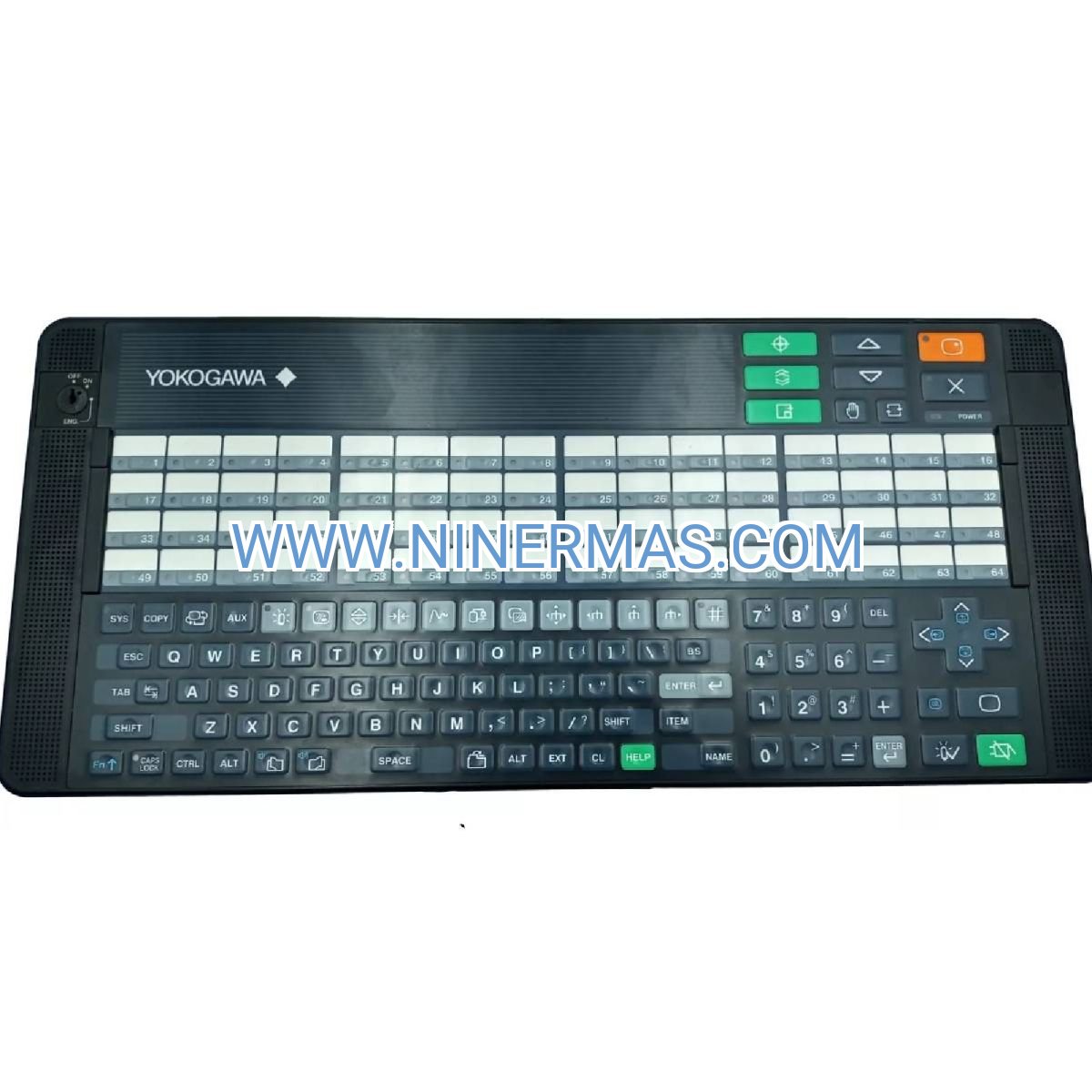
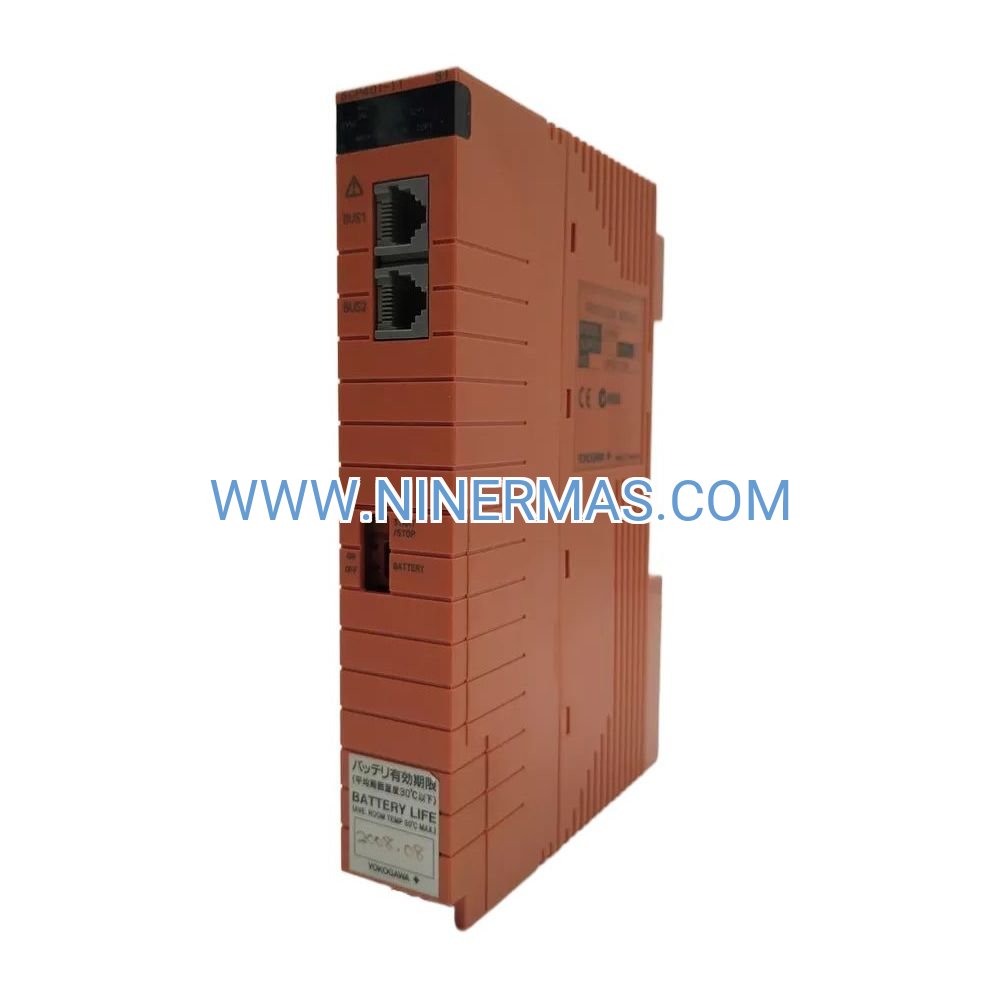
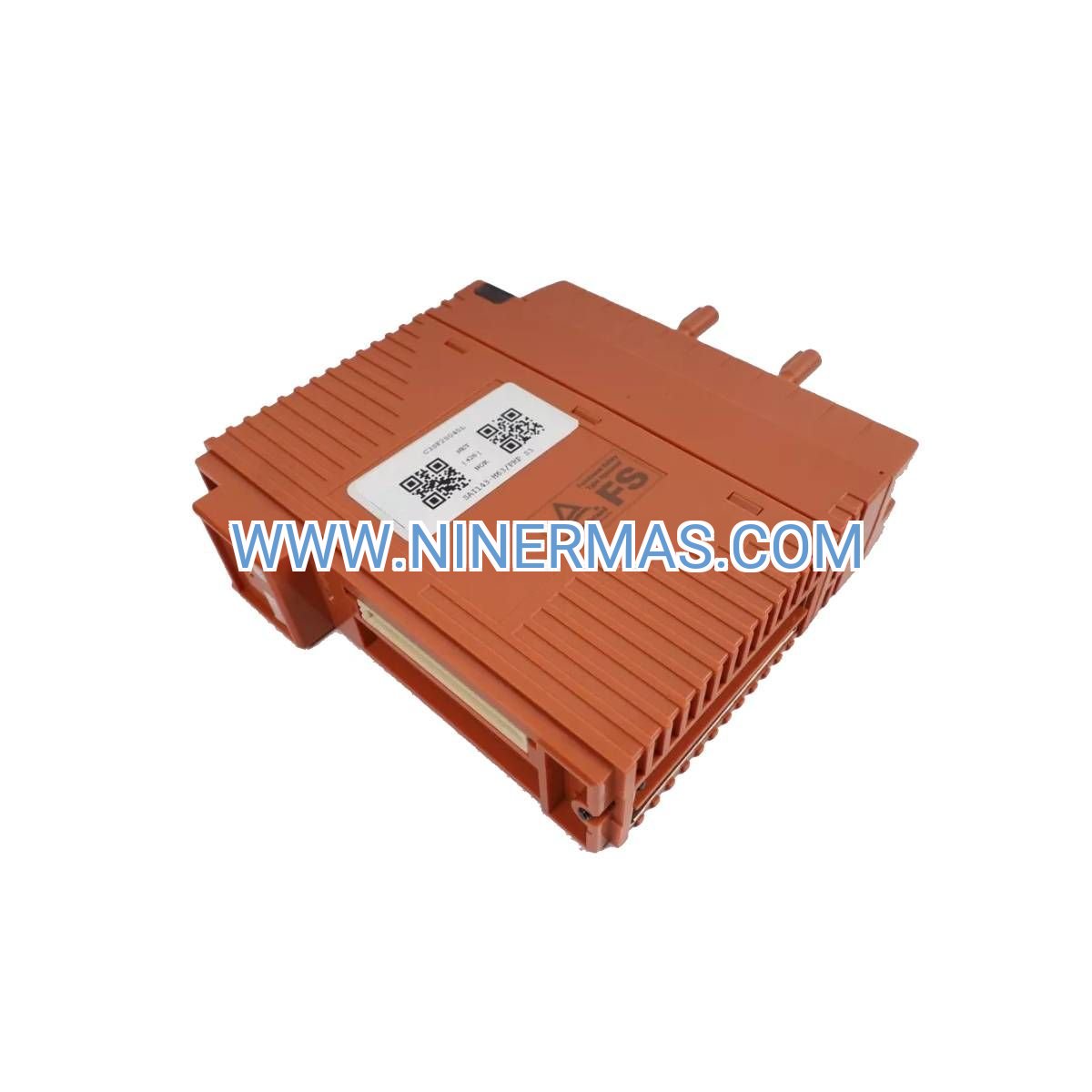
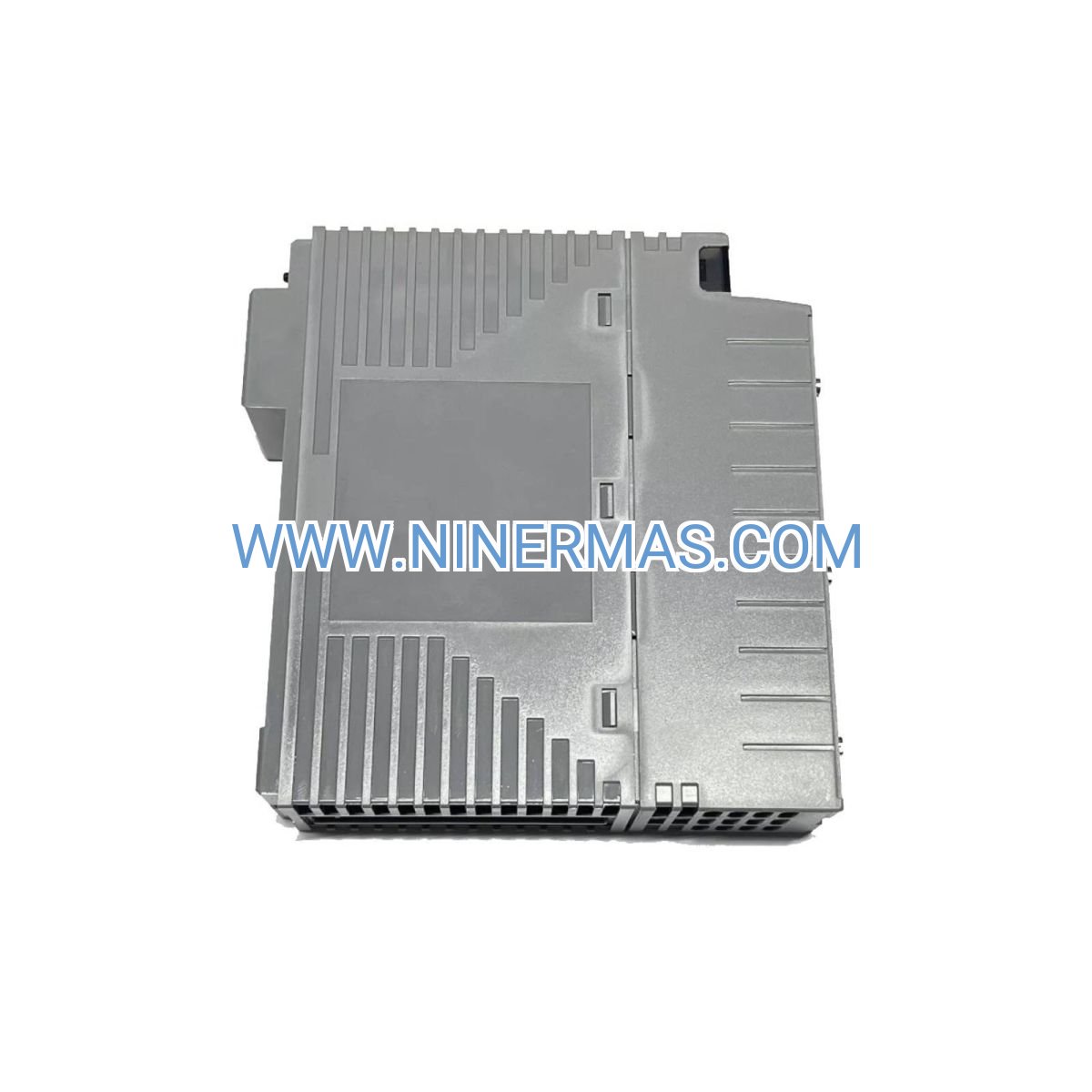
AIP831-111 Operation Keyboard (Industrial-Grade Multi-Loop Controller)
The AIP831-111 represents a specialized human-machine interface solution designed for operators managing complex distributed control systems. Built specifically for Yokogawa CENTUM VP Desktop HIS environments, this eight-loop operation keyboard transforms how process engineers interact with critical automation infrastructure.
Industrial facilities face a persistent challenge: coordinating multiple process variables across distributed loops while maintaining operational precision. The AIP831-111 addresses this by consolidating eight independent control channels into a unified tactile interface, eliminating the need to toggle between screens or input devices during time-sensitive adjustments.
Process operators in petrochemical, pharmaceutical, and power generation sectors gain immediate access to simultaneous loop manipulation—adjusting temperature cascades, pressure setpoints, flow ratios, and level controls through a single ergonomic faceplate. Touch-sensor responsiveness ensures reliable input recognition even when wearing protective gloves or operating in high-vibration environments.
Core Capabilities & Operational Value
→ Eight-Loop Simultaneous Control Architecture
Manage up to eight process loops concurrently without switching contexts. Reduces operator response time during upset conditions by 40-60% compared to sequential single-loop interfaces, critical for maintaining process stability during transient events.
✓ Touch-Sensor Faceplate Technology
Capacitive touch keys deliver consistent actuation across temperature ranges from 0°C to 50°C. Sealed construction prevents contamination ingress, maintaining operational integrity in dusty or humid industrial atmospheres where mechanical keyboards fail prematurely.
✓ Instrument Faceplate Highlight System
Visual confirmation of active loop selection through integrated LED indicators. Prevents cross-loop command errors—a common source of process deviations—by providing instant feedback on which control channel is receiving operator input.
→ CENTUM VP Native Integration
Plug-and-play compatibility with Desktop Type HIS configurations eliminates custom driver development. Firmware-level communication ensures sub-100ms command latency, meeting real-time control requirements for fast-responding processes like batch reactors or distillation columns.
✓ Ergonomic Desktop Mounting Profile
Low-profile design (45mm height) reduces wrist strain during extended shifts. Angled key layout aligns with natural hand positioning, decreasing musculoskeletal fatigue reported by operators working 12-hour rotations.
→ Industrial-Grade Construction Standards
Meets IEC 61010 safety requirements for control room equipment. Electrostatic discharge protection (±8kV contact, ±15kV air) safeguards against static buildup common in low-humidity control environments.
Industry Application Scenarios
Petrochemical Refining Operations
Distillation unit operators manage reflux ratios, reboiler duties, overhead pressures, and bottom temperatures simultaneously during grade transitions. The AIP831-111 enables coordinated adjustments across these interdependent loops, maintaining product specifications while preventing column flooding or weeping—conditions that cost $50K-$200K per incident in off-spec product.
Pharmaceutical Batch Manufacturing
Reactor control during API synthesis requires precise coordination of jacket temperature, agitator speed, reagent feed rates, and vacuum levels. Eight-loop capability allows operators to execute validated recipes with tighter process control (±0.5°C vs. ±2°C temperature variance), directly impacting batch yield and regulatory compliance.
Power Generation Boiler Control
Combustion optimization demands real-time balancing of fuel flow, air flow, steam pressure, drum level, and flue gas oxygen across multiple burner zones. Simultaneous loop access reduces load-following response time by 30-45 seconds—critical for grid stability and avoiding costly frequency deviations.
Water Treatment Clarification Systems
Coagulation processes require synchronized control of chemical dosing pumps, mixer speeds, pH adjustment, and sludge removal rates. Multi-loop operation prevents the lag-induced oscillations that degrade effluent quality and trigger permit violations.
Food & Beverage Pasteurization Lines
HTST (High-Temperature Short-Time) systems coordinate product flow, heating medium temperature, holding tube residence time, and regeneration efficiency. The AIP831-111's rapid loop switching capability helps operators respond to viscosity changes or fouling conditions before product safety margins are compromised.
Technical Parameters & Selection Criteria
| Parameter | Specification |
|---|---|
| Model Designation | AIP831-111 |
| Control Loop Capacity | 8 loops (simultaneous operation) |
| Compatible Systems | CENTUM VP Desktop Type HIS |
| Input Technology | Capacitive touch-sensor keys |
| Visual Feedback | Instrument faceplate highlight (LED indicators) |
| Mounting Type | Desktop integration (HIS workstation) |
| Operating Temperature | 0°C to 50°C (32°F to 122°F) |
| Communication Protocol | CENTUM VP native (proprietary) |
| Response Latency | <100ms (command to system acknowledgment) |
| Dimensions (W×D×H) | Approx. 350mm × 200mm × 45mm |
| Weight | 2.0 kg |
| Safety Compliance | IEC 61010 (control room equipment) |
Selection Guidelines:
Choose the AIP831-111 when your CENTUM VP HIS configuration requires operators to manage 4-8 process loops within a single operational view. For facilities with fewer than four critical loops per operator station, consider the single-loop AIP830 variant to optimize cost-per-workstation. Environments exceeding eight loops should evaluate distributed HIS architectures with multiple AIP831 units rather than forcing operators to manage excessive loop counts through a single interface—cognitive load studies indicate control accuracy degrades beyond 8-10 simultaneous variables.
Verify HIS desktop compatibility before procurement: the AIP831-111 requires CENTUM VP R6.01 or later firmware versions. Legacy R5.xx systems may require controller upgrades to support the enhanced communication protocol. Consult Yokogawa system integration documentation (TI 33M02A20-01E) for detailed compatibility matrices.
Advanced Integration Capabilities
Alarm Management Synchronization
The keyboard integrates with CENTUM VP's alarm prioritization engine, allowing operators to acknowledge, silence, or escalate alarms directly from the faceplate without navigating alarm summary screens. This reduces alarm response time by 15-25 seconds during high-alarm-rate events (>10 alarms/minute), preventing alarm floods that obscure critical process deviations.
Recipe Management Interface
For batch-oriented processes, the AIP831-111 supports recipe parameter loading through dedicated function keys. Operators can initiate pre-validated setpoint sequences across all eight loops simultaneously, ensuring batch-to-batch consistency and reducing manual transcription errors that cause recipe deviations.
Trend Display Quick-Access
Configurable hotkeys provide instant access to real-time trend displays for selected loops. Process engineers use this feature during troubleshooting to correlate control actions with process responses, accelerating root-cause analysis for oscillations, overshoots, or sluggish loop performance.
Custom Macro Programming
Advanced users can define multi-step command sequences (macros) for routine operations like startup, shutdown, or grade transitions. A single keypress executes coordinated setpoint changes, valve positioning, and mode transfers across multiple loops—reducing 5-10 minute manual procedures to 30-second automated sequences.
Delivery Timeline & Service Framework
Standard Lead Time: 4-6 weeks for factory-new units shipped from authorized Yokogawa distribution centers. Expedited delivery (2-3 weeks) available for critical path projects with premium freight surcharges.
Customized Configurations: 8-10 weeks for units requiring non-standard faceplate labeling, alternative key layouts, or integration with third-party HIS platforms. Custom orders require engineering review and may incur NRE (non-recurring engineering) fees.
Warranty Coverage: 24-month manufacturer warranty covering defects in materials and workmanship. Warranty includes replacement of failed touch-sensor assemblies, LED indicator modules, and communication interface boards. Does not cover damage from improper installation, electrical surges, or unauthorized modifications.
Technical Support: Access to Yokogawa's global support network with 24/7 hotline availability for critical process issues. Support includes remote diagnostics via CENTUM VP's built-in maintenance tools, firmware update assistance, and configuration troubleshooting. On-site field service available within 48-72 hours for warranty-covered failures.
Documentation Package: Each unit ships with installation manual (IM 33M02A10-01E), configuration guide, loop assignment templates, and CAD drawings for panel cutout dimensions. Digital documentation accessible through Yokogawa's STARDOM portal includes video tutorials for initial setup and operator training materials.
Spare Parts Availability: Critical wear components (touch-sensor membranes, LED arrays) stocked at regional service centers with 3-5 day delivery. Recommended spare parts kit (P/N: AIP831-SPK) includes one complete faceplate assembly and communication cable—sufficient for 5-7 years of operation based on typical industrial duty cycles.
Frequently Asked Questions
How does the AIP831-111 connect to existing CENTUM VP HIS workstations?
The keyboard connects via a dedicated USB interface cable (included) to the HIS desktop unit. The CENTUM VP system automatically detects the device during startup and loads the appropriate driver from the controller's firmware library. No manual driver installation or configuration files are required—plug-and-play operation is standard for R6.01+ systems. For redundant HIS configurations, a secondary connection cable enables automatic failover to the backup workstation.
What is the maximum number of AIP831 keyboards supported per HIS station?
Each Desktop Type HIS supports up to two AIP831-111 keyboards simultaneously, providing control access to 16 total loops from a single operator position. This configuration is common in complex processes like crude distillation units or polymerization reactors where operators manage primary and secondary control loops. Systems requiring more than 16 loops per station should implement multiple HIS workstations with distributed operator responsibilities.
Can the keyboard operate in hazardous area classifications?
The AIP831-111 is designed for control room (non-hazardous) environments and does not carry intrinsic safety certifications for Zone 1/Division 1 installations. For control rooms adjacent to classified areas, ensure the HIS enclosure meets local electrical code requirements (typically NEMA 12 or IP54 minimum). Field-mounted operator interfaces in hazardous zones require explosion-proof HIS variants or remote I/O with fiber-optic isolation.
What energy efficiency improvements does multi-loop control provide?
Simultaneous loop control enables coordinated optimization strategies that single-loop interfaces cannot achieve. For example, in a heat exchanger network, operators can adjust hot-side and cold-side flows concurrently to maintain approach temperatures within ±1°C rather than ±3°C—reducing thermal energy waste by 8-12%. In combustion systems, synchronized fuel/air ratio adjustments improve efficiency by 2-4 percentage points, translating to $50K-$200K annual fuel savings for a 100 MW boiler.
Are there specific installation requirements for optimal keyboard performance?
Mount the keyboard on a stable, vibration-isolated surface at a height of 700-750mm from the floor (standard control room desk height). Position the unit 400-500mm from the HIS display to minimize head movement between screen and keyboard. Ensure ambient lighting does not create glare on the faceplate—LED indicators should be clearly visible under 500-1000 lux control room illumination. Maintain 50mm clearance on all sides for cable routing and heat dissipation.
How does the system handle operator authentication and access control?
The AIP831-111 inherits security policies from the CENTUM VP HIS software layer. Operators must authenticate via the HIS login before keyboard commands are accepted. Role-based access control (RBAC) restricts which loops each operator can modify—for example, junior operators may have read-only access to critical safety loops while senior operators retain full control authority. All keyboard actions are logged in the CENTUM VP audit trail with operator ID, timestamp, and modified parameter values for regulatory compliance (21 CFR Part 11, GAMP 5).
Take the Next Step in Process Control Optimization
Upgrade your CENTUM VP HIS infrastructure with the AIP831-111 multi-loop keyboard and experience measurable improvements in operator efficiency, process stability, and incident response time. Our technical team is ready to assess your current DCS configuration and recommend the optimal keyboard deployment strategy for your facility.
Request a detailed integration proposal: Contact our automation specialists at sale@ninermas.com or call +0086 187 5021 5667. We provide system compatibility verification, ROI analysis based on your process characteristics, and turnkey installation support including operator training and commissioning assistance.
© 2026 NINERMAS COMPANY LIMITED. All rights reserved.
Original Source: https://ninermas.com
Contact: sale@ninermas.com | +0086 187 5021 5667
PDF Specification
Download PDF file here:
Click to Download PDFRelated products

Contact Info
-
Address:22 / F, South Wo Hang building, 148 Wing Lok Street, Sheung Wan, Western District, Hong Kong
-
Phone:+8618750215667
-
Email: