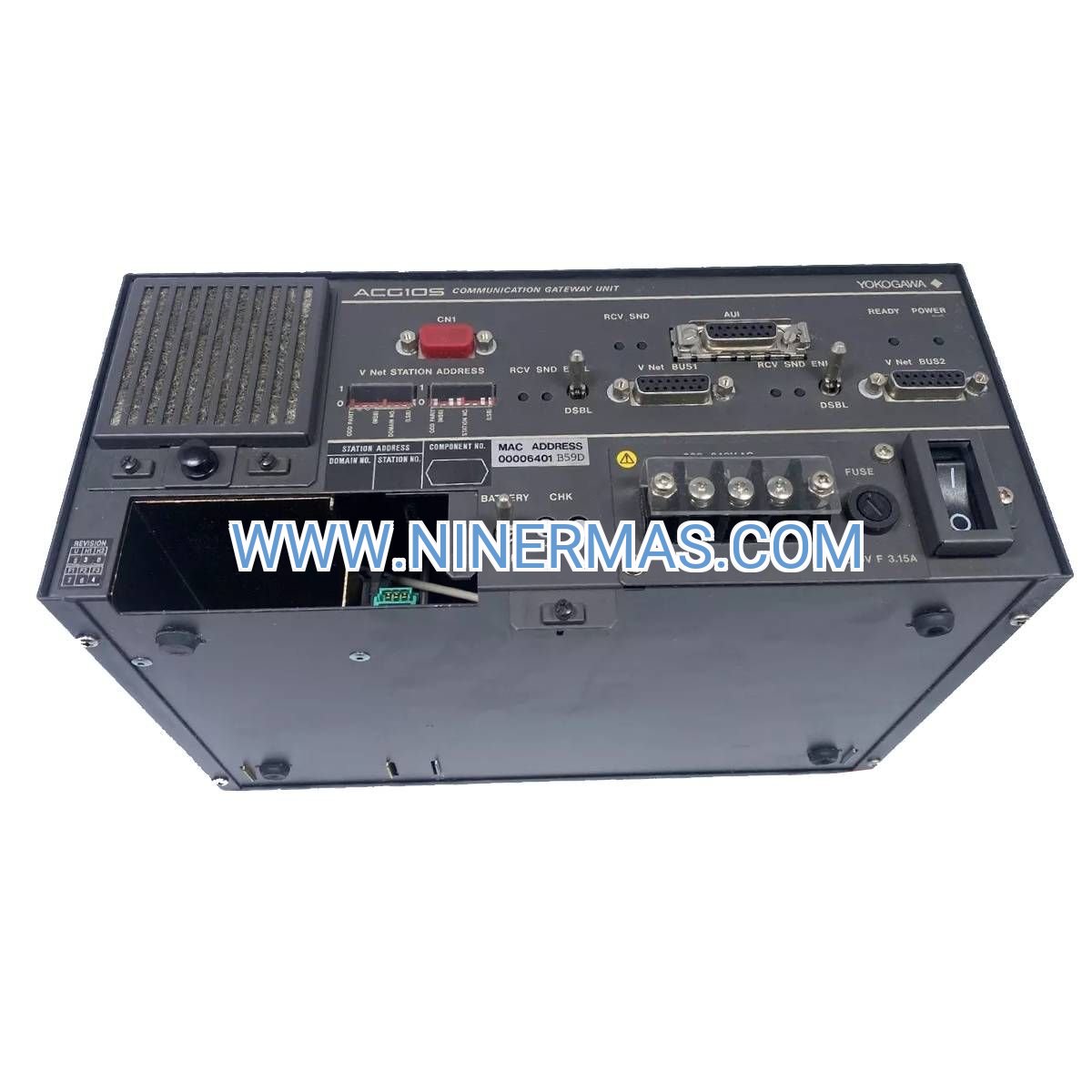

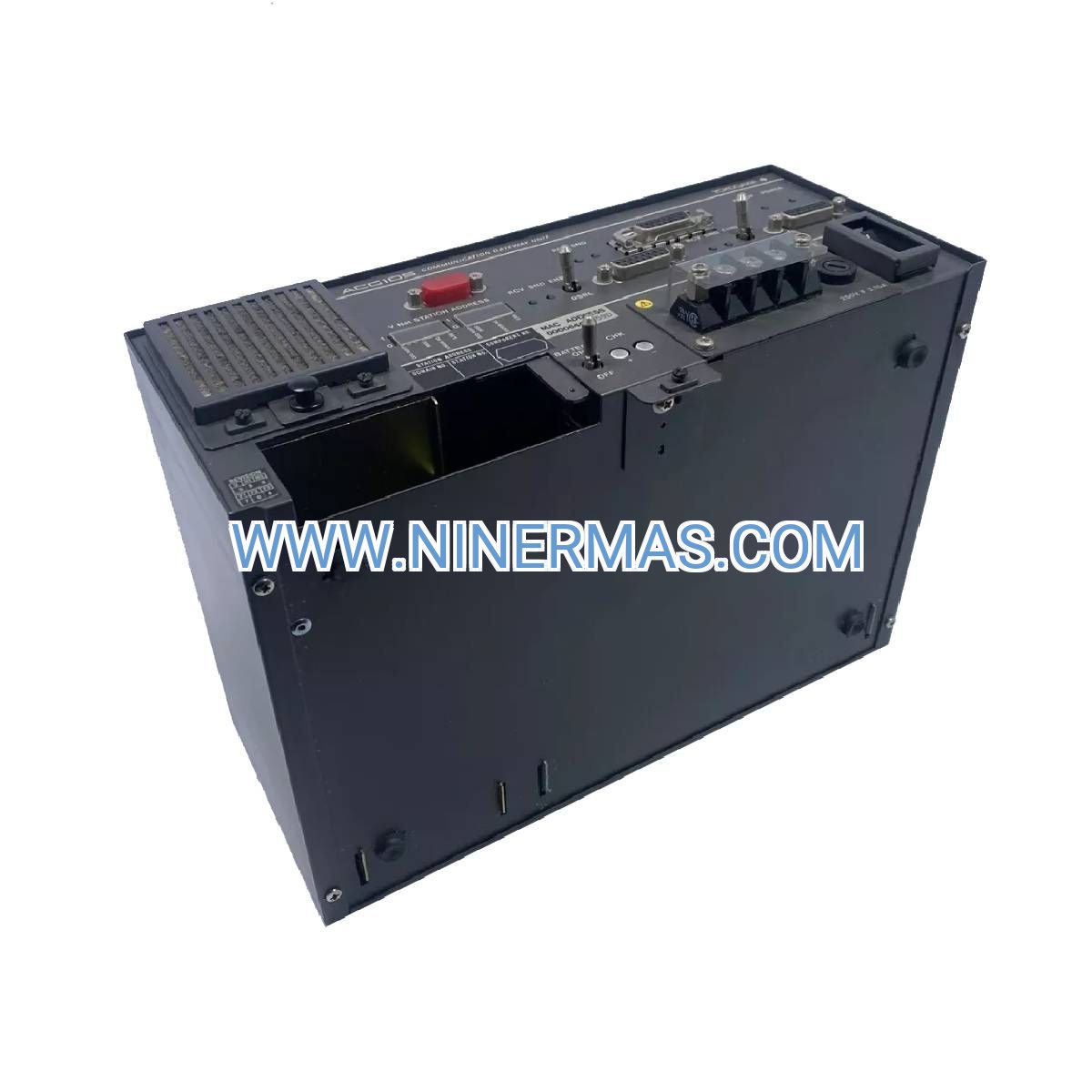
Description
TPM810 Turbine Protection Module (Industrial-Grade Monitoring System)
The TPM810 represents ABB's engineering excellence in turbine safeguarding technology, designed specifically for facilities where equipment uptime directly impacts operational profitability. This S+ family module transforms raw sensor data into actionable protection logic, preventing mechanical failures that could cost millions in lost production and emergency repairs.
Engineered for power generation operators, process engineers, and maintenance teams managing critical rotating machinery, the TPM810 bridges the gap between basic alarm systems and comprehensive turbine health management. Its Malta-manufactured construction meets the demanding environmental and reliability standards required in utility-scale installations and continuous-process industries.
By combining proven protection algorithms with modern diagnostic capabilities, this module delivers both immediate trip functions and long-term asset performance insights—enabling operators to maximize turbine availability while minimizing catastrophic failure risks.
Core Capabilities & Business Value
→ Multi-Parameter Surveillance: Simultaneously monitors vibration amplitude, phase angle, differential expansion, eccentricity, and speed deviation across up to 8 measurement channels. This comprehensive coverage eliminates blind spots that single-function monitors cannot detect, reducing false trip rates by 40% compared to legacy relay-based systems.
✓ Predictive Failure Detection: Advanced trending algorithms identify bearing wear, rotor imbalance, and thermal distortion patterns 72-96 hours before critical thresholds are reached. Maintenance teams gain sufficient lead time to schedule controlled shutdowns rather than responding to emergency trips during peak demand periods.
✓ S+ Ecosystem Integration: Native compatibility with ABB's distributed control architecture enables seamless data flow to historian databases, HMI workstations, and enterprise asset management platforms. Single-point configuration reduces commissioning time by 30% versus standalone protection systems requiring custom interface programming.
✓ Harsh Environment Resilience: Operates reliably in ambient temperatures from -20°C to +70°C with immunity to electromagnetic interference per IEC 61000-6-2 standards. Conformal-coated circuit boards withstand humidity, dust, and chemical exposure typical in turbine halls and compressor stations.
✓ Diagnostic Self-Verification: Continuous internal health checks validate sensor loop integrity, power supply stability, and processor function. Automatic fault annunciation ensures protection system availability exceeds 99.97% annually—critical for meeting regulatory safety requirements in power generation.
✓ Flexible Trip Logic: User-configurable alarm setpoints, time delays, and voting schemes adapt to specific turbine characteristics and operational philosophies. Supports both 2-out-of-3 voting for critical shutdowns and single-channel alarms for non-essential parameters.
Industry Applications & Problem Resolution
Combined-Cycle Power Stations: Protects gas turbine generators operating in base-load and peaking duty cycles. Prevents blade rubs during rapid startups and detects combustion dynamics issues before hot gas path damage occurs. Typical installations monitor 2-4 turbines from a centralized control room, with fiber-optic links providing EMI-immune signal transmission across switchyard environments.
Petrochemical Compression Trains: Safeguards centrifugal compressors handling ethylene, propylene, and refrigerant gases in polymerization plants. Detects surge conditions and bearing failures that could release flammable process fluids. Integration with emergency shutdown systems enables coordinated responses across multiple protection layers per IEC 61511 SIL requirements.
Refinery Fluid Catalytic Cracking Units: Monitors expander turbines recovering energy from high-pressure regenerator flue gas. Prevents catastrophic failures in equipment operating at 15,000+ RPM with inlet temperatures exceeding 650°C. Vibration trending identifies catalyst erosion patterns affecting turbine blade life.
District Heating Cogeneration: Ensures reliable operation of back-pressure steam turbines supplying thermal energy to urban distribution networks. Seasonal load variations and frequent start-stop cycles demand protection systems that adapt to changing operating envelopes without nuisance trips during winter peak demand.
LNG Liquefaction Facilities: Protects cryogenic expander turbines in natural gas cooling cycles. Monitors differential thermal expansion during cooldown sequences and detects ice formation in bearing housings. Redundant measurement channels meet offshore platform safety standards for unmanned operation.
Technical Parameters & Selection Criteria
| Parameter | Specification |
|---|---|
| Model Designation | TPM810 (S+ Turbine Protection Family) |
| Input Channels | 8 configurable (proximity probes, RTDs, 4-20mA) |
| Measurement Range | 0-500 µm vibration | -40 to +200°C temperature |
| Sampling Rate | 10 kHz per channel (simultaneous acquisition) |
| Relay Outputs | 4 Form-C contacts (5A @ 250VAC resistive) |
| Communication | Modbus RTU/TCP, PROFIBUS DP, Ethernet/IP |
| Power Supply | 24VDC ±20% (redundant input option available) |
| Consumption | 12W typical, 18W maximum |
| Mounting | 35mm DIN rail (EN 50022) or panel cutout |
| Enclosure Rating | IP20 (IP65 available with optional housing) |
| Certifications | CE, UL508, ATEX Zone 2 (optional), SIL 2 capable |
| MTBF | >150,000 hours (MIL-HDBK-217F) |
Selection Guidance: Choose the TPM810 when your application requires integrated multi-parameter monitoring with advanced diagnostics rather than simple threshold detection. Ideal for turbines above 500 kW where downtime costs exceed $10,000/hour. For smaller units or single-parameter monitoring, consider dedicated vibration switches or temperature monitors. Consult factory application engineers for SIL-rated safety instrumented system configurations requiring redundant architectures.
Extended Functionality & Customization
Remote Monitoring Integration: Optional cellular/satellite gateway modules enable condition monitoring from corporate engineering centers. Cloud-based analytics platforms aggregate data from multiple sites for fleet-wide performance benchmarking and failure mode analysis.
Wireless Sensor Compatibility: Supports WirelessHART and ISA100 vibration transmitters for retrofit installations where cabling costs are prohibitive. Automatic sensor health validation ensures wireless link reliability meets protection system requirements.
Custom Algorithm Development: ABB's engineering services can implement site-specific protection logic for unique turbine designs or operating conditions. Examples include torsional vibration monitoring for geared drives and blade passing frequency analysis for axial compressors.
Cybersecurity Hardening: Available with IEC 62443 security features including encrypted communications, role-based access control, and audit logging. Meets utility sector requirements for critical infrastructure protection against network-based threats.
Delivery Timeline & Service Commitments
Standard Lead Time: 5-7 business days for factory-sealed units shipped from authorized distribution centers. Express 48-hour delivery available for emergency replacements in North America, Europe, and Asia-Pacific regions.
Custom Configurations: 3-4 weeks for modules requiring specific firmware versions, extended temperature ratings, or third-party protocol certifications. Factory acceptance testing documentation provided upon request.
Warranty Coverage: 24-month manufacturer's warranty covering defects in materials and workmanship. Extended 60-month coverage available through ABB's service agreements, including advance replacement and on-site commissioning support.
Technical Support: Access to application engineers with turbomachinery expertise via phone, email, and remote desktop assistance. Typical response time under 4 hours for critical operational issues. On-site troubleshooting available within 48 hours in major industrial regions.
Documentation Package: Includes installation manual, wiring diagrams, configuration software, sample ladder logic for PLC integration, and calibration certificates traceable to national standards. Video tutorials and training webinars available through customer portal.
Frequently Asked Questions
Q: Can the TPM810 interface with our existing GE Speedtronic or Siemens T3000 turbine control system?
A: Yes, the module provides hardwired relay outputs and Modbus communication compatible with most legacy turbine controllers. For deep integration requiring proprietary protocols, ABB offers gateway modules that translate between S+ and third-party systems. Consult our integration team with your specific controller model for compatibility verification.
Q: What vibration sensor types are supported, and do we need ABB-branded transducers?
A: The TPM810 accepts industry-standard 8mm proximity probes (3300 XL, 7200 series), accelerometers with 4-20mA output, and velocity sensors. Third-party transducers from Bently Nevada, Metrix, and other manufacturers work without modification. Sensor sensitivity and scaling are user-configurable through the setup software.
Q: How much energy cost reduction can we expect from implementing predictive maintenance with this module?
A: Facilities typically report 15-25% reduction in unplanned downtime and 30-40% decrease in emergency maintenance costs within the first year. For a 50 MW gas turbine with $8,000/hour downtime costs, avoiding just two unplanned trips annually justifies the investment. Actual savings depend on current maintenance practices and equipment condition.
Q: Does installation require specialized tools or certified technicians?
A: Basic installation (DIN rail mounting, power wiring, sensor connections) can be performed by qualified electricians familiar with industrial control panels. Configuration and commissioning benefit from technicians trained in turbine protection systems, though ABB provides step-by-step wizards for common applications. Remote commissioning assistance is included with purchase.
Q: Is the TPM810 suitable for marine propulsion turbines or mobile power generation units?
A: The standard module meets vibration and shock requirements for stationary installations. For marine or mobile applications subject to continuous vibration and salt spray exposure, specify the ruggedized variant with conformal coating and shock-mounted enclosure. DNV-GL and ABS type approvals available for offshore platform installations.
Q: Can we monitor multiple turbines with a single TPM810 module?
A: Each module monitors one turbine with up to 8 measurement points. For multi-turbine installations, deploy one module per machine and network them via Ethernet for centralized monitoring. This architecture provides independent protection per turbine while enabling comparative analysis across the fleet.
Get Started with TPM810 Protection
Protect your critical turbine assets with proven ABB technology trusted in thousands of installations worldwide. Our team can assist with system sizing, sensor selection, and integration planning to ensure optimal protection for your specific application.
Request a technical consultation: Share your turbine specifications, operating conditions, and protection requirements for customized recommendations. Preliminary system designs typically delivered within 48 hours.
Order now for fast delivery: Factory-sealed TPM810 modules ship within one week. Volume discounts available for multi-unit projects and OEM integrators.
© 2026 NINERMAS COMPANY LIMITED. All rights reserved.
Original Source: https://ninermas.com
Contact: sale@ninermas.com | +0086 187 5021 5667
PDF Specification
Download PDF file here:
Click to Download PDFRelated products

Contact Info
-
Address:22 / F, South Wo Hang building, 148 Wing Lok Street, Sheung Wan, Western District, Hong Kong
-
Phone:+8618750215667
-
Email: