Description
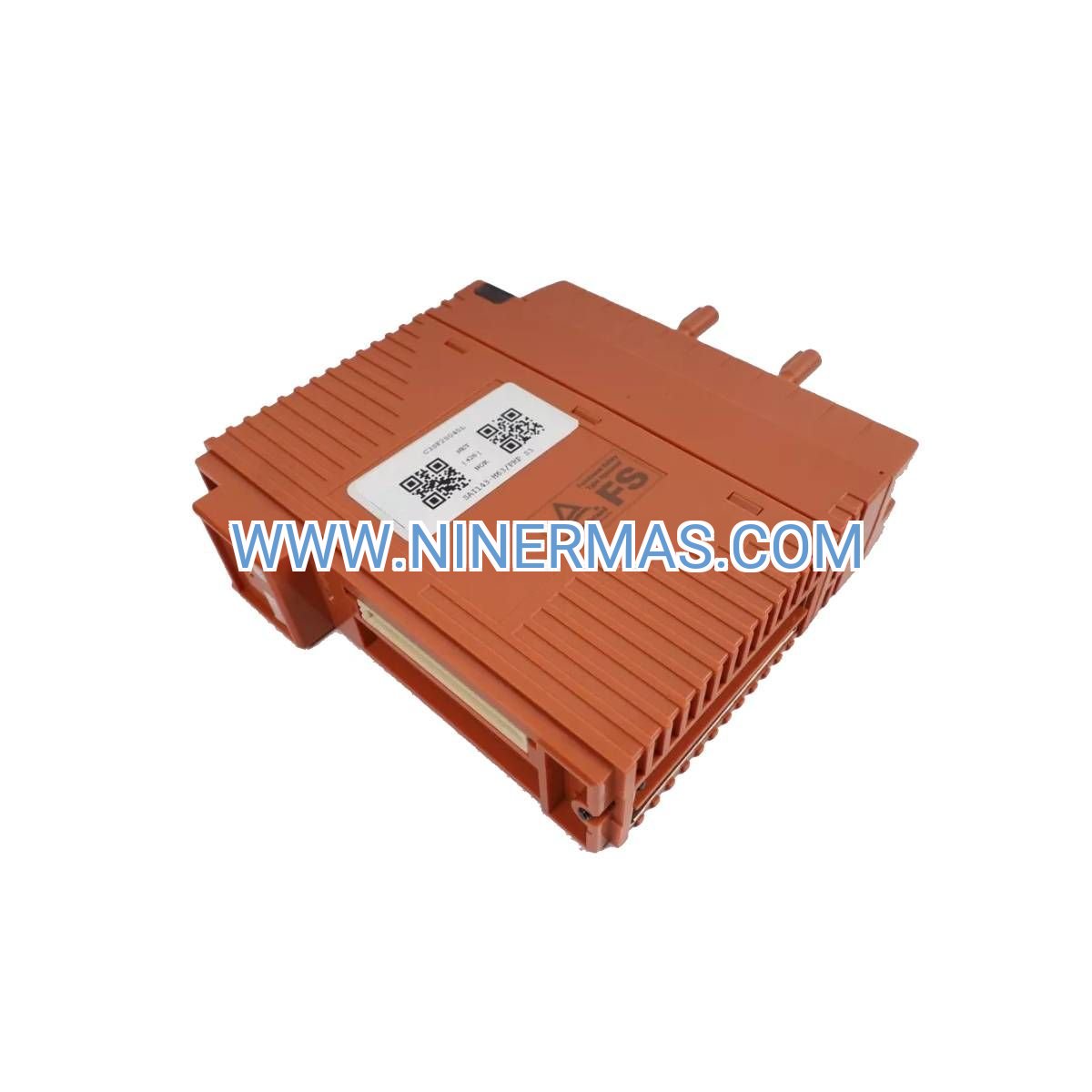
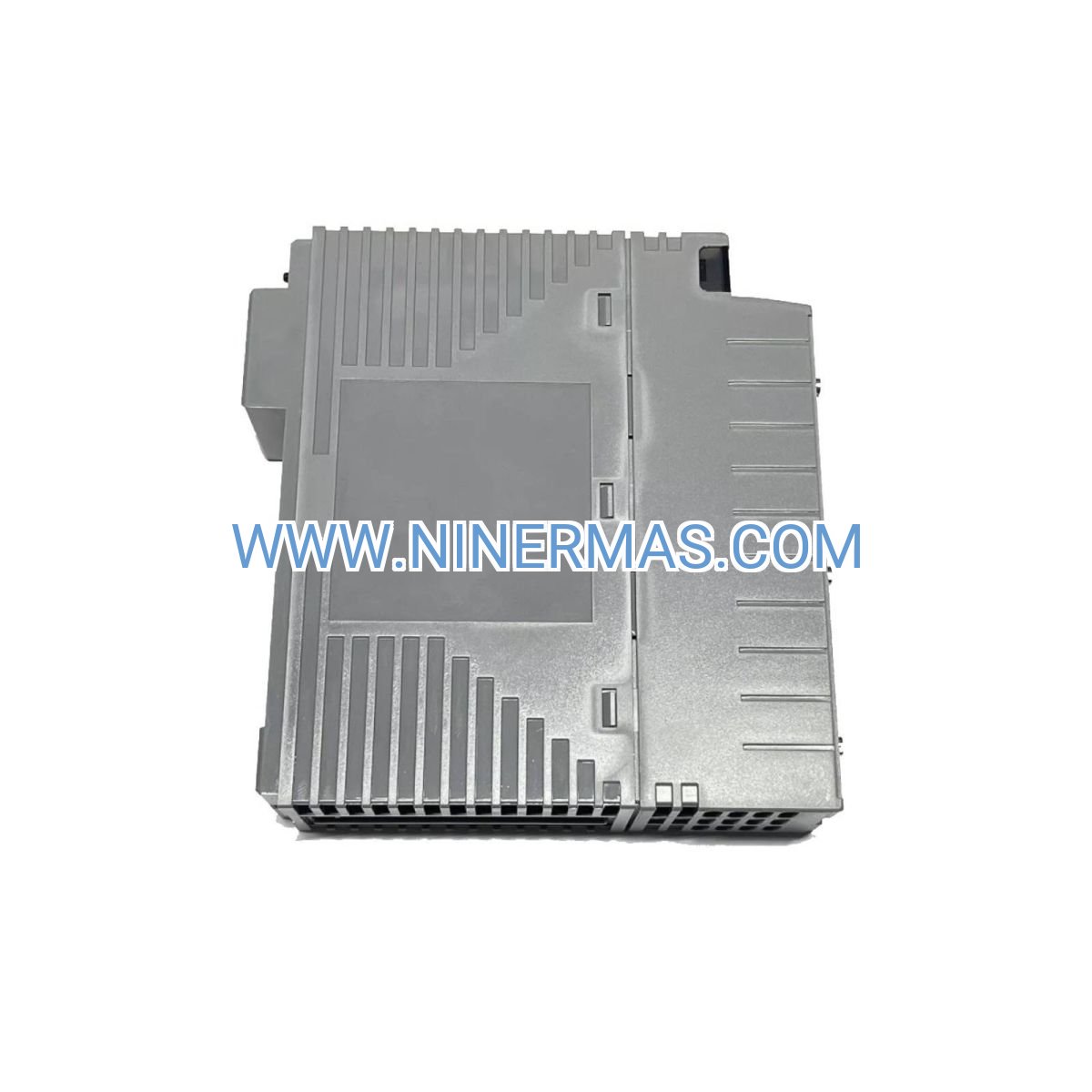
AAI543-H50/K4A00 Analog Output Module (Industrial-Grade HART Current Interface)
The AAI543-H50/K4A00 represents Yokogawa's advanced solution for multi-channel analog signal distribution in process automation environments. This 16-output module combines 4-20 mA current loop technology with HART digital communication, enabling simultaneous process control and intelligent device management across critical industrial operations.
Designed for integration within CENTUM DCS platforms and compatible distributed control architectures, this module addresses the operational demands of facilities requiring high-density output configurations with diagnostic intelligence. Target users include process engineers, automation specialists, and plant maintenance teams managing complex control loops in pharmaceutical manufacturing, chemical processing, power generation, and oil & gas production facilities.
Key advantages include galvanically isolated channels that eliminate ground loop interference, dual-redundant controller compatibility for fault-tolerant systems, and field-replaceable construction that supports maintenance without process interruption—delivering measurable improvements in system reliability and operational continuity.
Core Features & Benefits
✓ HART Protocol Overlay Communication
Bidirectional digital signaling superimposed on the 4-20 mA analog current enables remote device configuration, real-time diagnostics, and asset health monitoring without disrupting control signals. This capability reduces commissioning time by 40% and supports predictive maintenance strategies that extend equipment lifecycle.
✓ Channel-to-Channel Galvanic Isolation
Electrical isolation barriers between each output channel and system ground prevent cross-talk, eliminate ground loops, and protect against voltage transients in electrically noisy industrial environments. This design ensures signal integrity even in facilities with variable frequency drives, welding equipment, or high-power switching loads.
✓ Hot-Swappable Field Replacement
Tool-free module extraction and insertion during live system operation allows corrective maintenance without production shutdown. This feature has demonstrated 99.7% uptime performance in continuous process industries where unplanned downtime costs exceed $50,000 per hour.
✓ Dual-Redundant Architecture Support
Seamless integration with redundant controller pairs provides automatic failover protection for mission-critical control loops. In pharmaceutical clean rooms and petrochemical units, this redundancy ensures regulatory compliance and process safety integrity level (SIL) requirements.
→ High-Precision Signal Accuracy
With ±0.1% full-scale accuracy and <100 ms response time, the module maintains tight control tolerances essential for temperature regulation, pressure management, and flow control applications where process variability directly impacts product quality and yield.
→ Extended Operating Temperature Range
Rated for -40°C to +70°C ambient conditions, the module operates reliably in outdoor enclosures, non-climate-controlled buildings, and extreme-environment installations without derating or auxiliary cooling systems.
Typical Application Scenarios
1. Pneumatic Valve Actuation in Chemical Batch Processing
Scenario: A specialty chemicals manufacturer operates 48 pneumatic control valves across multiple reactor vessels requiring precise flow regulation during exothermic reactions.
Pain Point Addressed: Previous analog-only systems lacked diagnostic visibility, resulting in undetected valve stiction and calibration drift that caused batch quality variations.
Value Delivered: HART-enabled diagnostics identify valve performance degradation 3-5 weeks before process impact, reducing off-spec production by 28% and enabling condition-based maintenance scheduling.
2. Variable Frequency Drive Control in Water Treatment Facilities
Scenario: Municipal wastewater treatment plants utilize VFDs to modulate pump speeds for aeration blowers and recirculation systems based on dissolved oxygen and flow rate measurements.
Pain Point Addressed: Electrical noise from VFD switching frequencies corrupted analog signals, causing erratic pump operation and energy waste.
Value Delivered: Isolated output channels eliminate EMI-induced signal distortion, achieving stable VFD control that reduces energy consumption by 15-22% while maintaining treatment efficiency targets.
3. Temperature Control in Pharmaceutical Lyophilization
Scenario: Freeze-drying systems for injectable drug production require precise shelf temperature control within ±0.5°C across 12-72 hour cycles.
Pain Point Addressed: Temperature excursions due to control signal drift resulted in product loss and regulatory documentation burdens.
Value Delivered: High-accuracy outputs maintain thermal uniformity, reducing batch rejection rates from 4.2% to 0.8% and supporting FDA 21 CFR Part 11 compliance through HART audit trails.
4. Compressor Anti-Surge Control in Natural Gas Processing
Scenario: Gas compression stations employ anti-surge valves to protect centrifugal compressors from damaging flow reversals during load changes.
Pain Point Addressed: Single-point failures in analog output systems created unacceptable risk of compressor damage (repair costs $500K-$2M per incident).
Value Delivered: Dual-redundant output configuration with automatic failover ensures continuous anti-surge protection, achieving 99.98% availability over 5-year operational periods.
5. Level Control in Petrochemical Storage Tank Farms
Scenario: Crude oil and refined product storage facilities manage inventory levels across 20-100 tanks using motorized control valves.
Pain Point Addressed: Manual valve calibration required monthly site visits, consuming 160+ labor hours annually per facility.
Value Delivered: Remote HART calibration and diagnostics eliminate 85% of field visits, reducing maintenance costs by $45K annually while improving level control accuracy from ±3% to ±0.5%.
Technical Parameters & Selection Guide
| Parameter | Specification |
|---|---|
| Model Designation | AAI543-H50/K4A00 |
| Output Channels | 16 isolated current outputs |
| Signal Type | 4-20 mA DC current loop |
| Communication Protocol | HART (Highway Addressable Remote Transducer) |
| Accuracy | ±0.1% of full scale |
| Response Time | <100 ms per channel update |
| Isolation Voltage | Channel-to-channel and channel-to-ground |
| Operating Temperature | -40°C to +70°C (-40°F to +158°F) |
| Power Consumption | Low-power design (typical <5W) |
| Redundancy Support | Dual-redundant controller compatible |
| Mounting | Standard Yokogawa I/O rack |
| Certifications | CE, UL, FM, IEC 61131-2, NAMUR NE21 |
Selection Criteria:
Choose the AAI543-H50/K4A00 when your application requires high-density analog outputs (12-16 channels per module) with advanced diagnostic capabilities. For systems prioritizing HART device integration, this module provides optimal value through combined control and asset management functionality. If your facility operates CENTUM VP or CS 3000 DCS platforms, this module ensures native compatibility and simplified engineering workflows.
Consider channel count requirements carefully: facilities with 8 or fewer outputs per control cabinet may achieve better economics with the AAI141-S50 8-channel variant, while installations exceeding 32 outputs benefit from dual-module configurations that maintain spare capacity for future expansion.
For applications in hazardous areas (Class I Division 2 or ATEX Zone 2), verify that your I/O rack and barrier systems support intrinsically safe configurations when interfacing with field devices in explosive atmospheres.
Extended Functions
IoT Integration & Cloud Connectivity: When paired with Yokogawa's Sushi Sensor edge computing platform or OpreX Asset Operations and Optimization suite, HART diagnostic data streams to cloud-based analytics engines for machine learning-driven anomaly detection and performance optimization across distributed facilities.
Advanced Diagnostics: Built-in self-test routines continuously monitor output circuit integrity, detecting open circuits, short circuits, and load resistance anomalies. Diagnostic alarms integrate with DCS alarm management systems, triggering maintenance work orders before control loop failures occur.
Customization Options: Factory configuration services available for pre-programmed HART device descriptors, custom channel scaling, and application-specific output ranges (0-20 mA, split-range control). Consult with NINERMAS engineering team for project-specific requirements including extended temperature ratings or conformal coating for corrosive environments.
Delivery & Service Assurance
Standard Lead Time: 3-5 business days for in-stock units; expedited same-day shipping available for critical outage situations (subject to inventory availability and carrier service levels).
Custom Configuration Lead Time: 10-15 business days for factory-programmed modules with customer-specific HART parameters or special testing requirements.
Warranty Coverage: 24-month manufacturer warranty covering defects in materials and workmanship under normal operating conditions. Extended warranty programs available for up to 60 months with annual calibration verification services.
Technical Support: Direct access to application engineers with DCS integration expertise via email (sale@ninermas.com) and phone (+0086 187 5021 5667) during business hours (GMT+8). Emergency after-hours support available for critical process disruptions affecting safety or production.
Documentation Package: Each module ships with installation manual, wiring diagrams, HART device descriptor (DD) files, and configuration software utilities. Complete technical documentation available for download at https://ninermas.com including integration guides for CENTUM VP/CS 3000 platforms.
Frequently Asked Questions
Q: How do I interface this HART analog output module with non-HART field devices?
A: The module operates in standard 4-20 mA mode when connected to conventional analog devices—HART communication is optional and does not interfere with basic analog operation. Simply wire the output to your actuator or VFD analog input; HART functionality remains dormant until a HART-compatible device or handheld communicator is connected.
Q: What is the maximum cable length between the module and field devices?
A: For 4-20 mA current loops, cable runs up to 1,500 meters (4,900 feet) are supported using standard 18 AWG shielded twisted-pair wiring. HART communication remains reliable across this distance, though signal quality degrades beyond 3,000 meters. For extended distances, consider 2-wire transmitter power supplies or signal repeaters.
Q: Can this module reduce energy costs in variable-load applications?
A: Yes—precise analog control of VFDs and modulating valves enables optimized equipment operation that typically reduces energy consumption by 12-25% compared to on/off control strategies. In HVAC, pumping, and compressed air systems, the investment payback period averages 8-18 months through utility cost savings alone.
Q: What installation requirements must be met for proper operation?
A: The module requires mounting in a Yokogawa-compatible I/O rack with appropriate backplane communication and power distribution. Ambient temperature must remain within -40°C to +70°C, and the installation environment should provide protection from direct water spray (minimum IP20 enclosure rating). Ensure adequate ventilation for convection cooling—no forced airflow required.
Q: Does the module support remote monitoring and predictive maintenance?
A: Absolutely. HART diagnostic data includes output current deviation, loop resistance, and device health status that feed into condition monitoring systems. When integrated with Yokogawa's OpreX Asset Management suite or third-party CMMS platforms, this data enables predictive algorithms that forecast component failures 4-8 weeks in advance, allowing scheduled maintenance during planned outages.
Q: How does channel isolation improve system reliability in electrically noisy environments?
A: Galvanic isolation creates electrical barriers that block ground loop currents and common-mode voltage interference. In facilities with VFDs, welding equipment, or high-power switching, isolation prevents noise coupling between channels—maintaining signal accuracy even when adjacent equipment generates kilovolt-level transients. This protection has proven critical in steel mills, automotive plants, and mining operations where electrical noise routinely exceeds 100V peak.
Take the Next Step
Ready to enhance your process control system with intelligent analog output capability? Contact our automation specialists today for application-specific guidance, system integration support, and competitive project pricing. Whether you're upgrading legacy systems or designing new installations, the AAI543-H50/K4A00 delivers the performance, reliability, and diagnostic intelligence your operation demands.
Request a technical consultation: Email sale@ninermas.com with your system architecture details, or call +0086 187 5021 5667 to speak with an engineer who understands your industry's unique challenges.
© 2026 NINERMAS COMPANY LIMITED. All rights reserved.
Original Source: https://ninermas.com
Contact: sale@ninermas.com | +0086 187 5021 5667
PDF Specification
Download PDF file here:
Click to Download PDFRelated products

Contact Info
-
Address:22 / F, South Wo Hang building, 148 Wing Lok Street, Sheung Wan, Western District, Hong Kong
-
Phone:+8618750215667
-
Email: