


Description
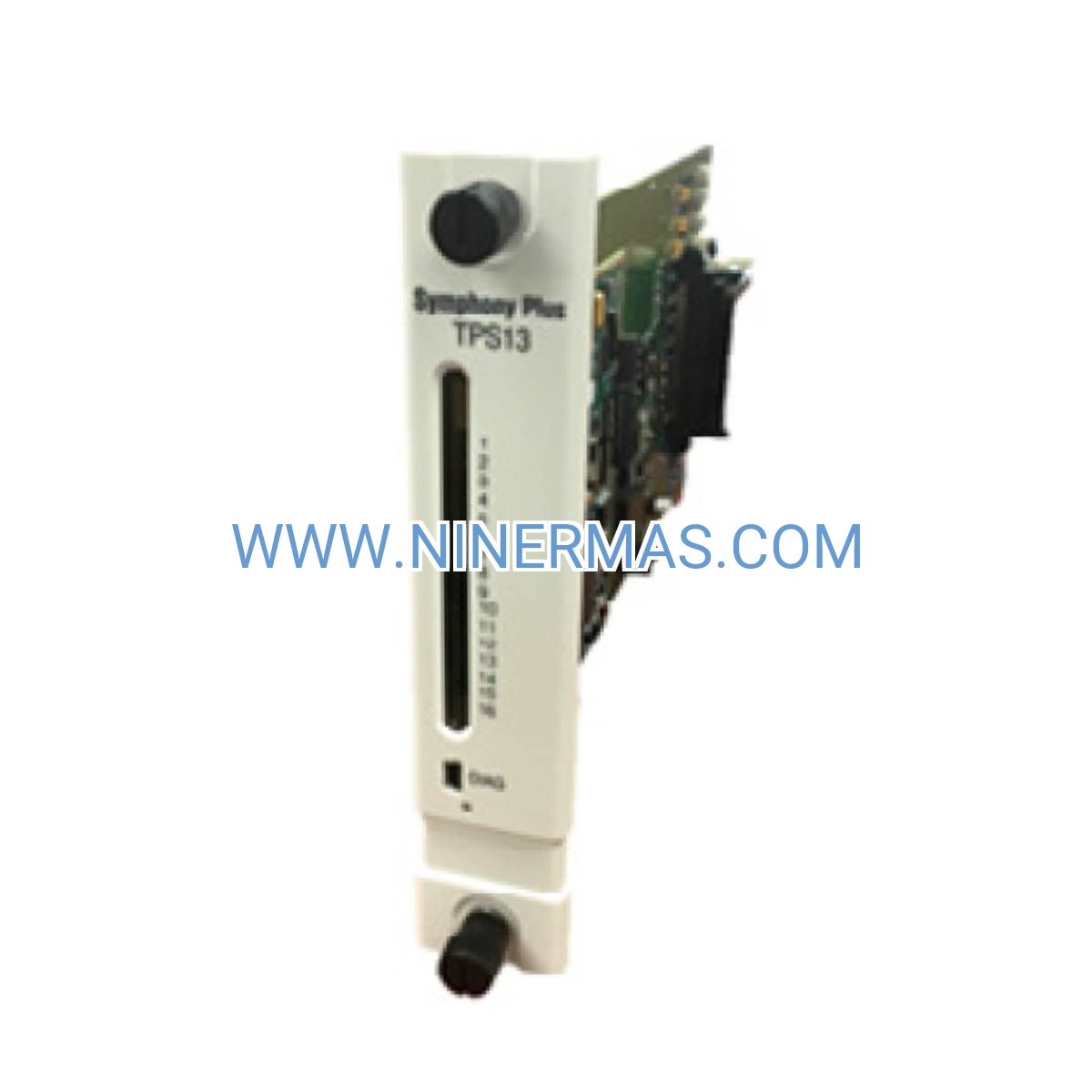
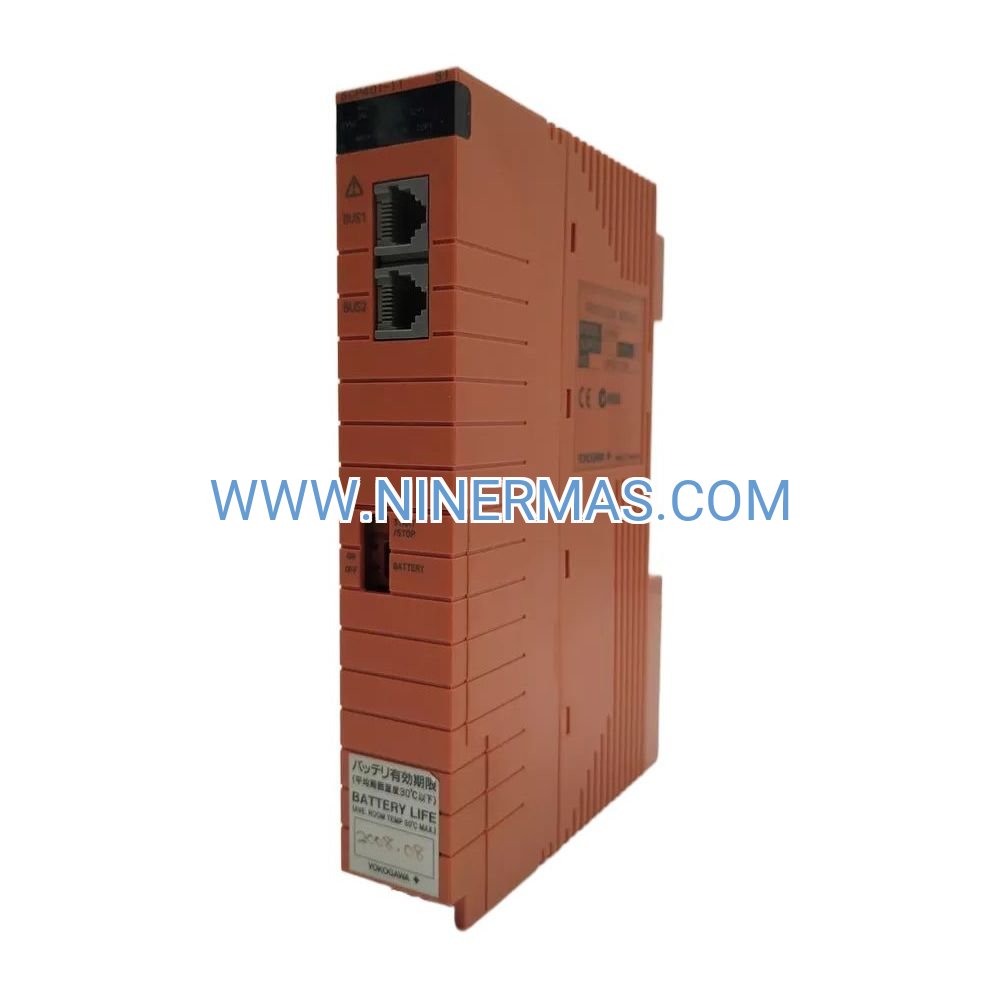
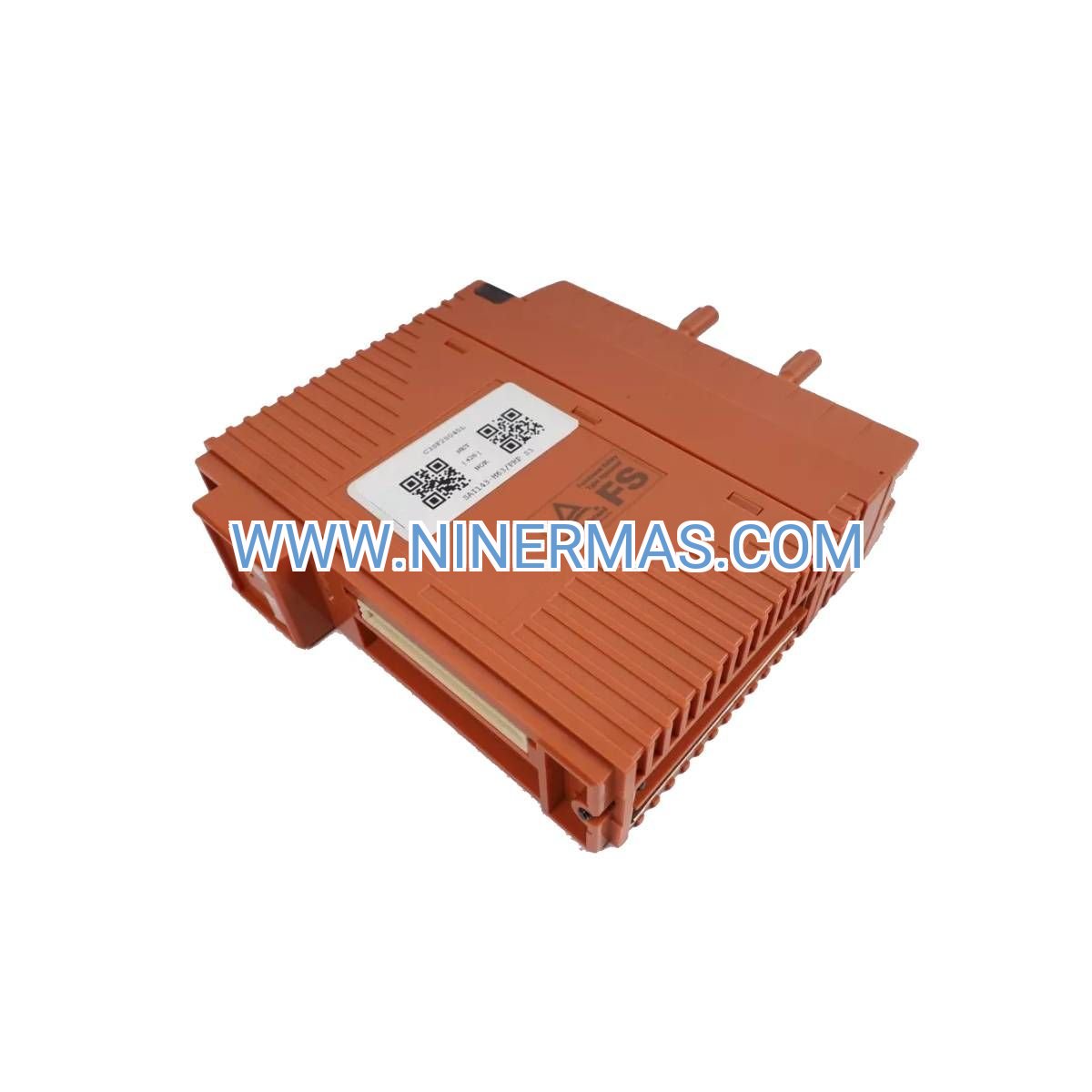
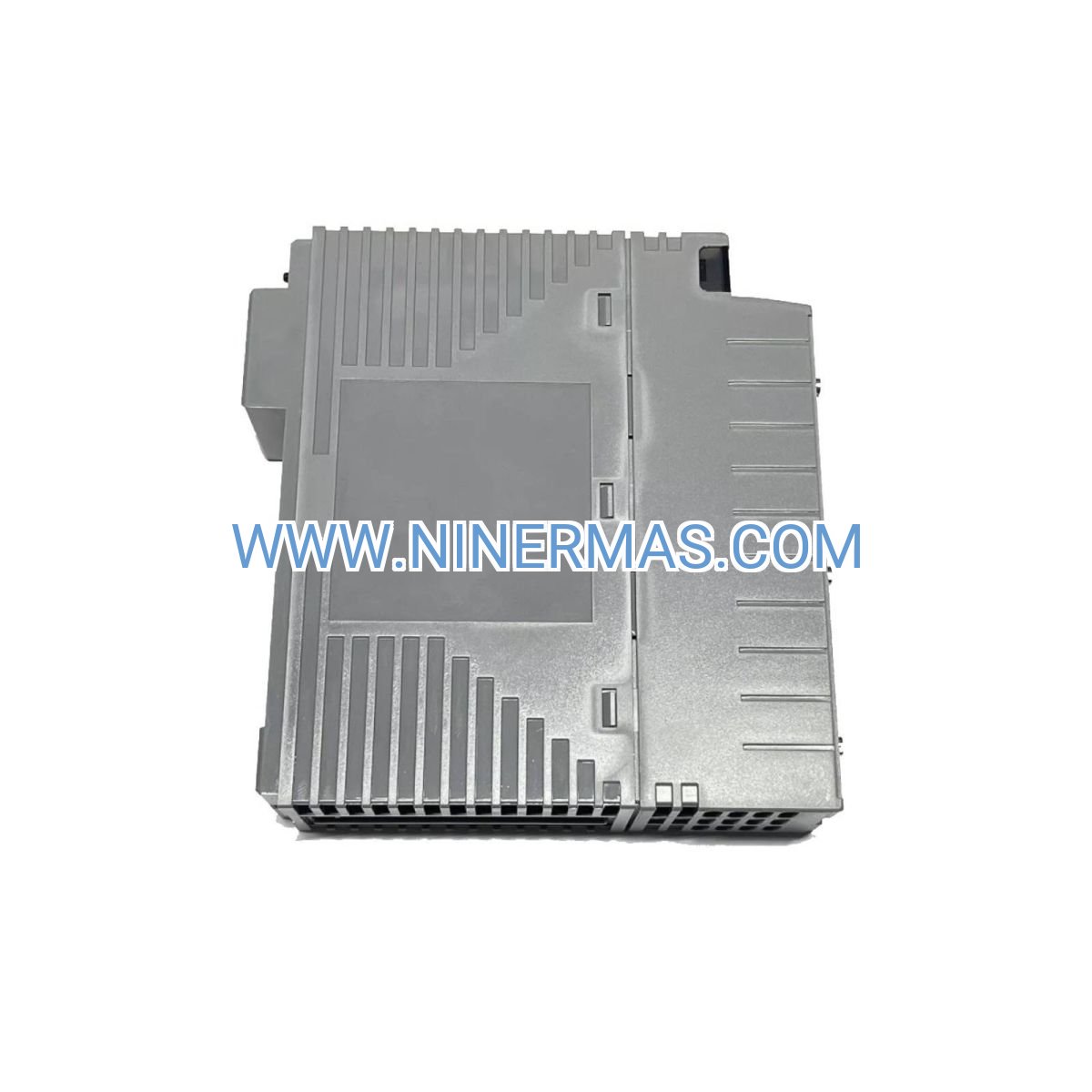
SPTPS13 Turbine Protection Module (Industrial-Grade Safety Controller)
The SPTPS13 represents ABB's advanced approach to turbine safety engineering, combining real-time monitoring intelligence with fail-safe shutdown logic. Designed for steam and gas turbine installations across power generation, petrochemical, and industrial cogeneration sectors, this protection module delivers the critical safety layer that prevents equipment damage and ensures personnel protection during abnormal operating conditions.
Built on proven Symphony Plus architecture, the SPTPS13 integrates seamlessly into existing DCS infrastructures while maintaining independent safety functionality. Its triple-modular redundancy and continuous self-diagnostics provide the reliability demanded by mission-critical turbine applications where downtime costs exceed thousands per hour.
Whether you're commissioning new turbine installations or upgrading legacy protection systems, the SPTPS13 offers backward compatibility with Advant OCS platforms while providing a clear migration path to modern Symphony Plus ecosystems. This dual-generation support protects your automation investment while enabling phased modernization strategies.
Key Features & Technical Advantages
→ Multi-Parameter Safety Monitoring
Simultaneous tracking of rotational speed, bearing vibration, axial displacement, differential expansion, and eccentricity through dedicated sensor channels with independent signal processing paths.
→ Ultra-Fast Emergency Response
Trip decision execution within 10 milliseconds from fault detection to output activation, meeting the most stringent safety response requirements for high-speed rotating machinery.
→ SIL 3 Certified Safety Integrity
IEC 61508 compliance with systematic capability SC3 and hardware fault tolerance, validated through comprehensive failure mode analysis and probabilistic safety calculations.
→ Hot-Swappable Maintenance Design
Field-replaceable modules with automatic configuration transfer enable maintenance activities without turbine shutdown or protection system bypass, maximizing plant availability.
→ Flexible Communication Architecture
Native Profibus DP and Modbus RTU connectivity allows integration with diverse control platforms, SCADA systems, and plant-wide asset management networks.
→ Predictive Diagnostics Integration
Continuous health monitoring with trend analysis capabilities enables condition-based maintenance scheduling and early detection of sensor degradation or wiring faults.
Application Scenarios & Industry Solutions
✓ Utility-Scale Power Generation
Challenge: 500MW combined-cycle plant requires coordinated protection across gas and steam turbines with grid synchronization constraints.
Solution: SPTPS13 modules provide independent overspeed protection for each turbine while coordinating through Symphony Plus DCS for sequential shutdown and black-start capability.
Value: Prevents catastrophic turbine failures while maintaining grid stability during emergency conditions, reducing insurance premiums through certified safety systems.
✓ Petrochemical Mechanical Drives
Challenge: Compressor turbines in ethylene production require protection coordination with process safety systems and emergency depressurization sequences.
Solution: Integration with SIS through hardwired trip outputs and process variable sharing enables coordinated shutdown while maintaining turbine-specific protection logic.
Value: Reduces process upset propagation and equipment damage during abnormal conditions, supporting 99.5%+ mechanical availability targets.
✓ District Heating Cogeneration
Challenge: CHP turbines must balance electrical generation with thermal load requirements while responding to grid frequency variations.
Solution: SPTPS13 monitors turbine parameters while interfacing with heat recovery controls, enabling safe operation across wide load ranges and rapid load rejection scenarios.
Value: Maximizes energy efficiency while protecting capital equipment, supporting renewable integration and demand response programs.
✓ Industrial Steam Turbine Retrofits
Challenge: Aging mechanical overspeed governors lack diagnostic capability and require frequent manual testing with production interruptions.
Solution: SPTPS13 replacement provides electronic overspeed protection with continuous self-testing, eliminating manual trip testing requirements while adding vibration monitoring.
Value: Reduces maintenance labor by 60% while improving safety system reliability and enabling remote monitoring capabilities.
Technical Specifications & Selection Guide
| Parameter | Specification | Notes |
|---|---|---|
| Model Code | SPTPS13 | Symphony Plus platform |
| Safety Rating | SIL 3 (IEC 61508) | Certified for safety-critical applications |
| Response Time | <10ms (trip activation) | From sensor input to output relay |
| Input Channels | 16 configurable (analog/digital) | Supports redundant sensor pairs |
| Operating Range | -10°C to +60°C ambient | Extended range: -25°C to +70°C optional |
| Power Supply | 24VDC ±20% | Dual redundant inputs recommended |
| Communication | Profibus DP / Modbus RTU | Ethernet option via gateway module |
| MTBF | >100,000 hours | Based on Telcordia SR-332 analysis |
| Dimensions | 220mm × 180mm × 65mm | DIN rail or panel mount |
| Weight | 0.3 kg (module only) | Shipping weight: 1.2 kg with packaging |
Selection Criteria: Choose SPTPS13 for turbines requiring SIL 3 protection with Symphony Plus integration. For standalone applications or non-ABB DCS environments, verify protocol compatibility. Turbines above 50MW typically require dual-redundant modules for voting logic. Consult factory application engineers for seismic qualification requirements in high-risk zones.
Advanced Capabilities & System Extensions
Condition Monitoring Integration: Optional vibration analysis package provides FFT spectrum analysis, bearing fault detection algorithms, and rotor balancing guidance through Symphony Plus operator interface.
Remote Diagnostic Access: Secure VPN connectivity enables factory support engineers to perform remote troubleshooting, configuration verification, and firmware updates without site visits, reducing mean time to repair.
Customization Options: Application-specific logic programming available for unique turbine configurations, including extraction turbines, back-pressure units, and multi-shaft arrangements with cross-coupling protection requirements.
Cybersecurity Hardening: IEC 62443 compliance packages include encrypted communications, role-based access control, and audit logging for critical infrastructure applications subject to NERC CIP or similar regulations.
Delivery Timeline & Service Commitment
Standard Lead Time: 3-5 business days for stock configurations; custom-programmed modules ship within 10-12 business days after configuration approval.
Warranty Coverage: Comprehensive 12-month manufacturer warranty covering materials, workmanship, and firmware defects. Extended service agreements available with guaranteed 24-hour response for critical applications.
Technical Support: Lifetime access to application engineering support including configuration assistance, troubleshooting guidance, and system optimization recommendations. On-site commissioning services available globally.
Documentation Package: Each module ships with installation manual, configuration software, calibration certificates, and as-built wiring diagrams. Digital documentation portal provides access to firmware updates and technical bulletins.
Frequently Asked Questions
How does the SPTPS13 interface with existing turbine speed sensors?
The module accepts standard proximity probe signals (8mm, 11mm), magnetic pickups, and optical encoders. Built-in signal conditioning automatically adapts to sensor output levels between 50mV and 24V peak-to-peak. For dual-sensor redundancy, the module performs continuous cross-checking with configurable deviation alarms.
Can this protection module operate independently from the main DCS?
Yes, the SPTPS13 functions as a standalone safety system with hardwired trip outputs that operate regardless of DCS status. Communication with Symphony Plus provides operational data and diagnostics but is not required for core protection functions, ensuring safety integrity during control system failures.
What vibration monitoring capabilities are included in the base configuration?
Standard configuration supports up to 8 vibration channels with peak detection, RMS calculation, and dual-threshold alarming. Advanced FFT analysis and bearing diagnostics require optional software license and Symphony Plus integration for spectrum display and trending.
Is factory training required for commissioning and maintenance?
While not mandatory, ABB offers 3-day certification courses covering SPTPS13 configuration, calibration procedures, and troubleshooting techniques. Comprehensive documentation enables self-commissioning for experienced instrumentation technicians familiar with turbine protection principles.
What is the typical replacement interval for this module?
With proper environmental controls and power quality, SPTPS13 modules routinely exceed 15-year service life. Planned replacement is typically driven by obsolescence management rather than hardware failure. ABB provides 10-year minimum spare parts availability from product discontinuation announcement.
Does the module support integration with third-party vibration monitoring systems?
Yes, through Modbus RTU interface, the SPTPS13 can exchange data with Bently Nevada, SKF, and other vibration monitoring platforms. This enables centralized condition monitoring while maintaining independent safety trip logic within the SPTPS13.
Ready to Enhance Your Turbine Safety System?
Contact our turbine protection specialists to discuss your specific application requirements, receive detailed technical specifications, and obtain project-specific pricing. Our engineering team provides complimentary system architecture reviews to ensure optimal protection system design for your facility.
Request a quote today or schedule a technical consultation to explore how the SPTPS13 can improve safety, reliability, and operational visibility in your turbine installations.
© 2026 NINERMAS COMPANY LIMITED. All rights reserved.
Original Source: https://ninermas.com
Contact: sale@ninermas.com | +0086 187 5021 5667
Related products

Contact Info
-
Address:22 / F, South Wo Hang building, 148 Wing Lok Street, Sheung Wan, Western District, Hong Kong
-
Phone:+8618750215667
-
Email:
