Description
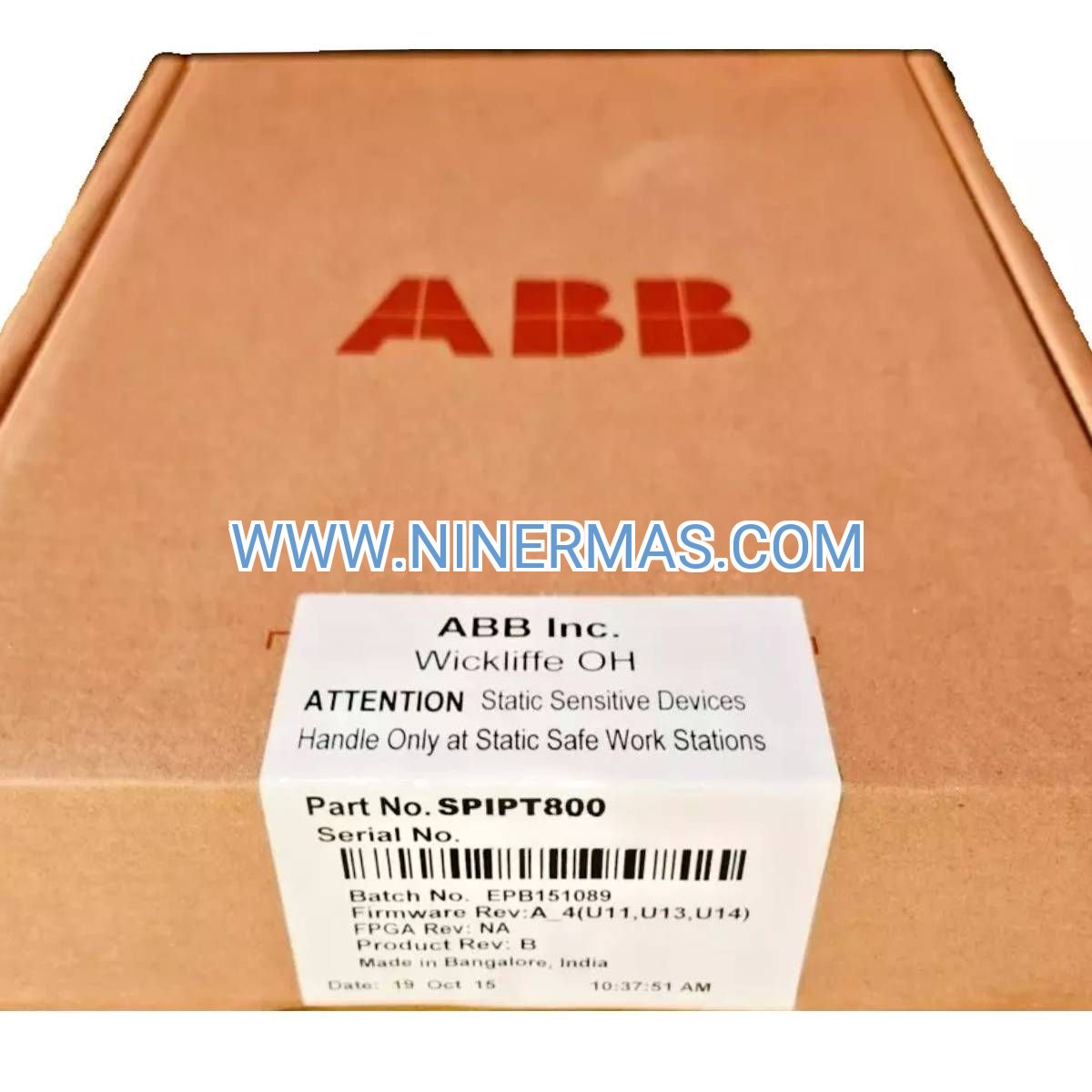
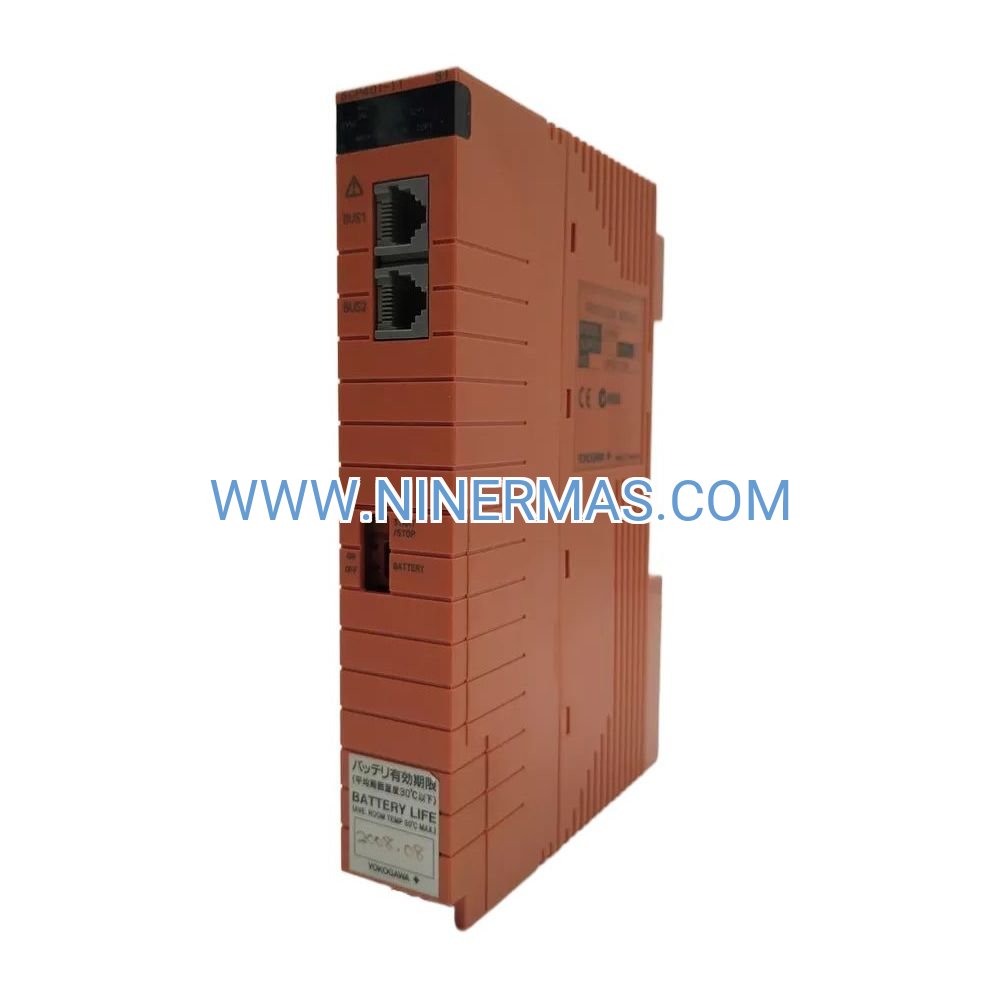
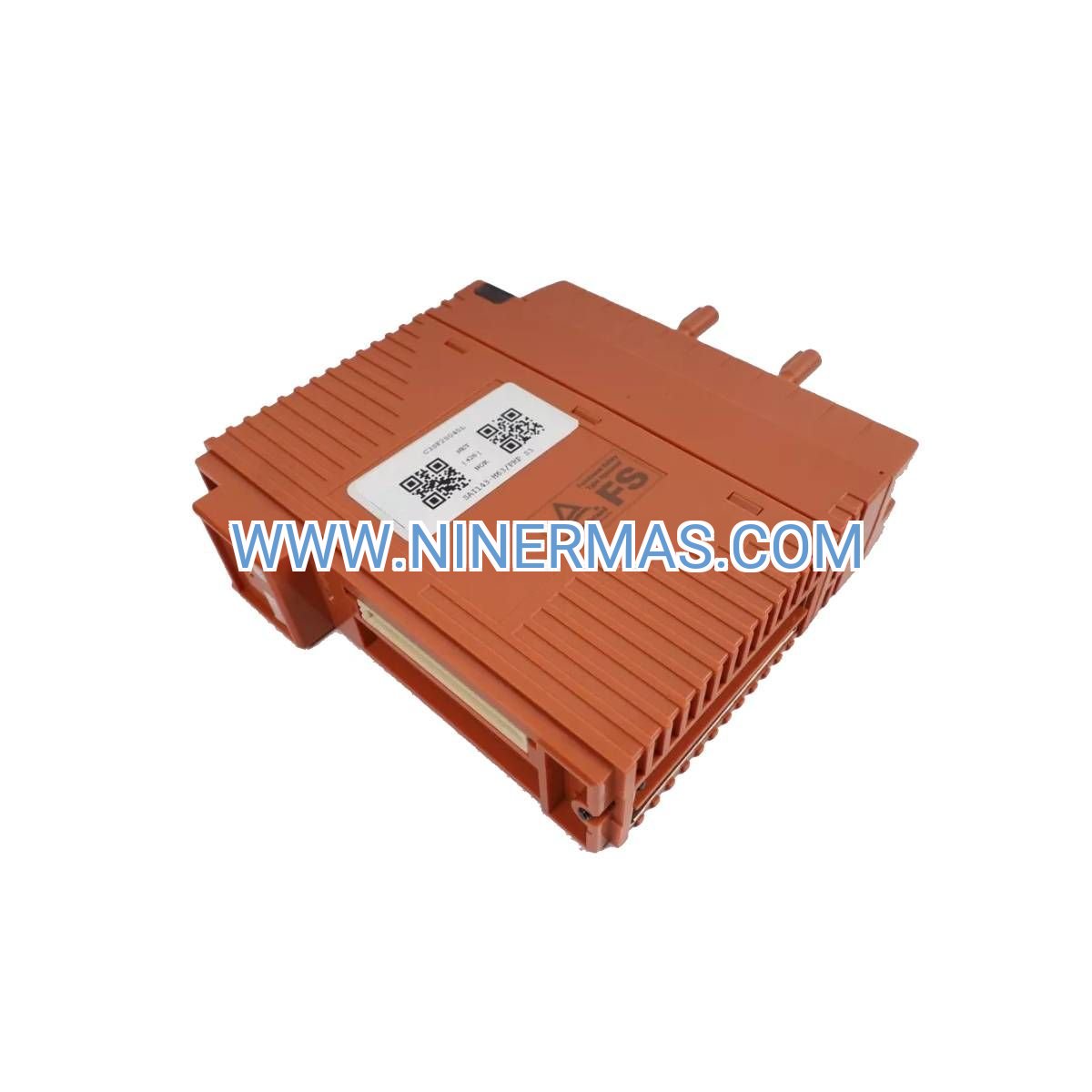
ABB SPIPT800 Network Transfer Module – Industrial-Grade Protocol Bridge for DCS Evolution
The ABB SPIPT800 represents a strategic solution for process industries navigating the transition from legacy INFI-Net architectures to contemporary PN800 (Process Network 800) infrastructure within Symphony Plus distributed control systems. Engineered in Switzerland to ABB's exacting standards, this transfer module delivers bidirectional protocol translation, enabling operators to execute phased modernization strategies while maintaining operational continuity across mixed-generation control platforms.
Designed for mission-critical applications in refineries, power generation, chemical processing, and pulp & paper facilities, the SPIPT800 eliminates the technical and financial barriers associated with simultaneous system-wide upgrades. By preserving connectivity to proven INFI 90 and Network 90 field instrumentation, this module protects capital investments while unlocking the advanced capabilities of Symphony Plus controllers—delivering a pragmatic pathway to Industry 4.0 readiness without production disruption.
Whether you're managing a multi-year brownfield expansion, integrating acquired facilities with disparate control systems, or extending the service life of reliable legacy equipment, the SPIPT800 provides the interoperability foundation essential for hybrid control architectures. Its fault-tolerant design, comprehensive diagnostic capabilities, and seamless integration with ABB's engineering ecosystem make it the definitive choice for industrial organizations committed to maximizing ROI while advancing their automation infrastructure.
Core Capabilities & Strategic Advantages
→ Transparent Protocol Translation: Real-time conversion between INFI-Net and PN800 communication protocols ensures legacy field devices appear as native Symphony Plus I/O points, eliminating the need for custom programming or middleware layers. This transparency accelerates commissioning and simplifies ongoing maintenance.
→ Fault-Tolerant Redundancy Architecture: Dual-module configurations with SPK800-RCL1 interconnect cable deliver active-standby failover with sub-100ms switchover times, meeting SIL 2 requirements for safety-instrumented systems in unmanned or hazardous installations. Automatic health monitoring and seamless bumpless transfer preserve process stability during module failures.
→ Phased Migration Enablement: Supports incremental DCS modernization by allowing new Symphony Plus controllers to coexist with legacy INFI 90 systems during multi-phase upgrade projects. This capability reduces project risk, spreads capital expenditure, and maintains production throughput throughout the transition period.
→ High-Throughput Data Exchange: Optimized communication engines maintain deterministic scan cycles for time-critical control loops, alarm management, and historian data collection. Supports up to 1024 I/O points per module with configurable update rates from 10ms to 1000ms, accommodating both fast regulatory control and slower supervisory functions.
✓ Plug-and-Configure Integration: Factory-tested compatibility with Symphony Plus Harmony Rack (HR Series) controllers minimizes installation complexity. Pre-loaded firmware and auto-discovery features reduce commissioning time by up to 60% compared to third-party gateway solutions.
✓ Comprehensive Diagnostics: Front-panel LED arrays provide instant visibility into network health, communication status, and fault conditions. Integrated SNMP agents and Symphony Plus alarm integration enable proactive maintenance and rapid troubleshooting, reducing mean time to repair (MTTR) by 40%.
Industrial Deployment Scenarios
Refinery DCS Modernization Programs
Petroleum refineries executing multi-year control system upgrades deploy SPIPT800 modules to maintain connectivity with existing crude distillation, catalytic cracking, and hydrotreating unit instrumentation during controller replacement campaigns. The module's ability to bridge legacy 4-20mA transmitters, smart HART devices, and Foundation Fieldbus segments to new Symphony Plus controllers preserves critical process measurements while enabling advanced model predictive control (MPC) and real-time optimization (RTO) strategies. This approach avoids the $15-25M cost and 18-month downtime associated with simultaneous replacement of all field devices, allowing refineries to prioritize high-value control loops and defer non-critical upgrades.
Combined-Cycle Power Plant Control Integration
Natural gas and coal-fired power stations utilize SPIPT800 to create unified control architectures spanning legacy Network 90 turbine protection systems and modern Symphony Plus boiler, emissions, and balance-of-plant controls. The module enables coordinated plant startup sequences, load-following optimization, and emissions compliance reporting across mixed-vintage equipment. By preserving proven turbine control logic (often certified by OEMs like GE or Siemens) while upgrading auxiliary systems, plant operators achieve 15-20% efficiency gains through advanced coordination strategies without incurring the $8-12M cost and regulatory re-certification burden of complete turbine control replacement.
Chemical Batch Process Hybrid Architectures
Specialty chemical and pharmaceutical manufacturers employ SPIPT800 to integrate new Symphony Plus batch controllers managing reactor sequencing, recipe execution, and quality control with legacy INFI 90 I/O controlling utility systems (cooling water, compressed air, steam distribution) and material handling equipment. This hybrid approach concentrates modernization investment on revenue-generating batch processes while extending the service life of reliable utility infrastructure. The module's support for ISA-88 batch standards and 21 CFR Part 11 audit trails ensures regulatory compliance across the integrated system.
Pulp & Paper Mill Section-by-Section Upgrades
Integrated pulp and paper mills replace aging INFI 90 controllers in discrete production areas (wood yard, digester, recovery boiler, paper machine) using SPIPT800 to maintain inter-area communication and material flow coordination during multi-year upgrade projects. The module ensures continuous production by bridging new and old control zones, preventing the $500K-1M/day revenue loss associated with full-mill shutdowns. Its ability to handle high-speed sheet break detection signals and cross-direction profile control data makes it suitable for demanding paper machine applications requiring <50ms response times.
Offshore Platform Brownfield Expansions
Offshore oil and gas platforms adding new processing trains, water injection systems, or gas compression modules to existing facilities use SPIPT800 to integrate new Symphony Plus controllers with legacy INFI 90 safety shutdown systems and subsea control modules. The module's redundancy support and SIL 2 certification meet stringent safety requirements for unmanned installations, while its compact form factor and low power consumption suit space-constrained offshore environments. By enabling incremental capacity additions without replacing entire control systems, operators avoid the $20-40M cost and 6-12 month production deferral associated with platform-wide control system replacements.
Technical Parameters & Selection Criteria
| Specification Category | Parameter | Value/Range |
|---|---|---|
| Identification | Manufacturer Part Number | SPIPT800 |
| Product Family | Symphony Plus HR Series Communication Modules | |
| Functional Classification | Network Transfer Module (Protocol Converter) | |
| Network Interfaces | Legacy Network Protocol | INFI-Net (coaxial or fiber optic physical layer) |
| Modern Network Protocol | PN800 (Process Network 800, Ethernet-based) | |
| Maximum I/O Point Capacity | 1024 points per module (analog/digital combined) | |
| Scan Cycle Time | 10ms to 1000ms (user-configurable per point group) | |
| Redundancy | Redundancy Support | Yes (dual-module active-standby configuration) |
| Required Accessory | SPK800-RCL1 redundancy interconnect cable | |
| Failover Time | <100ms (bumpless transfer for control loops) | |
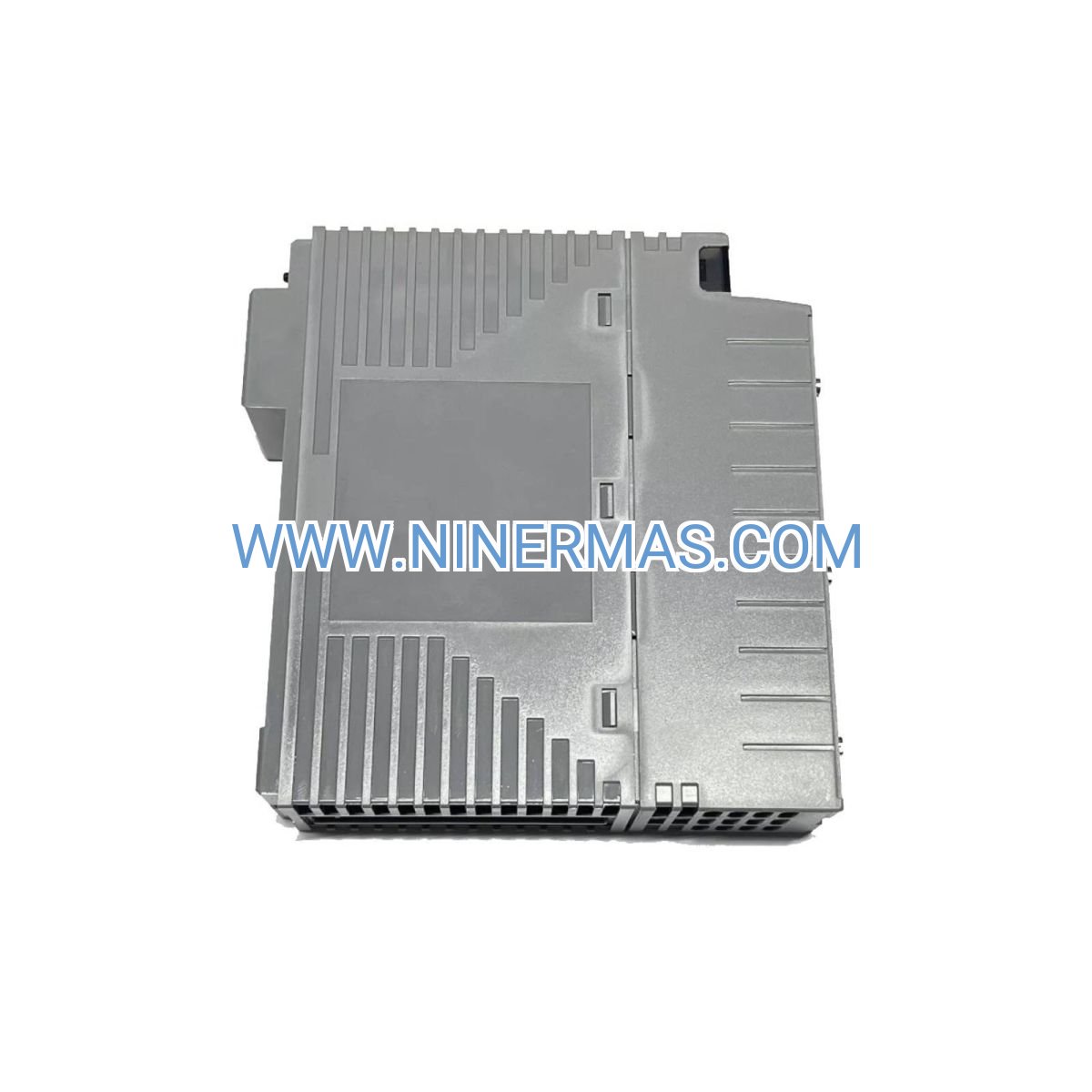
| Physical | Dimensions (W × H × D) | 139.7 mm × 215.9 mm × 88.9 mm |
| Weight | 1.0 kg | |
| Mounting Method | Symphony Plus Harmony Rack (HR Series) card slot | |
| Cooling Method | Convection (rack-integrated ventilation) | |
| Front Panel Indicators | Multi-color LEDs (RUN, FAULT, PN800, INFI-Net status) | |
| Environmental | Operating Temperature | 0°C to +60°C (32°F to 140°F) |
| Storage Temperature | -40°C to +85°C (-40°F to 185°F) | |
| Relative Humidity | 5% to 95% non-condensing | |
| Power | Power Source | Harmony Rack backplane (no external supply required) |
| Typical Consumption | 12W (varies with I/O point count and scan rate) | |
| Compliance | Safety Certifications | IEC 61010-1, UL 61010-1, CSA C22.2 No. 61010-1 |
| EMC Standards | IEC 61000-6-2 (immunity), IEC 61000-6-4 (emissions) | |
| Functional Safety | SIL 2 capable (IEC 61508/61511 certified applications) | |
| Environmental Compliance | RoHS, WEEE Category 5, ISO 9001:2015 manufacturing | |
| Logistics | Country of Origin | Switzerland |
| HS Code | 85176200 (Apparatus for carrier-current line systems) | |
| MTBF (Mean Time Between Failures) | >100,000 hours @ 40°C ambient |
Selection Guidelines
When to Specify SPIPT800:
- Migrating from INFI 90 or Network 90 controllers to Symphony Plus while retaining existing field instrumentation
- Integrating acquired facilities with legacy ABB control systems into a unified Symphony Plus architecture
- Creating hybrid control systems where new controllers manage critical processes and legacy systems handle auxiliary equipment
- Extending the operational life of proven INFI-Net field devices beyond the support lifecycle of their original controllers
- Meeting redundancy requirements (SIL 2) for safety-critical applications in unmanned or hazardous installations
Alternative Solutions:
- For INFI 90 to Modbus TCP conversion, consider third-party protocol gateways (lower cost but no ABB support integration)
- For complete system replacement, evaluate Symphony Plus native I/O modules (higher upfront cost but eliminates protocol conversion layer)
- For temporary migration support, ABB offers rental SPIPT800 modules through authorized distributors
Advanced Integration Features
Symphony Plus Engineering Ecosystem Integration
The SPIPT800 module integrates seamlessly with ABB's Control Builder and Composer engineering tools, enabling unified configuration, diagnostics, and maintenance across hybrid control architectures. Engineers can map INFI-Net I/O points to Symphony Plus control strategies using drag-and-drop graphical interfaces, with automatic data type conversion and scaling. The module's configuration database synchronizes with Symphony Plus asset management systems, providing complete lifecycle traceability from initial commissioning through decommissioning.
Cybersecurity & Network Segmentation
In accordance with IEC 62443 industrial cybersecurity standards, the SPIPT800 supports network segmentation strategies that isolate legacy INFI-Net devices from modern Ethernet-based PN800 networks. The module's embedded firewall capabilities restrict unauthorized access to legacy devices while enabling authorized data exchange with Symphony Plus controllers. This architecture prevents lateral movement of cyber threats between network zones, a critical requirement for facilities subject to NERC CIP (power), TSA (pipelines), or FDA (pharma) cybersecurity regulations.
Predictive Maintenance & Condition Monitoring
Integrated diagnostics continuously monitor communication quality metrics including packet loss rates, retry counts, and signal strength on both INFI-Net and PN800 interfaces. Trend analysis algorithms detect gradual degradation patterns indicative of failing cables, corroded connectors, or aging network interface cards, generating predictive maintenance alerts 30-90 days before hard failures occur. This capability reduces unplanned downtime by 35-50% compared to reactive maintenance strategies.
Custom Protocol Extensions
For specialized applications requiring non-standard data mappings or custom alarm handling, ABB offers factory-configurable firmware variants of the SPIPT800. These custom builds support proprietary INFI 90 function blocks, third-party analyzer protocols, or legacy SCADA system integrations not covered by standard module configurations. Custom firmware development typically requires 8-12 weeks and minimum order quantities of 5 modules.
Procurement, Delivery & Support Services
Lead Times & Availability
- Standard Configuration: 8-12 weeks from order confirmation (factory build-to-order from Switzerland)
- Express Service: 4-6 weeks available for urgent projects (25% premium, subject to factory capacity)
- Rental Program: 1-6 month rental terms available through authorized ABB distributors for temporary migration projects
- Minimum Order Quantity: 1 piece (volume discounts available for orders ≥10 modules)
Warranty & Service Coverage
- Standard Warranty: 24 months from shipment date covering manufacturing defects and component failures
- Extended Warranty: Optional 36 or 60-month coverage available (15-25% of module cost)
- Advance Replacement: Next-business-day replacement module shipment for critical applications (requires service contract)
- Repair Services: Factory repair with 10-15 business day turnaround, includes firmware updates and recalibration
Technical Support & Training
- Installation Support: Remote commissioning assistance via web conference (included with purchase)
- Configuration Services: On-site ABB engineers available for complex I/O mapping and redundancy setup ($1,500-2,500/day + expenses)
- Training Courses: 2-day Symphony Plus Communication Systems workshop covering SPIPT800 configuration and troubleshooting
- Documentation Package: Includes installation manual, configuration guide, troubleshooting flowcharts, and AutoCAD dimensional drawings
Spare Parts & Accessories
- SPK800-RCL1 Redundancy Cable: 0.5m interconnect cable for dual-module configurations (order separately, see price list 3BUR002570)
- SPIEB800K02 Integration Kit: Complete package including SPIPT800 module, redundancy cable, INFI-Net connectors, and installation hardware
- Recommended Spares: 1 spare module per 10 installed units for facilities with >20 SPIPT800 modules
Frequently Asked Questions
Can the SPIPT800 module support simultaneous connections to multiple INFI-Net segments?
No, each SPIPT800 module interfaces with a single INFI-Net network segment. For applications requiring connectivity to multiple INFI-Net segments (e.g., geographically distributed process units), install one SPIPT800 module per segment. The Symphony Plus controller can aggregate data from multiple SPIPT800 modules, providing a unified view of all connected legacy devices. Typical installations use 2-6 modules per HR controller rack depending on I/O point distribution.
What is the maximum cable distance between the SPIPT800 module and legacy INFI-Net devices?
Maximum distance depends on INFI-Net physical layer type: coaxial cable installations support up to 1,000 meters (3,280 feet) per segment with proper termination and signal repeaters; fiber optic installations extend to 2,000 meters (6,560 feet) using multimode fiber or 20+ kilometers with single-mode fiber. For installations exceeding these distances, deploy INFI-Net repeaters or fiber optic media converters at intermediate points. Consult ABB application note 3BUR002571 for detailed cable length calculations based on device count and baud rate.
Does the SPIPT800 require special configuration for energy management and power monitoring applications?
The SPIPT800 supports standard INFI 90 analog input modules used for power metering (voltage, current, kW, kVAR) without special configuration. However, for high-accuracy revenue metering or ISO 50001 energy management compliance, ABB recommends using Symphony Plus native energy monitoring modules (e.g., SPIET800) which offer 0.2% accuracy class and IEC 61850 protocol support. The SPIPT800 is suitable for operational energy monitoring (±1% accuracy) but may not meet utility billing or carbon credit verification requirements.
How does the SPIPT800 handle time synchronization between legacy INFI-Net and modern PN800 systems?
The SPIPT800 module synchronizes to the Symphony Plus system time via PN800 network (typically NTP or IEEE 1588 PTP), then propagates time stamps to INFI-Net devices that support time synchronization. For legacy devices without native time sync capability, the module applies PN800 time stamps to all data points during protocol conversion, ensuring consistent event sequencing in historian databases and alarm management systems. Time synchronization accuracy is ±10ms for PN800 side and ±100ms for INFI-Net side, sufficient for most process control applications but not suitable for protective relaying or sequence-of-events recording requiring ±1ms accuracy.
Can the SPIPT800 be used in hazardous area (Zone 1/Division 1) installations?
The standard SPIPT800 module is rated for installation in non-hazardous control room environments only. For hazardous area applications, the module must be installed in a purged/pressurized enclosure meeting IEC 60079-2 (Type px or py) or NFPA 496 standards. ABB does not offer an intrinsically safe or explosion-proof variant of the SPIPT800. Field devices in hazardous zones connect to the module via intrinsically safe barriers or explosion-proof junction boxes on the INFI-Net segment, following standard INFI 90 hazardous area wiring practices.
What firmware update process does the SPIPT800 support for ongoing security patches?
Firmware updates are deployed via Symphony Plus engineering software (Control Builder or Composer) over the PN800 network connection. The update process takes 5-10 minutes and can be performed on redundant module pairs without process interruption (update standby module first, failover, then update primary). ABB releases firmware updates quarterly for security patches and annually for feature enhancements. Modules shipped after January 2024 support automatic update scheduling and rollback capabilities. For installations without network connectivity to engineering workstations, firmware can be updated via USB service port on the HR controller rack.
Accelerate Your DCS Modernization Journey
The ABB SPIPT800 Transfer Module eliminates the technical and financial barriers preventing process industries from advancing their control infrastructure. Whether you're planning a comprehensive Symphony Plus migration, integrating acquired facilities, or extending the service life of proven legacy equipment, this module provides the interoperability foundation essential for success.
Next Steps:
- Request a detailed quotation including module pricing, redundancy cables, and integration services
- Schedule a technical consultation to review your specific INFI-Net to PN800 migration requirements
- Download the SPIPT800 configuration guide and dimensional drawings for project planning
- Inquire about rental program availability for proof-of-concept testing or temporary migration support
Contact our industrial automation specialists today to discuss how the SPIPT800 can support your control system evolution strategy while protecting your capital investments and maintaining operational continuity.
PDF Specification
Download PDF file here:
Click to Download PDFRelated products

Contact Info
-
Address:22 / F, South Wo Hang building, 148 Wing Lok Street, Sheung Wan, Western District, Hong Kong
-
Phone:+8618750215667
-
Email: