Description
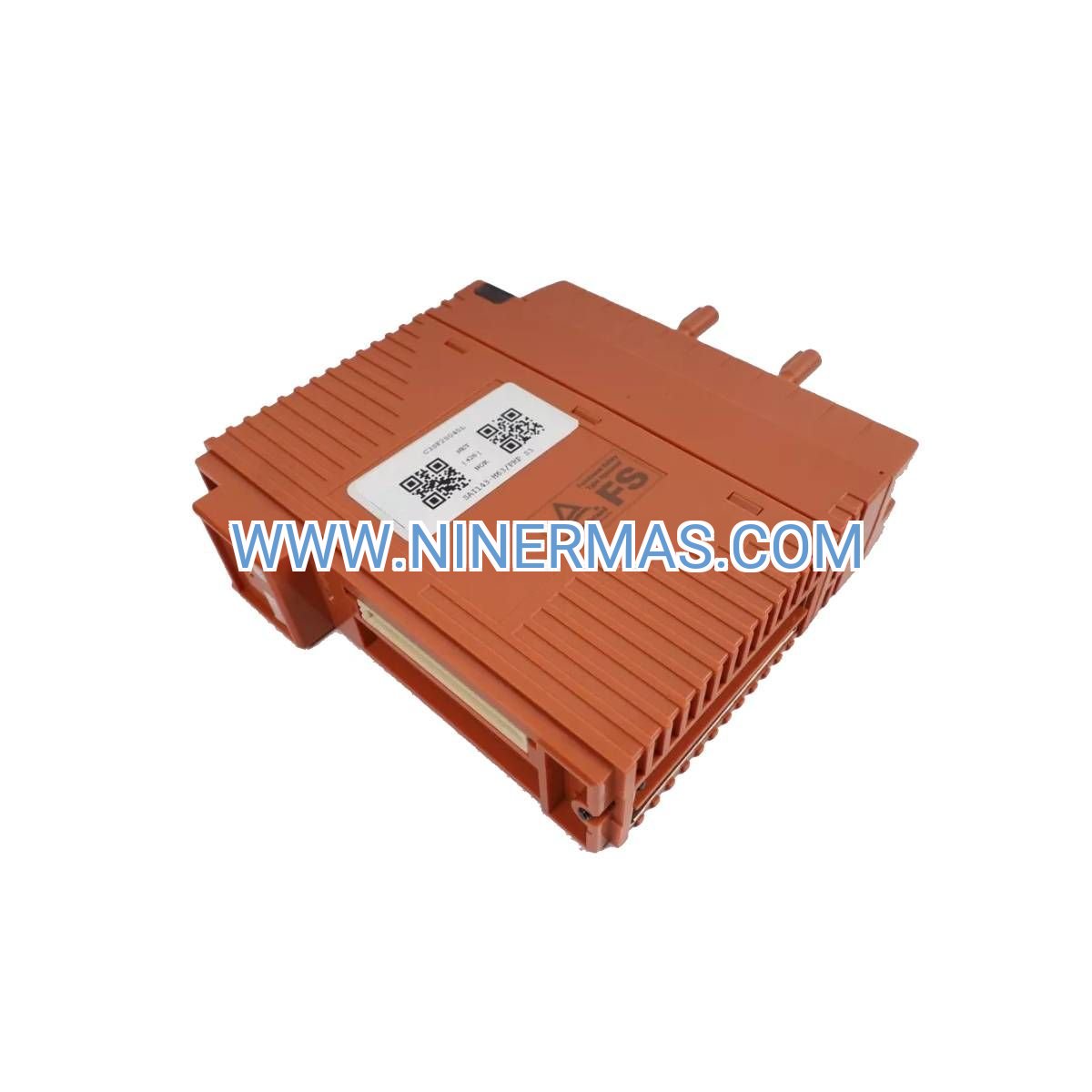
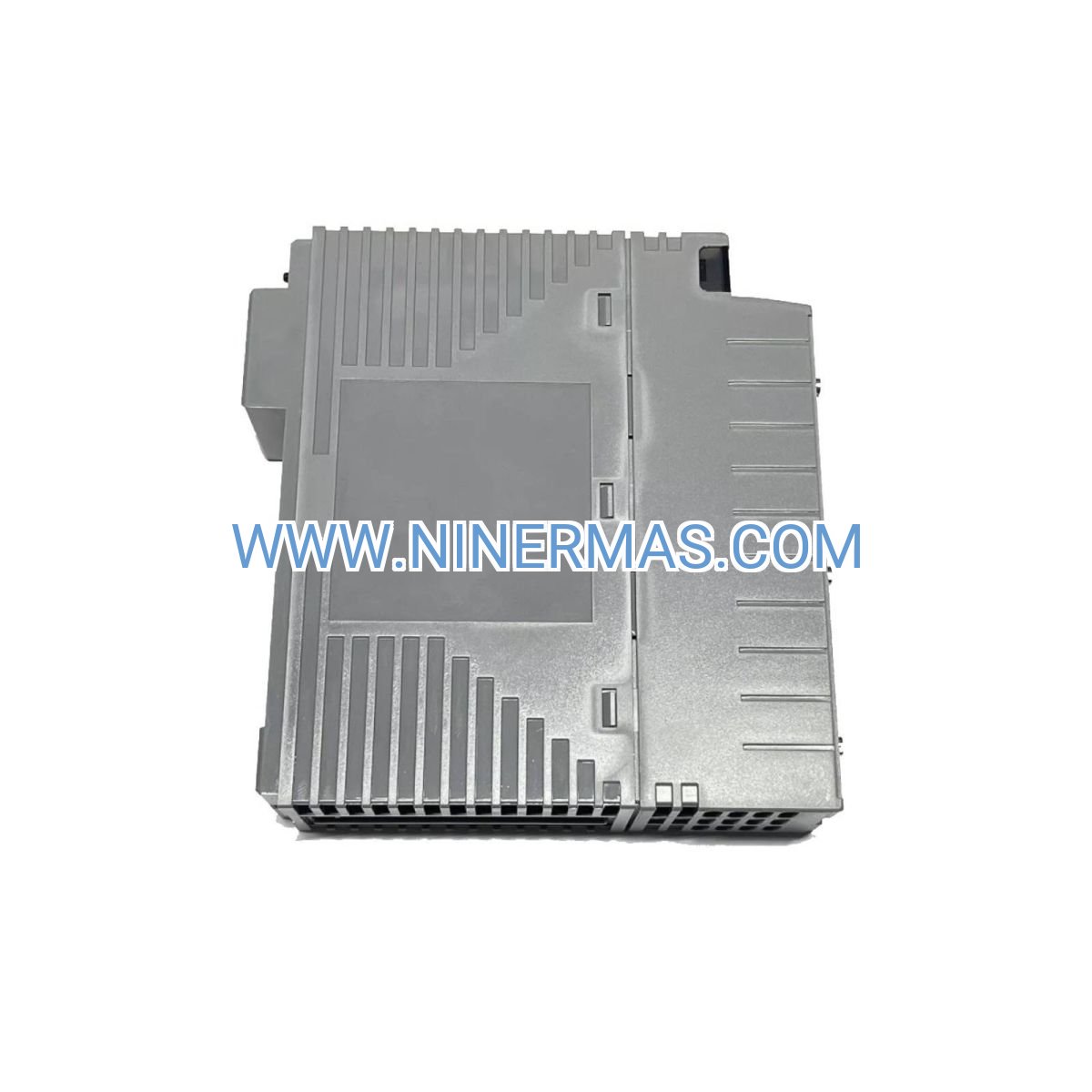
ABB NTCF23 Electric-to-Optic Termination Unit (Industrial-Grade Network Converter)
The ABB NTCF23 represents a mission-critical signal conversion solution for INFI-Net distributed control systems, transforming copper-based electrical signals into high-speed fiber optic transmissions. Designed for harsh industrial environments where electromagnetic interference, voltage transients, and ground potential differences threaten data integrity, this termination unit delivers deterministic network performance across extended distances while maintaining galvanic isolation between control zones.
Process industries face persistent challenges with electrical noise corruption in control networks, particularly across multi-building facilities or electrically noisy production areas. The NTCF23 addresses these pain points by eliminating ground loop vulnerabilities and extending reliable communication beyond the 100-meter copper cable limitation—critical for refineries, power plants, and large-scale manufacturing operations where control cabinets may be separated by hundreds of meters.
Key differentiators include plug-and-play INFI-Net protocol compatibility, front-panel diagnostic LEDs for rapid troubleshooting, and DIN-rail mounting for seamless integration into existing control panels. When paired with complementary optic-to-electric converters, the NTCF23 enables redundant fiber ring topologies that ensure zero-downtime operation even during cable failures or maintenance activities.
Core Features & Benefits
→ Galvanic Isolation Protection
Eliminates ground loop currents and voltage differentials between remote equipment locations, preventing data corruption and protecting sensitive electronics from electrical surges—reducing unplanned downtime by up to 40% in electrically noisy environments.
→ Extended Network Reach
Supports fiber optic transmission distances up to 2 kilometers with multimode cable, overcoming the 100-meter copper limitation while maintaining microsecond-level latency for real-time control applications requiring sub-10ms response times.
✓ EMI/RFI Immunity
Fiber optic transmission provides complete immunity to electromagnetic and radio frequency interference from VFDs, welding equipment, and high-voltage switchgear—ensuring 99.99% uptime in the most challenging industrial settings.
✓ Hot-Swappable Redundancy
When configured in dual-fiber redundant topologies, allows module replacement during live operation without process interruption, supporting continuous production requirements in 24/7 facilities.
• Diagnostic LED Array
Real-time visual indicators for power status, optical transmit activity, and receive signal strength enable 5-minute fault isolation versus hours of troubleshooting with non-diagnostic modules.
• DIN-Rail Quick Mount
Standard 35mm DIN-rail compatibility with snap-lock mechanism allows 2-minute installation without tools, reducing commissioning time by 60% compared to chassis-mount alternatives.
Typical Application Scenarios
Petrochemical Refinery Control Networks
In crude distillation units where control rooms are isolated from hazardous process areas, the NTCF23 bridges 500+ meter distances between safe areas and field junction boxes. Solves the challenge of maintaining deterministic control while meeting electrical isolation requirements for Division 2 classified locations, preventing costly process upsets from communication failures.
Power Generation Plant Distributed I/O
Connects turbine control systems to remote I/O racks located near boiler feedwater pumps and coal handling equipment. Addresses severe EMI from generator fields and high-voltage switchgear that would corrupt copper-based networks, ensuring reliable load control and preventing generator trips that cost $50,000+ per hour in lost production.
Water Treatment SCADA Expansion
Links central SCADA servers to remote lift stations and treatment basins across multi-acre facilities. Eliminates lightning-induced ground potential rise issues that previously caused 3-5 network outages annually, improving system availability from 97% to 99.8% while reducing emergency callout costs.
Automotive Assembly Line Integration
Interconnects robotic welding cells with central PLC controllers across 800-meter production halls. Overcomes welding arc interference that caused intermittent communication errors averaging 12 per shift, reducing scrap rates by 2.3% and improving first-pass quality metrics.
Food Processing Multi-Building Networks
Establishes fiber backbone between mixing, packaging, and warehouse control systems in facilities with separate buildings. Provides galvanic isolation required by electrical codes while supporting real-time recipe synchronization and inventory tracking across the production chain.
Technical Parameters & Selection Guide
| Parameter | Specification |
|---|---|
| Model Designation | NTCF23 |
| Primary Function | Electrical-to-Optical Signal Conversion |
| Network Protocol | ABB INFI-Net Proprietary |
| Fiber Type Supported | Multimode 62.5/125µm or 50/125µm |
| Connector Interface | ST or SC (specify at order) |
| Maximum Distance | 2000 meters (multimode fiber) |
| Data Rate | 5 Mbps (INFI-Net standard) |
| Power Input | 24 VDC ±20% (19.2-28.8 VDC) |
| Power Consumption | 3.5 watts typical |
| Operating Temperature | 0°C to +60°C (32°F to 140°F) |
| Storage Temperature | -40°C to +85°C (-40°F to 185°F) |
| Humidity Range | 5% to 95% RH non-condensing |
| Mounting Method | 35mm DIN rail (EN 50022) |
| Dimensions (H×W×D) | 120mm × 35mm × 115mm |
| Weight | 0.3 kg (0.66 lbs) |
| Diagnostic Indicators | Power (green), TX (amber), RX (amber) |
| MTBF Rating | >200,000 hours at 40°C |
Selection Criteria: Choose the NTCF23 when your INFI-Net network requires electrical isolation, extended cable runs beyond 100 meters, or immunity from EMI sources. Always deploy in matched pairs with NTCF22 optic-to-electric converters at the receiving end. For redundant network topologies, specify dual fiber paths with automatic failover capability. Verify fiber cable attenuation remains below 3dB/km for maximum 2km distances; higher-quality fiber may extend reach to 2.5km in low-loss installations.
Extended Functions
Redundant Ring Topology Support: When configured with dual NTCF23/NTCF22 pairs, creates self-healing fiber rings that automatically reroute traffic around cable breaks or module failures within 50 milliseconds, meeting IEC 61850 substation automation requirements.
Network Diagnostics Integration: Compatible with ABB INFI-Net configuration software for remote signal quality monitoring, optical power level measurement, and predictive maintenance alerts based on receive signal degradation trends.
Customization Options: Available with factory-installed fiber pigtails for splice-based installations, extended temperature variants (-20°C to +70°C), and conformal coating for high-humidity or corrosive atmosphere applications. Consult factory for minimum order quantities on custom configurations.
Delivery & Service Assurance
Standard Lead Time: In-stock units ship within 1-2 business days via DHL/FedEx Express. Typical delivery to North America, Europe, and Asia-Pacific regions: 3-7 business days. Expedited same-day shipping available for critical outage situations (additional fees apply).
Custom Configuration Lead Time: Factory-customized units (special connectors, extended temp, coating) require 4-6 weeks manufacturing time plus shipping. Rush production available for 2-week delivery at 25% premium.
Warranty Coverage: Comprehensive 12-month warranty from delivery date covers all manufacturing defects, component failures, and workmanship issues. Warranty includes free replacement unit shipment and return freight for defective modules. Extended 36-month warranty available at 15% of unit price.
Technical Support: Unlimited phone and email support from INFI-Net certified engineers for configuration assistance, troubleshooting, and integration guidance. Average response time: <2 hours during business hours (GMT+8), 24-hour callback for after-hours emergencies.
Documentation Package: Each unit includes installation quick-start guide, wiring diagrams, fiber termination specifications, and troubleshooting flowcharts. Complete technical manual with network design guidelines available for download at ninermas.com/support.
Frequently Asked Questions
What fiber optic cable specifications are required for reliable 2km transmission?
Use multimode fiber rated 62.5/125µm or 50/125µm with maximum 3dB/km attenuation at 850nm wavelength. ST or SC connectors must be factory-terminated or field-polished to <1dB insertion loss. Avoid tight bend radii below 50mm and protect splices in weatherproof enclosures for outdoor runs.
Can the NTCF23 operate in hazardous area classifications without additional protection?
The module itself carries no intrinsic safety or explosion-proof certifications. For Class I Division 2 or Zone 2 installations, mount in purged/pressurized enclosures per NFPA 496. Division 1/Zone 1 deployment requires NEMA 4X/IP66 enclosures with appropriate area certifications—consult your AHJ and system integrator for compliance verification.
How much power savings can fiber optic conversion deliver compared to copper repeaters?
The NTCF23 consumes 3.5W versus 8-12W for copper media converters or repeaters over equivalent distances. In a 50-node network, this translates to 225-425W reduction (approximately $200-400 annual energy savings at $0.12/kWh), plus elimination of cooling load in control rooms.
What installation requirements ensure optimal signal quality and longevity?
Mount in climate-controlled environments (avoid direct sunlight or condensation). Maintain 50mm minimum bend radius on fiber cables. Use cable strain relief within 150mm of connectors. Clean fiber end-faces with lint-free wipes and isopropyl alcohol before connection. Verify optical power levels fall within -15dBm to -3dBm range using fiber power meter during commissioning.
Does the unit support remote monitoring and predictive maintenance capabilities?
When integrated with ABB INFI-Net management software, the NTCF23 reports optical receive power levels and link status to SCADA systems. Trending analysis identifies fiber degradation 3-6 months before failure, enabling scheduled maintenance versus emergency repairs. SNMP traps available for alarm integration with plant-wide monitoring systems.
Can I mix NTCF23 modules with other manufacturers' fiber converters in the same network?
No—the NTCF23 uses proprietary INFI-Net protocol encoding that requires matched ABB termination units at both ends. Attempting to interface with third-party converters will result in communication failure. For multi-vendor integration, use protocol gateways at the network layer rather than physical layer conversion.
Get Your NTCF23 Converter Today
Eliminate network downtime caused by electrical interference and distance limitations. Our technical team is ready to assist with fiber network design, cable specifications, and redundancy configuration for your specific application. Contact us now for same-day quotation and technical consultation—most orders ship within 24 hours.
Request a quote: sale@ninermas.com | +0086 187 5021 5667
Technical support: Available 24/7 for critical installations
© 2026 NINERMAS COMPANY LIMITED. All rights reserved.
Original Source: https://ninermas.com
Contact: sale@ninermas.com | +0086 187 5021 5667
PDF Specification
Download PDF file here:
Click to Download PDFRelated products

Contact Info
-
Address:22 / F, South Wo Hang building, 148 Wing Lok Street, Sheung Wan, Western District, Hong Kong
-
Phone:+8618750215667
-
Email: