Description
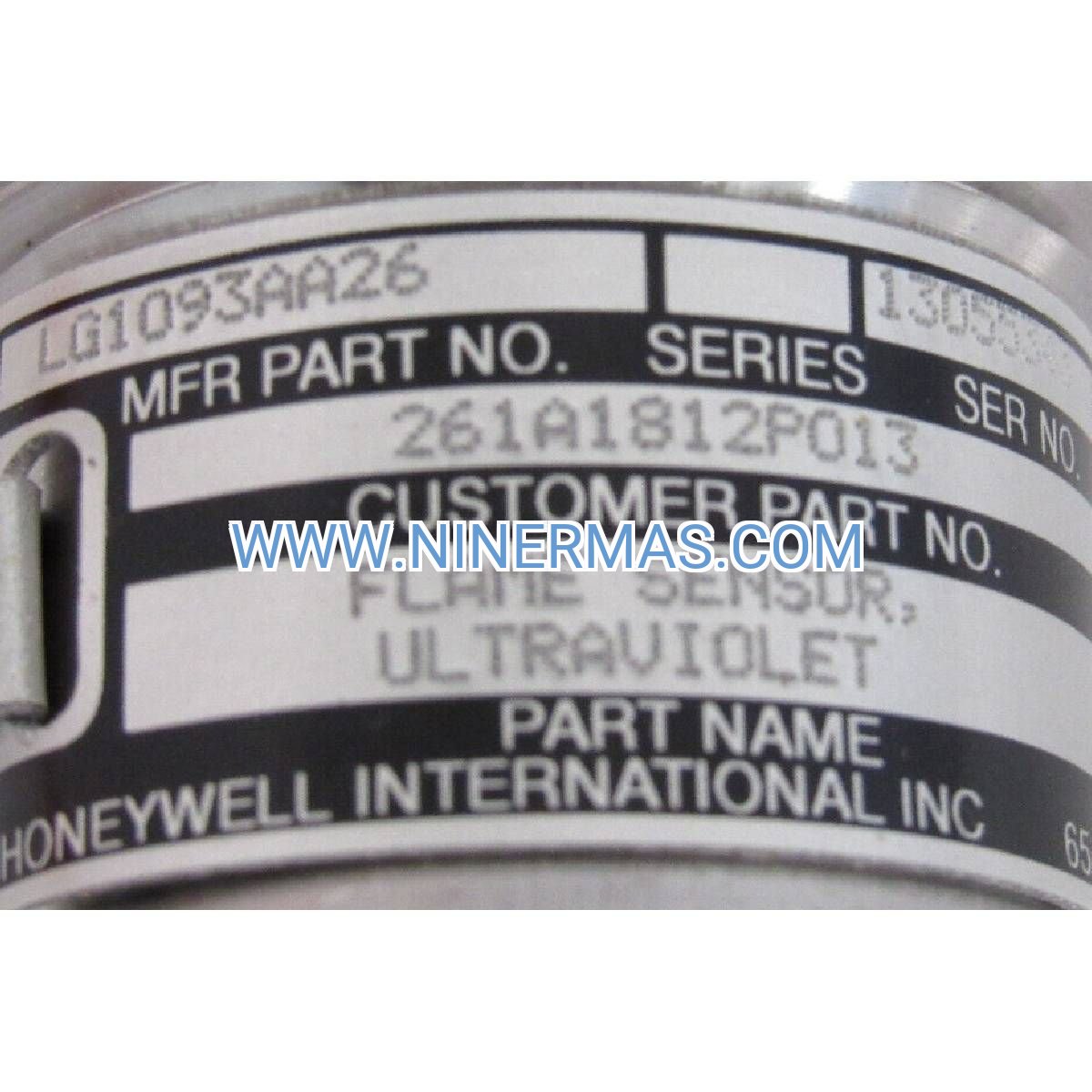
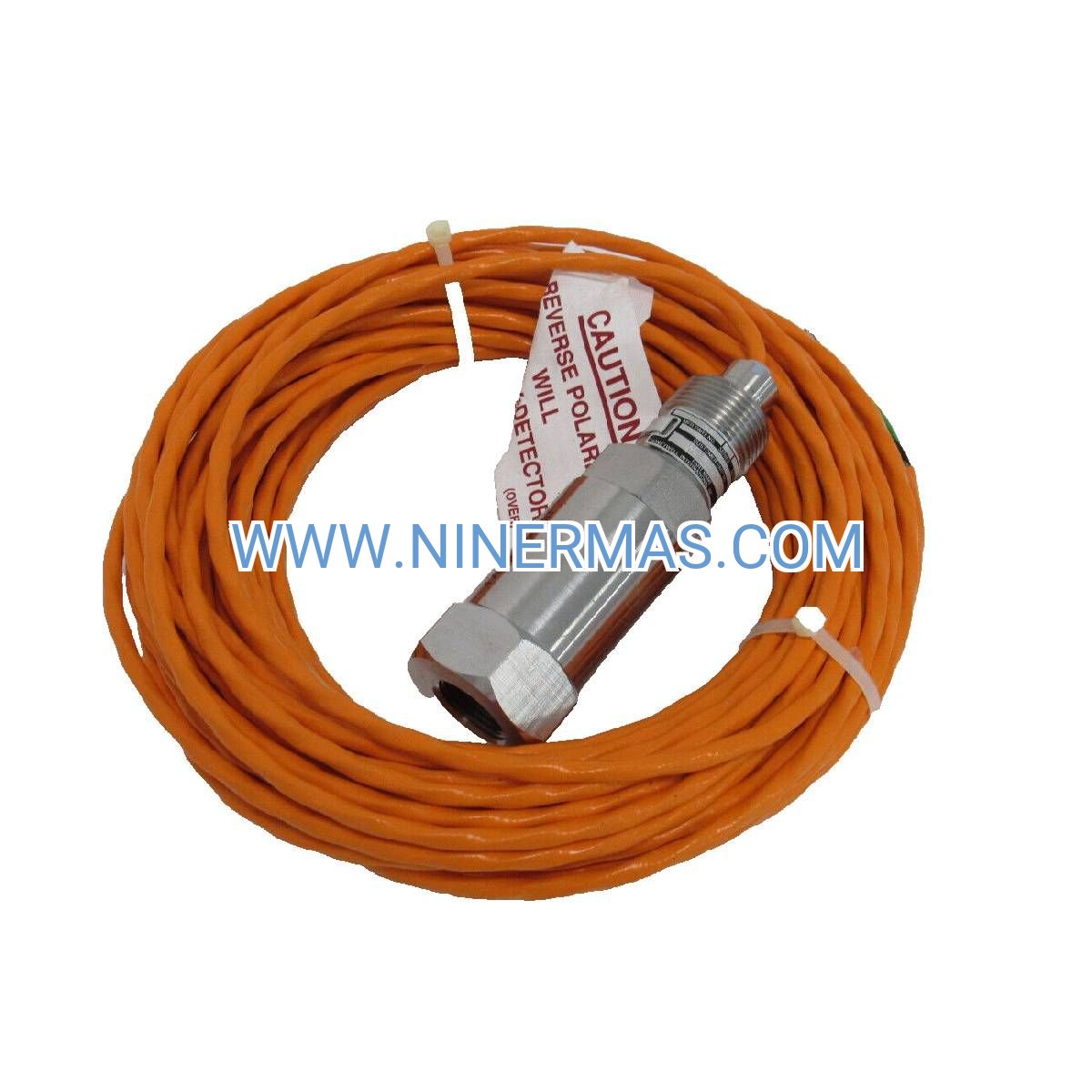
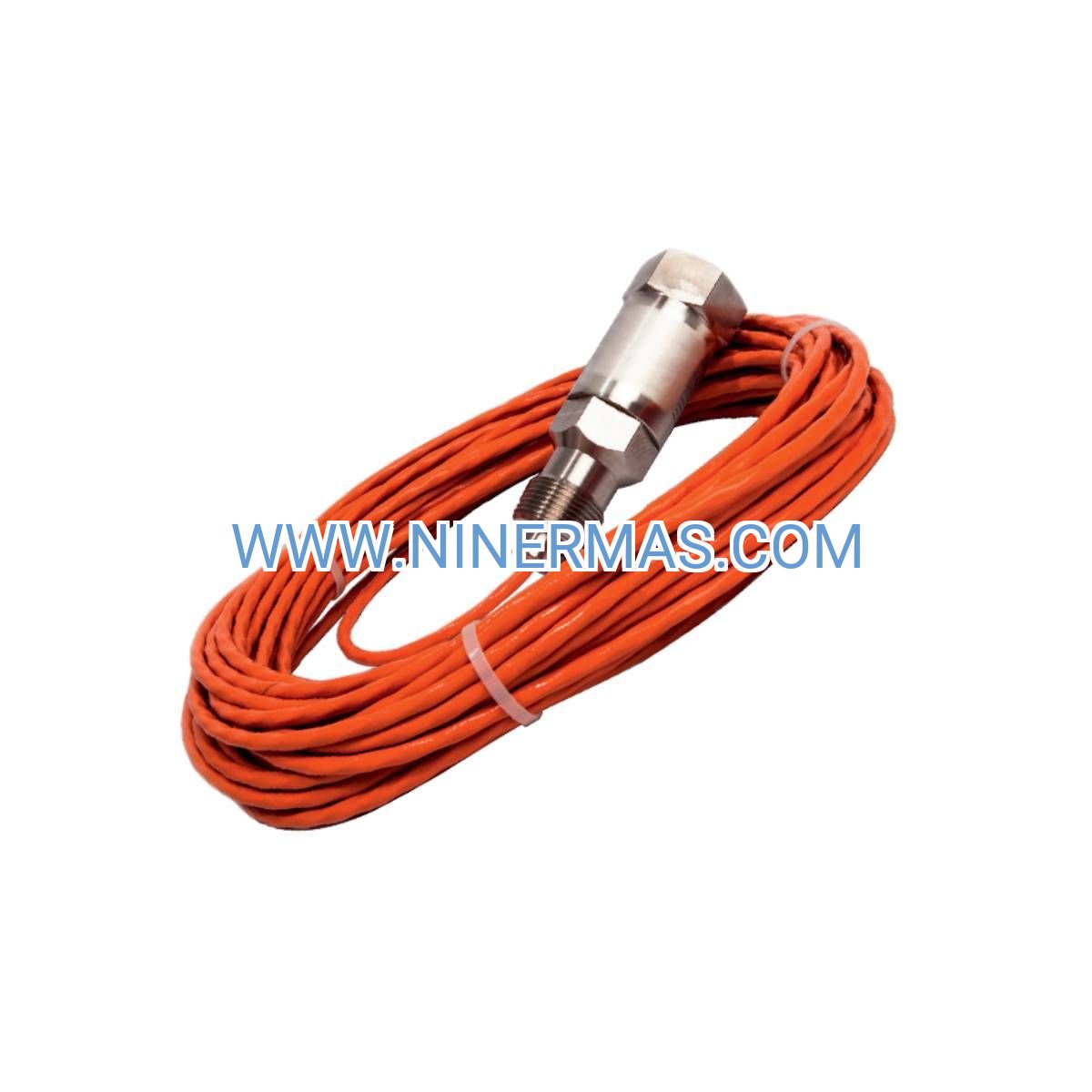
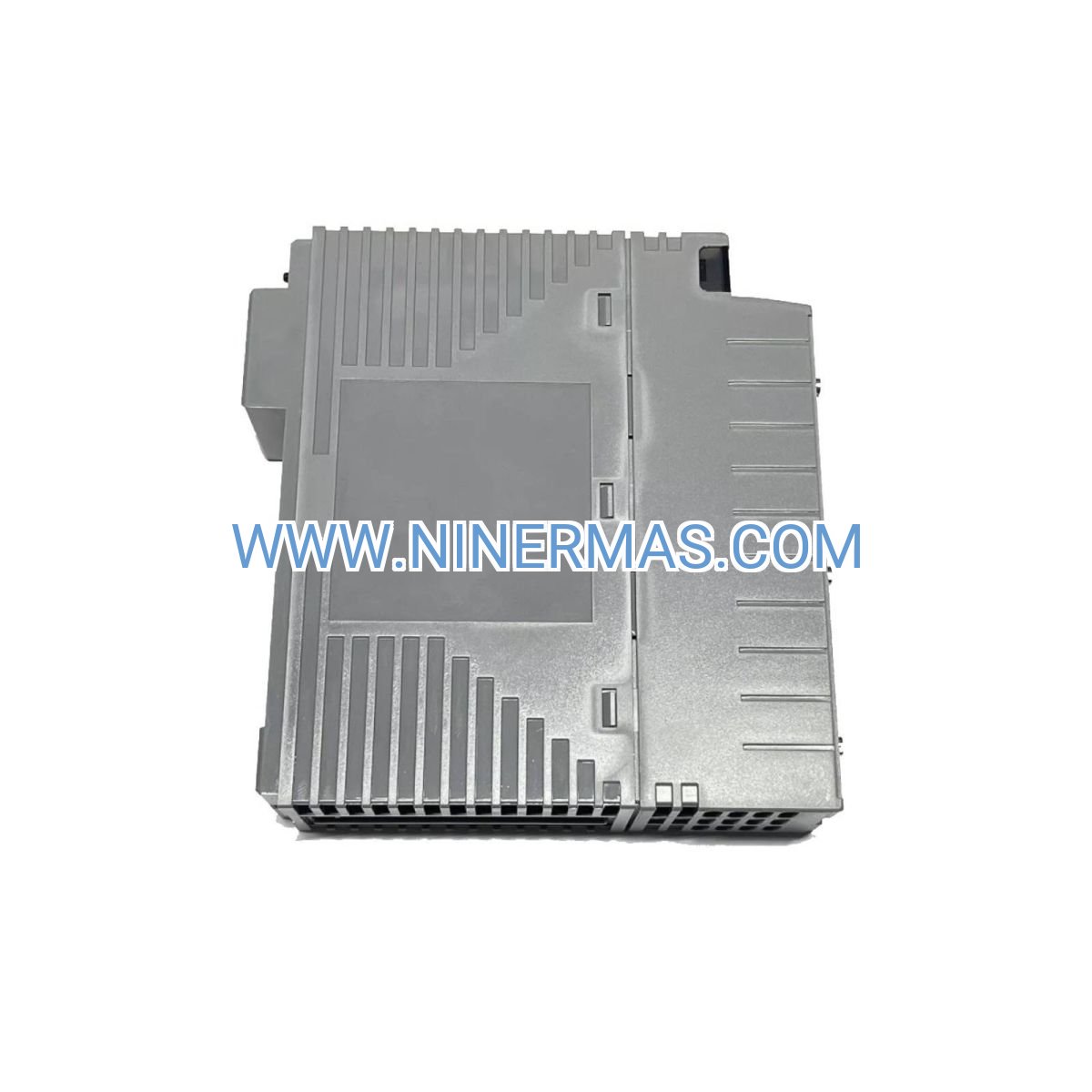
LG1093AA26 UV Flame Monitor (Industrial-Grade Turbine Safety)
The LG1093AA26 represents Honeywell's advanced ultraviolet flame detection technology engineered specifically for gas turbine combustion environments. This industrial sensor delivers precise flame presence verification through UV spectral analysis, ensuring operational safety in power generation facilities, petrochemical plants, and critical process heating systems where combustion reliability is non-negotiable.
Designed for installations demanding fail-safe flame monitoring, this detection system addresses the core challenge facing turbine operators: distinguishing actual flame signals from background radiation and hot surface interference. Its 190-290nm spectral window isolates genuine combustion UV emissions while rejecting false triggers that compromise safety protocols.
With sub-4-second response capability and continuous self-diagnostics, the LG1093AA26 provides the rapid fault detection and system integrity verification required for modern turbine safety standards. Certified to FM, CSA, CE, and ATEX requirements, this sensor meets global combustion safety regulations across industrial sectors.
Core Capabilities & Technical Advantages
✓ Spectral Isolation Technology
Operates exclusively within 190-290nm UV bandwidth, eliminating sensitivity to visible light, infrared radiation from refractory surfaces, and ambient electromagnetic interference that causes nuisance trips in conventional detectors.
✓ Rapid Flame Loss Detection
Achieves ≤4-second response time from flame extinction to alarm signal, enabling emergency shutdown systems to react before hazardous fuel accumulation occurs in combustion chambers.
✓ Environmental Resilience
Stainless steel construction with IP65/NEMA 4X protection withstands continuous exposure to vibration, thermal cycling (-40°C to +85°C), corrosive atmospheres, and high-humidity conditions without performance degradation.
→ Integrated Self-Checking Circuit
Continuous internal diagnostics monitor sensor element integrity, optical path clarity, and signal processing electronics, automatically flagging maintenance requirements before failures impact safety coverage.
→ Universal Control Integration
Provides both relay contact and 4-20mA analog outputs for compatibility with legacy burner management systems, modern DCS platforms, and Honeywell's 7800 Series flame safeguard controllers.
→ Extended Service Life
UV-resistant quartz optics and sealed sensor chamber design deliver 3-5 year operational lifespan in typical turbine applications, reducing replacement frequency and lifecycle costs compared to standard flame rods.
Industrial Application Scenarios
Power Generation Turbines
Primary flame monitoring for combined-cycle gas turbines and simple-cycle peaking units. Addresses the critical need for reliable ignition verification during startup sequences and continuous combustion confirmation during load-following operation. Prevents costly turbine trips caused by transient flame instability in variable fuel pressure conditions.
Petrochemical Process Heaters
Multi-burner furnace flame safeguarding in refinery crude units, catalytic crackers, and reformer applications. Solves the challenge of individual burner monitoring in dense burner arrays where cross-flame interference affects detection accuracy. Integrates with distributed control systems for zone-specific safety interlocks.
Industrial Boiler Systems
Package boiler and field-erected boiler flame supervision for steam generation in manufacturing facilities. Eliminates the maintenance burden of flame rod fouling in high-particulate exhaust environments while providing the fast response required by NFPA 85 combustion safety standards.
Waste-to-Energy Combustion
Continuous flame monitoring in municipal solid waste incinerators and biomass-fired boilers operating with variable fuel characteristics. Handles the detection challenges posed by fluctuating flame intensity and spectral composition inherent to heterogeneous fuel streams.
Emergency Flare Systems
Flare tip pilot flame verification for refinery and chemical plant emergency relief systems. Ensures regulatory compliance with continuous pilot monitoring requirements while withstanding extreme weather exposure and wind-induced flame deflection.
Technical Parameters & Selection Criteria
| Specification | Value |
|---|---|
| Model Designation | LG1093AA26 |
| Detection Technology | Ultraviolet Spectral Analysis |
| Spectral Sensitivity Range | 190-290 nanometers |
| Flame Detection Response | ≤4 seconds (typical) |
| Operating Temperature Range | -40°C to +85°C (-40°F to +185°F) |
| Power Supply Requirements | 24V DC ±10% (18-30V DC compatible) |
| Output Signal Types | SPDT relay contact + 4-20mA analog |
| Environmental Protection | IP65 / NEMA 4X rated enclosure |
| Safety Certifications | FM, CSA, CE, ATEX Zone 2 |
| Mounting Connection | 1-inch NPT threaded fitting |
| Physical Weight | 1.5 kg (3.3 lbs) |
| Housing Material | 316 stainless steel |
Selection Guidelines: Choose the LG1093AA26 for gas turbine applications requiring UV-specific detection with enhanced temperature compensation. For general industrial burner applications with lower ambient temperature exposure, consider alternative LG1093 series variants. Applications involving liquid fuels may require supplementary infrared detection for optimal flame discrimination. Verify sight port optical access and purge air availability during specification phase.
Advanced Integration & Expansion Options
The LG1093AA26 functions as a standalone flame detector or integrates within comprehensive burner management architectures. When paired with Honeywell 7800 Series flame safeguard controls, the sensor enables advanced features including flame signal strength trending, predictive maintenance alerts, and multi-fuel flame discrimination algorithms.
For redundant safety coverage in critical turbine applications, deploy dual LG1093AA26 sensors in 2-out-of-2 voting configurations with independent flame amplifier channels. This architecture eliminates single-point failure modes while maintaining compliance with SIL 2 safety integrity requirements.
Remote monitoring capabilities are available through integration with industrial IoT gateways supporting Modbus RTU, HART, or OPC UA protocols. Real-time flame signal analytics enable condition-based maintenance strategies that optimize sensor replacement intervals based on actual optical degradation rather than fixed time schedules.
Custom mounting assemblies accommodate non-standard sight port geometries, high-vibration installations requiring isolation mounts, and applications demanding extended optical path lengths through refractory walls exceeding 500mm thickness.
Delivery Timeline & Service Commitments
Standard Delivery: 3-5 business days for in-stock units via express courier to major industrial centers. Expedited same-day shipping available for emergency replacement requirements.
Custom Configuration: 10-15 business days for factory-configured units with specialized cable assemblies, alternative mounting hardware, or extended temperature rating options.
Warranty Coverage: Comprehensive 12-month manufacturer warranty covering material defects and workmanship failures. Extended warranty programs available for installations in severe-duty applications.
Technical Support: Direct access to combustion safety specialists for application engineering assistance, troubleshooting guidance, and integration support. On-site commissioning services available for complex multi-burner installations.
Documentation Package: Each sensor ships with installation manual, wiring diagrams, dimensional drawings, calibration certificates, and material traceability documentation for quality assurance compliance.
Frequently Asked Questions
How does the LG1093AA26 differentiate between actual flame and hot refractory surfaces?
The sensor's 190-290nm spectral window specifically targets UV emissions produced by hydrocarbon combustion reactions. Hot refractory surfaces emit primarily infrared and visible light wavelengths that fall outside this detection range, preventing false flame signals even when furnace walls exceed 1200°C.
What cable specifications are required for reliable signal transmission?
Use shielded twisted-pair cable rated 18-22 AWG with 90°C minimum insulation temperature. Maximum recommended cable run is 300 meters without signal amplification. For longer distances, install intermediate flame amplifier modules to maintain signal integrity and noise immunity.
Can this sensor monitor both pilot and main flame in dual-fuel turbine applications?
Yes, the LG1093AA26's high sensitivity detects pilot flames as small as 50mm length while maintaining discrimination capability for main turbine flames. For dual-fuel systems alternating between gas and liquid fuels, verify that both fuel types produce sufficient UV emissions within the 190-290nm detection band.
What maintenance procedures are recommended to maximize sensor lifespan?
Inspect sight glass quarterly for soot accumulation or optical fouling; clean with approved solvents if transmittance degrades. Verify self-check function monthly through control system diagnostics. Perform annual calibration verification using portable UV source. Replace sensor element every 3-5 years or when self-check failures indicate optical degradation.
Is the LG1093AA26 suitable for installations in hazardous area classifications?
Yes, ATEX Zone 2 certification permits installation in areas where explosive gas atmospheres are not normally present but may occur occasionally under abnormal conditions. For Zone 1 or Division 1 applications, consult factory for intrinsically safe barrier requirements and certified installation configurations.
How does ambient temperature affect detection performance and calibration stability?
Integrated temperature compensation circuitry maintains consistent flame detection thresholds across the full -40°C to +85°C operating range. No field recalibration is required for seasonal temperature variations. For installations exceeding 85°C ambient, specify high-temperature sensor variants with extended cooling assemblies.
Request Technical Consultation
Our combustion safety specialists provide complimentary application reviews to verify sensor compatibility with your specific turbine configuration, fuel characteristics, and safety system architecture. Contact our engineering team to discuss flame detection challenges, integration requirements, or retrofit planning for legacy burner management upgrades.
© 2026 NINERMAS COMPANY LIMITED. All rights reserved.
Original Source: https://ninermas.com
Contact: sale@ninermas.com | +0086 187 5021 5667
Related products

Contact Info
-
Address:22 / F, South Wo Hang building, 148 Wing Lok Street, Sheung Wan, Western District, Hong Kong
-
Phone:+8618750215667
-
Email: