
Description
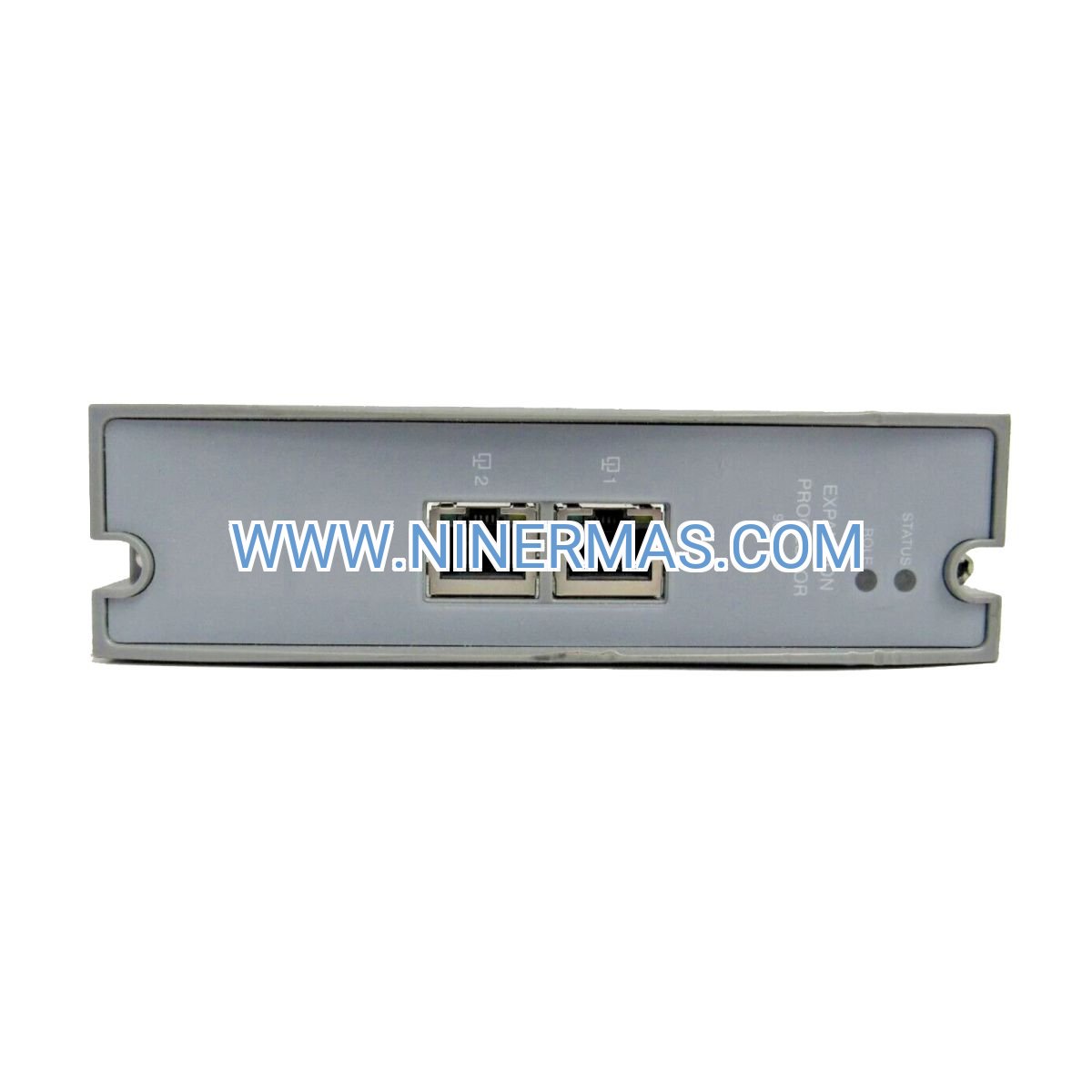
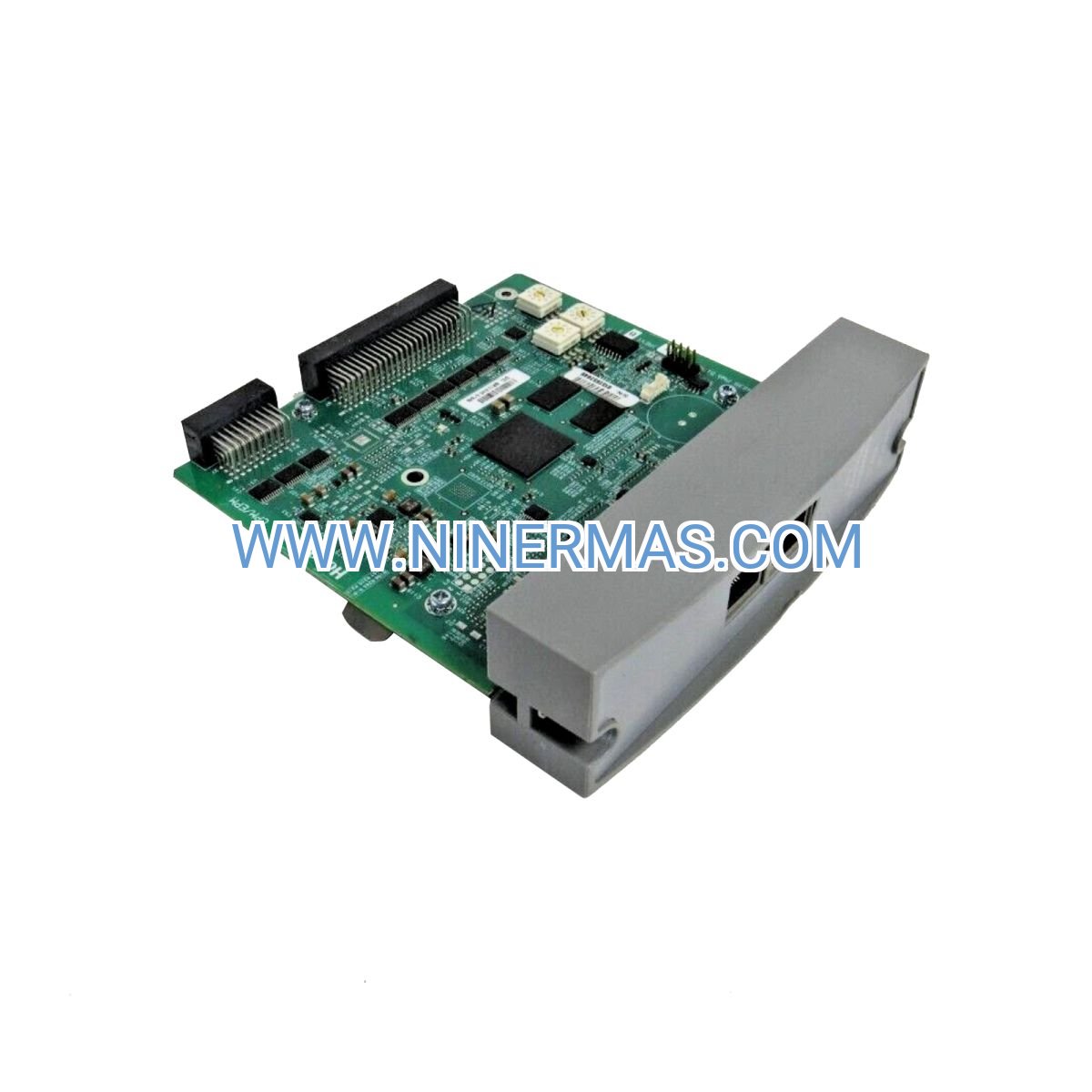
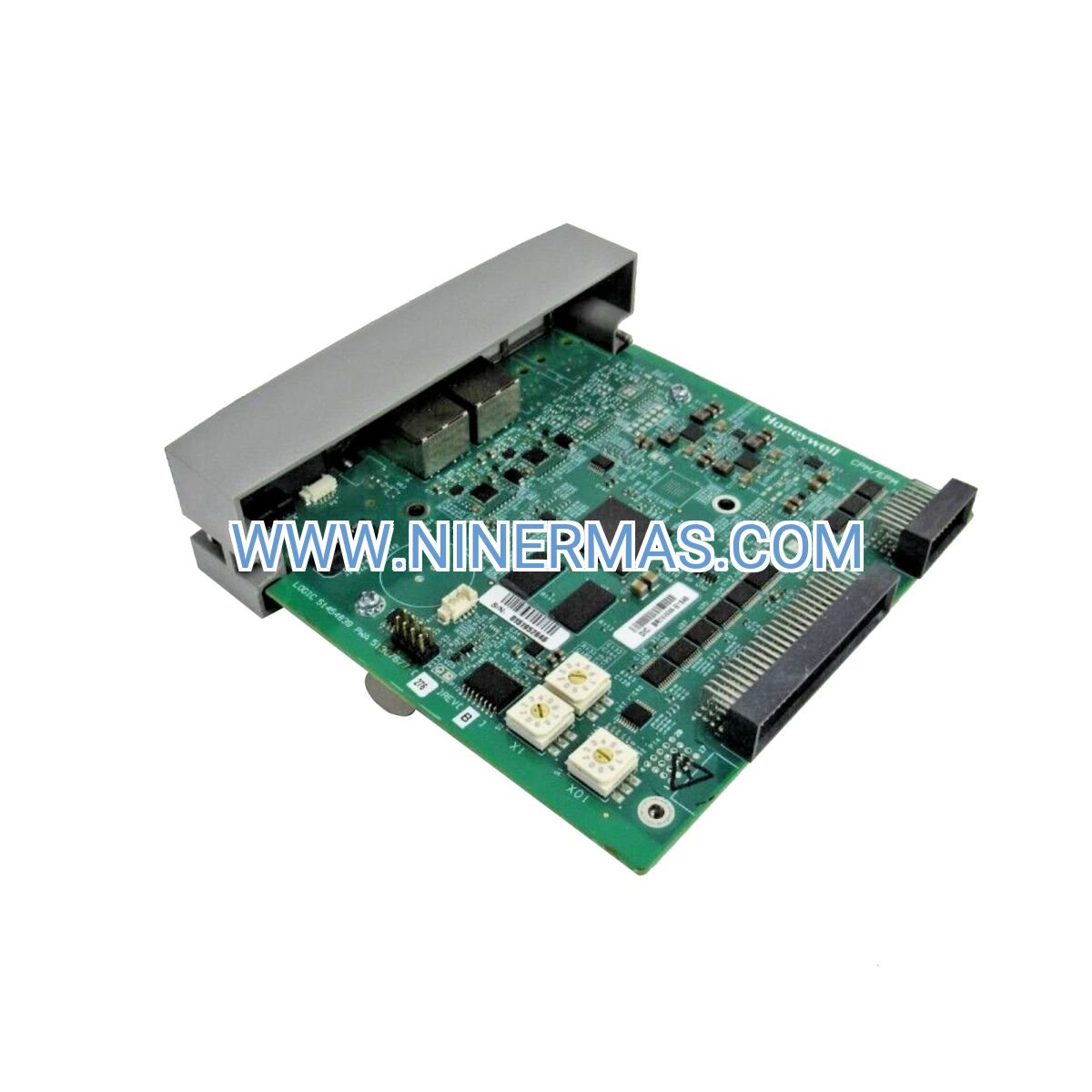
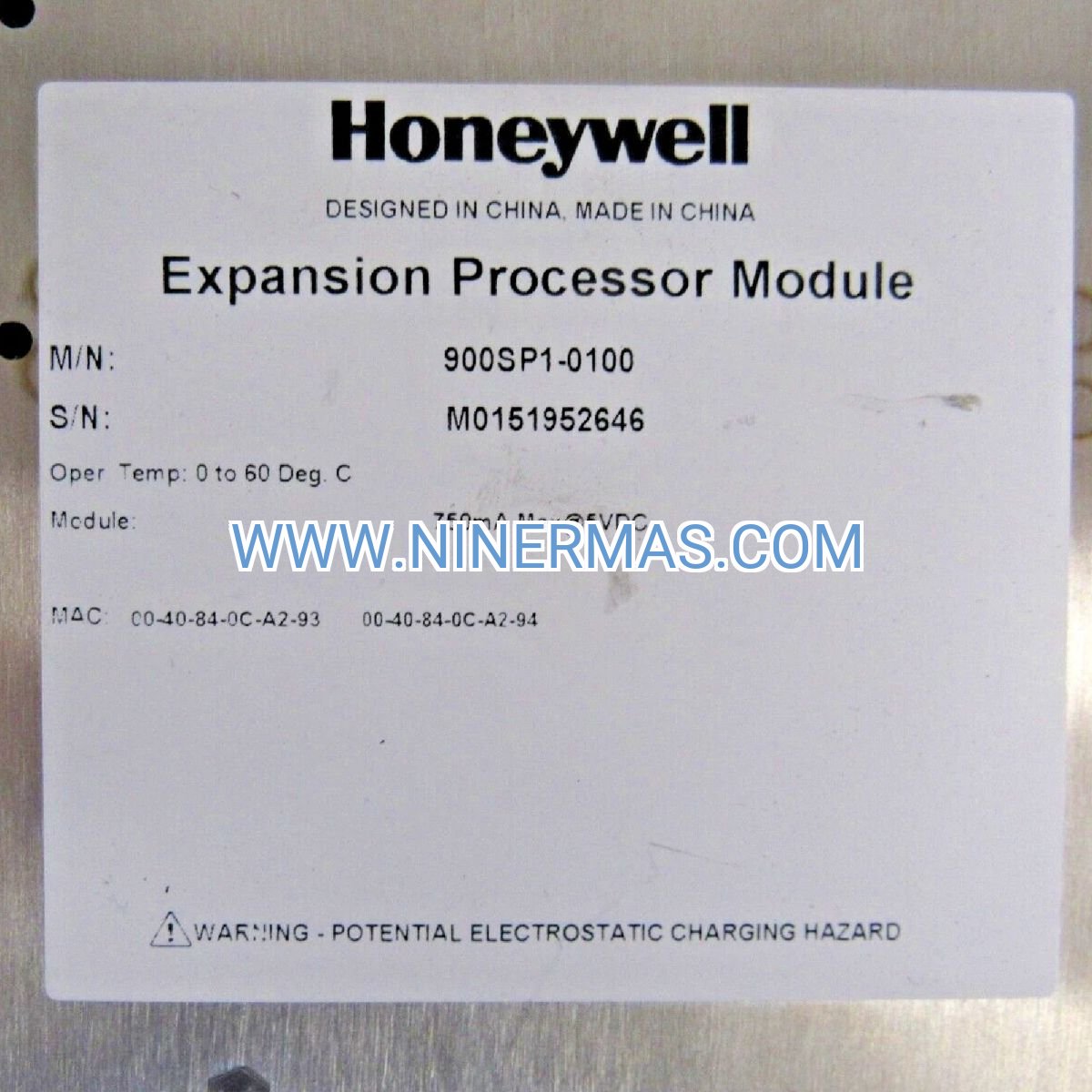
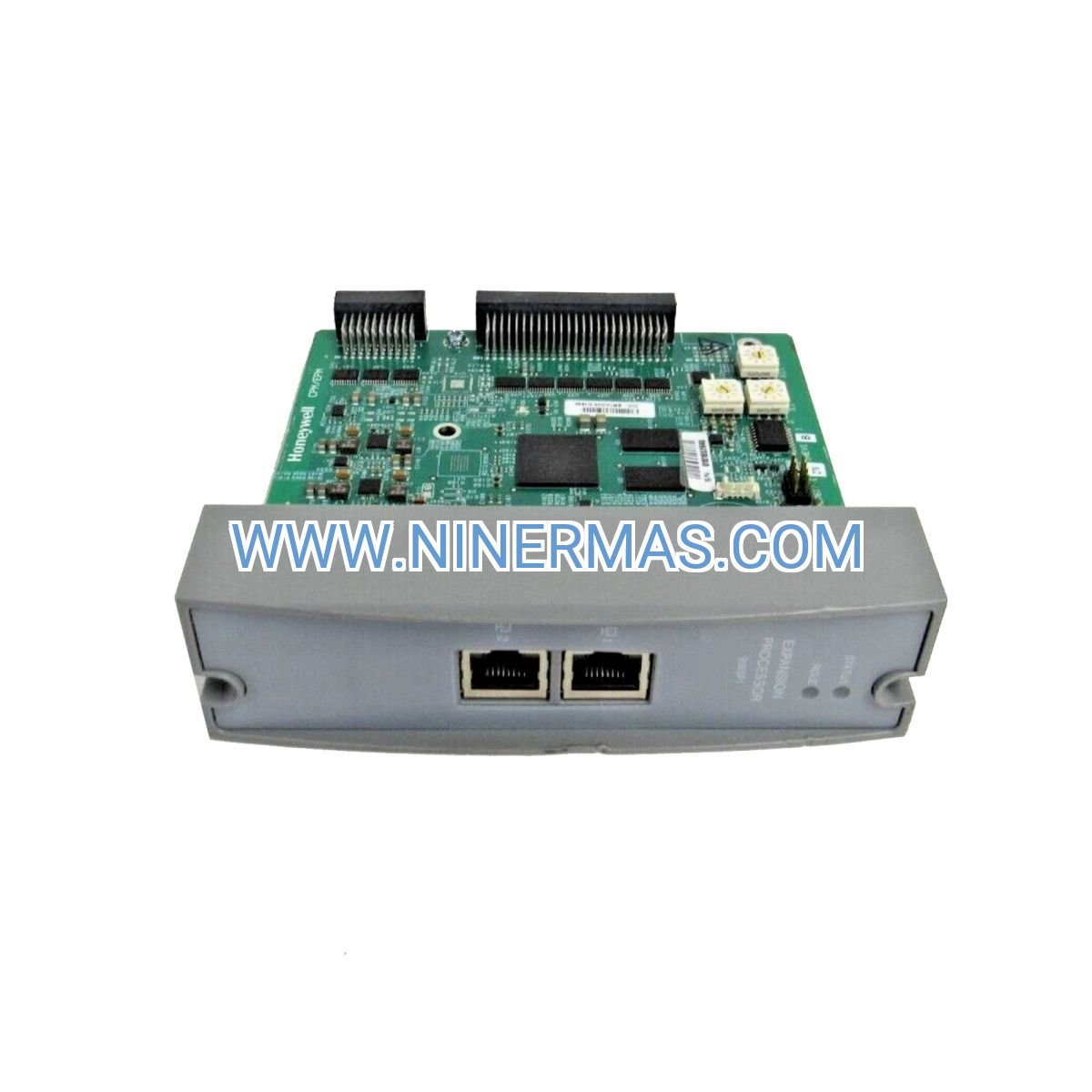
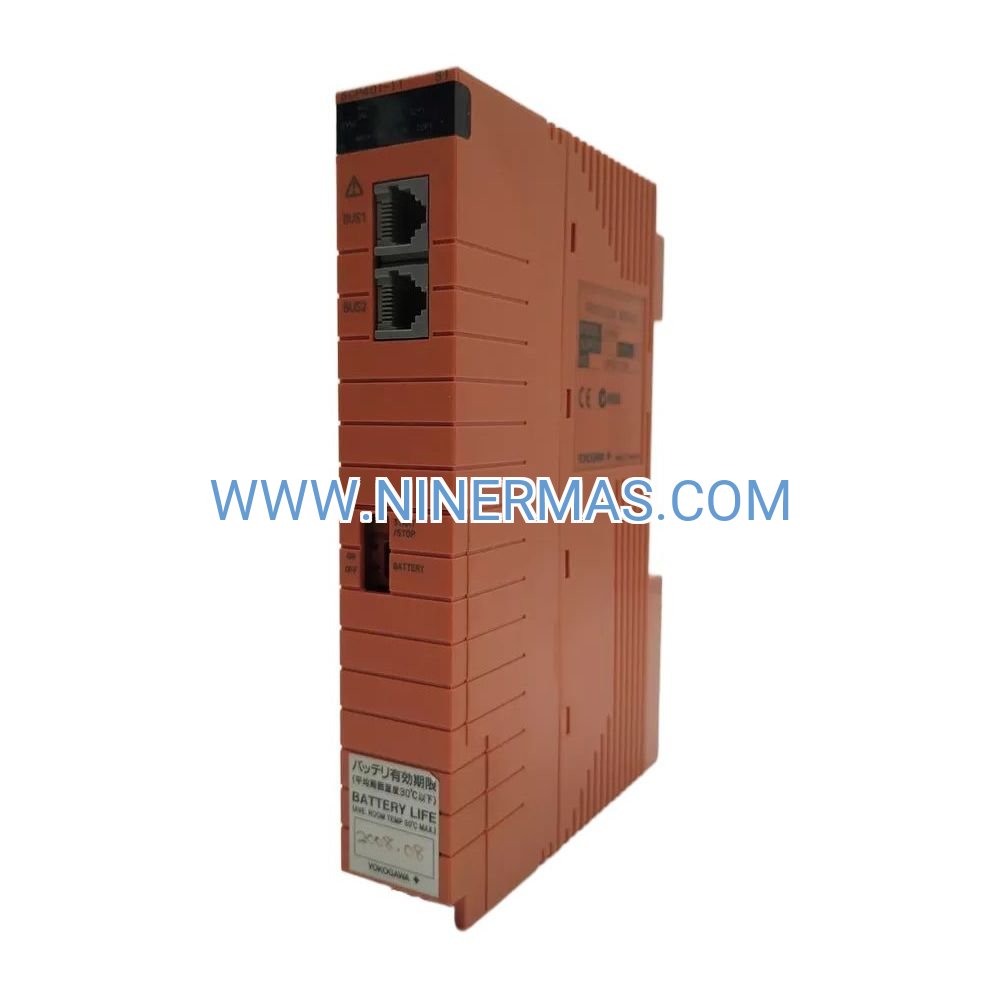
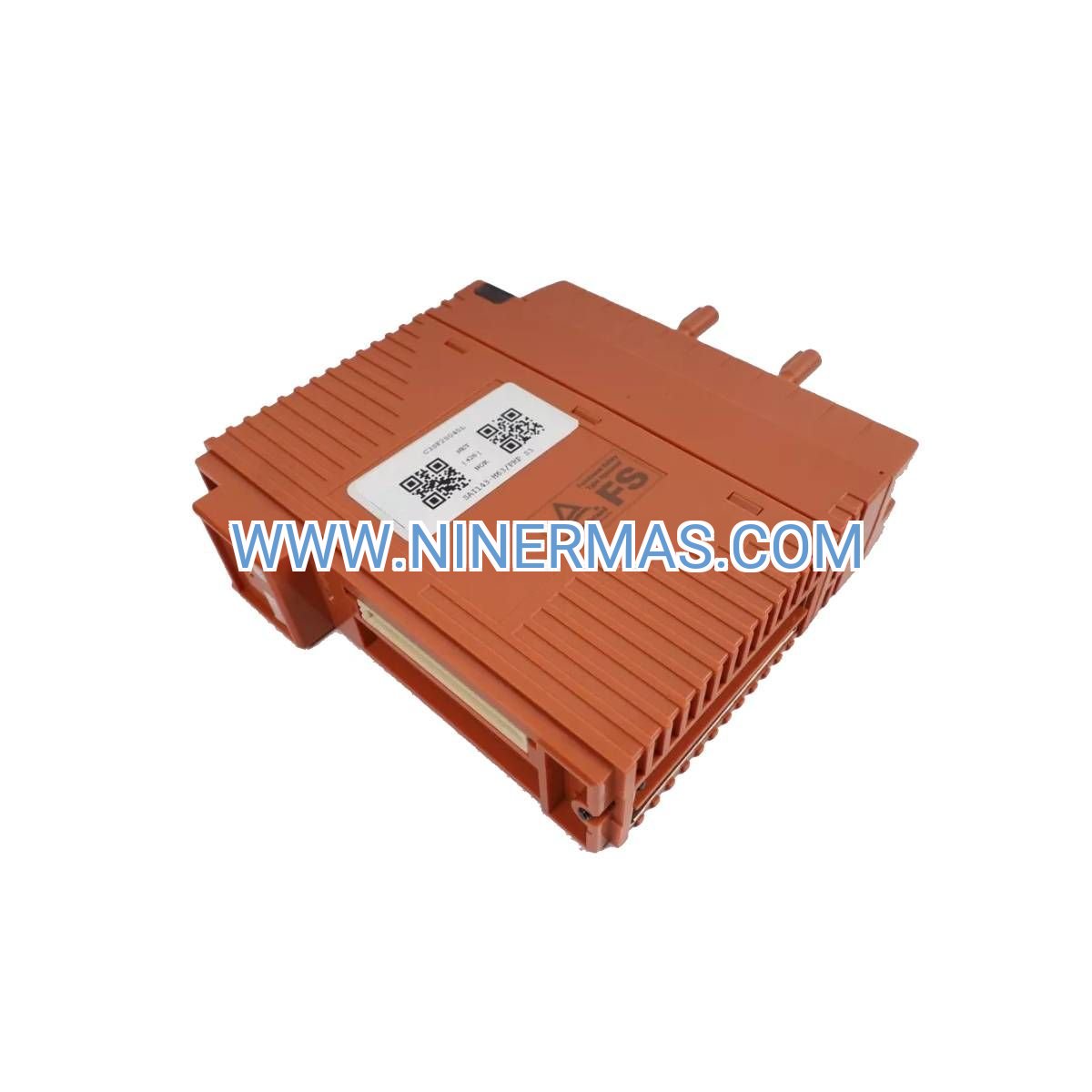
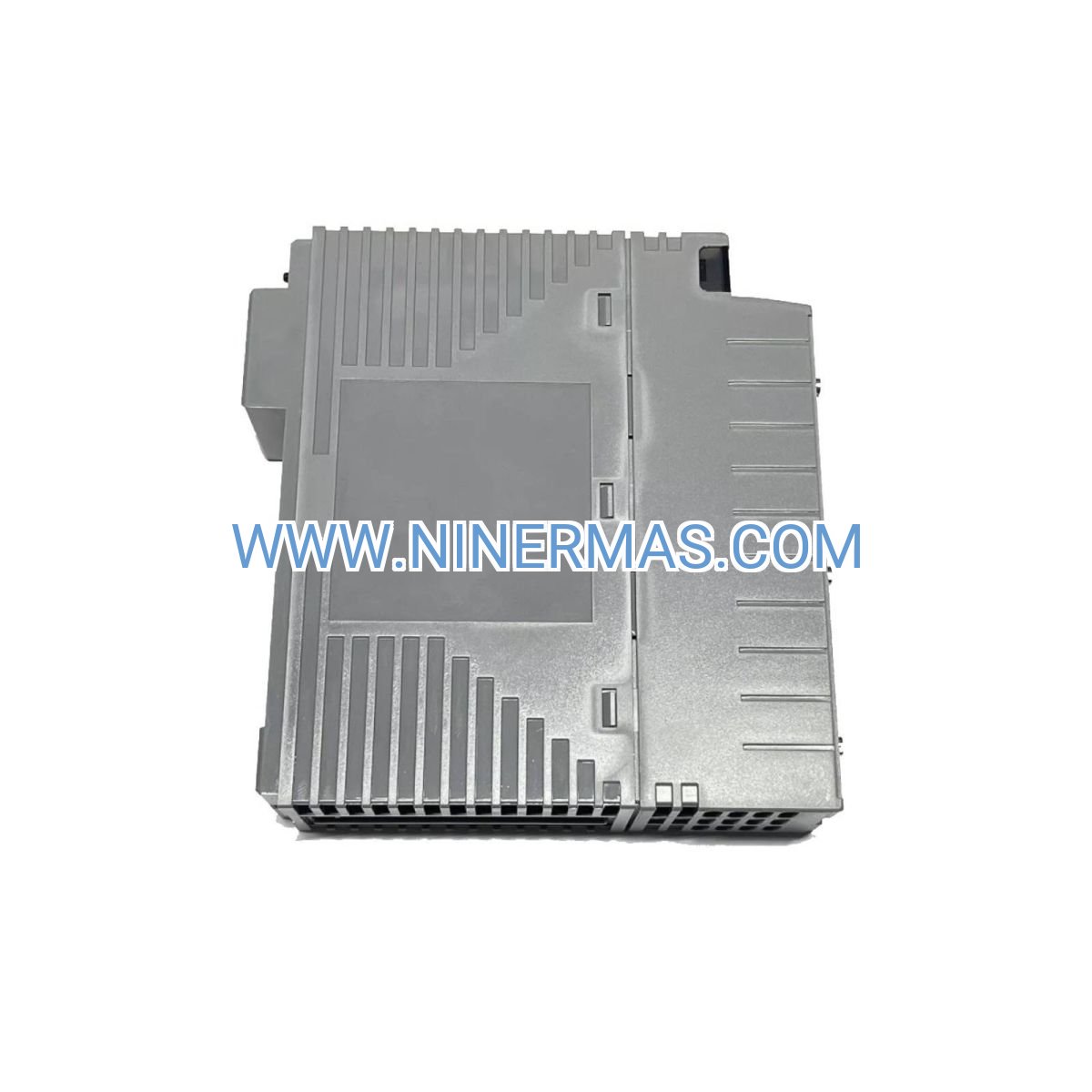
900SP1-0100 Expansion Processor Module (Industrial-Grade Control Enhancement)
The 900SP1-0100 Expansion Processor Module represents a strategic solution for organizations seeking to amplify their ControlEdge HC900 system capabilities without infrastructure overhaul. This industrial-hardened component addresses the growing complexity of modern automation environments where single-processor architectures reach computational limits. Designed for process industries, discrete manufacturing, and hybrid control applications, the EPM delivers deterministic performance under continuous operation cycles.
Process engineers and automation specialists deploy this module when existing HC900 controllers face capacity constraints—whether from increased I/O density, complex regulatory algorithms, or multi-loop coordination demands. The module integrates seamlessly into established control networks, preserving existing logic while unlocking headroom for future expansion. Its ruggedized construction withstands temperature extremes, electrical transients, and vibration profiles common in heavy industrial settings.
Key differentiators include hot-swappable architecture for zero-downtime maintenance, native support for redundant configurations, and compatibility with legacy HC900 firmware revisions dating back to version 4.x. Organizations benefit from extended system lifecycle, reduced migration costs, and the ability to scale control capacity incrementally as operational requirements evolve.
Core Capabilities & Technical Advantages
→ Distributed Processing Architecture: Offloads computational tasks from the primary CPU, enabling parallel execution of PID loops, batch sequencing, and data acquisition routines—critical for maintaining scan cycle determinism in time-sensitive applications.
✓ Multi-Protocol Communication Gateway: Bridges Modbus RTU/TCP, Ethernet/IP, and OPC DA/UA networks within a single module, eliminating the need for external protocol converters and reducing system complexity by up to 40%.
• Fault-Tolerant Operation: Integrated watchdog timers and self-diagnostic routines detect anomalies within 50ms, triggering automatic failover in redundant configurations—ensuring process continuity in safety-instrumented systems (SIS).
1. Extended Temperature Qualification: Operates reliably across 0°C to 60°C ambient range without derating, validated through 10,000-hour accelerated life testing per IEC 61131 standards.
2. Backward Compatibility Assurance: Firmware abstraction layer maintains interoperability with HC900 controllers manufactured since 2008, protecting capital investments and simplifying spare parts inventory.
3. Cybersecurity Hardening: Implements role-based access control (RBAC), encrypted configuration files, and audit logging to meet IEC 62443 industrial cybersecurity requirements.
Industry-Specific Deployment Scenarios
Chemical & Petrochemical Processing: In multi-stage reactor systems, the EPM manages cascade control loops for temperature, pressure, and flow while the primary CPU handles batch recipe execution and safety interlocks. This division of labor prevents scan time overruns during emergency shutdown sequences, where response times under 100ms are mandatory.
Water & Wastewater Treatment: Municipal facilities leverage the module to coordinate filtration trains, chemical dosing pumps, and UV disinfection systems across distributed sites. The EPM's Modbus gateway capability consolidates data from legacy PLCs and modern smart instruments into a unified SCADA interface, reducing integration costs by 60%.
Pharmaceutical Manufacturing: GMP-compliant batch production demands precise audit trails and recipe version control. The EPM dedicates processing power to electronic batch record (EBR) generation while maintaining real-time control of mixing, heating, and transfer operations—ensuring 21 CFR Part 11 compliance without performance compromise.
Power Generation & Cogeneration: Balance-of-plant systems utilize the module for auxiliary equipment control—boiler feedwater pumps, cooling tower fans, and fuel handling systems—freeing the main controller to focus on turbine protection and grid synchronization logic.
Food & Beverage Production: High-speed packaging lines require coordinated motion control, vision inspection, and product tracking. The EPM handles barcode scanning, reject mechanisms, and line clearance verification while the primary CPU manages recipe changeovers and OEE data collection.
Technical Specifications & Selection Criteria
| Parameter | Specification |
|---|---|
| Processor Type | 32-bit RISC, 100 MHz clock |
| Program Memory | 2 MB Flash, 512 KB RAM |
| Scan Cycle | 10 ms typical, 5 ms minimum |
| Network Interfaces | Dual Ethernet (10/100 Mbps), RS-485 |
| Power Consumption | 8W @ 24 VDC nominal |
| Isolation Voltage | 1500 VAC (power to logic) |
| MTBF Rating | >150,000 hours @ 40°C |
| Dimensions (H×W×D) | 120 × 35 × 100 mm |
Selection Guidelines: Evaluate current CPU utilization through Hybrid Control Designer diagnostics. If scan time exceeds 80% of allocated cycle budget, or if adding 50+ I/O points is planned, the EPM prevents performance degradation. For systems requiring redundancy, deploy EPMs in matched pairs with automatic synchronization. Confirm firmware compatibility—controllers running v4.5 or later support full EPM feature sets including OPC UA server functionality.
Advanced Integration & Customization Options
IIoT Connectivity: Optional MQTT client firmware enables direct cloud gateway integration with AWS IoT Core, Azure IoT Hub, or on-premises historians like OSIsoft PI. This eliminates middleware servers and reduces data latency to under 500ms for predictive maintenance applications.
Custom Function Blocks: Engineering teams can develop proprietary control algorithms in IEC 61131-3 structured text and deploy them as reusable function blocks. The EPM's isolated execution environment prevents custom code from impacting certified safety logic.
Third-Party Device Integration: Pre-validated driver libraries support 200+ field devices including Endress+Hauser transmitters, ABB drives, and Siemens actuators. Configuration wizards auto-populate register maps and scaling parameters, reducing commissioning time by 70%.
Cybersecurity Enhancements: Add-on security modules provide hardware-based encryption (AES-256), secure boot verification, and intrusion detection—meeting NERC CIP and NIST 800-82 requirements for critical infrastructure protection.
Delivery Timelines & Support Services
Standard Lead Time: In-stock units ship within 24-48 hours via DHL/FedEx with full tracking. Typical delivery to North America, Europe, and Asia-Pacific regions: 3-7 business days.
Custom Configuration: Pre-programmed modules with customer-specific firmware, IP addressing, and security certificates available with 10-14 day lead time. Includes factory acceptance testing (FAT) documentation.
Warranty Coverage: 18-month comprehensive warranty covering manufacturing defects, component failures, and performance deviations from published specifications. Extended 36-month coverage available for critical applications.
Technical Support: Lifetime access to application engineers via email/phone (8×5 coverage, 4-hour response SLA). Emergency support available 24×7 for production-down scenarios. Includes access to firmware updates, configuration templates, and troubleshooting guides.
Documentation Package: Each module ships with installation manual, wiring diagrams, Modbus register map, sample ladder logic, and calibration certificates traceable to NIST standards.
Frequently Asked Questions
How does the expansion processor module improve system scalability for growing automation networks?
The EPM adds 2 MB of program memory and dedicated processing power, allowing you to expand I/O capacity by 200+ points, implement 50+ additional PID loops, or integrate 10+ Modbus slave devices without degrading scan cycle performance. This modular approach defers costly controller replacements by 5-7 years.
What communication protocols does the 900SP1-0100 support for multi-vendor integration?
Native support includes Modbus RTU/TCP (master/slave), Ethernet/IP (adapter/scanner), OPC DA/UA (server), and DNP3 (outstation). Protocol conversion occurs in real-time without external gateways, simplifying network architecture and reducing points of failure.
Can this module operate in hazardous area classifications for oil and gas applications?
The standard module is rated for Zone 2/Division 2 environments when installed in appropriate enclosures (NEMA 4X/IP66 minimum). For Zone 1/Division 1 deployment, specify the intrinsically safe (IS) barrier kit during ordering—consult our application engineers for certification documentation.
What are the power supply requirements and redundancy options for mission-critical installations?
Operates on 24 VDC ±20% (18-30 VDC range), drawing 8W maximum. For redundant power, connect dual supplies through diode-OR modules (sold separately). The EPM includes reverse polarity protection and inrush current limiting to prevent nuisance trips during hot-swap operations.
How do firmware updates work, and will they disrupt active control processes?
Firmware updates deploy via Ethernet using Hybrid Control Designer software. The process takes 3-5 minutes and requires a controlled shutdown—schedule during planned maintenance windows. Redundant systems support bumpless transfer, allowing one EPM to update while its partner maintains process control.
What diagnostic capabilities help reduce troubleshooting time during commissioning or failures?
Built-in diagnostics monitor CPU load, memory utilization, network traffic, and I/O health in real-time. LED indicators provide instant status feedback (green=normal, amber=warning, red=fault). Event logs capture 1,000+ timestamped entries with millisecond resolution, exportable via USB or Ethernet for root cause analysis.
Take the Next Step
Ready to expand your HC900 system capacity? Our automation specialists will assess your current architecture, recommend optimal module placement, and provide detailed ROI analysis. Contact us for a complimentary system audit and customized integration proposal—most assessments complete within 48 hours.
Request a quote: Share your project requirements via email or phone, and receive a detailed proposal including pricing, lead times, and technical validation within one business day.
© 2026 NINERMAS COMPANY LIMITED. All rights reserved.
Original Source: https://ninermas.com
Contact: sale@ninermas.com | +0086 187 5021 5667
Related products

Contact Info
-
Address:22 / F, South Wo Hang building, 148 Wing Lok Street, Sheung Wan, Western District, Hong Kong
-
Phone:+8618750215667
-
Email: