Description
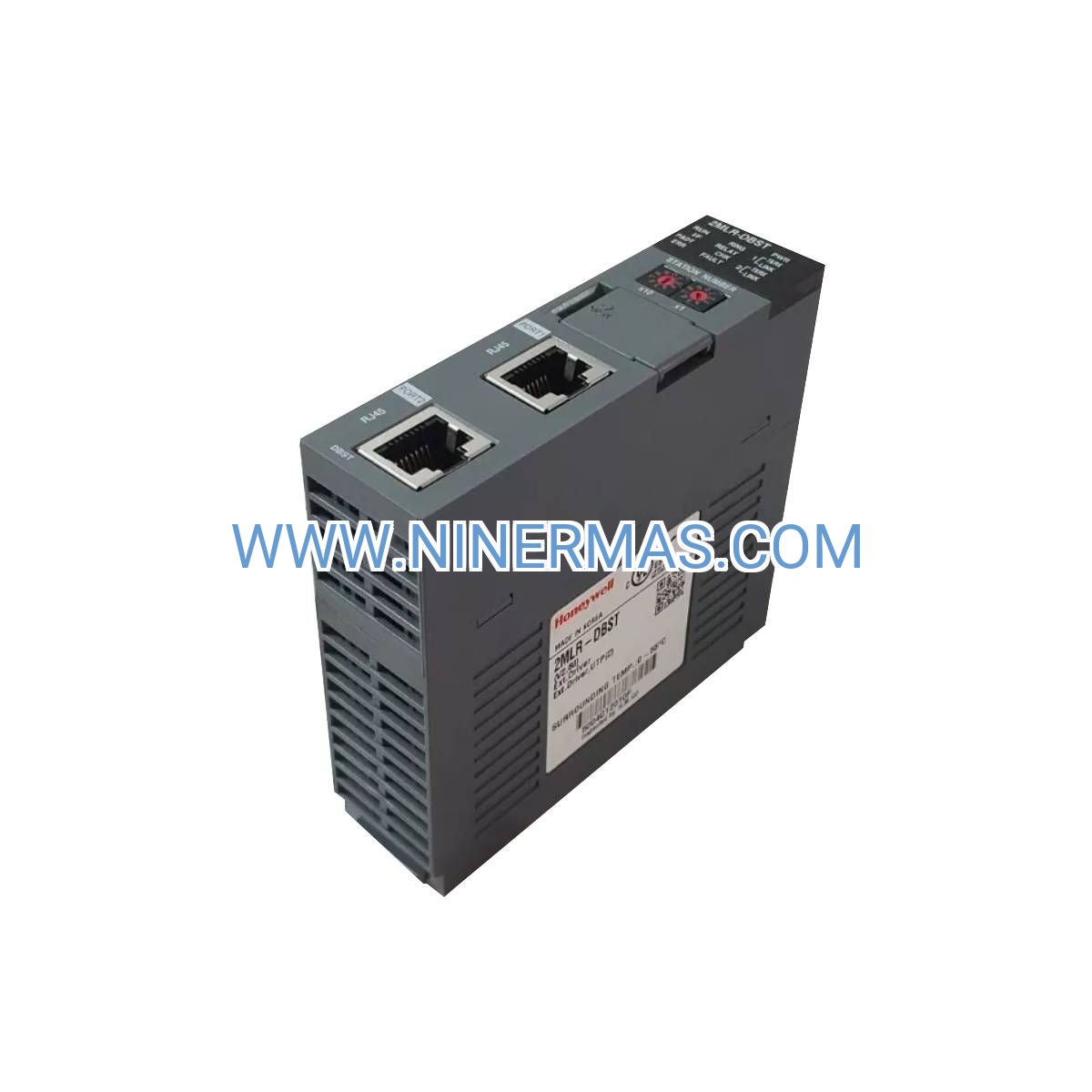
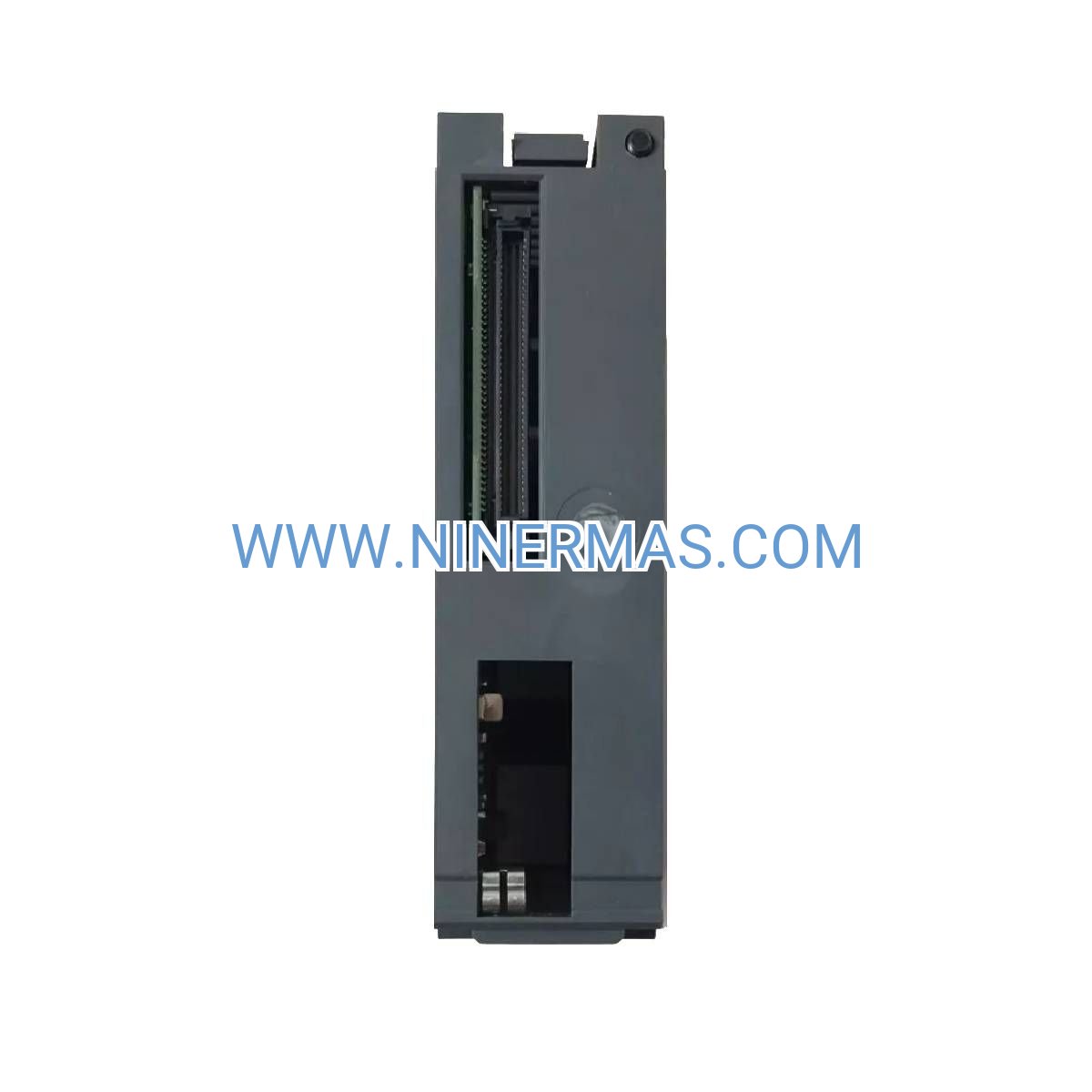
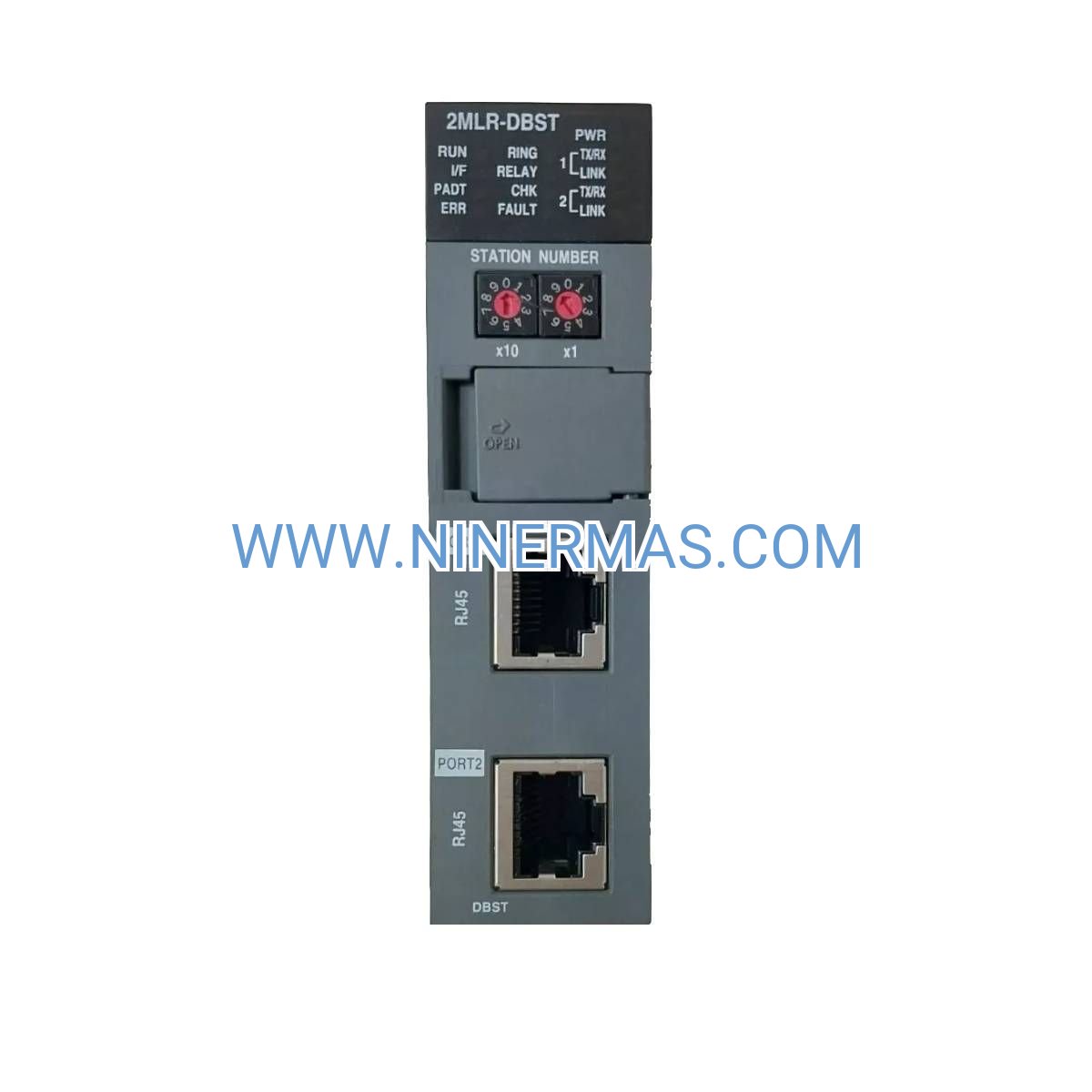
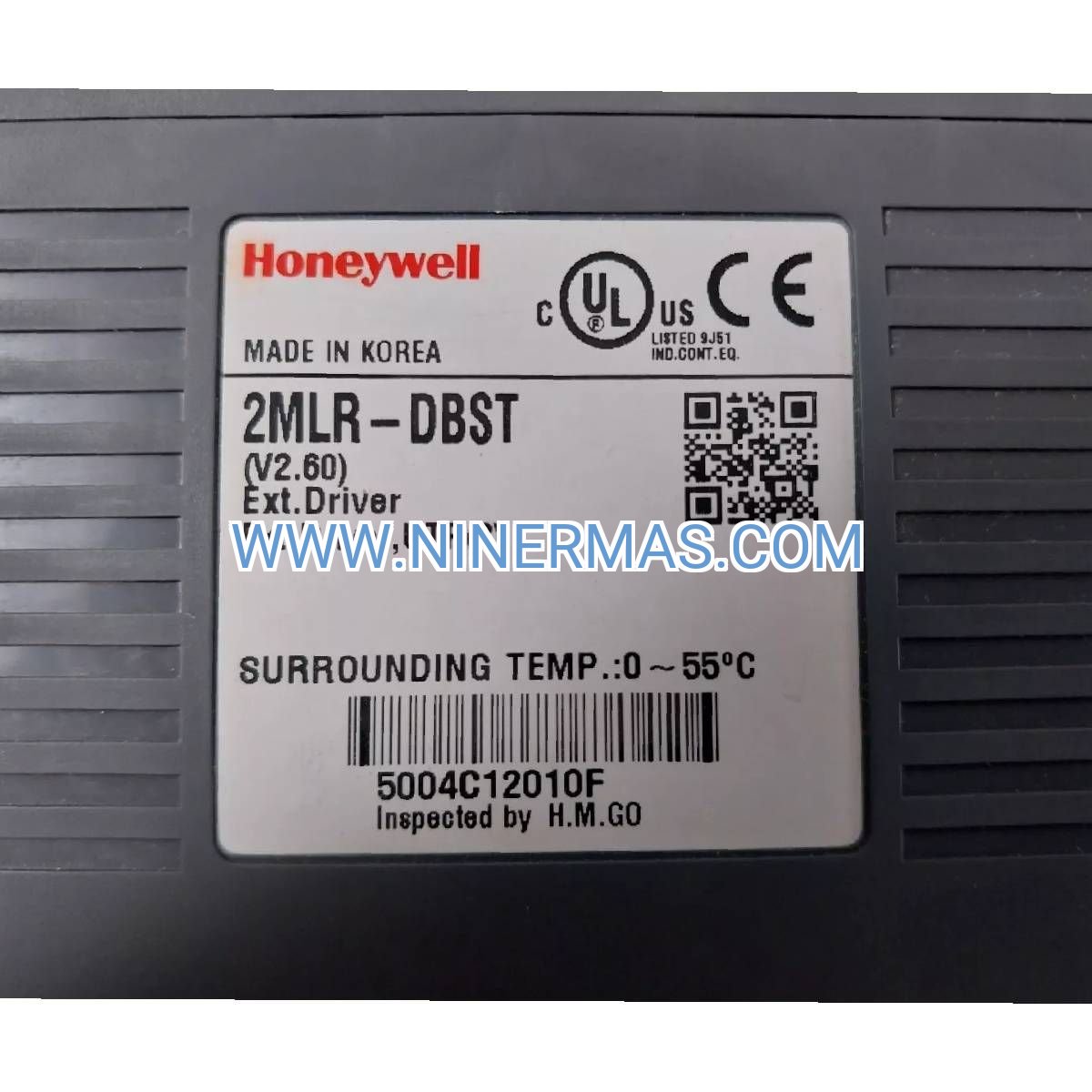
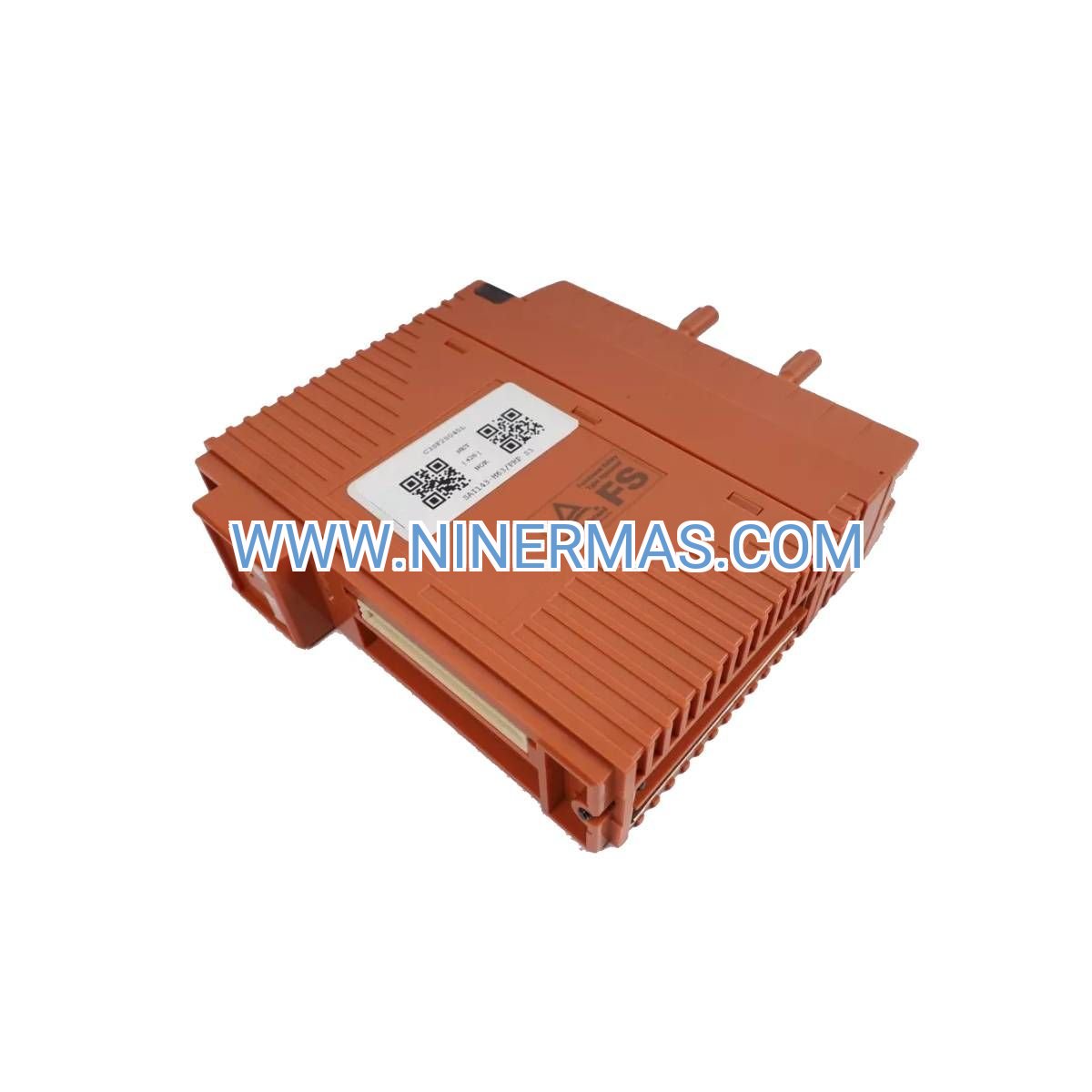
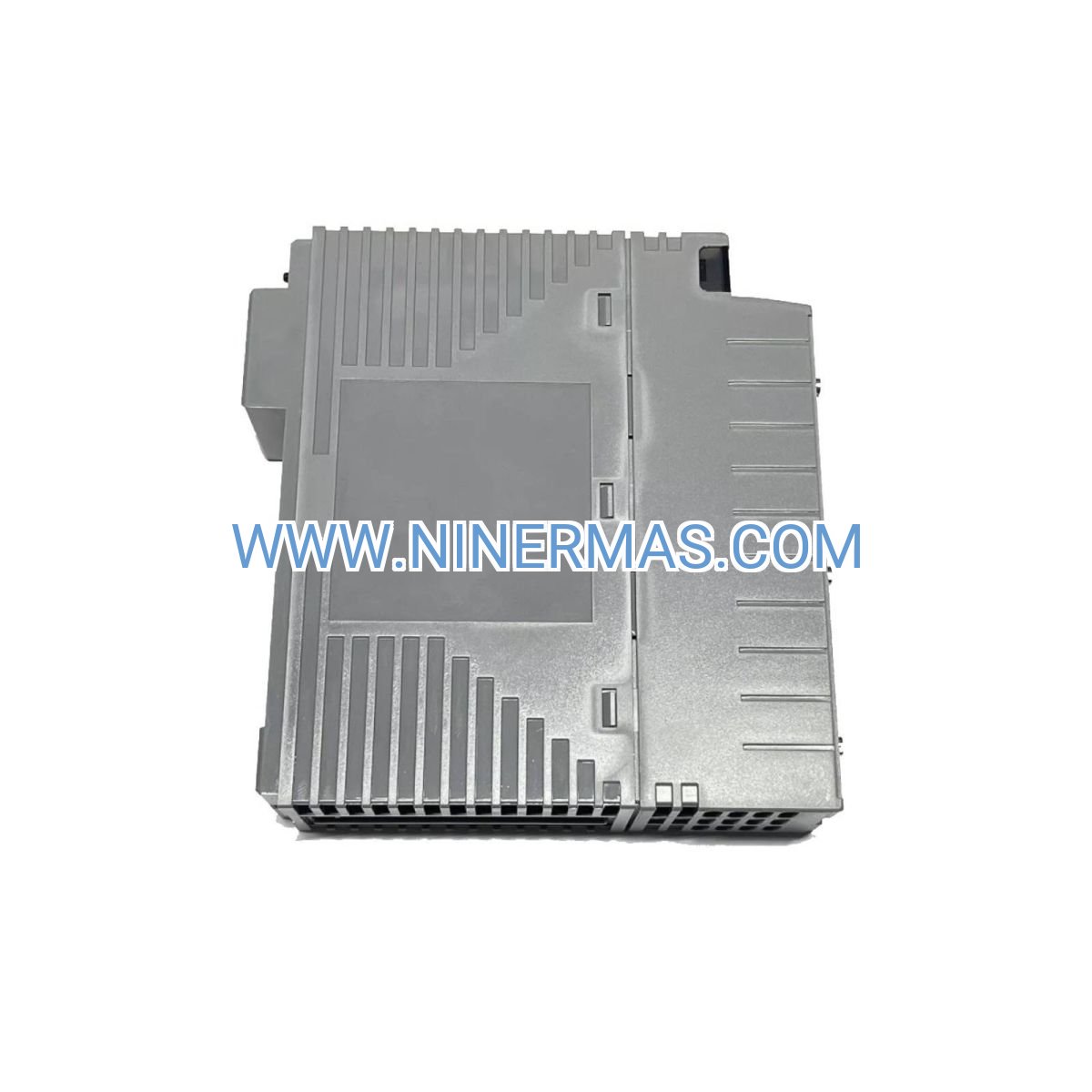
2MLR-DBST Extension Base Interface (Industrial-Grade Connectivity Module)
The 2MLR-DBST represents Honeywell's purpose-built solution for extending I/O capacity in distributed control environments. This electrical-type interface module establishes a robust communication bridge between 2MLR-CPUH central processing units and remote extension bases, addressing the critical challenge of scalable automation infrastructure without compromising signal integrity or system reliability.
Manufacturing facilities facing I/O point limitations discover immediate value in the 2MLR-DBST's plug-and-expand architecture. Process engineers and system integrators rely on this module to overcome cabinet space constraints while maintaining deterministic communication across extended production lines. The module's industrial-grade construction ensures consistent performance in harsh environments where temperature fluctuations, electrical noise, and vibration threaten system uptime.
Three core advantages define the 2MLR-DBST: seamless 2MLR ecosystem integration eliminating compatibility concerns, tool-free DIN rail installation reducing commissioning labor by up to 40%, and LED-based diagnostics enabling rapid fault isolation during troubleshooting. These features combine to deliver a total cost of ownership reduction that extends beyond initial hardware investment.
Core Features & Benefits
→ Electrical Signal Transmission Architecture
Utilizes proven electrical connectivity protocols optimized for industrial environments, delivering noise immunity superior to optical alternatives in EMI-heavy applications. Reduces installation complexity by eliminating fiber optic handling requirements and specialized termination tools.
→ 10-Meter Extension Capability
Supports cabinet-to-cabinet distances up to 10 meters using standard industrial cabling, providing layout flexibility that accommodates diverse facility configurations. Enables distributed I/O placement that minimizes field wiring runs and associated labor costs.
→ Hot-Standby System Compatibility
Integrates seamlessly with redundant 2MLR-CPUH controller configurations, maintaining communication integrity during controller switchover events. Ensures zero-downtime operation in critical process control applications where production interruptions carry significant financial penalties.
✓ Multi-Indicator Status Display
Front-panel LEDs provide real-time visibility into power status, communication health, and fault conditions. Accelerates troubleshooting workflows by isolating issues to specific system segments without requiring diagnostic software or laptop connections.
✓ Wide Operating Temperature Range
0°C to 60°C operational envelope accommodates non-climate-controlled industrial environments, from cold storage facilities to heat-generating production areas. Eliminates the need for supplemental cooling infrastructure in standard manufacturing settings.
✓ Global Safety Certifications
CE, UL, and cUL approvals streamline compliance documentation for multinational installations. Reduces engineering review cycles and accelerates project approval timelines in regulated industries.
Application Scenarios
Automotive Assembly Line Expansion
When a tier-1 automotive supplier needed to add 128 I/O points to an existing paint booth control system, the 2MLR-DBST enabled modular expansion without replacing the central 2MLR-CPUH controller. The electrical interface maintained microsecond-level synchronization across distributed valve manifolds and sensor arrays, ensuring coating thickness uniformity within ±2 microns.
Food Processing Multi-Zone Temperature Control
A commercial bakery deployed four 2MLR-DBST modules to distribute oven zone controllers across a 40-meter production line. The interface modules eliminated 600+ meters of point-to-point wiring, reducing installation time by three weeks and improving system maintainability through localized I/O troubleshooting.
Pharmaceutical Clean Room Integration
In a Class 100 cleanroom environment, the 2MLR-DBST's compact footprint and DIN rail mounting enabled I/O expansion within space-constrained control cabinets. The module's sealed construction prevented particulate contamination while maintaining communication reliability required for FDA 21 CFR Part 11 compliance.
Water Treatment SCADA Retrofit
A municipal water facility upgraded legacy relay-based controls to a modern 2MLR PLC system using the 2MLR-DBST to interface with existing remote I/O racks. The electrical connectivity matched the plant's established wiring standards, avoiding costly infrastructure modifications during the phased migration.
Packaging Machine Distributed Control
High-speed packaging equipment manufacturers integrate the 2MLR-DBST to separate motion control I/O from process monitoring points. This architecture reduces controller scan time by 15-20%, enabling faster machine cycles and improved throughput in bottling and cartoning applications.
Technical Parameters & Selection Guide
| Specification Category | Value/Range | Engineering Notes |
|---|---|---|
| Model Designation | 2MLR-DBST | Electrical-type interface variant |
| Compatible Controllers | 2MLR-CPUH series | Verify firmware compatibility ≥v3.2 |
| Maximum Extension Distance | 10 meters (33 feet) | Use shielded twisted-pair cable |
| Extension Bases per Module | 1 base | Daisy-chain for multiple bases |
| Operating Temperature | 0°C to 60°C | Derate above 50°C in enclosed cabinets |
| Storage Temperature | -40°C to 85°C | Standard industrial warehouse conditions |
| Relative Humidity | 5% to 95% non-condensing | Avoid direct moisture exposure |
| Power Consumption | <5W typical | Sourced from extension base |
| Mounting Method | 35mm DIN rail (EN 50022) | Tool-free clip installation |
| Diagnostic Indicators | 3x LED (PWR/COMM/FAULT) | Visible through cabinet door windows |
| Certifications | CE, UL508, cUL | RoHS compliant |
| MTBF Rating | >500,000 hours | Based on Telcordia SR-332 analysis |
Selection Criteria: Choose the 2MLR-DBST when your application requires electrical connectivity between 2MLR-CPUH controllers and extension bases within 10-meter distances. For longer runs exceeding 10 meters, consider fiber optic interface alternatives. Verify that your extension base model supports electrical interface connections—consult base module datasheets for compatibility confirmation. In applications with severe EMI/RFI environments (welding cells, VFD-heavy installations), evaluate grounding and shielding requirements to maintain communication reliability.
Extended Functions
Redundant Communication Pathways: When deployed in dual-controller configurations, the 2MLR-DBST supports automatic failover communication routing. If the primary controller experiences a fault, the module seamlessly transitions to the backup controller without requiring manual intervention or system restart.
System Diagnostics Integration: The module's fault indicators integrate with 2MLR-CPUH diagnostic registers, enabling SCADA systems to monitor interface health remotely. Alarm conditions trigger automated notifications through Modbus TCP or EtherNet/IP protocols, supporting predictive maintenance strategies.
Modular Expansion Architecture: Multiple 2MLR-DBST modules can be deployed in parallel to create complex distributed I/O topologies. This architecture supports phased system expansion, allowing facilities to add I/O capacity incrementally as production requirements evolve without disrupting existing operations.
Custom Configuration Options: While the standard 2MLR-DBST meets most application requirements, Honeywell offers factory customization for specialized environments including conformal coating for high-humidity applications, extended temperature variants for extreme climates, and custom cable assemblies for rapid deployment scenarios.
Delivery & Service
Standard Lead Time: In-stock units ship within 2-3 business days via express courier services. Bulk orders (10+ units) typically fulfill within 5-7 business days. Custom-configured modules require 3-4 weeks for factory preparation and testing.
Warranty Coverage: Every 2MLR-DBST includes a comprehensive 12-month manufacturer warranty covering defects in materials and workmanship. Extended warranty programs (24/36-month options) are available for critical infrastructure applications requiring long-term protection.
Technical Support: Our engineering team provides unlimited pre-sales consultation, installation guidance, and troubleshooting assistance throughout the product lifecycle. Support channels include email (response within 4 hours), phone (direct engineer access), and remote diagnostic sessions for complex integration challenges.
Documentation Package: Each module ships with installation quick-start guide, wiring diagrams, dimensional drawings (DXF/PDF formats), and certification documents. Comprehensive technical manuals, programming examples, and integration case studies are available through our online resource portal.
Frequently Asked Questions
What cable specifications are required for reliable 2MLR-DBST connections?
Use 22-24 AWG shielded twisted-pair cable with 120-ohm characteristic impedance. Belden 9841 or equivalent cables provide optimal performance. Maintain shield continuity by grounding at the controller end only to prevent ground loops. For installations near high-power equipment, route interface cables in separate conduit from AC power wiring.
Can the 2MLR-DBST interface support real-time I/O updates for motion control applications?
Yes, the module maintains deterministic communication with scan times under 2 milliseconds for typical I/O configurations. This performance supports servo positioning, high-speed counting, and synchronized multi-axis motion applications. Verify that your total I/O count and network loading remain within 2MLR-CPUH controller capacity specifications.
How does the 2MLR-DBST perform in high-vibration environments like stamping presses?
The module's DIN rail retention mechanism and soldered component construction withstand vibration levels up to 5G (10-500 Hz) per IEC 60068-2-6 standards. For extreme vibration applications, supplemental DIN rail end stops prevent lateral module movement. Conformal coating options provide additional component protection against mechanical stress.
What diagnostic steps should I follow if the COMM LED indicates a fault condition?
First, verify cable continuity and shield grounding using a multimeter. Check that extension base power supplies deliver stable voltage within ±10% tolerance. Confirm firmware compatibility between controller and extension base modules. If issues persist, swap the 2MLR-DBST with a known-good unit to isolate hardware versus configuration problems.
Is the 2MLR-DBST compatible with third-party extension bases from other manufacturers?
The module is engineered specifically for Honeywell 2MLR extension bases and may not function correctly with third-party hardware due to proprietary communication protocols. Mixing vendors can void warranty coverage and create unpredictable system behavior. For multi-vendor integration requirements, consult our engineering team for validated interface solutions.
What energy efficiency benefits does the 2MLR-DBST provide compared to traditional I/O wiring?
By eliminating hundreds of individual wire runs, the 2MLR-DBST reduces copper consumption by 60-70% in typical installations. Lower wire resistance decreases voltage drop and associated energy losses. The module's <5W power consumption adds negligible load to system power budgets while enabling significant installation labor savings that offset initial hardware costs within 12-18 months.
Ready to Expand Your Control System?
Contact our automation specialists today to discuss your I/O expansion requirements. We'll help you design an optimized 2MLR architecture that balances performance, cost, and future scalability. Request a detailed quotation, technical consultation, or sample unit evaluation to experience the 2MLR-DBST advantage in your facility.
© 2026 NINERMAS COMPANY LIMITED. All rights reserved.
Original Source: https://ninermas.com
Contact: sale@ninermas.com | +0086 187 5021 5667
PDF Specification
Download PDF file here:
Click to Download PDFRelated products

Contact Info
-
Address:22 / F, South Wo Hang building, 148 Wing Lok Street, Sheung Wan, Western District, Hong Kong
-
Phone:+8618750215667
-
Email: