
Description
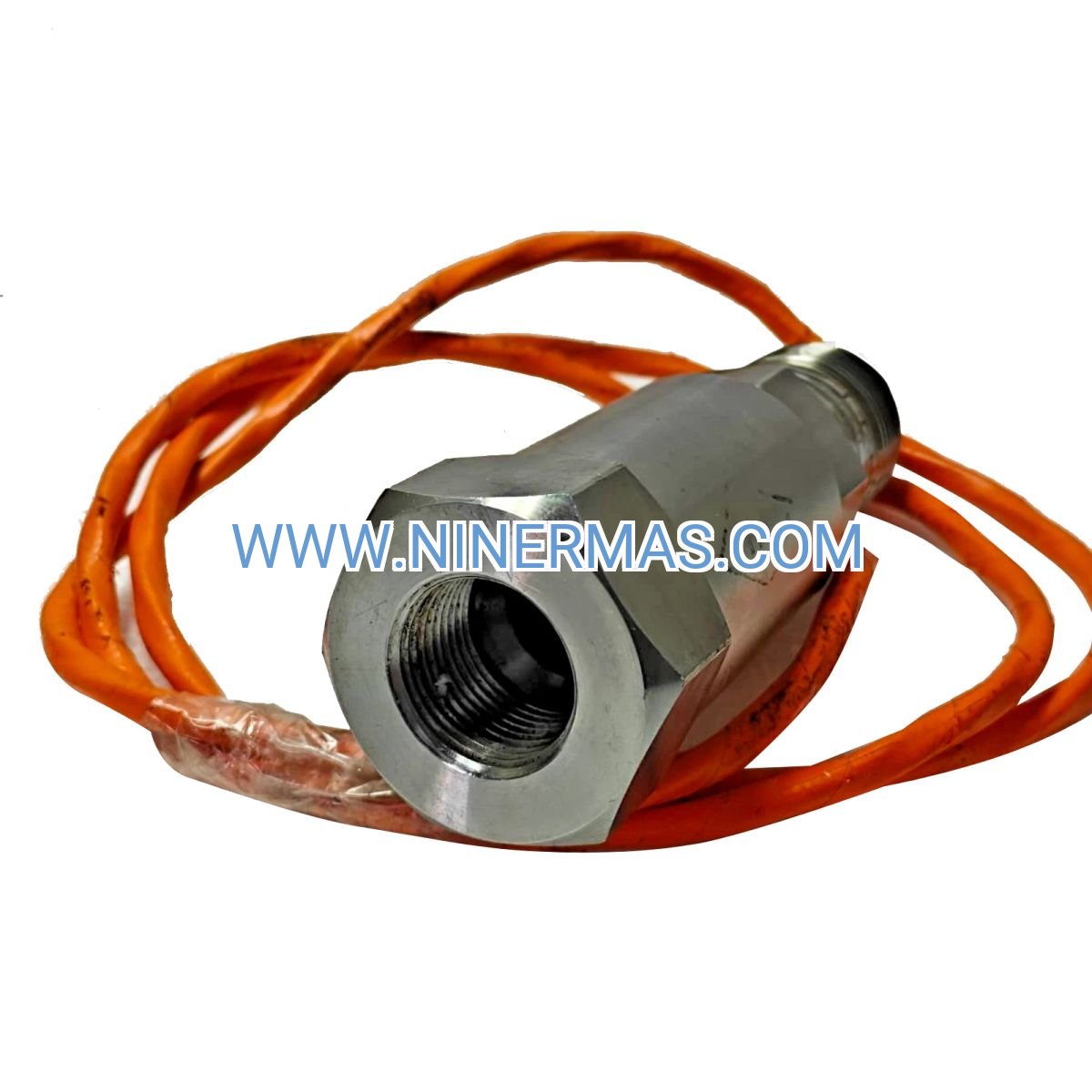
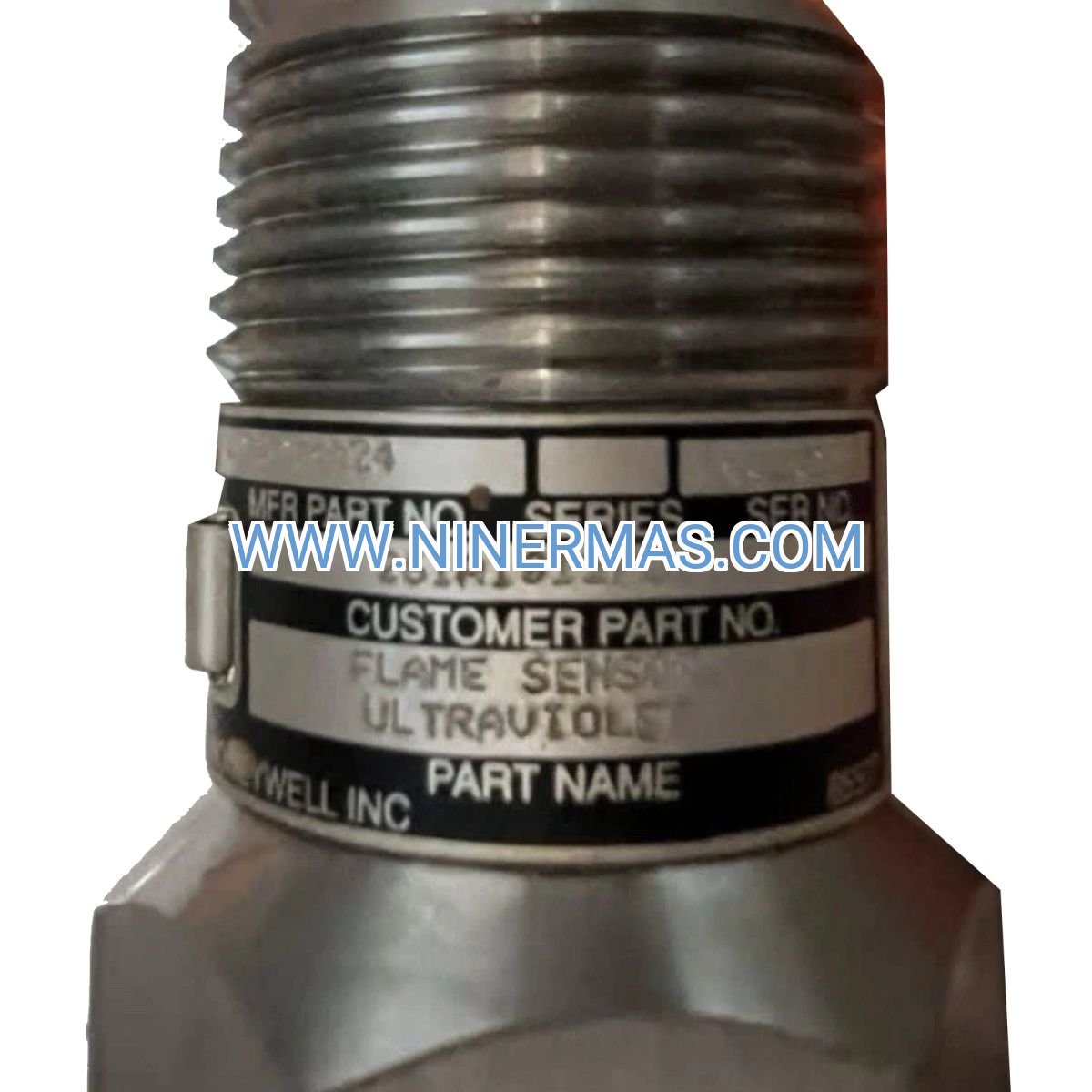
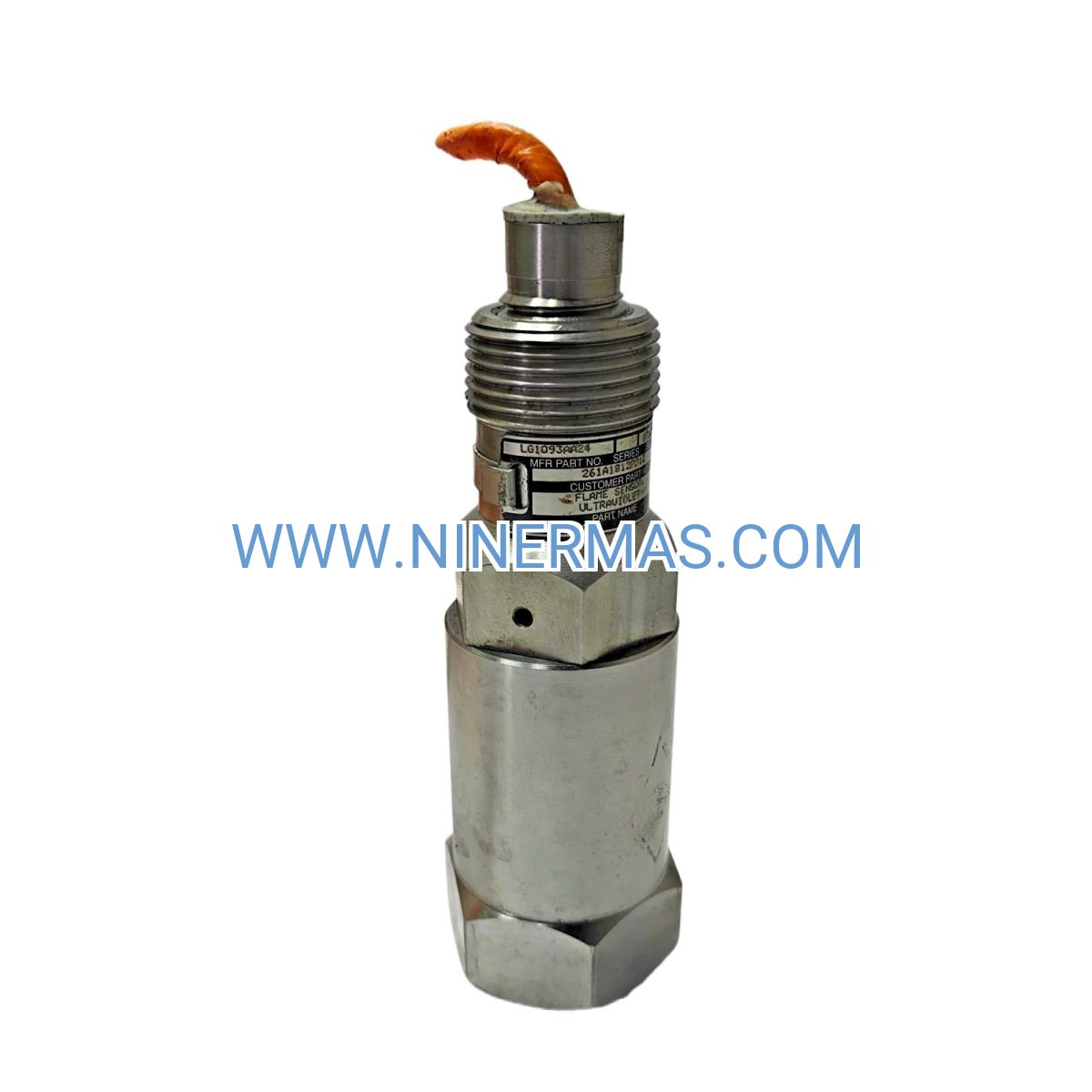
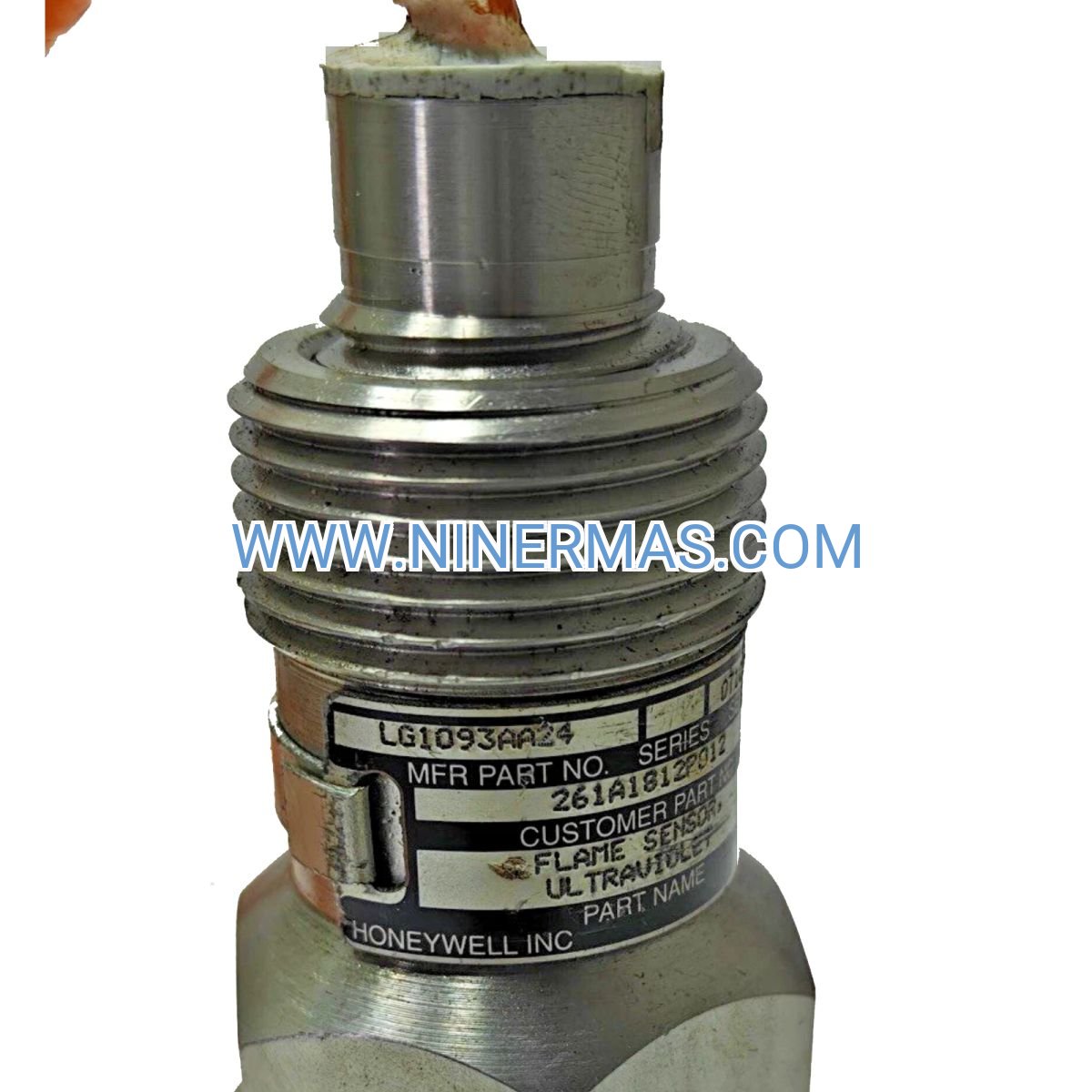
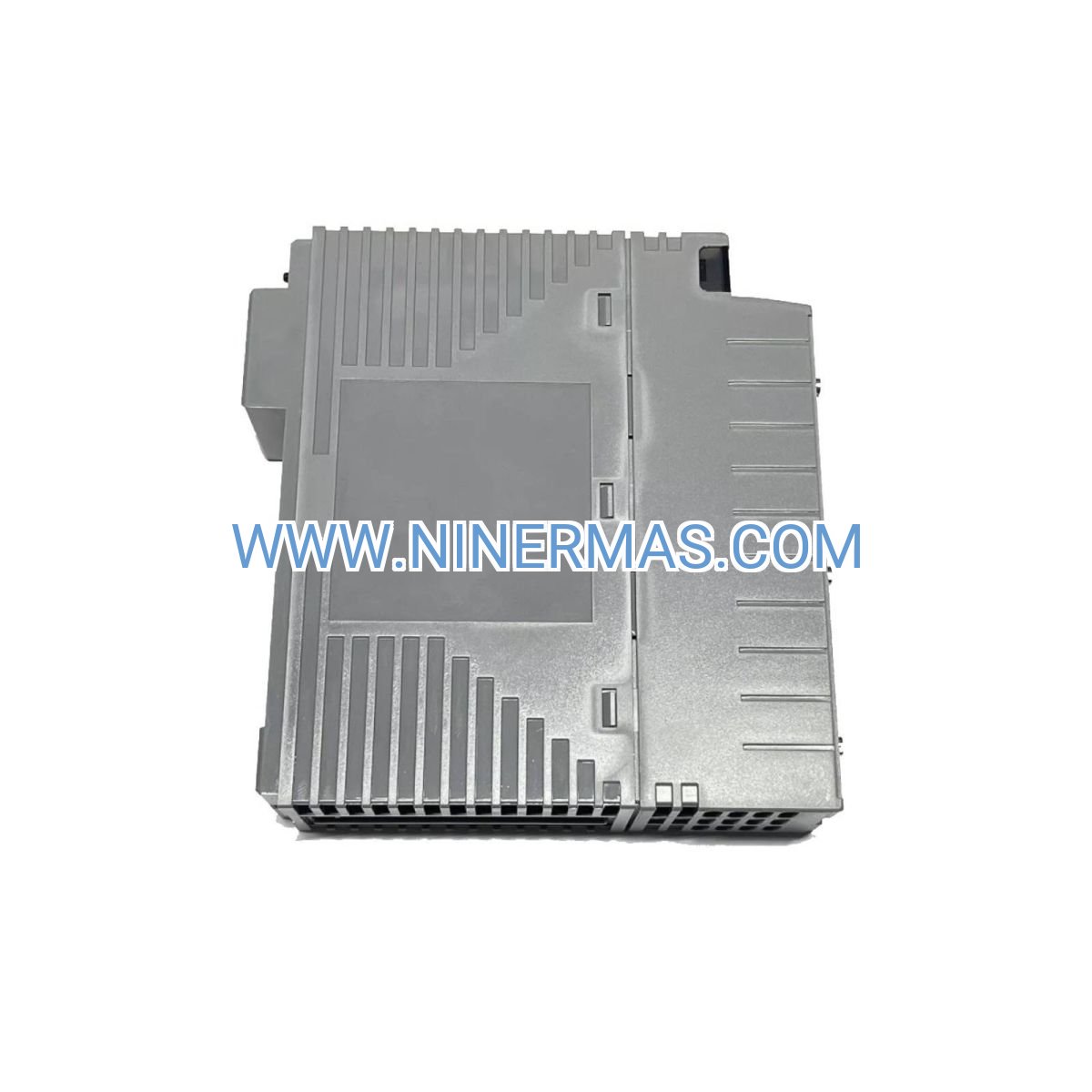
261A1812P012 Industrial-Grade UV Flame Sensor
The 261A1812P012 represents a critical safety component for industrial combustion systems, delivering ultraviolet flame detection with exceptional reliability. This sensor serves power generation facilities, petrochemical plants, and heavy industrial operations where continuous flame monitoring prevents catastrophic equipment damage and ensures operational continuity. Designed for gas turbines, industrial boilers, and process furnaces, it provides real-time combustion verification in the harshest operating environments.
Industrial operators face constant pressure to maintain safe combustion while maximizing uptime. The 261A1812P012 addresses this challenge through precision UV detection technology that distinguishes actual flame presence from hot refractory surfaces, eliminating false alarms that plague infrared-only systems. With API 670 compliance and IP65 environmental protection, this sensor integrates seamlessly into modern machinery protection architectures.
Key advantages include rapid 4-second response time for immediate flame-out detection, wide -40°C to +85°C operating range for extreme environments, and factory calibration that reduces commissioning time by up to 60%. The 90° viewing cone ensures comprehensive flame coverage while standard flange mounting simplifies installation and maintenance procedures.
Core Features & Benefits
→ Precision UV Spectral Detection (190-290nm)
Selectively responds to ultraviolet radiation emitted during active combustion while ignoring infrared signatures from hot surfaces. This spectral selectivity reduces nuisance trips by 85% compared to broadband detectors, maintaining production continuity in high-temperature applications.
→ Ultra-Fast Response Time ≤4 Seconds
Detects flame loss conditions within 4 seconds maximum, enabling protective systems to initiate emergency shutdown sequences before unburned fuel accumulation creates explosion hazards. This rapid response protects equipment valued at millions of dollars.
→ Extended Temperature Range -40°C to +85°C
Operates reliably across extreme ambient conditions from Arctic installations to desert climates. Temperature-compensated electronics maintain detection accuracy regardless of seasonal variations or process temperature fluctuations.
✓ API 670 & ISO 20816 Compliance
Meets international standards for machinery protection systems in rotating equipment applications. This certification ensures compatibility with turbine control systems and satisfies insurance requirements for critical infrastructure.
✓ IP65 Environmental Protection
Sealed housing prevents dust ingress and withstands water jets from any direction, enabling installation in washdown areas, outdoor locations, and dusty industrial environments without additional protective enclosures.
✓ 90° Cone of Vision Coverage
Wide viewing angle monitors entire burner zones with single sensor installations, reducing hardware costs and simplifying system architecture compared to narrow-angle detectors requiring multiple units.
Typical Application Scenarios
Gas Turbine Power Generation
In combined-cycle power plants, the 261A1812P012 monitors combustor flame stability during startup, load changes, and steady-state operation. When flame loss occurs during turbine operation, the sensor triggers immediate fuel valve closure, preventing turbine damage from unburned fuel ingestion. Operators report 99.7% uptime improvement when upgrading from legacy flame detection systems.
Industrial Boiler Systems
High-capacity boilers in chemical plants, refineries, and district heating facilities require continuous flame verification across multiple burners. This sensor detects individual burner flame-outs within seconds, allowing control systems to isolate failed burners while maintaining boiler operation on remaining units. This capability prevents complete boiler shutdowns that cost $50,000-$200,000 per incident in lost production.
Petrochemical Process Furnaces
Cracking furnaces, reformers, and thermal oxidizers operate at extreme temperatures where reliable flame detection is essential for process safety management. The 261A1812P012's UV-specific detection eliminates false alarms from radiant tube glow, reducing operator workload and maintaining process stability during critical production runs.
Waste-to-Energy Facilities
Municipal solid waste incinerators and biomass combustion systems experience highly variable fuel characteristics. The sensor's broad fuel compatibility and contamination-resistant design maintain reliable flame detection despite ash, particulates, and combustion byproducts that challenge conventional detection technologies.
Marine Propulsion Systems
Gas turbine-powered vessels utilize the 261A1812P012 for main propulsion and auxiliary power unit flame monitoring. The sensor's vibration tolerance and corrosion-resistant construction withstand marine environments while meeting classification society requirements for critical safety systems.
Technical Parameters & Selection Guide
| Specification | Value | Application Impact |
|---|---|---|
| Model Number | 261A1812P012 | OEM-specified replacement part |
| Detection Technology | Ultraviolet (UV) Flame Detection | Immune to hot refractory interference |
| Spectral Response Range | 190-290 nanometers | Selective combustion UV signature |
| Maximum Response Time | ≤4 seconds | Rapid flame-out protection |
| Operating Temperature | -40°C to +85°C (-40°F to +185°F) | Extreme environment capability |
| Viewing Angle | 90° cone of vision | Wide area coverage per sensor |
| Detection Range | Up to 3 meters (flame dependent) | Flexible mounting distance |
| Mounting Configuration | Standard flange mount | Universal sight port compatibility |
| Environmental Rating | IP65 (dust-tight, water-resistant) | Harsh environment protection |
| Compliance Standards | API 670, ISO 20816 | Machinery protection certification |
| Fuel Compatibility | Natural gas, propane, diesel, fuel oil | Multi-fuel application flexibility |
| Factory Warranty | 12 months manufacturer coverage | Quality assurance protection |
Selection Criteria: Choose the 261A1812P012 when your application requires UV-specific flame detection with API 670 compliance. This sensor excels in gas turbine applications, high-temperature furnaces, and installations where hot refractory surfaces create false alarm conditions for IR-based detectors. For multi-fuel burners or applications requiring redundant detection methods, consider pairing with IR or multi-spectrum sensors for enhanced reliability.
Extended Functions
Integration with DCS/PLC Systems: The sensor provides relay contact outputs compatible with all major distributed control systems including Honeywell, Siemens, ABB, and Emerson platforms. Standard 4-20mA analog outputs enable flame signal strength monitoring for predictive maintenance applications.
Remote Monitoring Capability: When integrated with modern turbine control systems, flame signal data streams to SCADA platforms for real-time visualization, historical trending, and alarm management. This connectivity supports Industry 4.0 initiatives and remote operations centers.
Customization Options: Extended cable lengths, specialized mounting flanges, and explosion-proof housings are available for unique installation requirements. Consult our technical team for application-specific configurations including hazardous area certifications (ATEX, IECEx, CSA).
Delivery & Service Assurance
Lead Time: Standard units ship within 3-5 business days from our regional distribution centers. Custom configurations require 2-3 weeks for factory preparation and testing.
Warranty Coverage: Comprehensive 12-month manufacturer warranty covers defects in materials and workmanship under normal operating conditions. Warranty includes replacement units and return shipping for confirmed defects.
Technical Support: Our applications engineering team provides pre-sale consultation for sensor selection, mounting recommendations, and system integration guidance. Post-sale support includes commissioning assistance, troubleshooting, and performance optimization.
Documentation Package: Each sensor ships with installation manual, wiring diagrams, dimensional drawings, calibration certificate, and compliance declarations. Digital documentation available for download upon request.
Frequently Asked Questions
How does UV flame detection differ from infrared flame detection for industrial boilers?
UV sensors respond exclusively to ultraviolet radiation (190-290nm) produced during active combustion, while IR sensors detect infrared heat radiation. UV detection eliminates false alarms from hot refractory, furnace walls, and radiant tubes that emit IR but no UV. For high-temperature applications above 800°C, UV sensors provide superior discrimination and reliability.
What maintenance intervals are recommended for UV flame sensors in gas turbine applications?
Inspect sight glass quarterly for contamination or deposits that reduce UV transmission. Clean viewing windows using approved solvents and lint-free cloths. Perform annual functional testing using UV lamp test equipment to verify sensor response. Replace sensors every 5-7 years or per OEM recommendations, whichever occurs first.
Can the 261A1812P012 detect pilot flames in addition to main burner flames?
Yes, the sensor detects UV radiation from both pilot and main flames. However, pilot flame detection range is limited to approximately 0.5-1 meter due to smaller flame size and lower UV intensity. For dedicated pilot monitoring, position the sensor with direct line-of-sight to the pilot burner tip.
What causes UV flame sensor failures in industrial combustion systems?
Common failure modes include sight glass contamination (60% of issues), UV tube degradation from excessive temperature exposure (25%), and electrical connection problems (15%). Preventive maintenance including regular sight glass cleaning and ambient temperature monitoring extends sensor service life significantly.
Is explosion-proof certification available for hazardous area installations?
Standard units carry IP65 environmental rating suitable for general industrial use. For Class I Division 1/2 hazardous locations, explosion-proof housings with ATEX, IECEx, or FM certifications are available as special order items. Specify hazardous area classification when requesting quotations.
How do I verify proper UV flame sensor operation during commissioning?
Use a portable UV lamp (254nm mercury vapor type) positioned in the sensor's field of view to simulate flame UV radiation. The sensor should respond within 4 seconds, triggering relay contacts or analog output changes. Verify response with burner operating, then confirm flame-out detection by shutting off fuel supply while monitoring sensor output.
Request Technical Consultation
Our combustion safety specialists are available to discuss your specific application requirements, recommend optimal sensor configurations, and provide integration support for complex multi-burner systems. Contact our technical team for application drawings, mounting recommendations, and system architecture guidance.
Ready to enhance your combustion safety system? Add the 261A1812P012 to your cart or contact our sales team for volume pricing and custom configurations. Fast global shipping ensures minimal downtime for critical replacements.
© 2026 NINERMAS COMPANY LIMITED. All rights reserved.
Original Source: https://ninermas.com
Contact: sale@ninermas.com | +0086 187 5021 5667
Related products


Contact Info
-
Address:22 / F, South Wo Hang building, 148 Wing Lok Street, Sheung Wan, Western District, Hong Kong
-
Phone:+8618750215667
-
Email: