


Description
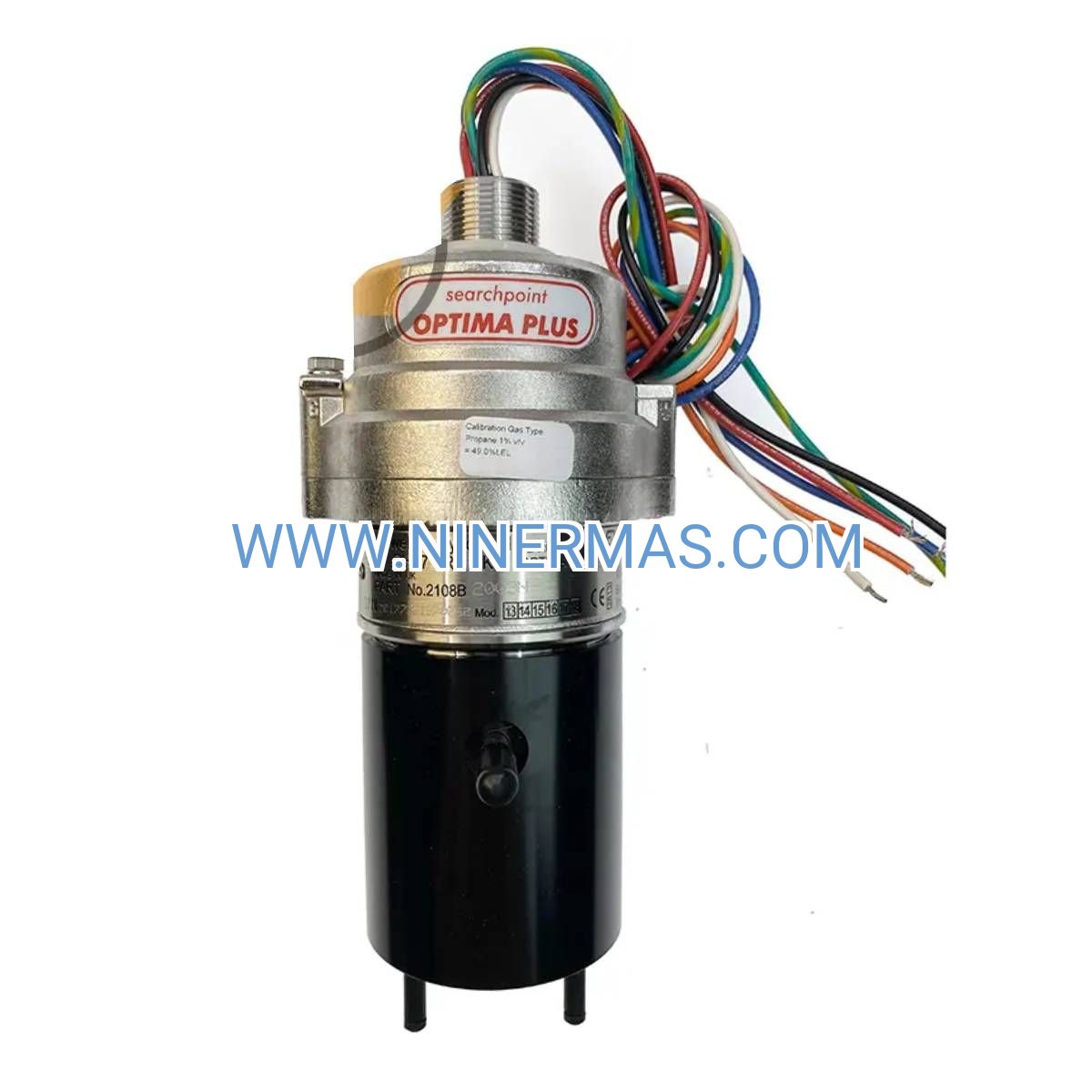
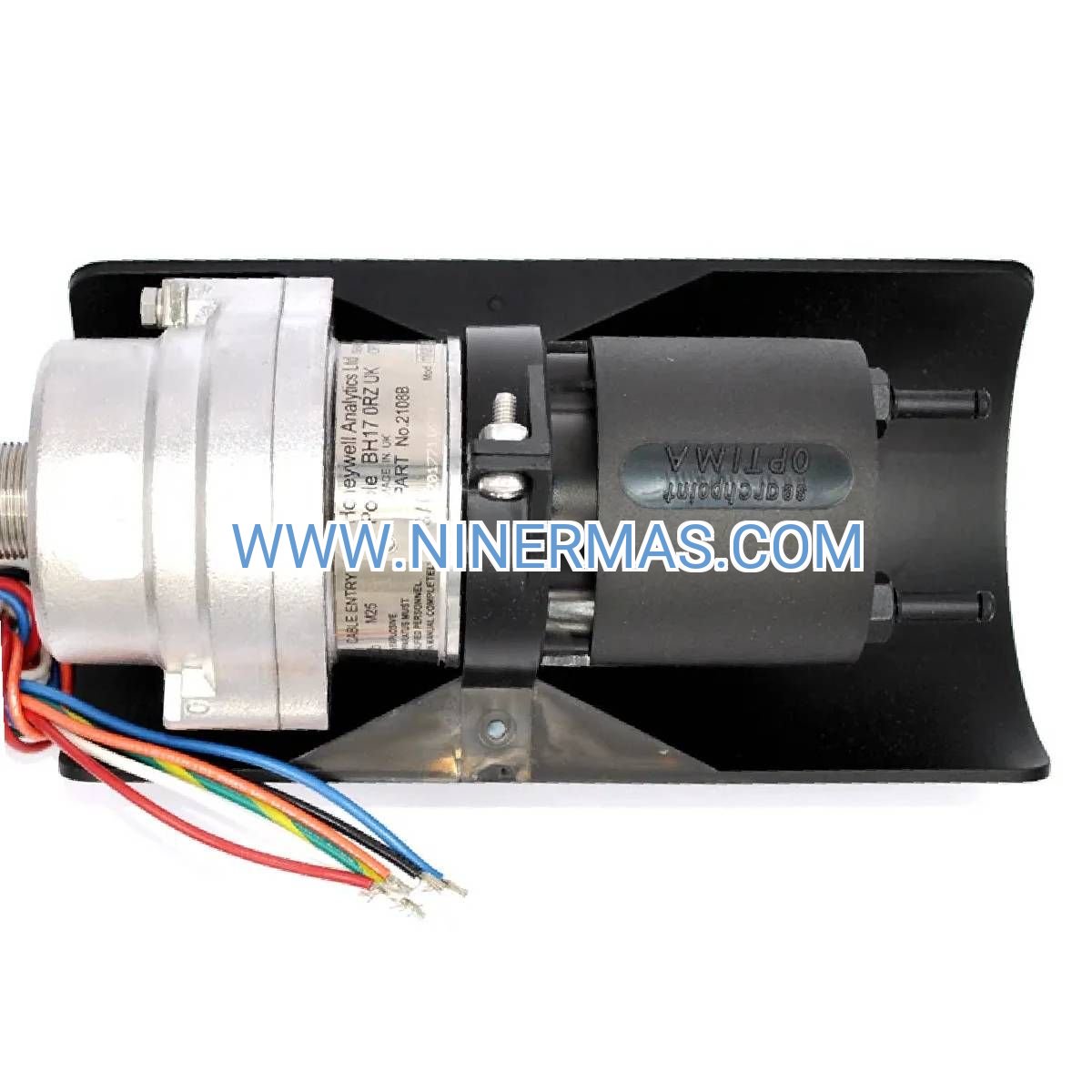
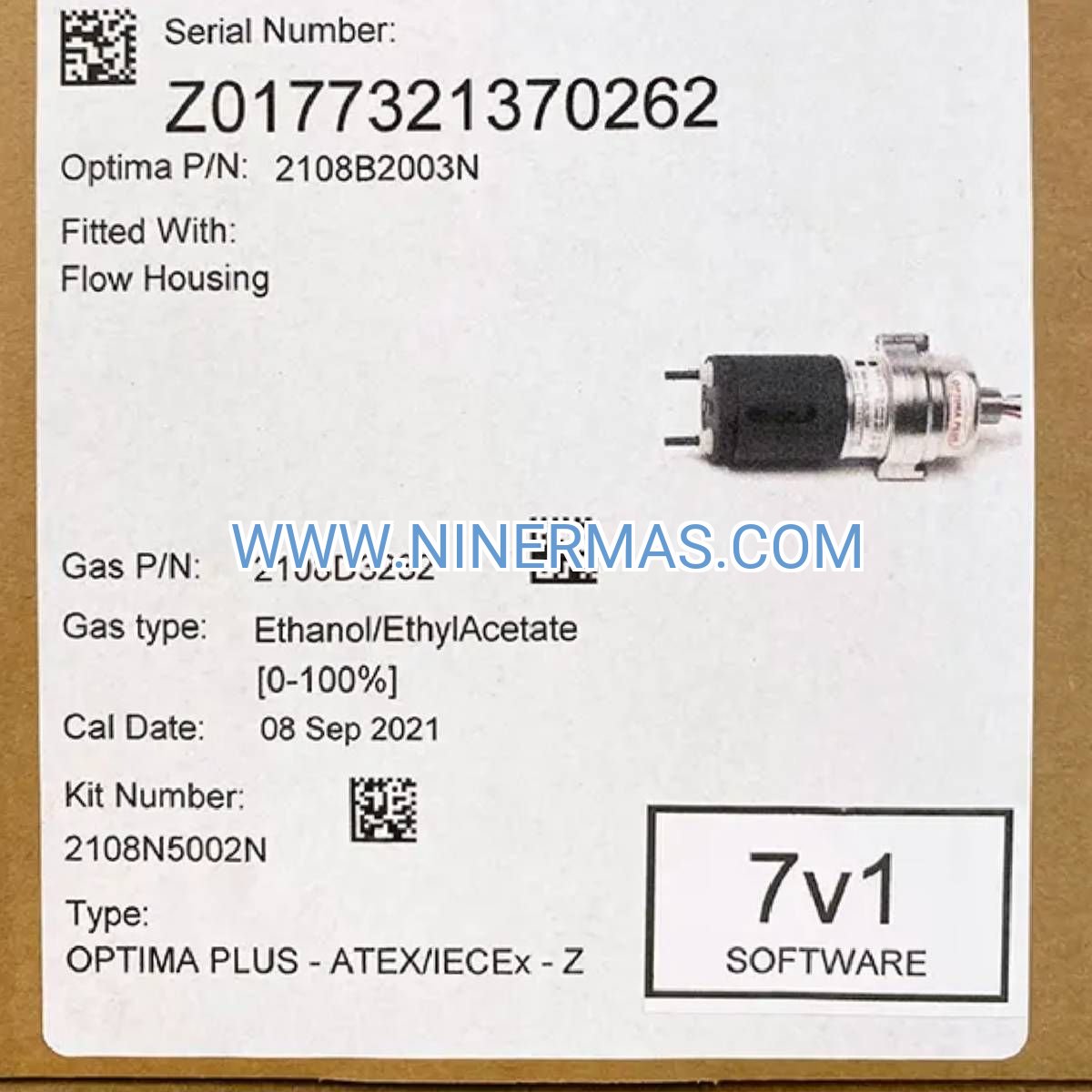
Honeywell 2108B2003N Catalytic Gas Detector (Industrial-Grade LEL Monitoring Solution)
The Honeywell 2108B2003N represents a proven catalytic bead detection platform engineered for continuous combustible gas surveillance in hazardous industrial environments. Featuring a 0-100% Lower Explosive Limit measurement span with standardized 4-20mA analog transmission, this detector serves as a critical safety instrument for preventing explosive atmospheres in petrochemical facilities, oil & gas operations, and confined space applications.
Designed for operators requiring reliable early-warning detection of methane, propane, hydrogen, and hydrocarbon vapors, the 2108B2003N integrates seamlessly with existing control infrastructure while delivering ATEX, IECEx, FM, and CSA certified performance. Its IP66/67 weatherproof construction and wide operating temperature range (-40°C to +75°C) ensure dependable operation across diverse climate zones and process conditions.
With factory calibration, field-replaceable sensor modules, and compatibility with universal monitoring systems, this detector minimizes installation complexity while maximizing operational uptime—making it an essential component for facilities prioritizing worker safety and regulatory compliance.
Core Features & Benefits
→ Catalytic Bead Technology: Proven sensor chemistry delivers accurate detection of all combustible gases with minimal cross-sensitivity, ensuring reliable performance across diverse gas mixtures commonly found in industrial settings.
→ Universal System Integration: Standard 4-20mA current loop output connects directly to PLCs, DCS platforms, and SCADA networks without requiring proprietary interfaces—reducing engineering time and hardware costs.
→ Multi-Certification Compliance: ATEX Zone 1, IECEx, FM Class I Division 1, and CSA approvals enable global deployment in the most stringent hazardous location classifications, eliminating regional certification barriers.
→ Extended Environmental Range: IP66/67 ingress protection combined with -40°C to +75°C operational capability ensures continuous monitoring in extreme weather, high-humidity coastal installations, and temperature-variable process areas.
→ Rapid Response Performance: T90 response time under 30 seconds enables fast detection of developing gas releases, providing critical early warning before concentrations reach dangerous levels.
→ Simplified Maintenance Protocol: Field-replaceable sensor cartridges and 6-month calibration intervals reduce maintenance labor hours and minimize detector downtime during routine service cycles.
Application Scenarios
Refinery Process Units: Deploy around distillation columns, cracking units, and reformer sections where light hydrocarbon leaks pose explosion risks. The detector's catalytic sensor responds to methane, ethane, propane, and butane releases, triggering automated shutdown sequences before flammable clouds form.
Offshore Platform Gas Processing: Monitor wellhead separators, compression trains, and export pipelines on fixed and floating production platforms. The IP67 rating withstands saltwater spray and high-vibration environments while maintaining calibration accuracy in 24/7 unmanned operations.
Chemical Manufacturing Solvent Handling: Protect paint production lines, adhesive formulation areas, and solvent recovery systems where volatile organic compounds accumulate. Integration with ventilation controls automatically increases exhaust rates when LEL readings exceed 10% threshold.
Tank Farm Vapor Management: Install at floating roof seals, loading racks, and vapor recovery units to detect fugitive emissions during product transfer operations. Continuous monitoring ensures compliance with EPA Method 21 leak detection requirements.
Confined Space Entry Verification: Incorporate into portable or fixed gas testing systems for pre-entry atmospheric checks in vessels, manholes, and underground vaults. The 4-20mA output feeds multi-point monitoring panels that display real-time LEL levels for safety supervisors.
Technical Parameters & Selection Guide
| Parameter | Specification |
|---|---|
| Model Designation | 2108B2003N |
| Measurement Range | 0-100% LEL (Lower Explosive Limit) |
| Sensor Type | Catalytic Bead (Pellistor) |
| Output Signal | 4-20mA analog (2-wire loop powered) |
| Power Requirement | 18-30 VDC |
| Operating Temperature | -40°C to +75°C (-40°F to +167°F) |
| Response Time | T90 < 30 seconds (methane calibration) |
| Enclosure Protection | IP66/IP67 (dust-tight, temporary immersion) |
| Hazardous Area Approvals | ATEX, IECEx, FM, CSA (Class I Div 1, Zone 1) |
| Unit Weight | 1.6 kg (3.5 lbs) |
Selection Criteria: Choose the 2108B2003N when your application requires broad-spectrum combustible gas detection with proven catalytic technology. This model suits environments where multiple hydrocarbon species may be present and where 4-20mA analog integration is preferred over digital protocols. For applications requiring toxic gas detection (H2S, CO, NH3) or infrared-based monitoring, consult alternative Honeywell detector models within the Optima Plus family.
Extended Functions
Remote Diagnostics Capability: When paired with compatible Honeywell gas detection controllers, the 2108B2003N supports remote sensor health monitoring, including fault diagnostics, calibration due dates, and sensor end-of-life prediction—enabling predictive maintenance scheduling.
Multi-Point Array Configuration: Deploy multiple detectors in grid patterns around large process areas, connecting all units to a centralized monitoring panel. The standardized 4-20mA output simplifies wiring and allows for cost-effective expansion as facility layouts evolve.
Customization Options: Factory calibration can be tailored to specific target gases (propane, hexane, hydrogen) upon request. Custom alarm setpoints and output scaling are configurable through associated control modules to match site-specific safety protocols.
Delivery & Service Assurance
✓ Standard Lead Time: In-stock units ship within 3-5 business days. Custom-calibrated configurations require 10-15 business days for factory preparation and certification documentation.
✓ Warranty Coverage: 12-month manufacturer warranty against defects in materials and workmanship. Extended warranty programs available through authorized Honeywell service partners.
✓ Technical Support: Access to Honeywell's global technical support network for installation guidance, troubleshooting assistance, and application engineering consultation. Phone and email support available during business hours across all time zones.
✓ Documentation Package: Each detector includes installation manual, calibration certificate, hazardous area certification documents, and dimensional drawings. Additional resources such as CAD models and integration guides available via Honeywell's online portal.
Frequently Asked Questions
What is the recommended calibration gas for the 2108B2003N catalytic sensor?
Standard factory calibration uses methane (50% LEL in air). Field calibration should employ the same gas or the primary combustible gas present in your specific application. Cross-calibration factors are available in the technical manual for alternative gases like propane or pentane.
How does ambient temperature affect LEL measurement accuracy?
The detector incorporates automatic temperature compensation across its -40°C to +75°C range, maintaining ±3% LEL accuracy. Extreme temperature cycling may require more frequent calibration verification—consult the maintenance schedule for temperature-extreme environments.
Can this detector be installed in SIL-rated safety instrumented systems?
Yes, when integrated with SIL-certified gas detection controllers, the 2108B2003N can participate in Safety Integrity Level (SIL) 2 safety functions. Consult Honeywell's SIL documentation for proper system architecture and proof test intervals.
What factors reduce catalytic sensor lifespan in industrial applications?
Sensor poisons (silicones, lead compounds, sulfur), prolonged exposure to high gas concentrations, and extreme temperature cycling accelerate sensor degradation. Typical lifespan ranges from 3-5 years under normal conditions; harsh environments may require replacement every 18-24 months.
Does the unit require external power for the 4-20mA output signal?
Yes, the 2108B2003N operates as a 2-wire loop-powered device, drawing power from the 18-30 VDC supply connected to the 4-20mA circuit. No separate power wiring is required, simplifying installation and reducing cable costs.
How do I verify proper detector operation between calibration intervals?
Perform monthly bump tests using a known concentration test gas (typically 25-50% LEL methane). The detector should respond within 30 seconds and return to baseline after gas removal. Failure to respond indicates sensor fault or calibration drift requiring immediate attention.
Take the Next Step in Gas Detection Safety
Protect your facility and personnel with proven Honeywell combustible gas detection technology. Contact our industrial safety specialists today to discuss your specific application requirements, receive technical specifications, or request a formal quotation for the 2108B2003N detector and associated monitoring equipment.
© 2026 NINERMAS COMPANY LIMITED. All rights reserved.
Original Source: https://ninermas.com
Contact: sale@ninermas.com | +0086 187 5021 5667
Related products


Contact Info
-
Address:22 / F, South Wo Hang building, 148 Wing Lok Street, Sheung Wan, Western District, Hong Kong
-
Phone:+8618750215667
-
Email:
