Description
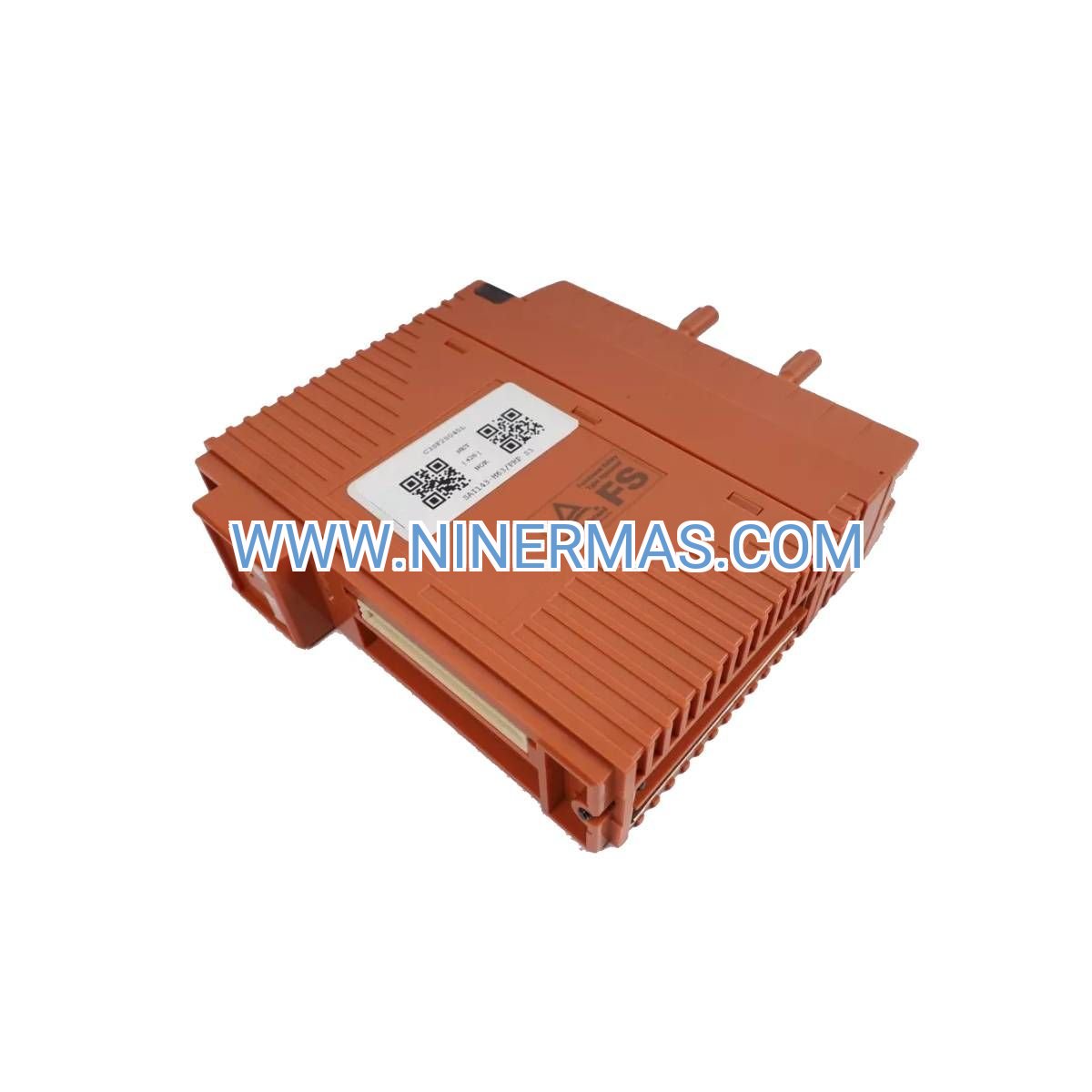
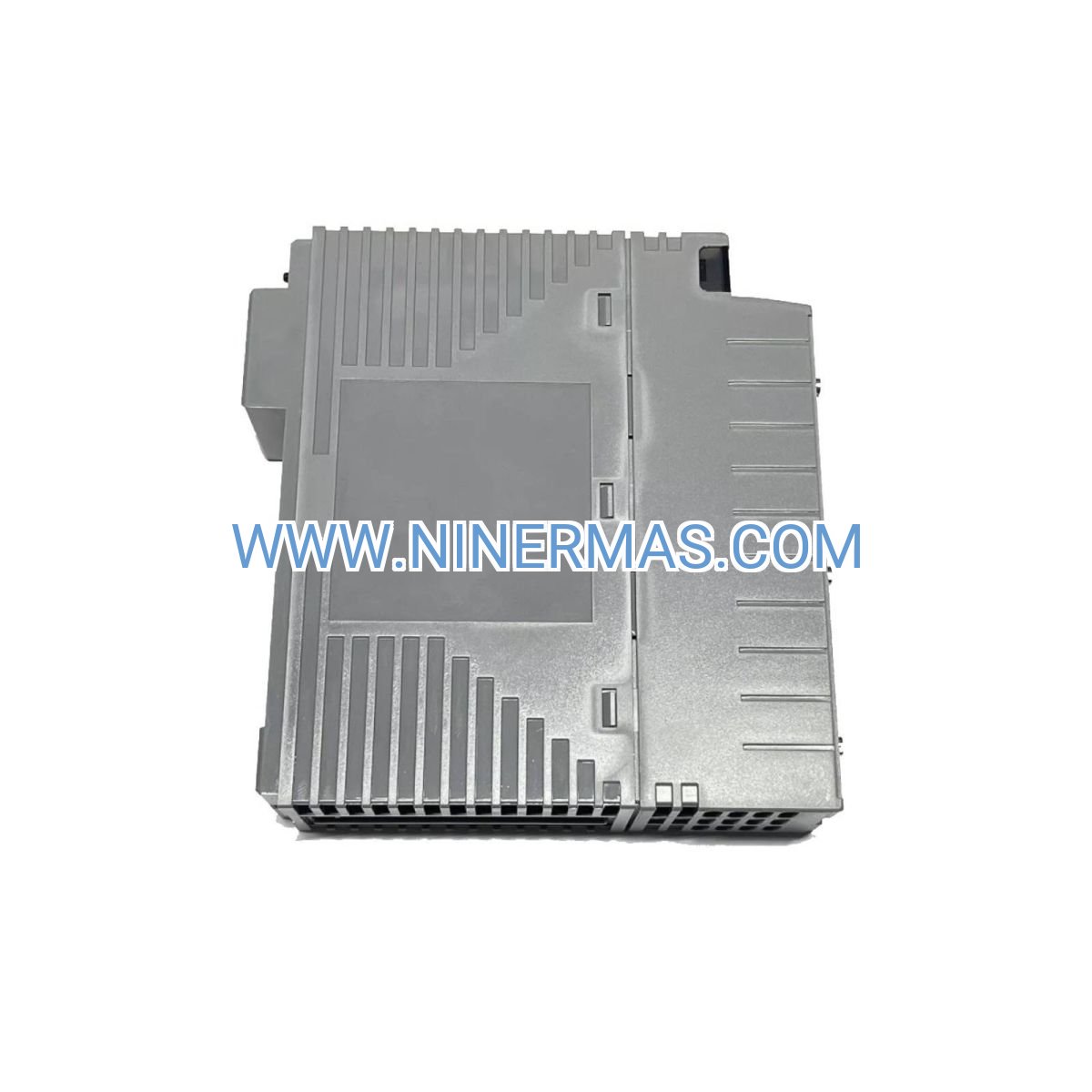
05701-A-0302 Industrial-Grade Catalytic Gas Detection Interface
The 05701-A-0302 represents a critical safety component within System 57 gas detection architectures, engineered to provide uninterrupted monitoring of combustible gas concentrations across industrial facilities. This single-channel catalytic interface card transforms raw sensor signals into actionable intelligence through integrated processing, visual indication, and standardized analog transmission—enabling operators to maintain safe working environments in hazardous locations.
Designed for facilities where flammable vapor control is non-negotiable, this control card serves as the intelligence layer between field-mounted catalytic sensors and central monitoring systems. Whether protecting refinery process units, chemical storage areas, or confined space operations, the 05701-A-0302 delivers the reliability and precision demanded by safety-critical applications.
Built on proven catalytic oxidation principles, this interface card excels in environments requiring continuous LEL (Lower Explosive Limit) surveillance. Its modular design integrates seamlessly into existing System 57 infrastructures while providing the flexibility to scale detection coverage as operational requirements evolve.
Key Capabilities & Performance Advantages
→ Real-Time Catalytic Sensor Processing
Direct interface with catalytic bead sensors ensures accurate combustible gas measurement across 0-100% LEL ranges. Advanced signal conditioning compensates for temperature drift and sensor aging, maintaining measurement integrity throughout the sensor lifecycle.
→ Integrated Visual Concentration Display
Onboard LED readout provides immediate local gas level indication without requiring external instrumentation. Operators can verify safe conditions at a glance during routine inspections or emergency response scenarios.
→ Industry-Standard 4-20mA Transmission
Linear analog output enables seamless integration with DCS, SCADA, PLC, and chart recorder systems. The current loop architecture ensures signal integrity over extended cable runs while providing inherent fault detection through loop monitoring.
✓ Configurable Dual-Threshold Alarm Relays
User-adjustable setpoints trigger independent relay contacts for low-level warning and high-level danger conditions. Dry contact outputs interface directly with facility alarm systems, ventilation controls, or emergency shutdown logic.
✓ Hot-Swappable Sensor Connectivity
Field-replaceable sensor connections allow maintenance activities without system shutdown or process interruption. This design minimizes downtime costs while ensuring continuous protection during sensor replacement cycles.
✓ Built-In Diagnostic Intelligence
Continuous self-monitoring detects sensor failures, wiring faults, calibration drift, and power anomalies. Early fault indication prevents undetected alarm system degradation that could compromise facility safety.
Industrial Application Environments
Petrochemical & Refining Operations
Monitor methane, propane, butane, and mixed hydrocarbon vapors in process areas, pump stations, loading racks, and tank farms. The card's robust design withstands the temperature extremes and vibration common in upstream, midstream, and downstream facilities while maintaining calibration accuracy.
Chemical Manufacturing & Storage
Detect flammable solvent emissions in reactor buildings, distillation units, blending operations, and warehouse environments. Configurable alarm thresholds accommodate varying LEL values across different chemical families, from alcohols to ketones to aromatic compounds.
Power Generation & Utilities
Protect turbine enclosures, generator rooms, fuel handling systems, and battery storage areas from hydrogen accumulation and natural gas leaks. The 4-20mA output integrates with plant automation systems for coordinated ventilation control and emergency response.
Wastewater & Biogas Facilities
Track methane concentrations in digester buildings, pump stations, and confined spaces where biological decomposition generates combustible gases. The catalytic sensor technology provides reliable detection even in high-humidity environments typical of water treatment operations.
Manufacturing & Industrial Coating
Safeguard paint spray booths, powder coating lines, solvent recovery systems, and drying ovens from explosive atmosphere formation. Rapid response times enable real-time process adjustments that maintain safe operating margins during production cycles.
Technical Specifications & Selection Criteria
| Parameter | Specification |
| Model Designation | 05701-A-0302 |
| Channel Architecture | Single catalytic sensor input |
| Detection Technology | Catalytic oxidation (bead-type sensor) |
| Measurement Range | 0-100% LEL (sensor dependent) |
| Analog Output | 4-20mA current loop, isolated |
| Display Type | Multi-segment LED concentration indicator |
| Alarm Contacts | 2x SPDT relays (low/high threshold) |
| Contact Rating | 5A @ 250VAC resistive load |
| Power Supply | 24VDC via System 57 backplane |
| Power Consumption | Typically 3W per channel |
| Operating Range | -20°C to +50°C (-4°F to +122°F) |
| Storage Range | -40°C to +70°C (-40°F to +158°F) |
| Humidity Tolerance | 5-95% RH non-condensing |
| Mounting Method | DIN rail / System 57 chassis slot |
| Dimensions | Standard System 57 module footprint |
| Enclosure Rating | IP20 (chassis-mounted configuration) |
| Compliance Standards | Factory calibrated, industrial safety certified |
Selection Guidance: When specifying the 05701-A-0302, consider target gas type (determines sensor selection), required detection range, ambient temperature extremes, and integration requirements with existing control systems. For multi-point monitoring applications, evaluate whether single-channel cards provide adequate coverage or if multi-channel alternatives offer better system economics. Consult with application engineers to optimize sensor placement and alarm setpoint configuration for your specific hazard scenarios.
Advanced Integration & Customization Options
SCADA & DCS Connectivity: The 4-20mA output supports direct connection to analog input modules across all major automation platforms including Honeywell, Siemens, Rockwell, Schneider, and ABB systems. Signal scaling and engineering unit conversion occur within the receiving system, simplifying commissioning and reducing configuration errors.
Modbus RTU Communication: When paired with System 57 communication modules, the card enables digital data access via Modbus protocol. This allows remote interrogation of gas concentrations, alarm status, diagnostic codes, and calibration data without dedicated analog wiring.
Redundant Monitoring Architectures: Deploy multiple 05701-A-0302 cards in voting configurations for SIL-rated safety applications. Independent sensor channels feeding separate control cards provide fault-tolerant detection with automatic failover capabilities.
Custom Calibration Services: Factory calibration for specific gas mixtures, concentration ranges, or environmental conditions available upon request. Custom calibration certificates document traceability to national standards for regulatory compliance documentation.
Delivery, Warranty & Technical Support
Standard Lead Time: In-stock units ship within 1-3 business days via express courier services. Custom-configured or calibrated units typically require 2-3 weeks for preparation and testing.
Warranty Coverage: Comprehensive 12-month manufacturer warranty protects against defects in materials and workmanship. Warranty includes replacement parts, technical support, and troubleshooting assistance throughout the coverage period.
Technical Resources: Each shipment includes installation manual, wiring diagrams, calibration procedures, and troubleshooting guides. Digital resources available via secure download portal include CAD drawings, 3D models, and configuration software.
Application Engineering: Our technical team provides pre-sales consultation for system design, sensor selection, and integration planning. Post-installation support covers commissioning assistance, calibration verification, and performance optimization.
Frequently Asked Questions
Which combustible gases can the 05701-A-0302 interface card detect?
The card interfaces with catalytic sensors calibrated for methane, propane, butane, hydrogen, hexane, pentane, and most hydrocarbon vapors. Sensor selection determines target gas specificity—the card itself processes signals from any compatible catalytic sensor within the System 57 ecosystem.
How does this single-channel card integrate with existing System 57 installations?
The 05701-A-0302 occupies one slot in the System 57 modular backplane and draws power from the chassis supply. Installation requires no special configuration—the card auto-detects upon insertion and begins processing sensor signals immediately. Backward compatibility ensures seamless integration with legacy System 57 components.
What factors influence catalytic sensor operational lifespan?
Typical catalytic sensors provide 24-36 months of reliable service under normal conditions. Exposure to catalyst poisons (silicones, sulfur compounds, halogenated hydrocarbons) accelerates degradation. High-concentration gas exposures, extreme temperatures, and contaminated atmospheres may reduce sensor life. The card's diagnostic features flag sensor degradation before measurement accuracy is compromised.
Can alarm setpoint thresholds be adjusted after installation?
Yes—alarm thresholds are field-adjustable via DIP switch configuration or digital interface depending on card revision. Typical setpoints include 25% LEL for low alarm and 50% LEL for high alarm, but these can be customized to match facility safety protocols. Adjustment procedures are detailed in the installation manual.
What calibration schedule is recommended for optimal performance?
Industry best practices recommend quarterly bump testing (exposure to known gas concentration) and annual full calibration verification. The card retains calibration coefficients through power cycles and provides stable performance between calibration intervals. More frequent verification may be required in harsh environments or for regulatory compliance.
Does the card support remote diagnostics and troubleshooting?
When integrated with System 57 communication modules, the card provides remote access to diagnostic data including sensor status, fault codes, output signal levels, and alarm states. This enables centralized monitoring and reduces the need for field visits during troubleshooting activities.
Ready to Enhance Your Gas Detection System?
Contact our industrial safety specialists to discuss your combustible gas monitoring requirements. We'll help you configure the optimal System 57 architecture for your facility, including sensor selection, card quantity, and integration with existing control systems. Request a detailed quotation or technical consultation today.
© 2026 NINERMAS COMPANY LIMITED. All rights reserved.
Original Source: https://ninermas.com
Contact: sale@ninermas.com | +0086 187 5021 5667
Related products

Contact Info
-
Address:22 / F, South Wo Hang building, 148 Wing Lok Street, Sheung Wan, Western District, Hong Kong
-
Phone:+8618750215667
-
Email: