Description
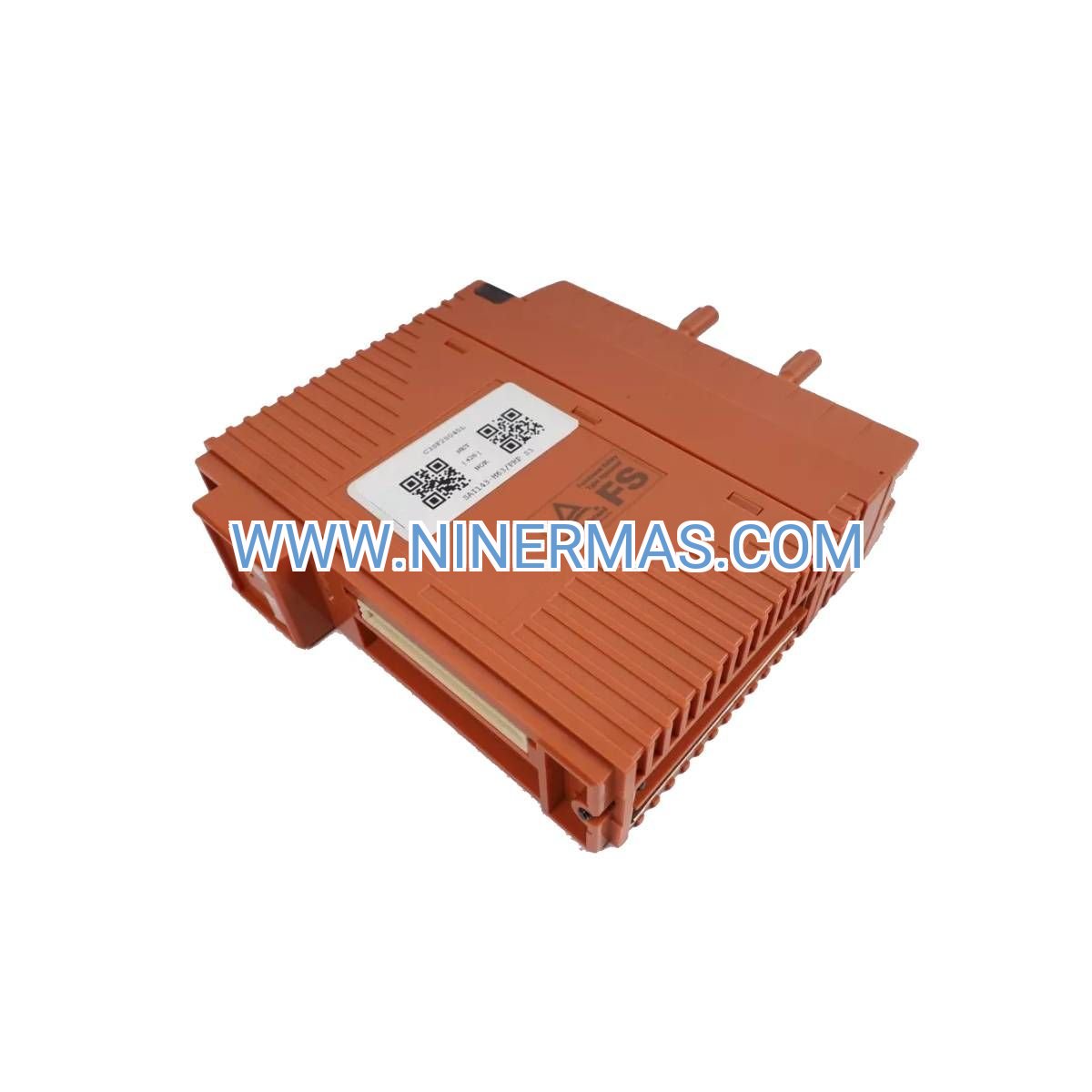
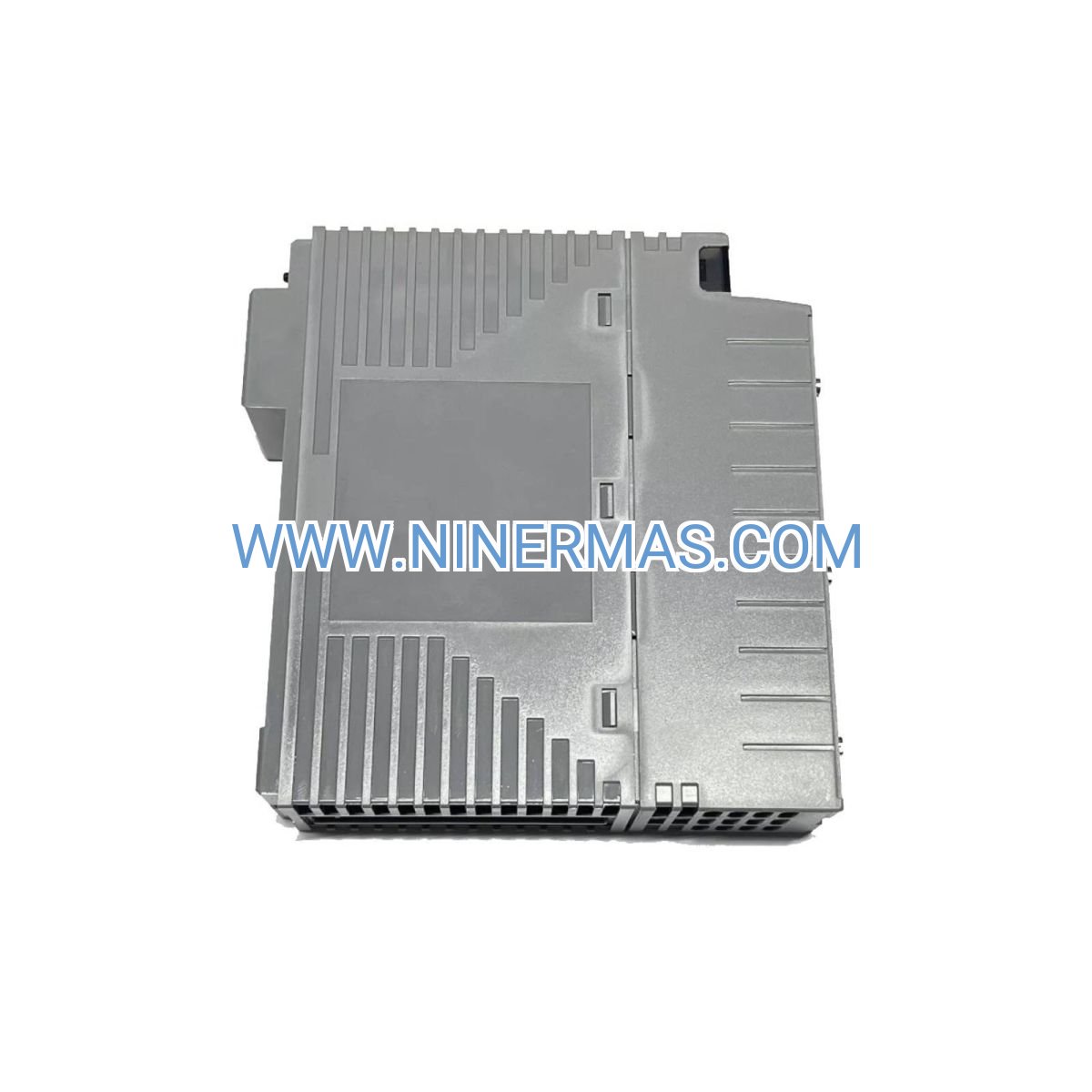
Honeywell 10020/1/2 Quad Processor Module – Industrial-Grade Safety Controller
The Honeywell 10020/1/2 Quad Processor Module (QPM) delivers certified SIL 3 safety performance through four-way processor redundancy, engineered specifically for fail-safe control in high-consequence industrial environments. This advanced safety controller provides deterministic response times and continuous self-diagnostics, making it the cornerstone of modern safety instrumented systems across oil & gas, chemical processing, and power generation sectors.
Designed for applications where downtime is not an option, the QPM architecture enables hot-swappable maintenance without compromising safety coverage. Process engineers and safety managers rely on this module to meet stringent regulatory requirements while maintaining operational flexibility in complex automation networks.
With over 100,000 hours MTBF and diagnostic coverage exceeding 99%, the 10020/1/2 represents a proven solution for emergency shutdown systems, burner management, and turbine protection applications where failure is not acceptable.
Core Capabilities & Business Value
→ Four-Way Processor Redundancy
Independent processors execute safety logic in parallel with continuous cross-verification, eliminating single points of failure while enabling online diagnostics and maintenance without system interruption.
→ SIL 3 Certified Safety Performance
IEC 61508 certification ensures compliance with international safety standards, reducing liability exposure and simplifying regulatory approval processes for safety-critical installations.
→ Deterministic 50ms Scan Cycles
Predictable execution timing guarantees rapid response to hazardous conditions, meeting the most demanding safety response time requirements in process industries.
✓ Extended Temperature Operation (-40°C to +70°C)
Rugged design withstands extreme environmental conditions in offshore platforms, desert facilities, and arctic installations without performance degradation.
✓ Comprehensive Diagnostic Coverage (>99%)
Continuous self-testing detects latent faults before they impact safety function, maximizing system availability and reducing unplanned shutdowns.
✓ Hot-Swappable Architecture
Online module replacement capability minimizes maintenance windows and eliminates costly production interruptions during routine service activities.
Industry Applications & Problem Solving
Oil & Gas Production Facilities
Manages emergency shutdown sequences for offshore platforms and onshore processing units. Coordinates fire & gas detection networks with valve isolation systems, preventing catastrophic releases while maintaining production continuity during partial system failures.
Chemical Manufacturing Plants
Controls reactor protection systems and batch process interlocks in hazardous chemical production. Ensures safe shutdown sequences during abnormal conditions while protecting personnel and equipment from exposure to toxic materials.
Power Generation Stations
Implements turbine overspeed protection and boiler safety interlocks in combined-cycle and thermal power plants. Coordinates multiple safety functions across distributed control architectures to prevent equipment damage and maintain grid stability.
Pharmaceutical Production
Enforces critical process parameters in sterile manufacturing environments. Maintains clean room pressurization and environmental controls while documenting safety actions for regulatory compliance and batch record integrity.
Petrochemical Refineries
Orchestrates complex safety sequences across distillation units and catalytic crackers. Integrates with distributed I/O networks to monitor thousands of safety-critical process variables simultaneously.
Technical Specifications & Selection Criteria
| Specification | Value | Engineering Notes |
|---|---|---|
| Part Number | 10020/1/2 | Enhanced memory variant |
| Processor Configuration | Quad redundant | 2oo4 voting architecture |
| Safety Certification | SIL 3 (IEC 61508) | TÜV certified |
| Typical Scan Time | ≤50ms | Deterministic execution |
| Operating Range | -40°C to +70°C | Extended industrial grade |
| Power Draw | 12W max | Low thermal footprint |
| Communication | FSC proprietary bus | Dual redundant paths |
| Diagnostic Coverage | >99% | Continuous self-test |
| Mean Time Between Failures | >100,000 hrs | Proven reliability |
| Physical Dimensions | 220×120×45mm | Standard FSC form factor |
Selection Guidelines: Choose the 10020/1/2 variant when your safety application requires expanded program memory beyond the base 10020/1/1 model. This version supports larger safety programs with more complex logic, additional I/O points, and extended diagnostic capabilities. Ideal for multi-zone safety systems and applications requiring extensive alarm management.
Key Performance Indicators: Supports up to 2,048 I/O points per controller, executes safety programs up to 64KB, and maintains full redundancy with any single processor failure. Communication bandwidth supports 10ms I/O update rates across distributed architectures.
System Integration & Expansion Options
Distributed I/O Architecture: Extend safety coverage across multiple process areas using the Honeywell MU-TAMR03 Analog Input Module for precision temperature monitoring in critical zones. Combine with the Honeywell 51401594-200 ELCN Bridge to integrate legacy TDC 3000 systems into modern safety architectures.
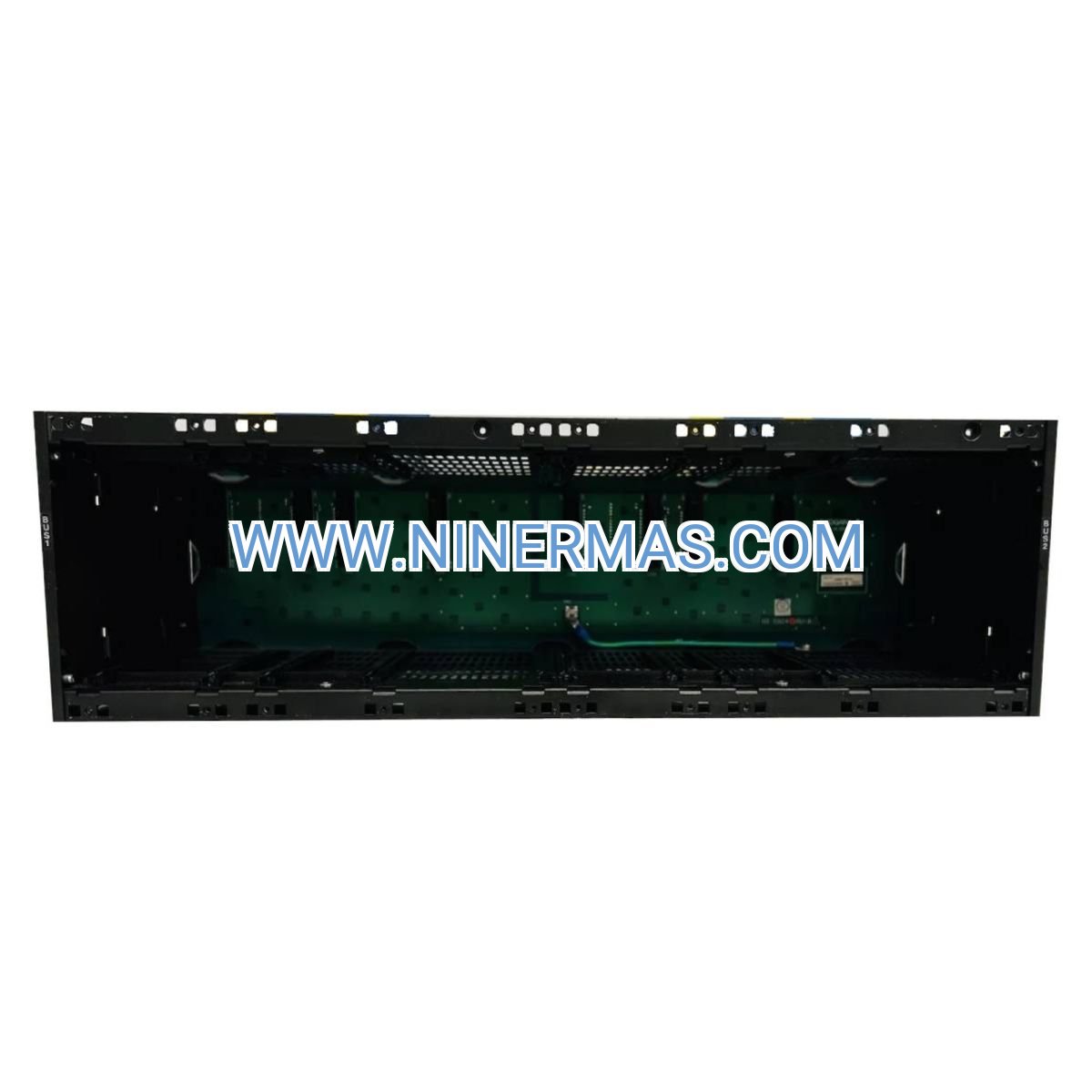
Rack Configuration: Mount in standard Honeywell 05701-A-0502 Rack Assemblies for compact installations or distributed cabinet layouts. The modular design supports field expansion without controller replacement.
Advanced Control Strategies: Implement voting logic, fault-tolerant sequencing, and predictive diagnostics using IEC 61131-3 programming languages. The module supports Function Block Diagram (FBD), Structured Text (ST), and Sequential Function Chart (SFC) for flexible application development.
Cybersecurity Features: Built-in authentication protocols and encrypted communication channels protect safety systems from unauthorized access. Supports role-based access control and audit logging for compliance with IEC 62443 industrial cybersecurity standards.
Delivery Timeline & Service Commitments
Standard Lead Time: 3-5 business days for in-stock units with factory calibration certificates and conformity documentation. Expedited shipping available for emergency replacement requirements.
Warranty Coverage: Comprehensive 12-month manufacturer warranty covering defects in materials and workmanship. Includes firmware updates, security patches, and technical support throughout the warranty period.
Technical Support: Application engineering assistance available for system design, configuration optimization, and troubleshooting. Our team provides remote diagnostics, on-site commissioning support, and safety validation services.
Documentation Package: Each module ships with installation manuals, wiring diagrams, safety certification documents, and programming examples. Access to online knowledge base and video tutorials included.
Frequently Asked Questions
How does the quad processor architecture improve safety system reliability?
The four independent processors continuously compare results using 2-out-of-4 voting logic. If any processor produces a different result, the system enters a safe state while the remaining processors maintain operation. This architecture achieves SIL 3 certification while allowing online diagnostics and maintenance without safety system shutdown.
What programming tools are required for configuration and maintenance?
Honeywell Safety Builder software provides the complete development environment with IEC 61131-3 compliant programming languages. The software includes simulation tools, diagnostic viewers, and version control integration for multi-engineer projects. A USB programming cable and Windows-based workstation are required for configuration.
Can this module integrate with existing DCS or SCADA systems?
Yes, the QPM supports standard industrial protocols including Modbus TCP, OPC UA, and proprietary Honeywell interfaces for seamless integration with Experion PKS, TDC 3000, and third-party control systems. Safety-critical functions remain independent while process data is shared for operator visibility.
What is the typical response time from hazard detection to safety action?
End-to-end response time depends on I/O configuration and safety program complexity, but typical installations achieve 100-150ms from input detection to output activation. This includes input filtering, logic execution, communication delays, and output driver response. Deterministic scan times ensure predictable performance.
Are there any restrictions on installation in hazardous classified areas?
The processor module is designed for safe area mounting in control rooms or marshalling cabinets. For field installations in Division 1/Zone 1 hazardous areas, use certified intrinsically safe barriers and explosion-proof enclosures with appropriate I/O modules rated for the specific hazardous classification.
How do I size the safety program memory for my application?
The 10020/1/2 variant provides 64KB of safety program memory, sufficient for most applications with up to 500 safety functions and 2,000 I/O points. Complex applications with extensive alarm management or advanced diagnostics may require careful optimization. Contact our application engineers for memory estimation tools and sizing assistance.
Take the Next Step
Ready to enhance your safety instrumented system with proven SIL 3 technology? Contact our technical team for application-specific configuration guidance, system architecture review, or to request a detailed quotation. We provide comprehensive support from initial design through commissioning and lifecycle management.
© 2026 NINERMAS COMPANY LIMITED. All rights reserved.
Original Source: https://ninermas.com
Contact: sale@ninermas.com | +0086 187 5021 5667
Related products

Contact Info
-
Address:22 / F, South Wo Hang building, 148 Wing Lok Street, Sheung Wan, Western District, Hong Kong
-
Phone:+8618750215667
-
Email: