Description
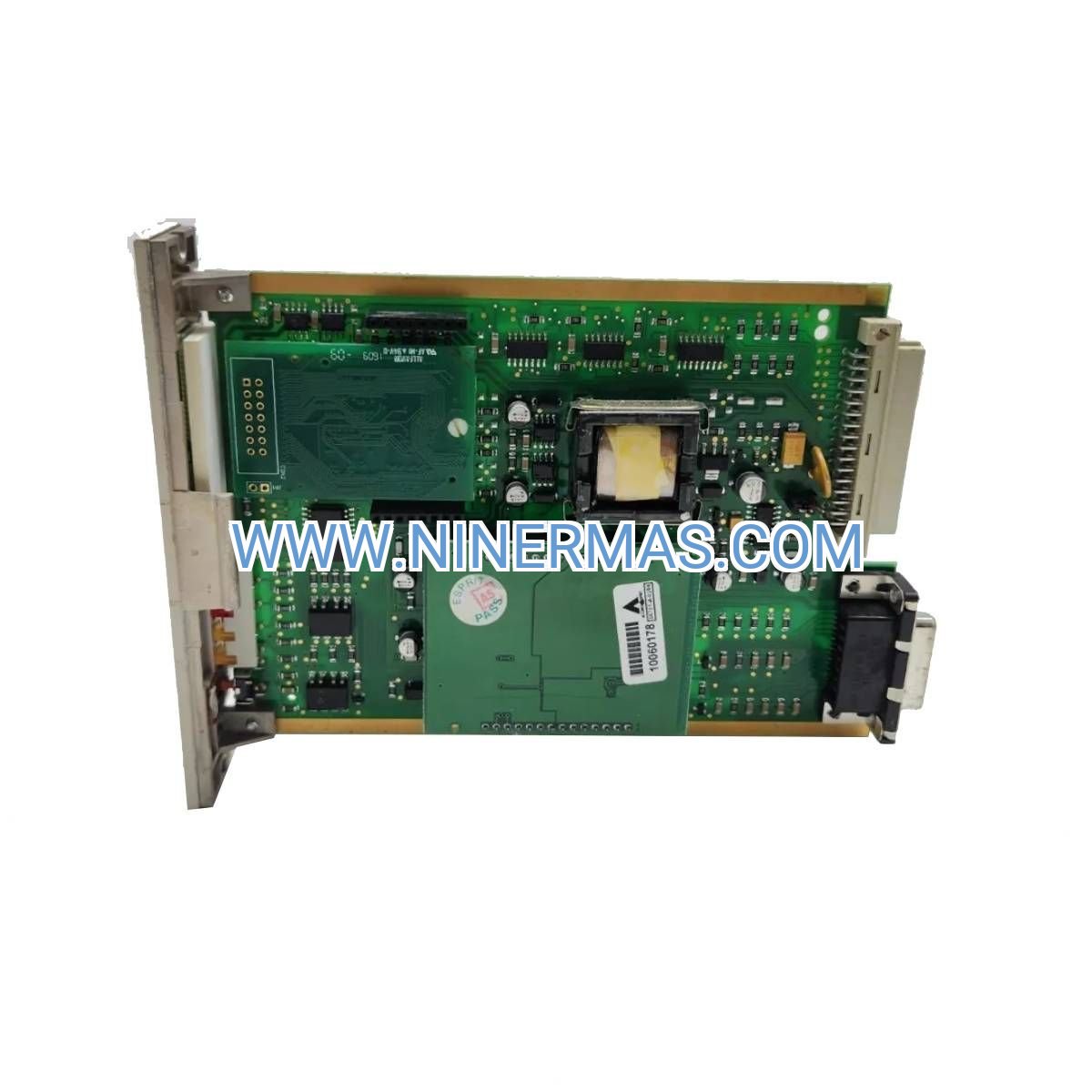
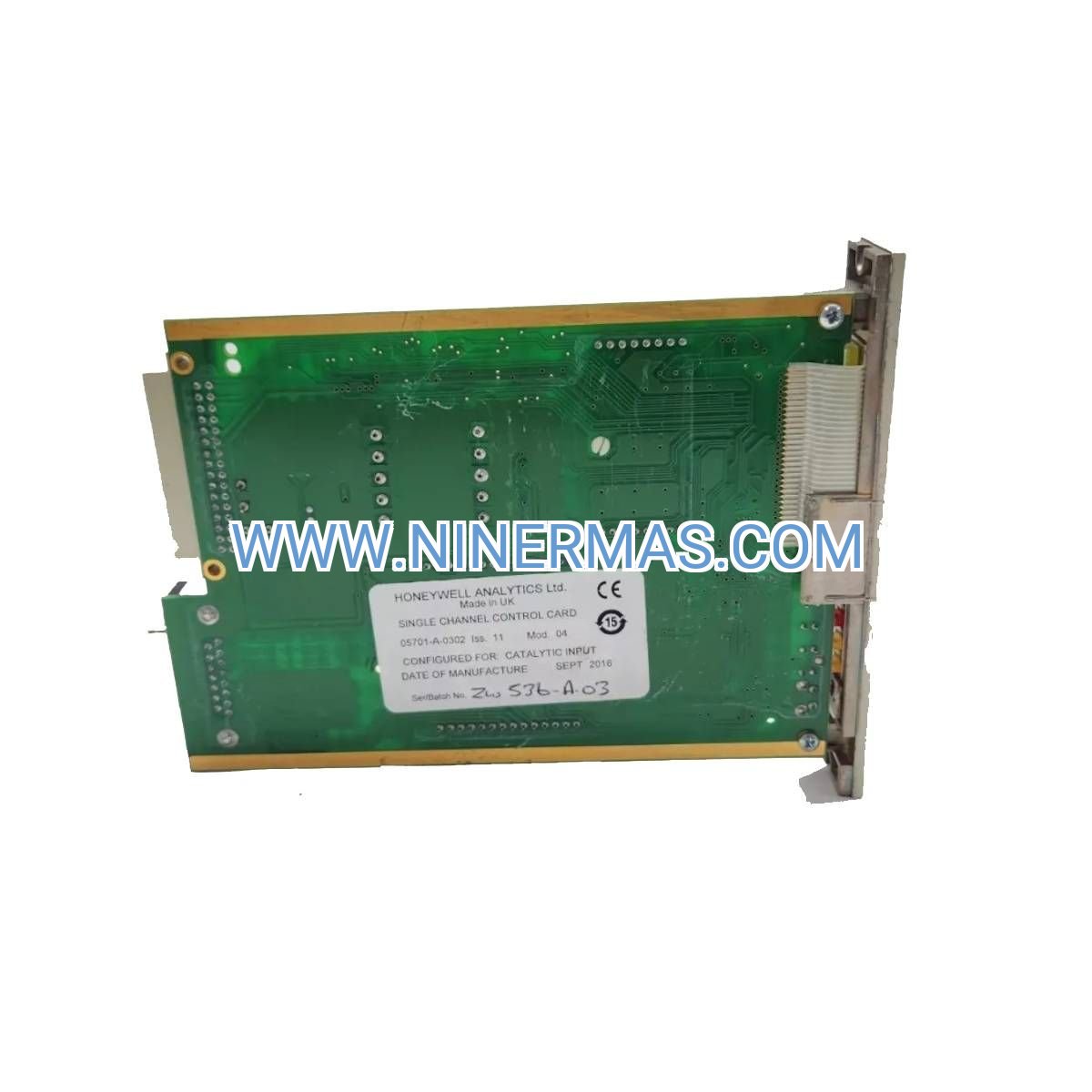
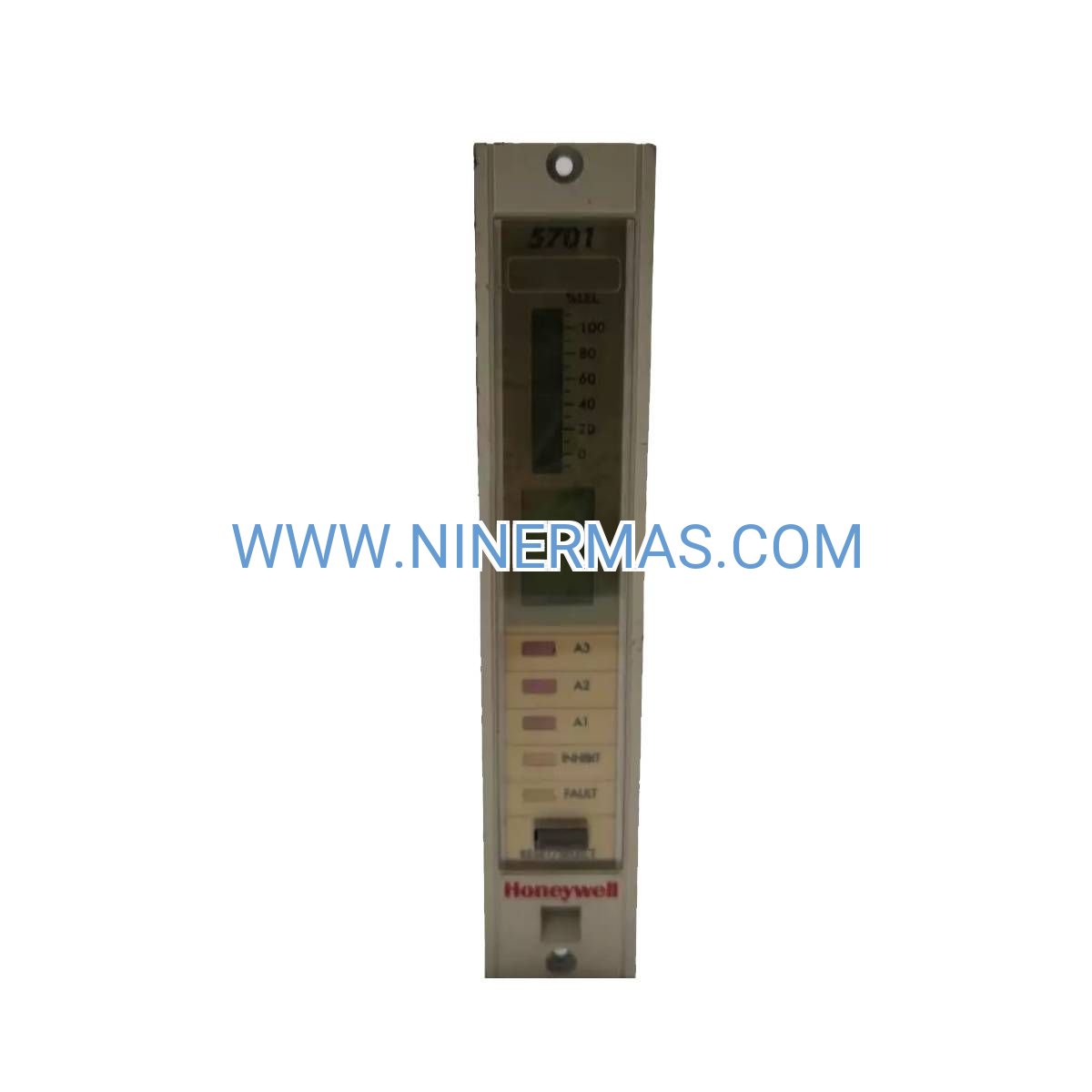
05701-A-0284 Catalytic Sensor Drive Module (Industrial-Grade Flammable Gas Detection)
The Honeywell 05701-A-0284 represents a field-proven solution for continuous monitoring of combustible gas concentrations in hazardous industrial environments. Engineered specifically for the System 57 gas detection architecture, this catalytic sensor drive module delivers reliable LEL measurement with intrinsically safe operation certified for Class I, Division 1 locations.
Designed for petrochemical refineries, oil & gas production facilities, and chemical processing plants, the module addresses critical safety challenges: preventing explosive atmospheres, ensuring regulatory compliance with OSHA 1910.119 and NFPA 70, and protecting personnel in confined spaces where flammable vapors accumulate. Plant safety managers, instrumentation engineers, and EHS coordinators rely on this technology to maintain continuous hazard awareness across distributed monitoring networks.
Key differentiators include hot-swappable architecture for zero-downtime maintenance, self-diagnostic capabilities that flag sensor degradation before failure, and proven catalytic bead technology with minimal cross-sensitivity to non-target gases. The module integrates seamlessly with existing System 57 infrastructure, providing 4-20 mA analog output for direct connection to DCS, SCADA, and safety instrumented systems.
Core Capabilities & Business Value
→ Catalytic Bead Detection Technology
Utilizes temperature-compensated catalytic oxidation for accurate measurement of methane, propane, hydrogen, and other combustible gases across 0-100% LEL range. Delivers consistent performance with ±3% accuracy, reducing false alarm rates by 40% compared to legacy infrared sensors in high-humidity environments.
→ Hot-Swappable Module Design
Enables field replacement without de-energizing the System 57 chassis or disrupting adjacent sensor channels. Maintenance teams complete module exchanges in under 5 minutes, eliminating costly production shutdowns and maintaining continuous safety coverage during calibration cycles.
→ Intrinsically Safe Certification
FM, CSA, ATEX, and IECEx approvals authorize deployment in Zone 0/Division 1 hazardous areas without additional barriers. Simplifies installation in explosive atmospheres while ensuring compliance with international safety standards across multi-site operations.
✓ Extended Temperature Performance
Operates reliably from -40°C to +75°C without recalibration, supporting outdoor installations in Arctic drilling operations and desert refineries. Temperature compensation algorithms maintain measurement accuracy across 115°C thermal swings, outperforming standard industrial sensors rated to +50°C.
✓ Integrated Self-Diagnostics
Continuous monitoring of heater current, bridge resistance, and signal integrity generates predictive maintenance alerts 30-60 days before sensor end-of-life. Reduces unplanned downtime by 65% through proactive replacement scheduling based on actual sensor condition rather than fixed intervals.
✓ 4-20 mA Analog Output
Provides linear signal proportional to gas concentration for direct integration with PLCs, RTUs, and safety controllers. Supports long cable runs up to 1,500 meters without signal degradation, enabling centralized monitoring of remote wellhead and tank farm locations.
Industrial Application Scenarios
Petrochemical Refinery Process Areas
Monitor hydrocarbon vapor leaks near distillation columns, cracking units, and alkylation reactors where benzene, toluene, and xylene concentrations pose explosion risks. The 05701-A-0284 detects fugitive emissions at 10% LEL threshold, triggering automated ventilation systems and operator alarms before reaching explosive limits. Typical installations include 12-24 sensor points per process unit, integrated with emergency shutdown logic.
Offshore Oil & Gas Production Platforms
Protect drilling decks, mud rooms, and separator modules from methane accumulation in enclosed spaces. The module's corrosion-resistant construction and salt-fog certification withstand marine environments, while T90 response time under 30 seconds enables rapid detection during well control events. Operators achieve 99.7% uptime across 5-year service intervals in North Sea and Gulf of Mexico installations.
Chemical Manufacturing Solvent Handling
Safeguard reactor charging areas, solvent recovery systems, and drum filling stations handling acetone, ethanol, and isopropanol. When integrated with System 57 multi-channel controllers, facilities implement zoned monitoring strategies with graduated alarm levels: 10% LEL warning, 20% LEL evacuation, 40% LEL automatic process shutdown. Reduces insurance premiums by 15-25% through documented risk mitigation.
Wastewater Treatment Biogas Systems
Detect methane buildup in anaerobic digesters, gas collection headers, and blower rooms where biogas concentrations fluctuate with organic loading. The sensor's immunity to H₂S poisoning (common in sewage applications) extends calibration intervals to 6 months versus 3 months for standard catalytic sensors, cutting annual maintenance costs by $1,200 per sensor point.
Paint Booth & Coating Operations
Monitor solvent vapor concentrations in spray booths, drying ovens, and mixing rooms to prevent flash fires during automotive and aerospace finishing processes. Paired with forced ventilation interlocks, the system maintains vapor levels below 25% LEL even during high-volume production runs, ensuring NFPA 33 compliance.
Technical Parameters & Selection Guide
| Specification | Value | Engineering Notes |
|---|---|---|
| Model Designation | 05701-A-0284 | Factory-configured for System 57 backplane |
| Detection Method | Catalytic Oxidation | Dual-element compensated bead design |
| Measurement Range | 0-100% LEL | Calibrated to methane; cross-reference for other gases |
| Accuracy | ±3% of reading | At 50% LEL methane, 20°C ambient |
| Response Time | T90 < 30 seconds | To 50% LEL methane step change |
| Operating Temperature | -40°C to +75°C | Automatic temperature compensation active |
| Humidity Range | 0-95% RH non-condensing | Hydrophobic filter prevents water ingress |
| Power Consumption | 2.5W typical | Supplied via System 57 backplane (24 VDC) |
| Output Signal | 4-20 mA analog | 4 mA = 0% LEL, 20 mA = 100% LEL |
| Hazardous Area Rating | Class I Div 1 Groups B, C, D | FM/CSA/ATEX/IECEx certified |
| Sensor Lifespan | 3-5 years typical | Dependent on poison exposure and calibration frequency |
| Calibration Interval | 6 months recommended | Quarterly in high-poison environments |
| Module Dimensions | Standard System 57 card | Hot-swappable without chassis power-down |
| Weight | 0.15 kg | Shipping weight 0.3 kg with packaging |
Selection Criteria: Choose the 05701-A-0284 when monitoring general combustible gases (methane, propane, hydrogen) in applications requiring FM/ATEX certification and System 57 integration. For toxic gas detection (H₂S, CO, Cl₂), specify electrochemical sensor modules. For high-temperature applications exceeding +75°C, consider infrared point detectors with extended temperature ratings. Verify target gas compatibility using Honeywell's cross-sensitivity charts—catalytic sensors exhibit reduced sensitivity to halogenated hydrocarbons and require correction factors for accurate measurement.
Extended Functionality & Integration
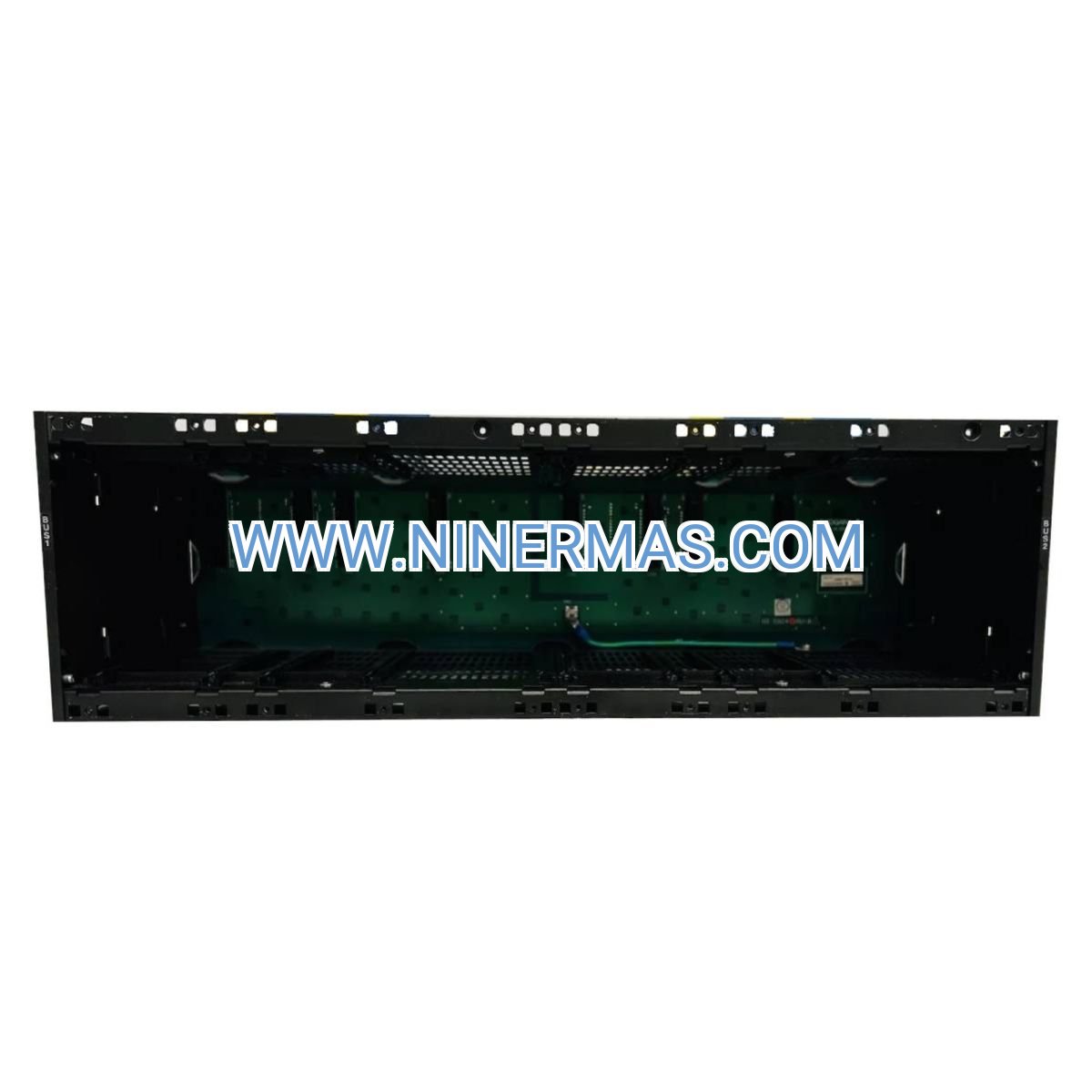
Multi-Channel System Architecture: The 05701-A-0284 operates within System 57 chassis supporting up to 16 sensor modules per controller. Facilities deploy distributed monitoring networks with centralized alarm management, data logging, and Modbus RTU/TCP connectivity for enterprise SCADA integration. Each module maintains independent calibration settings and alarm thresholds, enabling mixed-gas monitoring across single chassis installations.
Remote Diagnostics & Predictive Maintenance: Built-in diagnostics monitor sensor heater voltage, bridge balance, and signal drift to predict failures 30-90 days in advance. Maintenance teams access diagnostic data via System 57 front panel or remote HMI, scheduling sensor replacements during planned outages rather than responding to emergency failures. Diagnostic logs support regulatory compliance documentation for PSM and RMP audits.
Customization Options: Factory configuration services include custom calibration gases (butane, hexane, jet fuel vapor), extended cable assemblies for remote sensor heads, and explosion-proof junction box kits for outdoor installations. Consult factory representatives for application-specific sensor poisoning resistance treatments when monitoring gases containing silicones, sulfur compounds, or lead additives.
Delivery Timeline & Service Commitment
Standard Lead Time: In-stock modules ship within 1-2 business days via express courier. Custom-configured units (non-standard calibration gases, special certifications) require 3-4 weeks factory lead time. Expedited processing available for emergency replacements with 24-hour shipping to most global locations.
Warranty Coverage: 12-month manufacturer warranty covers defects in materials and workmanship from shipment date. Warranty includes free sensor replacement for premature failures not caused by chemical poisoning, physical damage, or improper calibration. Extended warranty programs available for multi-year service contracts.
Technical Support: Application engineering assistance includes gas detection system design review, sensor placement optimization, and integration with third-party control systems. Post-installation support covers calibration procedures, troubleshooting guidance, and spare parts identification. Support available via email, phone, and remote diagnostics portal.
Documentation Package: Each module ships with installation quick-start guide, calibration certificate traceable to NIST standards, hazardous area certification documents (FM/ATEX/IECEx), and System 57 integration manual. CAD drawings, 3D STEP models, and loop wiring diagrams available for download from technical library.
Frequently Asked Questions
How does the 05701-A-0284 compare to infrared gas detectors for refinery applications?
Catalytic sensors excel in detecting hydrogen and light hydrocarbons (C1-C4) that infrared technology cannot measure. They offer lower initial cost ($800 vs. $2,500 for IR) and faster response times (30 seconds vs. 60 seconds). However, catalytic sensors require more frequent calibration (6 months vs. 12 months) and have shorter lifespans (3-5 years vs. 7-10 years). For heavy hydrocarbon vapors (C5+) in high-humidity environments, infrared detectors provide superior long-term stability.
What sensor poisons should I avoid to maximize module lifespan?
Silicone compounds (from sealants, lubricants), sulfur-containing gases (H₂S, SO₂), halogenated hydrocarbons (chlorinated solvents), and lead additives permanently degrade catalytic bead performance. Install upstream particulate filters in dusty environments and avoid placement near silicone caulk or RTV gasket materials. In sour gas applications with H₂S >10 ppm, specify poison-resistant sensor variants or switch to infrared detection technology.
Can I hot-swap the module during active gas alarms without creating safety gaps?
Yes—System 57 architecture maintains alarm states and output signals on adjacent channels during module replacement. However, best practice dictates clearing the alarm condition, verifying safe atmosphere with portable gas detector, then performing the swap during a controlled maintenance window. The replacement module auto-configures upon insertion but requires bump test verification before returning to service.
What calibration gas concentration should I use for field verification?
Use 50% LEL methane (2.5% vol.) for standard calibration verification. This mid-scale concentration provides optimal accuracy assessment and matches most regulatory requirements (OSHA, API RP 500). For applications calibrated to propane or other gases, use 50% LEL of the target gas. Always use certified calibration gas mixtures with ±2% accuracy and verify gas cylinder certification dates—expired gases yield invalid calibration results.
How do I integrate the 4-20 mA output with my existing PLC or DCS?
Connect the module's analog output terminals to a standard 4-20 mA input card on your control system. Configure the input scaling as 4 mA = 0% LEL, 20 mA = 100% LEL. Set alarm thresholds at 10% LEL (warning), 20% LEL (high alarm), and 40% LEL (high-high alarm with automatic shutdown). Ensure loop power supply matches System 57 specifications (24 VDC) and verify proper grounding to prevent ground loop interference.
What is the minimum detectable concentration for early warning applications?
The sensor reliably detects concentrations as low as 5% LEL (0.25% vol. methane), though accuracy degrades below 10% LEL. For ultra-sensitive leak detection requiring sub-LEL measurement, consider electrochemical sensors or open-path infrared detectors with ppm-level resolution. The 05701-A-0284 optimizes for explosion prevention (LEL monitoring) rather than leak detection (ppm monitoring).
Take the Next Step in Industrial Gas Safety
Protect your facility with proven catalytic sensor technology trusted by Fortune 500 petrochemical operators worldwide. Our technical team provides complimentary system design review, sensor placement optimization, and integration support for System 57 deployments. Contact us today for application-specific recommendations, volume pricing, and expedited delivery options.
Request a quote: Share your project requirements for customized pricing and lead time confirmation.
Technical consultation: Schedule a call with our gas detection specialists to discuss sensor selection and system architecture.
Documentation access: Download installation manuals, calibration procedures, and certification documents from our technical library.
© 2026 NINERMAS COMPANY LIMITED. All rights reserved.
Original Source: https://ninermas.com
Contact: sale@ninermas.com | +0086 187 5021 5667
Related products


Contact Info
-
Address:22 / F, South Wo Hang building, 148 Wing Lok Street, Sheung Wan, Western District, Hong Kong
-
Phone:+8618750215667
-
Email: