


Description
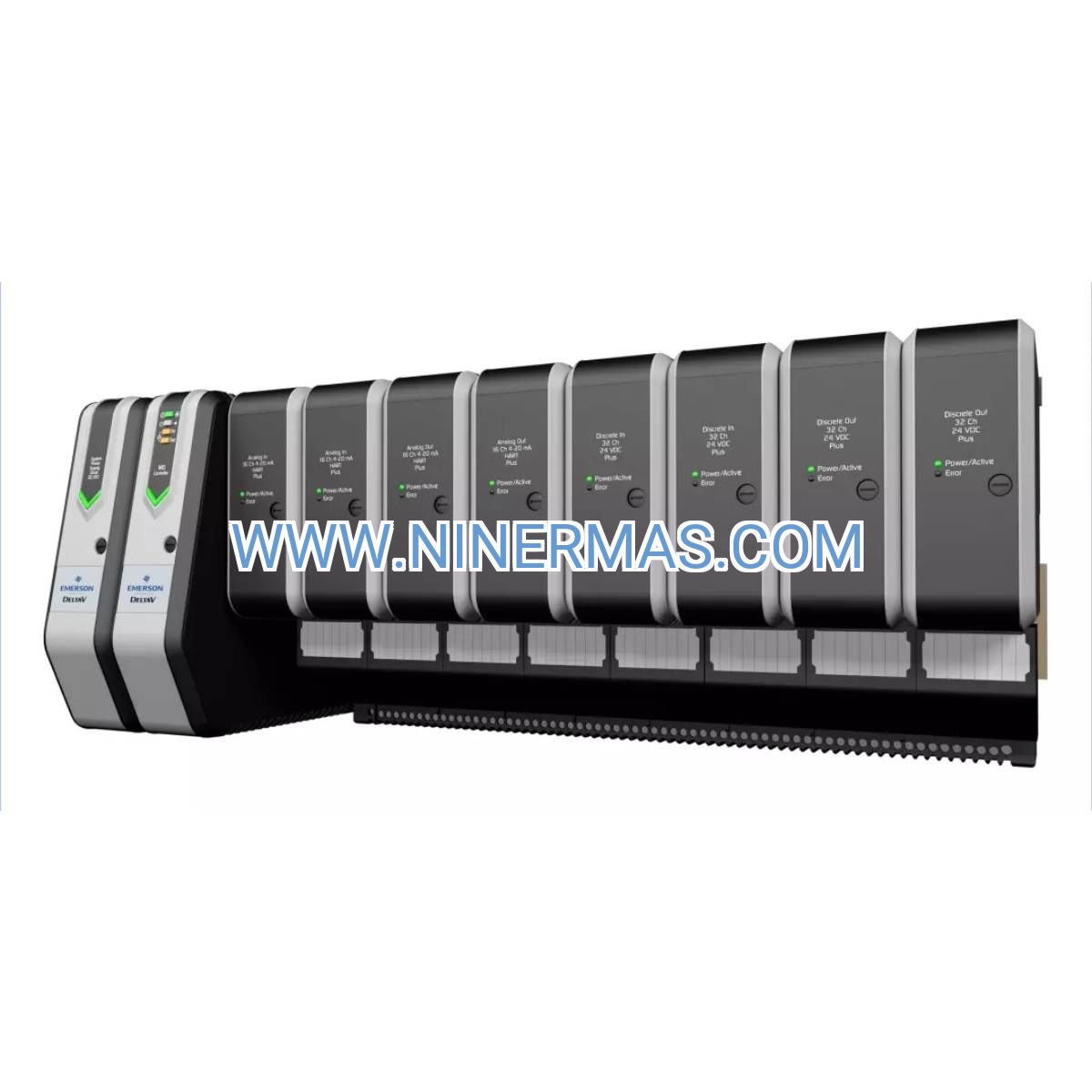
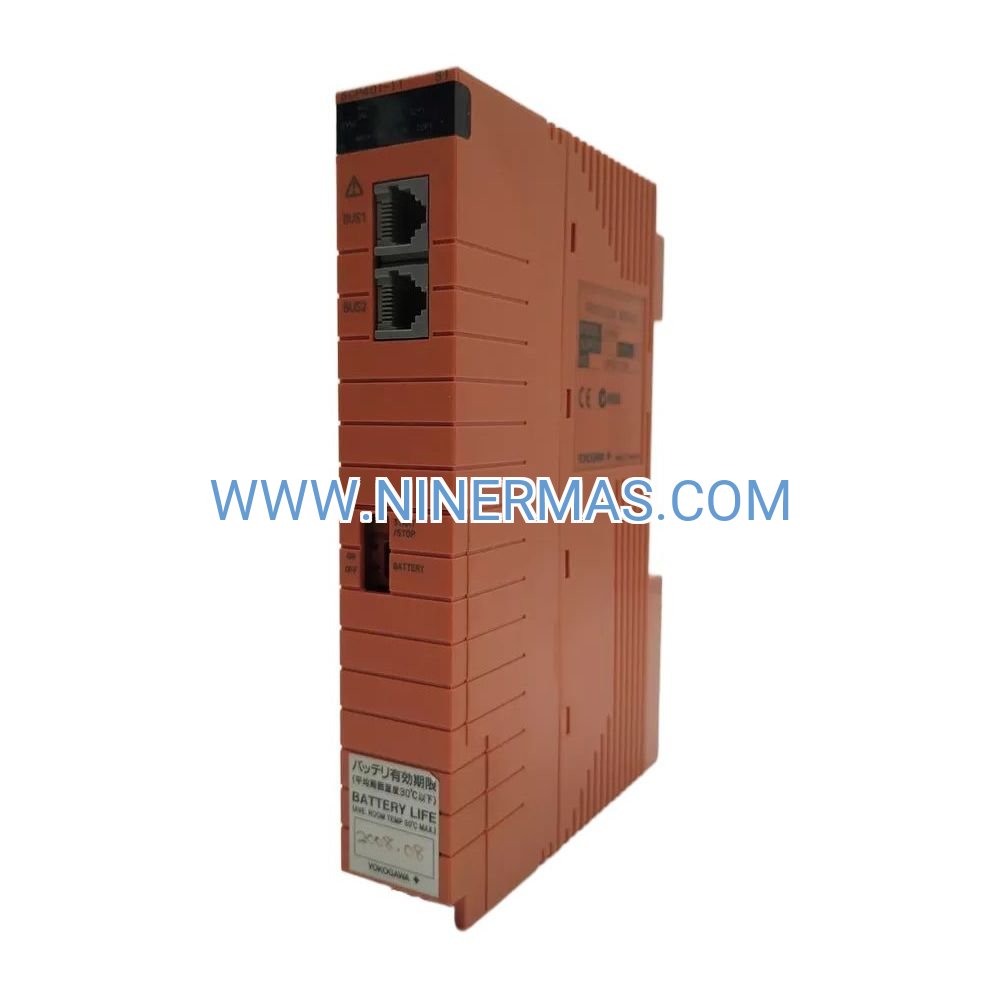
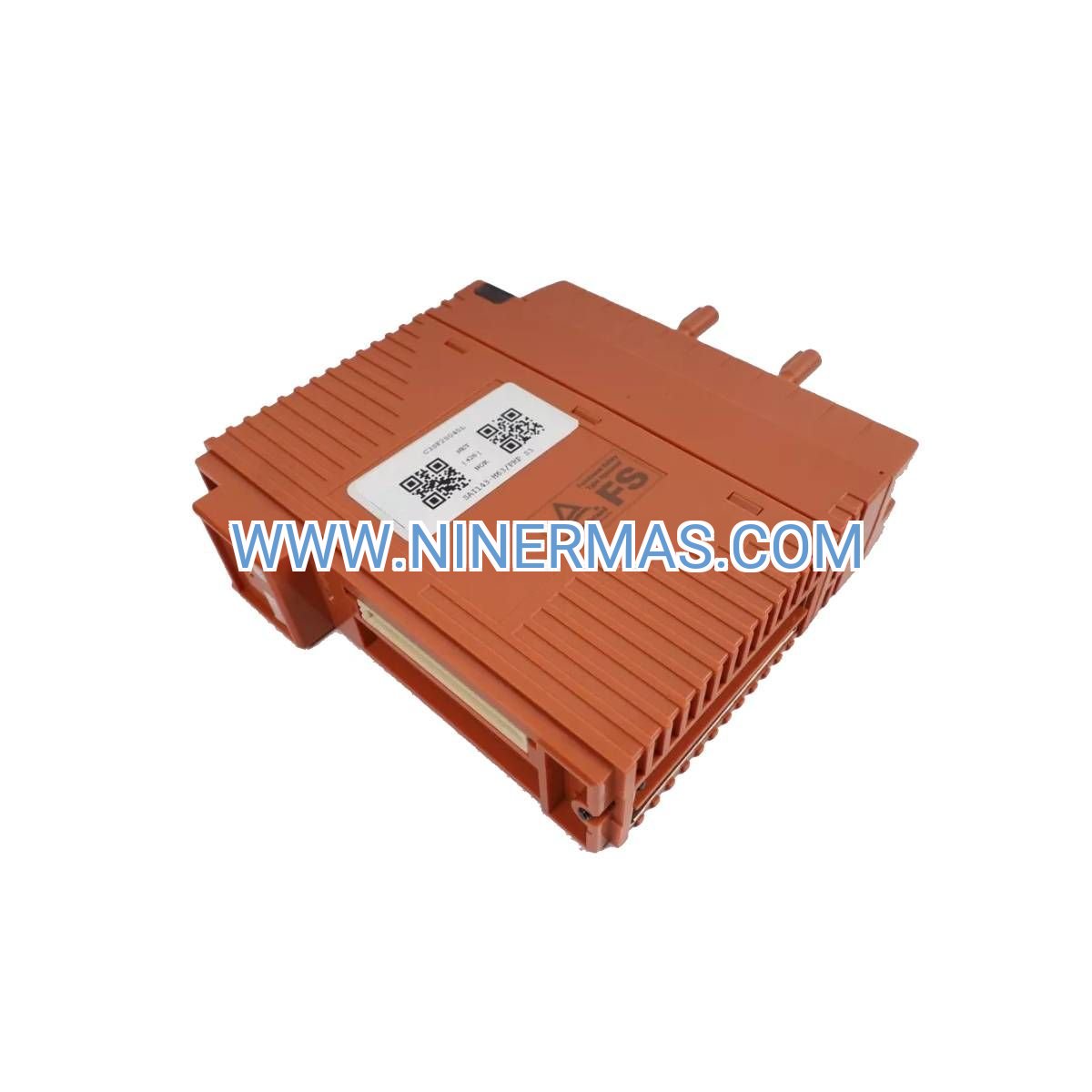
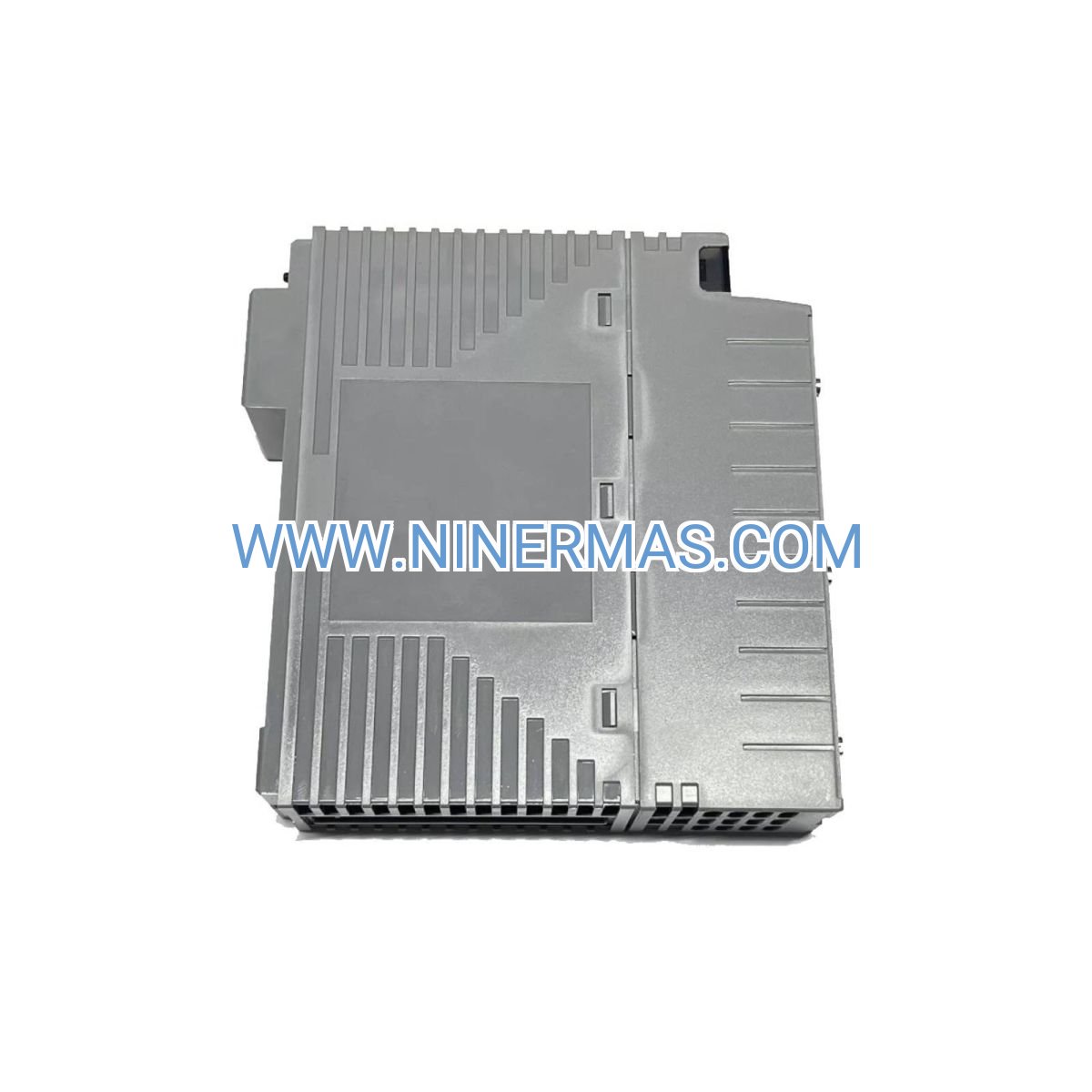
OCR1100 CompactPCI Process Controller (Industrial-Grade Distributed Control)
The OCR1100 represents a breakthrough in distributed control architecture, engineered specifically for industries where process stability directly impacts operational profitability. Built on proven CompactPCI standards, this controller delivers deterministic performance across refineries, power generation facilities, and continuous chemical manufacturing operations requiring 24/7 uptime guarantees.
Process engineers select the OCR1100 when legacy systems fail to meet modern throughput demands or when expanding production capacity requires scalable I/O architecture. With native support for 32,000 control points and five concurrent process tasks, this platform eliminates the bottlenecks that plague older DCS installations while maintaining backward compatibility with existing Ovation infrastructure.
Key differentiators include hot-swappable redundancy across all critical subsystems, sub-10ms deterministic scan cycles for tight loop control, and field-proven reliability in hazardous area classifications. Whether you're modernizing a 1990s-era control room or designing greenfield facilities, the OCR1100 provides the processing headroom and communication bandwidth demanded by today's advanced process control strategies.
Core Capabilities & Business Impact
→ Massive I/O Scalability: Handle up to 32,000 distributed I/O points from a single controller chassis, reducing hardware footprint by 40-60% compared to legacy PLC architectures while lowering spare parts inventory costs.
→ Deterministic Real-Time Performance: Execute critical control loops with guaranteed 10ms scan times, enabling advanced cascade control, feedforward compensation, and model predictive control algorithms that improve product quality and reduce energy consumption by 8-15%.
→ Zero-Downtime Redundancy: Automatic failover between primary and backup controllers occurs in under 50 milliseconds with bumpless transfer, preventing process upsets that cost $50K-$500K per incident in lost production and off-spec material.
✓ Multi-Protocol Communication: Native Ethernet/IP, Modbus TCP, OPC UA, and IEC 61850 support eliminates protocol gateways, reducing network latency by 30-70ms and simplifying cybersecurity architecture for ICS environments.
✓ IEC 61131-3 Programming Flexibility: Deploy control strategies using Function Block Diagrams, Ladder Logic, or Structured Text, allowing control engineers to leverage existing code libraries and reduce commissioning time by 25-40%.
✓ Hazardous Area Certification: UL Class I Division 2, ATEX Zone 2, and IECEx certifications enable installation in classified areas without expensive purge systems, cutting installation costs by $15K-$40K per controller location.
Industry-Specific Deployment Scenarios
Petroleum Refining & Petrochemicals: Crude distillation units demand precise temperature profiling across 40-80 tray columns to maximize valuable light ends recovery. The OCR1100's high-density analog input capacity and fast scan rates enable advanced inferential control that increases gasoline yield by 0.5-1.2% while reducing energy consumption per barrel by 3-7%. Operators report 30% fewer manual interventions during grade transitions when upgrading from legacy systems.
Thermal & Combined-Cycle Power Generation: Boiler control systems require coordinated regulation of fuel flow, air flow, feedwater, and steam temperature across load swings from 40% to 110% capacity. The OCR1100's multi-tasking architecture executes combustion optimization, drum level control, and turbine supervisory functions simultaneously, improving heat rate efficiency by 1.5-2.8% and reducing NOx emissions by 12-18% compared to single-loop controllers.
Continuous Chemical Manufacturing: Polymerization reactors operating at 200-300°C and 40-60 bar require split-second response to exothermic runaways. The OCR1100's deterministic performance enables implementation of advanced constraint control that pushes reactor productivity 8-12% closer to thermodynamic limits while maintaining safety margins, translating to $2M-$8M annual revenue increase for typical 50,000 MT/year plants.
Pulp & Paper Production: Digester control, bleaching sequences, and paper machine moisture profiling involve 500-2,000 I/O points per production line. The OCR1100 consolidates control functions that previously required 3-5 separate PLCs, reducing cabinet space by 60%, cutting commissioning time from 8 weeks to 4 weeks, and lowering annual maintenance costs by $25K-$45K through simplified spare parts management.
Water & Wastewater Treatment: Municipal treatment plants managing 10-100 MGD flows require coordinated control of screening, aeration, clarification, and disinfection processes across distributed sites. The OCR1100's built-in redundant Ethernet enables fiber-optic SCADA networks spanning 5-15 km without repeaters, while IEC 61850 support simplifies integration with smart grid demand response programs that generate $15K-$60K annual revenue from load curtailment agreements.
Technical Parameters & Selection Criteria
| Specification Category | OCR1100 Performance | Selection Guidance |
|---|---|---|
| I/O Capacity | 32,000 points maximum | Size for 125% of current I/O count to accommodate future expansion |
| Scan Cycle Time | 10ms to 1000ms (configurable) | Use 10-50ms for fast loops (flow, pressure), 100-500ms for slow loops (temperature, level) |
| Concurrent Process Tasks | 5 independent tasks | Allocate separate tasks for regulatory control, sequence logic, alarming, trending, and communications |
| Network Architecture | Dual redundant Gigabit Ethernet | Deploy ring topology for <8 controllers, star topology for larger systems |
| Operating Environment | 0°C to 60°C, 5-95% RH non-condensing | Specify air conditioning for control rooms exceeding 35°C ambient |
| Power Requirements | 24VDC ±20%, 45W typical, 65W maximum | Use redundant power supplies rated 150% of total controller load |
| Memory & Storage | 512MB RAM, 2GB CompactFlash | Sufficient for 15,000-20,000 control tags with 90-day trend storage |
| Certifications | UL508, CE, CSA C22.2, ATEX, IECEx | Verify local jurisdiction requirements; some regions require additional approvals |
Sizing Recommendations: For process units with 5,000-15,000 I/O points, deploy a single OCR1100 in simplex or redundant configuration. Larger facilities with 15,000-60,000 points benefit from distributed architecture using 2-4 OCR1100 controllers with peer-to-peer communication. Always reserve 20-30% processing headroom for future advanced control applications and cybersecurity monitoring functions.
Advanced Integration & Expansion Options
Cybersecurity Hardening: The OCR1100 supports role-based access control (RBAC) with 16 user privilege levels, encrypted Ethernet communication using TLS 1.2/1.3, and integration with RADIUS/LDAP authentication servers. Deploy in conjunction with industrial firewalls and intrusion detection systems to achieve IEC 62443 Security Level 2 or 3 compliance, meeting insurance and regulatory requirements for critical infrastructure protection.
Cloud Connectivity & Analytics: Native OPC UA server functionality enables secure data streaming to cloud-based analytics platforms for predictive maintenance, energy optimization, and production forecasting. Customers report 15-25% reduction in unplanned downtime after implementing machine learning models trained on OCR1100 process data, with ROI achieved in 8-14 months through improved asset utilization.
Mobile HMI & Remote Access: HTML5-based operator interfaces allow plant personnel to monitor and adjust setpoints from tablets and smartphones without installing proprietary software. Remote troubleshooting via secure VPN reduces mean time to repair (MTTR) by 40-60% when vendor specialists can diagnose issues without traveling to site, saving $5K-$15K per service call.
Legacy System Migration: The OCR1100 includes protocol converters for Honeywell TDC, Foxboro I/A, and ABB MOD 300 systems, enabling phased migration strategies that minimize production disruption. Typical migration projects span 12-24 months with 2-4 week outages per process unit, compared to 6-12 month "big bang" cutovers that risk extended downtime and startup issues.
Delivery Timeline & Comprehensive Service Package
Standard Lead Time: 4-6 weeks for factory-new units with standard configuration. Expedited 10-14 day delivery available for critical outage situations at 20% premium. All controllers undergo 72-hour burn-in testing and functional verification before shipment.
Custom Configuration: Pre-programmed controllers with customer-specific I/O mapping, control logic, and HMI graphics ship in 8-10 weeks. This turnkey approach reduces on-site commissioning from 3-4 weeks to 5-7 days, minimizing production loss during upgrades.
Warranty Coverage: 18-month comprehensive warranty covers all manufacturing defects, component failures, and firmware issues. Advance replacement program ships backup units within 24 hours to minimize downtime, with failed units repaired or replaced at no charge.
Technical Support: Lifetime access to application engineers with 15-25 years DCS experience, available via phone, email, and remote desktop support. Average response time under 2 hours for critical issues, with 95% of problems resolved remotely without site visits.
Training & Documentation: Each controller includes complete technical manuals, wiring diagrams, and programming examples. Optional 3-day on-site training courses ($4,500 for up to 8 attendees) cover system architecture, programming best practices, troubleshooting procedures, and cybersecurity configuration.
Spare Parts Strategy: Recommended spare parts kit ($8,500) includes backup controller, power supply, communication modules, and I/O cards sufficient to restore 95% of common failures within 4 hours. Customers with 5+ controllers typically maintain 1 complete spare controller plus 2 sets of I/O modules.
Frequently Asked Questions
How does the OCR1100 compare to Allen-Bradley ControlLogix or Siemens S7-400 for process control applications?
The OCR1100 is purpose-built for continuous process control with deterministic scan times and native support for advanced regulatory control, whereas ControlLogix and S7-400 are general-purpose PLCs optimized for discrete manufacturing. For applications requiring cascade control, ratio control, or model predictive control, the OCR1100 typically delivers 30-50% better loop performance with simpler configuration. However, PLCs may be more cost-effective for batch processes with fewer than 500 I/O points.
What network bandwidth is required for redundant Ethernet communication between OCR1100 controllers?
Typical installations consume 5-15 Mbps per controller for peer-to-peer data exchange, HMI updates, and historian communication. Gigabit Ethernet provides 60-200x headroom for future expansion, video surveillance integration, and cybersecurity monitoring traffic. For installations with 10+ controllers, deploy managed switches with Quality of Service (QoS) to prioritize control traffic over non-critical data.
Can the OCR1100 interface with third-party smart field devices using HART, Foundation Fieldbus, or Profibus protocols?
Yes, through compatible I/O modules. HART communication enables access to diagnostic data from intelligent transmitters and valve positioners, reducing calibration frequency by 40-60%. Foundation Fieldbus H1 segments support up to 16 devices per segment with 31.25 kbps bandwidth, ideal for analyzer integration. Profibus DP operates at 1.5-12 Mbps for high-speed drive control and remote I/O applications.
What programming software is required, and are there annual license fees?
The Emerson DeltaV Operate and Control Studio software suite is required for configuration and programming. Perpetual licenses start at $12,000 per seat with optional annual maintenance ($2,400/year) providing software updates and technical support. Many customers purchase 2-3 licenses: one for engineering workstations, one for backup/disaster recovery, and one for contractor access during projects.
How do I migrate existing control logic from a legacy DCS to the OCR1100 platform?
Emerson provides migration tools that convert 60-80% of control logic automatically from Honeywell TDC, Foxboro I/A, and ABB systems. Remaining logic requires manual recreation, typically consuming 40-80 engineering hours per 1,000 control loops. Budget 6-12 months for complete migration projects including Factory Acceptance Testing (FAT), Site Acceptance Testing (SAT), and operator training.
What cybersecurity measures are built into the OCR1100 to prevent unauthorized access and malware?
The controller supports application whitelisting (only approved programs execute), encrypted communication channels, and integration with industrial firewalls and intrusion detection systems. Regular firmware updates address newly discovered vulnerabilities, with patches released within 30-90 days of disclosure. For critical infrastructure applications, deploy OCR1100 controllers on isolated networks with unidirectional gateways to enterprise systems, following ISA/IEC 62443 defense-in-depth principles.
Ready to Modernize Your Process Control Infrastructure?
The OCR1100 CompactPCI controller delivers the reliability, performance, and scalability demanded by today's process industries. Whether you're replacing aging DCS hardware, expanding production capacity, or implementing advanced control strategies, our team provides expert guidance from initial sizing through commissioning and beyond.
Contact our industrial automation specialists today for application-specific recommendations, budget pricing, and migration planning assistance. We'll help you design a control system architecture that maximizes uptime, improves product quality, and delivers measurable ROI within 12-24 months.
© 2026 NINERMAS COMPANY LIMITED. All rights reserved.
Original Source: https://ninermas.com
Contact: sale@ninermas.com | +0086 187 5021 5667
PDF Specification
Download PDF file here:
Click to Download PDFRelated products

Contact Info
-
Address:22 / F, South Wo Hang building, 148 Wing Lok Street, Sheung Wan, Western District, Hong Kong
-
Phone:+8618750215667
-
Email:
