


Description
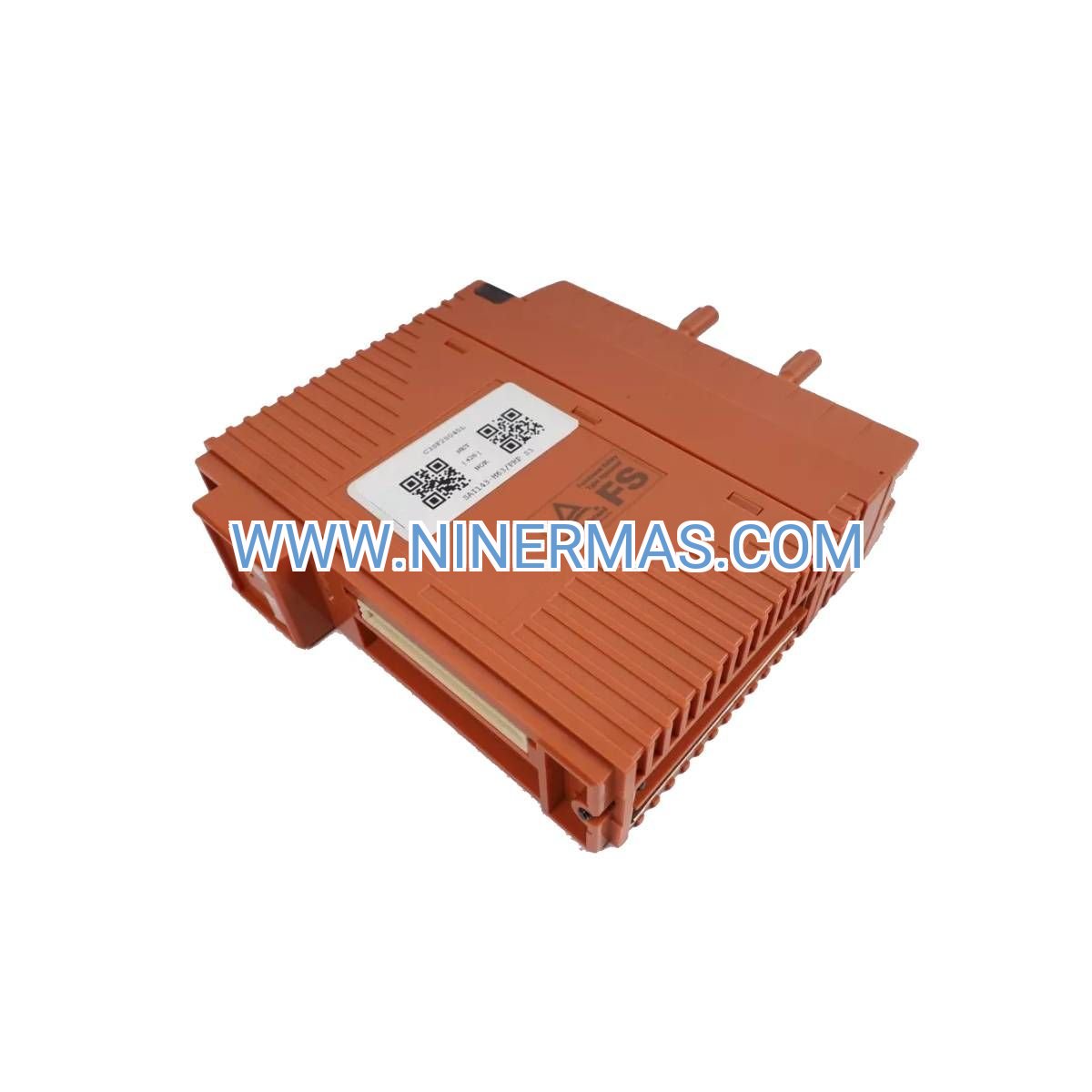
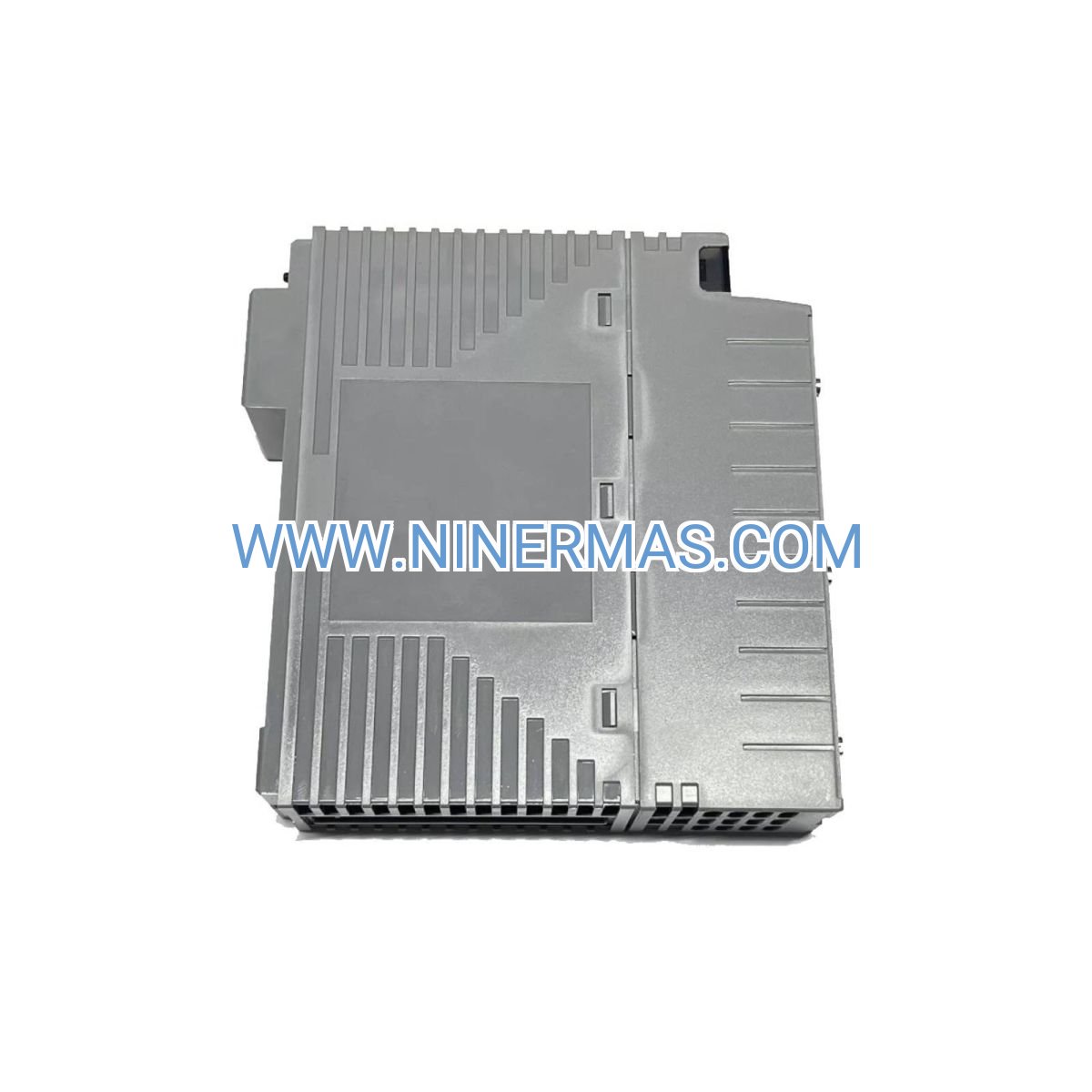
VE4002S1T1B2 KJ3001X1-BG1 Industrial-Grade Discrete Input Module
The VE4002S1T1B2 featuring KJ3001X1-BG1 input card paired with KJ4001X1-CB1 fused termination represents a robust solution for acquiring discrete on/off signals in demanding industrial environments. Engineered for Emerson DeltaV M-series control platforms, this 8-channel digital input assembly integrates per-channel fuse protection to safeguard against field wiring anomalies while ensuring uninterrupted monitoring of critical process equipment status, safety interlocks, and alarm conditions.
Designed for process industries requiring high availability and rapid fault diagnosis, this module transforms standard discrete input functionality into a fault-tolerant monitoring system. Individual channel fusing prevents single-point failures from cascading across multiple inputs, while front-accessible fuse replacement minimizes downtime during maintenance operations.
Ready to enhance your DeltaV system reliability? Contact our automation specialists for application-specific configuration guidance and delivery timelines tailored to your project schedule.
Key Features & Technical Advantages
→ Individual Channel Fuse Protection: Each of the 8 input channels incorporates a dedicated 250mA fast-acting fuse, isolating faults to a single channel while maintaining full operation of the remaining seven inputs—critical for continuous process monitoring.
→ Visual Diagnostic Indicators: Dual-function LED arrays provide instant channel status verification (green = active signal, red = fuse failure), reducing troubleshooting time by up to 70% compared to non-fused alternatives requiring manual testing.
→ Wide Voltage Acceptance Range: Operates reliably across 18-30 VDC input spectrum, accommodating voltage fluctuations common in industrial power distribution systems without false triggering or signal loss.
✓ Hot-Swappable Fuse Replacement: Field-replaceable 5x20mm ceramic fuses can be exchanged without de-energizing the system or disconnecting field wiring, enabling maintenance during live operations.
✓ Enhanced Electrical Isolation: 1500 VAC channel-to-backplane isolation protects control system electronics from field-side electrical transients, while 250 VAC channel-to-channel isolation prevents cross-talk in high-density installations.
✓ Configurable Input Filtering: Software-adjustable debounce timing (5-100ms) eliminates mechanical contact bounce from relays and switches, preventing false alarms in vibration-prone environments.
Industrial Application Scenarios
Equipment Status Monitoring in Chemical Processing:
Acquire real-time status from motor-operated valve limit switches, pump seal failure sensors, and agitator bearing temperature alarms across distributed process units. Fused inputs protect against corrosive atmosphere-induced cable degradation that could otherwise damage entire input cards.
Safety System Integration for Oil & Gas:
Interface with emergency shutdown (ESD) valve position confirmations, gas detector alarm contacts, and flame detector status signals in SIL 2-rated safety instrumented systems. Per-channel fusing ensures a single sensor wiring fault cannot compromise multiple safety-critical inputs during emergency scenarios.
Packaging Line Sensor Networks:
Monitor photoelectric part-present sensors, inductive proximity switches for metal detection, and capacitive level switches for material flow verification. Individual fuse protection prevents production line stoppages when a single sensor fails due to mechanical impact or contamination.
Power Generation Auxiliary Systems:
Collect alarm contacts from motor control center (MCC) breaker status, cooling water flow switches, lube oil pressure transmitters, and vibration monitor trip outputs. Visual fuse indicators enable rapid identification of failed field devices during alarm flood conditions.
Water Treatment SCADA Integration:
Gather status signals from remote pump stations, tank level switches, chlorine analyzer alarms, and filter backwash cycle confirmations across geographically distributed facilities. Fused terminals protect against lightning-induced surges common in outdoor installations.
Technical Parameters & Selection Guide
| Input Channel Count | 8 isolated discrete inputs |
| Nominal Input Voltage | 24 VDC (18-30 VDC operational range) |
| Compatible Signal Types | Dry contact, wet contact, 2-wire proximity sensor, limit switch |
| Input Current Draw | 7 mA per channel @ 24 VDC nominal |
| Logic High Threshold | >15 VDC (guaranteed ON state) |
| Logic Low Threshold | <5 VDC (guaranteed OFF state) |
| Channel Input Impedance | 3.3 kΩ typical |
| Signal Response Time | 10 ms default (adjustable 5-100 ms via software) |
| Fuse Specification | 250 mA fast-blow, 5x20mm ceramic (user-replaceable) |
| Fuse Indication | Per-channel red LED illuminates on fuse failure |
| Isolation Voltage | 1500 VAC field-to-logic, 250 VAC channel-to-channel |
| Operating Temperature | -40°C to +70°C ambient (no derating required) |
| Power Consumption | 2.5W from DeltaV carrier backplane |
| Hazardous Area Approvals | UL/CSA Class I Div 2, ATEX Zone 2, IECEx, SIL 2 capable |
| Physical Dimensions | Standard DeltaV M-series card form factor |
| Weight | 0.4 kg (module + terminal block assembly) |
Selection Criteria: Choose fused termination (KJ4001X1-CB1) for applications involving field-mounted devices, frequent wiring modifications, harsh environmental conditions, or where a single channel fault must not affect adjacent inputs. Non-fused terminals are suitable only for clean panel environments with stable, low-risk wiring. For high-density applications requiring >8 channels, consider the 32-channel VE4001S2T2B5 variant.
Extended Functionality & System Integration
DeltaV Explorer Configuration: Module parameters are configured via DeltaV Explorer software, enabling customization of input filtering, alarm-on-change triggers, and diagnostic reporting. Supports both simplex and redundant controller architectures (VE3005/VE3006/VE3007/VE3008 carriers).
Predictive Diagnostics: Built-in diagnostics monitor fuse continuity, input signal quality, and backplane communication health. Diagnostic data integrates with DeltaV AMS Suite for predictive maintenance scheduling and asset performance management.
Wiring Flexibility: Supports common positive (sourcing) or common negative (sinking) wiring configurations. Common negative is optimal for NPN proximity sensors, while common positive suits PNP sensors and dry contact applications.
Cybersecurity Compliance: Module firmware adheres to IEC 62443 industrial cybersecurity standards, with secure backplane communication protocols preventing unauthorized configuration changes.
Delivery Timeline & Service Commitment
Standard Lead Time: 3-5 business days for in-stock units; 2-3 weeks for factory-direct orders requiring specific firmware revisions or custom testing.
Warranty Coverage: 18-month comprehensive warranty covering manufacturing defects, component failures, and workmanship issues. Extended warranty options available for critical applications.
Technical Support: Lifetime access to application engineering support for sensor compatibility verification, wiring diagram review, and troubleshooting assistance. Emergency support available 24/7 for production-critical failures.
Documentation Package: Includes installation manual, wiring diagrams for common sensor types, spare fuse kit (8 pieces), and DeltaV configuration templates for rapid commissioning.
Frequently Asked Questions
Q: What is the advantage of fused terminals over standard non-fused discrete input modules?
A: Fused terminals provide individual channel protection, isolating faults to a single input while maintaining operation of the remaining channels. This prevents a single wiring error or sensor failure from disabling the entire input card, reducing downtime by 60-80% in field device-intensive applications. Visual fuse indicators also accelerate troubleshooting compared to non-fused modules requiring multimeter testing.
Q: Can I replace blown fuses without shutting down the DeltaV controller?
A: Yes, the KJ4001X1-CB1 fused terminal block supports hot-swappable fuse replacement. Fuses are accessible from the front panel without removing field wiring or de-energizing the module. However, best practice recommends verifying and correcting the root cause of the fault before replacing the fuse to prevent recurrence.
Q: What type of sensors are compatible with the VE4002S1T1B2 input module?
A: The module accepts any 24 VDC discrete signal source including dry contact switches, wet contact relays, 2-wire proximity sensors (NPN/PNP), photoelectric sensors, limit switches, and alarm contacts. Input impedance of 3.3 kΩ per channel is compatible with standard industrial sensor output stages drawing 5-10 mA.
Q: How do I determine the correct fuse rating for my application?
A: Factory-installed 250 mA fast-blow fuses are suitable for 95% of applications. For ultra-low current sensors (<5 mA), 100 mA fuses provide enhanced protection. Never exceed 250 mA rating as this may compromise card-level protection circuitry. Consult sensor datasheets to verify output current specifications.
Q: Is the module suitable for SIL-rated safety instrumented systems?
A: Yes, the VE4002S1T1B2 is SIL 2 capable when configured per IEC 61508/61511 guidelines. For SIL 3 applications, use redundant input modules (VE4031S2T2B1) with 1oo2 voting logic. Consult Emerson's SIL certification documentation for proof test intervals and failure rate data.
Q: What is the maximum cable length for field wiring to the discrete inputs?
A: Maximum recommended cable length is 300 meters (1000 feet) using 18-22 AWG shielded twisted-pair cable. For longer distances, use signal repeaters or consider 4-20 mA analog input modules to avoid voltage drop and noise pickup. Maintain minimum 150mm separation from AC power cables to prevent electromagnetic interference.
Upgrade Your DeltaV System Today
Enhance your process control reliability with the VE4002S1T1B2 KJ3001X1-BG1 fused discrete input module. Our automation specialists are ready to assist with technical specifications, compatibility verification, and project-specific delivery schedules.
Contact us now: Email sale@ninermas.com or call +0086 187 5021 5667 for immediate technical consultation and quotation.
© 2026 NINERMAS COMPANY LIMITED. All rights reserved.
Original Source: https://ninermas.com
Contact: sale@ninermas.com | +0086 187 5021 5667
Related products

Contact Info
-
Address:22 / F, South Wo Hang building, 148 Wing Lok Street, Sheung Wan, Western District, Hong Kong
-
Phone:+8618750215667
-
Email:
